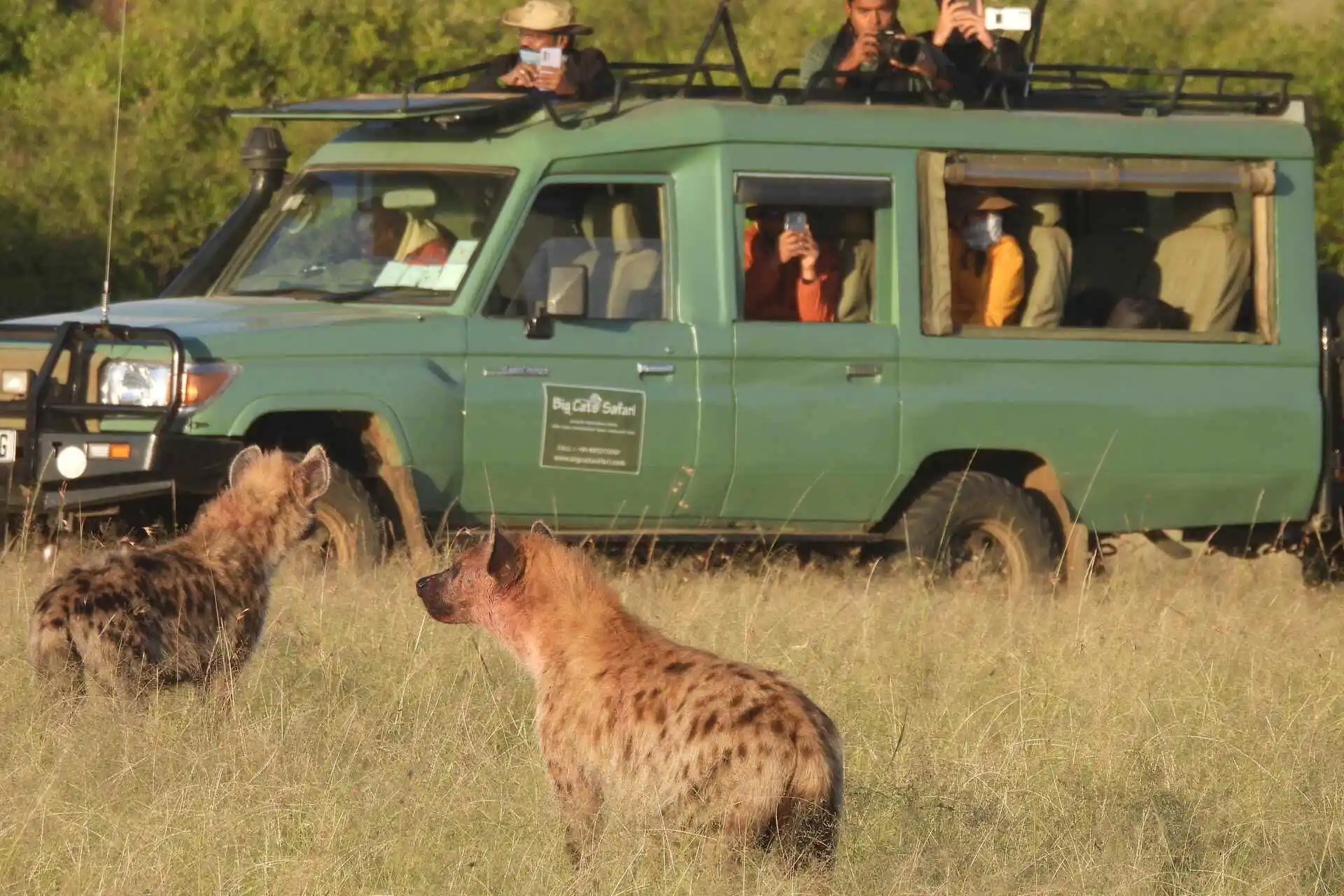
African Safari From India
Expert planned safaris from the India with smooth travel arrangements and experienced safari guides.
Top African Safari Destinations
for Travelers from India
Travelers from India often visit Africa for its rich wildlife and open landscapes. From Masai Mara National Reserve to Okavango Delta, these destinations offer some of the best safari experiences in Africa.
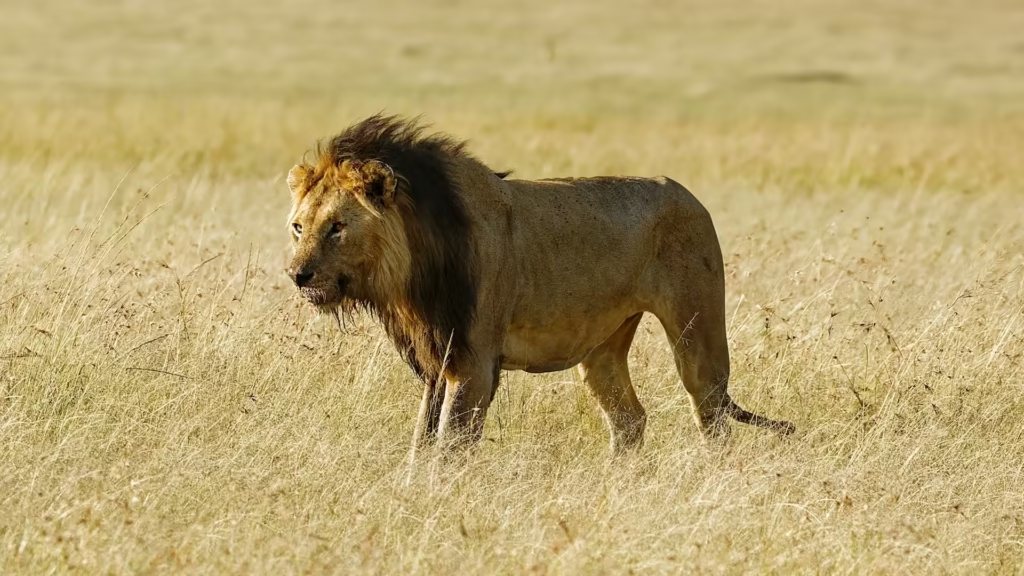
First Time Safari Goers
Masai Mara, Kenya
Witness the Great Migration, one of nature’s most spectacular events. Home to the Big Five and over 470 bird species.
- Big Five Guaranteed
- Great Migration (Jul-Oct)
- Masai Culture
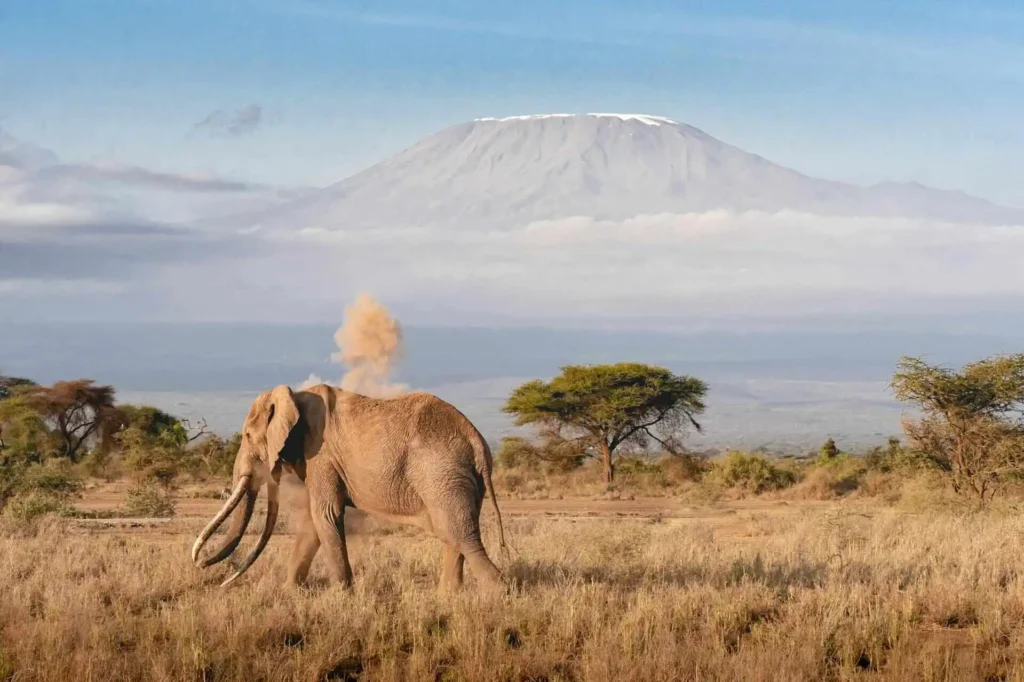
Elephant lovers & photographers
Amboseli, Kenya
Famous for large elephant herds set against Mount Kilimanjaro, offering iconic African safari views.
- Kilimanjaro Backdrop
- Large Elephant Herds
- Close Wildlife Encounters
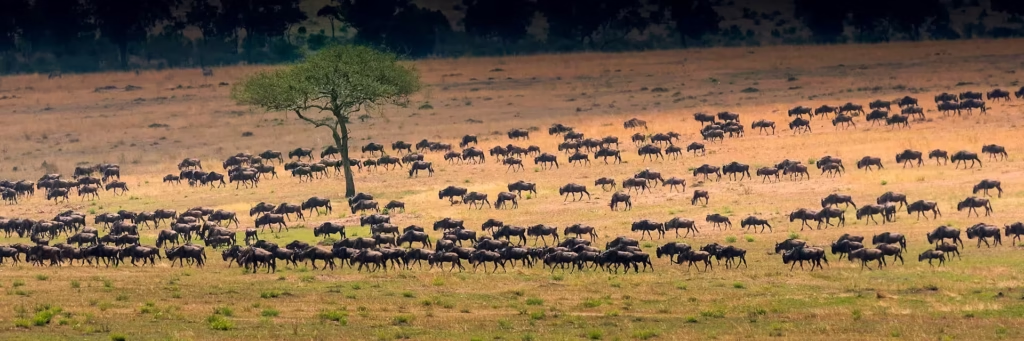
Photography enthusiasts
Serengeti, Kenya
Endless plains teeming with wildlife. The Serengeti offers year-round game viewing and unmatched wilderness.
- Year-round Wildlife
- Luxury Tented Camps
- Ngorongoro Crater
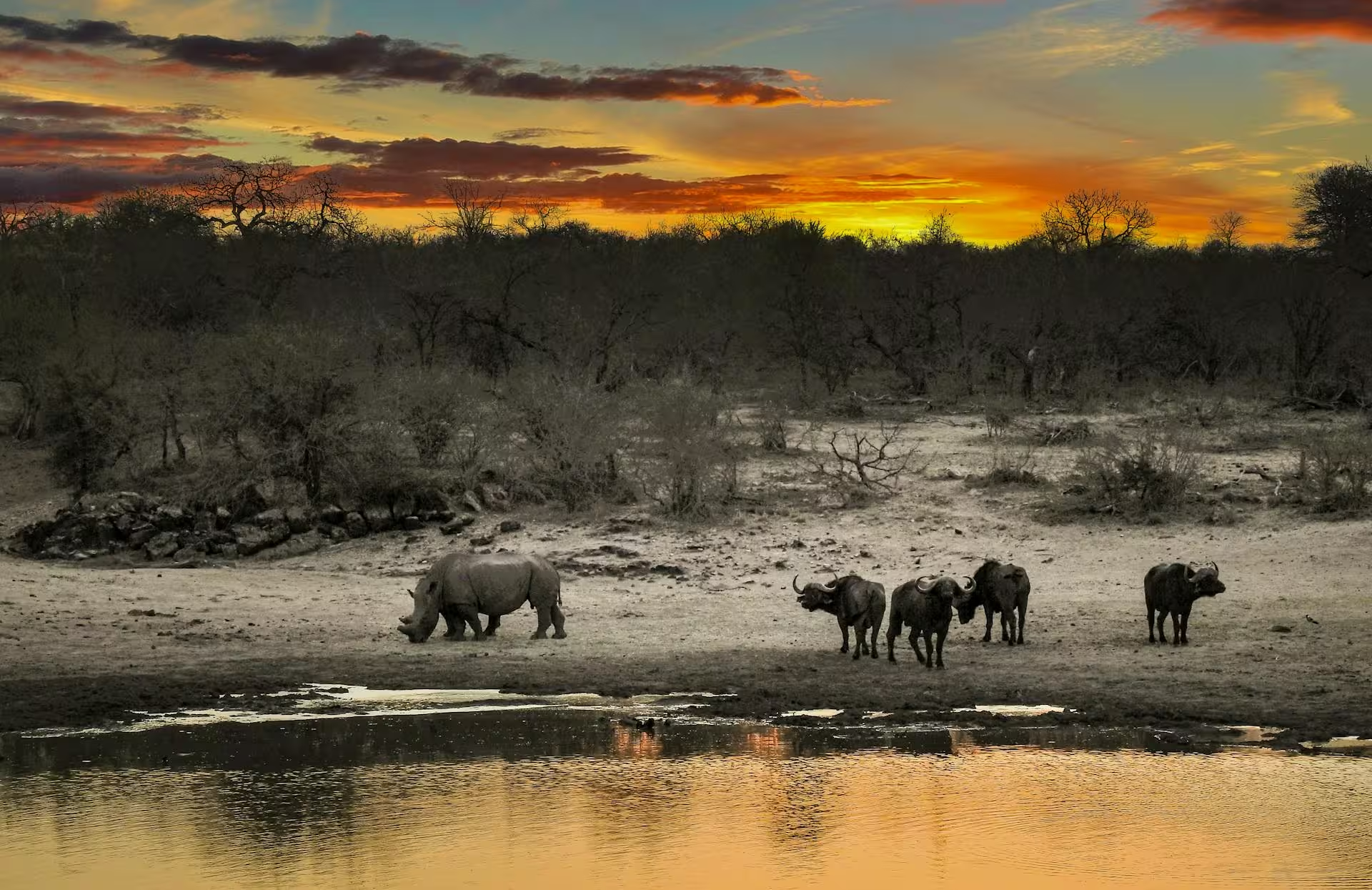
Family & Self Drivers
Kruger, South Africa
One of Africa’s largest game reserves with excellent infrastructure and self-drive options.
- Self-drive safaris
- Luxury lodges
- Malaria-free options
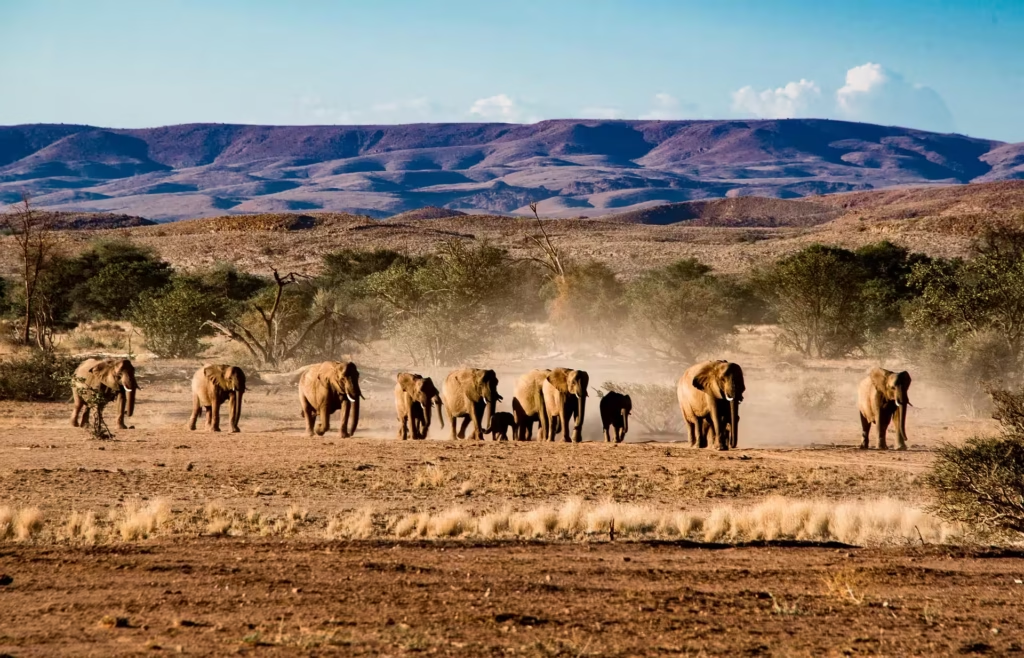
Desert wildlife lovers
Etosha, Namibia
A vast salt pan landscape where wildlife gathers around dramatic waterholes, perfect for photography and unique safari scenes.
- Desert-adapted wildlife
- Floodlit waterholes
- Self-drive friendly
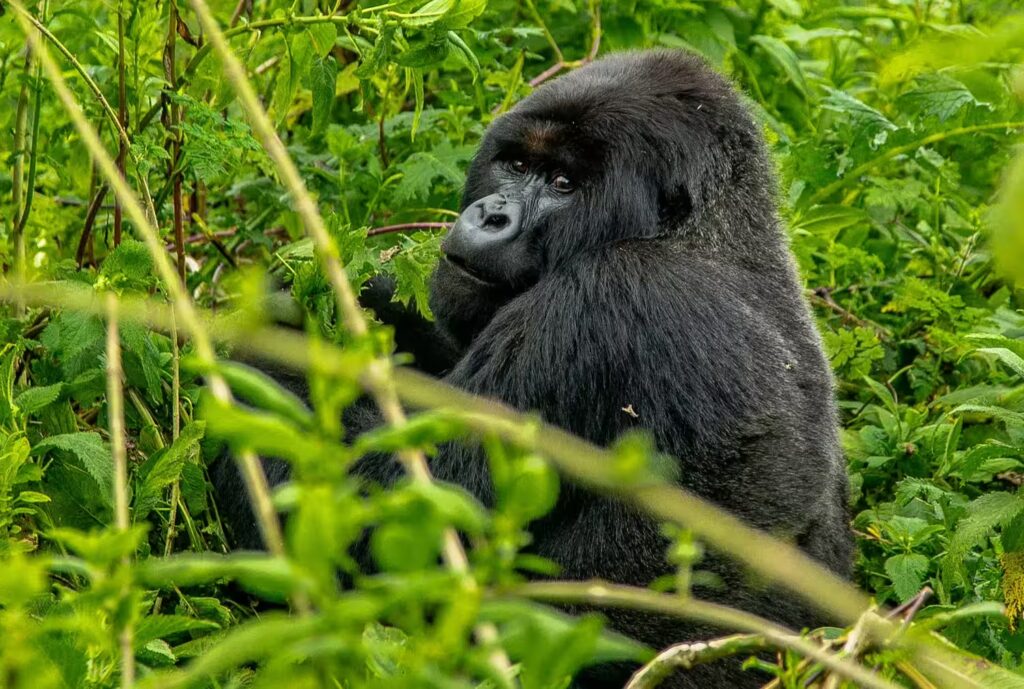
Bucket List Travellers
Volcanoes, Rwanda
A once-in-a-lifetime encounter with endangered mountain gorillas in the misty Volcanoes National Park.
- Mountain gorilla trekking
- Golden monkey tracking
- Akagera safari
Flights from India to Africa for Safari
Several airlines connect major cities in India with African safari destinations through direct or one stop routes. Most flights travel through hubs in the Middle East before continuing to East or Southern Africa. Flight time usually ranges from about 6 to 10 hours depending on the route.
Airlines Flying from the India to Africa
Kenya Airways
Hub: Nairobi
From: Mumbai
Ethiopian Airlines
Hub: Addis Ababa
From: Delhi, Mumbai
Qatar Airways
Hub: Doha
From: Delhi, Mumbai, Bengaluru
Emirates
Hub: Dubai
From: Delhi, Mumbai, Bengaluru, Chennai
Air India
Hub: Delhi
Flights to: Nairobi (seasonal or codeshare routes)
IndiGo
Hub: Delhi and Mumbai
Connections through codeshare and partner airlines to Nairobi and other African cities
Tips for Booking Flights
- Book flights about three to five months before travel for better prices
- Consider connections through Dubai, Doha, or Addis Ababa for more route options
- Set fare alerts on Google Flights or Skyscanner to monitor price changes
- Overnight flights can help you reach Africa early and start your safari smoothly
- Premium economy or business class upgrades may offer better comfort on long flights
Best Departure Cities in India
Travelers can begin their safari journey from several major airports across India.
| Departure City | Direct Flights | Average Price Round Trip | Flight Time | Best Airlines |
|---|---|---|---|---|
| Mumbai | Yes | ₹55,000 to ₹95,000 | 6 to 7 hours | Kenya Airways, Ethiopian Airlines |
| Delhi | Connecting | ₹60,000 to ₹1,00,000 | 7 to 9 hours | Ethiopian Airlines, Emirates, Qatar Airways |
| Bengaluru | Connecting | ₹65,000 to ₹1,05,000 | 8 to 10 hours | Emirates, Qatar Airways |
| Chennai | Connecting | ₹65,000 to ₹1,05,000 | 8 to 10 hours | Emirates, Qatar Airways |
| Hyderabad | Connecting | ₹65,000 to ₹1,05,000 | 8 to 10 hours | Qatar Airways, Emirates |
Arrival in Africa and Transfers to Safari Parks
Most travelers from India arrive in East Africa through two main international airports.
Jomo Kenyatta International Airport serves as the main gateway to Kenya. Many safari journeys begin here before heading to Masai Mara National Reserve, Amboseli National Park, or Lake Nakuru National Park.
Kilimanjaro International Airport connects travelers to the northern Tanzania safari circuit including Serengeti National Park, Ngorongoro Crater, and Tarangire National Park.
From these airports, travelers continue to safari parks using short domestic flights or comfortable road transfers to lodges and camps.
Everything You Need to Know
Before You Go
From visas to currencies, here’s your complete travel information guide for an African safari from the India.
Kenya
$34
eVisa required
Processing Time: 2-3 business days
Validity: 90 days
Travelers must apply online for the Electronic Travel Authorisation before departure. Entry without an approved eTA is not allowed.
Tanzania
$50
Visa on arrival or eVisa
Processing: Instant (on arrival) or 3-5 days (eVisa)
Validity: 90 days
Applying for an eVisa online before travel is recommended to avoid queues at the airport.
South Africa
~$30
Visa Required
Processing: Apply through the official visa application center
Validity: 90 days
Applications are usually submitted through VFS Global centers. Service charges are typically around ₹2,000 to ₹2,300.
Rwanda
$50
Visa on Arrival or eVisa
Processing Time: Apply online in advance or obtain a visa on arrival
Validity: 30 days
Travelers can obtain a visa on arrival or apply online. Those visiting multiple countries in the region may consider the East Africa Tourist Visa which covers Kenya, Rwanda, and Uganda.
Zambia
$50
eVisa or visa on arrival
Processing Time: Apply online in advance or obtain a visa on arrival
Validity: upto 90 days
Travelers planning to visit both Zambia and Zimbabwe may apply for the KAZA UniVisa, which allows entry to both countries.
Namibia
$90
Visa Required
Processing: Apply through the embassy or eVisa system
Validity: 90 days
Applications may be submitted online or through the Namibian High Commission. Fees may vary depending on the application method.
Time Zones and Travel Duration from India
Traveling from India to Africa involves a small time difference, so most travelers adjust quickly after arrival.
| East Africa Kenya, Tanzania, Rwanda |
Time Zone EAT (UTC+3) |
Time Difference from India India is 2 hours 30 minutes ahead. |
| Sounthern Africa South Africa, Botswana, Zimbabwe |
Time Zone CAT / SAST (UTC+2) |
Time Difference from India India is 3 hours 30 minutes ahead. |
Travel Duration from the India
| Departure City | Destination | Flight Duration |
|---|---|---|
| Mumbai | → Nairobi | 6 to 7 hours |
| Delhi | → Nairobi | 7 to 8 hours |
| Bengaluru | → Nairobi | 8 to 9 hours |
| Mumbai | → Johannesburg | 9 to 10 hours |
| Delhi | → Johannesburg | 10 to 11 hours |
Jet Lag Tips for Safari Travelers from India
Traveling from India to Africa involves only a small time difference, so jet lag is usually mild.
- Try sleeping early on the flight if you arrive in the morning
- Drink enough water during the journey and avoid heavy meals
- Spend some time outdoors after arrival to adjust to local daylight
- Plan a relaxed first evening before starting early morning game drives
- Most safari lodges offer a rest break between morning and evening drives, which helps travelers adjust quickly
Currency Guide for Travelers from India
Most safari lodges and hotels in Africa accept international credit cards. Carrying some local currency is still useful for small purchases, local markets, and tips.
Kenya
Kenyan Shilling (KES)
1 INR ≈ 1.5 KES
Cards Accepted ✓
Tanzania
Tanzanian Shilling (TZS)
1 INR ≈ 30 TZS
Cards Accepted ✓
Rwanda
Rwandan Franc (RWF)
1 INR ≈ 15 RWF
Cards Accepted ✓
South Africa
South African Rand (ZAR)
1 INR ≈ 0.22 ZAR
Cards Accepted ✓
Namibia
Namibian Dollar (NAD)
1 INR ≈ 0.22 NAD
Cards Accepted ✓
Zambia
Zambian Kwacha (ZMW)
1 INR ≈ 0.30 ZMW
Cards Accepted ✓
Currency Tips
Exchange rates change frequently, so checking the latest rates before travel is recommended.
- Carry small cash for tips and local purchases
- Inform your bank before traveling to avoid card blocks
- ATMs are available in major cities but limited near safari parks
- Typical tipping guide: about ₹800 to ₹1,500 per day for safari guides and ₹400 to ₹800 per day for lodge staff
Ready to Plan Your
African Safari?
Get a free, personalized safari quote from our experts. No commitment, no pressure – just expert advice tailored to your dream trip.
Call Us
+91-993 377 2287
WhatsApp Us
+91-993 377 2287
Get Your Free Quote
Our safari specialist will respond within 24 hours
Typical Safari Duration for Travelers from India
Most visitors from India choose safari trips that last 7 to 10 days. The relatively shorter flight time makes it easier to plan a well paced safari across multiple wildlife areas.
This duration allows travelers to enjoy several game drives and explore different landscapes across Kenya and Tanzania.
A typical safari plan may look like this:
- Arrival in Nairobi
- Flight to Masai Mara National Reserve for game drives
- Continue to Serengeti National Park or Ngorongoro Crater
- Return through Nairobi or Kilimanjaro International Airport
This route connects some of East Africa’s most famous wildlife destinations and offers excellent chances of seeing lions, elephants, giraffes, and many other animals in their natural habitat.
Handcrafted Safari Itineraries
Explore our most popular safari itineraries, each designed to showcase the best of Africa. All itineraries are fully customizable to your preferences.
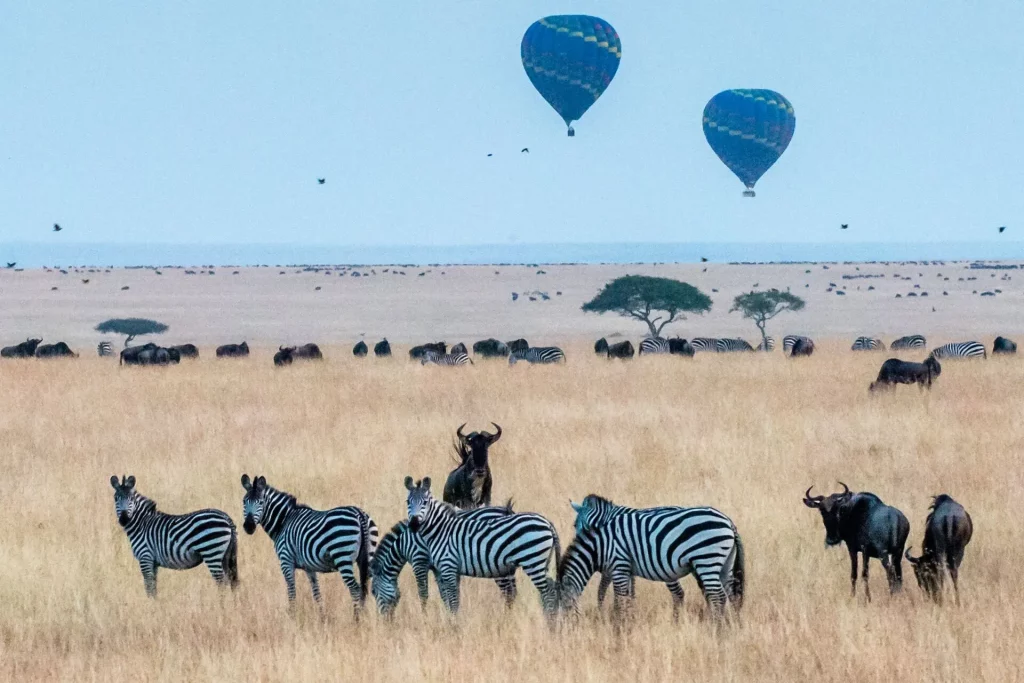
9 Nights / 10 Days
Big Five of Kenya Safari
Track lions, elephants and more across Kenya’s finest reserves with classic game drives and rich savannah landscapes.
- Masai Mara
- Amboseli
- Lake Nakuru
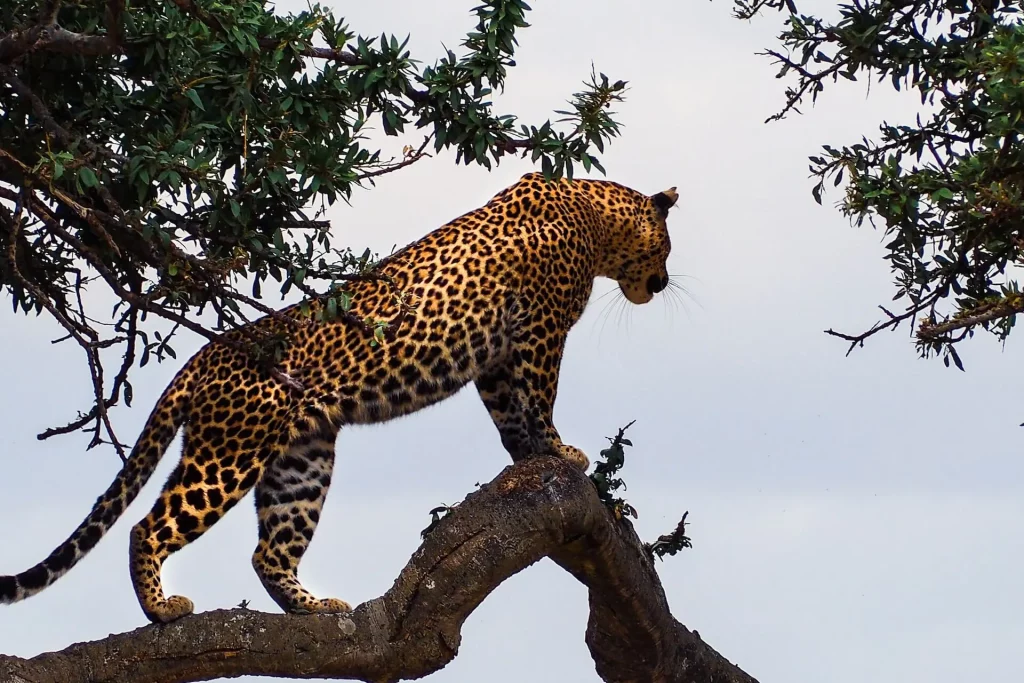
6 Nights / 7 Days
Masai Mara & Serengeti Safari
Explore East Africa’s legendary plains as wildlife moves freely between Masai Mara and Serengeti in a classic safari journey.
- Masai Mara
- Lake Nakuru
- Serengeti
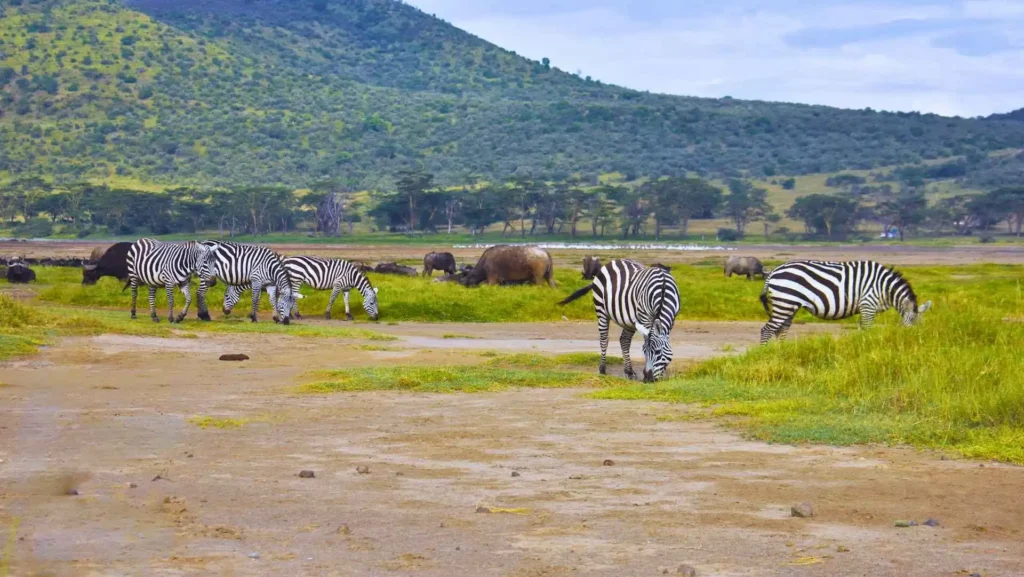
4 Nights / 5 Days
Masai Mara, Lake Naivasha & Lake Nakuru Safari
From Mara’s rich plains to Naivasha’s quiet shores and Nakuru’s birdlife, this safari blends wildlife viewing with scenic lakes.
- Masai Mara
- Lake Nakuru
- Lake Naivasha
Best Time to Book an African Safari from the India
Choosing the right season can improve wildlife sightings, travel comfort, and overall safari experience. Travelers from the Idnia often plan their trips around wildlife seasons in East Africa.
Peak Season
June – October
Dry season across most of Africa. Best wildlife viewing as animals gather at water sources. Great Migration river crossings in Kenya/Tanzania.
Shoulder Season
November & March – May
Fewer crowds with good wildlife viewing. Green season brings lush landscapes, newborn animals, and migrant birds. Excellent photography conditions.
Green Season
December – February
Summer in southern Africa, rainy in East Africa. Calving season in Serengeti (Jan-Feb). Lower prices and fewer tourists.
Safari Vehicles Used on African Safaris
Most game drives in Africa use specially designed four wheel drive vehicles built for wildlife viewing. The most common vehicle is the Toyota Land Cruiser with raised seating and a pop up roof that allows guests to stand and enjoy better views of animals and the surrounding landscape.
Some safari camps also use open sided vehicles that provide clear visibility and good photography opportunities during game drives.
You can learn more in our guide on Types of Safari Vehicles in Africa and How to Choose.