
Central Kalahari Botswana
Central Kalahari Game Reserve Botswana Safari Guide
Central Kalahari Game Reserve is one of the largest protected areas in the world, located in central Botswana. It covers vast open plains, fossil river valleys, and semi arid desert landscapes.
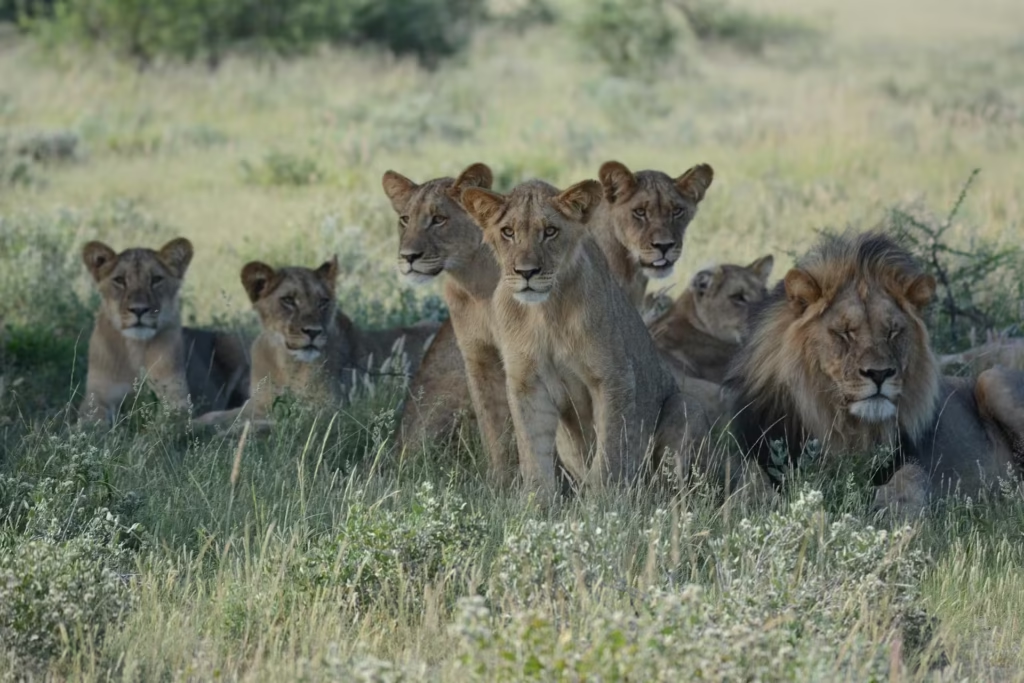
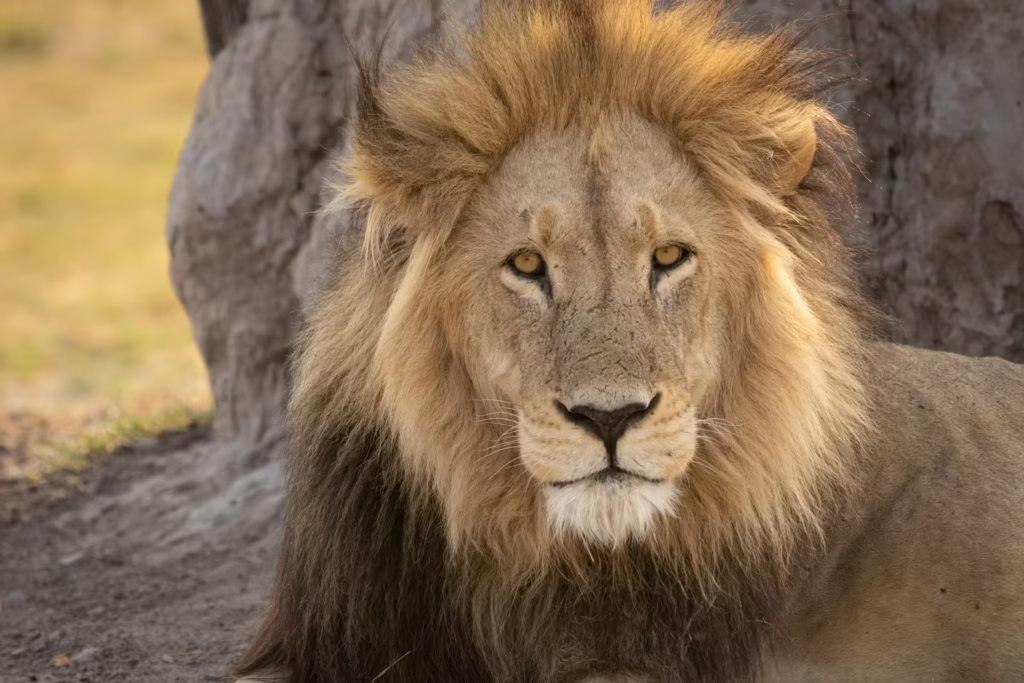
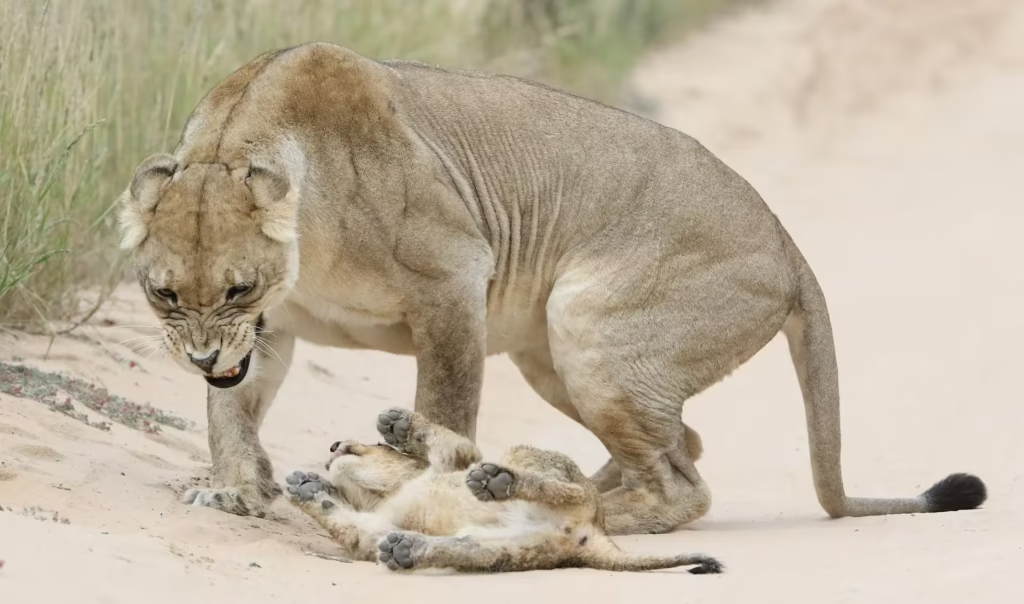
This reserve offers a remote safari experience with very low visitor numbers. It is known for wide open views, black maned lions, and wildlife adapted to dry conditions.
Favourite Tours & Safaris
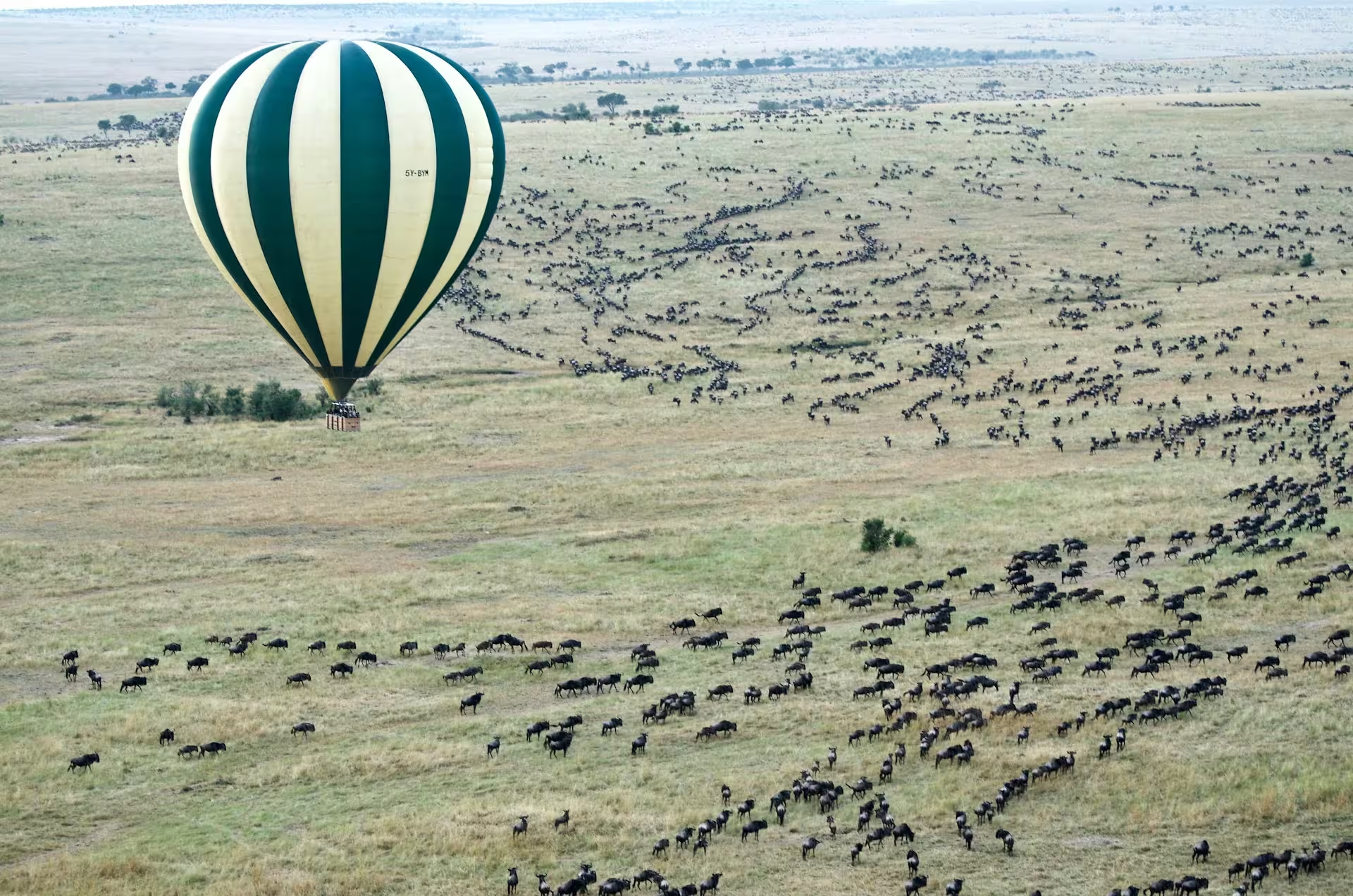
Masai Mara Short Trip
Duration : 3 Days
Destination : Nairobi -> Masai Mara -> Nairobi
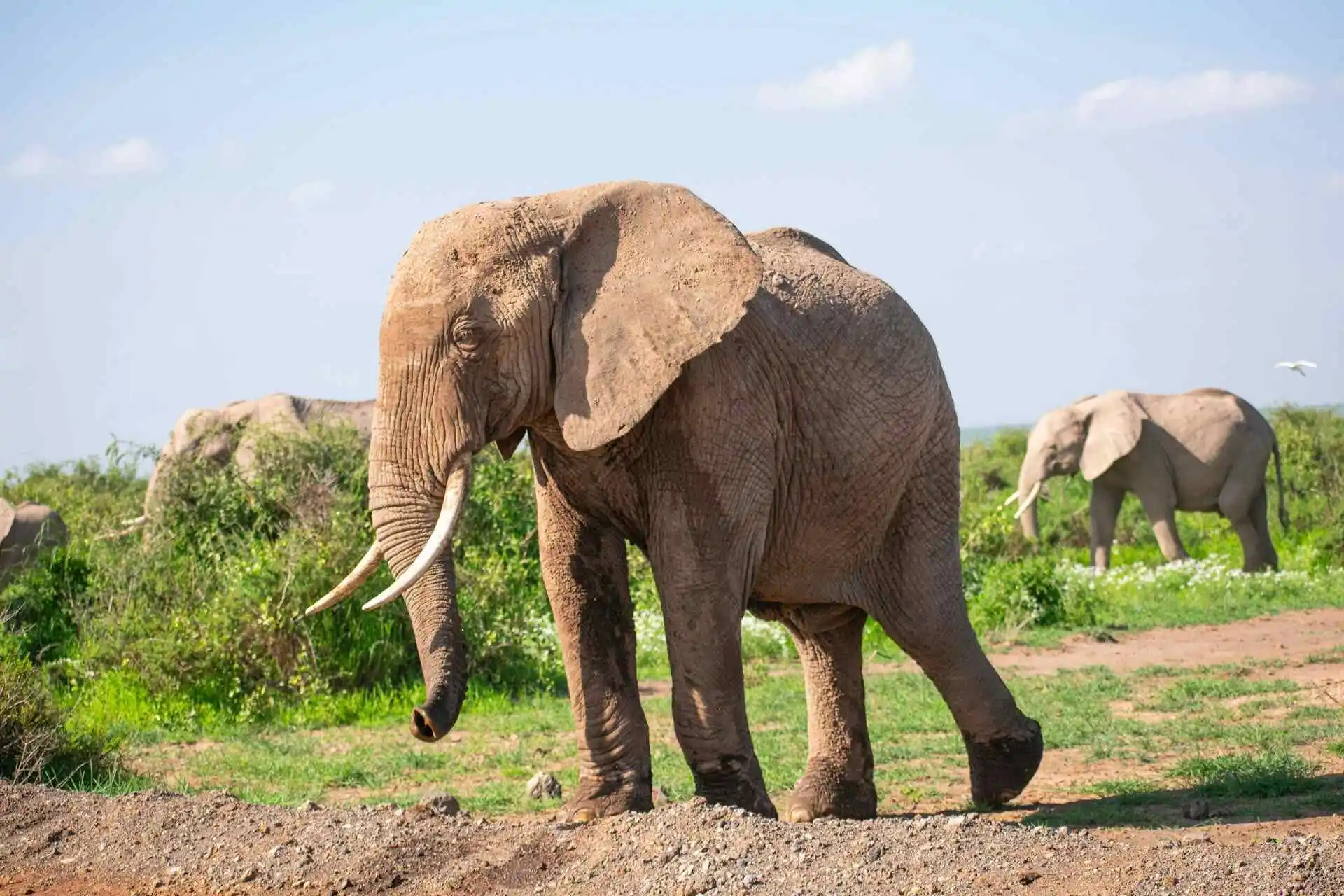
Amboseli Short Trip
Duration : 3 Days
Destination : Nairobi -> Amboseli -> Nairobi
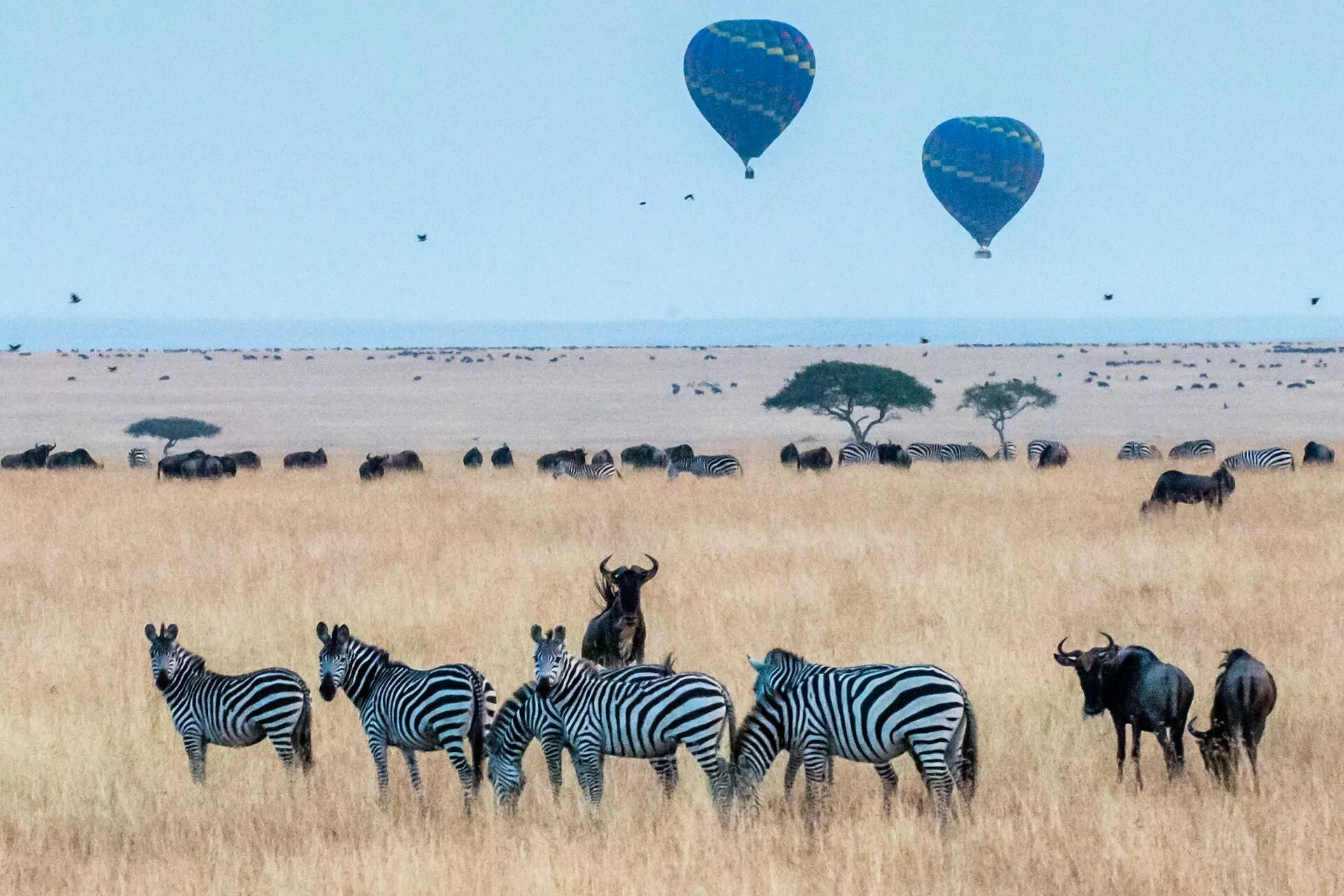
Big Five of Kenya Safari
Duration : 10 Days
Destination : Nairobi -> Masai Mara -> Lake Nakuru -> Amboseli -> Nairobi
Landscape and Habitat
The Central Kalahari is defined by its open and flat terrain.
The landscape includes:
- Grass covered plains
- Fossil river valleys such as Deception Valley
- Salt pans and dry watercourses
- Acacia trees and shrubs
During the rainy season, the plains turn green and attract large herds of animals.
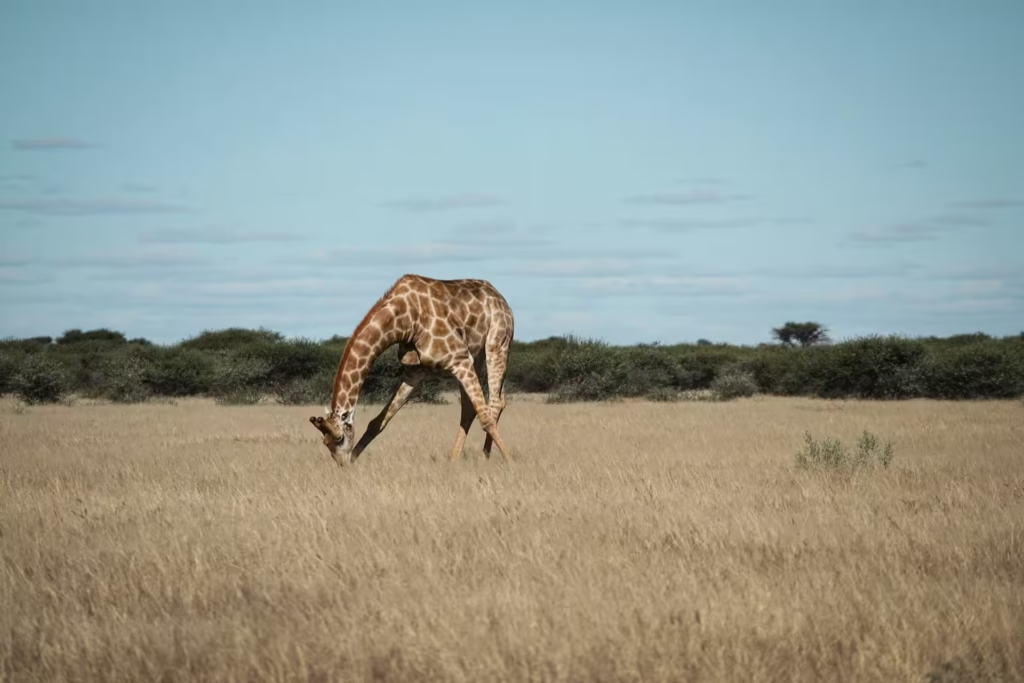
Key Areas in Central Kalahari
Deception Valley
One of the most well known areas, with open plains and good chances of wildlife sightings.
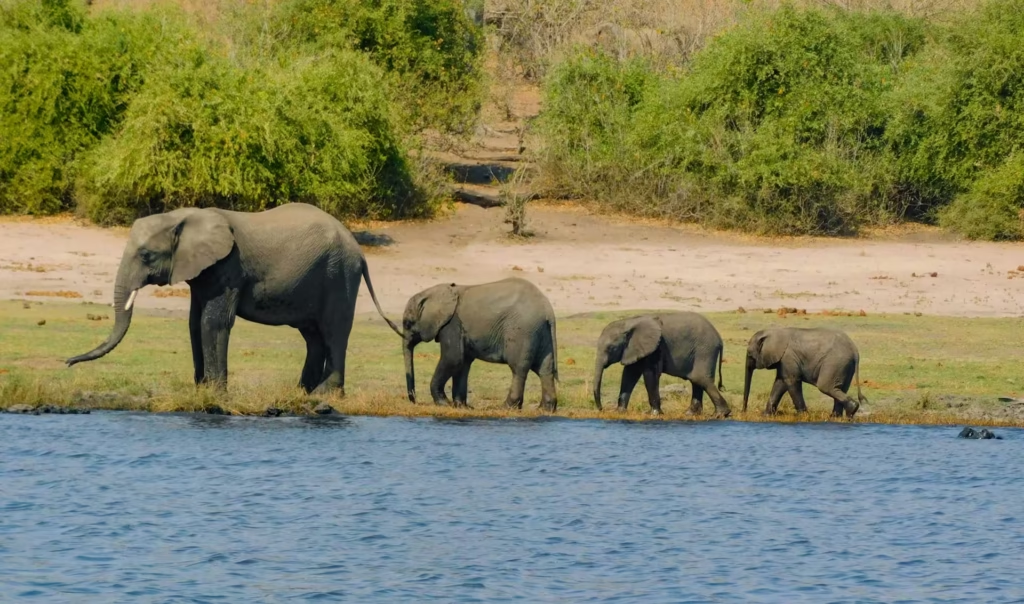
Sunday Pan
A flat salt pan that attracts animals during certain seasons.
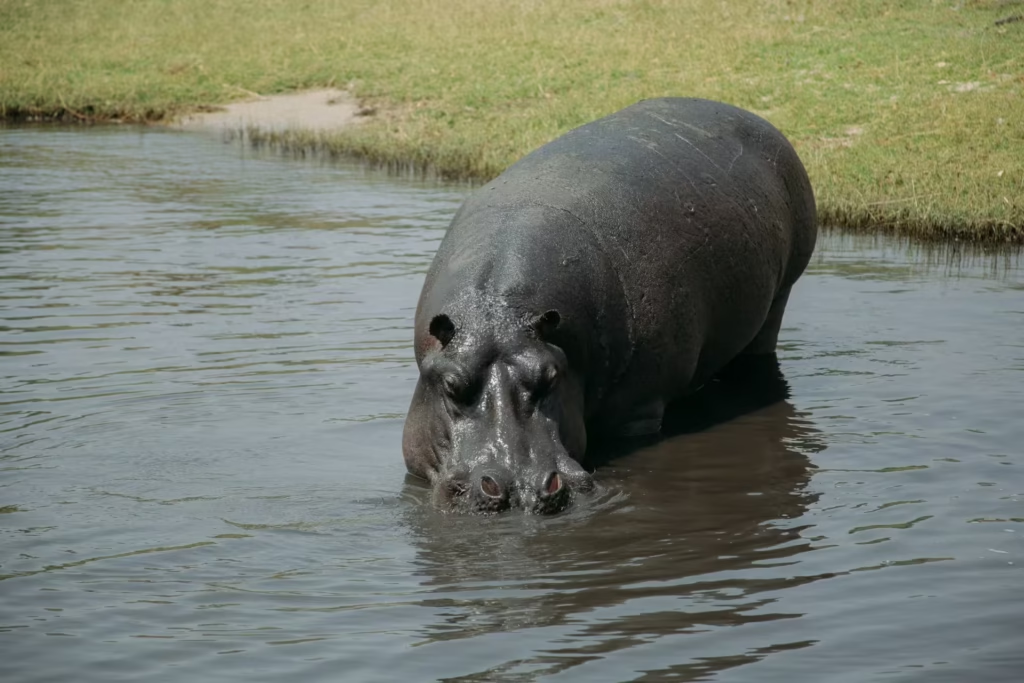
Piper Pan
A remote area with fewer visitors and wide open landscapes.
Wildlife in Central Kalahari
Wildlife is spread out but rewarding to spot.
Visitors may see:
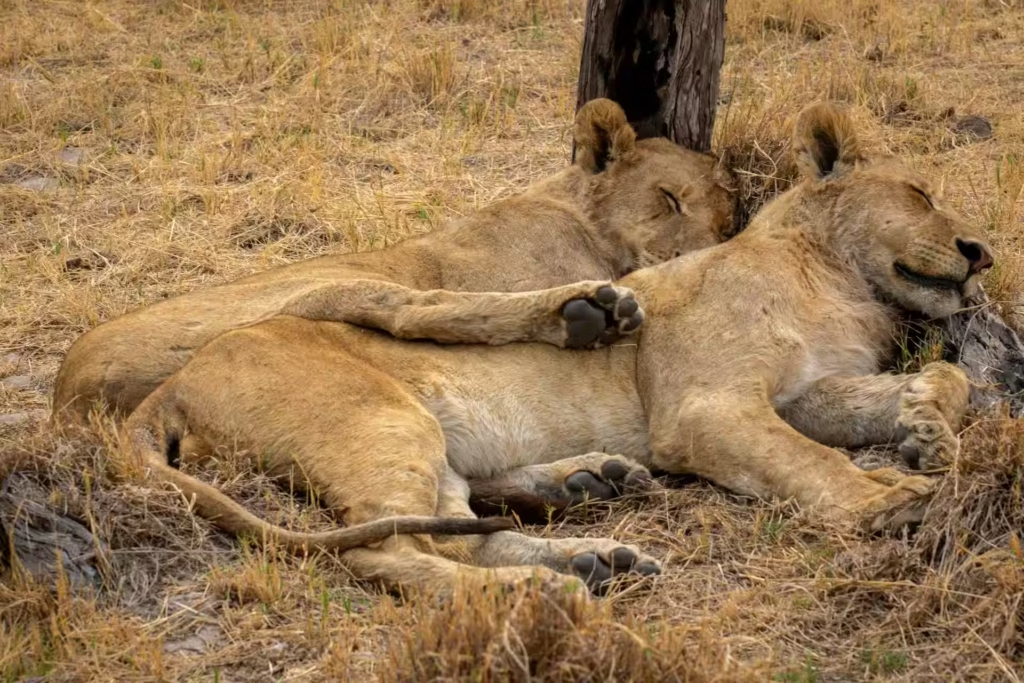
Predators
- Lion, including black maned lions
- Cheetah
- Leopard
- Brown hyena
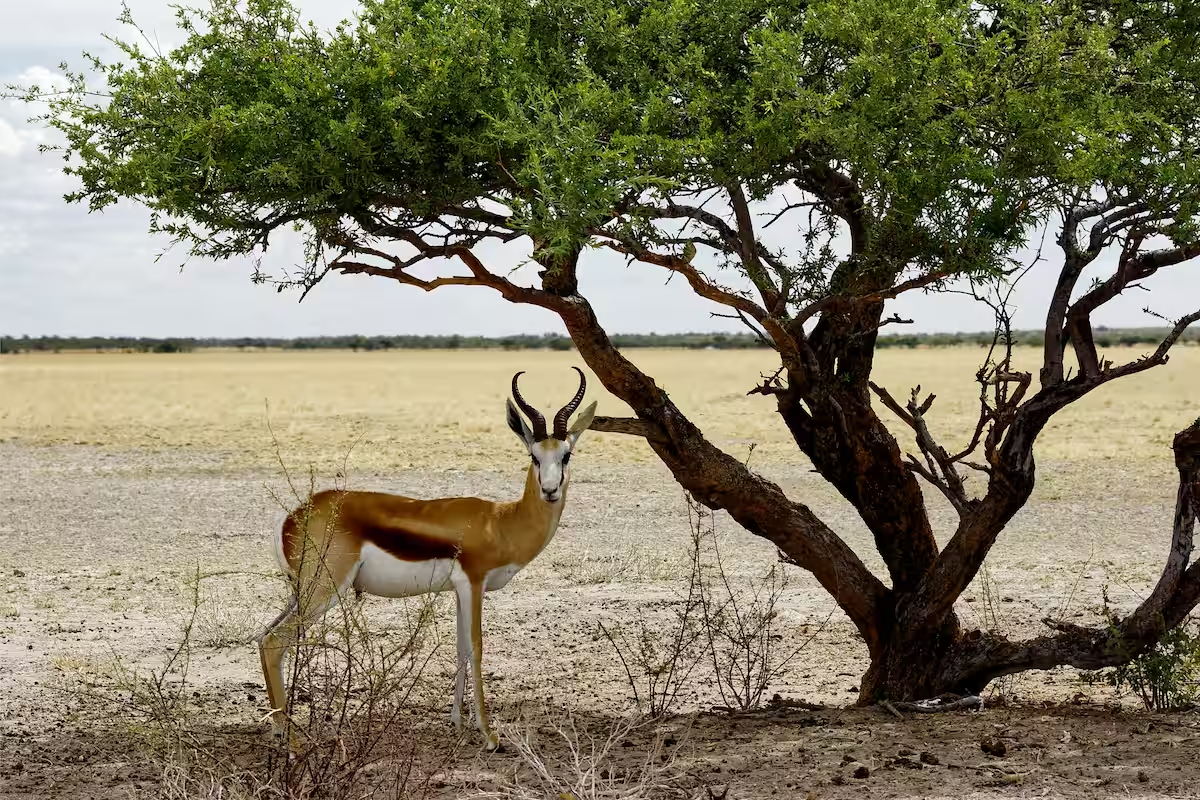
Herbivores
- Springbok
- Gemsbok
- Wildebeest
- Hartebeest
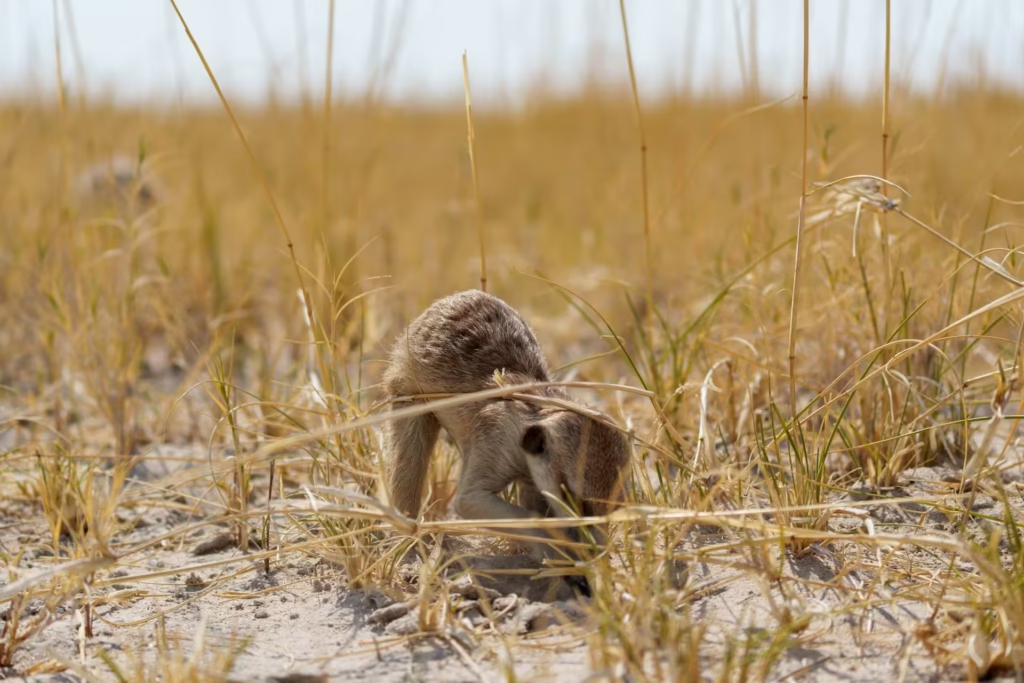
Other wildlife
- Meerkats
- Bat eared fox
- Jackal
Best Time to Visit Central Kalahari
December to March
Green season with rainfall. This is the best time for wildlife as herds gather on the plains and predators follow. The landscape turns green and birdlife increases.
April to October
Dry season with clear skies and easier driving conditions. Wildlife is more spread out, but travel is more comfortable and roads are more accessible.
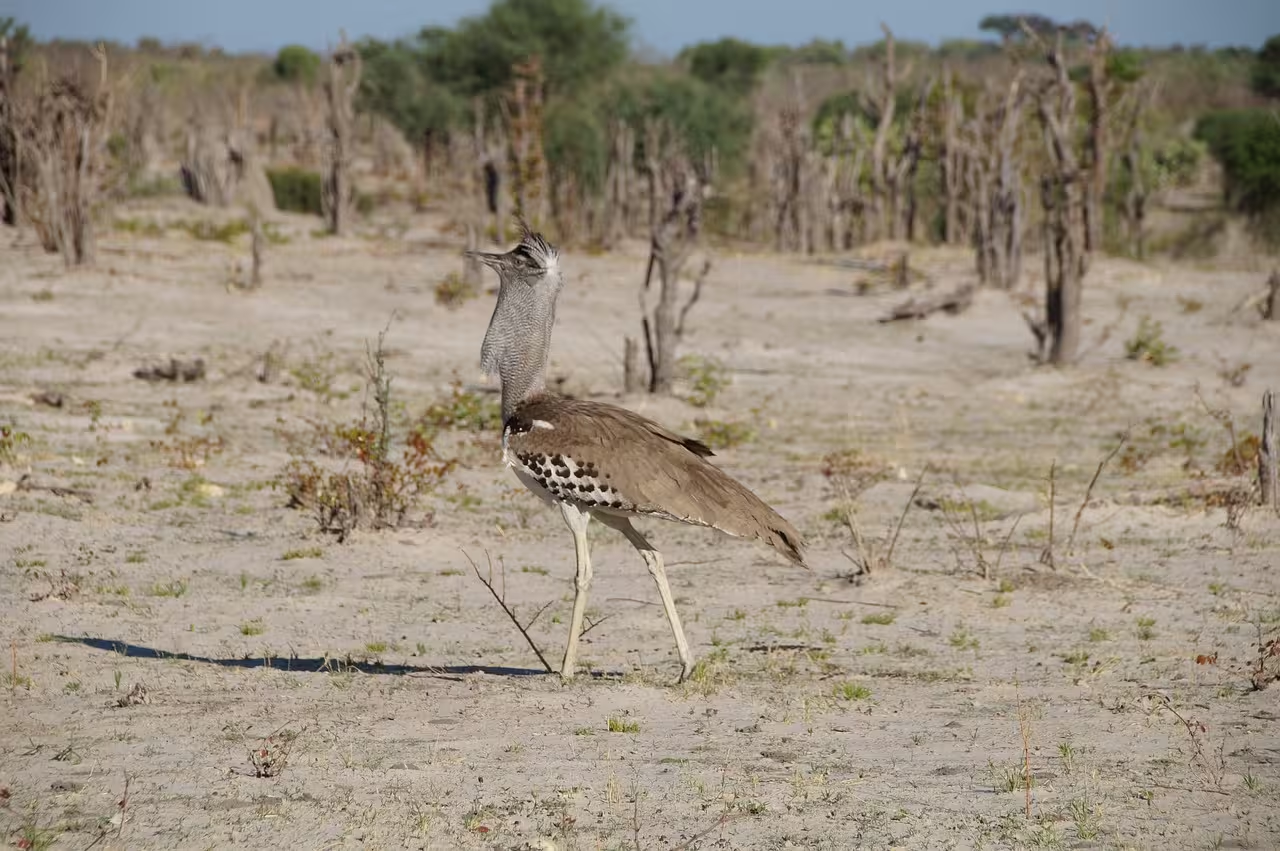
Safari Activities in Central Kalahari
Game drives
Explore open plains to spot predators and antelope.
Photography
Wide landscapes and dramatic skies offer great photography conditions.
Stargazing
Clear skies and remote location make it ideal for viewing stars and night sky photography.
Cultural experiences
Learn about the San people and their traditional way of life.
How to Reach Central Kalahari Game Reserve
By air
Fly to Maun or Gaborone, then take a light aircraft to airstrips such as Deception Valley or nearby camps. Flights are usually arranged by lodges.
By road
Accessible only by 4×4 vehicles through gates like Matswere or Tsau. Drives from Maun take around 4 to 6 hours on sandy tracks, and proper planning is required due to remote conditions.
Visit Central Kalahari for remote landscapes and unique wildlife. Contact us to include it in your Botswana safari itinerary.