
Makgadikgadi Pans
Makgadikgadi Pans Botswana Travel Guide
Makgadikgadi Pans is one of the largest salt flat systems in the world, located in northeastern Botswana. These vast open plains are the remains of an ancient lake and create a unique landscape that changes with the seasons.
During the dry months, the pans appear as endless white salt flats. After seasonal rains, parts of the area fill with water, attracting wildlife and migratory birds.
Favourite Tours & Safaris
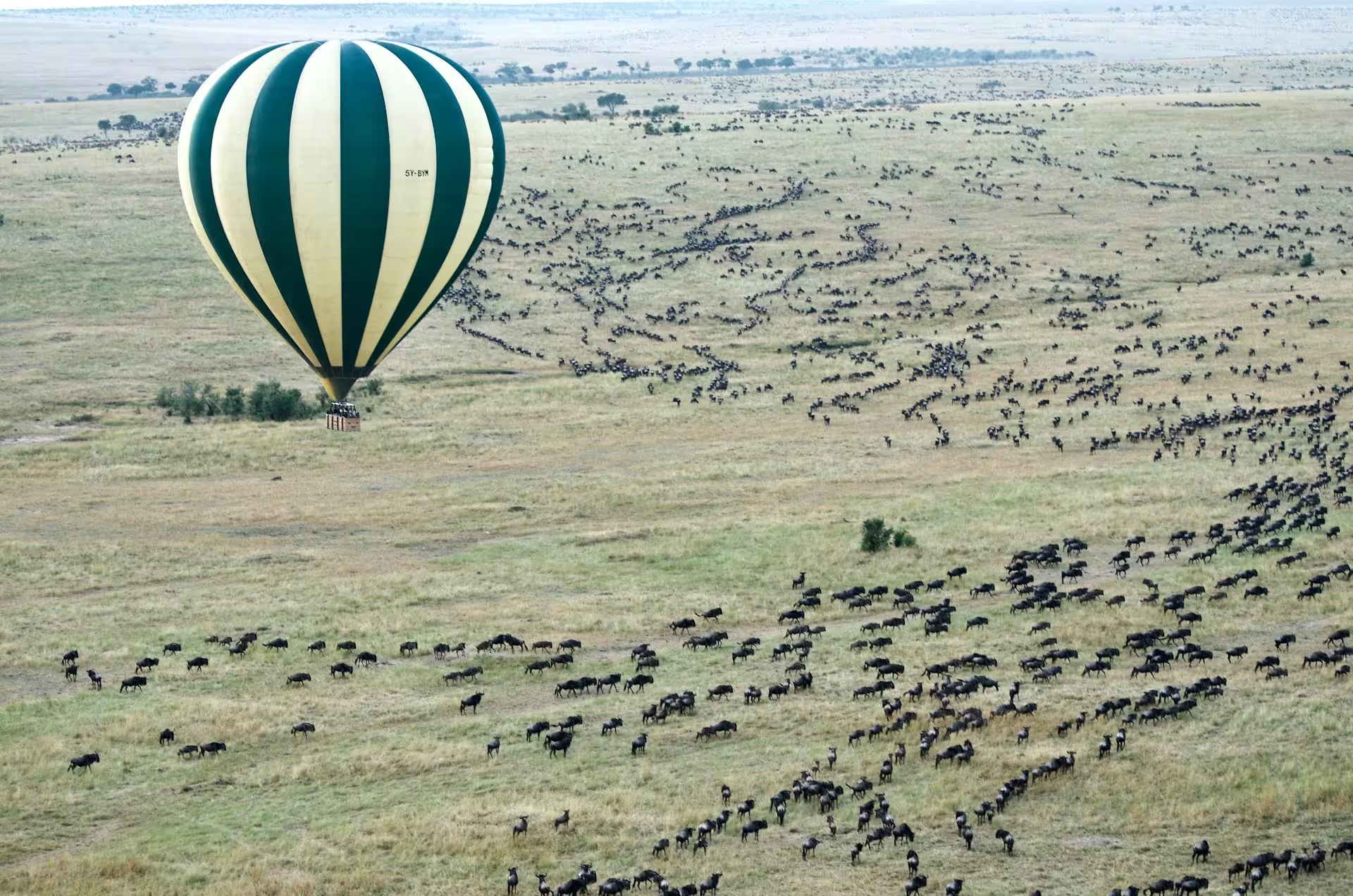
Masai Mara Short Trip
Duration : 3 Days
Destination : Nairobi -> Masai Mara -> Nairobi
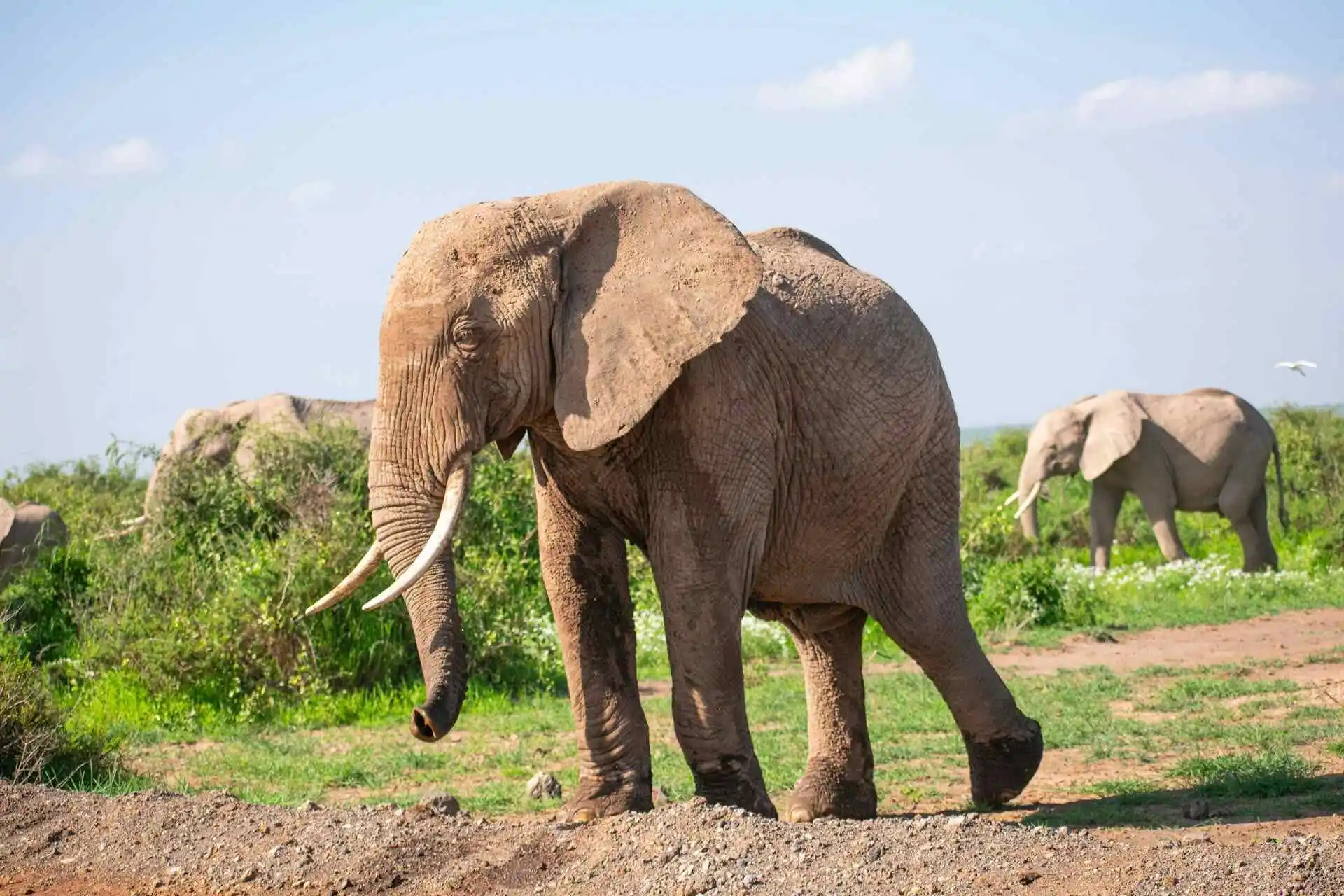
Amboseli Short Trip
Duration : 3 Days
Destination : Nairobi -> Amboseli -> Nairobi
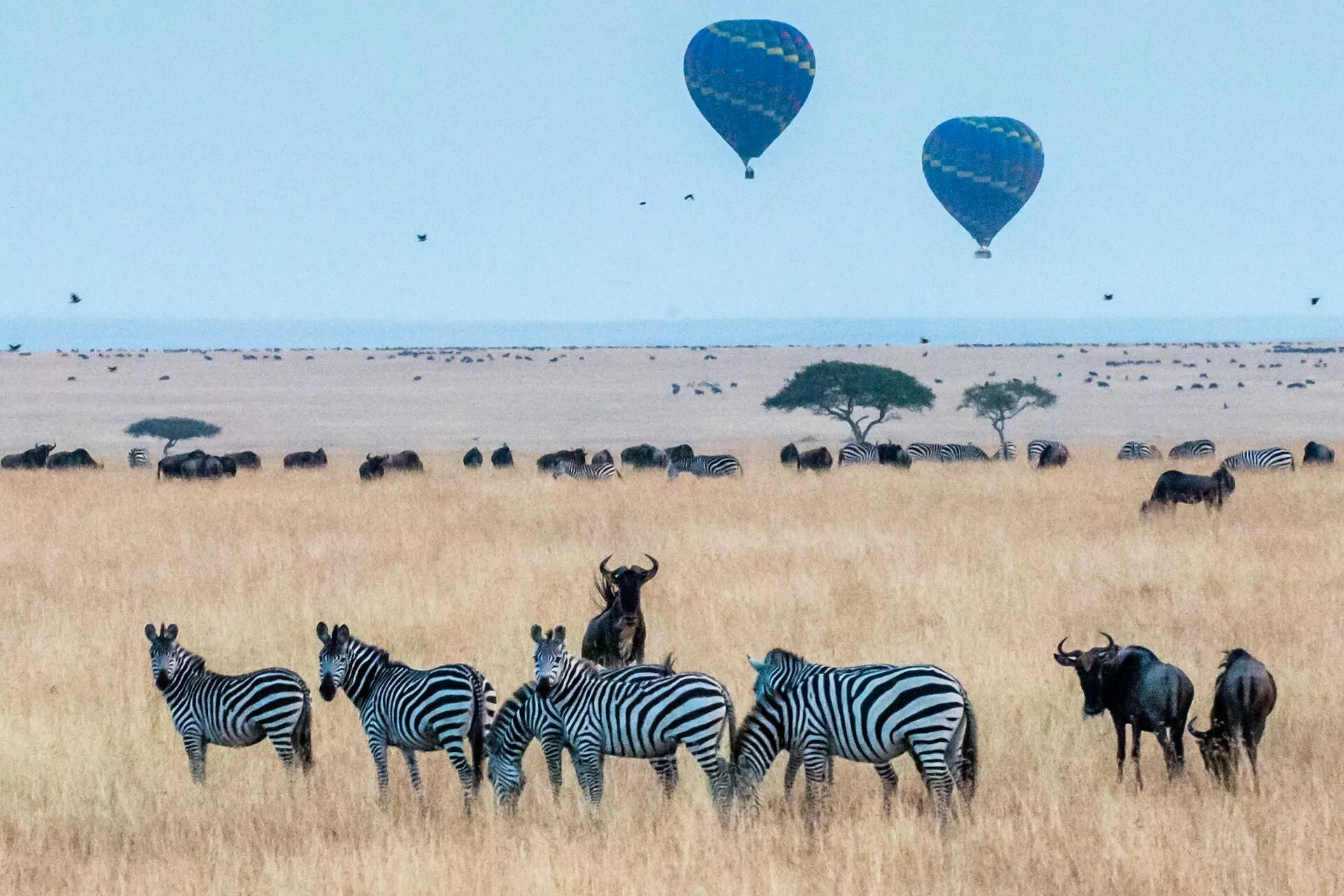
Big Five of Kenya Safari
Duration : 10 Days
Destination : Nairobi -> Masai Mara -> Lake Nakuru -> Amboseli -> Nairobi
Landscape and Habitat
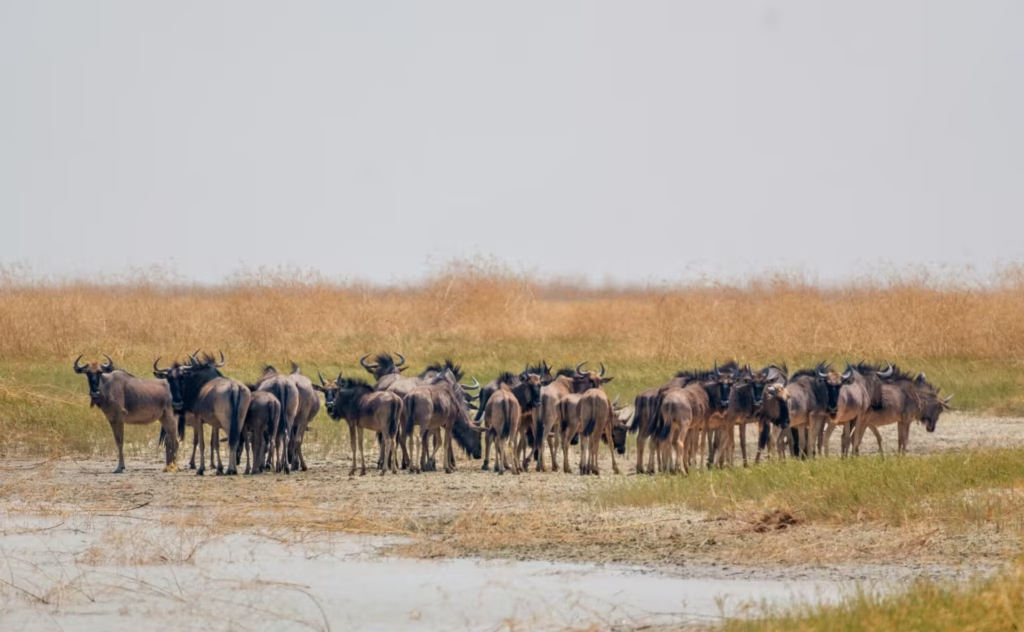
The Makgadikgadi region includes a mix of salt pans, grasslands, and islands.
The landscape features:
- White salt flats stretching for long distances
- Grasslands that appear after rains
- Baobab trees on raised islands
- Seasonal water pools
The flat terrain and wide open views make it very different from forest or river based safari areas.
Key Areas in Makgadikgadi

Nxai Pan National Park
Known for open grasslands, zebra herds, and Baines’ Baobabs.

Ntwetwe Pan
One of the largest pans, offering vast open views and unique desert scenery.

Kubu Island
A rocky island with baobab trees, located on the edge of the salt pans.
Wildlife in Makgadikgadi Pans
Wildlife varies depending on the season.
Visitors may see:
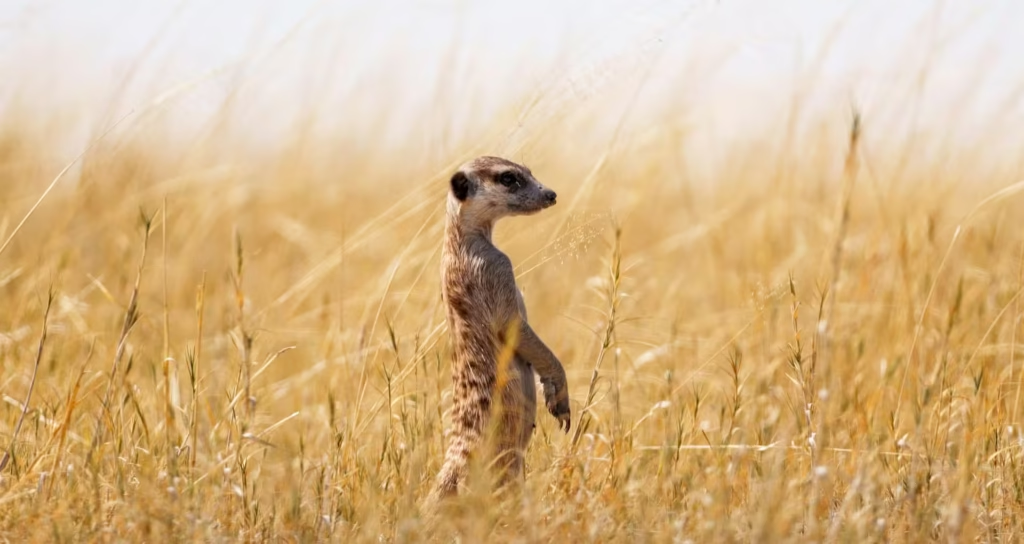
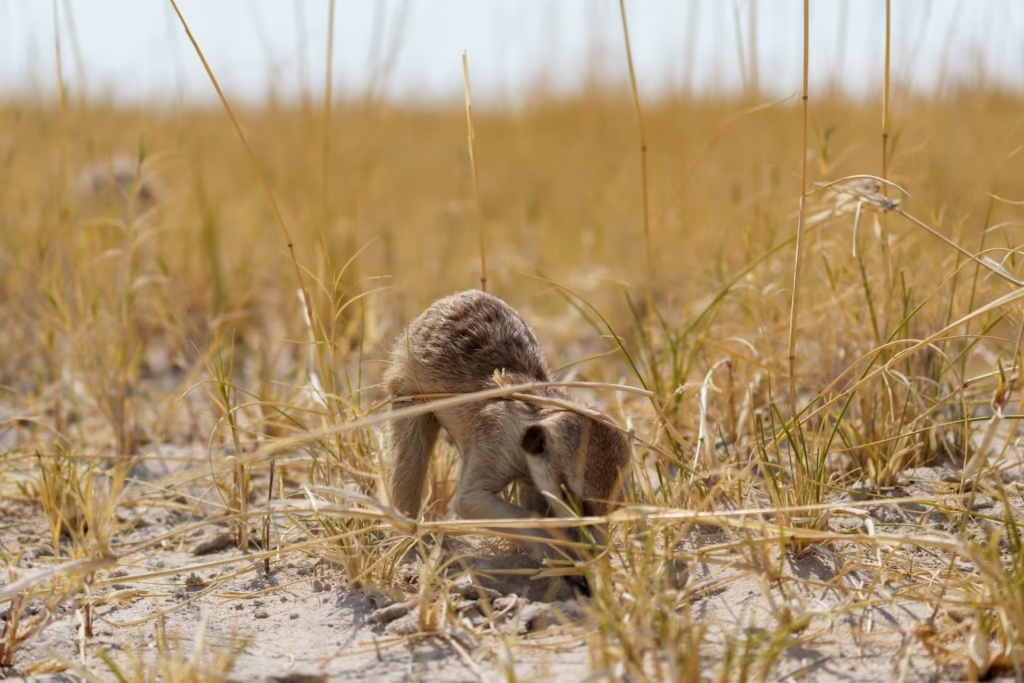
Dry Season
- Meerkats
- Springbok
- Brown hyena
- Jackal
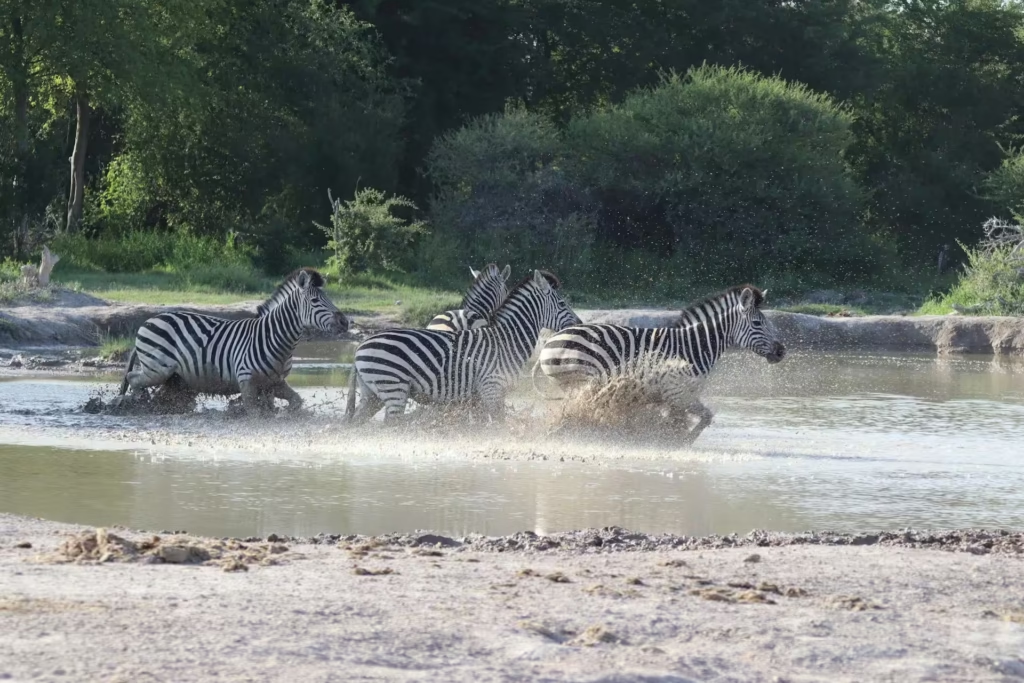
Green Season
- Zebra migration
- Wildebeest
- Flamingos and other water birds
Best Time to Visit Makgadikgadi Pans
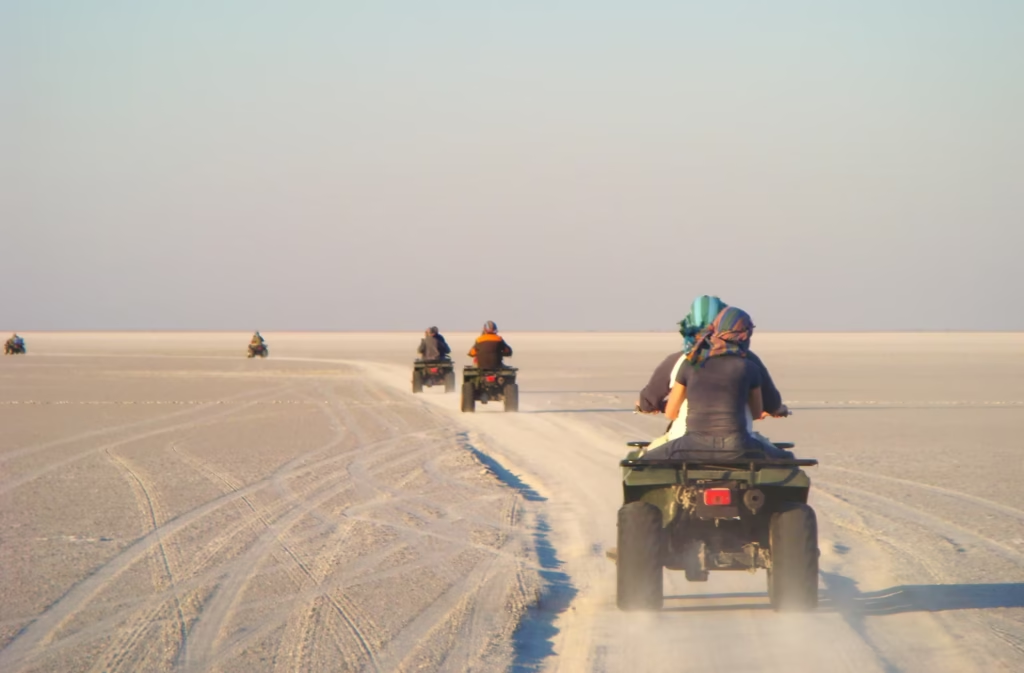
May to October: Dry season with clear skies and open salt flats. Good for scenic views and quad biking. The pans remain dry and firm, making travel easier and ideal for outdoor activities.
November to April: Green season with rainfall. Best time to see zebra migration and birdlife. Parts of the pans may fill with water, attracting flamingos and other migratory species.
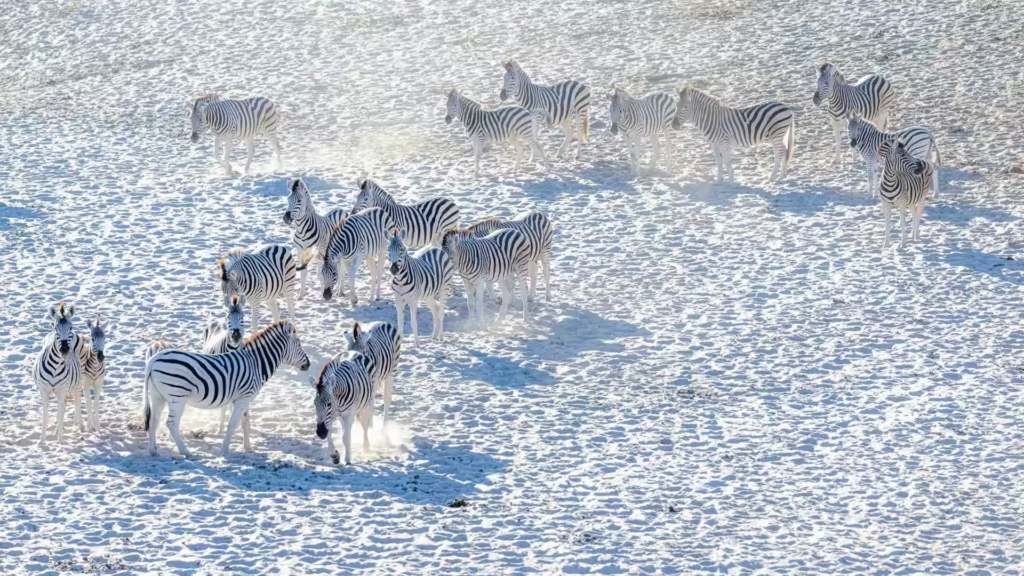
Things to Do in Makgadikgadi Pans
Quad biking
Ride across the salt flats during the dry season.
Meerkat encounters
Observe habituated meerkats up close.
Zebra migration viewing
Seasonal movement of zebras across the plains.
Photography
Capture wide landscapes, reflections, and wildlife.
How to Reach Makgadikgadi Pans
By air
Fly to Maun or Kasane, then take a light aircraft to nearby airstrips close to camps. Flights are usually arranged by lodges and save travel time.
By road
Accessible by 4×4 vehicles from Maun or Nata. Drives can take 4 to 6 hours, and road conditions vary depending on season, especially after rains.
Visit Makgadikgadi Pans for unique landscapes and seasonal wildlife. Contact us to include it in your Botswana safari itinerary.