Why Timing Matters for an African Safari
Choosing the right time for your safari can completely change what you see and experience. Africa’s wildlife doesn’t stay in one place all year. The seasons affect animal movement, vegetation, and visibility. Knowing when to visit helps you plan better for sightings, photography, and weather comfort.
General Safari Seasons in Africa
Most African safari destinations follow three broad patterns:
Dry Season (High Season)
This runs from June to October in most regions. Animals gather near water sources, making them easier to spot. Vegetation is thinner, and the weather is generally pleasant. These months are perfect for big cat sightings and classic game drives.
Green or Wet Season (Low Season)
Between November and April, rains bring new life. The landscapes turn lush and green, and many animals give birth. Birdwatchers love this time because of migratory species. The downside is that tall grass can make wildlife harder to see, but the beauty and low visitor numbers make up for it.
Shoulder Season
Months like April, May, and November often fall between peak and low seasons. Prices are lower, parks are quieter, and you can still enjoy good wildlife viewing.
East Africa: Kenya and Tanzania
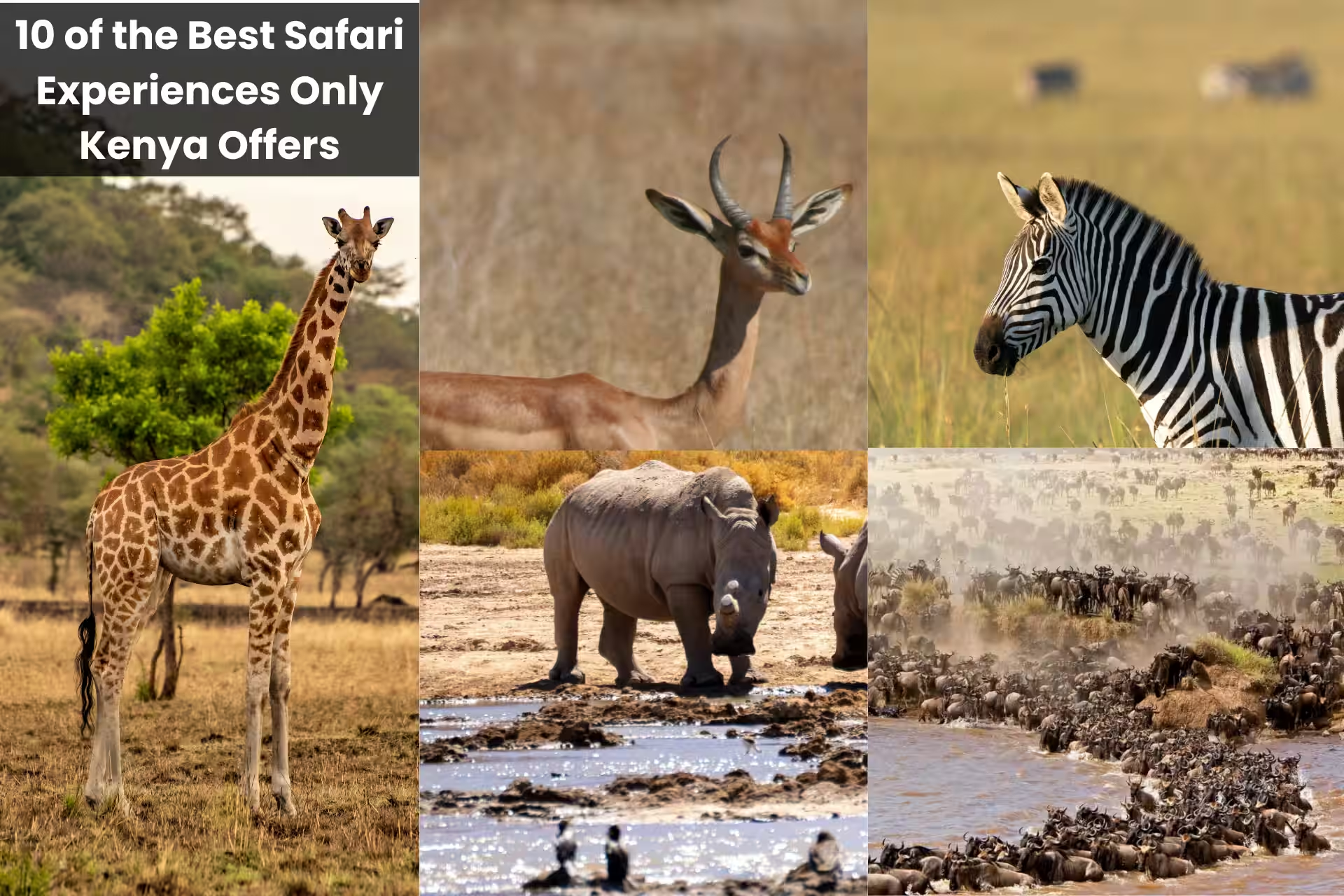
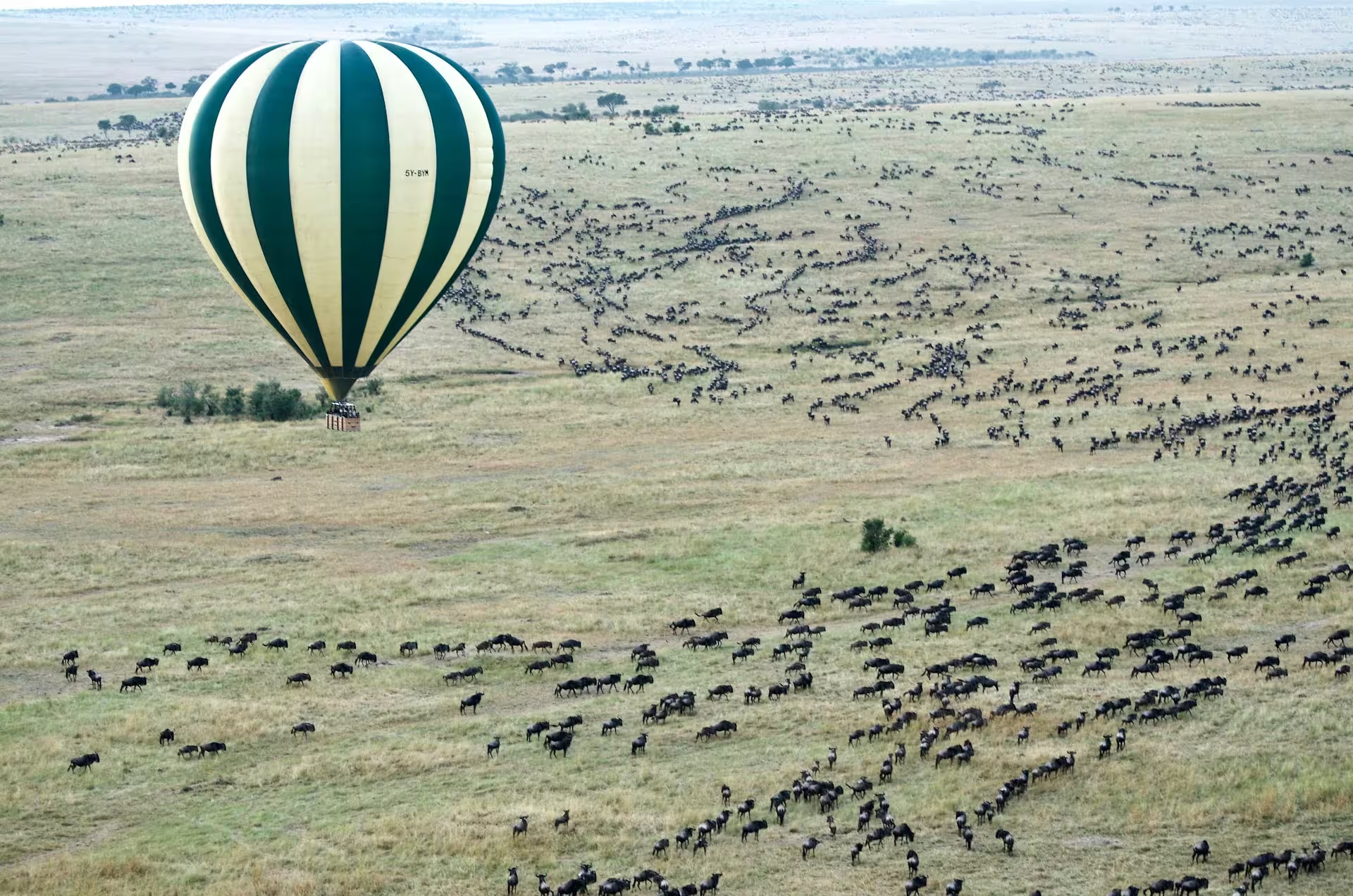
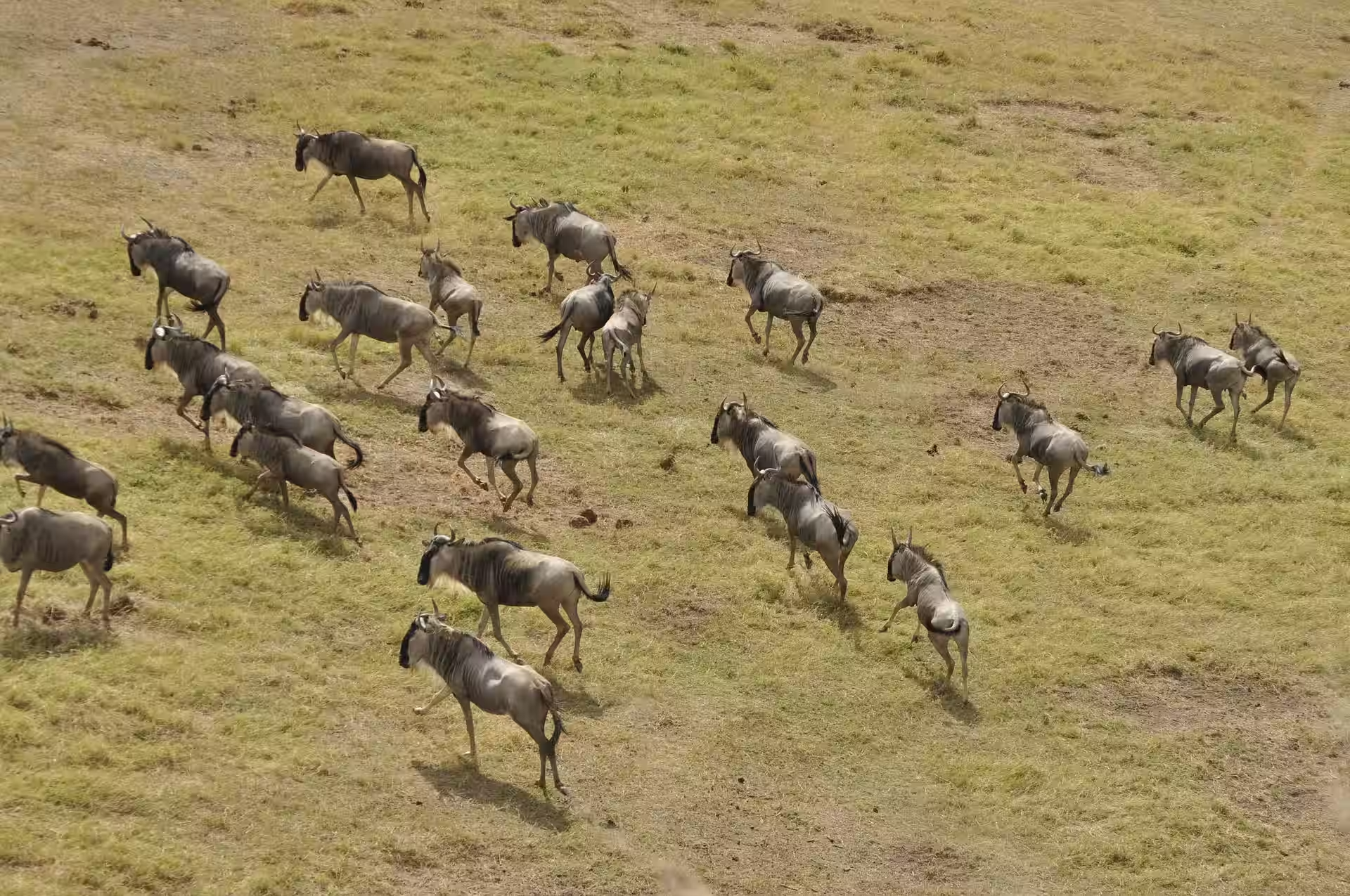
East Africa is famous for the Great Migration, one of the most spectacular wildlife events in the world.
June to October
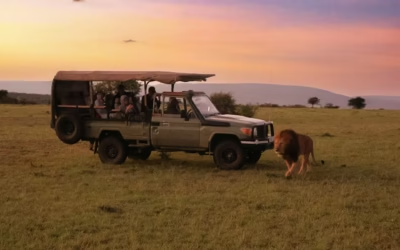
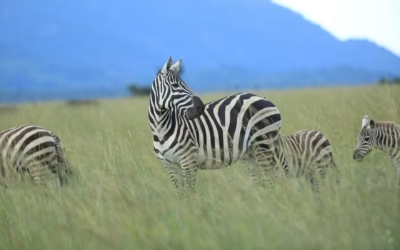
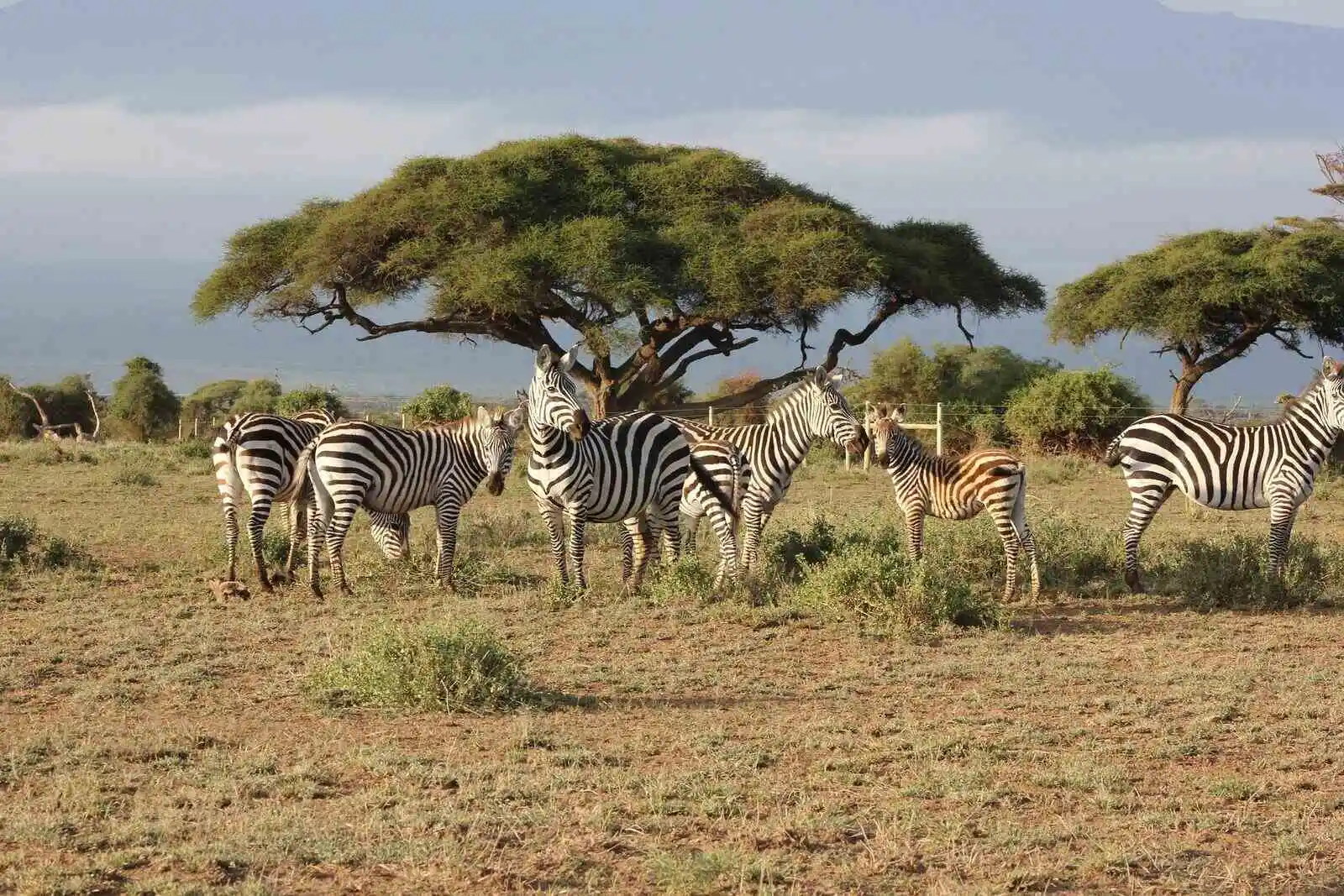
This is the dry season and the best time for safaris in Masai Mara (Kenya) and Serengeti (Tanzania). Wildebeests and zebras move across the plains, followed by predators. Game drives are smooth and days are sunny.
November to March
These months bring short rains and fewer crowds. The Serengeti’s southern plains see the calving season around January and February, attracting plenty of lions, cheetahs, and hyenas. This is also a good time for birding, as migratory species arrive in large numbers.
Southern Africa: Botswana, South Africa, Zambia, and Zimbabwe
Southern Africa offers a mix of landscapes, from the Okavango Delta to the Kruger savannas.
May to October
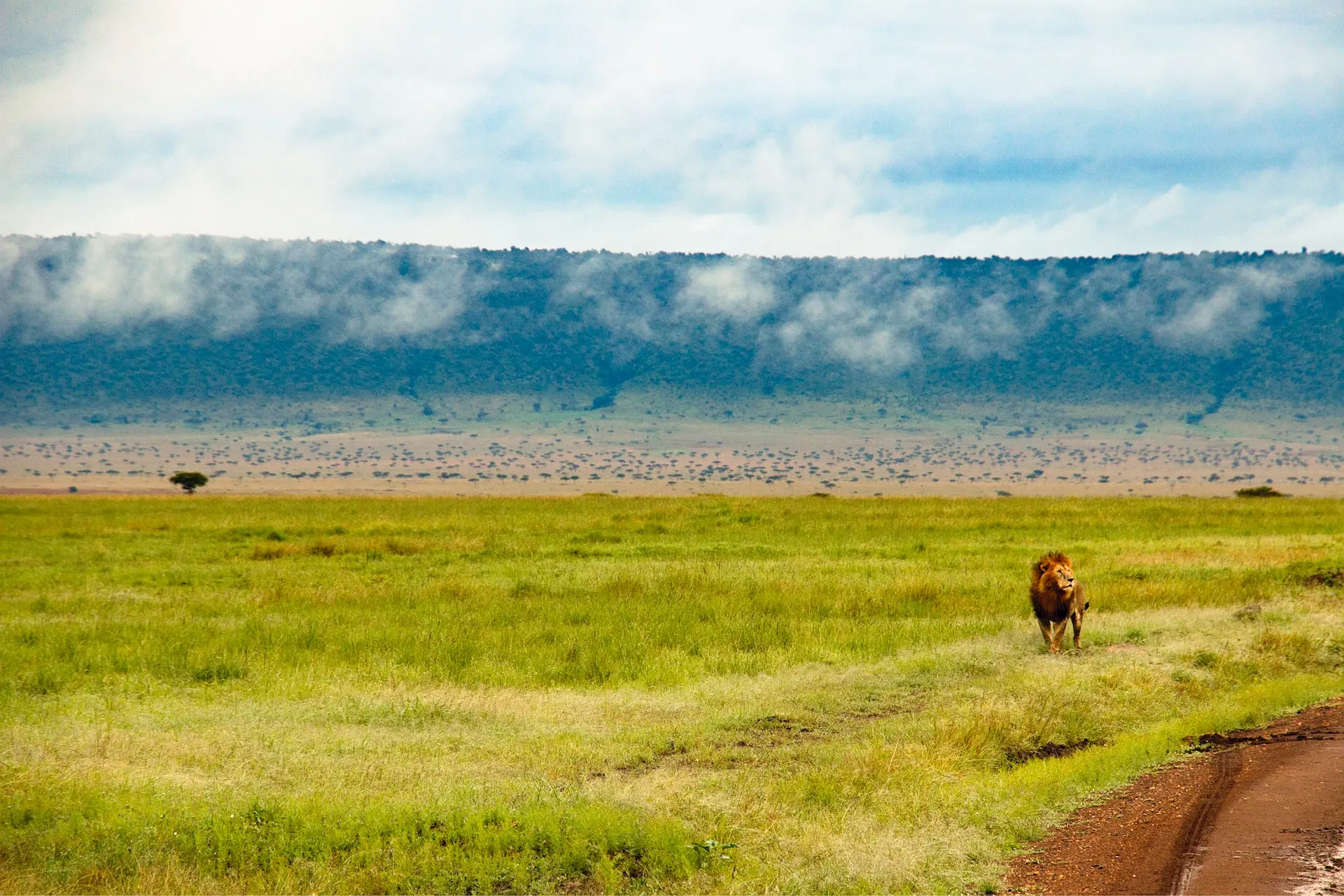
This dry period is the best for spotting wildlife around waterholes and rivers. It’s ideal for parks like Chobe, Okavango Delta, Kruger, and Hwange. The roads are dry and visibility is great.
July to September is peak season, especially for first-time safari travelers.
November to April
This is the green season. Afternoon showers refresh the land, and animals give birth to their young. It’s a quieter time in the parks, making it great for photographers who love dramatic skies and vibrant scenes. Birdlife is at its best too.
Best Safari Months at a Glance
| Month | Where to Go | What to Expect |
|---|---|---|
| Jan – Mar | Serengeti, Okavango Delta | Calving season, lush scenery, birding |
| Apr – May | Kruger, Zambia | Start of dry season, good visibility |
| Jun – Jul | Masai Mara, Chobe | Great Migration begins, clear weather |
| Aug – Sep | Serengeti, Mara River | Peak migration, best big cat sightings |
| Oct – Nov | Hwange, Okavango | Warm weather, start of rains |
| Dec | Kruger, Serengeti South | Young animals, green landscapes |
When to Visit for Your Interests
For Big Cats
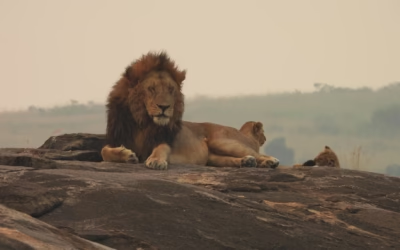
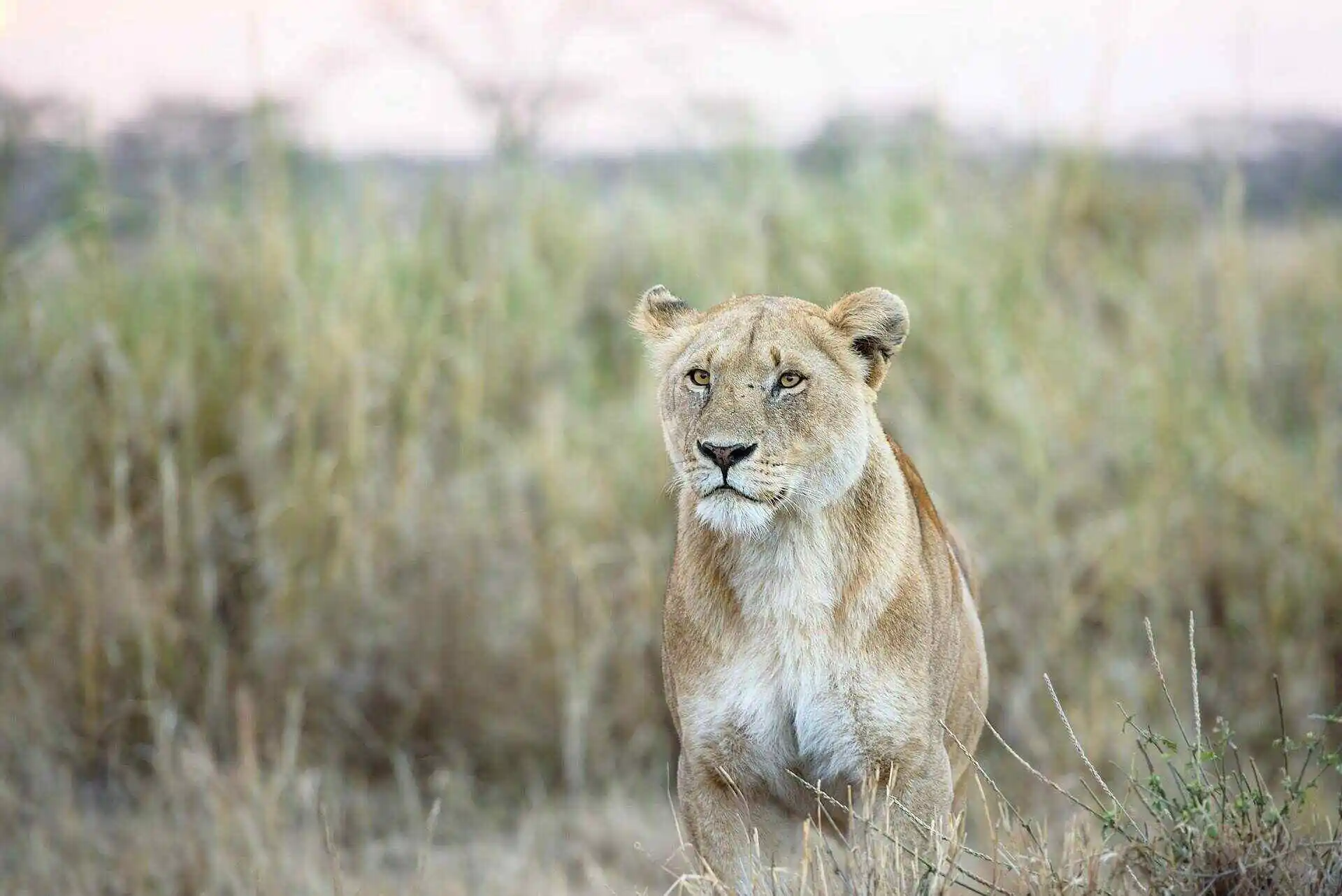
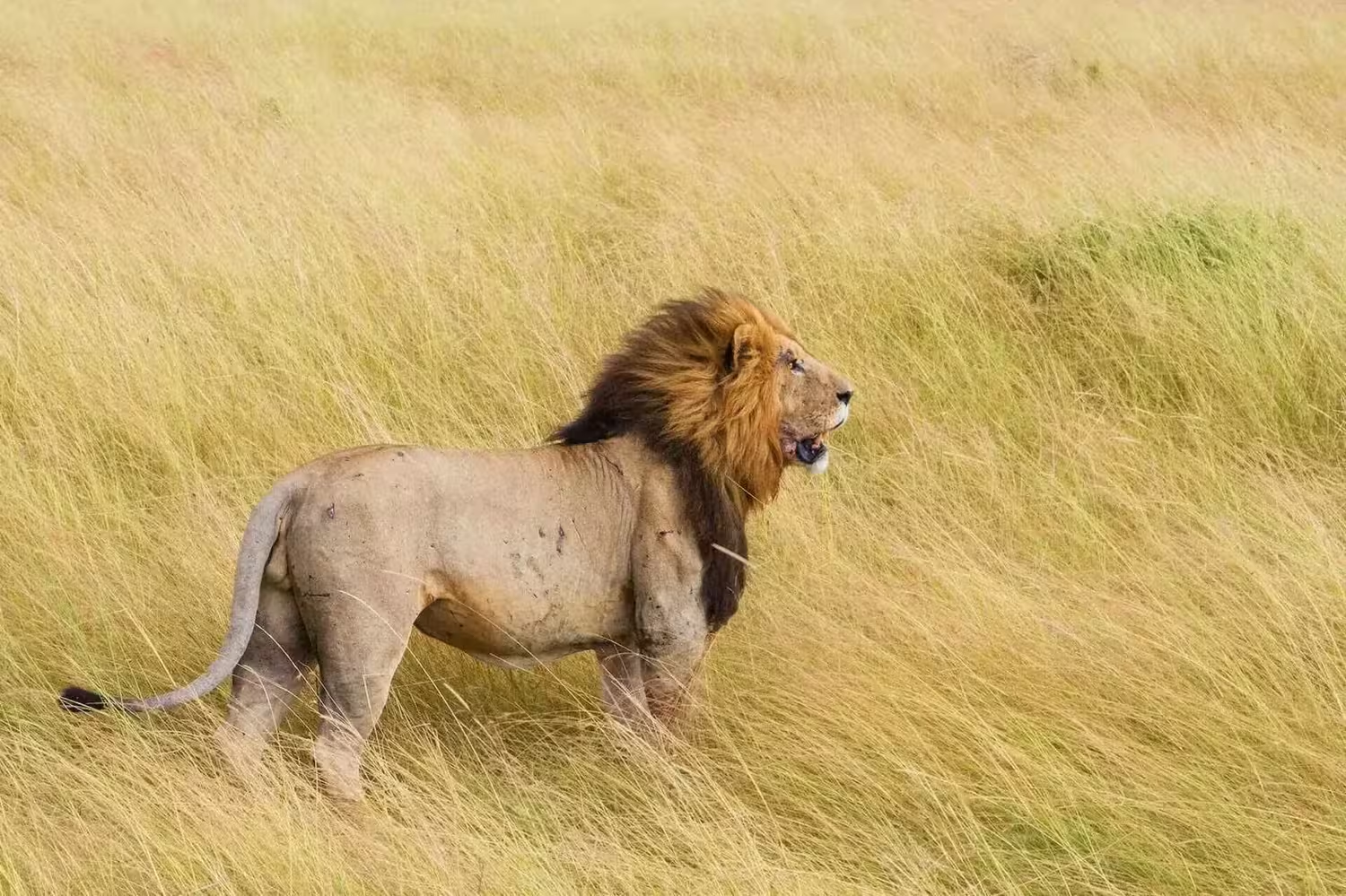
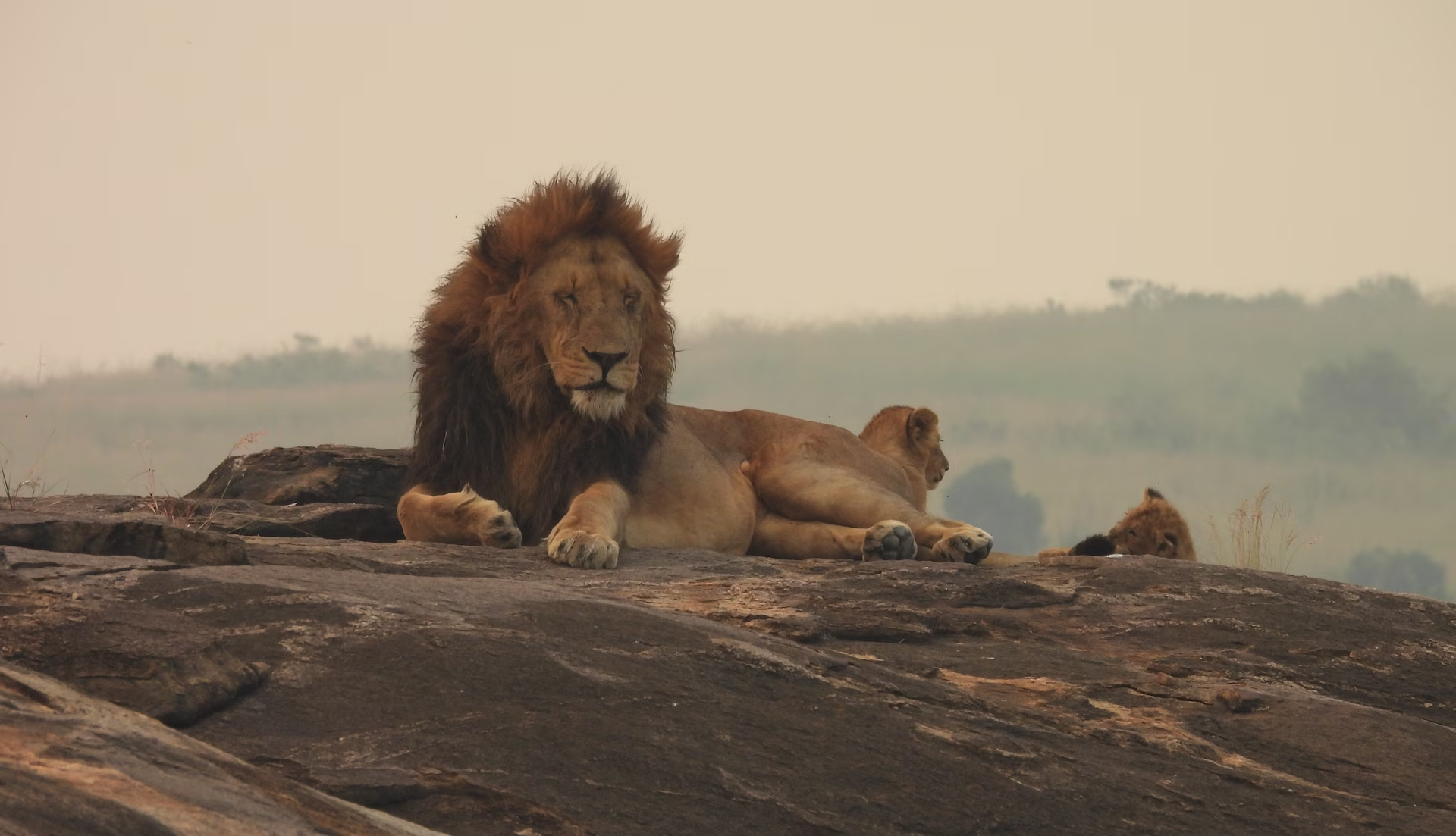
Dry months from June to October are best for lions, leopards, and cheetahs. Vegetation is short, so you can spot predators easily. This is also when hunting activity peaks near waterholes and riverbanks.
For the Big Five
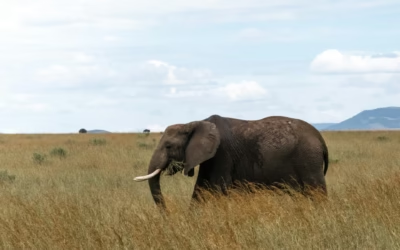
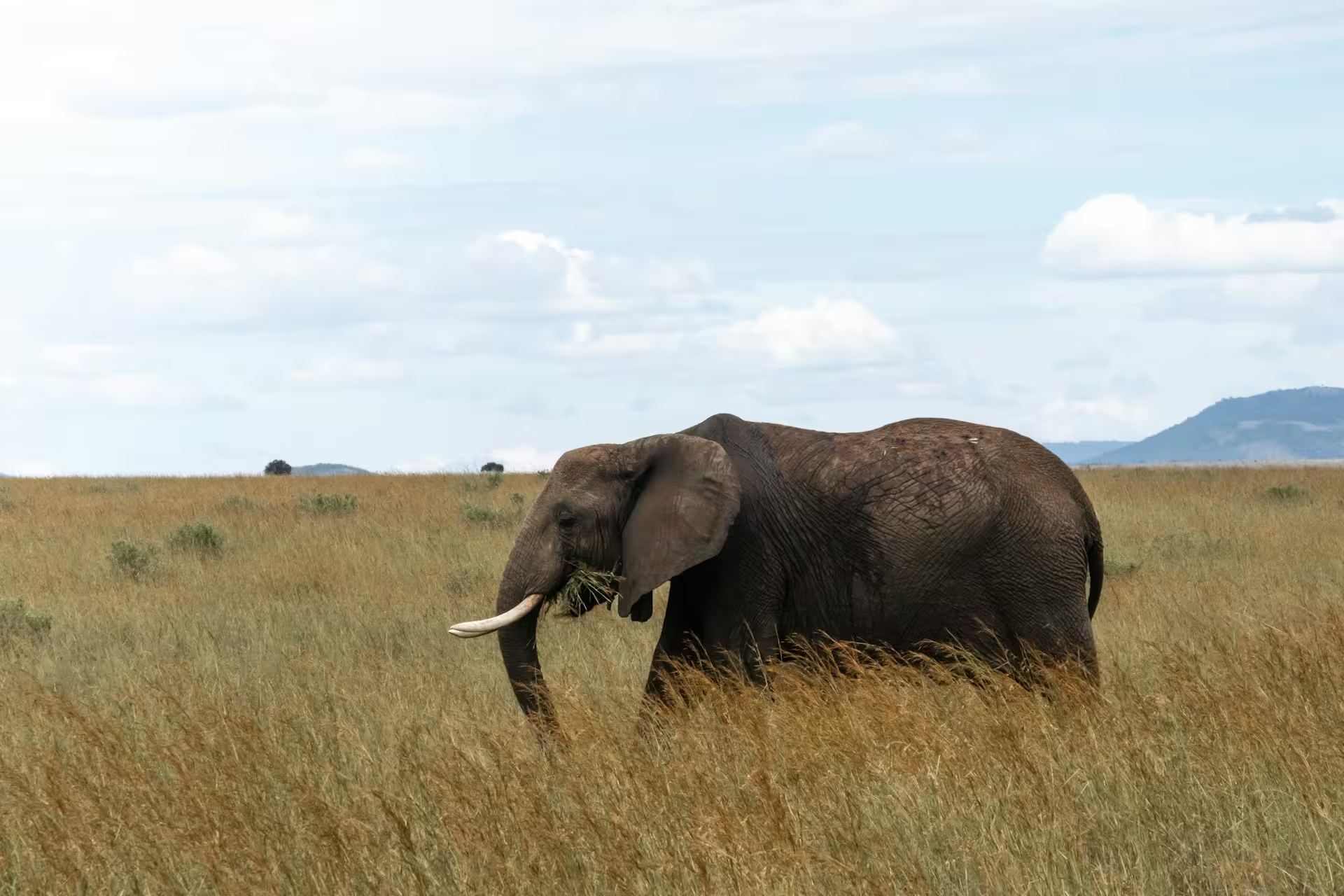
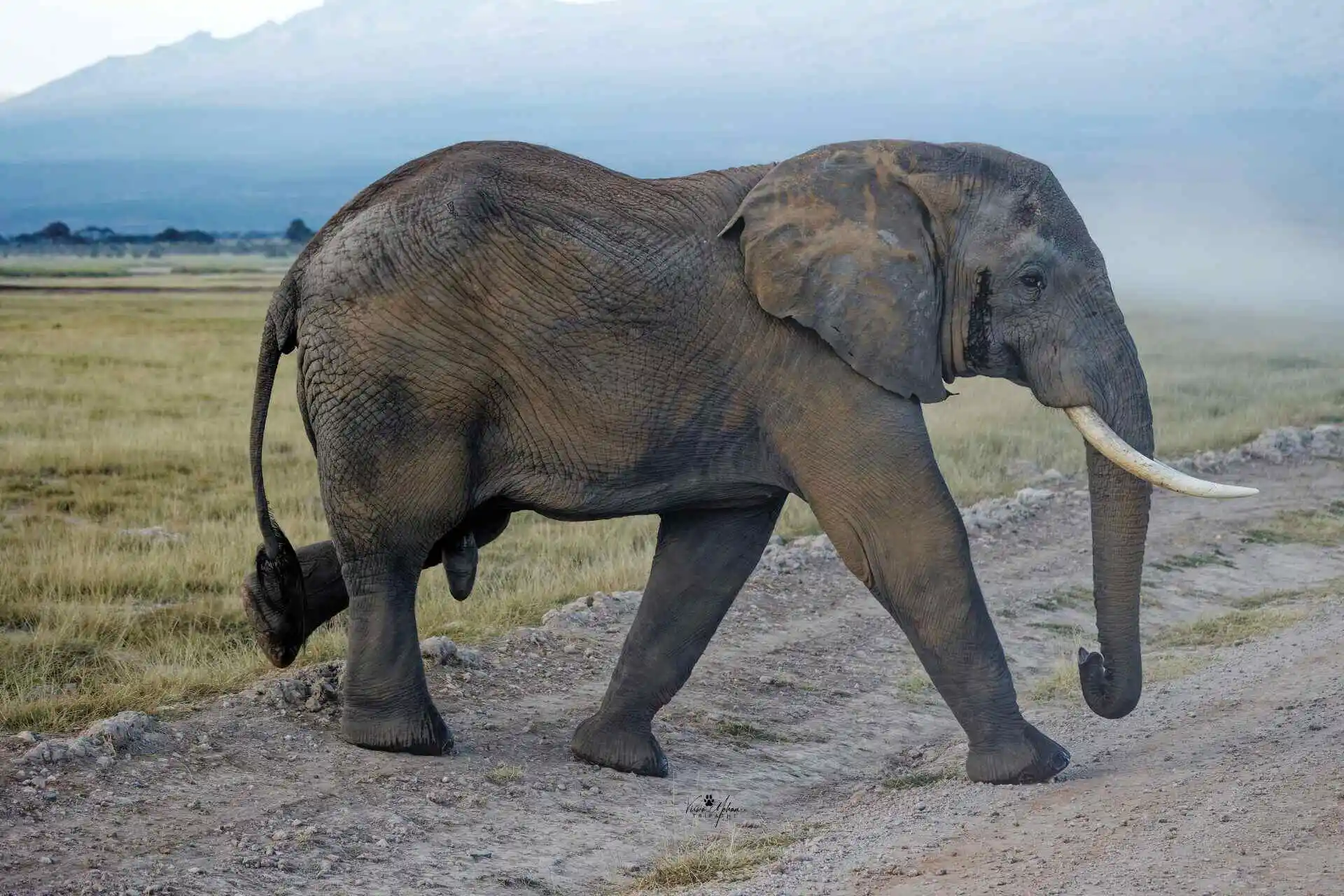
If your goal is to see lions, leopards, elephants, rhinos, and buffalo, plan your safari between June and October. These dry months make animals gather near water sources, offering excellent chances to spot all five in one trip, especially in Kenya, Tanzania, Botswana, and South Africa.
For Birdwatchers
The wet season (November to April) is perfect for bird lovers. Migratory birds arrive from Europe and Asia, and local species display bright plumage. Parks like the Okavango Delta and Serengeti become a paradise for bird photography.
For Photographers
Visit during the green season when the light is soft and the skies are dramatic. The fresh greenery, clear reflections, and baby animals make every frame come alive. You’ll also enjoy fewer vehicles in the parks.
For Families and First-Timers
Choose June to October for comfortable weather, dry roads, and easy wildlife viewing. Animals are more visible, safaris run smoothly, and there’s less risk of rain disrupting your plans.
Tips for Planning Your Safari
- Book early for peak months, especially July to September.
- Consider combining parks to enjoy varied wildlife and scenery.
- Pack light layers as mornings and evenings can be cool.
- If you prefer peace and lower rates, visit in shoulder months like May or November.
There’s no bad time to go on safari in Africa. Each season brings something special whether it’s the drama of the Great Migration or the calm beauty of the green plains. What matters most is choosing what you want to see and the pace you enjoy.
Plan your adventure with Big Cats Safari, and we’ll help you find the perfect time to experience Africa’s wildlife at its best.