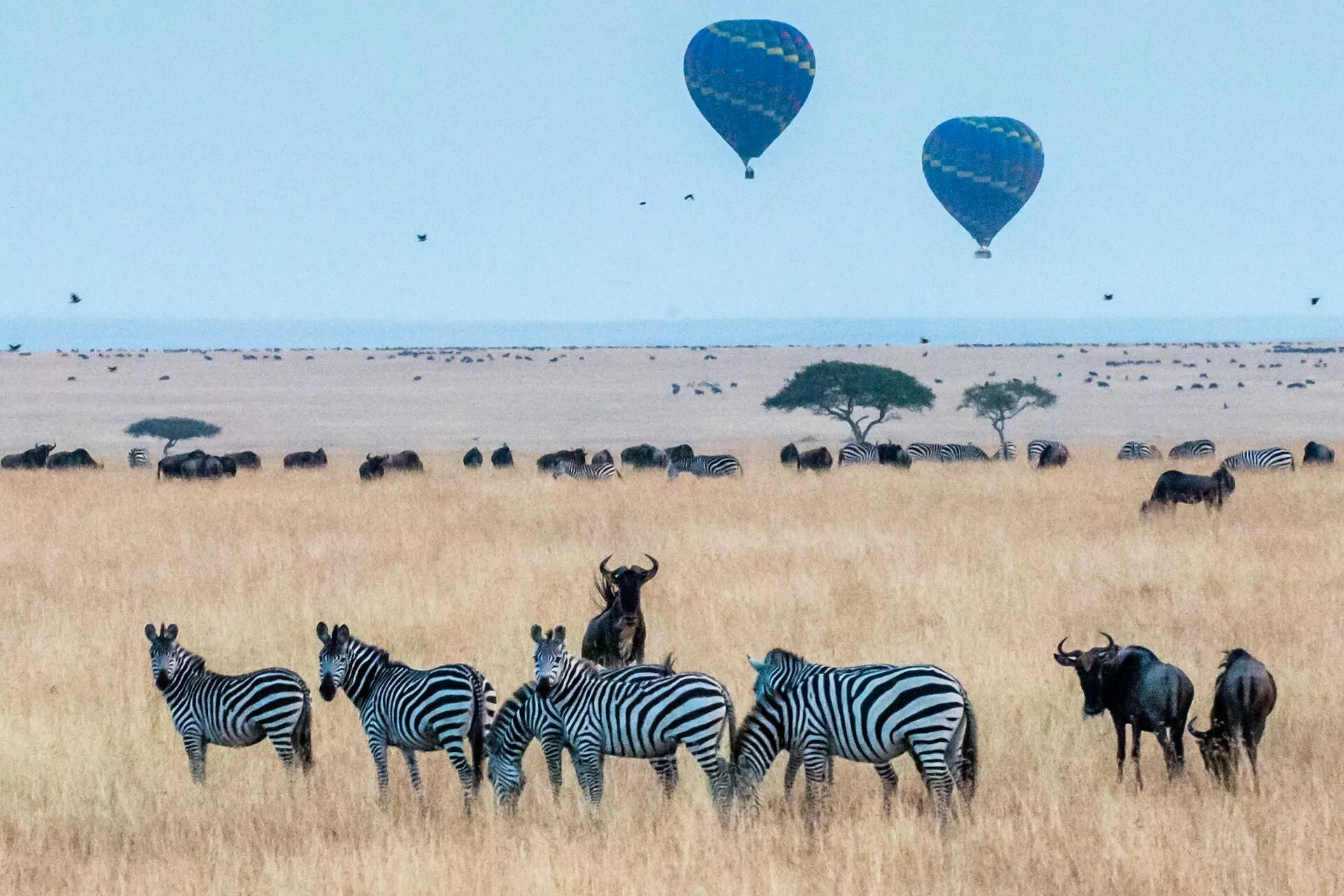
African Lion – The King of the Savannah
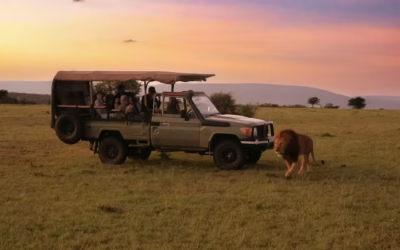
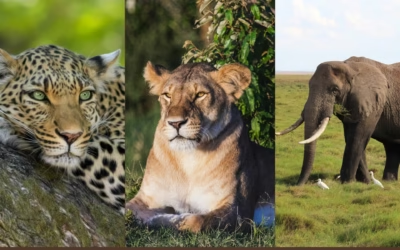
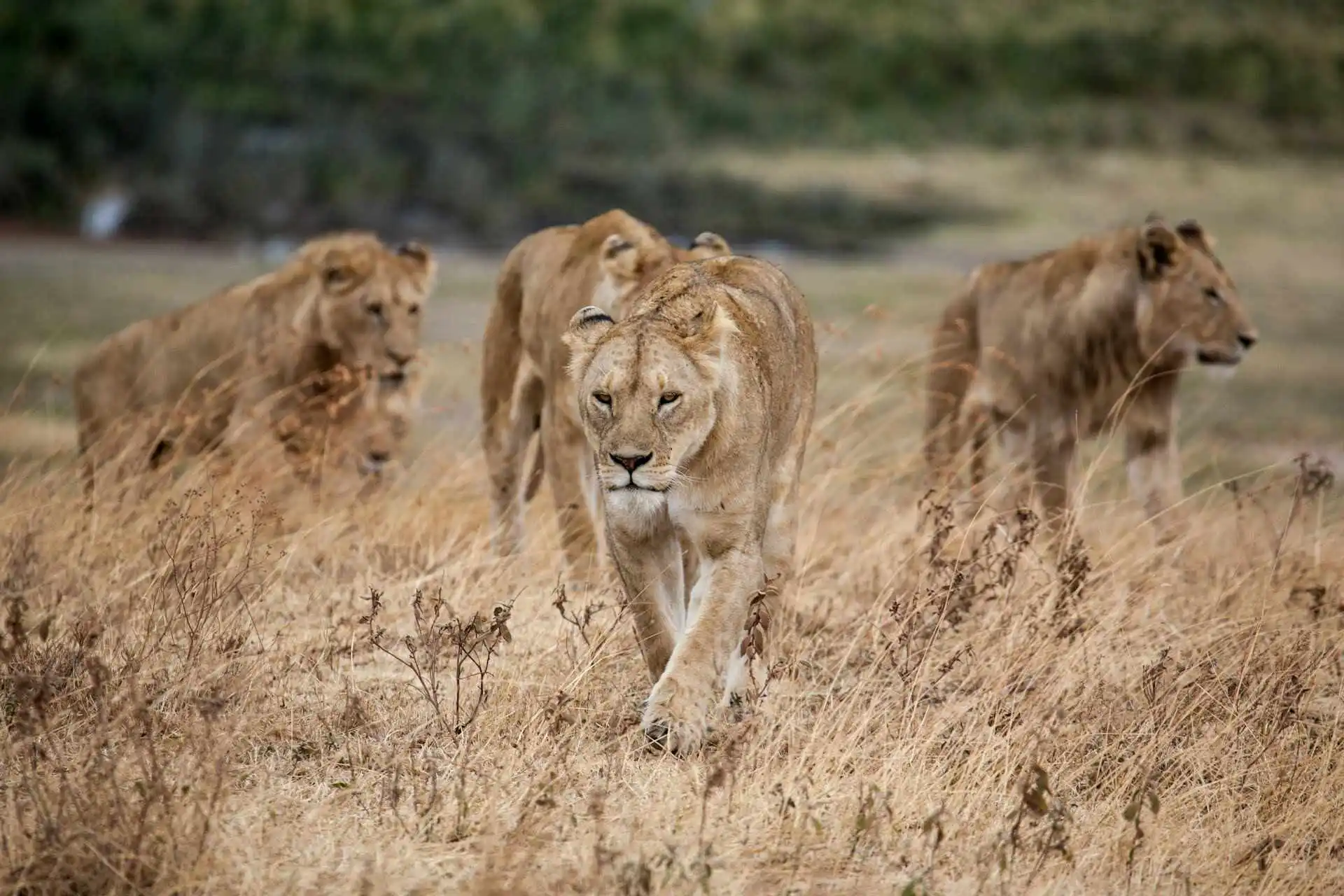
Lions are the most iconic of all African big cats. They’re social animals that live in prides, and they’re easier to spot than most other cats because they spend a lot of time out in the open.
Where to see them: Serengeti National Park in Tanzania, Maasai Mara in Kenya, Kruger National Park in South Africa, and Chobe National Park in Botswana are all excellent places to see lions.
Best time to visit: Dry season, from June to October. Lions are more active and visible when water is scarce.
Quick fact: Female lions do most of the hunting. Males protect the pride and its territory.
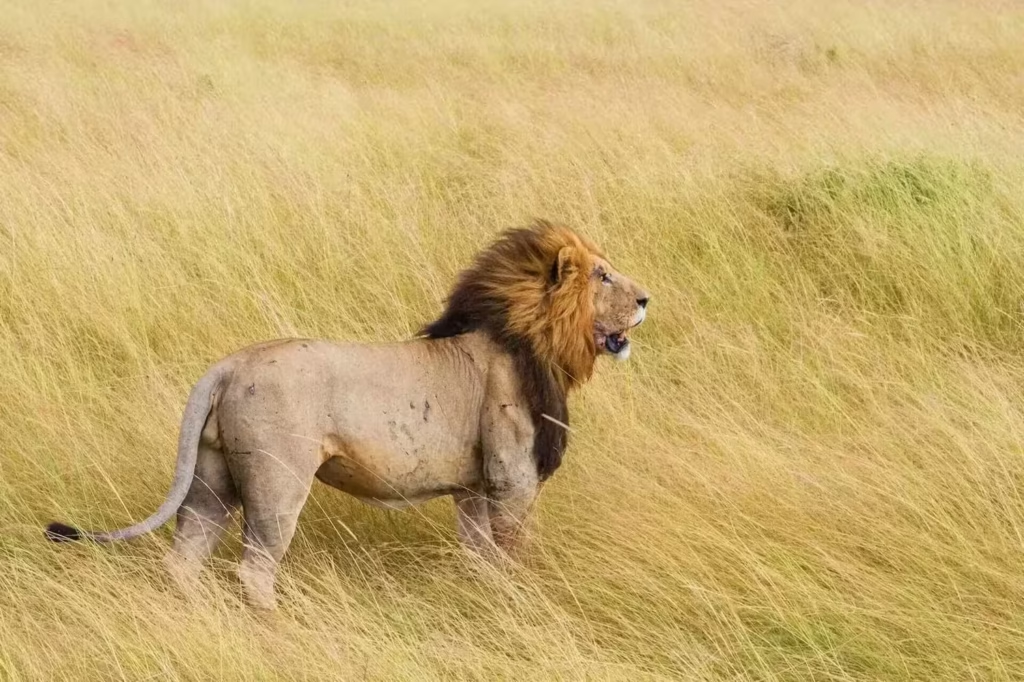
Leopard – The Elusive Hunter
Leopards are solitary and harder to spot than lions. They’re incredibly adaptable and can survive in different habitats, from forests to deserts. Most of the time, they hunt at night and rest in trees during the day.
Where to see them:
South Luangwa National Park in Zambia, Sabi Sands Game Reserve in South Africa, and Moremi Game Reserve in Botswana are known for leopard sightings.
Best time to visit:
Dry season, June to October. Leopards are easier to spot when vegetation is thin.
Quick fact:
Leopards drag their prey up into trees to keep it away from scavengers like hyenas and lions.
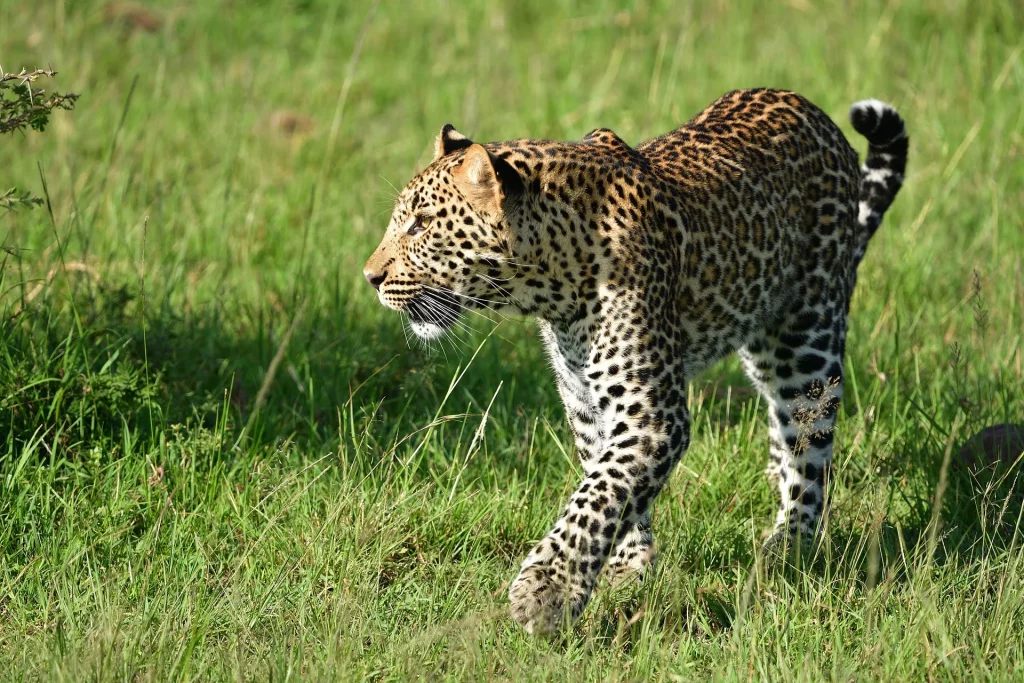
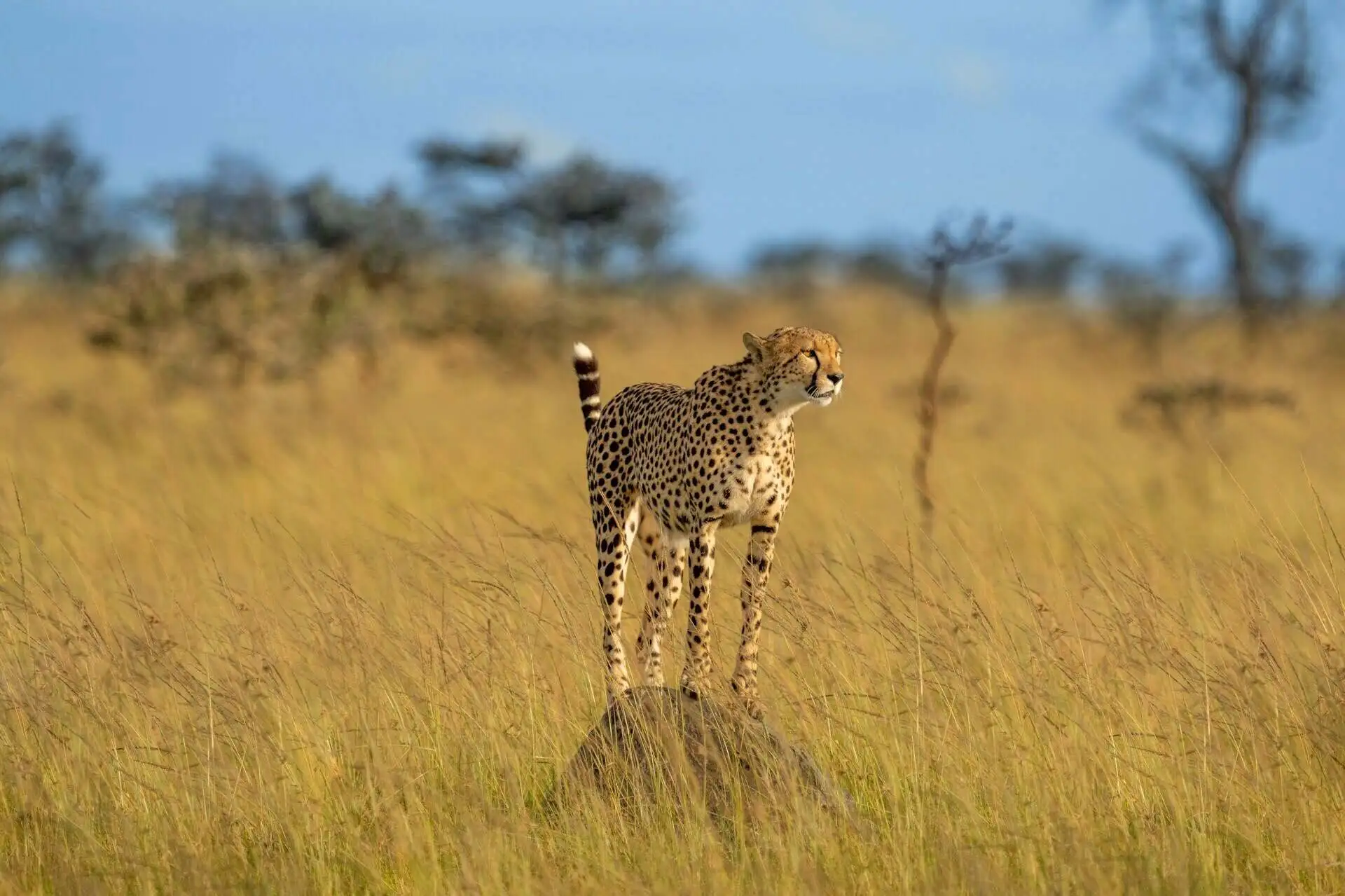
Cheetah – The Fastest Land Animal
Cheetahs are built for speed. They can hit 70 miles per hour in short bursts, making them the fastest land animal on earth. Unlike other big cats, they hunt during the day and rely on sight rather than stealth.
Where to see them:
Serengeti National Park in Tanzania, Maasai Mara in Kenya, and Etosha National Park in Namibia are top spots for cheetah sightings.
Best time to visit:
Dry season, May to October. Open plains make it easier to see them hunt.
Quick fact:
Cheetahs don’t roar like lions or leopards. They chirp, purr, and make high-pitched sounds instead.
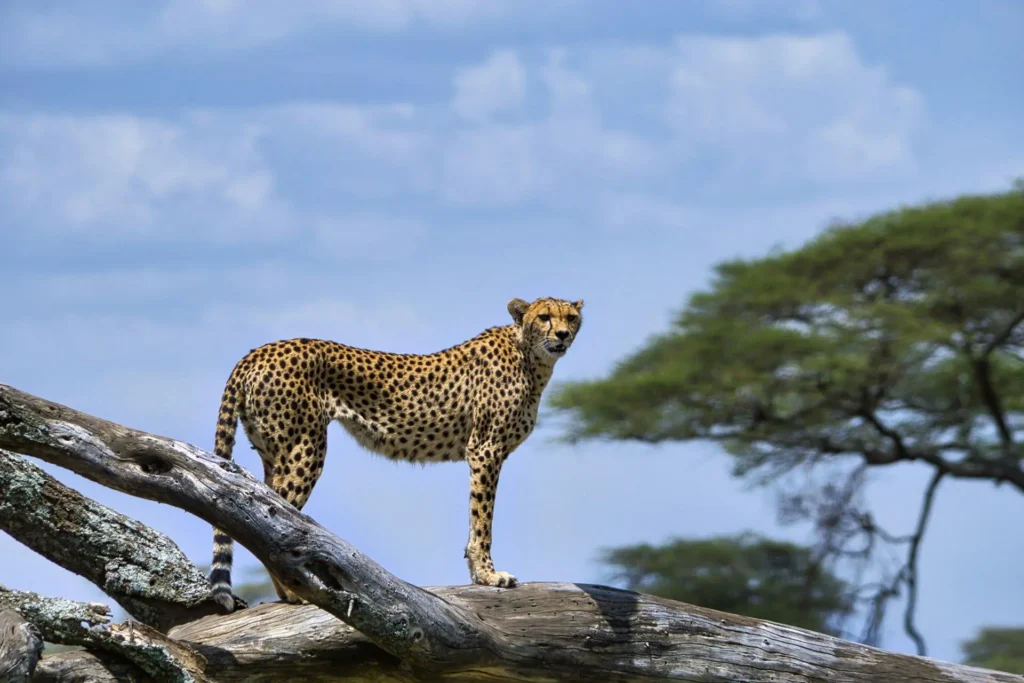
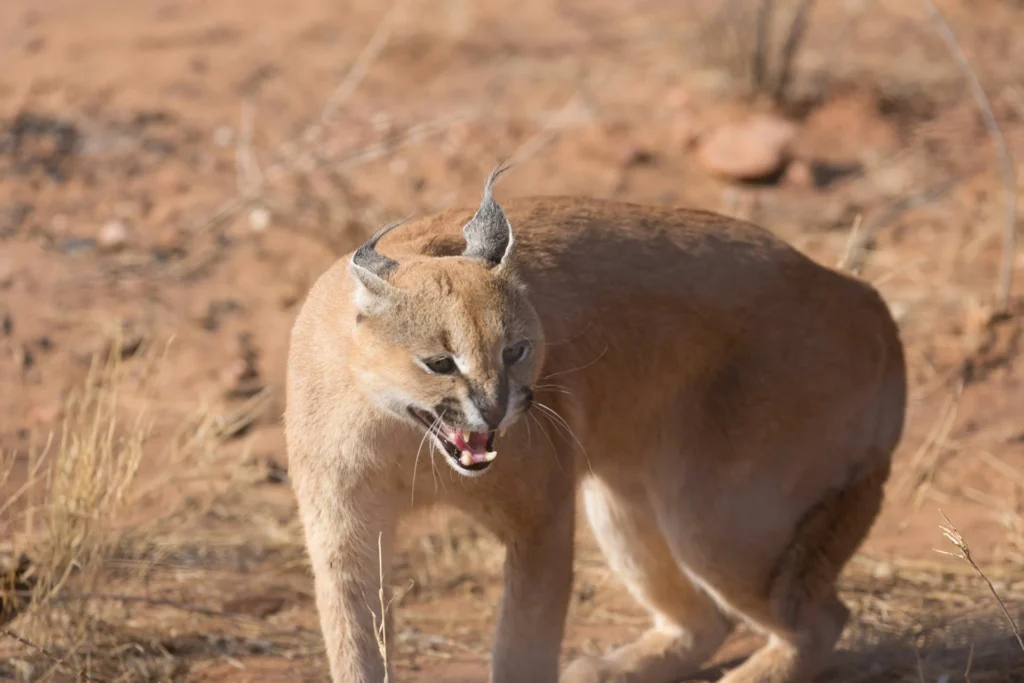
Caracal – The Desert Lynx
Caracals are medium-sized wild cats with long legs and distinctive black ear tufts. They’re shy and mostly nocturnal, which makes them harder to see than lions or cheetahs. But if you’re lucky, you might spot one in the right habitat.
Where to see them:
Kgalagadi Transfrontier Park in South Africa and Botswana, and some private reserves in Namibia.
Best time to visit:
Year-round, but early mornings and late evenings increase your chances.
Quick fact:
Caracals can leap up to 10 feet in the air to catch birds mid-flight. Their jumping ability is one of the best among all cats.
Serval – The Long-Legged Cat
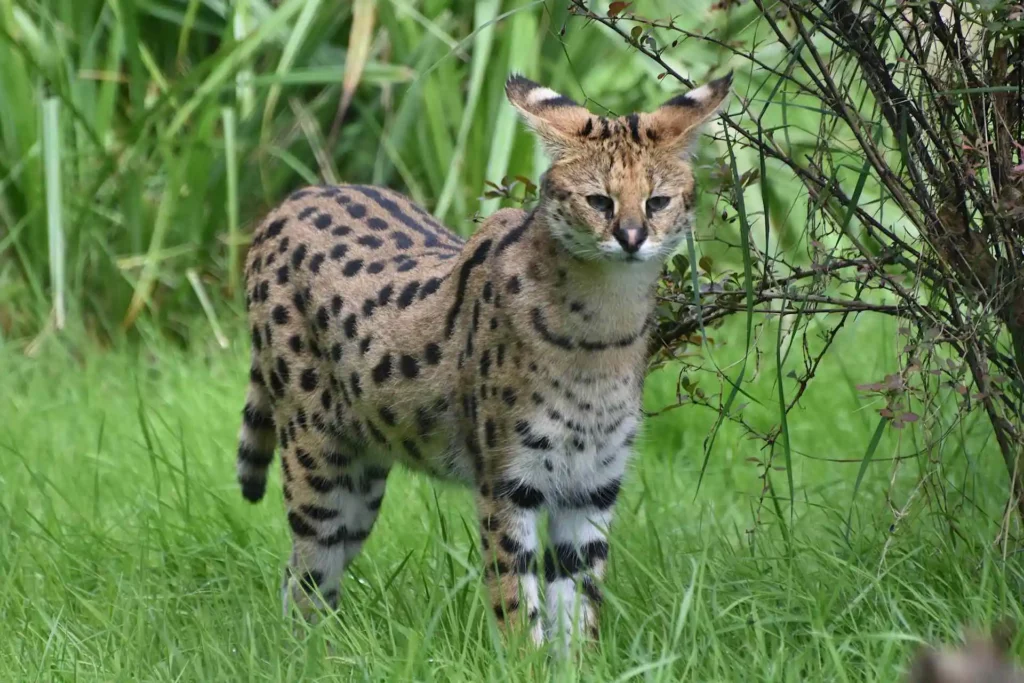
Servals are slender, long-legged cats with large ears. They live in wetlands and grasslands, and they’re excellent hunters. Servals use their long legs to pounce on prey from above, often leaping several feet into the air.
Where to see them:
Serengeti National Park in Tanzania, Ngorongoro Crater, and Okavango Delta in Botswana.
Best time to visit:
Wet season, November to March. Servals are more active when water levels are high.
Quick fact:
Servals have the longest legs relative to body size of any cat species. They use those legs to hunt rodents and birds in tall grass.
African Wildcat – The Ancestor of House Cats
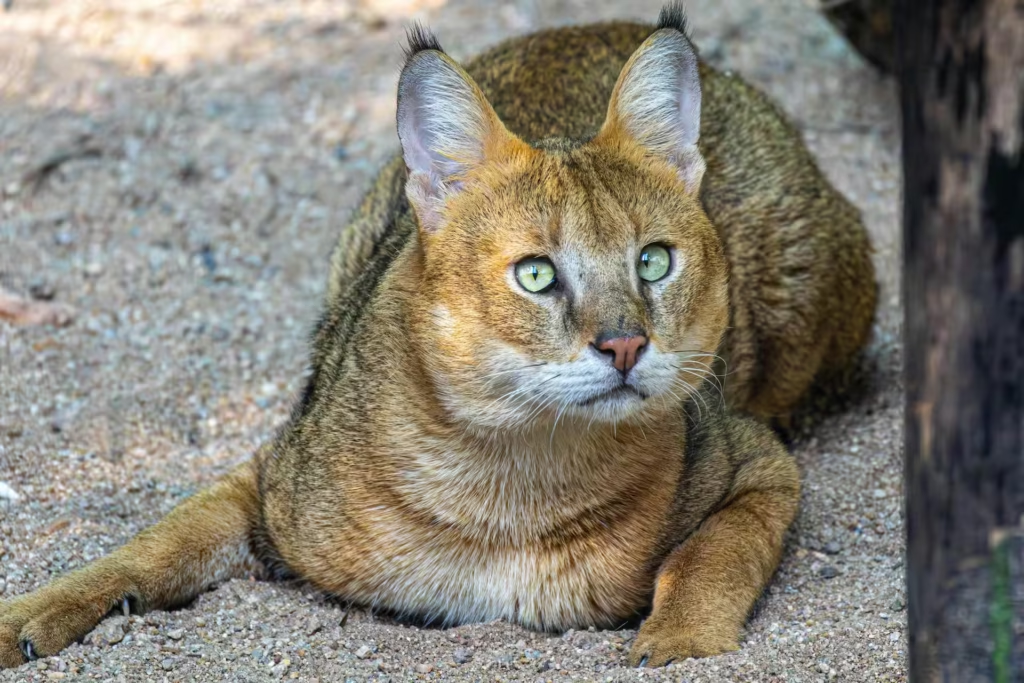
African wildcats look a lot like domestic cats, and for good reason. They’re the ancestors of the house cats we know today. They’re small, secretive, and mostly nocturnal, which makes them one of the hardest cats to spot on safari.
Where to see them:
Kgalagadi Transfrontier Park in South Africa and Botswana, and some areas of the Serengeti.
Best time to visit:
Year-round, but night drives give you the best chance of seeing them.
Quick fact:
African wildcats can interbreed with domestic cats, which has made pure wildcats increasingly rare in some regions.
Black-Footed Cat – Africa’s Smallest Wild Cat
The black-footed cat is tiny, weighing only about 3 to 5 pounds. But don’t let the size fool you. These cats are fierce hunters and have one of the highest success rates of any wild cat. They’re also extremely rare and difficult to find.
Where to see them:
Kgalagadi Transfrontier Park in South Africa and Botswana is one of the few places where sightings are possible.
Best time to visit:
Year-round, but night drives are essential. They’re completely nocturnal.
Quick fact:
Black-footed cats kill more prey in a single night than a leopard does in six months. They’re relentless hunters despite their small size.
Tips for Spotting Big Cats on Safari
Seeing big cats in the wild takes patience and a bit of luck. Here are a few things that help:
- Go with an experienced guide. They know where cats are most likely to be and when.
- Visit during the dry season. Most big cats are easier to spot when water sources are limited.
- Stay quiet and still. Loud noises and sudden movements can scare cats away.
- Be patient. Big cats don’t follow schedules. Sometimes you’ll see them right away. Other times, you’ll need to wait.
See Africa’s Big Cats With Us
Africa’s big cats are some of the most incredible animals you’ll ever see. Each species has its own personality, habitat, and hunting style. Knowing where and when to look makes all the difference.
If you want to see these cats in the wild without the stress of planning it yourself, Big Cats Safari can take care of everything. We know the best locations, the right times to go, and how to give you the best chance of seeing all seven species. Let us handle the details so you can focus on the experience.
Contact Big Cats Safari today and start planning your big cat adventure.