Cheetah – 70 mph
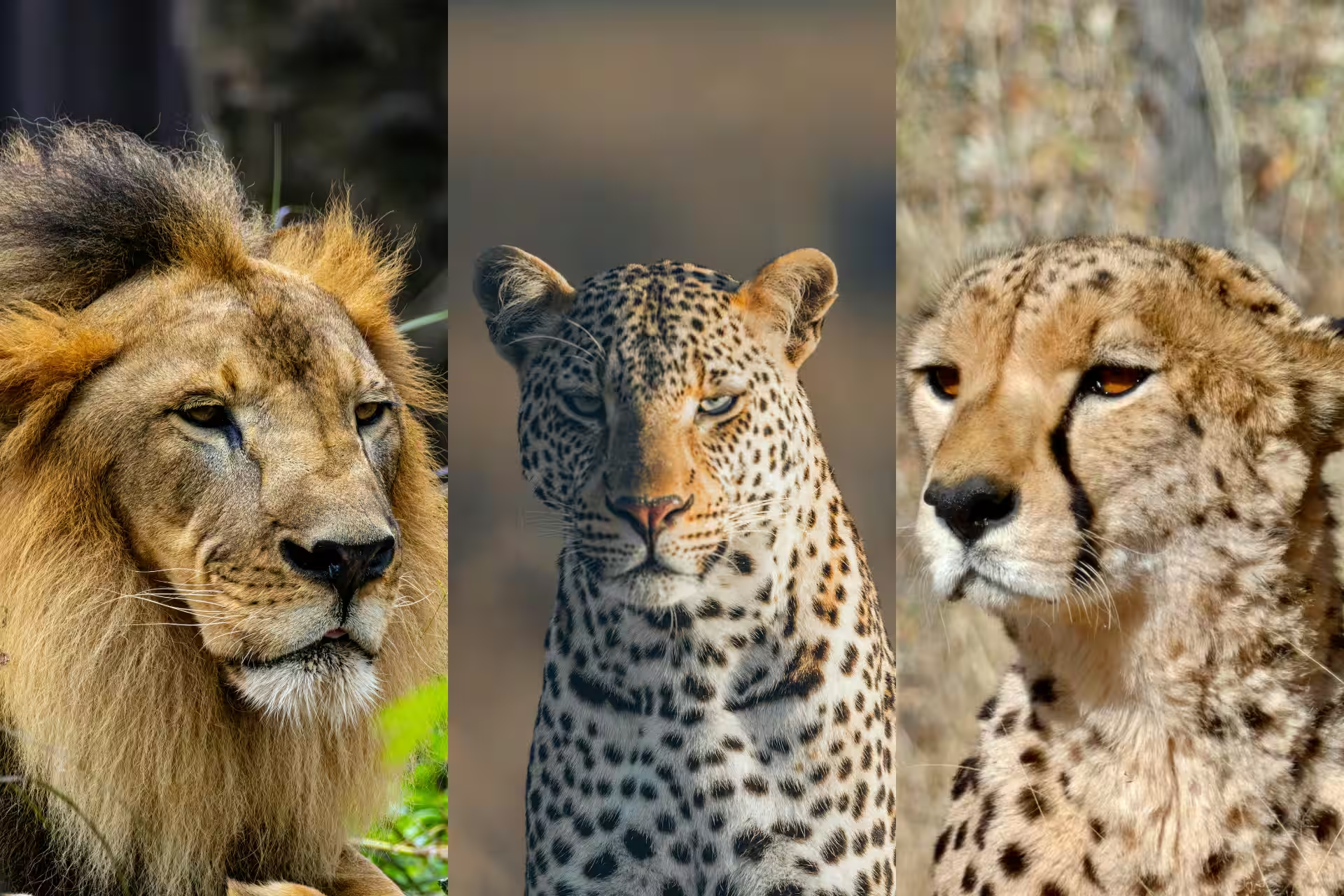
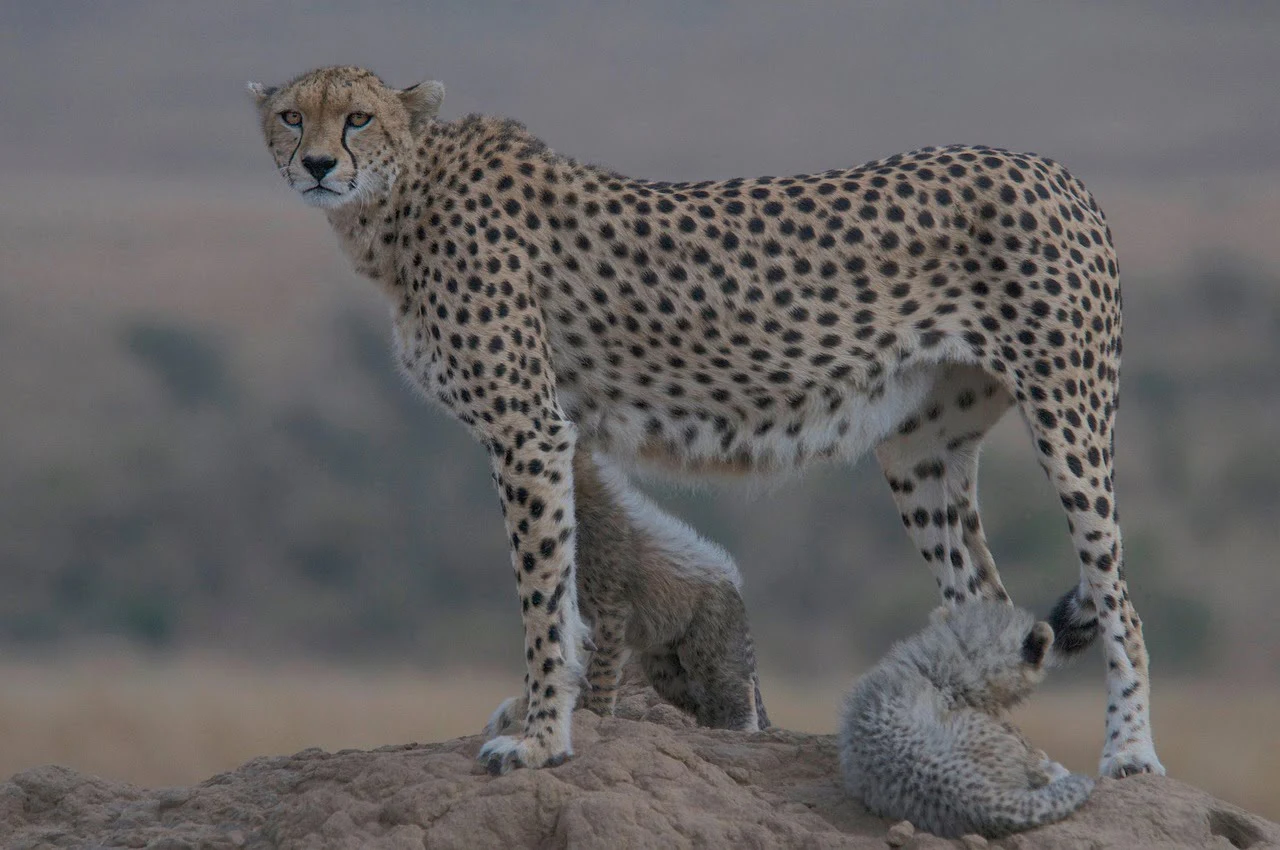
The cheetah is the fastest land animal on earth. It can reach speeds of 70 miles per hour in short bursts covering up to 1,600 feet. That speed comes from a lightweight frame, long legs, a flexible spine, and semi-retractable claws that grip the ground like running spikes.
Cheetahs hunt during the day and rely on speed rather than stealth. They get as close as possible to their prey before launching into a high-speed chase. The chase usually lasts less than a minute because cheetahs overheat quickly at top speed.
Where to see them:
Serengeti National Park in Tanzania, Maasai Mara in Kenya, and Etosha National Park in Namibia.
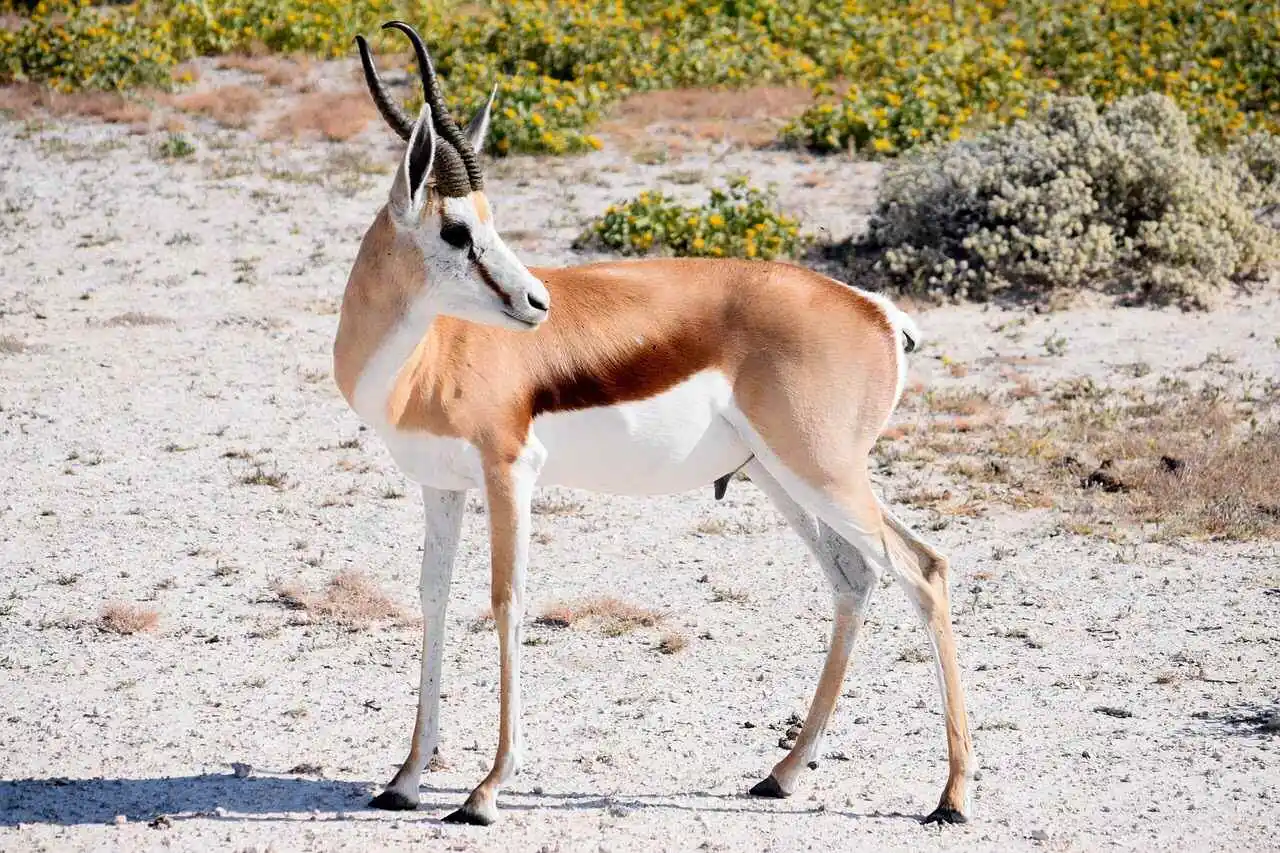
Springbok – 55 mph
Springboks are small antelopes built for speed. They can hit 55 miles per hour when running from predators. But what makes them really interesting is something called pronking. When a springbok feels threatened, it jumps straight up into the air with all four legs stiff. It’s a way of showing predators that it’s strong and alert.
Springboks live in large herds and are one of the most common antelopes in southern Africa. Their speed and agility make them a challenge for most predators.
Where to see them:
Kgalagadi Transfrontier Park in South Africa and Botswana, Etosha National Park in Namibia.
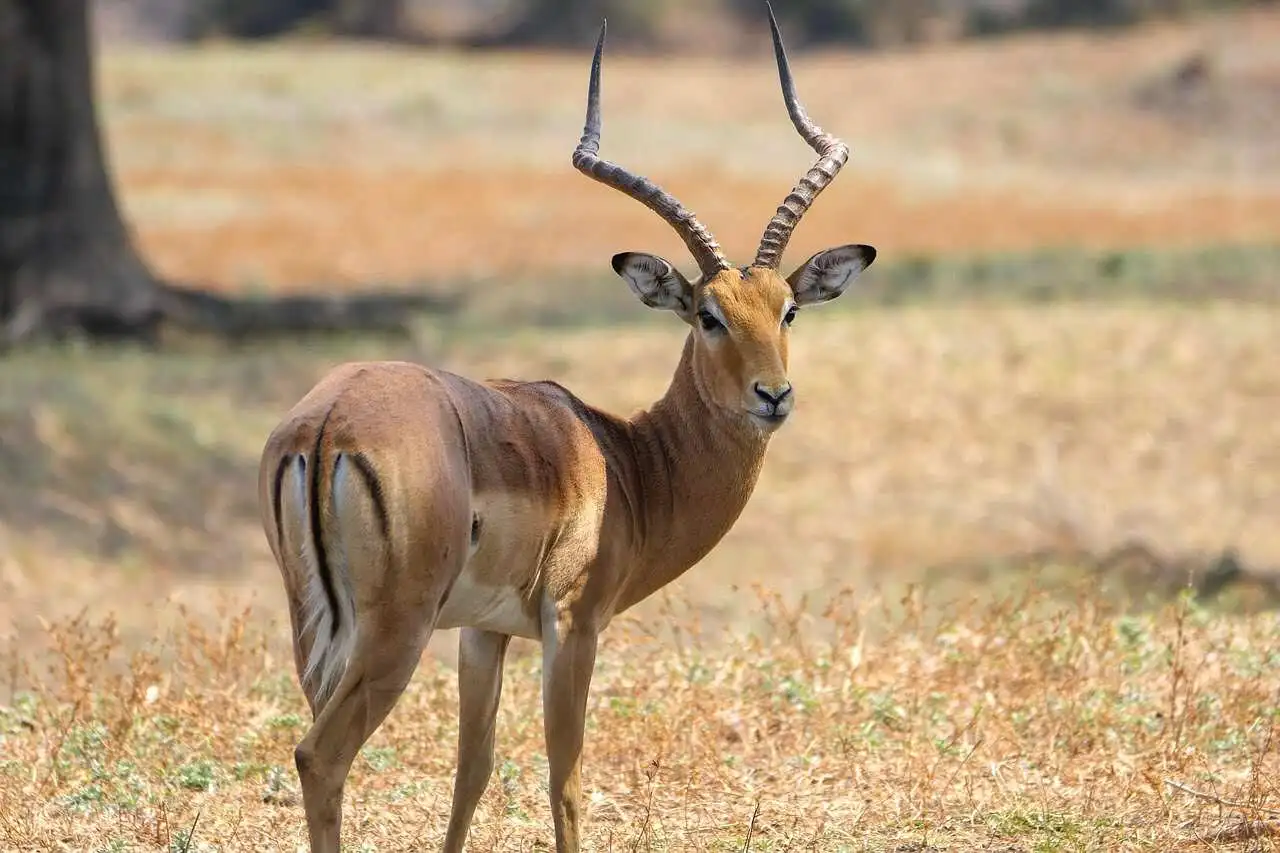
Impala – 50 mph
The impala is one of the fastest and most agile antelopes in Africa. It can reach speeds of up to 50 miles per hour and not only runs straight but also makes high jumps. An impala can cover up to 10 meters (33 feet) in a single leap and jump as high as 3 meters, which helps confuse predators.
The impala’s speed and agility help it escape from predators such as cheetahs, leopards, and African wild dogs. They often use zig-zag movements and sudden jumps to save themselves. This is why the impala is considered one of the most successful survivors of the African savannah.
Where to see them:
Kruger National Park (South Africa), Serengeti National Park (Tanzania), Maasai Mara (Kenya), Okavango Delta (Botswana).
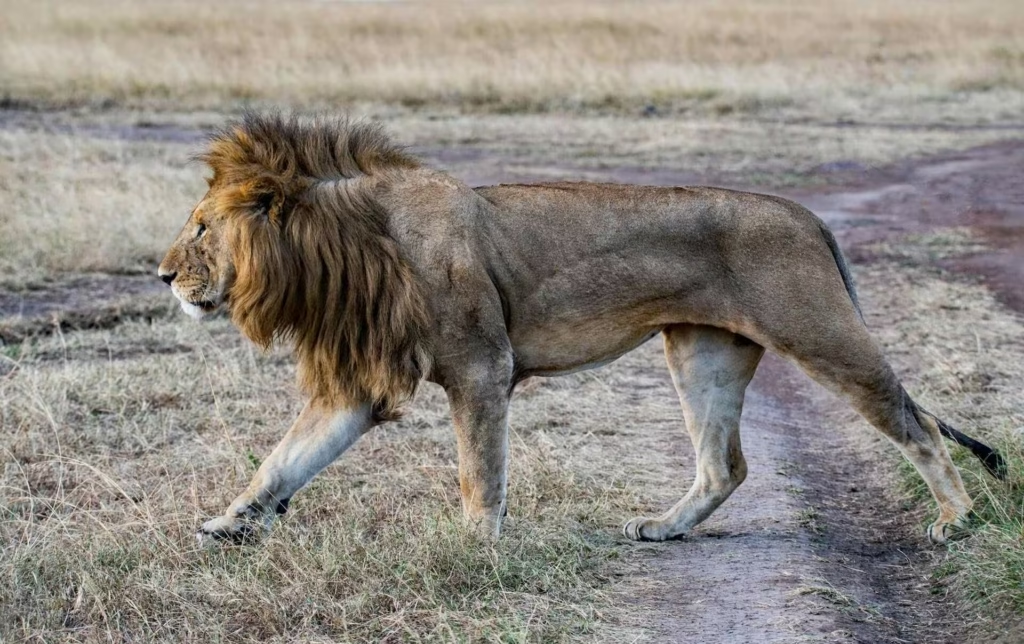
Lion – 50 mph
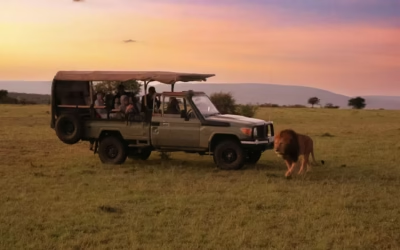
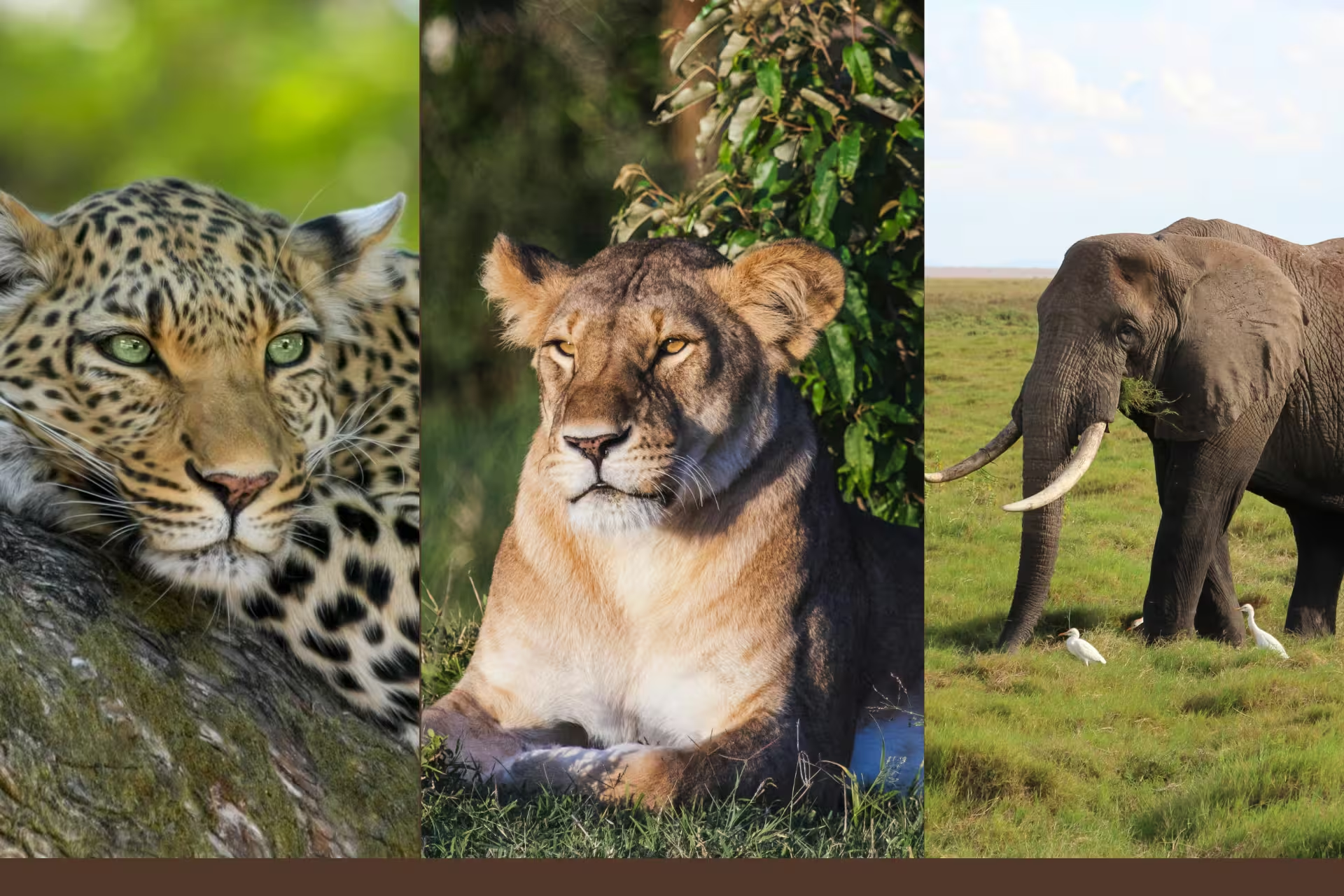
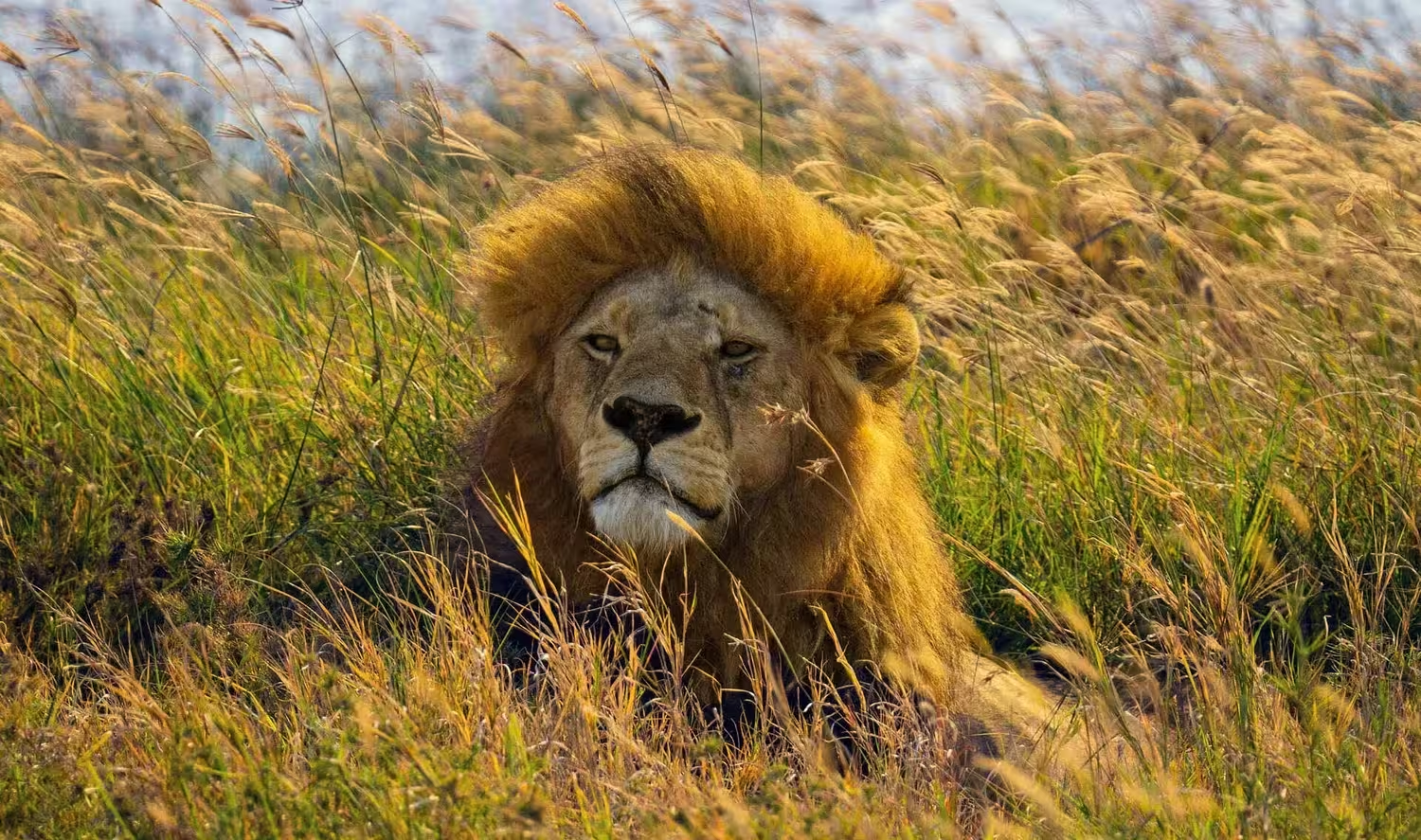
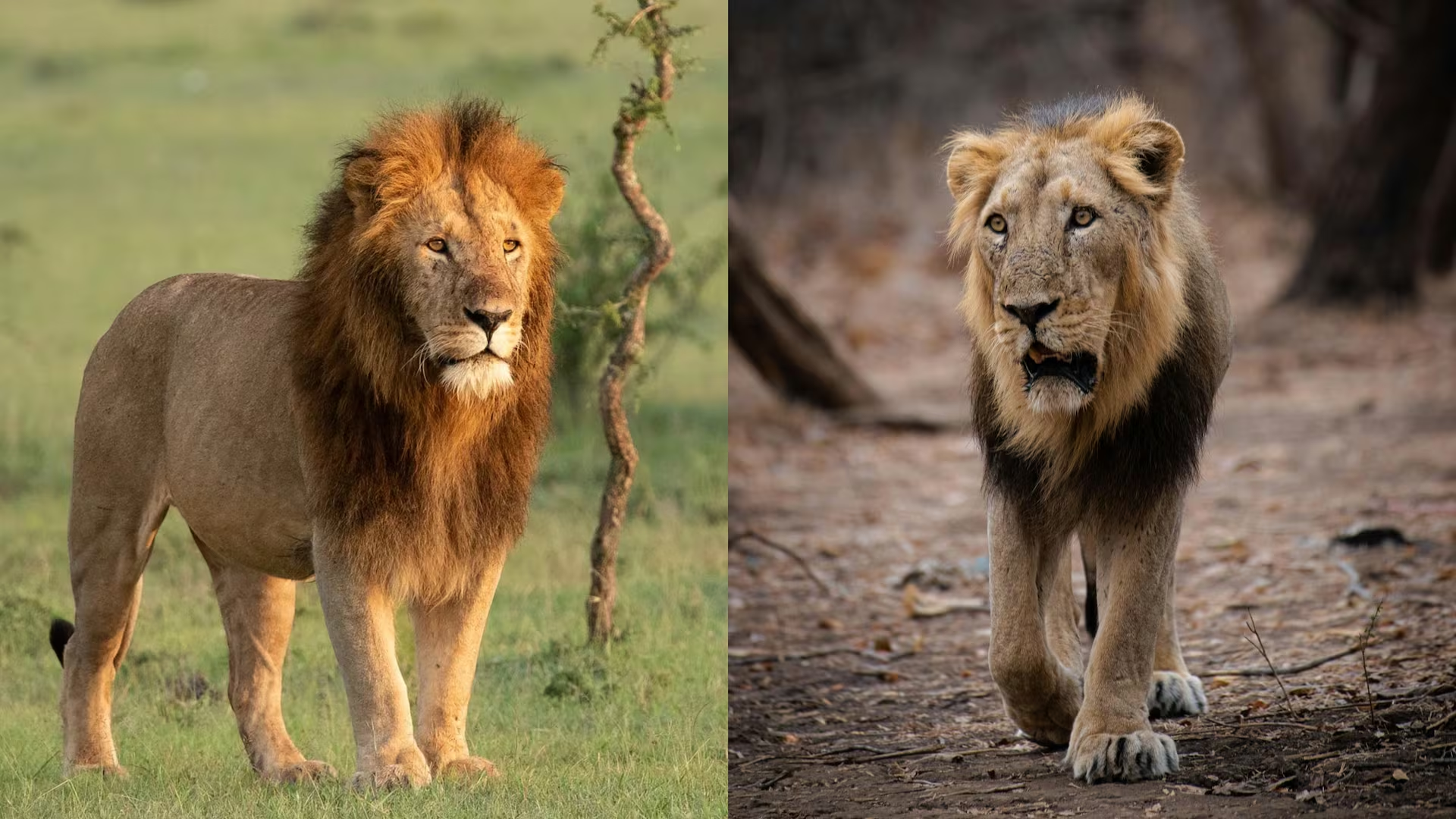
Lions are fast, but only in short bursts. They can reach speeds of up to 50 miles per hour, but they can’t keep that pace for long. Lions rely on teamwork and strategy more than pure speed. Lion hunt in groups and use ambush tactics to get close to their prey before charging.
Male lions are slower than females because of their size and weight. Lionesses do most of the hunting, and they’re built for quick, powerful sprints.
Where to see them:
Serengeti National Park in Tanzania, Maasai Mara in Kenya, Kruger National Park in South Africa.
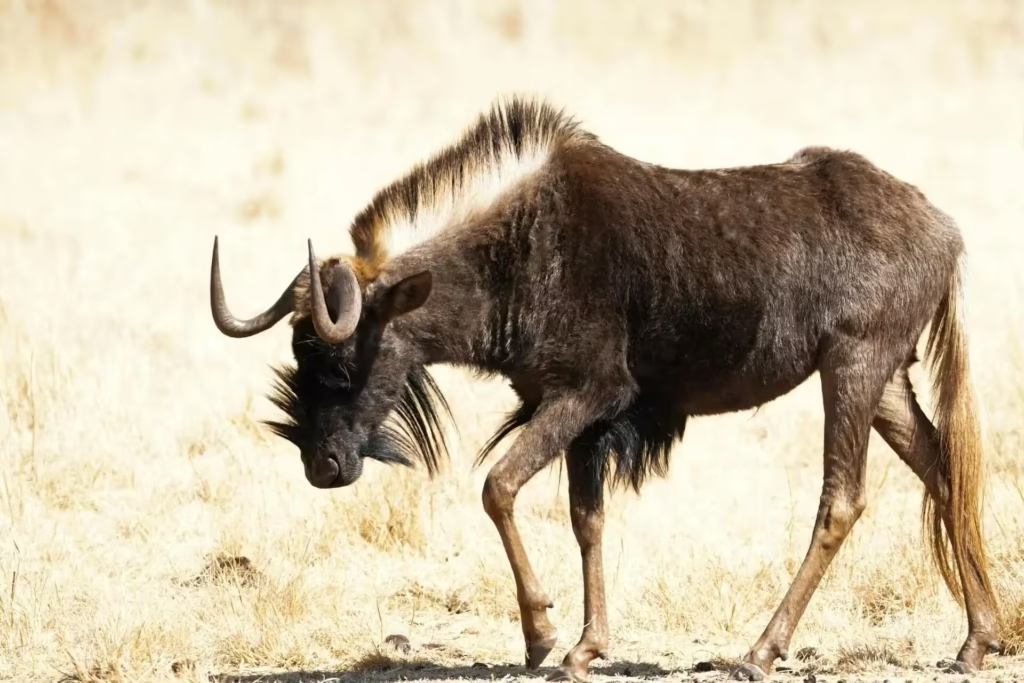
Wildebeest – 50 mph
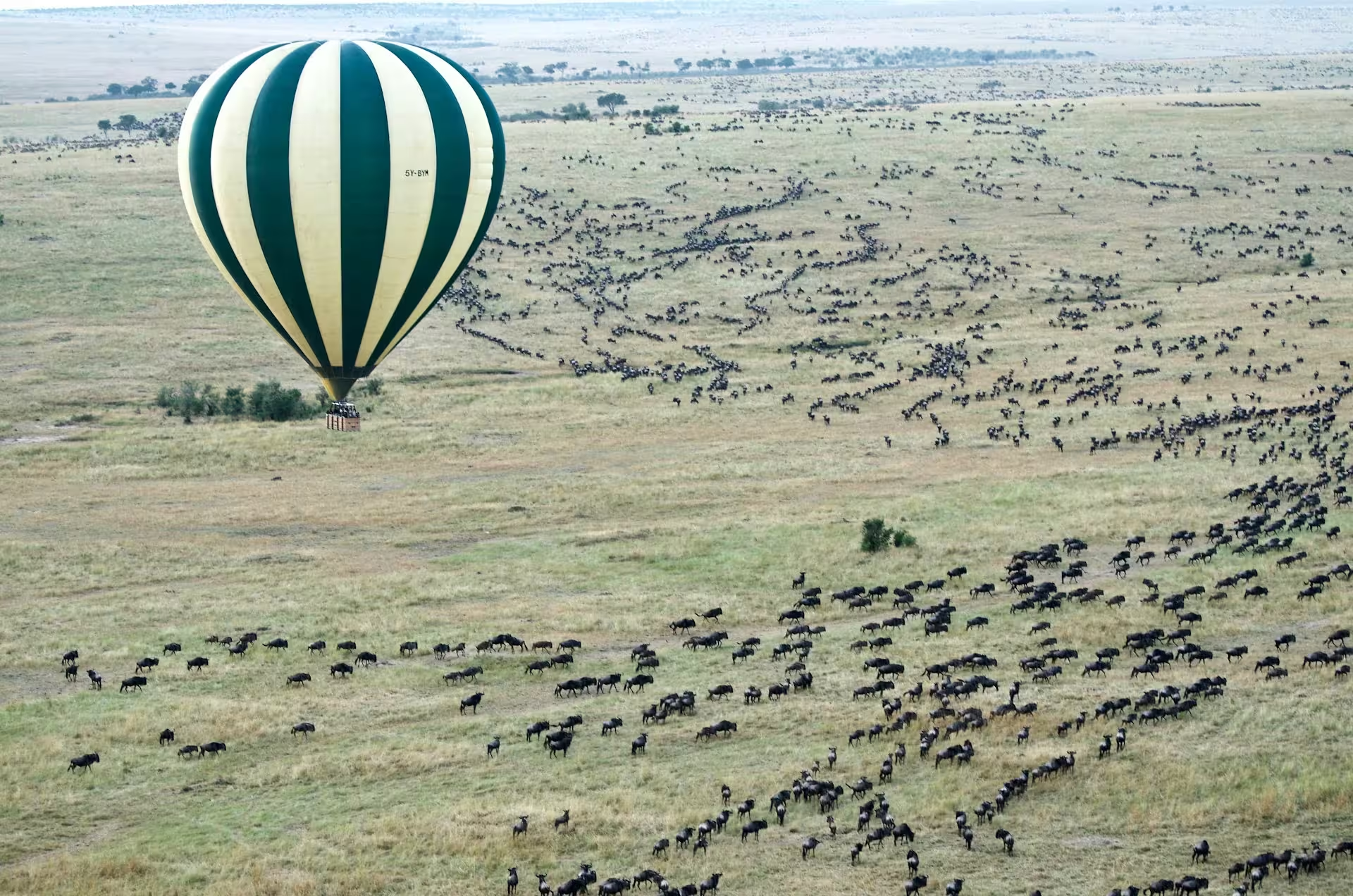
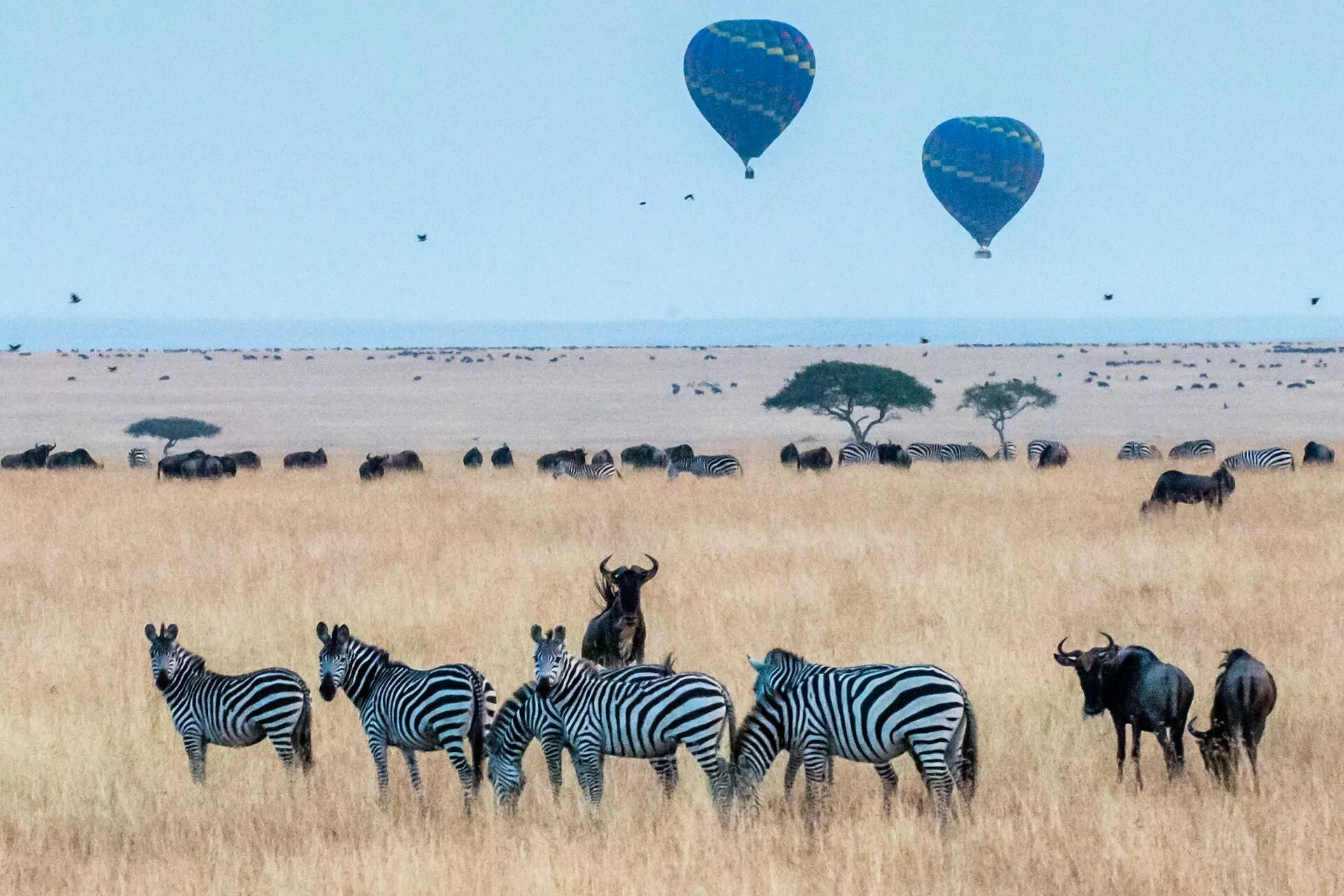
Wildebeests are fast runners, hitting speeds of up to 50 miles per hour. They need to be. They’re a primary target for lions, hyenas, and crocodiles, especially during the great migration when over a million wildebeests cross rivers and open plains in search of fresh grazing land.
Wildebeests don’t just rely on speed. They also move in massive herds, which makes it harder for predators to single out one animal. The sheer number of them creates confusion and safety.
Where to see them:
Serengeti National Park in Tanzania, Maasai Mara in Kenya during the migration season.
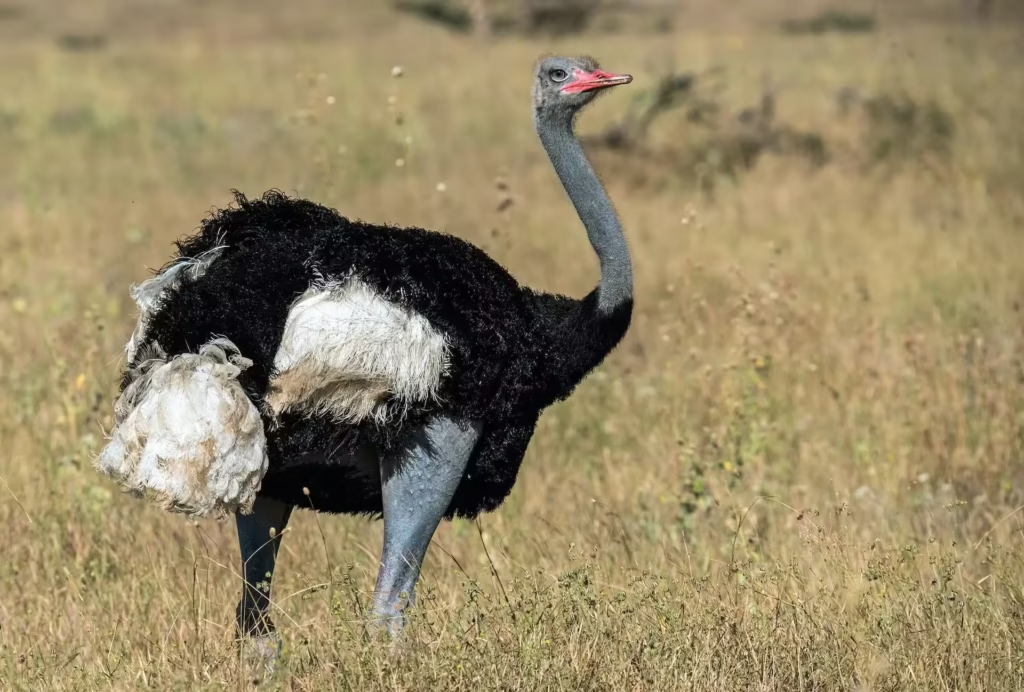
Ostrich – 45 mph
The ostrich is the fastest bird on land. It can’t fly, but it can run up to 45 miles per hour. Ostriches have long, powerful legs that cover up to 16 feet in a single stride. They use speed to escape predators like lions and hyenas.
Ostriches also have sharp claws on their feet that can deliver a dangerous kick. They’re not just fast runners. They’re also capable fighters when cornered.
Where to see them:
Found across most of Africa, especially in open savannahs. Common in Kruger National Park, Serengeti, and Etosha.
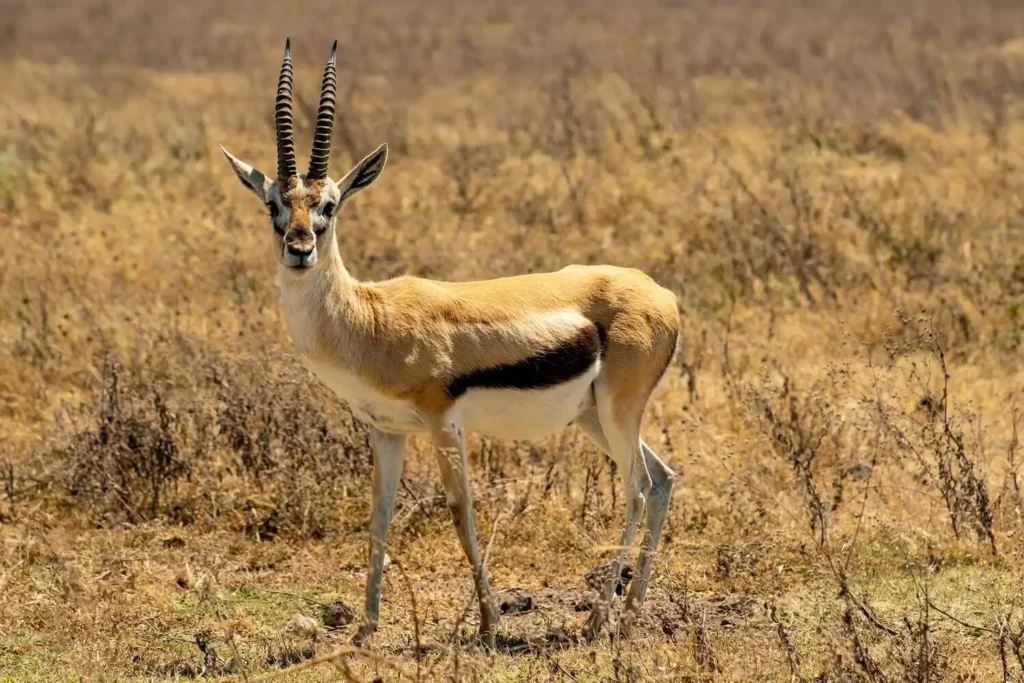
Thomson’s Gazelle – 43 mph
Thomson’s gazelles are small, fast, and agile. They can run at speeds of up to 43 miles per hour and can make sharp turns while running, which helps them escape predators like cheetahs and wild dogs.
They live in large herds and rely on their speed and alertness to stay safe. Thomson’s gazelles are one of the most common prey animals on the African plains, and their speed is the main reason they’ve survived for so long.
Where to see them:
Serengeti National Park in Tanzania, Maasai Mara in Kenya, Amboseli National Park in Kenya.
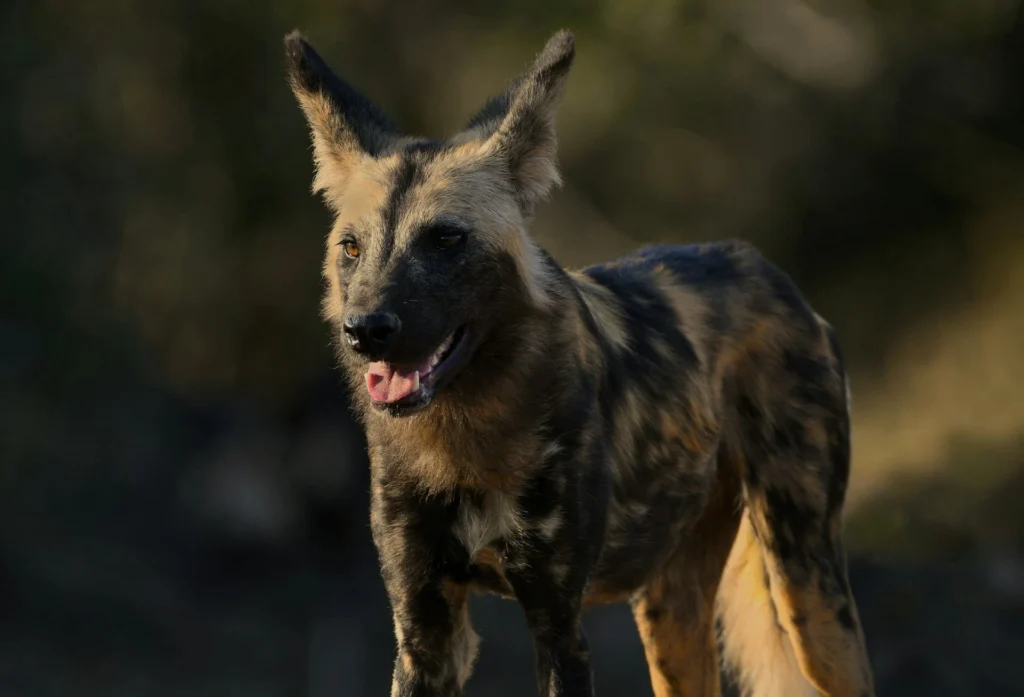
African Wild Dog – 44 mph
African wild dogs are some of the most efficient hunters in Africa. They can reach speeds of up to 44 miles per hour and can maintain a steady pace for miles. Unlike cheetahs, wild dogs don’t rely on short bursts of speed. They wear down their prey through endurance.
Wild dogs hunt in packs and coordinate their attacks. They take turns chasing prey until the animal is too exhausted to keep running. Their success rate is one of the highest among African predators.
Where to see them:
Selous Game Reserve in Tanzania, Moremi Game Reserve in Botswana, Kruger National Park in South Africa.
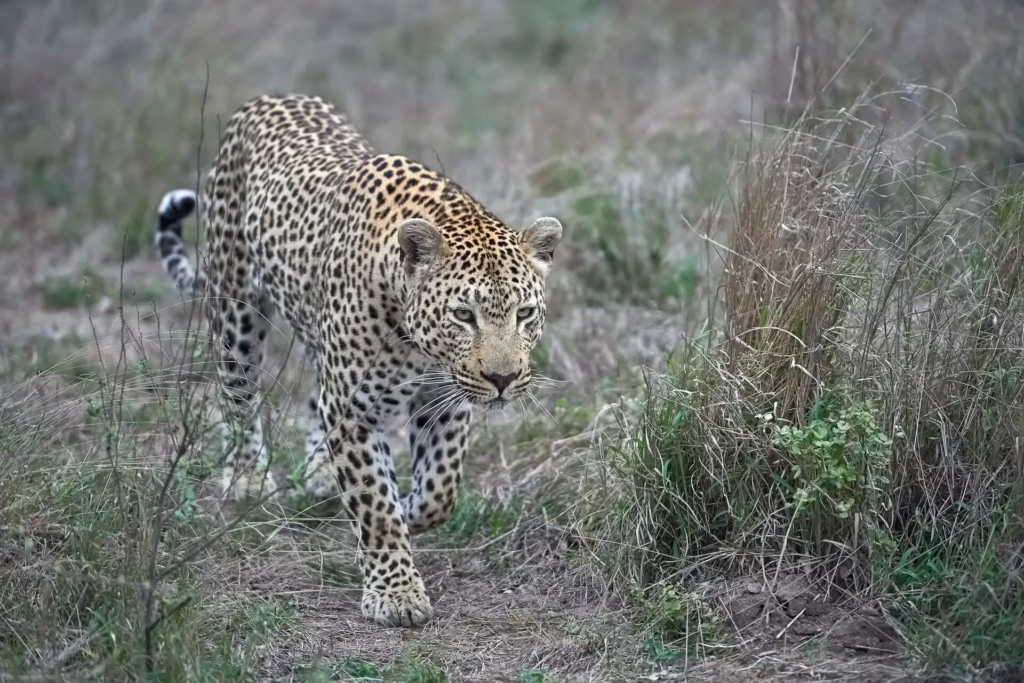
Leopard – 36 mph
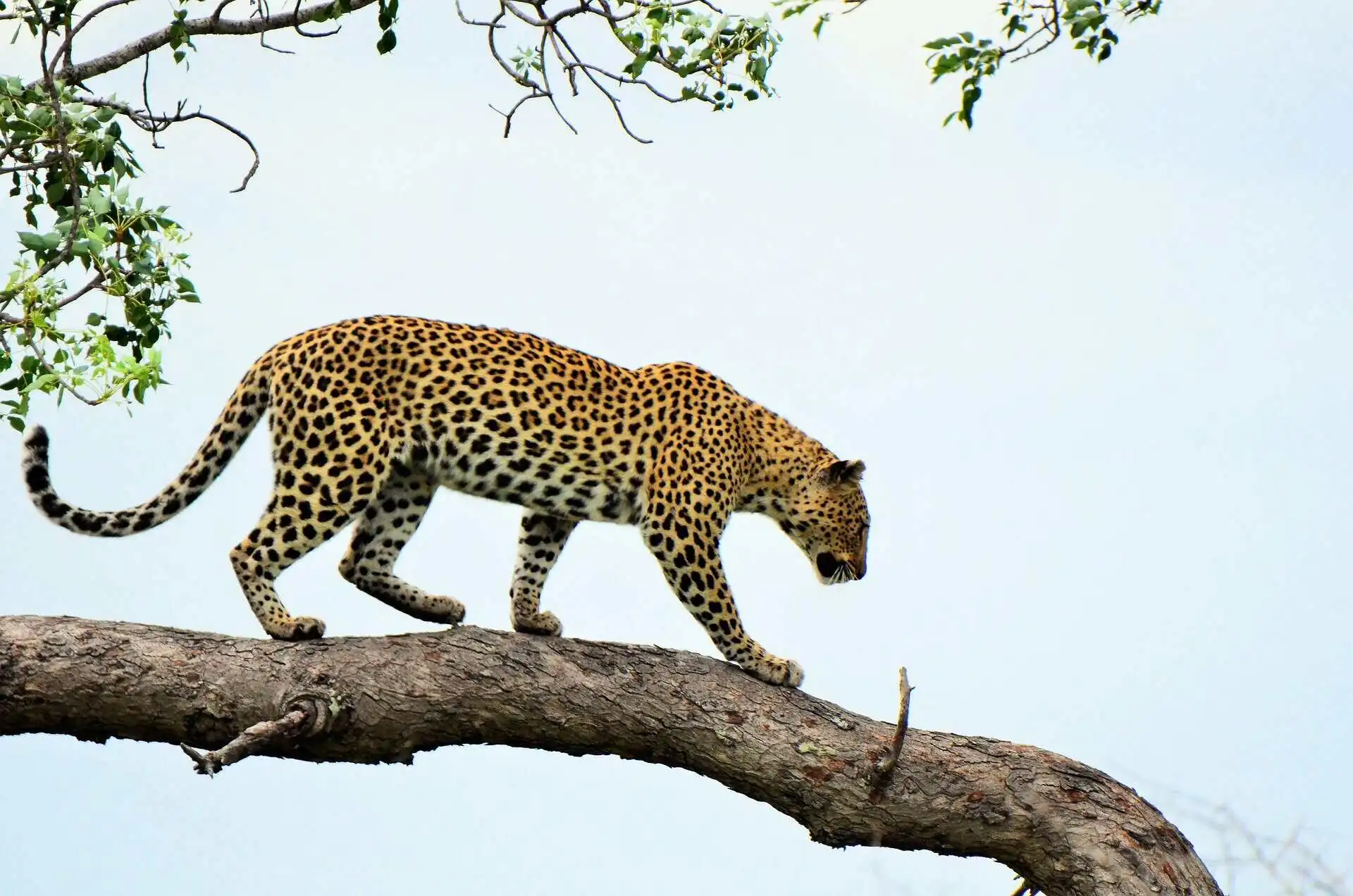
Leopards aren’t the fastest big cats, but they’re still quick. They can reach speeds of up to 36 miles per hour in short bursts. What makes leopards dangerous isn’t just their speed. It’s their stealth and strength.
Leopards are ambush hunters. They get as close as possible before launching a short, powerful chase. Once they catch their prey, they drag it up into a tree to keep it away from scavengers.
Where to see them:
South Luangwa National Park in Zambia, Sabi Sands Game Reserve in South Africa, Moremi Game Reserve in Botswana.
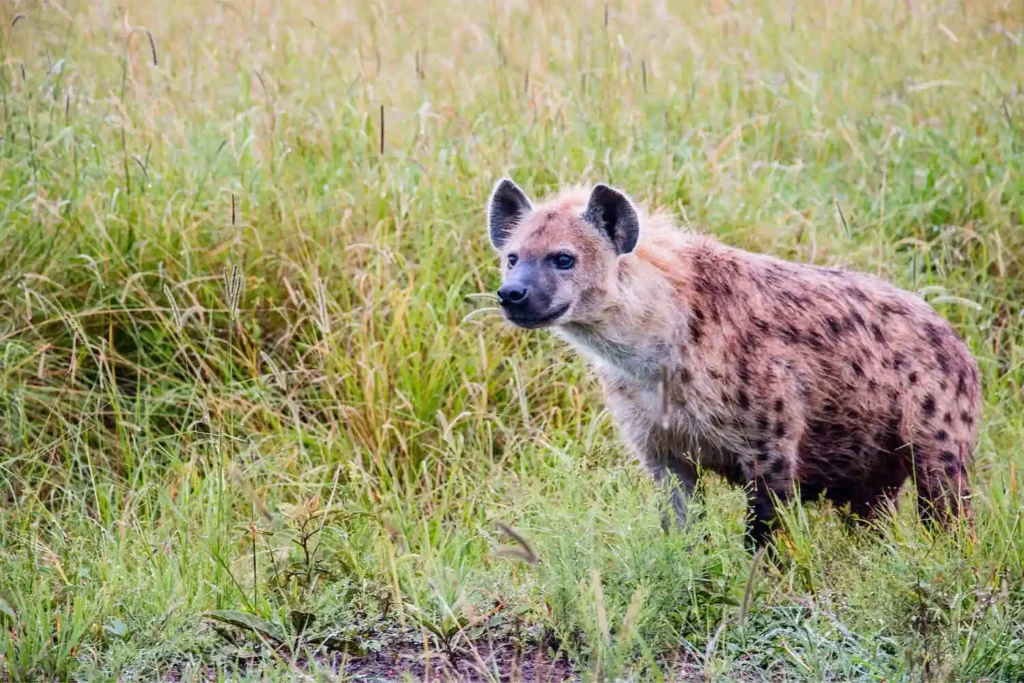
Spotted Hyena – 40 mph
Spotted hyenas can reach speeds of up to 40 miles per hour. They’re not the fastest animals on this list, but they’re some of the most persistent. Hyenas are endurance runners. They can chase prey for miles without stopping.
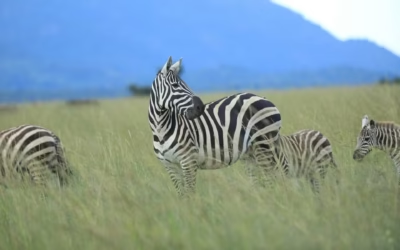
Hyenas hunt in packs and use teamwork to take down large animals like wildebeests and zebras. They’re also powerful scavengers and can crack bones that other predators can’t.
Where to see them:
Found across most of Africa. Common in Serengeti, Kruger, Maasai Mara, and Ngorongoro Crater.
Why Speed Matters in the African Wild
Speed is one of the most important survival tools in Africa. Predators use it to catch food. Prey animals use it to escape. The balance between the two has shaped how these animals evolved over millions of years.
Cheetahs sacrificed strength and endurance for pure speed. Wildebeests and gazelles developed the ability to run long distances at high speeds. Lions and hyenas use teamwork to make up for slower top speeds. Every animal has adapted to survive in its own way.
See These Animals in Action
Watching these animals run at full speed is one of the most exciting parts of an African safari. Whether it’s a cheetah chasing a gazelle or a herd of wildebeests stampeding across the plains, speed is everywhere in the African wild.
If you want to see these animals in their natural habitat, Big Cats Safari can help. We know the best locations, the right times to visit, and how to give you the best chance of witnessing these incredible moments. Let us take care of the planning so you can focus on the experience.
Contact Big Cats Safari today and start planning your African adventure.
Call Us: +91-9933772287
WhatsApp Us: +91-9933772287
Email Us: sa****@***********ri.com