India will host the first Global Big Cat Summit in 2026, the government said in the Union Budget 2026–27. The move puts wildlife protection into national plans and shows India’s role in saving species.
Finance Minister Nirmala Sitharaman announced the plan during the Budget speech in Parliament. The Budget links conservation with eco-tourism and international cooperation.
A Global Conservation Platform
The summit will run under the International Big Cat Alliance. It will bring delegates from about 95 countries to India. Attendees will include government leaders, environment ministers, scientists, and policy staff.
The event will give countries a common space to plan joint action. Talks will focus on shared problems and shared steps, not on separate national plans.
Species in Focus
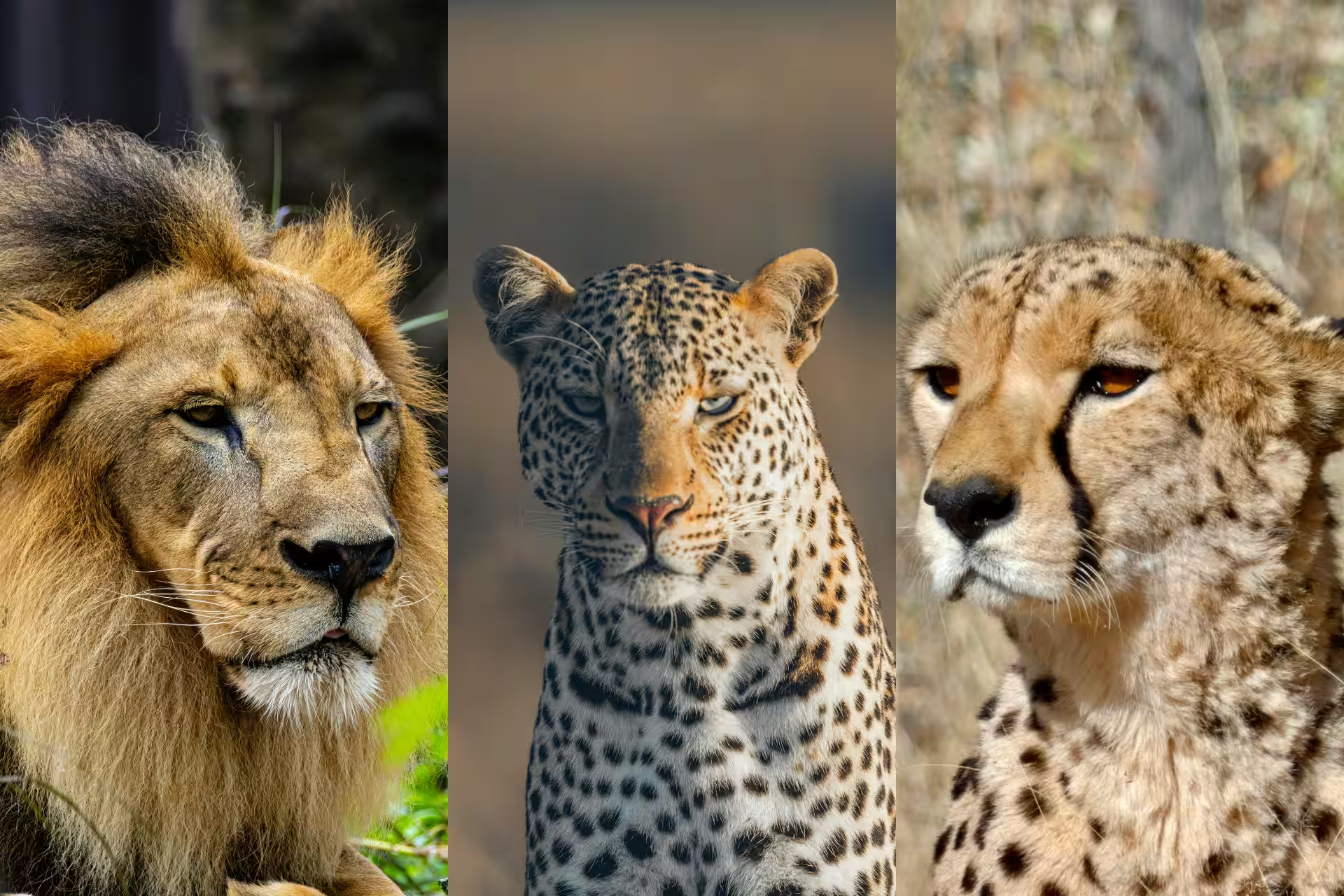
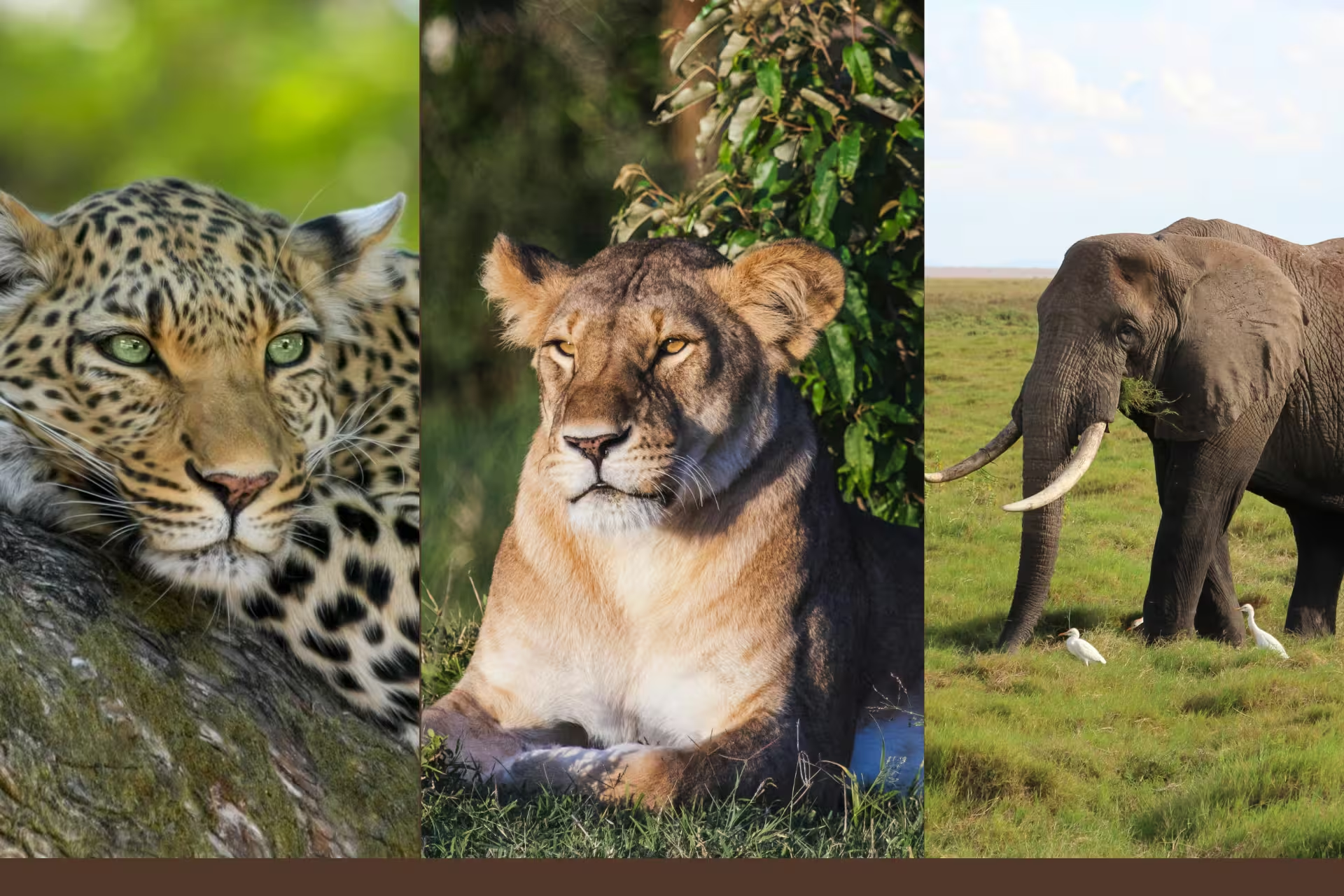
The summit will cover seven big cat species:
- Tigers
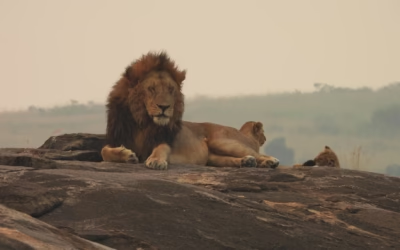
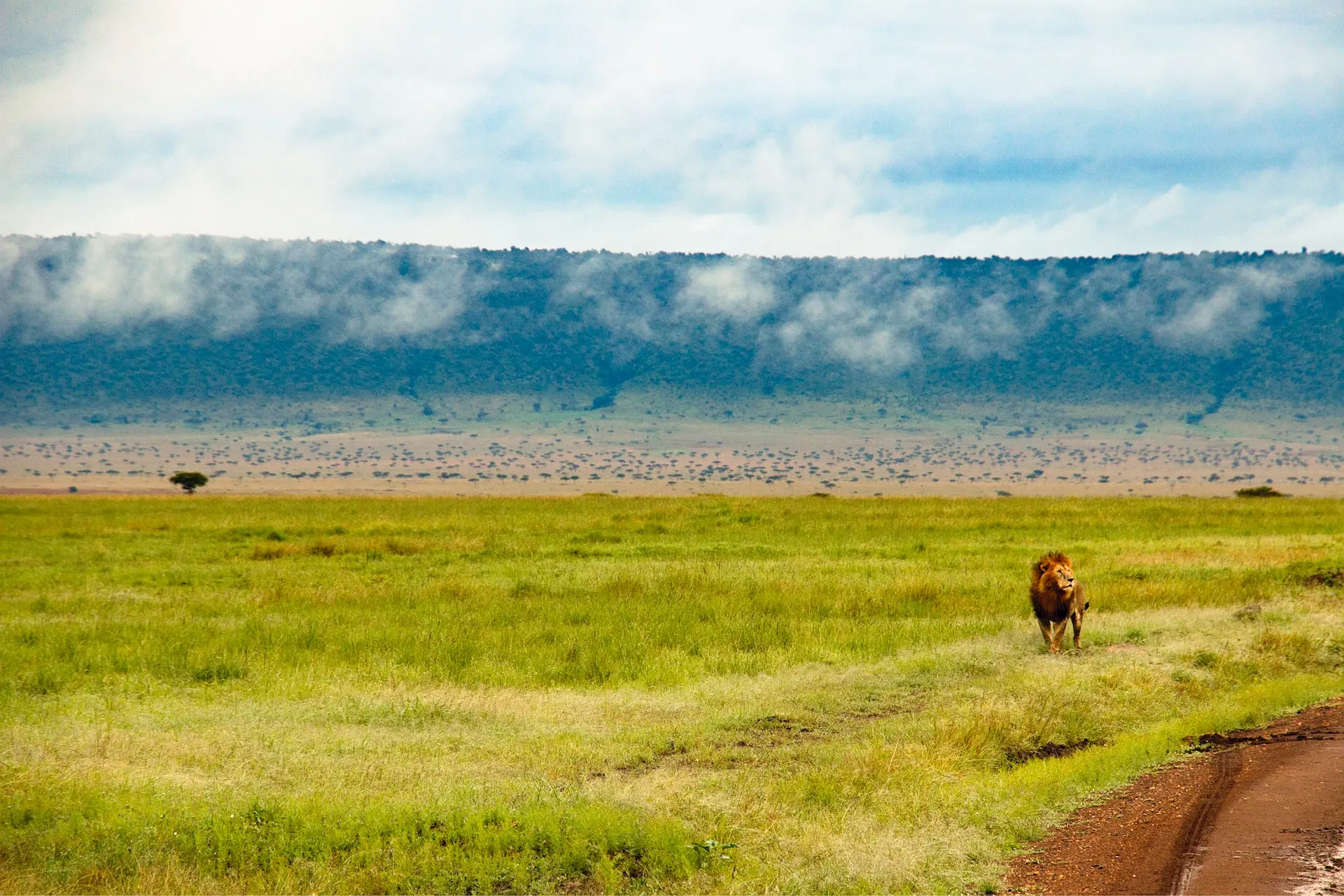
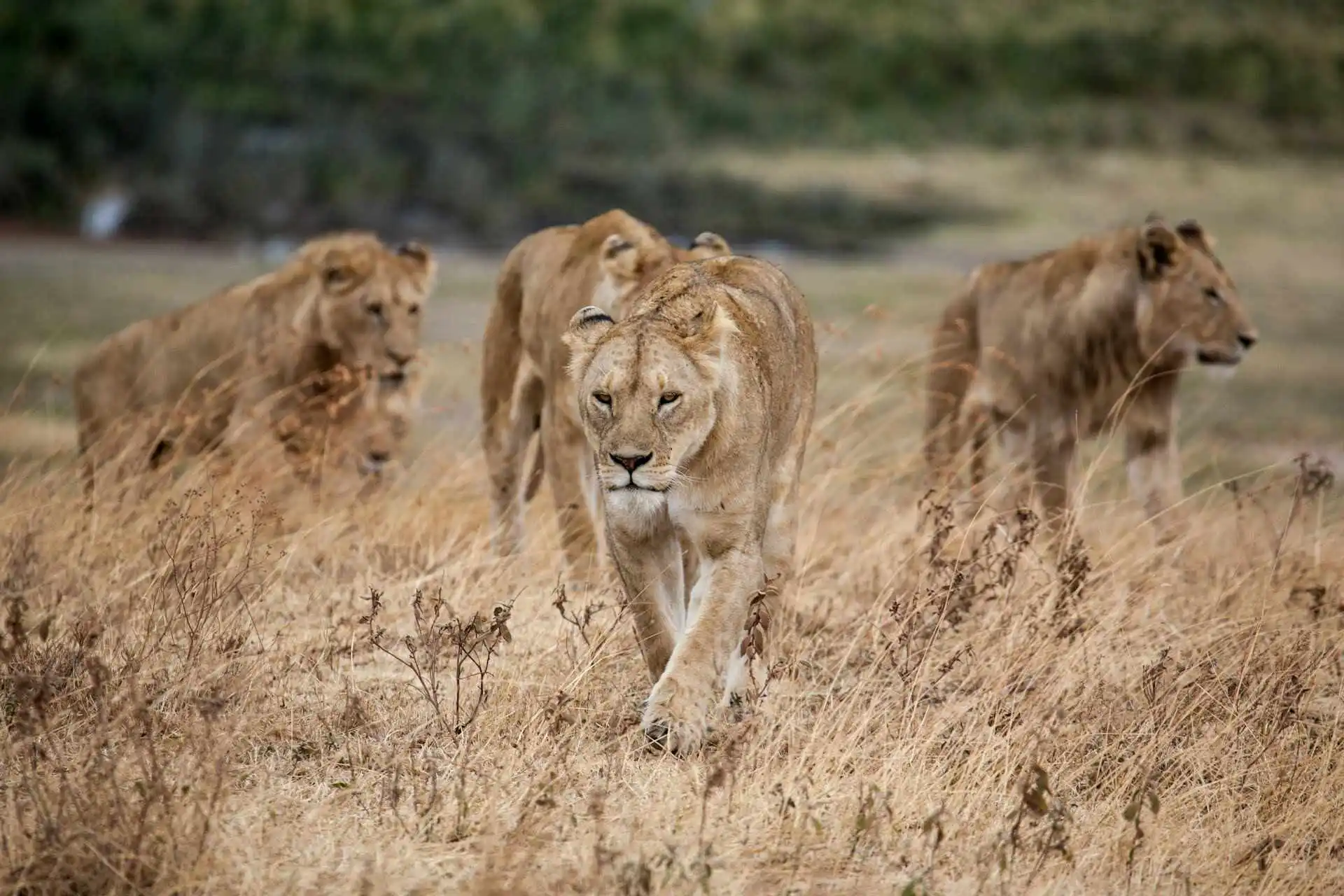
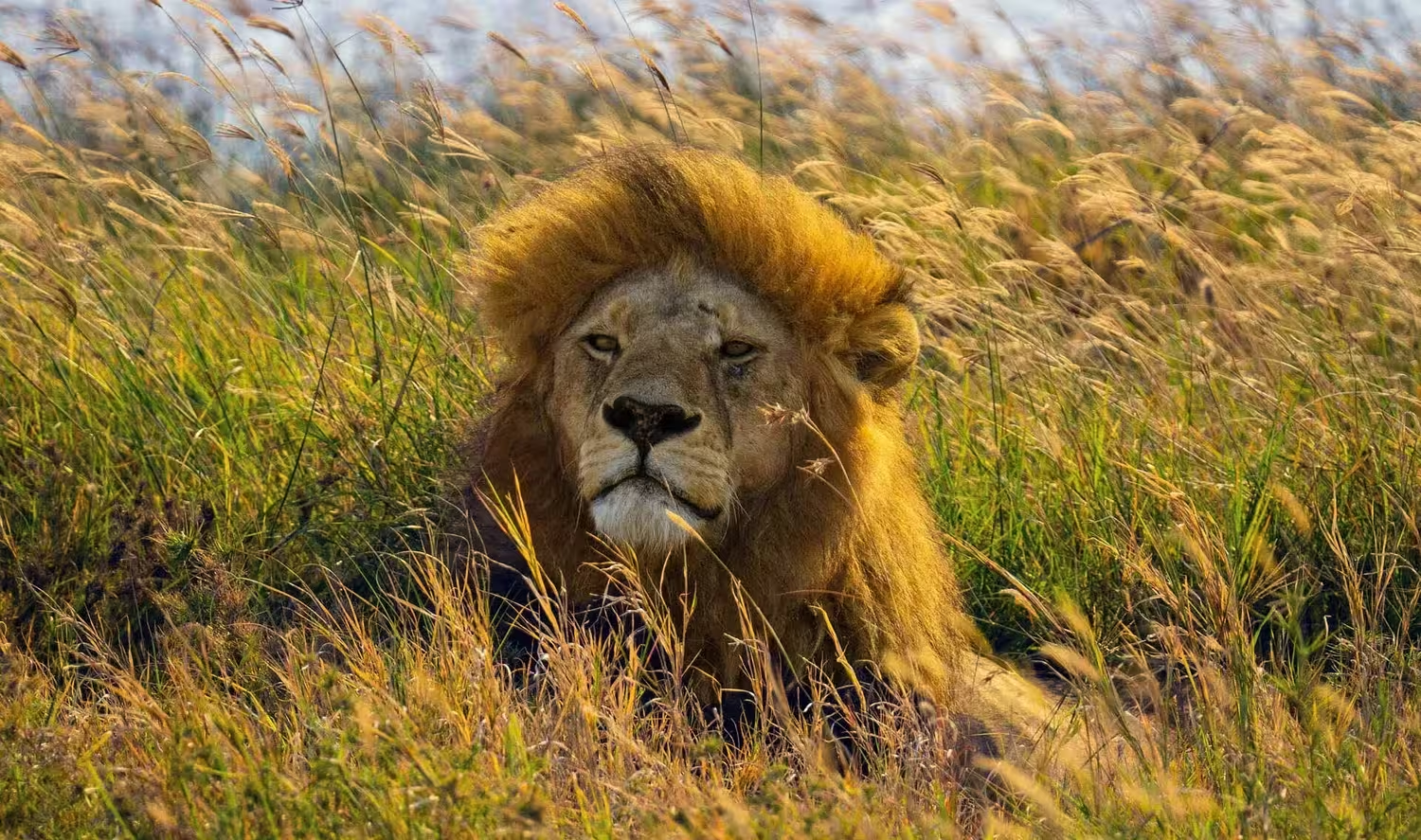
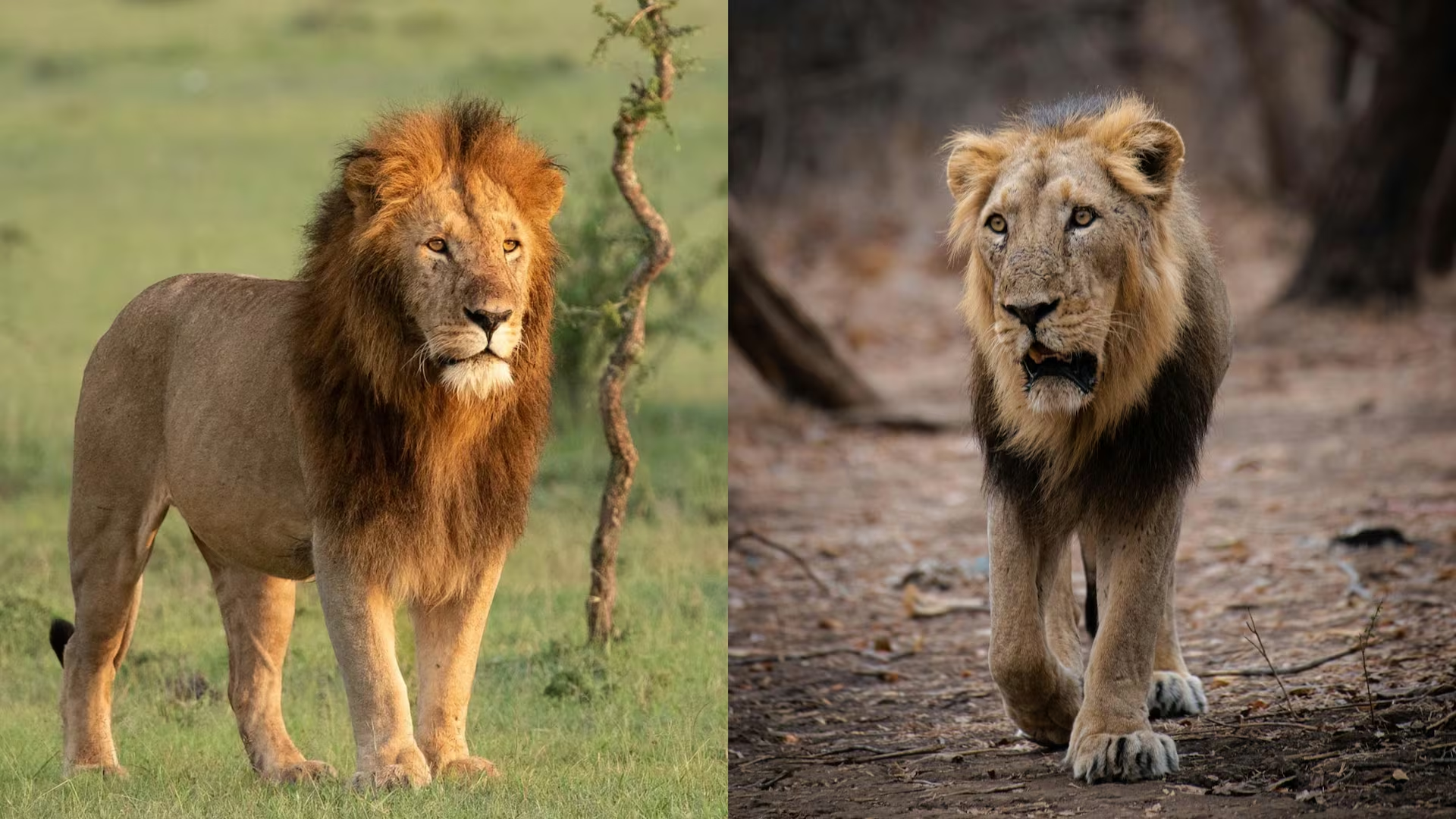
- Lions
- Leopards
- Snow leopards
- Cheetahs
- Jaguars
- Pumas
These cats face similar problems across regions. Their threats include habitat loss, illegal trade, climate effects, and more conflicts with people.
India’s Conservation Track Record
India will host the summit because of decades of conservation work. Project Tiger began in 1973 and grew into a long-running protection program. India had under 2,000 tigers in the early 1970s. Today, the country holds over 70 percent of the world’s wild tigers.
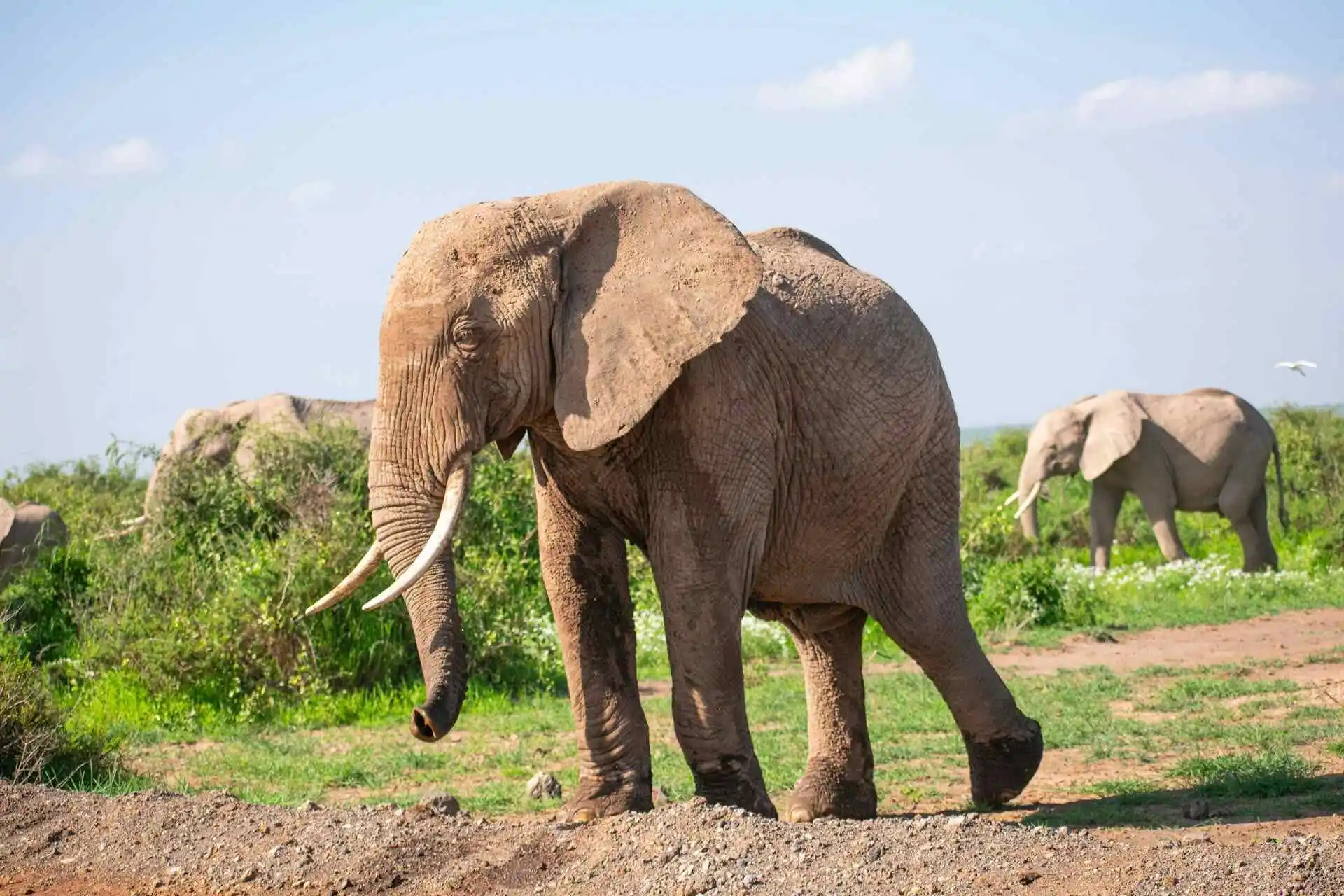
Work on Asiatic lions, snow leopards, and elephants expanded protected areas and improved field monitoring across forests and mountains.
Objectives of the Summit
Officials said the summit will aim for clear, practical results. Key topics will include:
- Planning wildlife corridors across borders
- Using technology for tracking and monitoring animals
- Joint action against wildlife crime networks
- Long-term funding plans for conservation
- Community-led protection projects
The goal is to bring countries to common ground while respecting local needs.
Strengthening the International Big Cat Alliance
The summit will build the International Big Cat Alliance into a standing multilateral body. Member countries will share research, training, and conservation methods through the alliance.
Officials said the alliance can help shape future biodiversity deals and back regional conservation efforts.
Conservation and Economic Development
The Budget tied the summit to a wider sustainability plan. Proposals include eco-tourism, nature travel routes, and better infrastructure near protected areas. The government said conservation and local incomes can grow together.
Wildlife tourism can create jobs and help protect habitats over time.
Challenges on the Ground
Experts note that policy words must match action in forests. Forest staff need better equipment and training. Communities living near wildlife need fair and fast compensation and help with conflicts.
Stable funding and steady political will will determine how much the summit achieves.
Global Significance
Hosting the Global Big Cat Summit raises India’s role in global environmental talks. Biodiversity loss now ranks with climate change in global agendas. India’s work in protecting wildlife near dense populations offers practical lessons to other countries.
The government will announce the summit city and dates later this year. Preparatory meetings with other nations will start soon.
The Global Big Cat Summit marks a clear shift in the Union Budget 2026. Wildlife protection now stands as a core part of national and global plans for growth and nature.