Southwest Circuit (Most Popular)
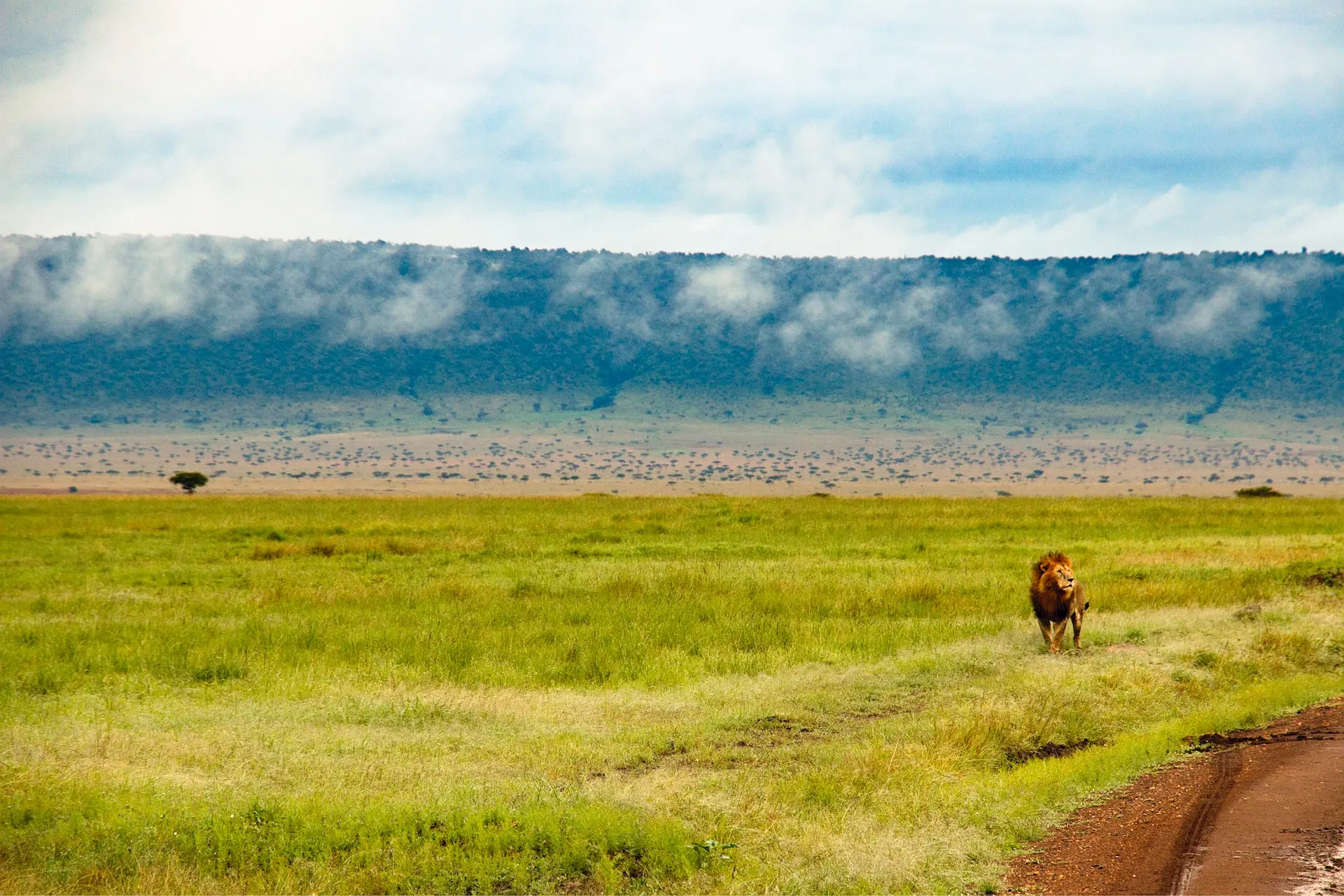
The southwest circuit is Kenya’s most visited safari route. It combines the country’s most famous reserve with two Rift Valley lakes, giving you varied landscapes and wildlife in a single trip.
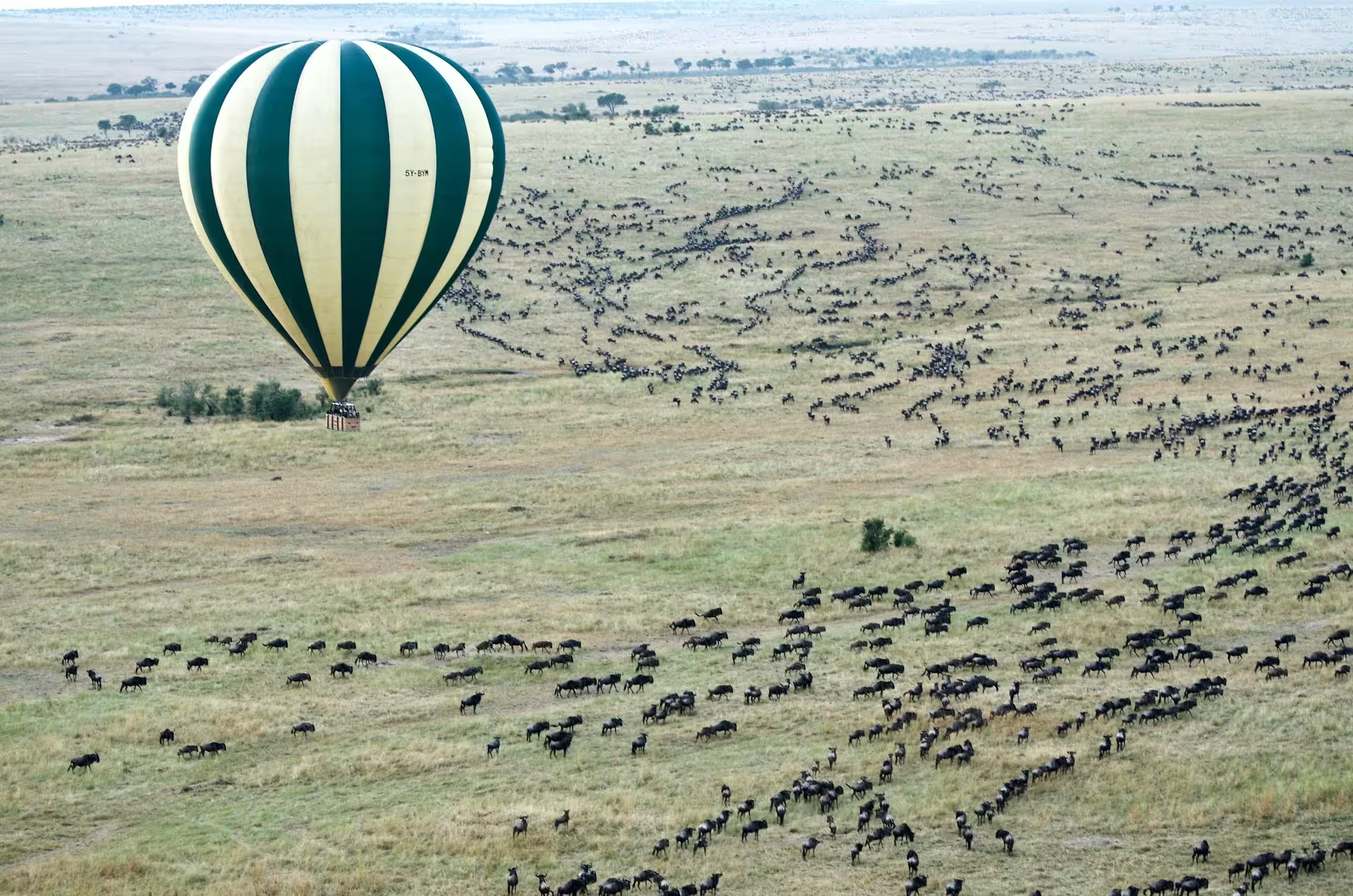
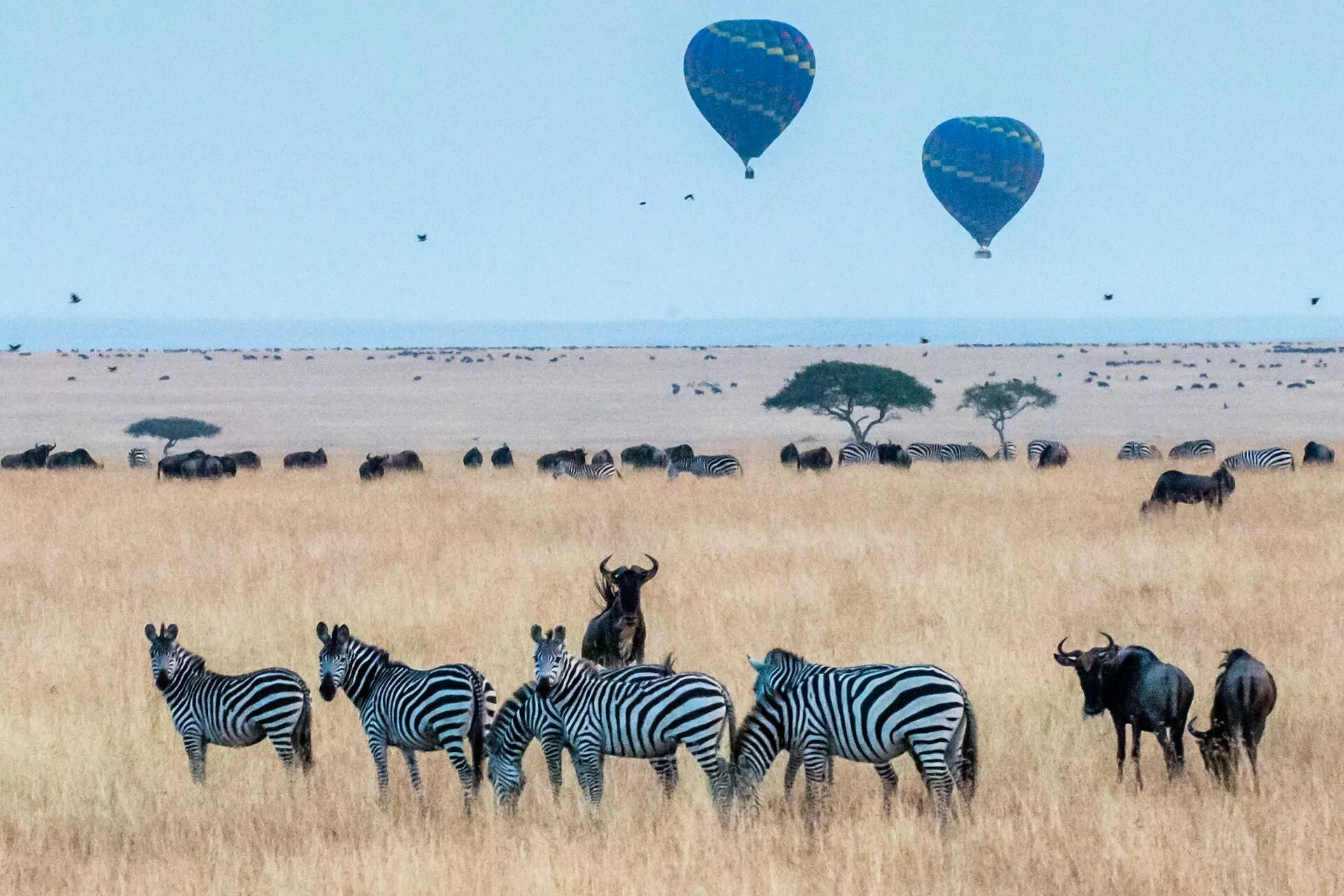
This circuit works well as a 7 to 10 day safari. It’s the go-to choice for first-time Kenya visitors and travelers coming specifically for the Great Migration between July and October.
The Maasai Mara anchors this circuit. From there, most itineraries head to Lake Nakuru for rhinos and flamingos, then Lake Naivasha for boat safaris and a more relaxed finish before returning to Nairobi.
Top parks and reserves on this circuit:
- Maasai Mara National Reserve
- Lake Nakuru National Park
- Lake Naivasha
Best for: First-time visitors, Great Migration travelers, classic Kenya safari experience
Ideal duration: 7 to 10 days
Best time: July to October for the Great Migration, January to February for fewer crowds
Southern Circuit
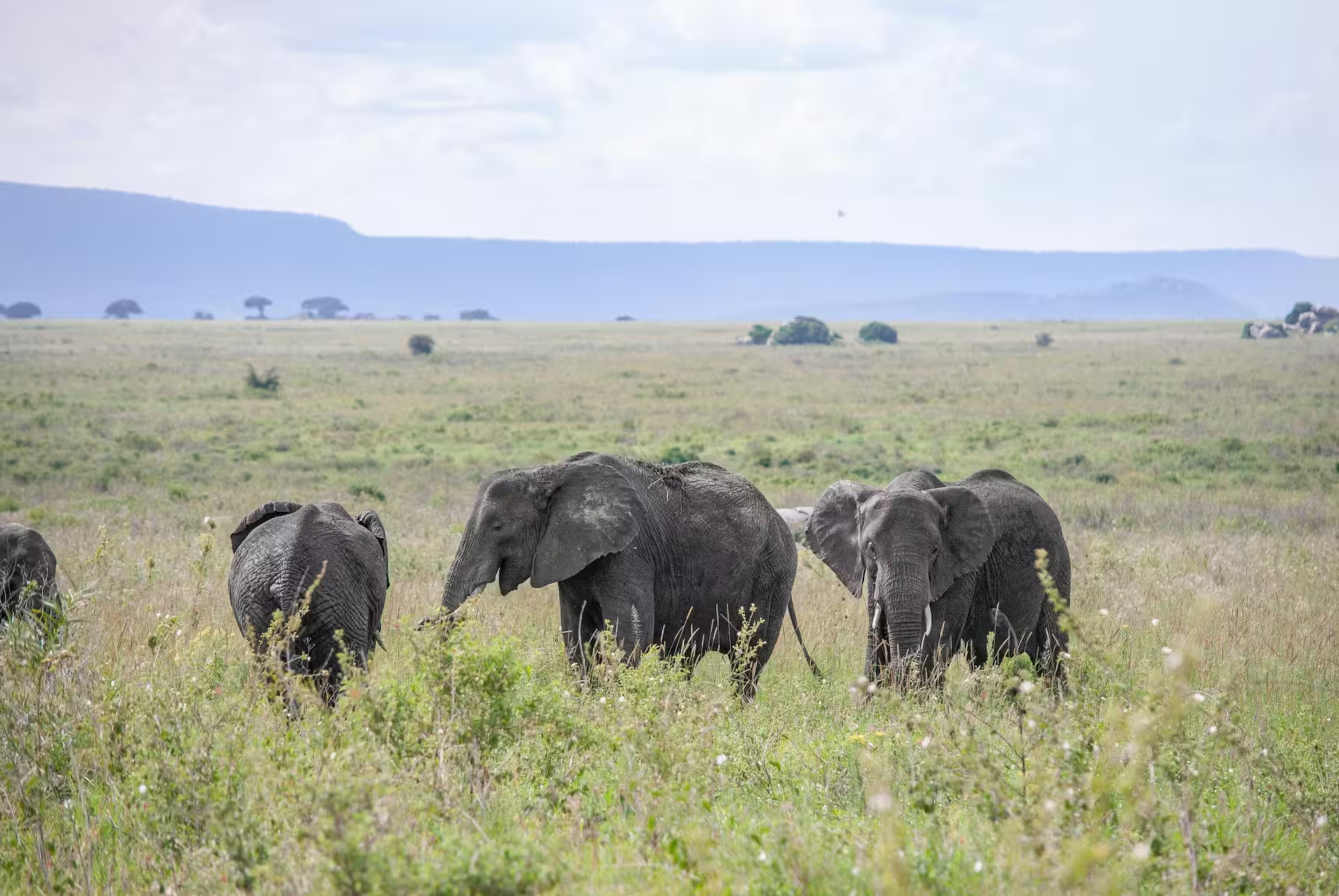
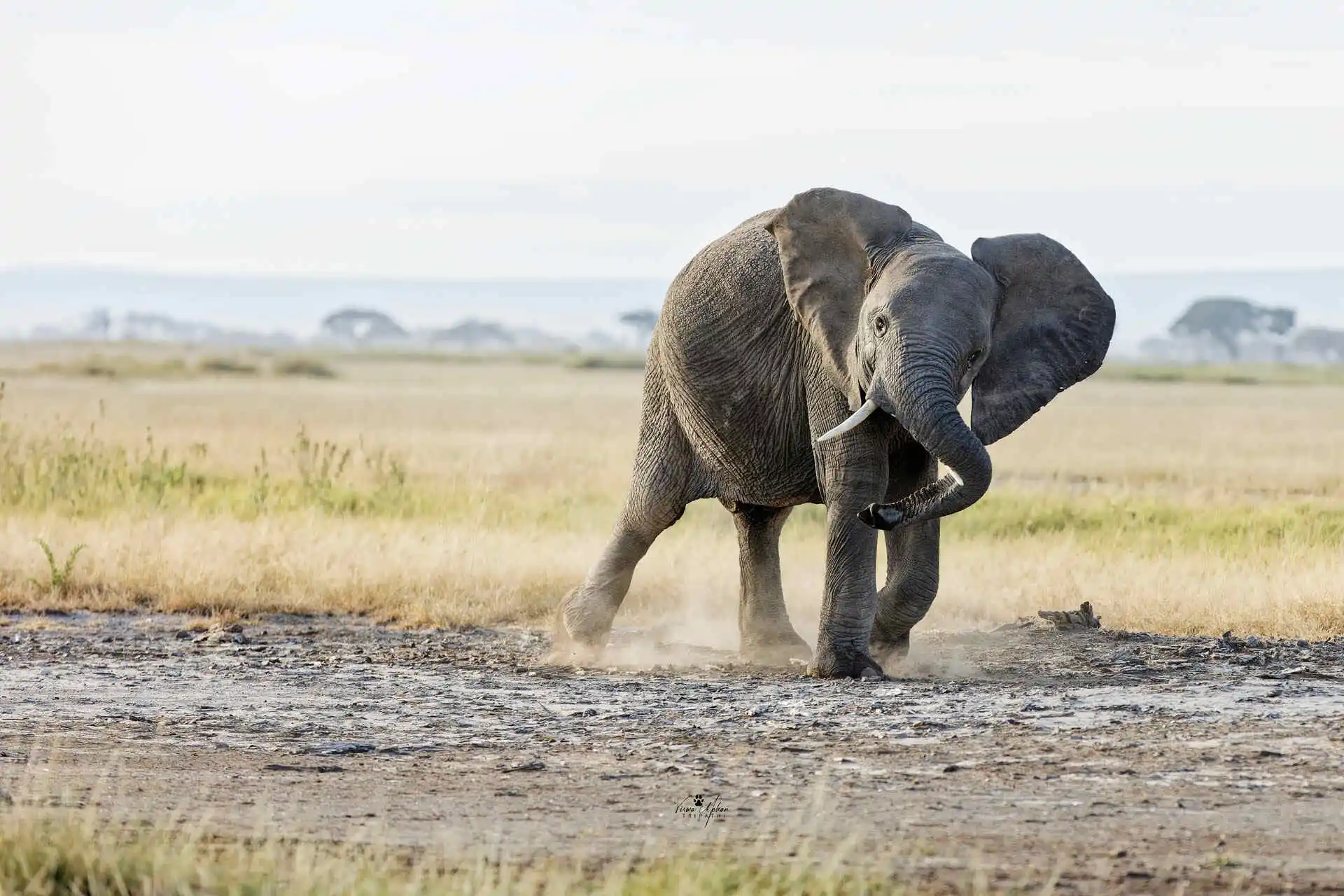
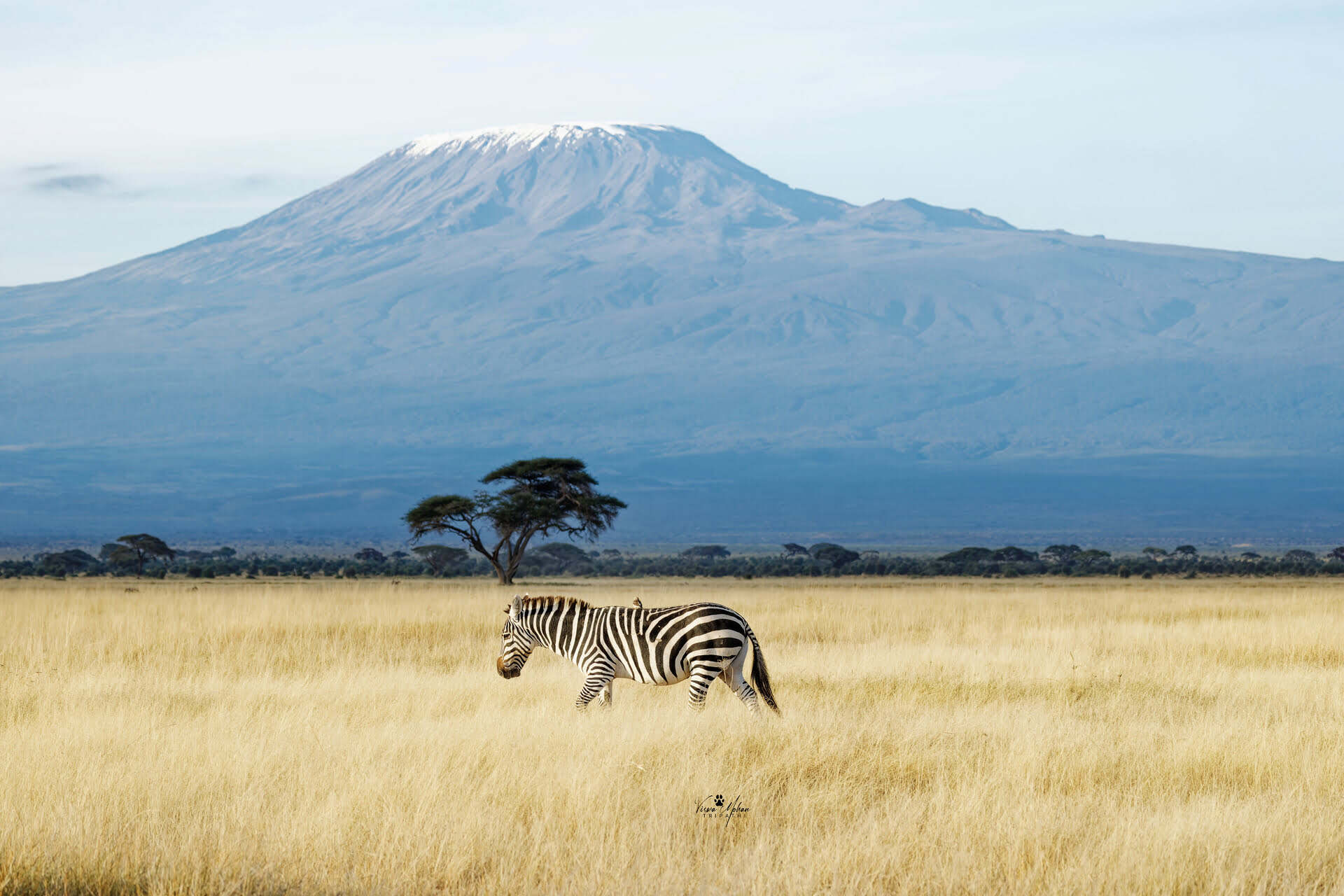
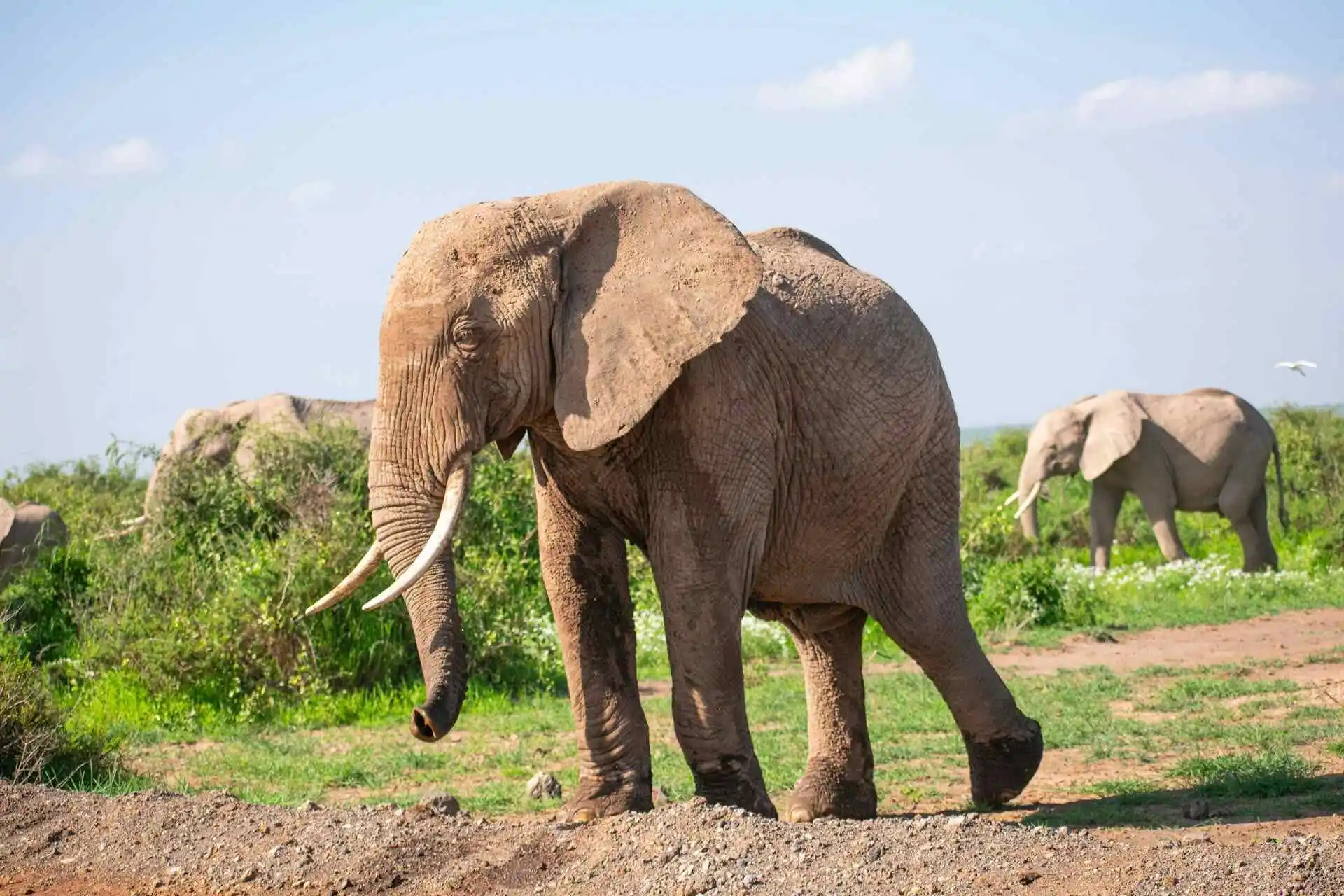
The southern circuit covers Kenya’s largest national parks and gives you two things the southwest circuit doesn’t: elephants against Mount Kilimanjaro and the vast, open wilderness of Tsavo.
This is a strong second safari for anyone who has already done the Mara, or a great first circuit for travelers whose main interest is elephants. The parks here are bigger, less crowded, and cover a wider range of landscapes from open plains to volcanic hills and natural springs.
A typical southern circuit runs 7 to 10 days and usually starts in Amboseli before moving into Tsavo East and West. Some itineraries also connect to the coast after Tsavo, making it a good option for combining safari with a beach stay.
Top parks and reserves on this circuit:
- Amboseli National Park
- Tsavo East National Park
- Tsavo West National Park
Best for: Elephant lovers, Kilimanjaro views, travelers wanting less crowded alternatives to the Mara
Ideal duration: 7 to 10 days
Best time: June to October and January to February
Eastern and Northern Circuit
The northern circuit is Kenya’s most remote and least visited route. It covers semi-arid reserves in the north that hold species you won’t find anywhere else in Kenya.
This is the circuit experienced safari travelers choose when they want something beyond the Big Five. The landscapes are drier, the roads are rougher, and the parks see a fraction of the visitors that the Mara and Amboseli get. That remoteness is exactly the appeal.
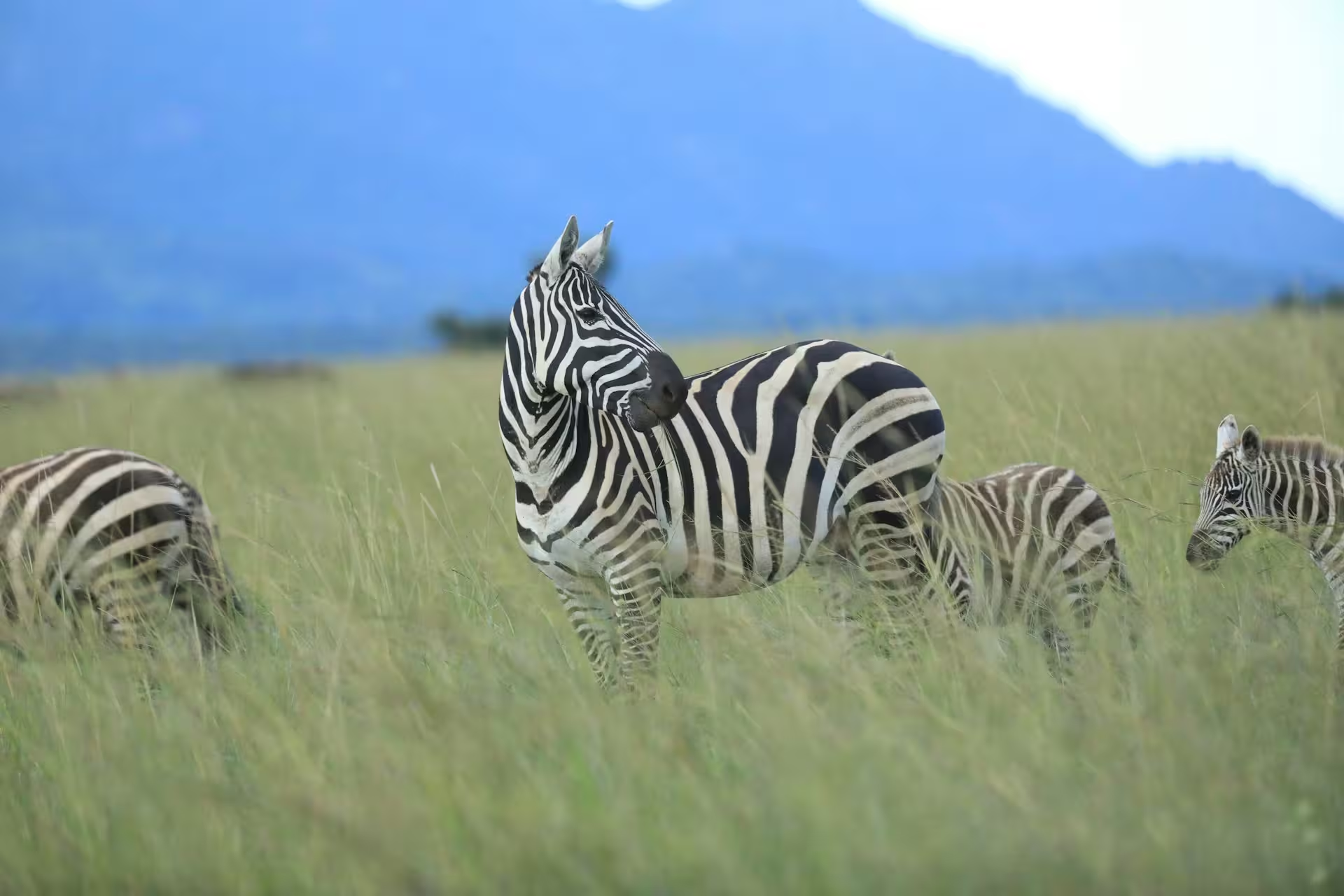
The highlight of this circuit is the Samburu Special Five: five species found only in Kenya’s northern region that don’t exist in the southern parks. These are the Grevy’s zebra, reticulated giraffe, Somali ostrich, gerenuk, and beisa oryx.
The circuit runs through Samburu, Shaba, and Buffalo Springs in the north before moving southeast to Meru National Park, which carries its own conservation history as the park where Joy and George Adamson raised Elsa the lioness. Most itineraries run 8 to 12 days to cover the distances involved.
Top parks and reserves on this circuit:
- Samburu National Reserve
- Shaba National Reserve
- Buffalo Springs National Reserve
- Meru National Park
Best for: Experienced safari travelers, rare species, remote landscapes, avoiding crowds
Ideal duration: 8 to 12 days
Best time: June to October
Nairobi Circuit
Not every Kenya safari needs a week in the bush. The Nairobi circuit covers genuine wildlife experiences within or close to the capital city. It works as a standalone trip for travelers with limited time or as a quick add-on to any other circuit.
The centerpiece is Nairobi National Park, the only national park in the world located inside a capital city. Beyond the park, two well-known conservation centers sit within the city limits and are worth a visit for anyone interested in Kenya’s wildlife protection work.
The entire Nairobi circuit can be done in one to three days. It suits families, business travelers with a free day, and anyone arriving or departing Kenya who wants a wildlife experience without a long drive out of the city.
Top attractions on this circuit:
- Nairobi National Park
- Giraffe Centre (Karen)
- David Sheldrick Wildlife Trust
Best for: Short trips, families, layovers, first wildlife experience in Kenya
Ideal duration: 1 to 3 days
Best time: Year-round
Top Destinations Across All Circuits
Maasai Mara is Kenya’s flagship reserve. It has the highest wildlife density, the most predators, and the best access to the Great Migration. It suits all types of travelers and works in most seasons.
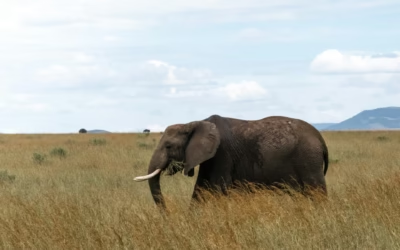
Amboseli is the best park in the world for elephant viewing with a mountain backdrop. The combination of large tuskers and Kilimanjaro views is found nowhere else. Go in the early morning for clear mountain sightings.
Lake Nakuru delivers flamingos, rhinos, and exceptional birdwatching in a compact park that works well as a two-night stop between the Mara and Nairobi. It’s often underestimated but consistently delivers.
Samburu is where experienced travelers go when they want something different. The Special Five, the remote landscape, and the low visitor numbers make it one of Kenya’s most rewarding reserves for anyone who has already done the Mara.
Tsavo is Kenya’s largest protected area. Tsavo East and West combined cover over 20,000 square kilometers. Red elephants, Mzima Springs, and the volcanic landscape give it a character very different from any other Kenyan park.
Best Time to Visit Kenya
Timing your visit around the right season makes a real difference to what you see and how you experience each circuit.
July to October is the peak dry season and the best overall time for wildlife viewing across all circuits. Vegetation is dry, water sources concentrate animals, and the Great Migration river crossings happen in the Mara during this period. It’s the busiest and most expensive time to visit. Book accommodation well in advance.
January and February are dry months with strong wildlife viewing and fewer visitors than the July to October peak. These months work well for the southern and southwest circuits.
June is the start of the dry season. Wildlife starts concentrating around water sources. It’s a good month for value before peak season crowds arrive.
April and May are the long rainy season. Some roads become difficult, especially in the northern circuit. Wildlife disperses across the landscape. However, the landscape turns green, accommodation prices drop, and birdlife peaks. Experienced travelers who don’t mind rain often find real value in these months.
November brings short rains that are lighter and less disruptive than the April to May rains. Crowds are low and prices are reasonable across all circuits.
How to Choose the Right Circuit
First safari in Kenya? Start with the southwest circuit. The Maasai Mara gives you the best all-round introduction to Kenya’s wildlife, and adding Lake Nakuru covers rhinos and flamingos in a single trip.
Elephants are your priority? Go southern. Amboseli is the best park in Africa for elephant viewing with a mountain backdrop, and Tsavo adds a completely different landscape with its own large elephant population.
Already done the Mara and want something different? Go northern. Samburu’s Special Five and the remote reserves of the north offer wildlife experiences you won’t find on the standard tourist route.
Short on time? The Nairobi circuit covers real wildlife in one to three days without leaving the city area.
Want to combine two circuits? The southwest and southern circuits pair well together. Start in Amboseli, move through Tsavo, and finish in the Mara. This takes 10 to 14 days and covers a strong cross-section of southern Kenya. The northern circuit works best as a standalone because of the distances involved.
Plan Around What Matters to You
Kenya’s four circuits each offer something the others don’t. No single route covers everything, and trying to rush through all four in one trip means you’ll see less of each place.
Pick the circuit that matches your interests and your available time. Go in the right season. Stay long enough in each location to settle in and let the wildlife come to you. Kenya rewards travelers who slow down rather than try to cover as much ground as possible.
Whichever circuit you choose, book through operators who support local communities and conservation programs. Kenya’s wildlife has survived because of that investment, and responsible tourism keeps it going.