Discovering the Pride of the Mara
The Masai Mara, with its sprawling savannas and breathtaking wildlife, is known as one of the most spectacular safari destinations in Africa. Among its most famous inhabitants are the lion prides, which bring both beauty and awe to those who encounter them. The Mara is home to some of the largest lion populations in Africa, where visitors witness the fascinating social lives of these incredible big cats. In this article, we dive into what makes the lion prides of the Masai Mara unique, from their social dynamics to their role in the ecosystem.
The Social Structure of Lion Prides
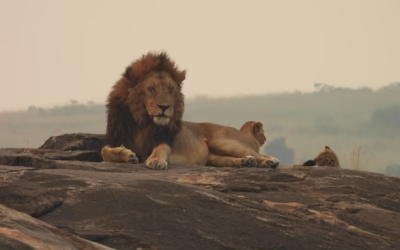
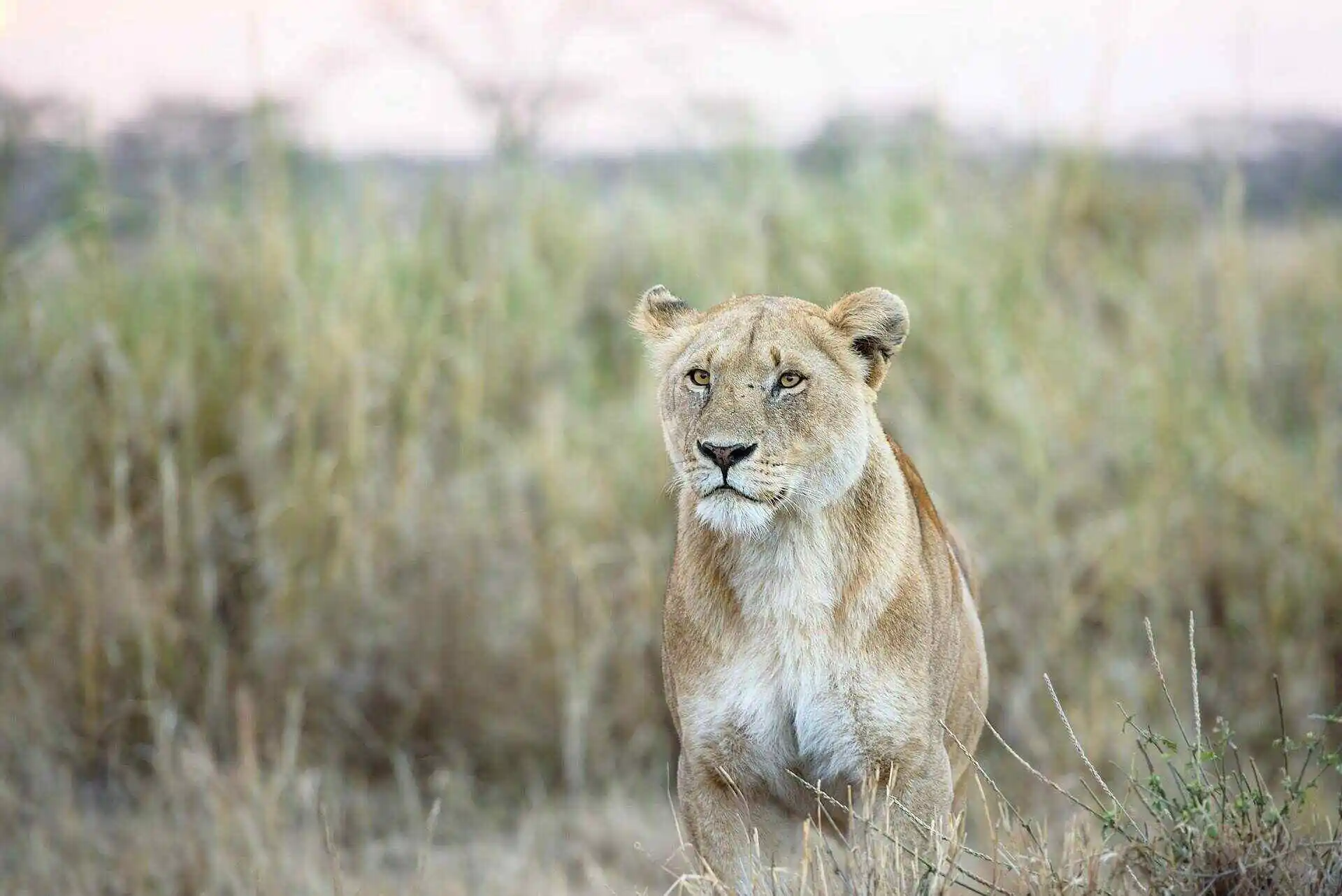
Lion prides are complex social units, typically made up of related females, their cubs, and one or more male lions. Females generally stay with the same pride for life, forming a strong bond with one another. They are responsible for most of the hunting, taking on the role of providers. Males, on the other hand, are often transient, staying with a pride only as long as they can defend it. Their role is primarily to protect the pride’s territory and ensure its safety. This balance of roles ensures the pride’s survival, with each member playing a vital part in the group’s success.
Lions in the Masai Mara Ecosystem
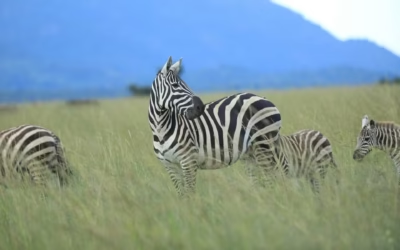
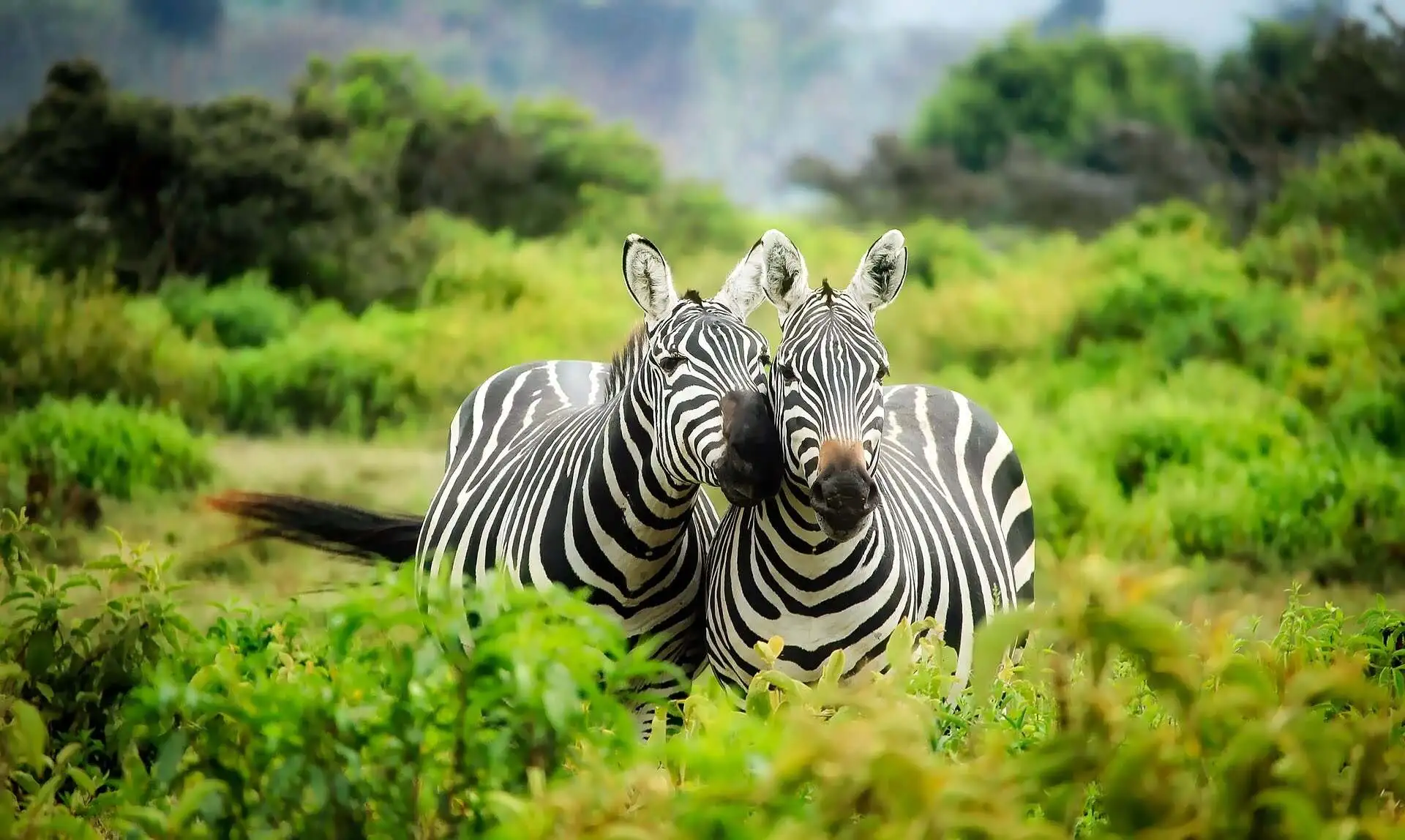
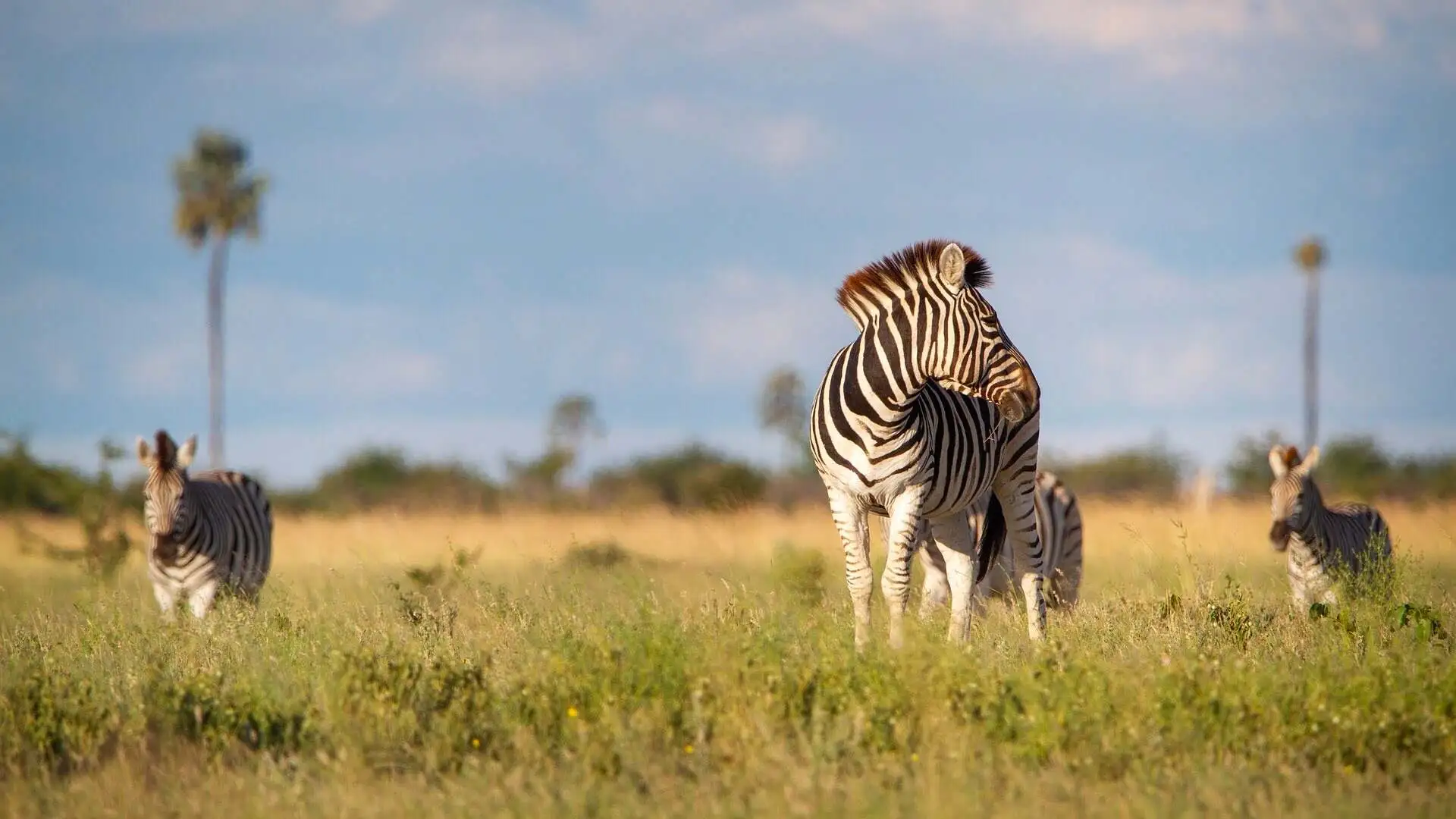
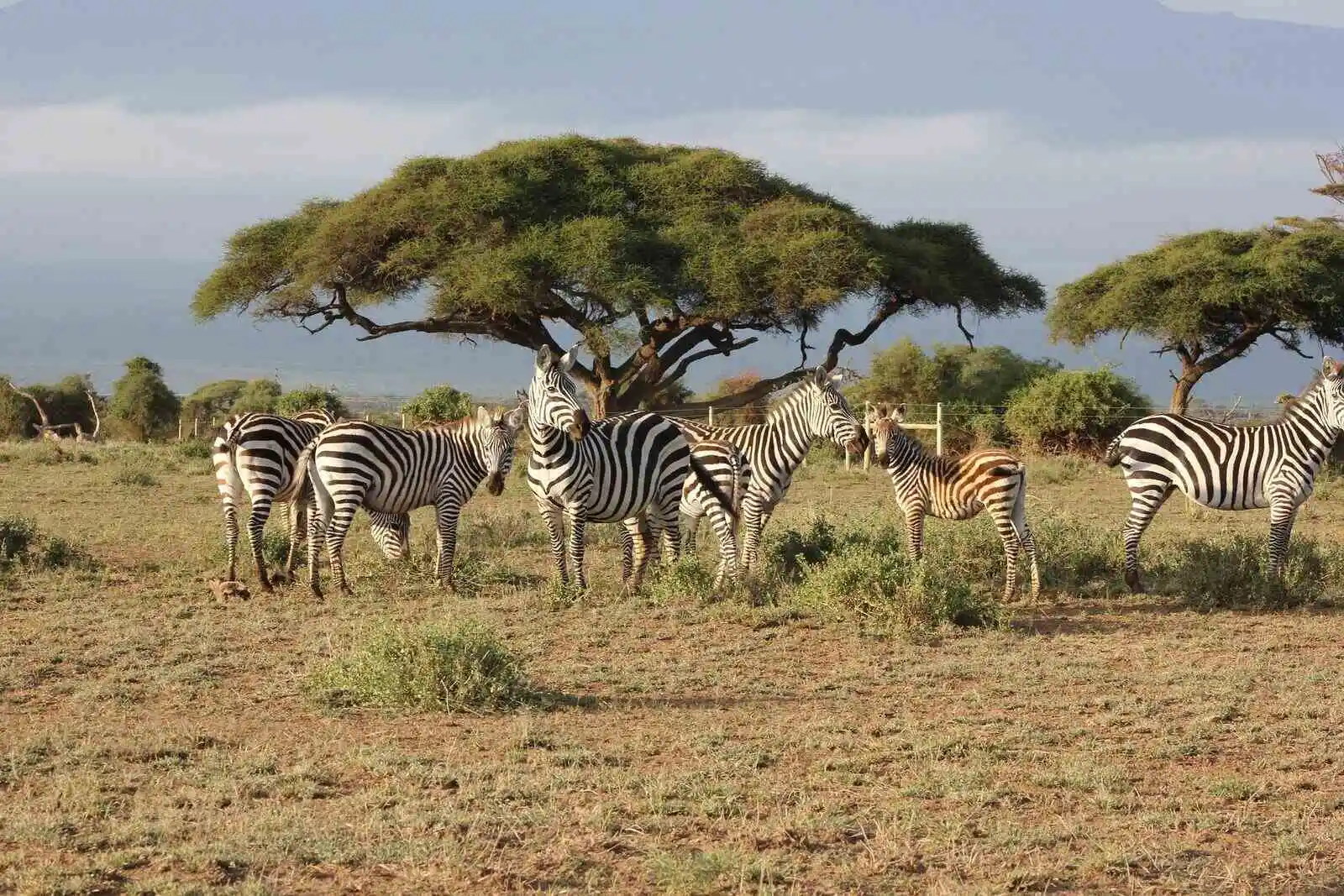
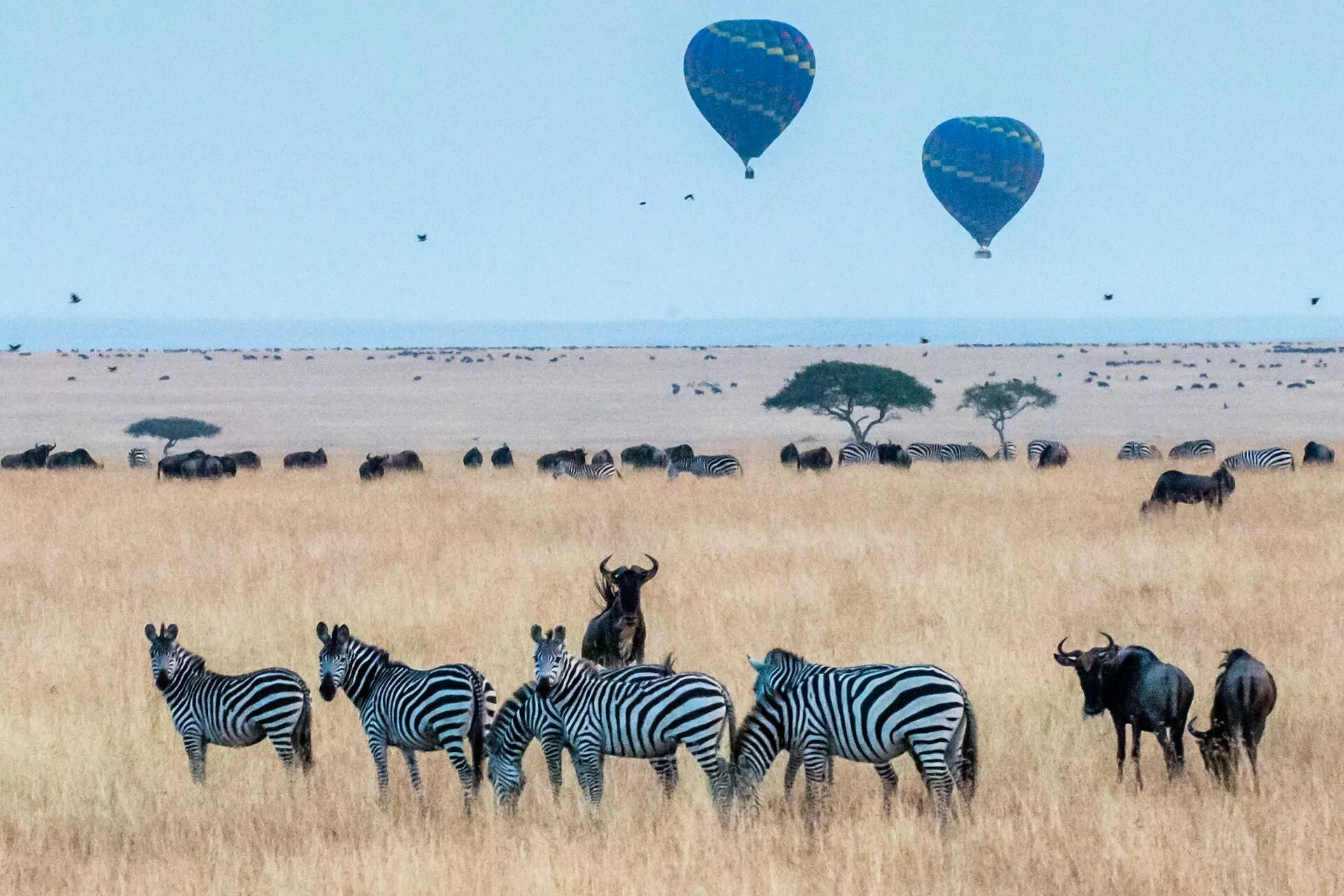
As apex predators, lions play an essential role in maintaining the Mara’s ecological balance. By preying on herbivores such as wildebeests, zebras, and gazelles, they prevent overgrazing, allowing vegetation to thrive and supporting a healthy ecosystem. Lions also face competition from other predators in the Mara, like hyenas, leopards, and cheetahs, which creates a natural balance. This complex web of interactions makes the Mara one of the most vibrant ecosystems on Earth.
Hunting Strategies and Survival Tactics
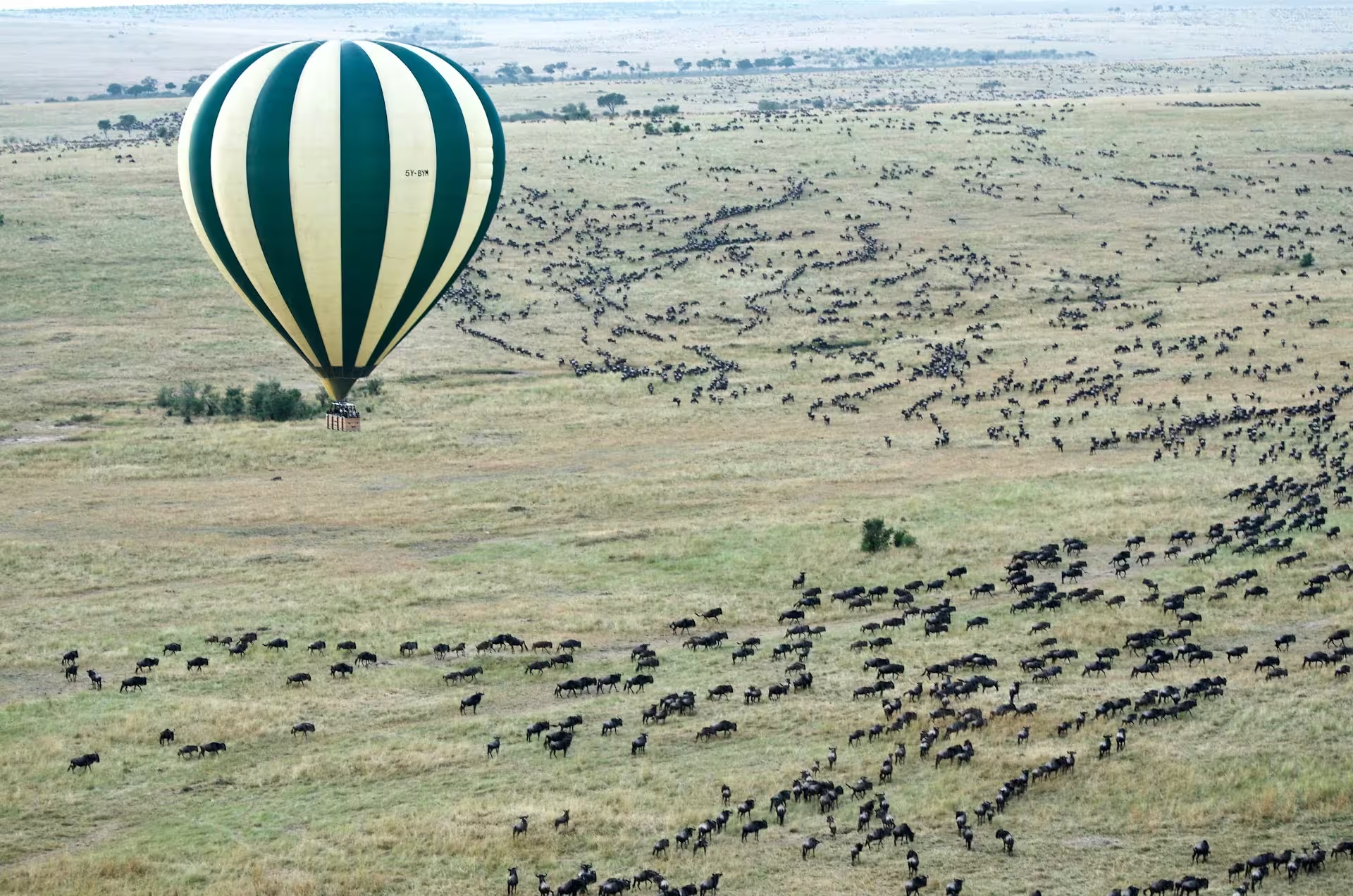
One of the most impressive aspects of lion life is their cooperative hunting strategies. Lionesses work together, using their agility and strength to bring down prey larger than themselves. They often approach in a coordinated fashion, with some lionesses flushing prey towards others who lie in wait to ambush. During times when prey is abundant, such as the Great Migration, hunting becomes easier. But when food is scarce, lions show remarkable adaptability, sometimes scavenging or shifting their territories to find new food sources.
Life Stages in a Lion Pride
Cubs are at the heart of a pride’s future, and their survival is a collective effort. Lionesses care for each other’s cubs, nursing and protecting them from potential threats. Cubs learn hunting skills by watching their mothers and practicing with siblings. However, growing up in the wild is challenging. Cubs face threats from predators, and when rival males take over a pride, they may kill young cubs to establish dominance. Only the strongest cubs survive these challenges to one day take on roles within or beyond their pride.
The Majestic Male Lions: Guardians of the Pride
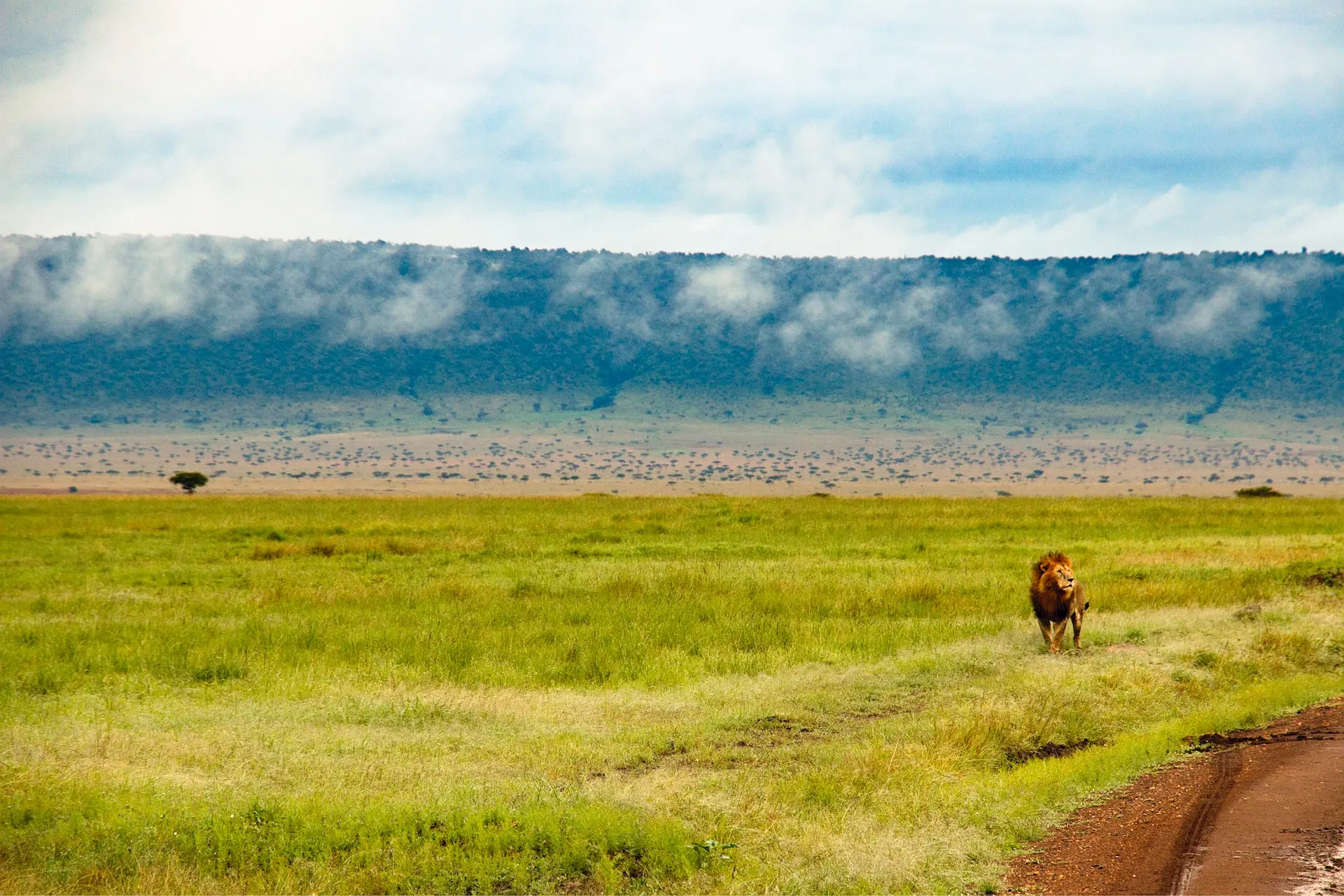
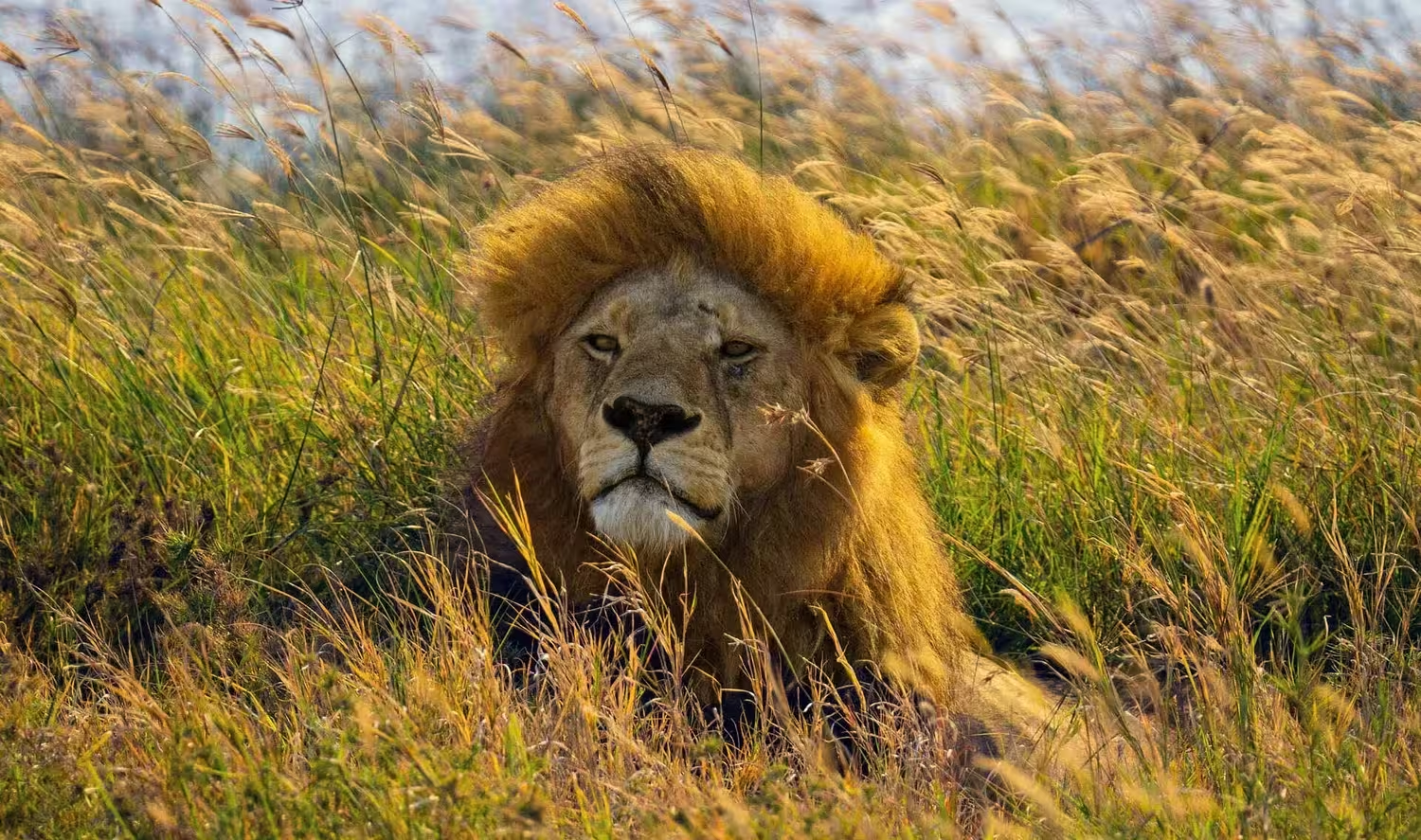
Male lions are the pride’s protectors and defenders. Dominant males patrol the pride’s territory, marking boundaries and deterring intruders. Often, groups of two or more males—known as coalitions—share control over a pride. This partnership allows them to better defend against other males who may attempt to take over. Although they are less involved in hunting, these males are essential to the pride’s safety and stability, especially in the competitive environment of the Mara.
The Importance of Conservation
Lions in the Masai Mara face threats from habitat loss, human-wildlife conflict, and poaching. Conservation efforts in the region focus on protecting lion populations, managing human-lion conflicts, and preserving natural habitats. Responsible tourism also plays a crucial role in these efforts. By choosing eco-conscious safari operators and respecting wildlife, tourists contribute to conservation initiatives that help protect these magnificent animals for future generations.
Planning Your Safari to Witness the Lions of Masai Mara
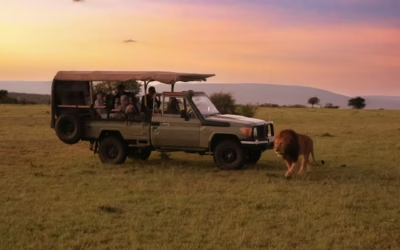
For travelers hoping to witness the magic of lion prides firsthand, the Masai Mara offers unparalleled opportunities. The best time to observe lions is during the dry season (June to October), especially during the Great Migration, when prey is abundant. Popular safari locations in the Mara, like the Mara Triangle and the Talek River area, offer prime lion-watching spots. On a safari, expect to see lions resting during the heat of the day and hunting at dawn or dusk when they are most active.
The lion prides of the Masai Mara represent one of nature’s most extraordinary displays of strength, intelligence, and social complexity. Observing these animals in their natural habitat is a humbling reminder of the beauty and balance of the wild. Join Big Cats Safari to witness the legendary prides of the Masai Mara and become part of the conservation story, preserving these majestic animals and their environment for generations to come.