Every safari traveler asks this question at some point. Can you see all the Big Five in a single day?
The short answer: yes, it’s possible. The realistic answer: it depends heavily on which park you visit, how experienced your guide is, and how much luck you have.
The Big Five are lion, leopard, elephant, buffalo, and rhino. The term comes from big game hunting days when these were considered the most dangerous animals to hunt on foot. Now they’re the most sought-after animals to see on safari.
Seeing all five in one day sounds straightforward until you try it. Three of them are relatively easy to find. Two of them are genuinely difficult. And wildlife doesn’t follow schedules or show up on demand.
Here’s what you need to know if you’re trying to spot all five in a single day in Kenya.
Why It’s Difficult
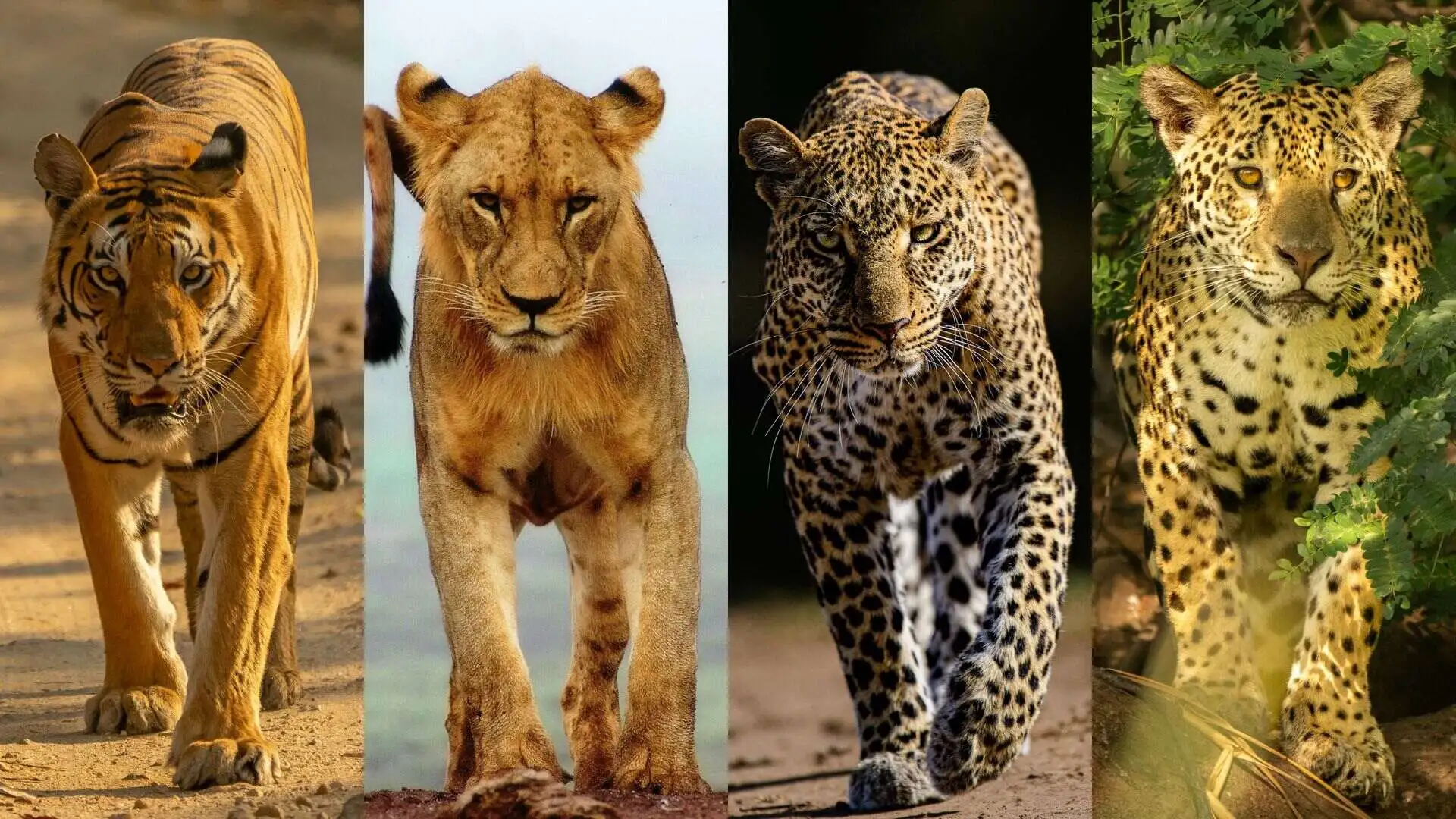
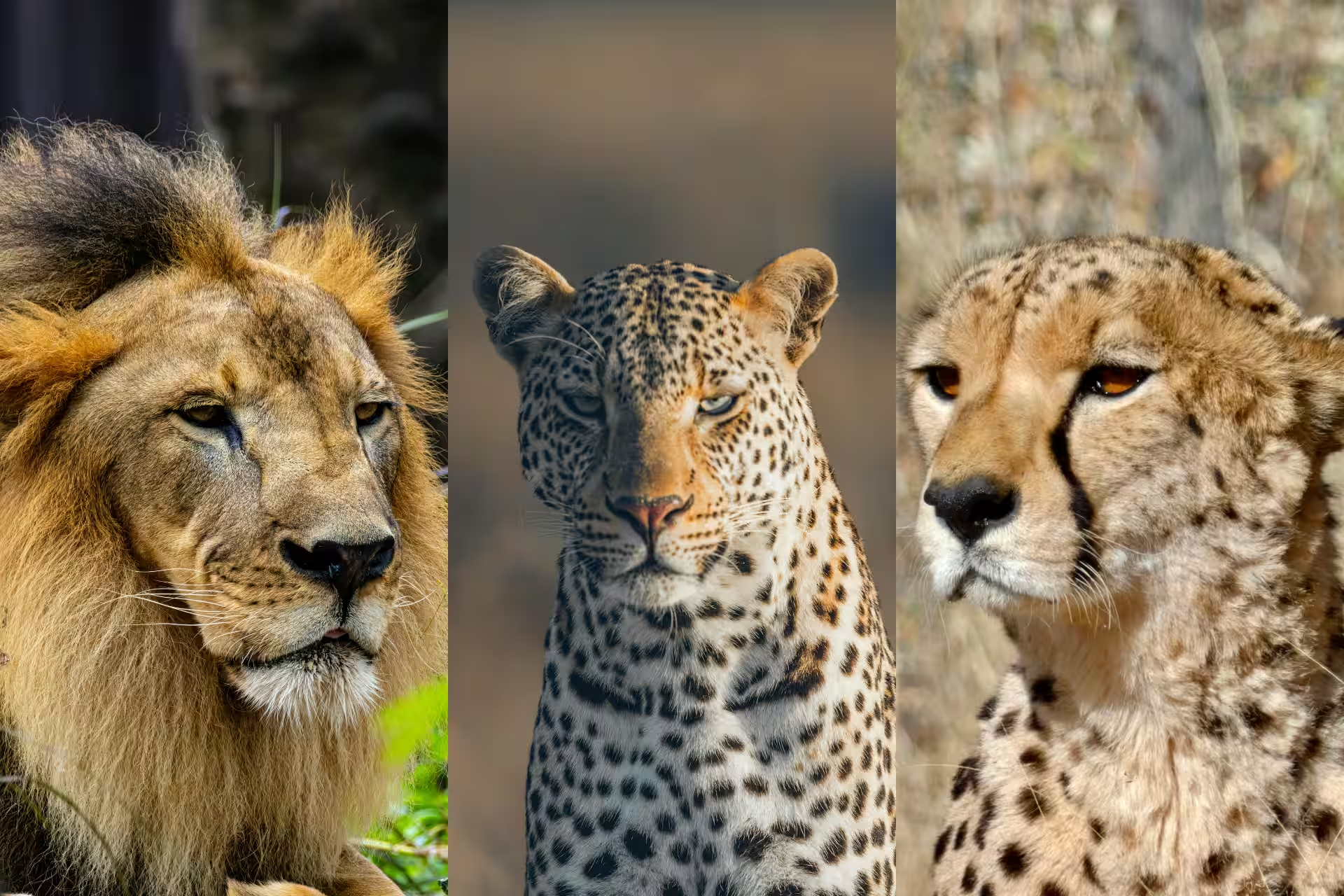
Leopards are the main problem. They’re solitary, mostly nocturnal, and spend daylight hours resting in trees or thick bush where they’re nearly impossible to spot. Even experienced guides in parks with healthy leopard populations can go days without a sighting. Finding one in a single game drive requires serious luck.
Rhinos are the second challenge. Kenya has black and white rhinos, but both species exist in limited numbers in specific protected areas. Many parks have no rhinos at all. Even in parks that do have them, rhino territories are often restricted to smaller sections, which means you need to know where to look and hope they’re visible when you get there.
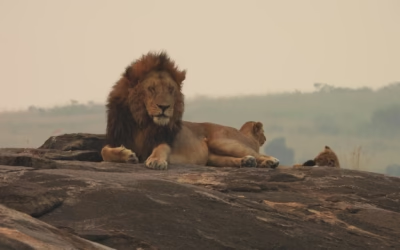
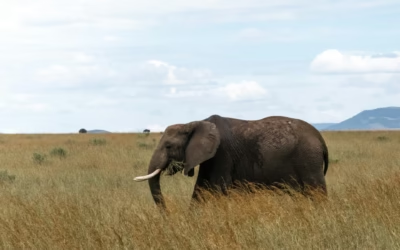
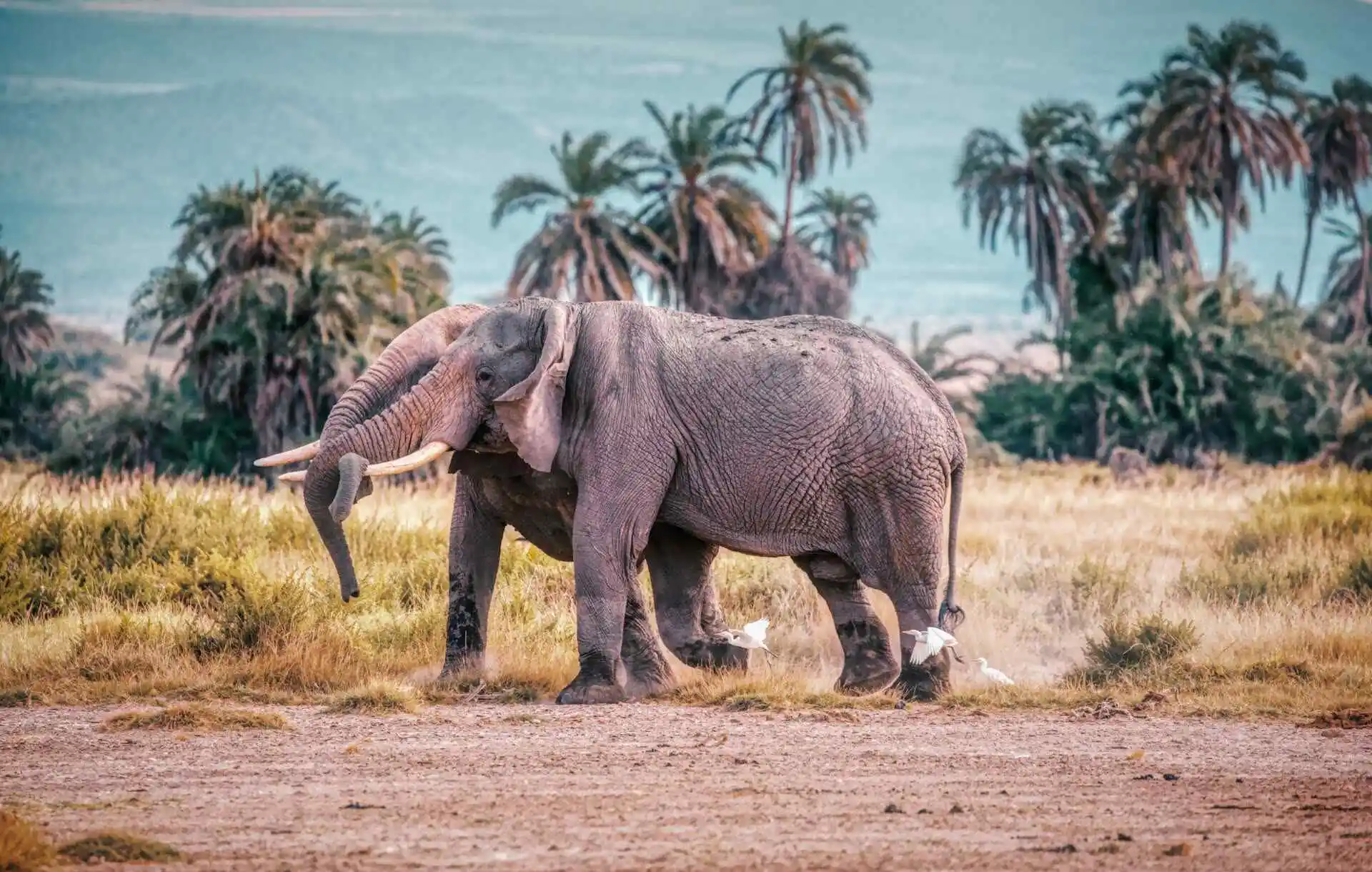
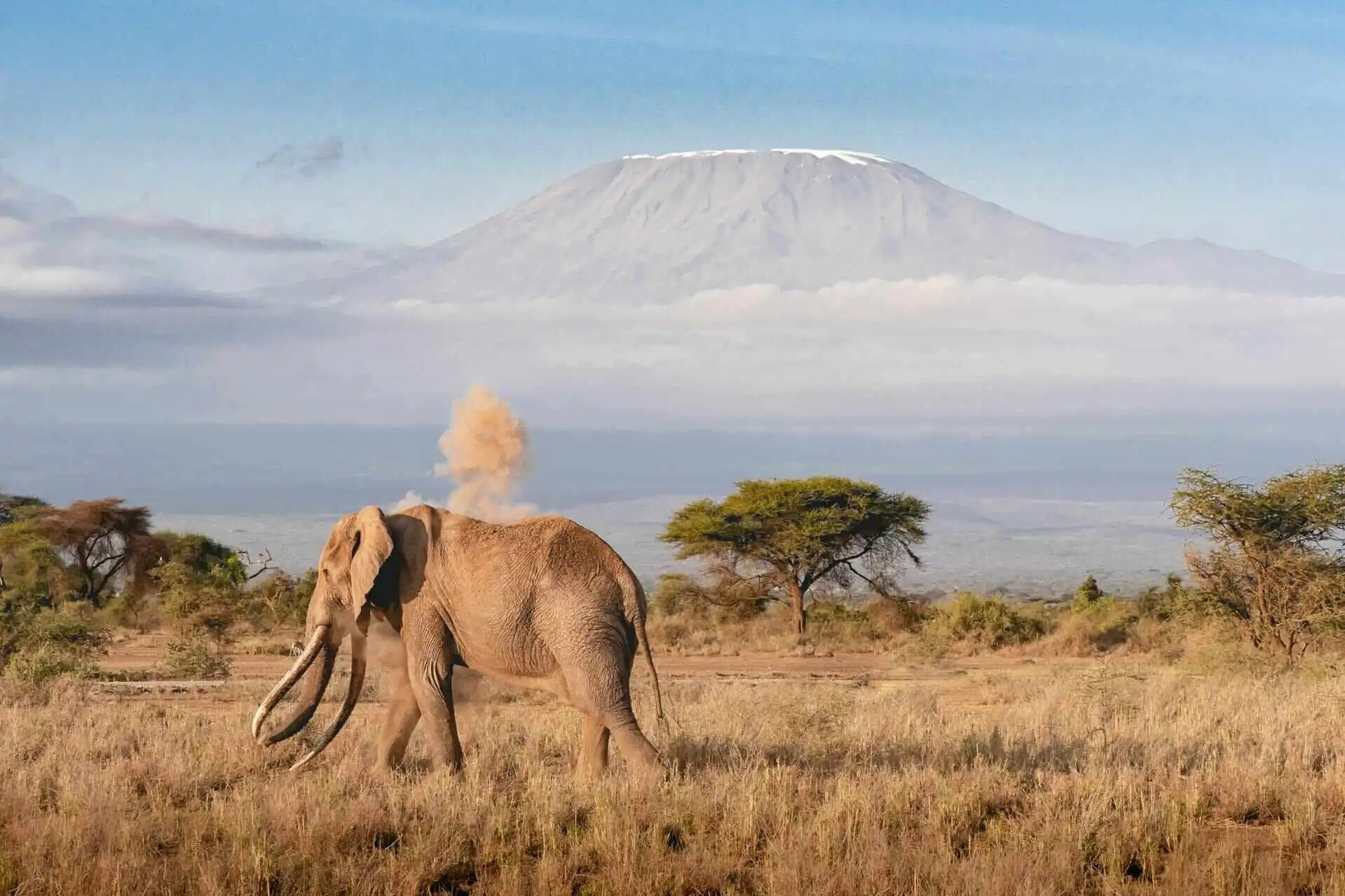
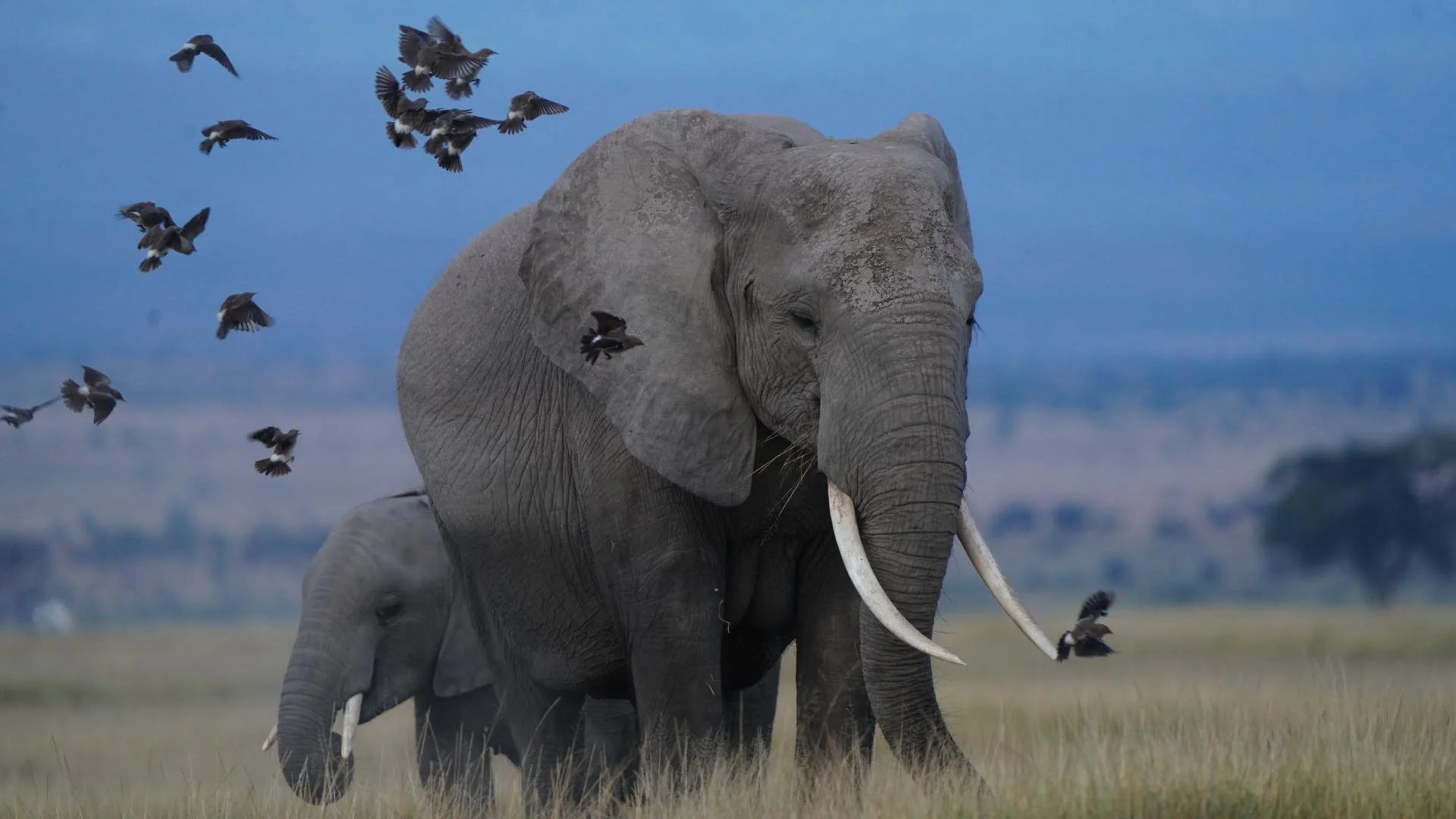
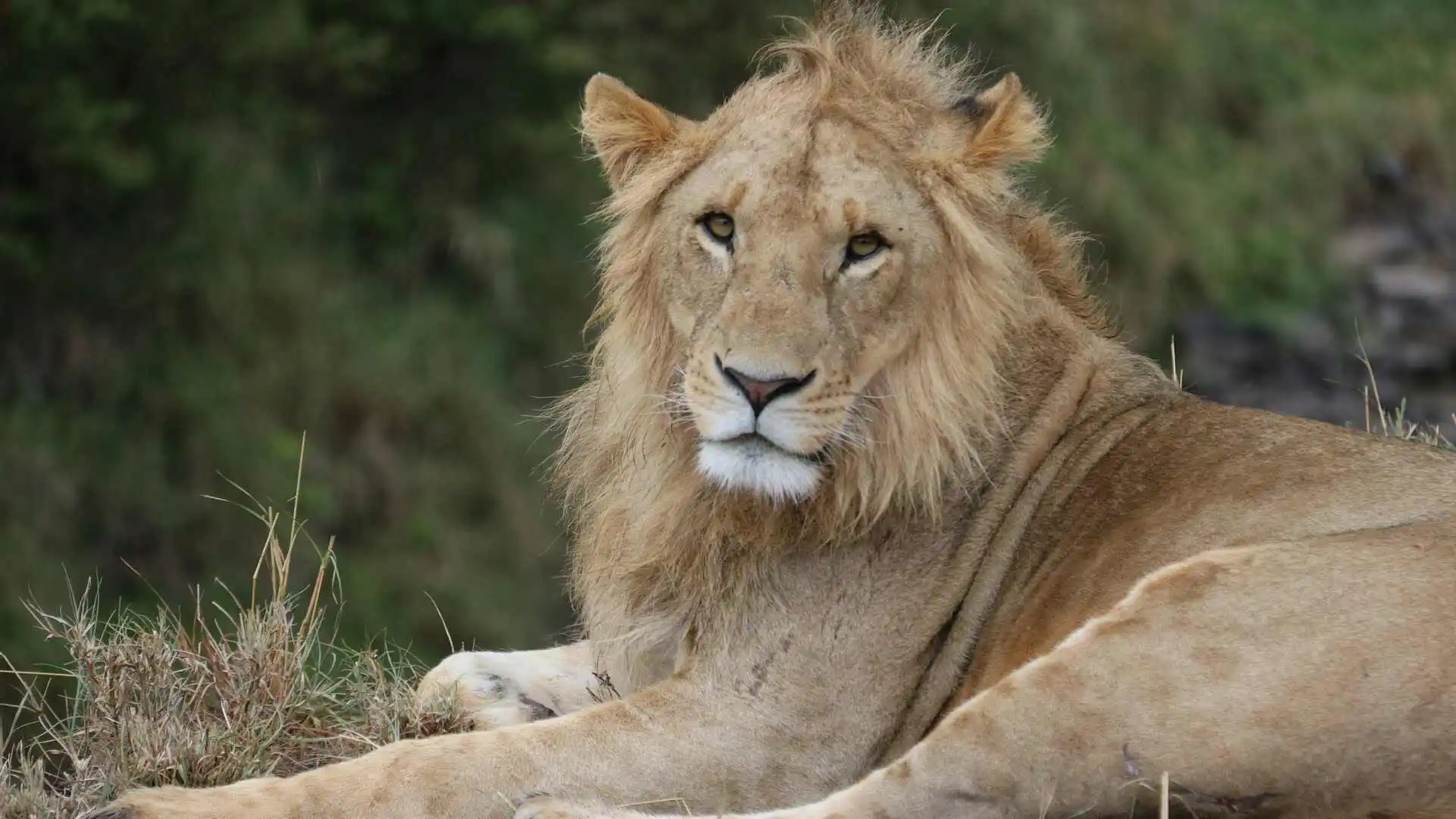
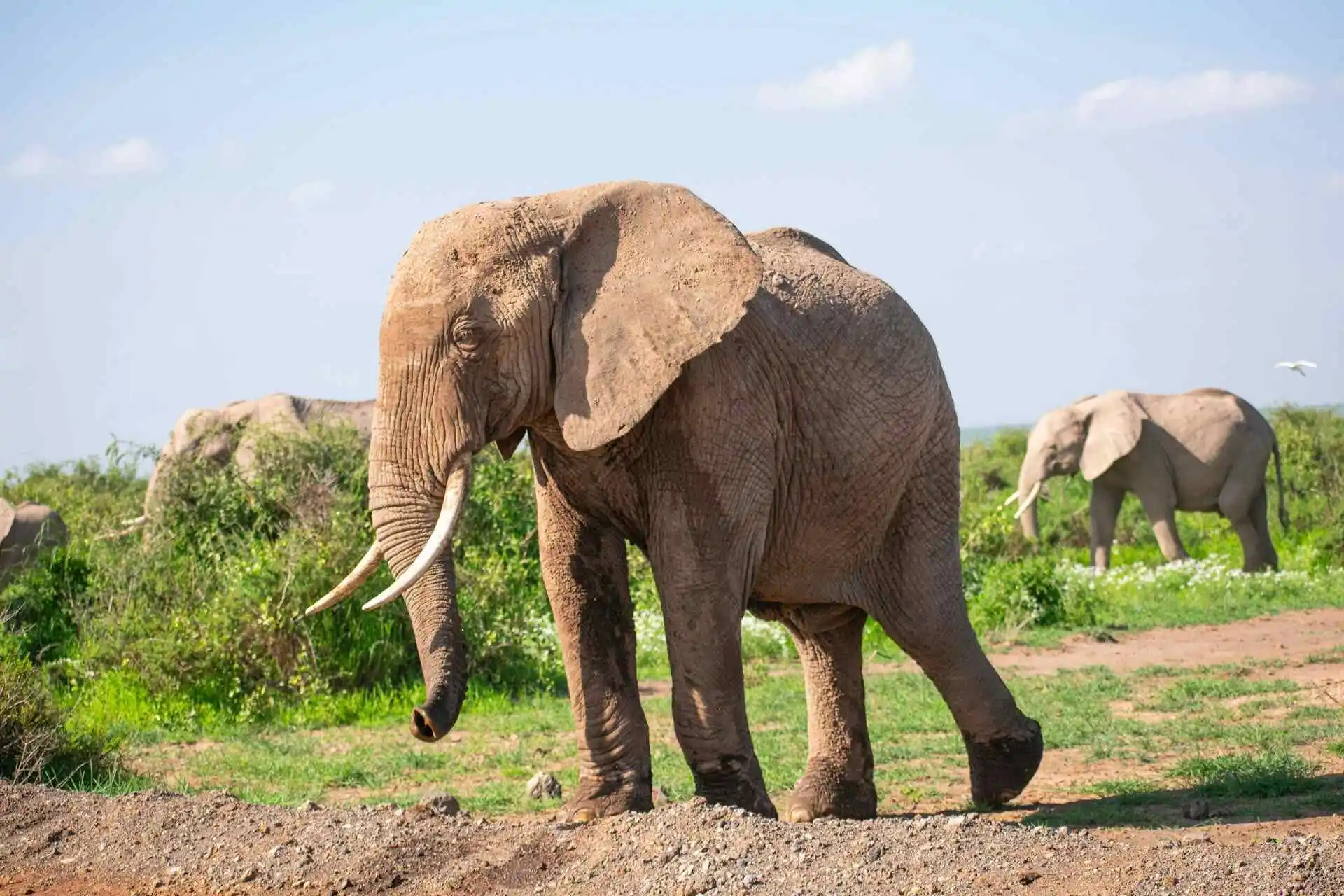
Lions, elephants, and buffalo are much easier. Lions rest in open areas during the day and are relatively easy to spot. Elephants move in family groups and leave obvious signs of their presence. Buffalo form large herds that are hard to miss. In most major Kenyan parks, you’ll see these three without much effort.
Time is limited. A full day game drive typically runs from 6 AM to 6 PM with a lunch break. That gives you maybe 8 to 10 hours of actual driving time. Parks cover large areas. Animals move constantly. You can’t search everywhere, so route planning and local knowledge become critical.
Wildlife doesn’t work to a schedule. You might find four animals in the first three hours and spend the rest of the day searching for the fifth. Or you might not see a single rhino because they stayed in thick bush all day. That’s how safaris work.
Best Parks for Big Five in One Day
Nairobi National Park (Best Odds)
Nairobi National Park offers the highest chance of seeing all Big Five in a single day. There are several reasons why.
The park is small compared to most Kenyan reserves. It covers 117 square kilometers, which means you can drive most of it in a few hours. Less ground to cover means better odds of finding animals.
Nairobi is a black rhino sanctuary with a healthy rhino population. Sightings aren’t guaranteed, but they’re far more likely here than in most parks. Rangers track rhino movements, and guides know the areas where they’re usually found.
Lions, leopards, buffalo, and elephants all live in the park. Lions are regularly spotted resting in open grassland. Buffalo herds graze near the main roads. Elephants move through the park in small groups. Leopards are harder, as always, but the park’s riverine forest areas hold a decent population.
The park opens at 6 AM. Starting early gives you the best chance because predators like lions and leopards are more active in the morning before the heat sets in. A full-day game drive from 6 AM to 6 PM gives you enough time to cover the key areas multiple times.
Success rate is higher here than anywhere else in Kenya for a one-day Big Five attempt. That doesn’t mean guaranteed, but your odds are better than 50-50 if you have a good guide.
Lake Nakuru National Park
Lake Nakuru is a strong second choice. The park is compact, easy to navigate, and has solid populations of four out of five Big Five.
Rhinos are the strength here. Lake Nakuru protects both black and white rhinos, and sightings are relatively common compared to other parks. The rhino sanctuary areas are well-marked, and guides know where to find them.
Lions live in the park and are often spotted in the grasslands surrounding the lake. Leopards are present but harder to find, as usual. Buffalo herds are large and visible. Elephants are present but in smaller numbers than in parks like Amboseli or Tsavo.
The park’s size works in your favor. You can drive most of the main circuits in a few hours, which means you have time to search for specific animals without feeling rushed.
Lake Nakuru is about three hours from Nairobi, so it works as a long day trip or a two-day safari if you stay overnight nearby.
Maasai Mara (Lower Odds but Possible)
The Maasai Mara is Kenya’s most famous park, but it’s not the best choice for a one-day Big Five attempt.
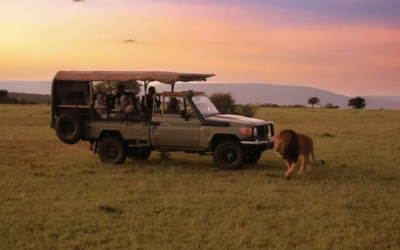
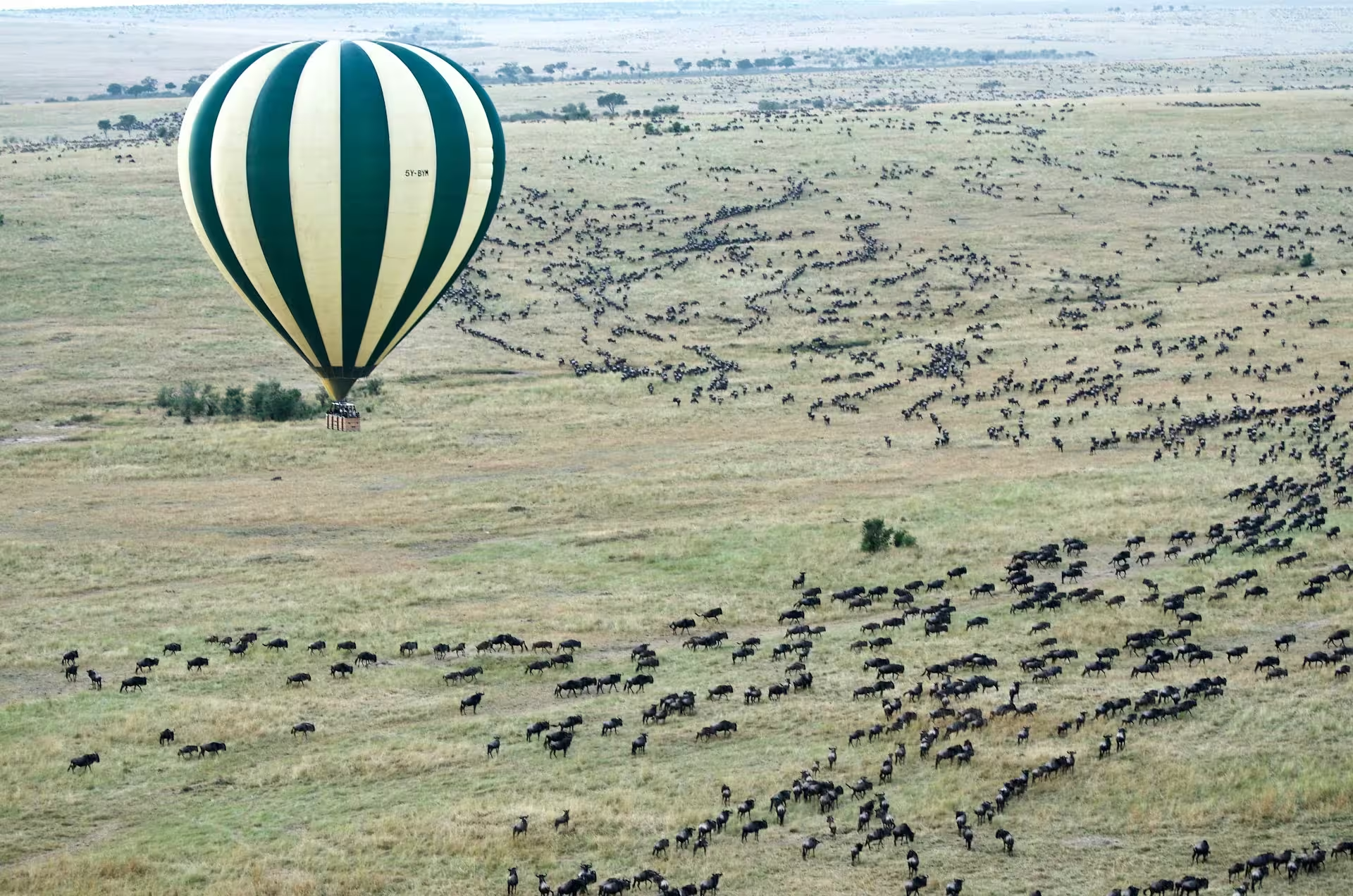
Lions are almost guaranteed. The Mara has one of Africa’s highest lion densities. Elephants are common and easy to find. Buffalo herds number in the thousands. Those three are no problem.
Leopards are the usual challenge. The Mara has leopards, especially along the Mara River and in areas with riverine forest, but finding one in a single day requires luck and a guide who knows their territories.
Rhinos are the real problem. The Mara is not a rhino sanctuary. Black rhinos exist in small numbers in specific areas, but they’re rare and hard to find. Many visitors spend a week in the Mara without seeing a rhino.
The park’s size also works against you. The Mara covers 1,500 square kilometers. In one day, you can’t search everywhere. If the rhinos are in the eastern section and you’re based in the west, you might not reach them.
The Mara is a world-class safari destination, but if your goal is specifically to see all Big Five in one day, Nairobi or Nakuru give you better odds.
Ol Pejeta Conservancy
Ol Pejeta is a private conservancy in central Kenya and one of the best places in Africa to see rhinos.
It’s the largest black rhino sanctuary on the continent. Rhino sightings here are almost guaranteed. The conservancy also protects the last two northern white rhinos on Earth, both under 24-hour guard.
Lions, elephants, and buffalo are all present in good numbers. Leopards live here too, though they remain the hardest to spot as always.
The conservancy is smaller than the Mara, which makes it easier to cover in a day. Guides know the animal territories well because it’s a managed conservancy rather than a completely wild park.
Ol Pejeta is about a three-hour drive from Nairobi. It’s a solid choice if you’re willing to make the trip and want strong rhino odds combined with decent chances at the other four.
What Actually Happens on a One-Day Big Five Attempt
Here’s how a typical one-day Big Five attempt plays out.
You start at 6 AM when the park opens. The first few hours are usually productive. Lions are still active from the night. Elephants move to water sources. Buffalo graze in open areas. By 9 or 10 AM, you’ve probably seen three of the five.
Mid-morning is when the search gets harder. You’re now looking specifically for the animals you haven’t found yet, which are usually leopards and rhinos. Your guide starts checking known territories, riverbanks, thick bush areas, and rhino zones.
Around noon, most parks require you to leave for lunch or take a break inside designated picnic areas. You lose an hour or two of search time here.
The afternoon is your final push. If you’re still missing one or two animals, you focus entirely on them. Guides often use radio networks to share sightings with other drivers. If someone spots a leopard or rhino, word spreads fast.
By 6 PM when the park closes, you tally what you’ve seen. Most people on a one-day attempt end up with three or four out of five. Getting all five requires a combination of good planning, experienced guiding, and genuine luck.
Tips to Increase Your Chances
Pick the right park. Nairobi National Park and Lake Nakuru offer the best odds. Don’t try this in parks without rhino populations.
Hire an experienced guide. A good guide knows animal territories, behavior patterns, and where to look at different times of day. This matters more than anything else.
Start early. Be at the park gate when it opens at 6 AM. Early morning is when predators are most active and animals are easier to find.
Stay the full day. Don’t leave at 2 PM and expect to have seen everything. Give yourself the maximum amount of time possible.
Be flexible with your route. If your guide suggests changing direction based on fresh tracks or radio reports, trust them. Sticking to a fixed plan won’t work.
Use radio networks. In parks where guides communicate via radio, this becomes a huge advantage. If another vehicle spots a leopard, you can head there immediately.
Set realistic expectations. Going in determined to see all five puts pressure on the experience. Go in hoping to see all five but accepting that four out of five is still excellent.
What If You Don’t See All Five?
It’s not a failure. Wildlife doesn’t perform on command.
Seeing four out of five in a single day is genuinely good. Leopards and rhinos are hard for legitimate reasons. Their populations are smaller, their behavior is more secretive, and their territories don’t always overlap with the areas you can cover in limited time.
The experience matters more than the checklist. A safari where you see incredible lion behavior, watch elephants interact, and spot rare birds is better than a rushed trip where you tick boxes without really watching anything.
If the Big Five is genuinely important to you, consider a multi-day safari. Two or three days in a park dramatically increase your chances because you have more time to search and can return to areas where animals were spotted previously.
Is It Worth Trying?
If you only have one day in Kenya and want to maximize your Big Five odds, yes, it’s worth trying. Nairobi National Park makes it realistic even for short visits.
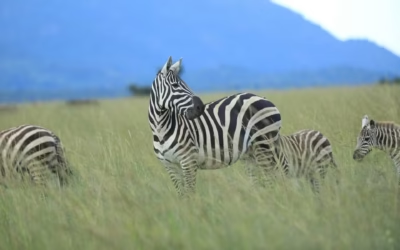
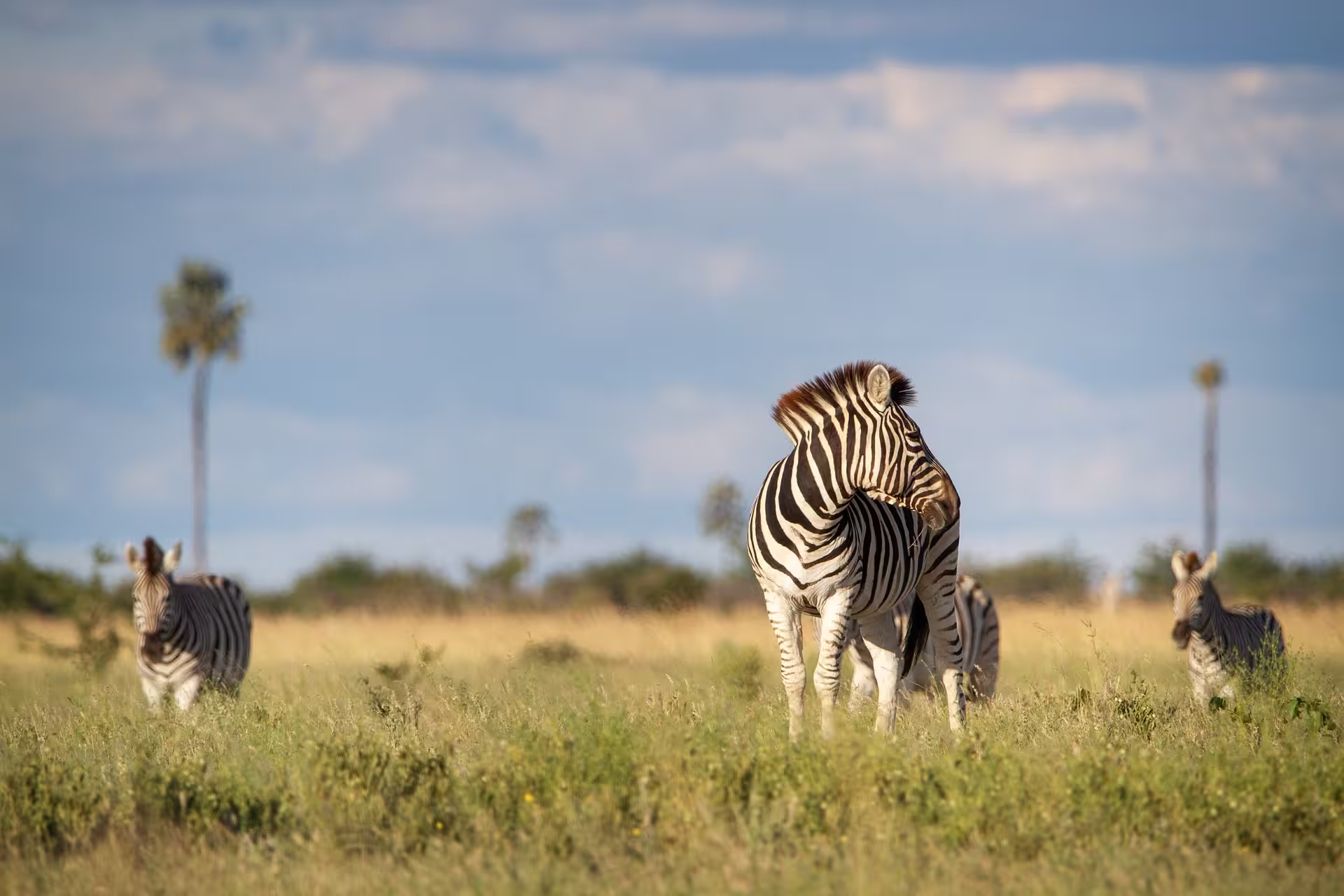
But don’t let Big Five obsession ruin the safari. There’s more to Kenya’s wildlife than five specific species. Cheetahs, wild dogs, giraffes, zebras, hippos, crocodiles, and hundreds of bird species all deserve attention too.
The challenge of finding all five in one day is part of the appeal. It gives the day structure and purpose. Just don’t let it stop you from appreciating everything else you see along the way.
Final Thoughts
Can you see all the Big Five in one day in Kenya? Yes, it’s possible.
Will you see all five? Maybe. Probably not. But you’ll likely see three or four, which is still a strong result.
Nairobi National Park gives you the best odds because of its size, rhino population, and proximity to the city. Lake Nakuru is a close second. The Maasai Mara is world-class for lions and general wildlife but harder for a one-day Big Five attempt because of rhino scarcity.
Set realistic expectations. Hire a good guide. Start early. Stay all day. And remember that safari is about more than checking animals off a list. It’s about being in wild spaces, watching animal behavior, and experiencing ecosystems that most of the world will never see.
Whether you spot all five or not, a full day in a Kenyan national park is time well spent.