The lion stands as the most iconic big cat in the world. Yet not all lions are the same. Two names appear often in wildlife history. The Barbary lion and the African lion. One dominated the mountains of North Africa. The other still rules the savannas today. Their stories shaped human culture, ancient kingdoms, and modern conservation.
This detailed guide explains every major difference. It compares size. It compares looks. It covers behavior, habitat, strength, and history. It also explains why the Barbary lion vanished and why the African lion now struggles to survive. This article helps readers understand each animal and the key facts behind the Barbary lion vs African lion debate.
What Is a Barbary Lion
The Barbary lion lived in the Atlas Mountains across Morocco, Algeria, and Tunisia. Ancient writings called it the “King of Kings.” It appeared in Roman arenas. It decorated royal symbols across North Africa. Cold winters shaped its heavy build. Thick forests shaped its movement patterns. Scarce prey forced strong hunting instincts.
The Barbary lion became extinct in the wild in the early twentieth century. Only a small number of possible descendants survive in captivity. These lions live in zoos and conservation parks under controlled breeding programs.
What Is an African Lion
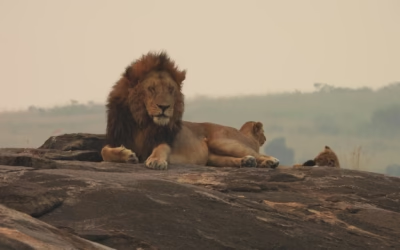
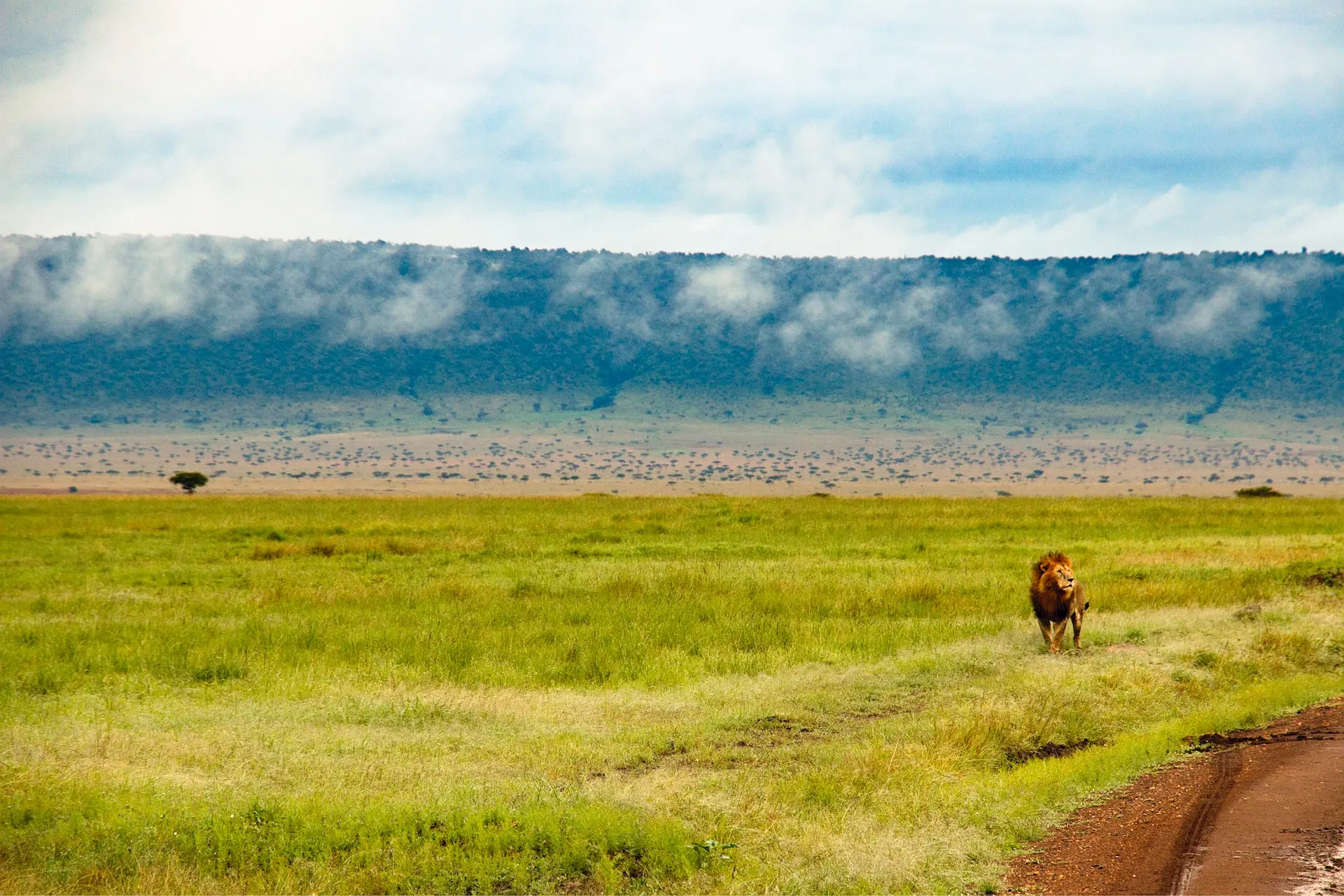
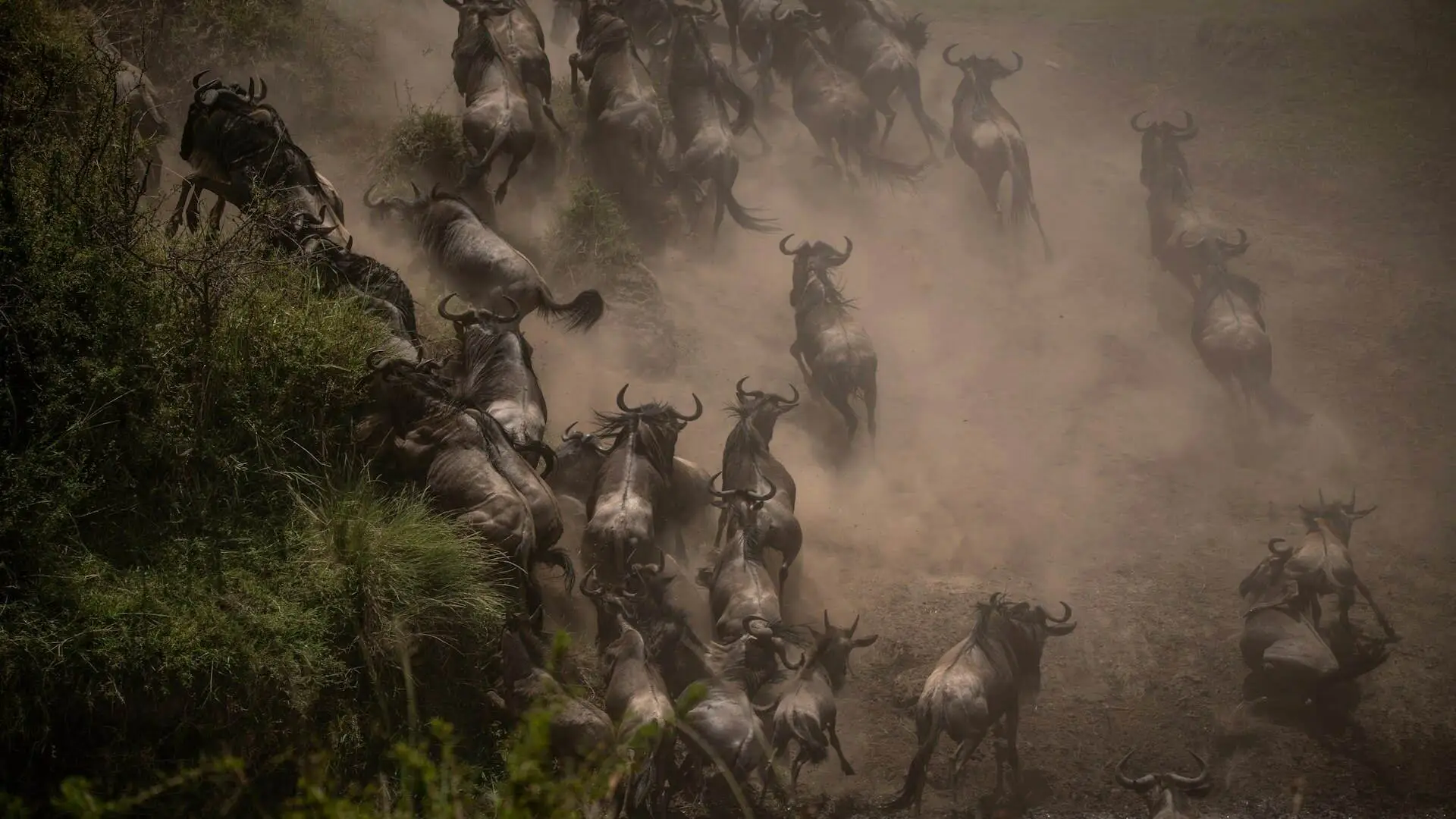
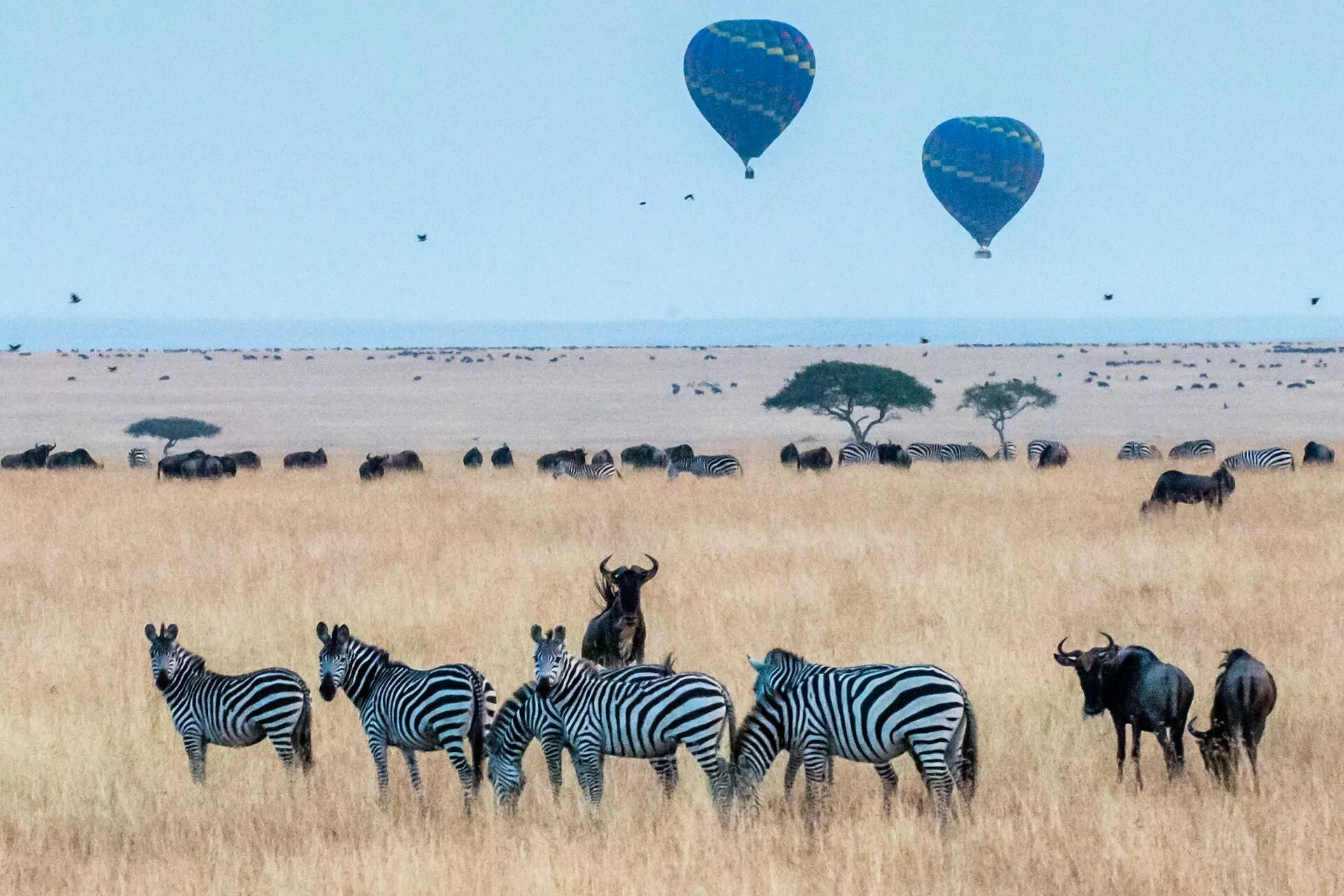
The African lion lives across East Africa and Southern Africa. It survives in savannas, grasslands, and dry woodlands. It hunts zebra, buffalo, wildebeest, and other herd animals. It shows social behavior. It moves in prides. It depends on teamwork.
The African lion remains common compared to other big cats. Yet it now faces shrinking habitats and growing conflict with humans. Its numbers fall each year. Conservation groups work across Kenya, Tanzania, South Africa, Botswana, and Namibia to protect the species.
Habitat and Climate Differences
The Barbary lion lived in a cold mountain environment. Snow covered many parts of the Atlas Mountains during winter. These conditions shaped its physical features. It developed a long and dense mane. It developed strong muscles. It developed wide paws for rough slopes.
The African lion lives in warm climates. Open plains stretch across most of its home range. Heat shapes its body. It grows shorter fur. It carries a lighter mane. It moves across large distances during the night to avoid heat.
These different conditions built two unique appearances. Each animal evolved to fit its land.
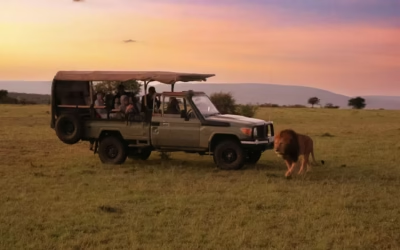
For travellers who want to see wild lions, here are the best national parks in Africa to see lions.
Physical Comparison: Size and Build
Many historic accounts describe the Barbary lion as the largest lion. Hunters once wrote about its powerful shoulders and wide chest. Many stories recorded the body weight of 250 to 300 kilograms for large males. These records may not be perfect, but they reflect a trend. The Barbary lion carried more mass and more muscle.
The African lion shows a wide range of sizes. Male lions often weigh 150 to 250 kilograms. Size depends on region, food supply, and genetics. Lions in Southern Africa grow larger than lions in West Africa. Yet most remain lighter than historic Barbary lions.
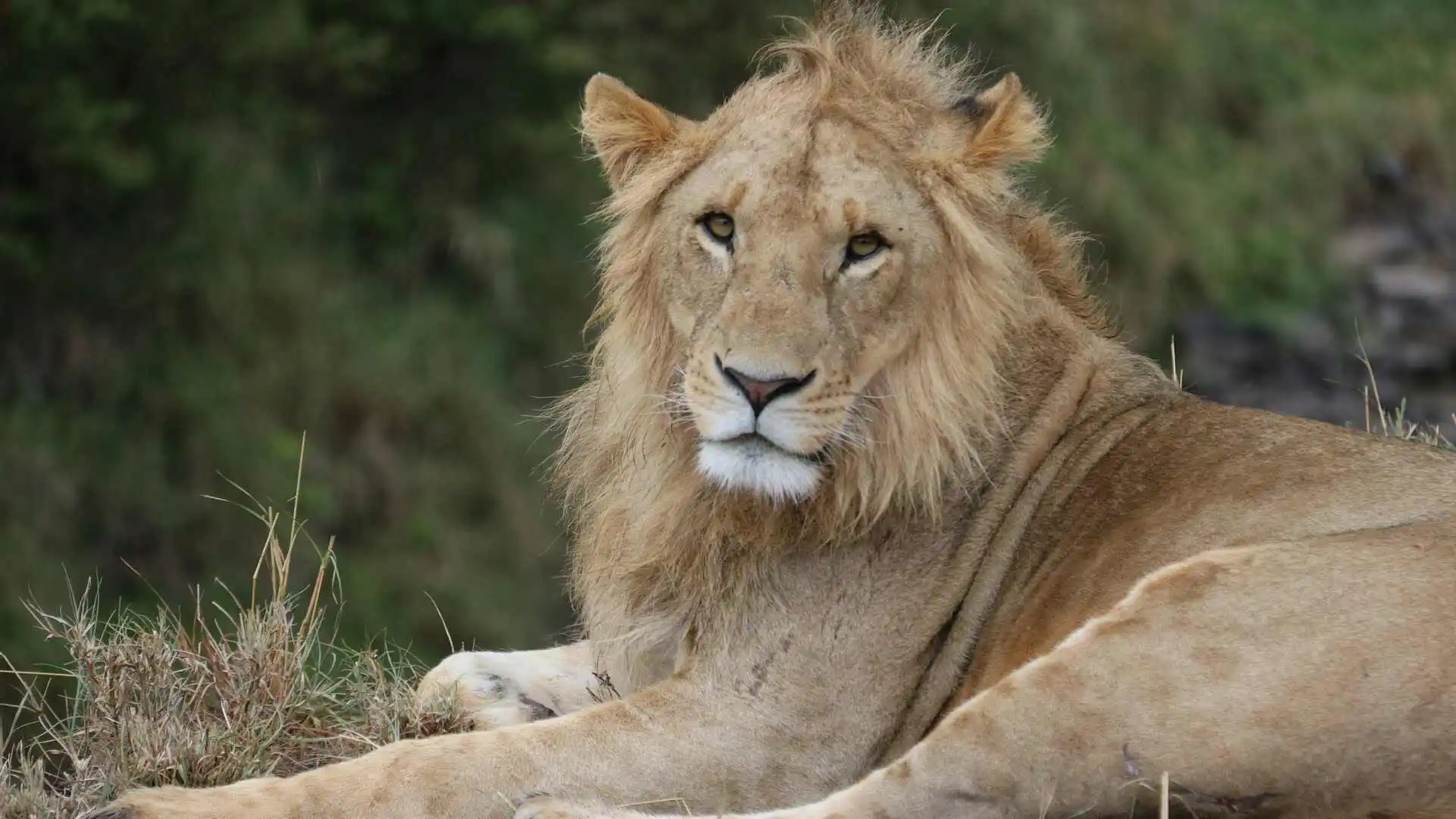
The Barbary lion also carried a long, dark mane. Many descriptions mention a mane that extended across the shoulders, belly, and even the back. The African lion grows different mane shapes based on the climate. Lions in hot regions develop shorter and lighter manes. Lions in cooler regions develop fuller manes.
These body traits created a strong visual contrast. A Barbary lion looked heavier and darker. An African lion looks sleeker and more adapted to open grasslands.
Behavior and Social Structure
The Barbary lion lived in smaller groups. Some reports mention pairs. Some mention small family units. Harsh mountain conditions made large prides difficult. Food stayed limited. Lions needed to travel long distances to find prey. Social behavior stayed simple.
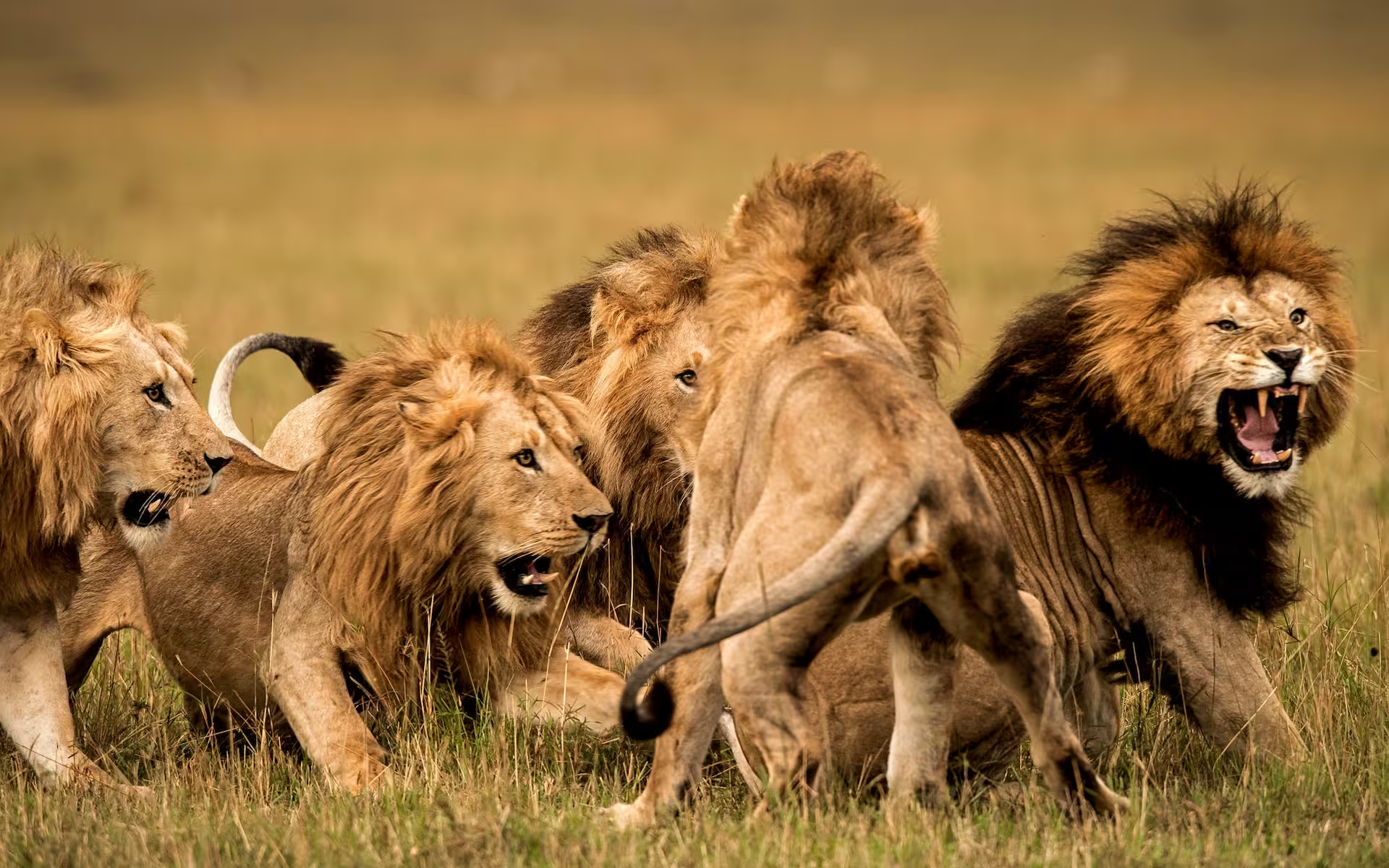
The African lion follows a pride system. A pride includes adult females, their cubs, and a coalition of males. This structure supports teamwork. Africa’s savannas provide large herds. Coordinated hunting helps lions bring down strong animals such as buffalo and zebra. Pride life also protects cubs from rival males and roaming predators.
The difference in social structure remains one of the strongest distinctions. Barbary lions survived as mountain hunters. African lions survive as group hunters in open plains.
Diet and Hunting Style
The Barbary lion hunted deer, wild boar, Barbary sheep, and other mountain species. Prey numbers stayed smaller than savanna herds. This forced strategic hunting. Many accounts mention lone ambush attacks. Thick forests and rugged slopes supported these tactics. A waiting lion could surprise prey from close range.
The African lion hunts in teams. A pride uses flanking moves. It uses planned chases. It selects weak, young, or slow prey. Grasslands provide visibility but demand speed and teamwork. Lions also scavenge when needed. They often chase hyenas away from kills.
These feeding behaviors reflect each environment. The Barbary lion hunted with stealth. The African lion hunts with group power.
Strength and Aggression
Many researchers believe the Barbary lion had stronger upper body muscles. Its heavier frame helped it tackle powerful mountain animals. These traits also shaped its reputation. Ancient cultures described the Barbary lion as fierce and bold.
The African lion displays strength built for speed and teamwork. It shows aggressive behavior during pride fights. Male lions defend territory. Females show fast bursts during hunts. Their strength suits open plains.
Both lions show power. Both control their environment. Their strength reflects their survival needs.
History and Cultural Impact
The Barbary lion influenced history across North Africa. It appeared in Roman arenas. It guarded ancient palaces. Many Moroccan royal symbols include the image of the Barbary lion. Its disappearance became a major event in wildlife history.
The African lion shapes modern culture. It appears in art, tourism, and national symbols across Africa. Wildlife safaris depend on lion sightings. Many conservation campaigns use the African lion as a flagship species.
Both lions became symbols of courage. Both shaped human stories and belief systems.
Why the Barbary Lion Became Extinct in the Wild
Several factors caused its extinction. Human hunting played the biggest role. Lions attacked livestock across the mountain villages. Hunters targeted them for safety. Some hunted them for trophies. Forest loss also reduced prey. This pushed lions into conflict with people.’
By the early twentieth century, the population had collapsed. The last confirmed wild Barbary lion died in Morocco in the 1940s. A few possible descendants survived in private collections. These lions now play a role in limited breeding programs.
Why the African Lion Is Declining
The African lion still survives but faces steady threats. Human expansion keeps shrinking wild land. Conflict around cattle kills many lions each year. Falling prey numbers affect their diet. Illegal trade also harms populations.
Conservation groups use tracking collars. They build protected reserves. They train local communities to reduce conflict. These steps help slow the decline, but more work is needed.
Genetic Differences
Modern genetic studies show that the Barbary lion belonged to the northern group of lions. These lions stayed separate from central and southern African lions for thousands of years. Climate, geography, and prey shaped each group.
Many captive lions that look like Barbary lions may carry mixed genetics. Researchers now run DNA tests to identify true descendants. The goal is to preserve the northern lineage.
Key Differences at a Glance
The Barbary lion lived in cold mountains. The African lion lives in warm plains. The Barbary lion carried more mass. The African lion shows more mane variations. The Barbary lion hunted alone or in small groups. The African lion hunts in coordinated prides. One vanished from the wild. The other struggles but still survives.
These differences shaped their entire evolution.
Which Lion Was Larger
Historic records suggest the Barbary lion reached a greater size. Many African lions come close, especially Southern African lions. Yet the Barbary lion still holds the title for heavier build. Its thick mane added height and presence, which increased its visual size.
Future of Both Lions
The Barbary lion survives only through captive lines. Conservation groups aim to protect the genetic identity of this group. Research continues to identify pure descendants.
The African lion needs stable, protected land. It needs strong community programs. It needs healthy prey numbers. With the right action, many regions can rebuild lion populations.
Famous Barbary Lions
Sultan: A well-known Barbary lion is held in the Rabat Zoo in Morocco. Many researchers studied him during the early years of Barbary lion conservation programs. His size and dark mane matched historic descriptions.
Nero: A large male was housed at the London Zoo during the nineteenth century. Nero became one of the most photographed Barbary lions in Europe. His physical traits shaped many early illustrations.
Atlas: A male born in a royal collection in Morocco. Atlas carried many features linked to old Barbary bloodlines. His appearance helped guide modern breeding decisions.
Budapest Barbary Line: A group of lions was kept at the Budapest Zoo during the twentieth century. These lions traced their origins to the Moroccan royal collection. Many global breeding programs now connect back to this group.
King of Tenere: A captive male was displayed across Europe. Many experts believed he carried strong Barbary traits due to his coat, face shape, and mane density.
These names remain important because pure Barbary lions no longer exist in the wild. Each known lineage helps protect the northern lion heritage.
Famous African Lions
Cecil: A well-known male lion from Hwange National Park in Zimbabwe. His death in 2015 created a global movement for lion protection. His large black mane made him a landmark animal for wildlife tourism.
Scarface: A dominant male from the Maasai Mara in Kenya. His scarred face and strong presence built a major fan following. Many wildlife documentaries featured him.
Read More About Scarface Lion
Notch and His Sons: A legendary coalition of African lions from the Maasai Mara. Notch and his male offspring controlled large territories for many years. Their story became one of the most famous lion dynasties in modern history.
Hairy Belly: Another well-known Mara lion. His long belly fur and bold nature made him a favorite among guides and photographers.
C-Boy: A tough male from the Serengeti. He survived multiple attacks by rival coalitions. His life appeared in many wildlife films.
Bob Junior: A powerful Serengeti male known for his deep mane and calm confidence. He became a symbol of lion strength across East Africa.
Dark Mane: A strong male from Botswana. His dark coat and wide frame made him a popular subject in safari content and scientific studies.
Final Thoughts
The Barbary lion vs African lion comparison reveals two powerful animals shaped by two different worlds. One lived in icy mountains. One rules warm plains. One carried a heavy dark mane. One shows broad variation. One became extinct in the wild. One now stands on a fragile path.
Understanding these differences helps protect today’s lions. It also helps preserve the memory of the Barbary lion. Both animals deserve respect. Both shaped culture, nature, and human history.