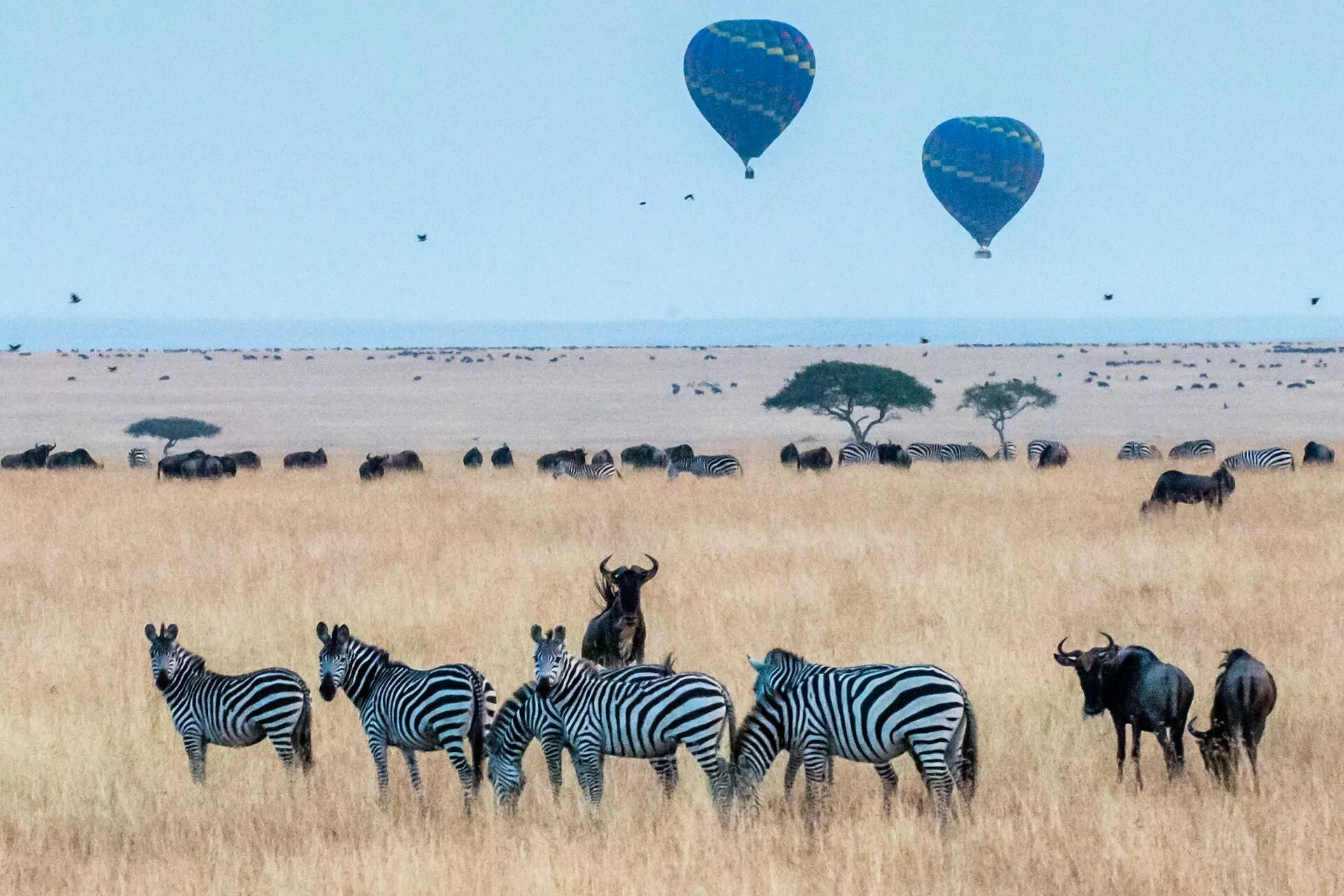
A lot of African countries offer great safaris. Tanzania has the Serengeti. South Africa has Kruger. Botswana has the Okavango Delta. All worth visiting.
But Kenya is different.
It’s the only country where you can watch the Great Migration, walk through a national park inside a capital city, see the last two northern white rhinos on Earth, and cycle past giraffes, all in a single trip.
Kenya’s wildlife, landscapes, and culture combine in a way no other country quite matches. These 10 experiences prove it.
Witnessing the Great Migration in the Masai Mara
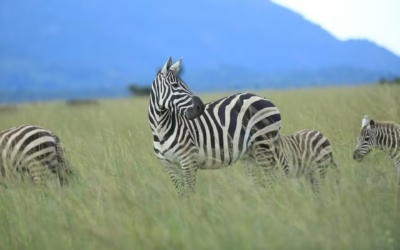
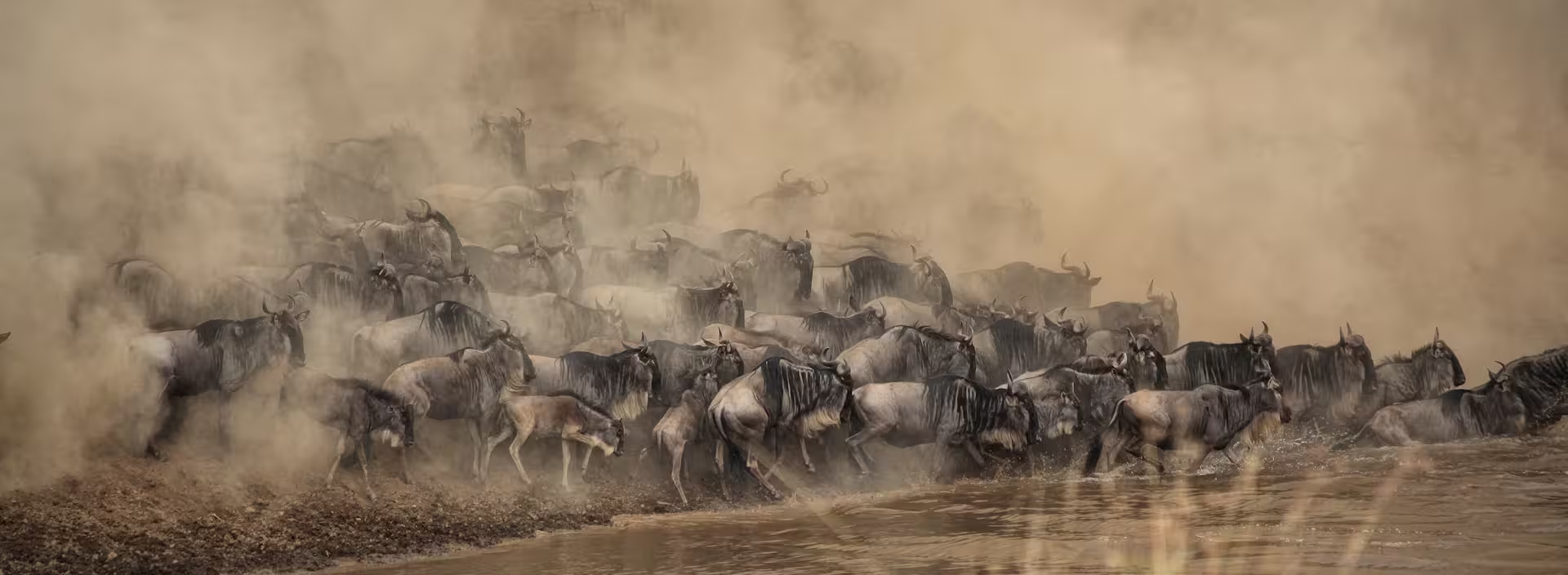
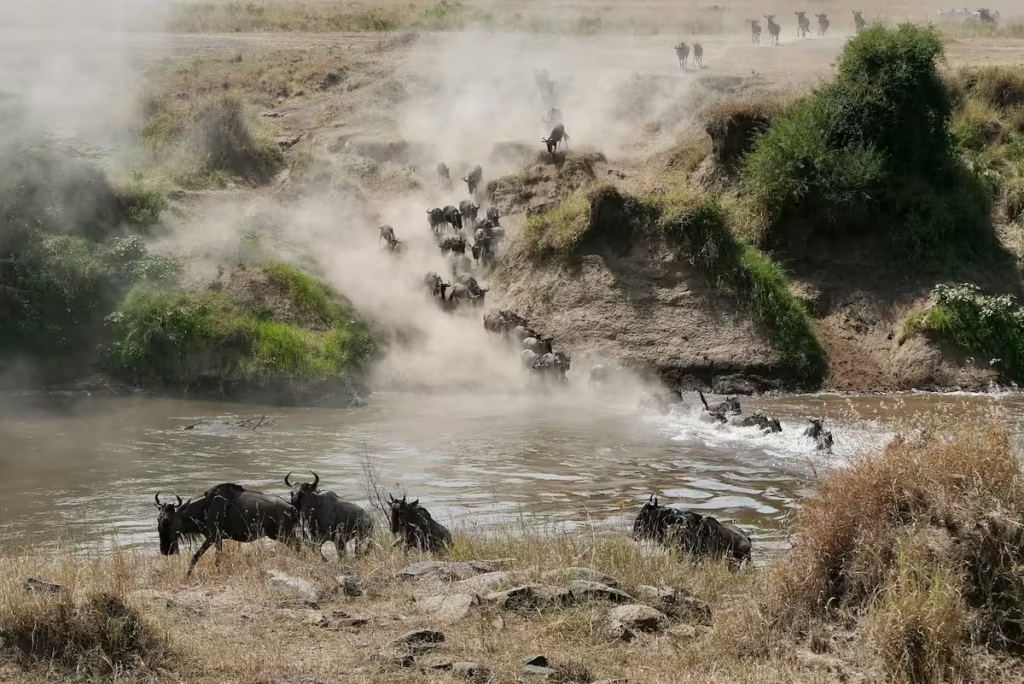
Every year between July and October, over two million wildebeest, zebras, and gazelles move north from Tanzania’s Serengeti into Kenya’s Masai Mara. It’s the largest overland animal migration on the planet.
The defining moment is the Mara River crossing. Herds gather at the riverbanks, hesitate for hours, then plunge into crocodile-filled water. The chaos is real. Animals drown, get taken by crocodiles, and trample each other. The survivors push through and reach the other side.
Kenya’s side of the Mara offers a wider river crossing zone than Tanzania, which means multiple crossing points and more chances to see the action. The Mara also has a higher predator density. Lions, cheetahs, and leopards are all active during migration months.
August and September are peak months for crossings. Book at least six months in advance if you want accommodation near the river.
Amboseli National Park’s Kilimanjaro Backdrop
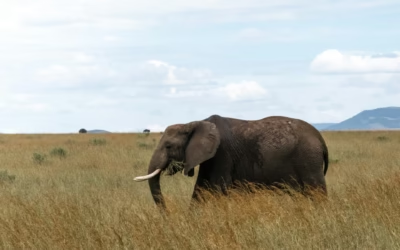
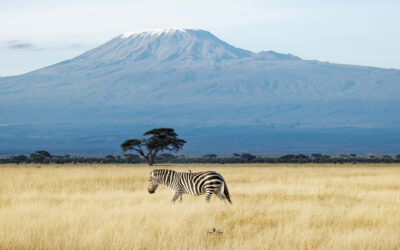
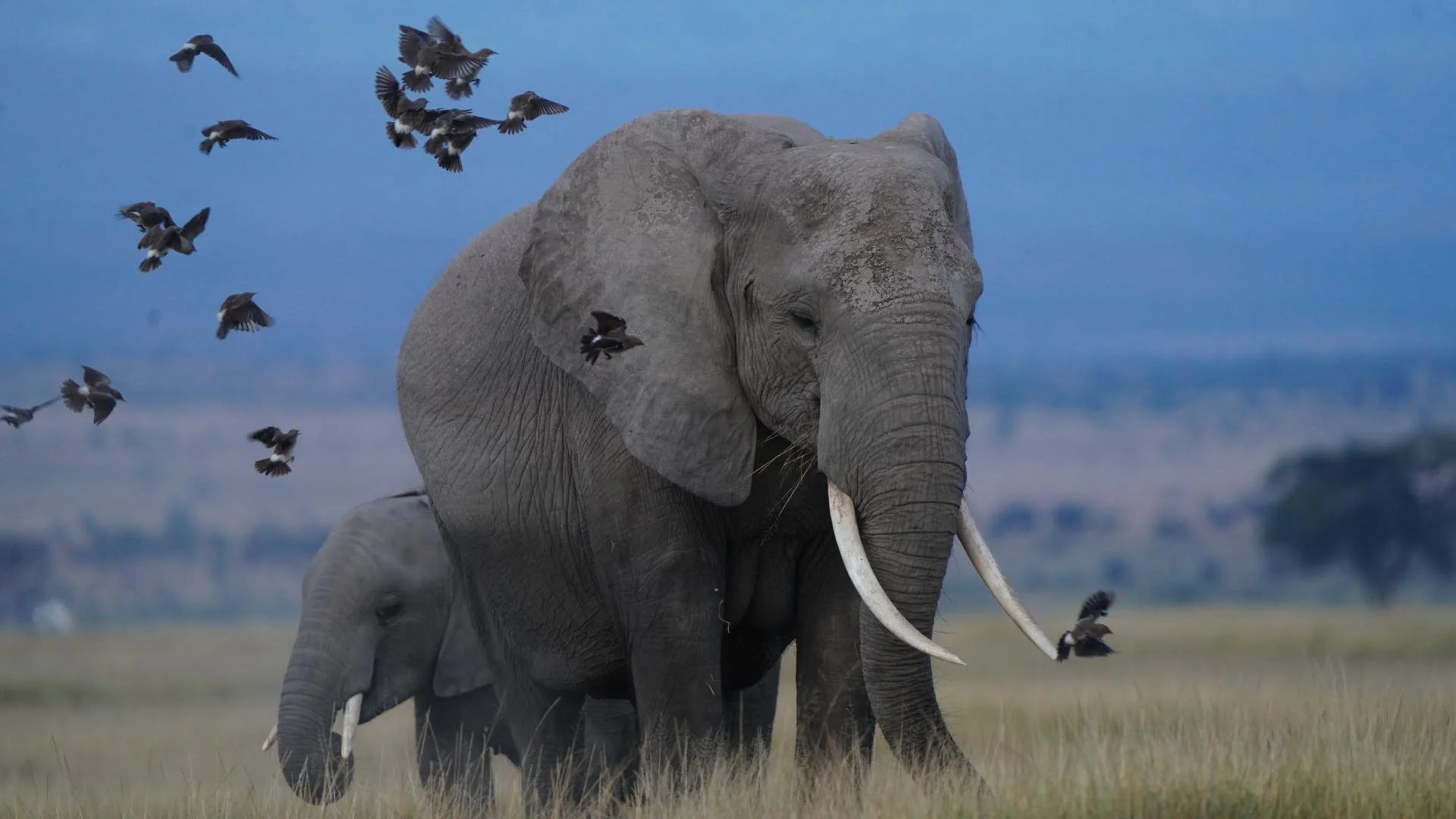
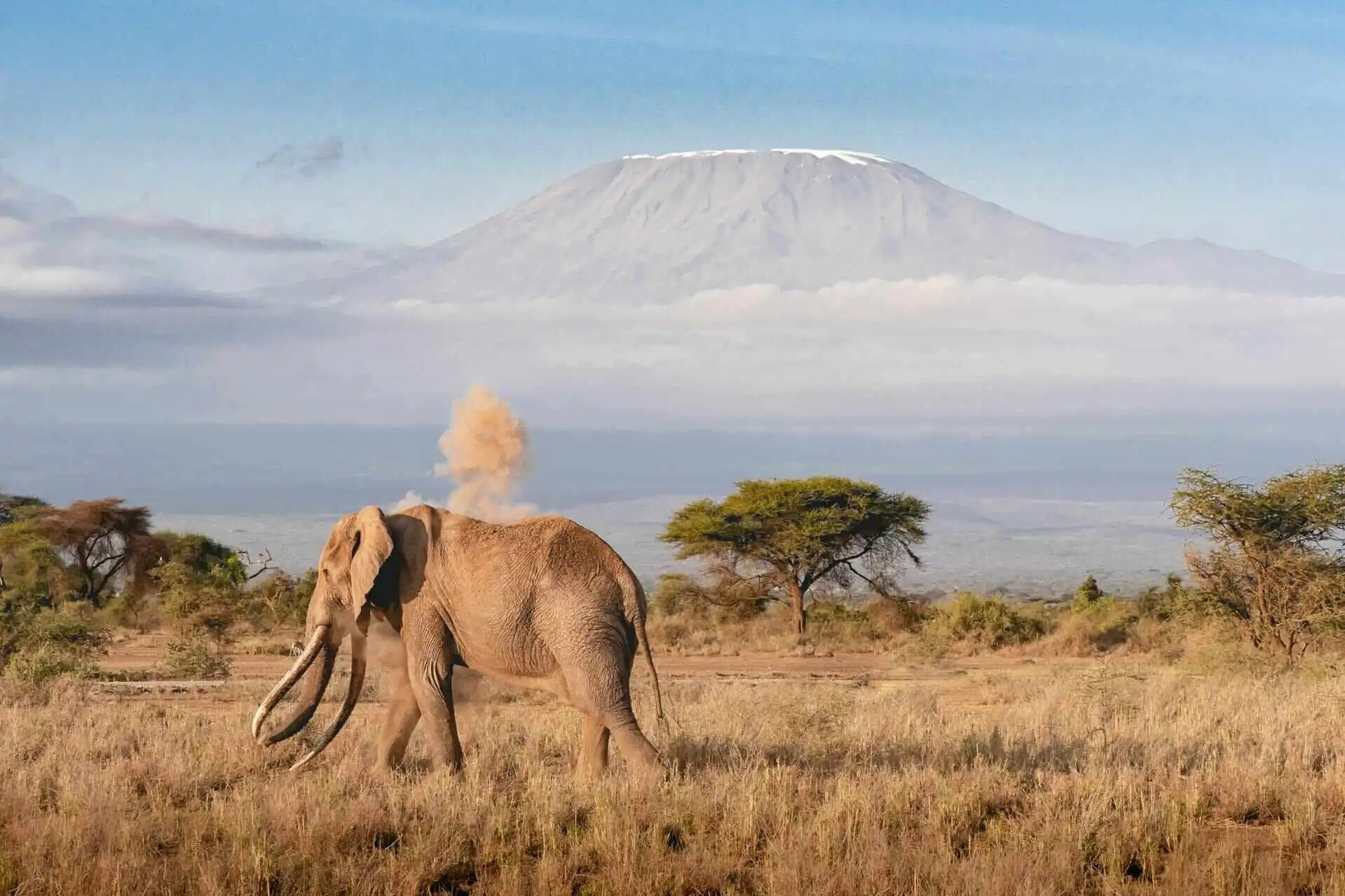
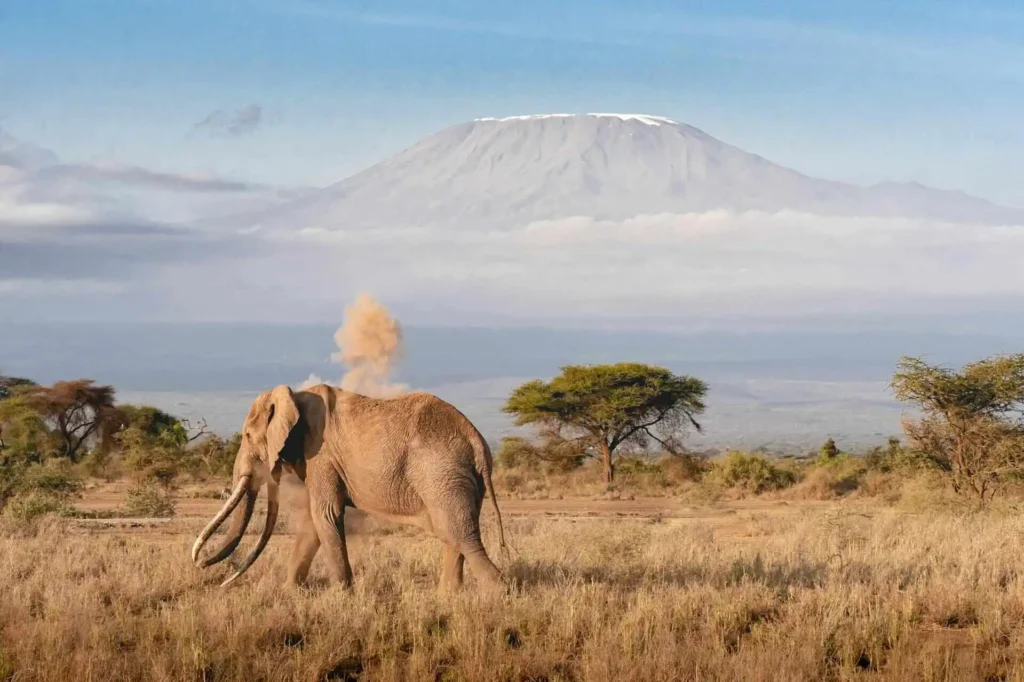
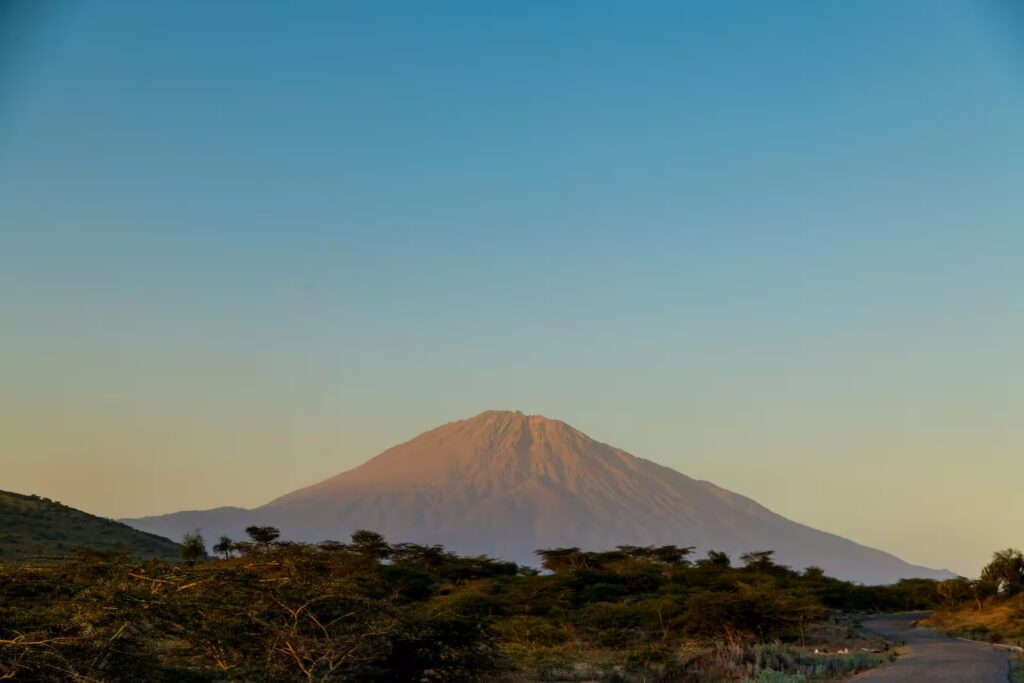
Amboseli offers something no other park in the world can match: large herds of elephants moving across open plains with Mount Kilimanjaro rising behind them.
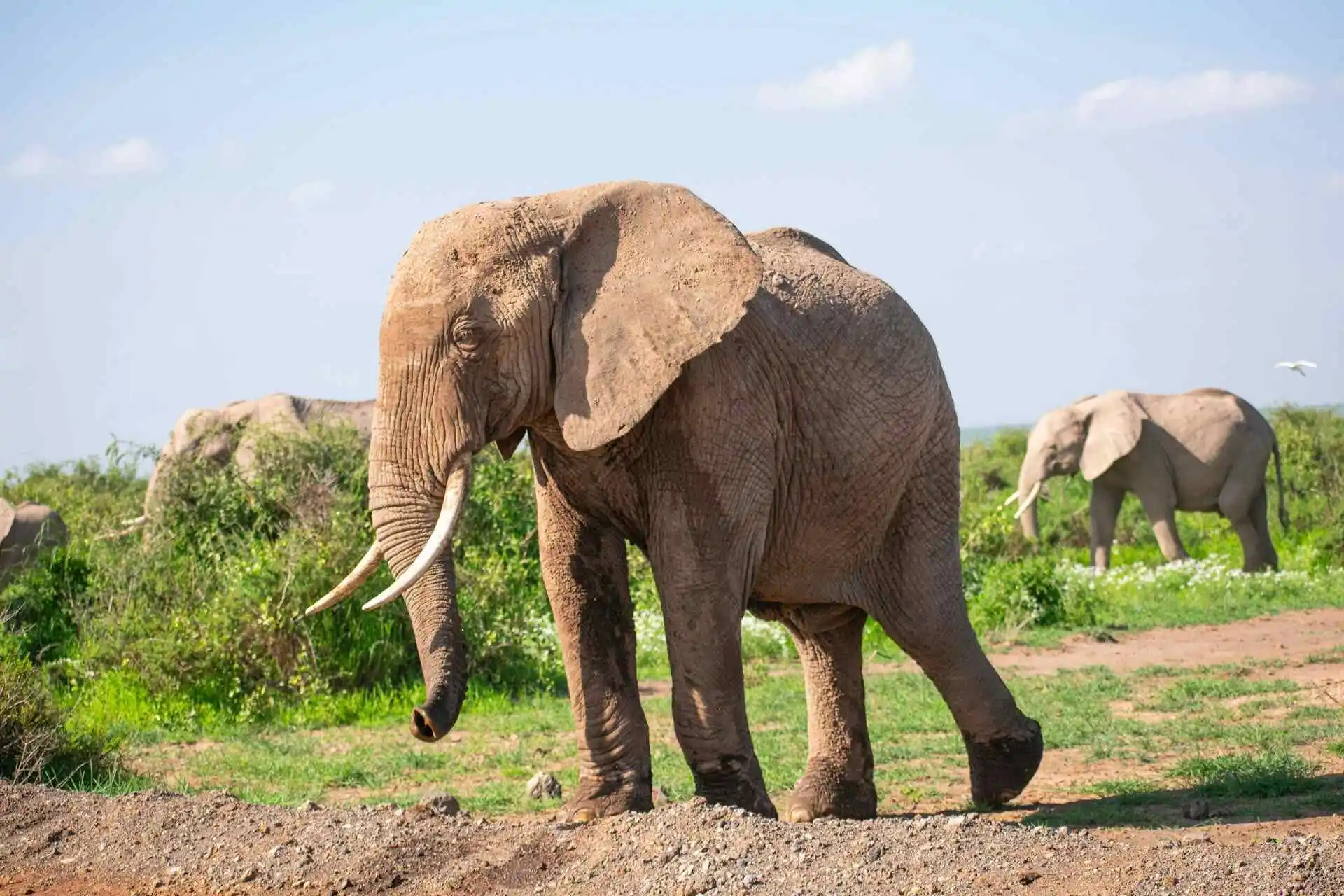
Kilimanjaro sits just across the border in Tanzania, but the best views of it are from Kenya’s Amboseli. On clear mornings, the snow-capped peak fills the horizon. Herds of 50 to 100 elephants walk across the dry lake bed in front of it. The scale and the contrast are stunning.
Amboseli is also known for its big tuskers. These are older male elephants with tusks so long they nearly touch the ground. They’re increasingly rare across Africa, but Amboseli still has some of the last remaining ones.
Go between January and February or June and October for the clearest mountain views. Clouds often cover Kilimanjaro by mid-morning, so early drives matter here.
Nairobi National Park Urban Safari
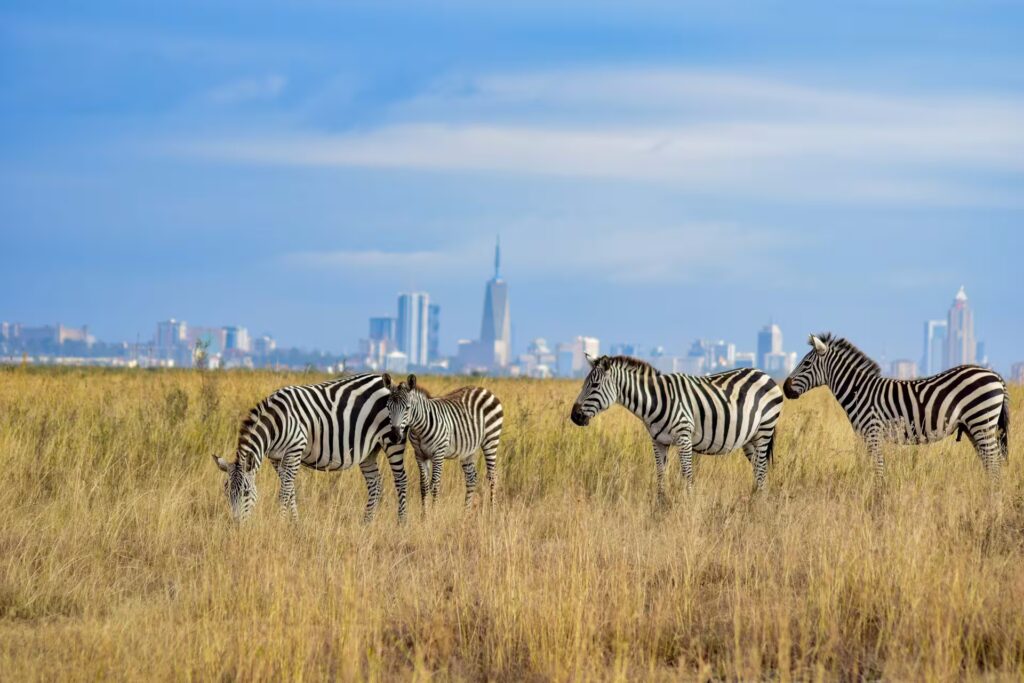
No other capital city in the world has a national park on its doorstep. Nairobi does.
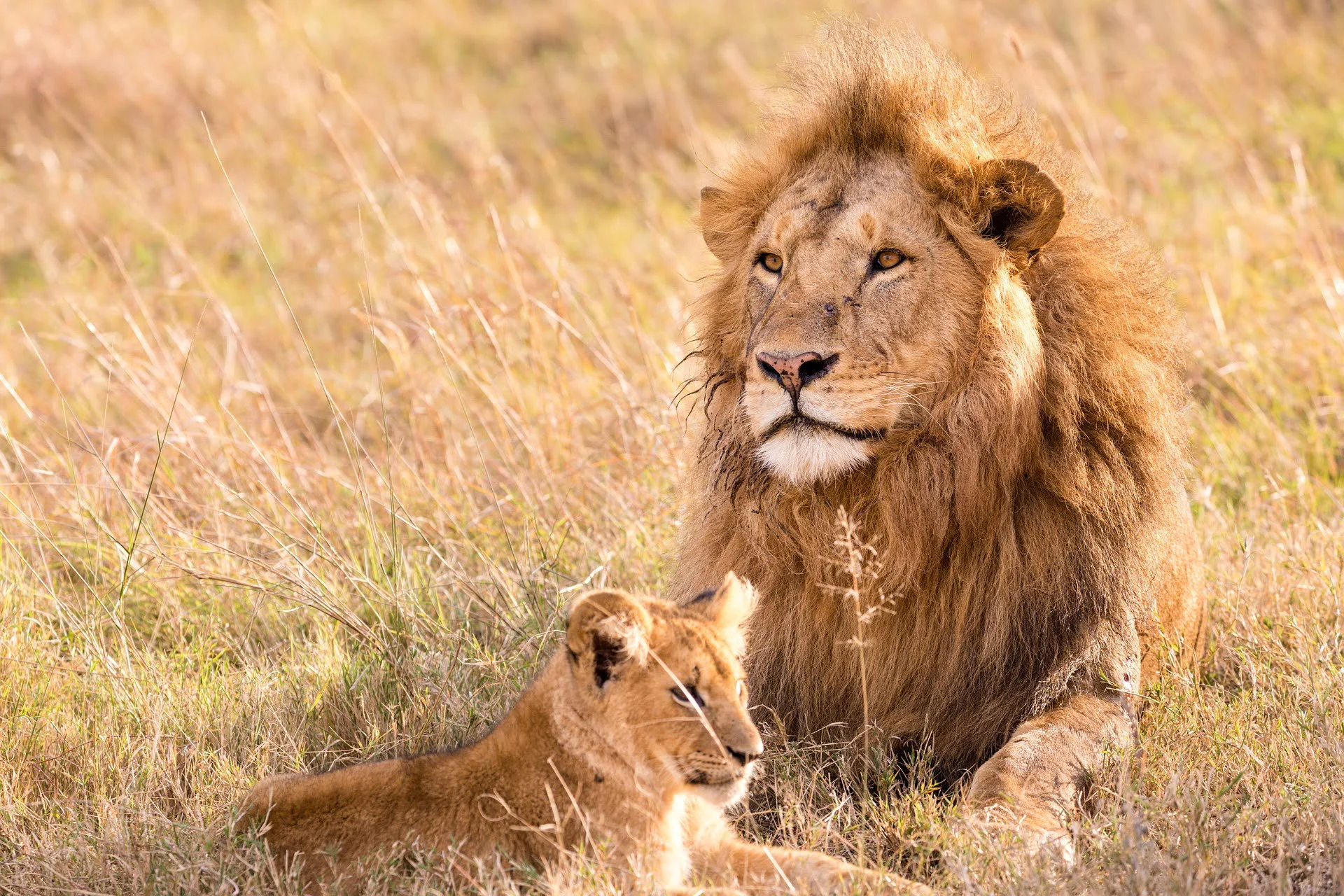
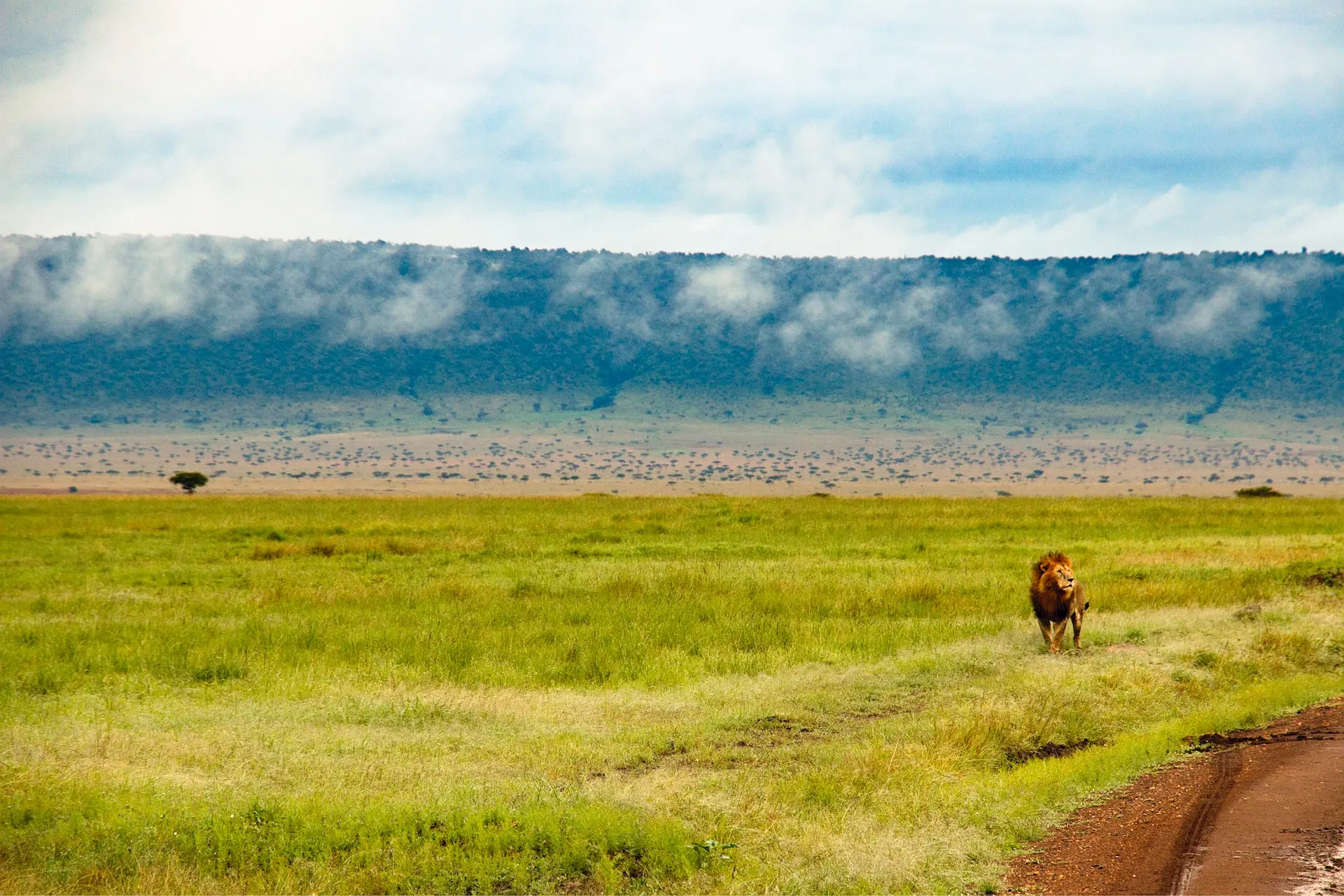
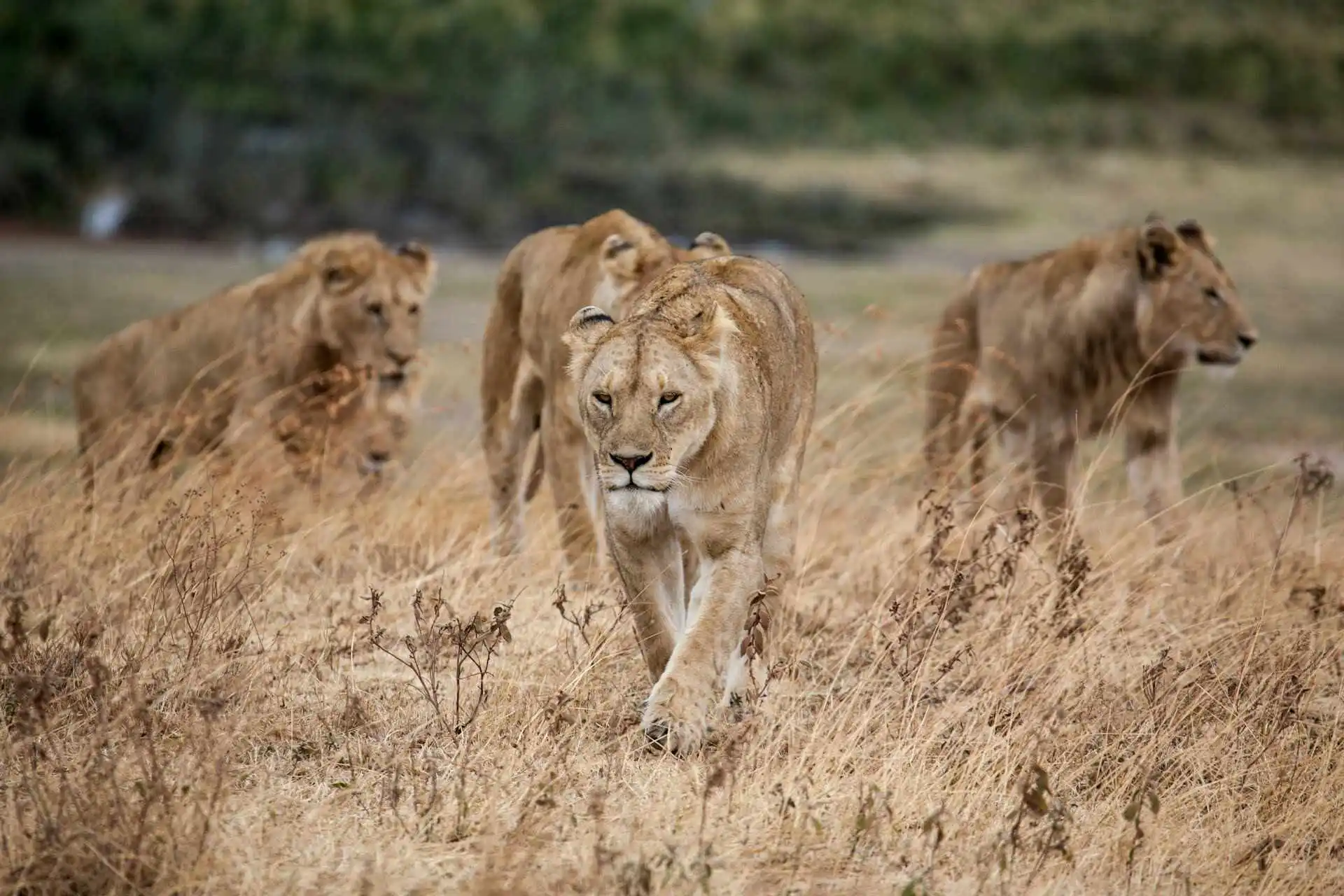
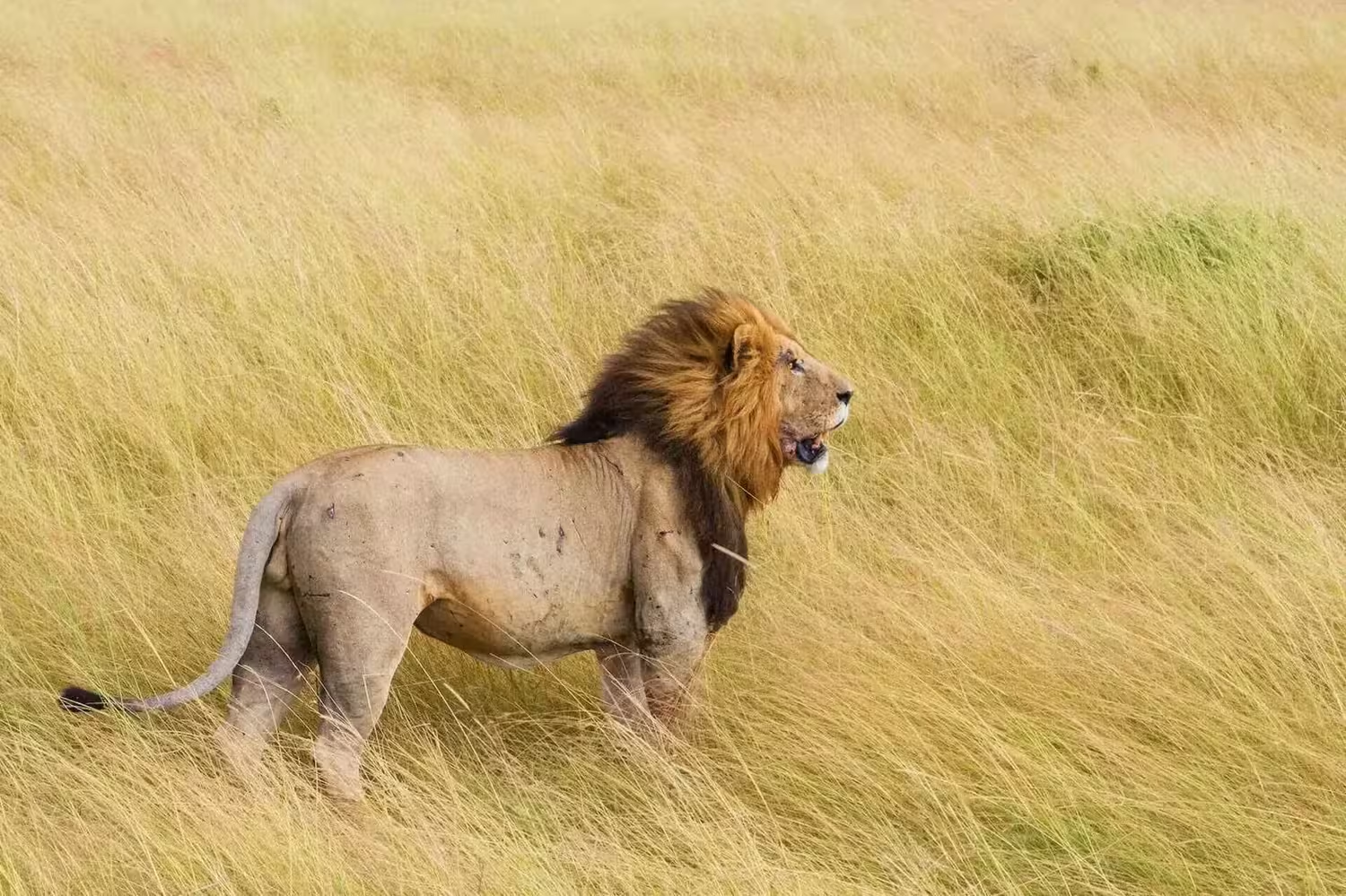
Nairobi National Park sits just 7 km from the city center. On a game drive, you’ll see lions resting in grass, giraffes walking past trees, and black rhinos grazing. Behind them, Nairobi’s skyline sits on the horizon. It’s a genuinely strange and memorable sight.
The park protects endangered black rhinos, making it one of the best places in Kenya to see them. Lions, leopards, cheetahs, buffalo, hippos, and over 400 bird species also live here.
This is a half-day trip from Nairobi, which makes it ideal if you’re arriving or departing and have a few hours free. It’s also less crowded than most Kenyan parks.
Tracking the Samburu Special Five
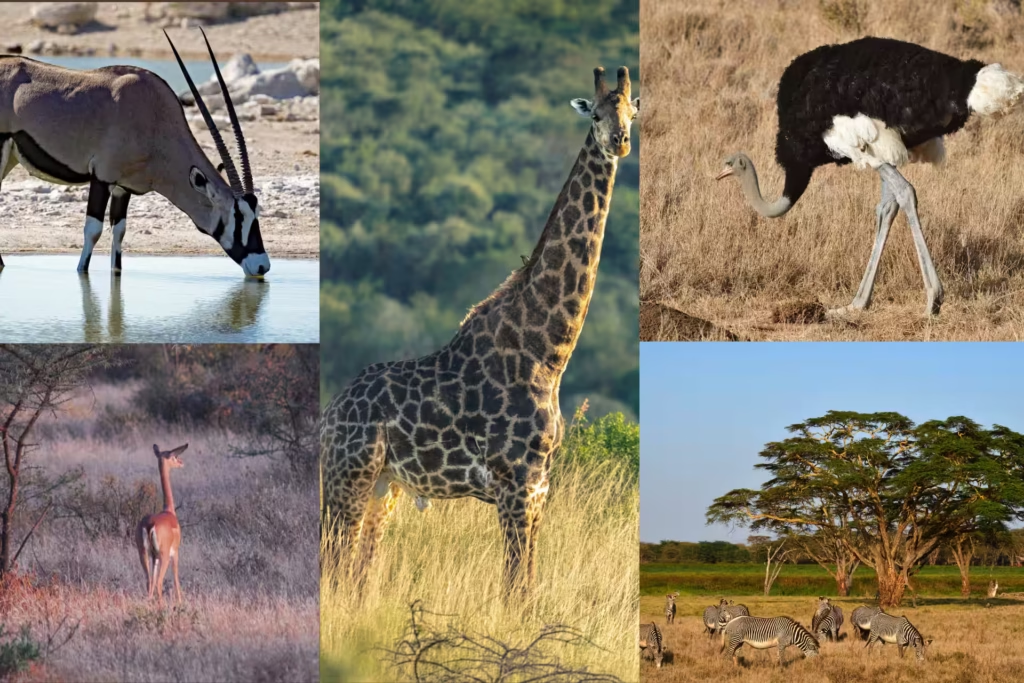
The Samburu National Reserve in northern Kenya is drier, more remote, and less visited than the Mara. It’s also the only place where you can find all five species known as the Samburu Special Five.
These five animals are found only in the semi-arid north and don’t exist in Kenya’s southern parks:
Grevy’s zebra is the largest zebra species, with narrow stripes and large round ears. It’s endangered, with fewer than 3,000 left in the wild.
Reticulated giraffe has a distinct coat pattern with large, clearly defined patches. It’s taller and rarer than the Maasai giraffe found in the south.
Somali ostrich has blue-grey legs and neck instead of the pink-red of the common ostrich. The male turns bright blue during mating season.
Gerenuk is a long-necked antelope that stands on its hind legs to reach high branches. It never drinks water, getting all moisture from plants.
Beisa oryx is a large, pale antelope with long straight horns and striking black markings on its face.
Seeing all five in one reserve is something you can’t do anywhere else in the world.
Walking with Maasai Warriors
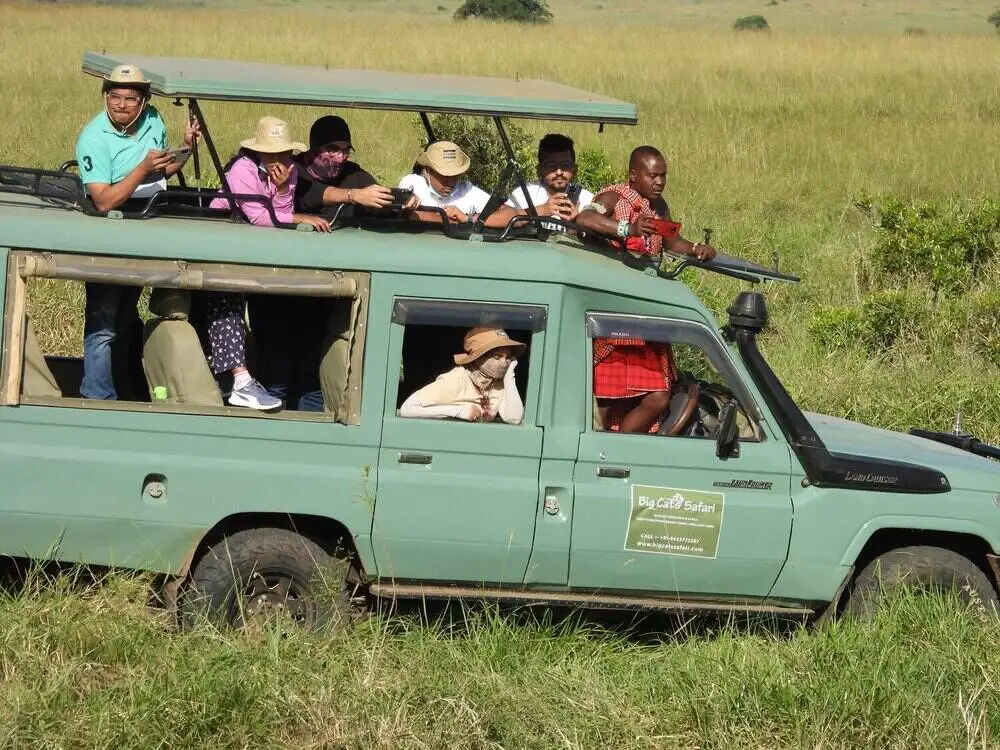
The Maasai people have lived alongside wildlife in Kenya for centuries. Walking safaris guided by Maasai warriors in private conservancies give you a completely different perspective on the bush.
These aren’t tourist performances. Maasai guides read the landscape in ways that take years to learn. They track animals by footprints, broken grass, and dung. They know which plants are medicinal, which trees attract elephants, and how to move quietly through areas with predators.
You walk at ground level, which changes everything. You notice insects, small birds, and plants you’d miss from a vehicle. You feel the ground, smell the air, and hear sounds without engine noise blocking them.
Cultural walking safaris also take you into Maasai villages where you see how they live. Depending on the conservancy, you might meet families, learn about cattle herding, or watch traditional ceremonies.
This experience is available in private conservancies like Ol Kinyei, Naboisho, and Olare Motorogi, all adjacent to the Masai Mara.
Rhino Conservation at Ol Pejeta Conservancy
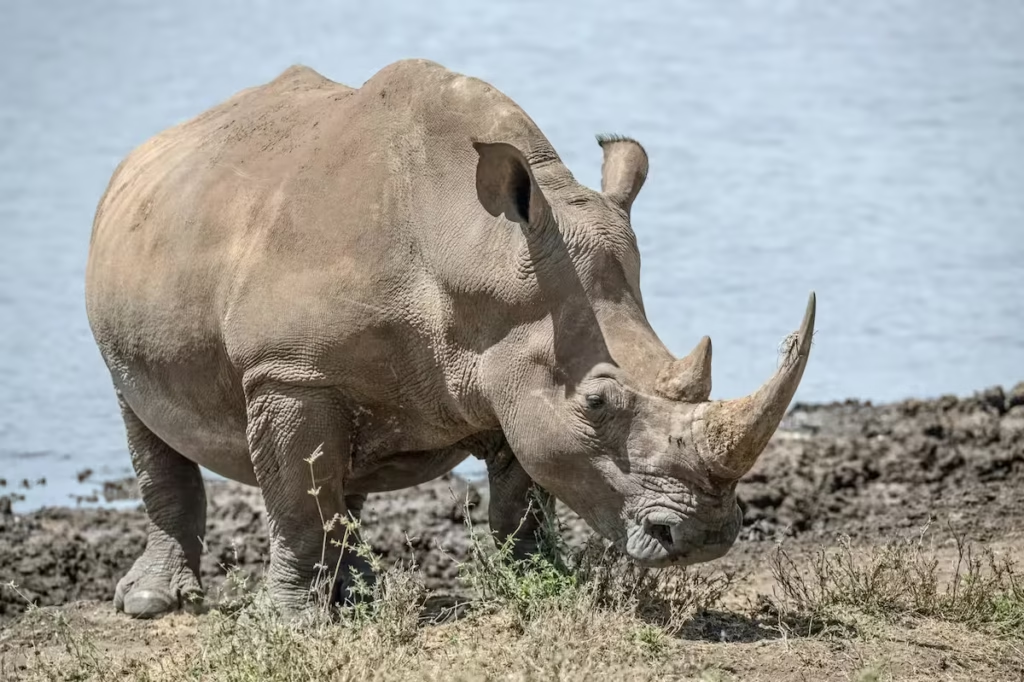
Ol Pejeta Conservancy in central Kenya is the largest black rhino sanctuary in Africa. It also holds the last two northern white rhinos on Earth, both female, both under 24-hour armed guard.
The northern white rhino is functionally extinct. The last male, Sudan, died in 2018. Scientists are now working on IVF techniques using stored genetic material to try to bring the subspecies back. At Ol Pejeta, you can stand a few meters from Najin and Fatu, the two surviving females. It’s a sobering experience.
Ol Pejeta is also home to large numbers of black rhinos, which are critically endangered but have recovered well here due to intensive protection. White rhinos, lions, cheetahs, elephants, and chimpanzees (in a rescue sanctuary) also live in the conservancy.
The conservancy allows night game drives and behind-the-scenes conservation tours, which most Kenyan parks don’t permit.
Hot Air Balloon Safari over the Mara
Hot air balloon safaris run year-round in the Masai Mara, but migration season makes them exceptional.
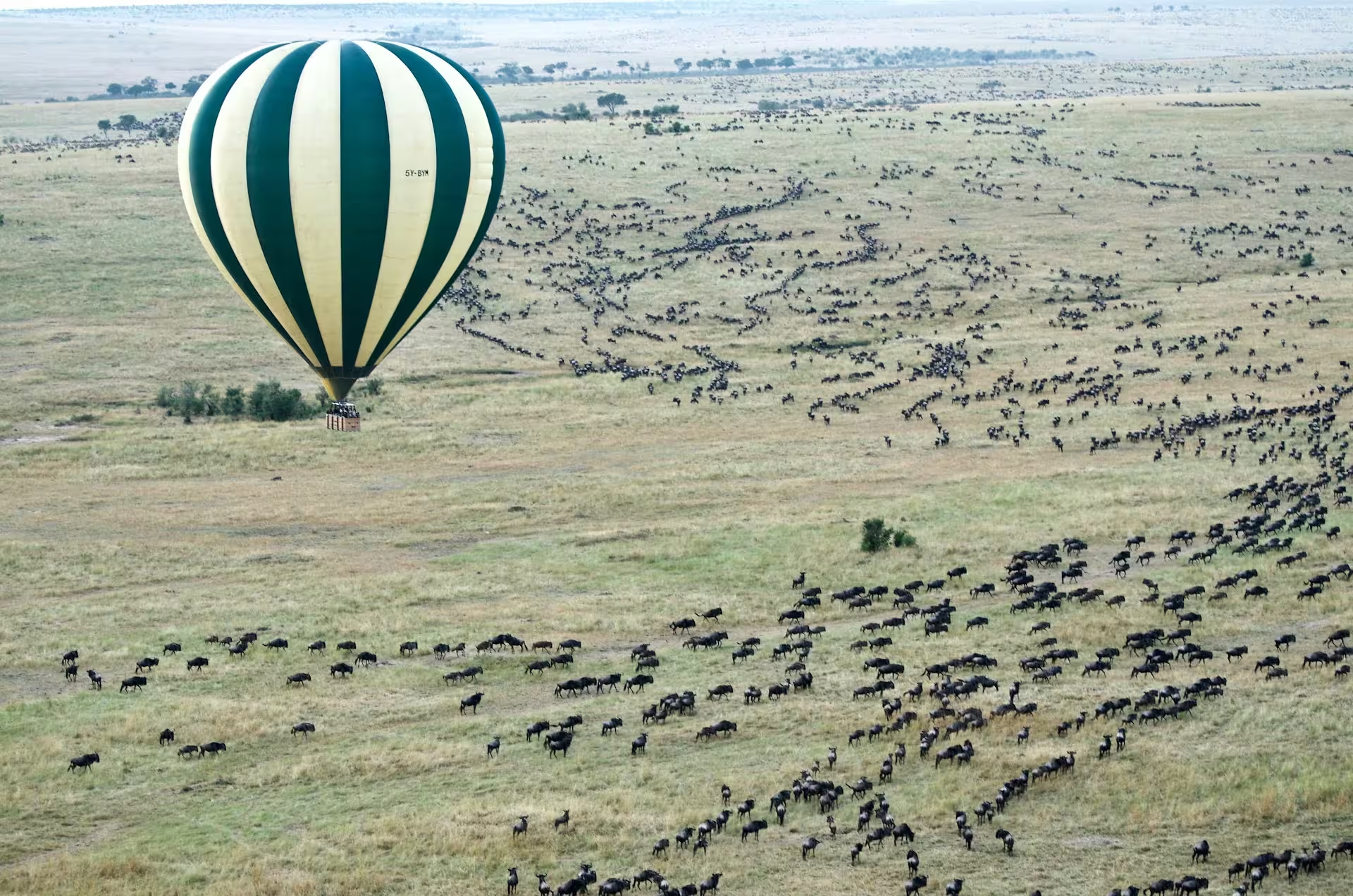
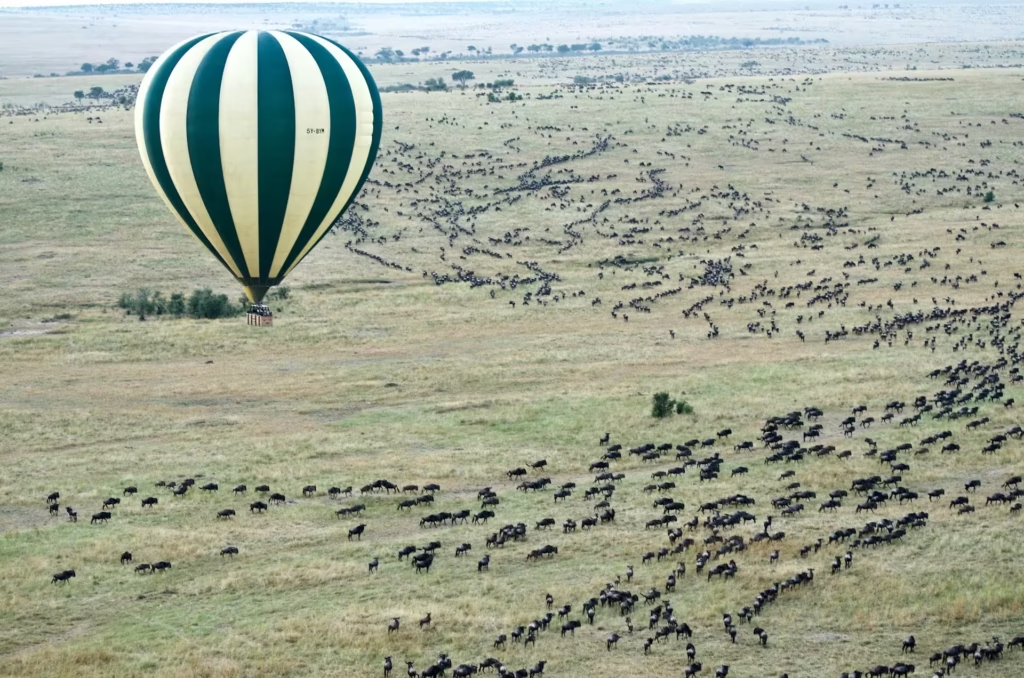
Flights launch before sunrise. You drift silently over the plains as the sun rises, watching the landscape come alive below. During migration, the view shows tens of thousands of wildebeest spread across the grass as far as you can see. Columns of animals stretch to the horizon.
From the balloon, you see things you can’t see from a vehicle. River bends where crocodiles wait, lion prides moving before the day gets hot, herds crossing open ground in long lines. The silence at altitude makes it feel removed from everything.
Flights last about an hour. They end with a champagne breakfast served in the bush wherever the balloon lands, which changes every flight depending on wind direction.
This is one of the more expensive Kenya safari experiences, but the perspective it gives you on the landscape and the scale of the migration makes it worth it.
Birdwatching at Lake Nakuru
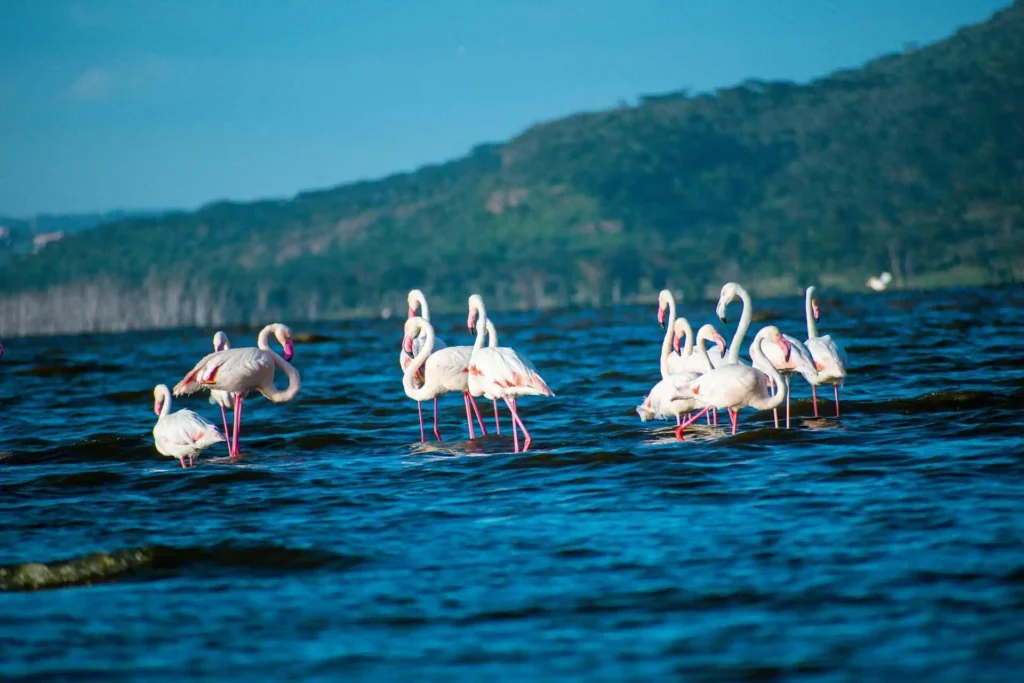
Lake Nakuru in the Rift Valley is one of Kenya’s most important birdwatching destinations. The alkaline lake supports massive numbers of flamingos, sometimes hundreds of thousands gathered on the shoreline at once.
When flamingo numbers are high, the lake’s edge turns pink. It’s one of Africa’s most photographed wildlife scenes. Lesser flamingos feed in the shallows, filtering algae through their bills. Greater flamingos wade in deeper water. The noise and color are hard to describe.
The park around the lake holds over 450 bird species in total. Pelicans, cormorants, herons, and fish eagles are common. The surrounding forest brings in different species, including the rare African fin foot.
Nakuru is also a rhino sanctuary. Both black and white rhinos live here, and sightings are relatively easy compared to other parks. Lions, leopards, and large herds of buffalo and waterbuck also roam the park.
Lake Nakuru is a three-hour drive from Nairobi and works well as a two-night stop on a longer Kenya circuit.
“Born Free” History in Meru National Park
Meru National Park is where Joy and George Adamson raised Elsa the lioness and eventually released her back into the wild. The story became the book and film “Born Free,” one of the most important conservation stories ever told.
The park itself is remote and rarely crowded. It sits in northeastern Kenya, far from the main tourist circuits, which means you often have game drives to yourself. The vegetation is denser than the Mara, with riverine forests, open plains, and rocky hills.
Meru has recovered well from a period of heavy poaching in the 1980s and 1990s. It now holds large numbers of elephants, buffalo, lions, leopards, cheetahs, and one of Kenya’s healthiest populations of Grevy’s zebra.
The Tana River runs through the park, supporting hippos and crocodiles. White rhinos were also reintroduced here.
For anyone who knows the Born Free story, visiting Meru adds a layer of history and meaning that most national parks can’t offer.
Walking Safari in Hell’s Gate National Park
Hell’s Gate is unlike any other national park in Kenya. There are no big predators, which means you can walk, cycle, and explore on foot without a guide and without risk of being eaten.
Giraffes walk within meters of you. Zebras graze nearby without running off. Buffalo move past slowly. Warthogs trot along the paths. You experience these animals at ground level and at close range in a way that’s impossible in parks where lions and leopards roam.
The landscape is dramatic. Towering basalt cliffs, rocky gorges, geothermal steam vents, and open grassland create a setting unlike anywhere else in Kenya. Fischer’s Tower, a 25-meter volcanic plug, rises from the valley floor. The main gorge has narrow slots where you scramble between walls that drop straight down.
Hell’s Gate is also the park that inspired the landscape in Disney’s “The Lion King.”
You can rent bicycles at the gate and ride through the entire park. It’s one of the most accessible and genuinely fun safari experiences in Kenya, and it works as a day trip from Nairobi or Nakuru.
Why Kenya Stands Apart
Most safari destinations offer great wildlife. Kenya offers wildlife plus culture plus geography in a combination that’s hard to find elsewhere.
You can watch the world’s greatest migration, stand beside the world’s last northern white rhinos, walk with indigenous guides through private conservancies, and cycle past giraffes in a park shaped by volcanoes. In one country. Often in one trip.
Kenya also has decades of conservation experience. Community conservancies, rhino sanctuaries, and anti-poaching programs have helped bring several species back from the edge. When you visit responsibly, your money supports that work directly.
Plan Your Kenya Safari Right
Kenya’s parks and conservancies each offer something different. If you try to see everything in one trip, you’ll end up rushing and missing the depth each place offers.
Pick two or three experiences that matter most to you and build your trip around them. If river crossings are the priority, base yourself in the Mara in August. If you want rhinos and conservation, include Ol Pejeta. If Kilimanjaro views are on your list, Amboseli deserves two full days at minimum.
Kenya rewards travelers who slow down and stay longer in fewer places. These 10 experiences are all worth your time. Choose the ones that fit your interests, go in the right season, and you’ll come back with stories you’ll still be telling years later.