Africa forces a choice before you even board the plane. Where you sleep determines what you hear at night, how close game comes to your door, and how much the bush feels like a world apart from ordinary life.
Two options define most safari itineraries. The lodge sits in permanent structure – stone, timber, thatch. The tented camp pitches canvas over a steel frame, deep in the wilderness, sometimes just metres from a waterhole or river crossing.
Both put wildlife in front of you. Both offer experienced guides and morning drives. The difference runs deeper than comfort level. It comes down to the kind of Africa each one gives you.
Neither is better. Each suits a different traveller.
Understanding the Difference
A safari lodge is a permanent structure. Walls, roof, plumbing, and electricity. Most sit on the boundary of a reserve or inside a private conservancy. They operate year-round, serve sit-down meals, and offer the kind of comfort that holds a family or first-time visitor without asking too much in return.
A tented camp is different in almost every way. Canvas sides, a zip at the entrance, a wooden deck over dry ground. Some camps use bucket showers heated over a fire. Others have running water but keep the walls thin. The point is proximity – to the sounds, the air, and the movement of wild animals at close range.
Both qualify as luxury in the broader safari market. The distinction is not price. It is experience.
What Life Feels Like in a Lodge
Lodges run on a rhythm. Wake-up call before dawn. Tea or coffee brought to your room. A game drive through the reserve as light breaks across the grass. Return for breakfast, rest through the midday heat, then another drive in the late afternoon.
The structure holds. Meals appear on time. Staff move quietly through well-built spaces. A pool sits in shade for the hottest hours. In the evening, a fire burns in a common area and dinner is served under an open sky.
This rhythm suits travellers who want Africa without the logistical uncertainty. Families with children need predictable mealtimes and secure spaces. First-time visitors benefit from a controlled entry into bush life before committing to something wilder.
Lodges also carry variety. Some sit inside major national parks like the Serengeti or Masai Mara. Others occupy private conservancies adjacent to those parks, where vehicle numbers are capped and the experience feels quieter.
What Life Feels Like in a Tented Camp
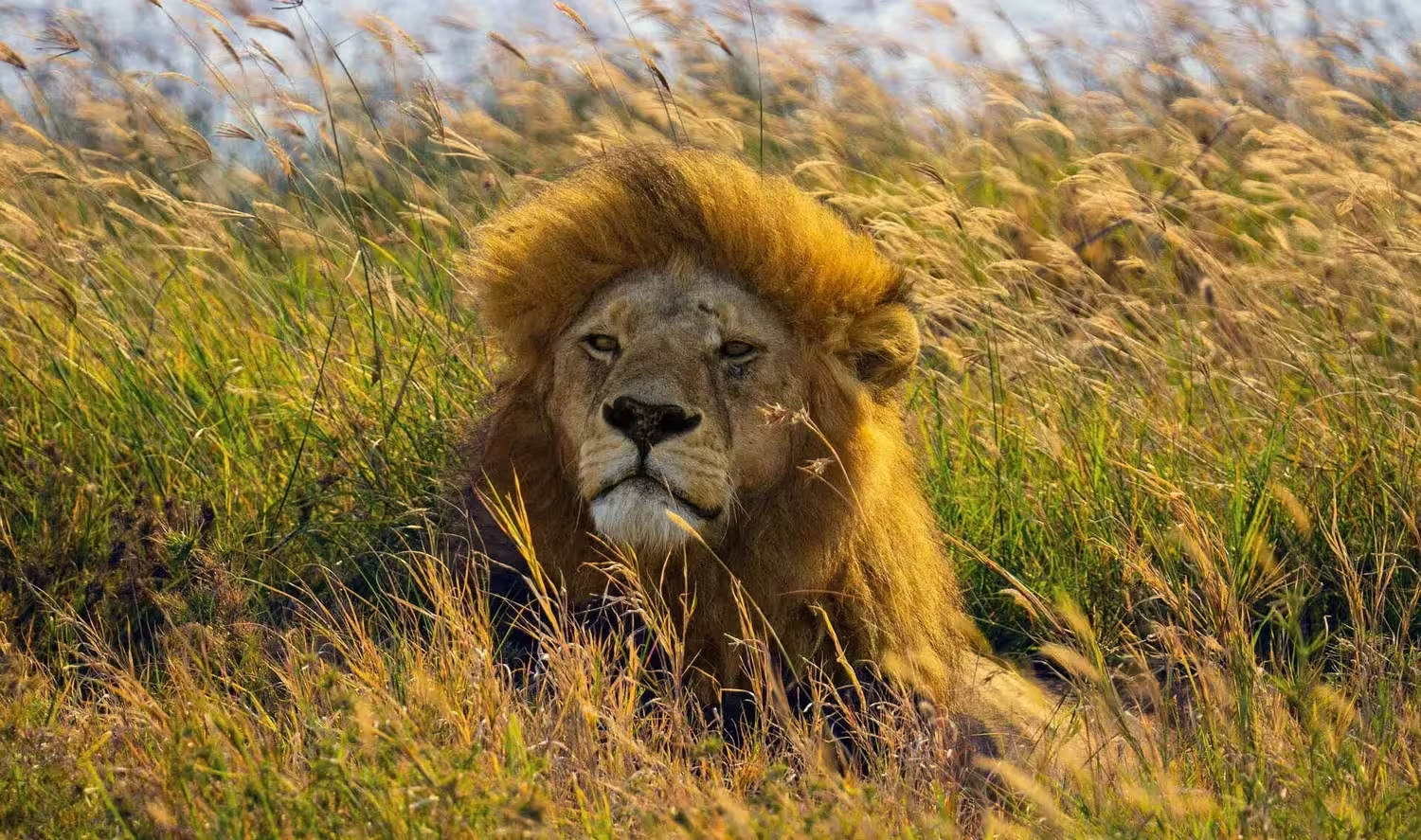
A tented camp asks more of you. Not in terms of hardship, but in terms of attention. You hear things at night that a lodge room blocks out. Hyenas call from across the floodplain. Buffalo move through camp in the dark. A lion coughs on the far bank of the river.
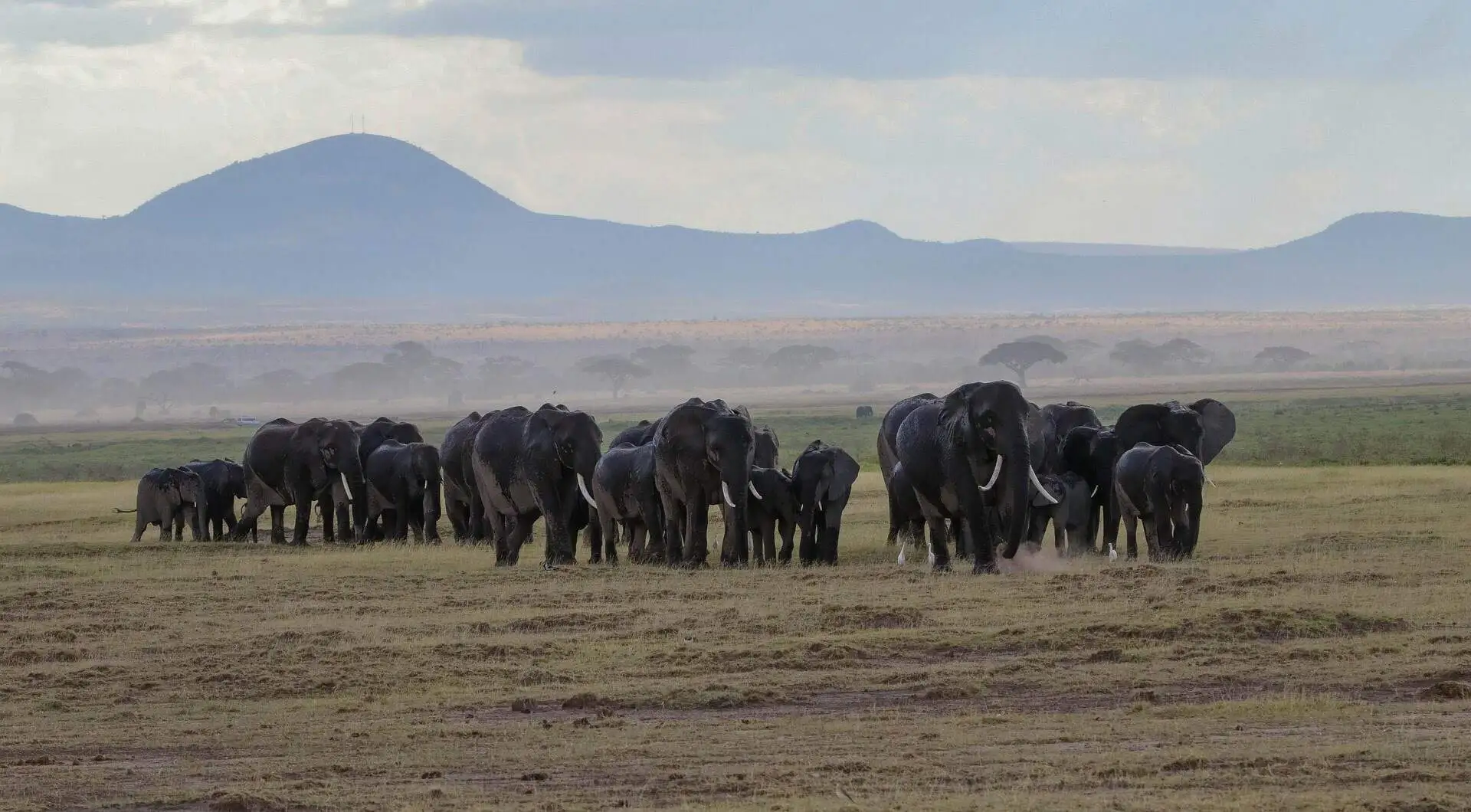
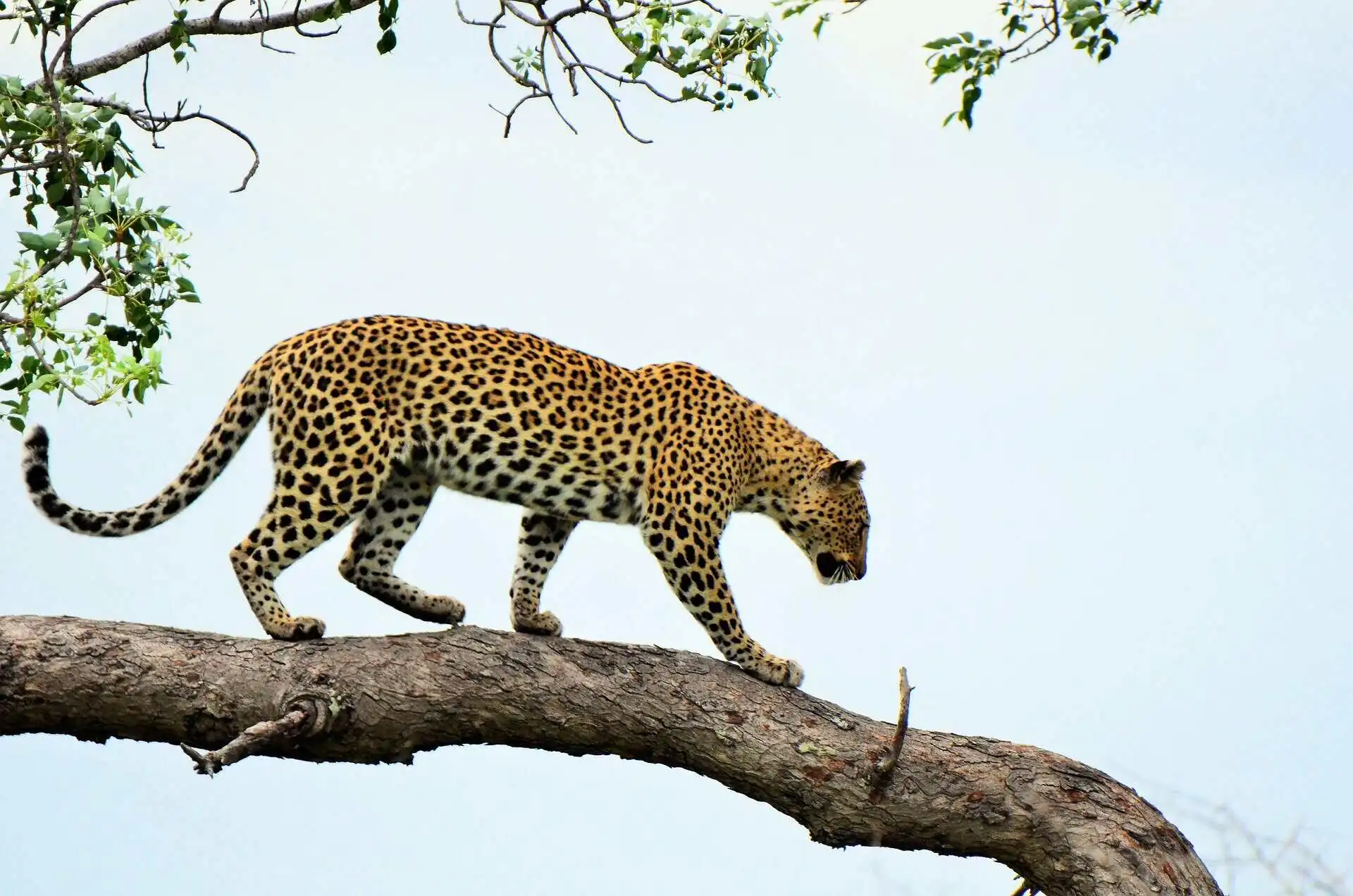
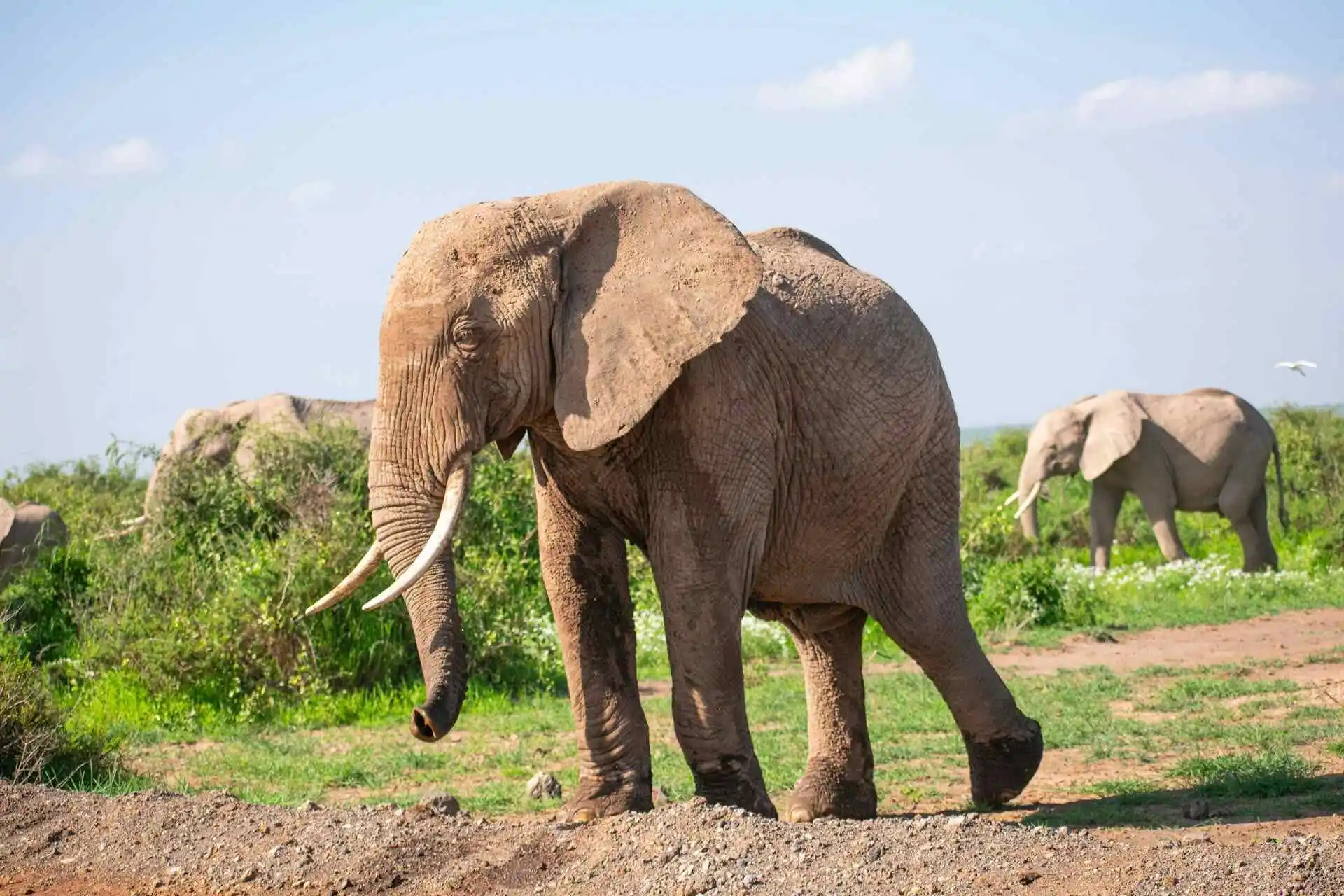
Morning drives begin the same way. The difference is what happens between them. In a camp set deep inside a private concession, game passes through at any hour. A leopard may cross the path between your tent and the mess area. An elephant may stand twenty metres from your shower while you wash.
Camps on private land operate under different rules than national parks. Guides can drive off-road to follow predators. Night drives run after dark. Walking safaris depart at first light with an armed ranger. These activities rarely come with a lodge inside a national park.
The bush does not wait outside a tented camp. It moves through it.
How Location Changes Everything
The table below captures the practical differences between the two options across the factors that shape a safari most.
| Factor | Lodge | Tented Camp |
|---|---|---|
| Position in landscape | Reserve edge or nearby town | Deep inside wilderness |
| Night sounds | Quieter, more enclosed | Full bush - lions, hyenas, insects |
| Drive time to sightings | Often 20–40 minutes | Game may be outside your tent |
| Exclusivity of game area | Shared reserve traversing | Private concessions, fewer vehicles |
| Facilities | Pool, spa, restaurant, bar | Bucket shower, lantern, open mess tent |
| Seasonal availability | Open year-round | Many close in wet season |
| Best suited for | Families, first-timers | Couples, serious wildlife travellers |
Pricing: What Each Option Actually Costs in Africa
Price in Africa safari does not follow a simple lodge versus camp divide. Both formats span a wide range. What drives cost is land, exclusivity, location, and the number of guests a property holds at any one time.
A budget lodge inside a shared reserve in Tanzania or Kenya starts around $150 to $300 per person per night. That rate covers a room, meals, and one or two game drives on shared vehicles. It delivers solid wildlife. It does not deliver exclusivity.
Mid-range lodges run $300 to $600 per person per night. At this level, most properties include all meals, two daily drives, and park fees. The Masai Mara and Serengeti hold many well-run lodges in this band. Ol Seki, Kicheche Bush Camp, and Ashnil Mara Camp sit around this tier depending on season.
Premium lodges in private conservancies like Laikipia in Kenya, the Sabi Sand in South Africa, run $600 to $1,200 per person per night. Singita Pamushana, &Beyond Phinda, and Elewana properties land here. The price covers fully inclusive stays, smaller guest numbers, and access to private land.
Tented camps on private concessions begin around $700 per person per night at a mid-range level. The higher end of the market, camps like Singita Mara River, Ol Pejeta Bush Camp, or Mahali Mzuri, runs $1,500 to $3,500 per person per night. That figure covers all activities, all meals, internal transfers, and in many cases a dedicated guide.
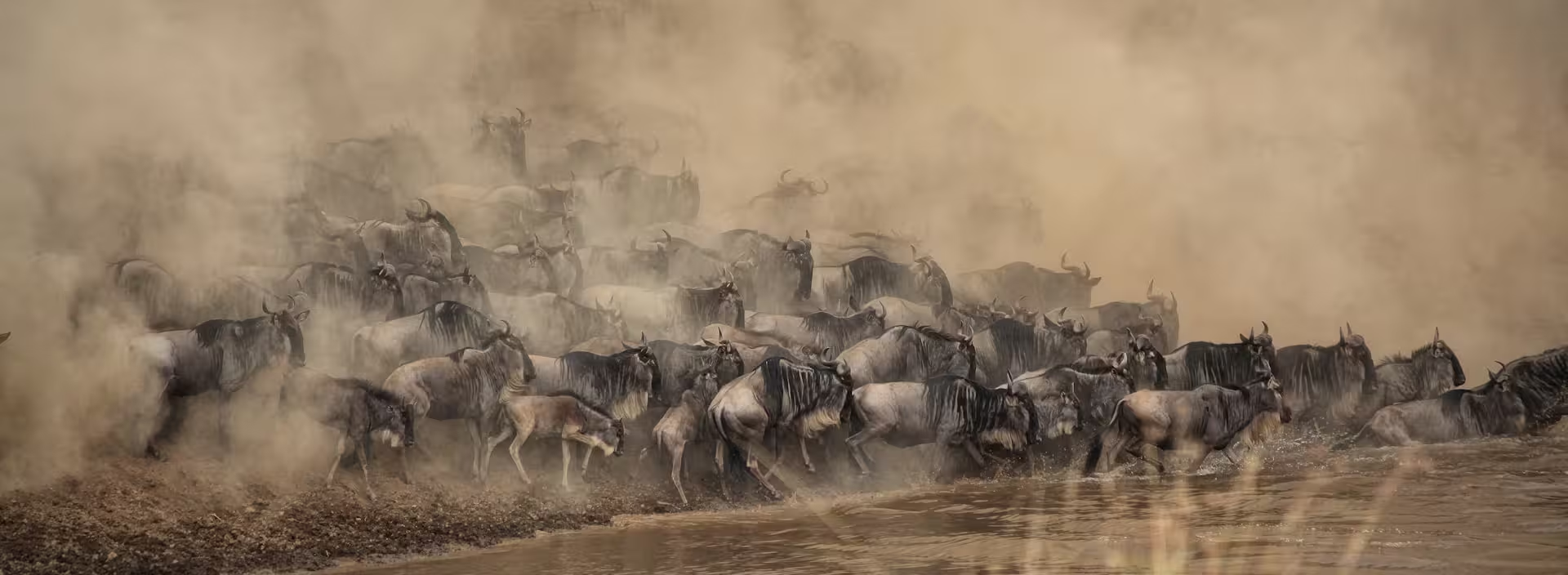
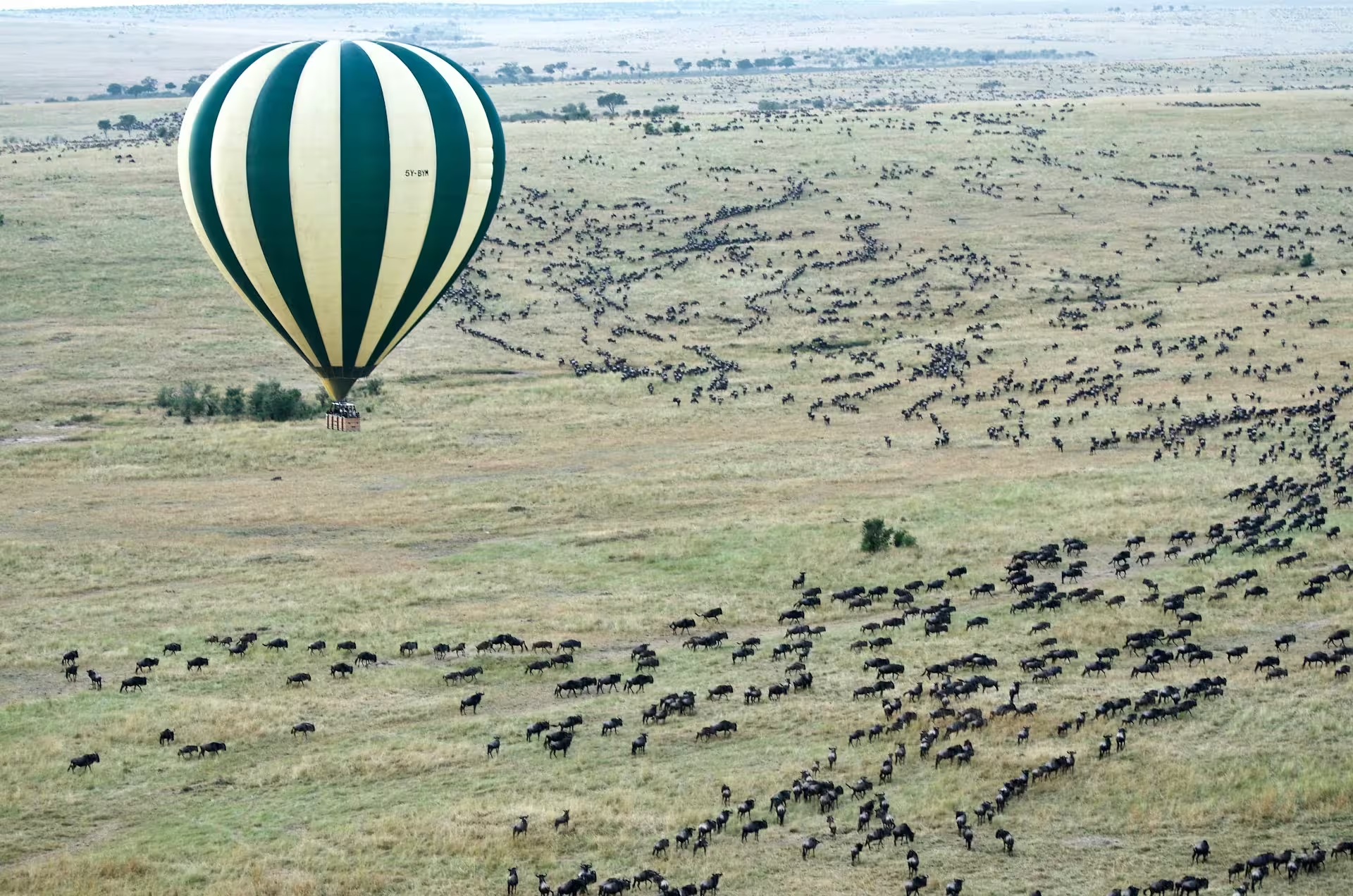
Migration camps during peak season in the Masai Mara from July through October, when the wildebeest cross the Mara River, sit at the top of the range. Position at a crossing site commands a premium. Rates at premier camps reach $4,000 per person per night at the height of the season.
The table below maps price tiers to realistic nightly rates across both accommodation types.
| Tier | Lodge (per person/night) | Tented Camp (per person/night) | What Is Included |
|---|---|---|---|
| Budget lodge | $150 - $300 | Not common at this tier | Room, meals, 1 - 2 shared drives |
| Mid-range lodge | $300 - $600 | $400 - $700 | All meals, 2 drives, park fees |
| Premium lodge | $600 - $1,200 | $700 - $1,500 | All-inclusive, private guide option |
| Ultra-luxury lodge | $1,200 - $2,500+ | $1,500 - $3,500+ | Fully private, all activities, transfers |
| Private concession camp | N/A | $800 - $2,500 | All-inclusive + walking + night drives |
| Migration camp (peak) | N/A | $1,200 - $4,000+ | Prime river crossing position, all-inclusive |
Seasonal Considerations
Seasonal camps follow the wildlife. Some close entirely during the wet season when access roads flood and the tall grass limits visibility. They reopen when the dry season compresses game around shrinking water sources and the viewing improves sharply.
Permanent lodges do not face this problem. They stay open through the rains and often drop their rates during the shoulder months. For travellers with flexible dates, an off-peak lodge can deliver strong game viewing at reduced cost.
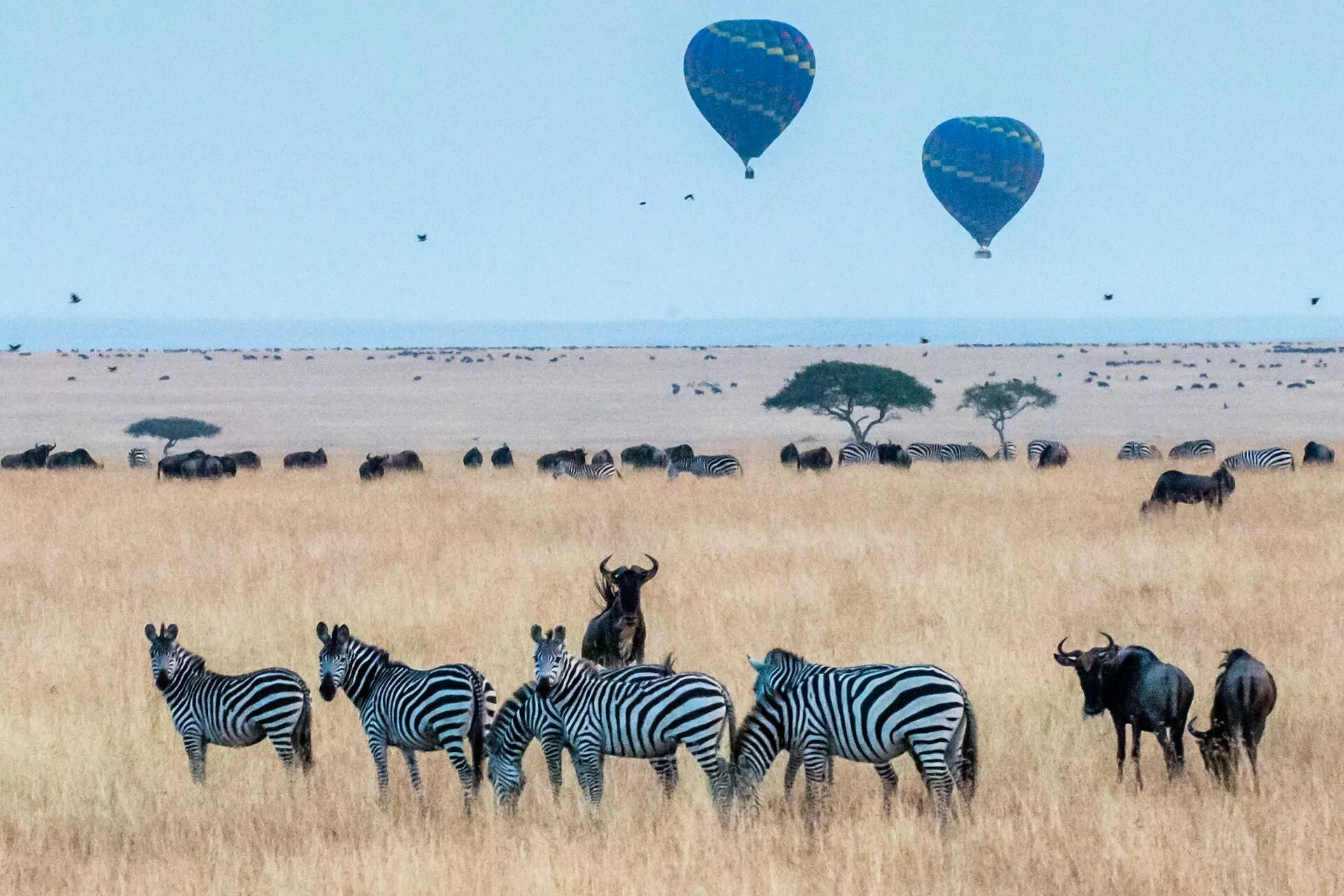
The migration in East Africa shifts camp placement across the year. Temporary camps in the Serengeti move to follow the wildebeest. The best tented camps track the herds north into the Masai Mara between July and October. Timing a tented camp visit to align with the migration changes the experience significantly.
Which Traveller Suits Which Option
The choice comes down to what you want Africa to feel like. The table below maps traveller type to the better option based on experience, not preference alone.
| Traveller Type | Better Choice | Reason |
|---|---|---|
| First-time safari visitor | Lodge | Comfort eases you into the bush experience |
| Couple or honeymooner | Tented Camp | Intimacy and immersion in equal measure |
| Family with young children | Lodge | Facilities, safety, and structured routines |
| Wildlife photographer | Tented Camp | Private concessions, fewer vehicles at sightings |
| Budget-conscious traveller | Lodge | Lower price point with solid game viewing |
| Repeat safari traveller | Tented Camp | Deepens the experience beyond the lodge stay |
Threats to the Tented Camp Experience
Over-tourism inside shared reserves changes the camp experience without changing the camp itself. When a private concession sits adjacent to a national park where uncontrolled vehicle numbers gather at sightings, the buffer breaks down. The exclusivity of the camp no longer insulates the drive.
The best operators address this through land acquisition and conservation partnerships. Camps that hold or lease large private concessions protect the quality of what they sell. Travellers should ask how much private land the camp controls before booking.
Some seasonal camps have also grown in size as demand increased. Camps that once held eight tents now hold twenty. The intimacy drops. The footprint grows. Camp size is worth checking – smaller camps with fewer guests hold the original quality of the experience more reliably.
Why Both Have a Place in Africa Safari
The strongest safari itineraries often combine both. A lodge entry eases the first-time traveller into the rhythm of the bush. A tented camp deepens the experience at the end. By day three in a lodge, the night sounds no longer startle. A tented camp after that lands differently than it would on day one.
Repeat travellers sometimes move the other way. They return to a camp they love, then use a lodge as a base for a different activity – mountain trekking, coastal extension, cultural visit. The two formats carry different energy and work well in sequence.
Africa does not ask for a single answer. Both the lodge and the camp deliver real wildlife. The difference is texture.
What Big Cats Safari Recommends
Choose a lodge if this is your first safari, if you are travelling with young children, or if comfort is a genuine priority rather than a compromise. The bush will meet you there. You will not miss what a tented camp offers until you have spent a night in one.
Choose a tented camp on a private concession if you have done a lodge before, if you want walking safaris and night drives, or if you want Africa to feel close in a way that a built structure cannot fully deliver. The investment is higher. The return is different.
If the trip allows for both, move from lodge to camp. Let the lodge settle you. Let the camp change you.
Africa rewards patience. The right accommodation gives you space to exercise it.