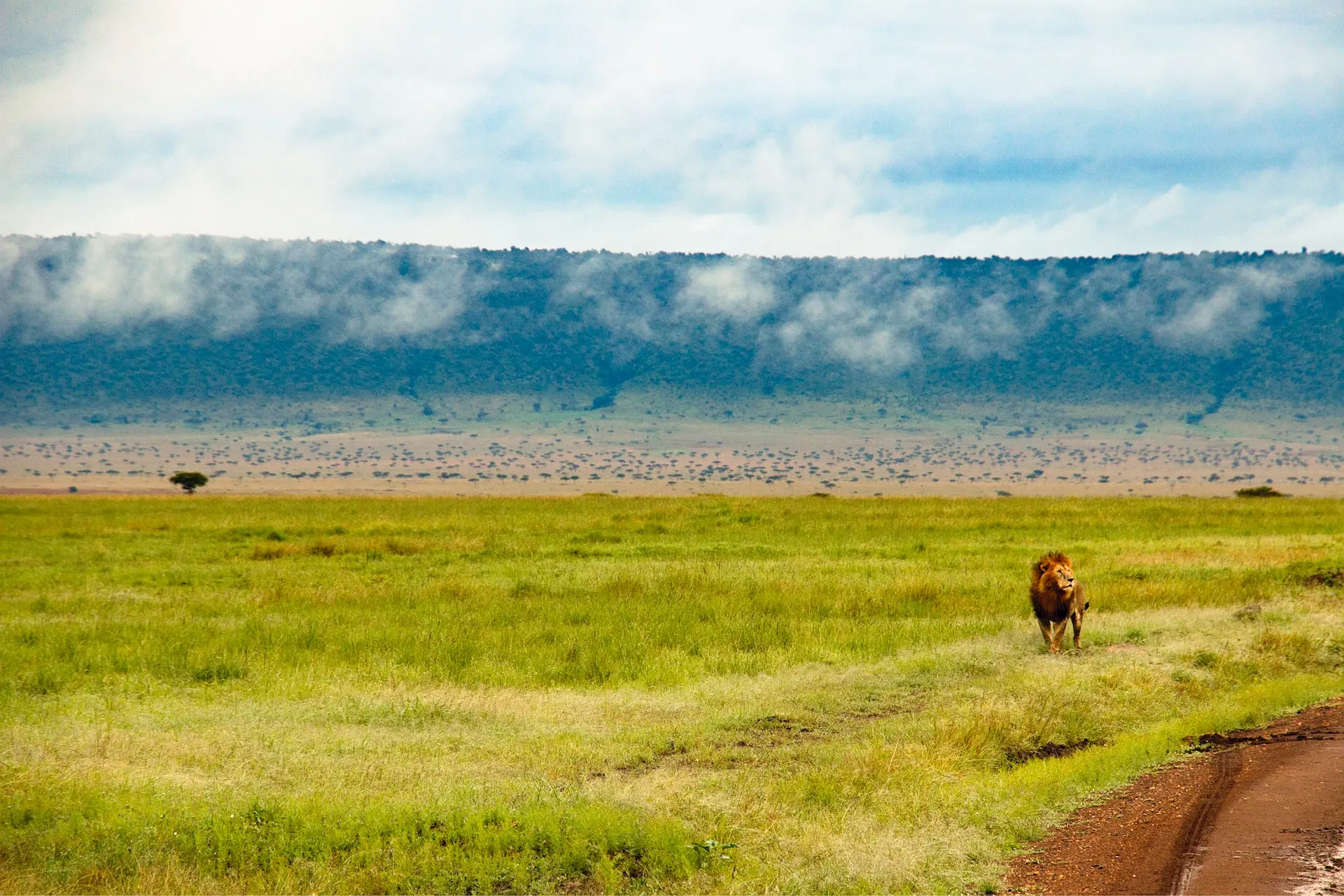
Jacob lived on the open savannah and moved with three strong legs. His story spread across wildlife circles because it showed how much an injured lion can achieve with discipline and courage. His journey reflects the power of adaptation. It also proves that survival depends on mindset as much as muscle.
This blog explores the complete story of Jacob the three-legged lion. It also explains how lions adapt to injuries, why pride support matters, and why Jacob’s life continues to inspire millions. The story also brings valuable lessons about resilience, leadership, and the natural world.
Three-Legged Lion Story: How Jacob Lost His Leg
The savannah can change in seconds. Jacob learned this during a tense hunt near a dry riverbed. A rogue buffalo caught him off guard. The Cape buffalo charged with force and struck Jacob’s hind leg. The bone cracked. The damage spread through the joint. Jacob escaped after a long struggle, but the injury changed his life forever.
He spent weeks under shade with shallow breaths. The pride watched from a distance. Many lions do not survive such injuries. Predators smell weakness. Hunger grows fast. Jacob fought through each day. He shifted his position slowly. He kept his wounds clean by licking the edges. His balance improved over time. His body healed around the missing limb.
The loss forced him to rebuild his entire movement pattern. It also pushed him to discover new strengths he never needed before.
Life After Injury: How a Three-Legged Lion Learns to Survive
A disabled lion faces more danger than a healthy one. Every movement takes more energy. Long chases become difficult. Jacob understood this early. He studied the land. He used tall grass for cover. He rested during hot hours. He changed his diet when needed. His survival depended on smart decisions.
He improved his weight shift and found a rhythm that suited his body. His tail helped him balance. His front legs grew stronger because they carried more pressure. He used short bursts of speed instead of long runs. He saved energy for moments that mattered.
Most lions use strength first and strategy second. Jacob reversed that order. Strategy became his main tool. Strength followed behind it.
Jacob the Three-Legged Lion Rebuilds His Hunting Skills
Hunting with three legs demands precision. The first step matters. The second step must land on stable ground. The final push must hit with power. Jacob mastered this through practice. He targeted smaller prey at first. He tracked injured animals. He followed waterholes where movement slowed.
The pride watched him improve. They noticed his timing. They saw how he used wind direction. They realised he was not weaker. He was wiser. His hunts became more consistent. His confidence returned.
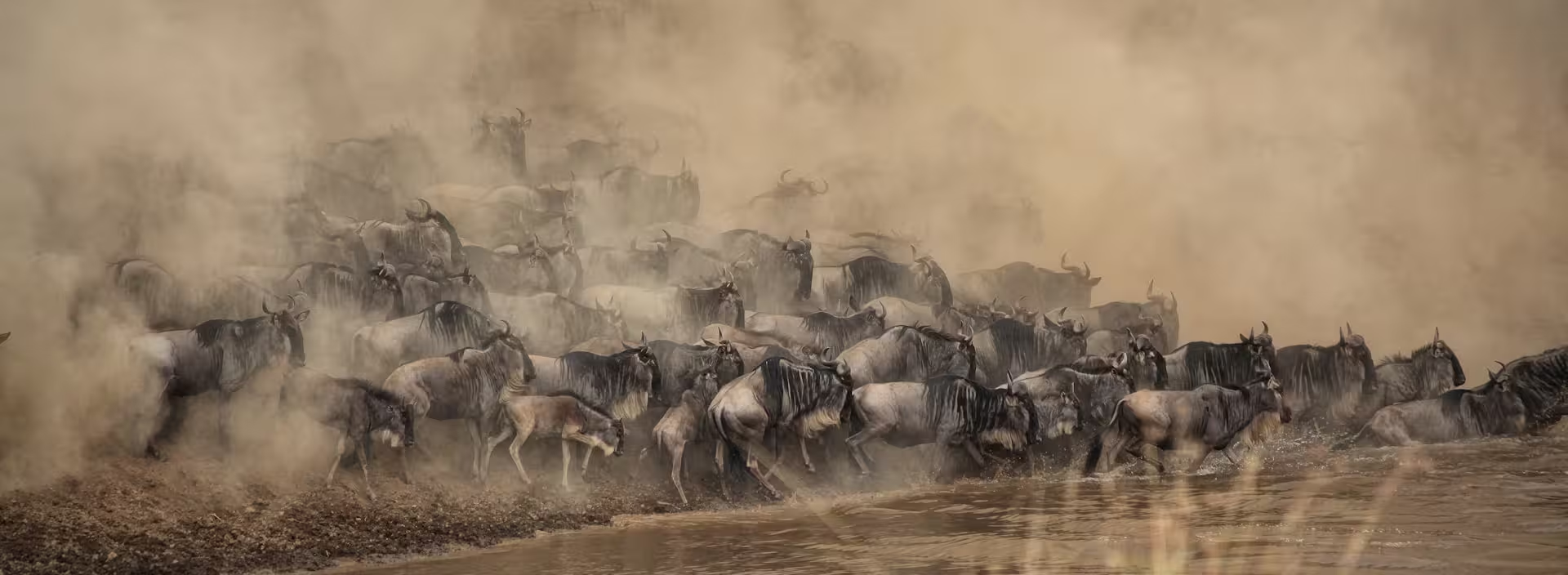
One hot morning he saw a young wildebeest near a waterhole. He planned each move with care. The wind turned in his favour. He sprinted with controlled steps. His body leaned forward. He reached the calf in seconds. The hunt ended fast. The pride greeted him with trust and respect. That victory restored his place in the group.
For travellers deciding where to see lions like Jacob, our Kenya vs Tanzania safari comparison offers a clear breakdown.
Three-Legged Lion Leadership: How Jacob Earned Respect
Leadership in a pride usually comes from physical strength. Jacob created a new form of leadership. He led with patience. He studied danger before attacking. He saved energy for the right moment. He protected cubs by watching for hyenas. His simple habits created safety for the pride.
He trained younger lions without trying. They copied his silent steps. They followed his calm reactions. They saw how he handled each challenge. The pride trusted these skills more than brute force.
Jacob did not set out to become a leader again. He simply refused to stop learning. True leadership grows from steady choices. Jacob proved this every day.
A Three-Legged Lion’s Role in Pride Dynamics
Wildlife experts note that lions with serious injuries often depend on their pride. A pride offers safety. It offers food. It offers structure. Jacob used this support during his recovery. In return, he contributed to the pride by sharpening their hunting strategies.
He taught them to use terrain. He found routes that saved energy. He spotted waterholes with soft mud that slowed prey. These tactics improved their success. The pride benefited from his presence.
Jacob’s story shows how an injured lion can still improve the group. Wildlife researchers often study these cases in reserves. These studies help explain social behaviour in predators.
To understand how lions across regions adapt differently, see our guide on the African lion vs Asiatic lion comparison.
Adaptive Behaviour in Injured Lions: Real-World Survival Facts
Jacob’s story aligns with common patterns seen in wild lions. Here are some facts that support his journey:
- Balance and Body Weight: A three-legged lion shifts weight to the strongest front leg. This creates a stable triangle with the remaining legs.
- Hunting Style Changes: Stealth becomes more important than speed. Cover offers more value than distance.
- Energy Management: Injured lions reduce movement during hot hours. This protects muscle strength.
- Pride Support: A pride often shares food with injured members. This support lifts survival chances.
- Healing Time: Large injuries can take months before movement stabilises.
Jacob used each of these natural advantages to rebuild his life.
Why the Story of Jacob Inspires Readers Across the World
People connect with Jacob because his story mirrors real struggles. Everyone faces setbacks. Everyone deals with moments of doubt. Jacob’s journey shows how persistence turns challenges into turning points.
Children admire his bravery. Wildlife lovers admire his skill. Adults see the deeper meaning behind each step. His story spreads across online communities because it carries hope and strength. It encourages people to keep trying even when the path feels heavy.
Jacob’s life teaches that progress often looks slow. That slow progress still moves us forward.
Three-Legged Lion Symbolism: What Jacob Represents
Jacob represents resilience. He represents calm strength. He represents the power of adaptation. He shows that courage can live in quiet actions.
His story reflects more than wildlife. It reflects human life. People draw lessons from his journey because it shows how much a strong mindset matters.
Jacob also represents the beauty of natural survival. Nature does not promise fairness. It rewards patience and determination. Jacob understood this. His story continues to inspire because it offers a simple message. Keep moving. Keep learning. Keep leading.
Different Paths to Survival: Jacob vs Dominant Coalitions
Jacob’s story represents one extreme of lion survival adaptation through intelligence and resilience. On the opposite end sits stories like the Mapogo lions coalition, six brothers who ruled through unprecedented violence and power.
Where Jacob learned to hunt smarter, the Mapogos hunted with overwhelming force. Where Jacob earned respect through patience, they commanded fear through aggression. Both survived, but their methods couldn’t be more different.
These contrasting stories show the diverse strategies lions employ in the wild. Jacob proves that disability doesn’t mean defeat. The Mapogos proved that unity creates unstoppable power. Together, these narratives paint a complete picture of lion behaviour in Africa’s toughest landscapes.
Wildlife Conservation and the Importance of Protecting Injured Lions
Jacob’s journey highlights why conservation work matters. Injured lions need protected spaces. They need healthy prey levels. They need room to recover. Wildlife organisations study lions like Jacob to guide conservation plans.
Researchers observe how lions adapt after injuries. They record changes in movement, hunting, and group dynamics. These findings help create better policies. They also help improve visitor education in reserves. Many visitors ask about animals with unique stories. Jacob’s story fits this purpose. It teaches people about resilience and wildlife protection.
Conservation groups share similar stories to inspire support for habitat preservation. Jacob’s journey adds emotional value to these efforts.
The Legacy of Jacob the Three-Legged Lion
Jacob became a legend across the savannah. Not because he was perfect. Not because he won every fight. He earned his place because he refused to quit. His journey from injury to leadership shows how much strength lives within quiet perseverance.
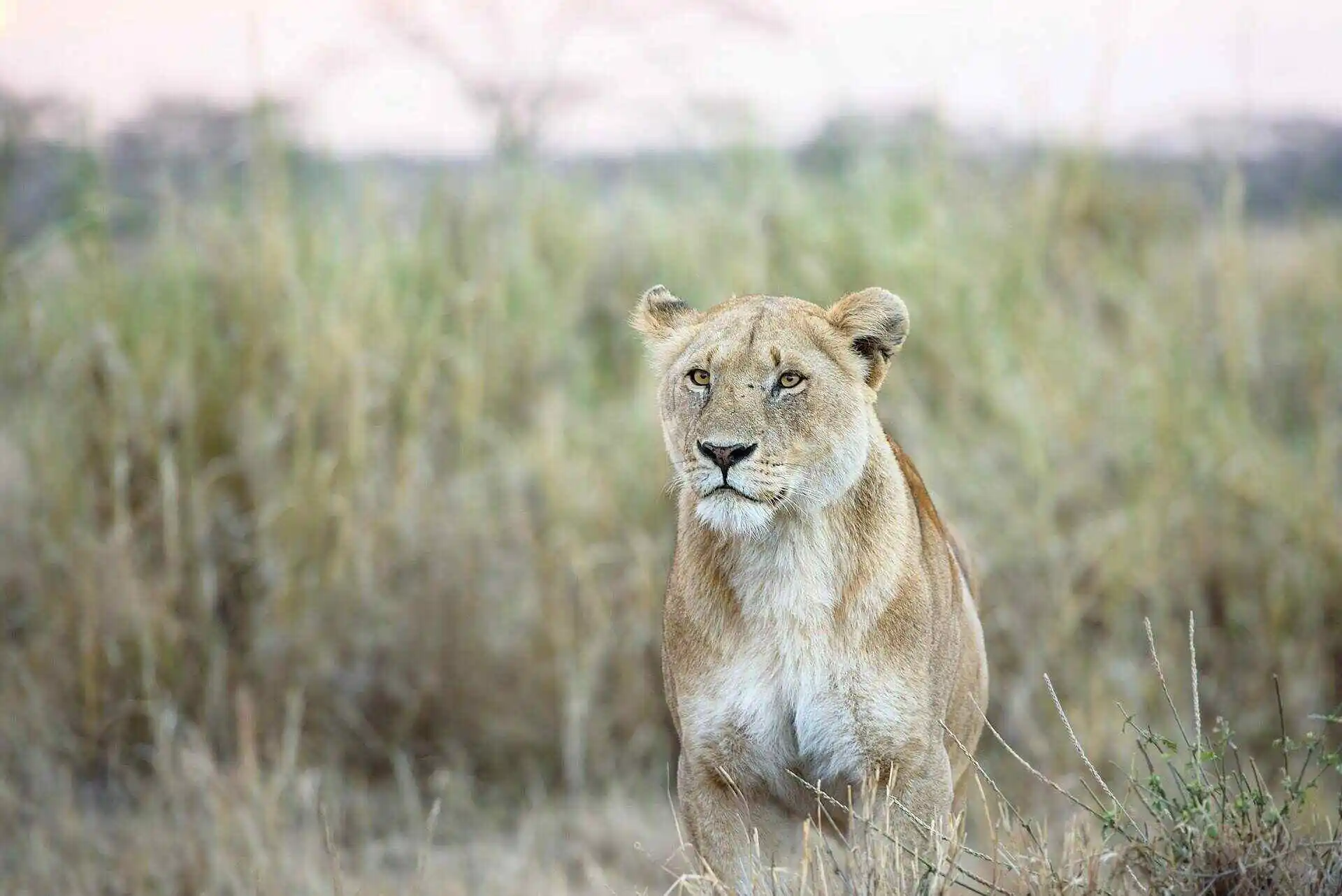
He walked across the land with confidence. His mane moved with the late wind. The grass bent with each step. The sun created long shadows behind him. His story spread through guides, rangers, and wildlife visitors. They saw a three-legged lion who refused to fade.
His legacy teaches one lesson above all. Strength grows through struggle. Jacob embraced that truth. His story continues to remind us that determination shapes destiny.