
Etosha National Park
About Etosha
Etosha National Park is one of the largest and most accessible wildlife destinations in southern Africa. Located in northern Namibia, the park is known for its vast salt pan, open savannah landscapes, and excellent opportunities to see African wildlife at close range.
The park covers about 22,270 square kilometres and was first proclaimed as a protected area in 1907. Today, it remains one of Namibia’s most important conservation areas and a key destination for safari travellers visiting the country.
At the centre of the park lies the Etosha Pan, a massive salt flat that can even be seen from space. During the dry months the pan appears as a wide white plain. In the rainy season, parts of it fill with shallow water and attract thousands of flamingos and other migratory birds.
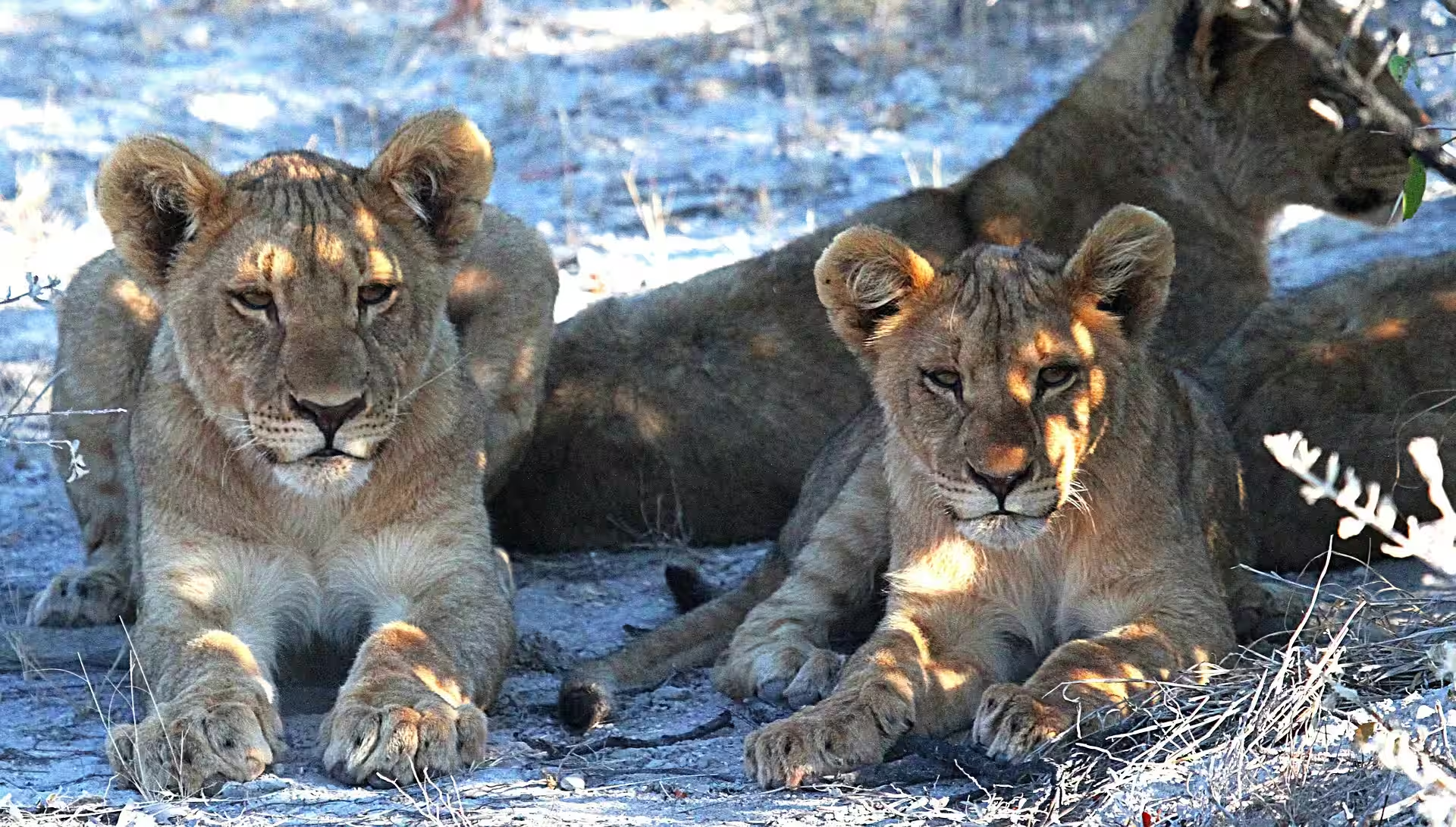
Etosha is famous for its waterhole based wildlife viewing. Natural and man made waterholes across the park attract animals throughout the day, especially during the dry season. Visitors often see wildlife gathering at these water points from safari vehicles or nearby rest camps.
Etosha Wildlife Safaris
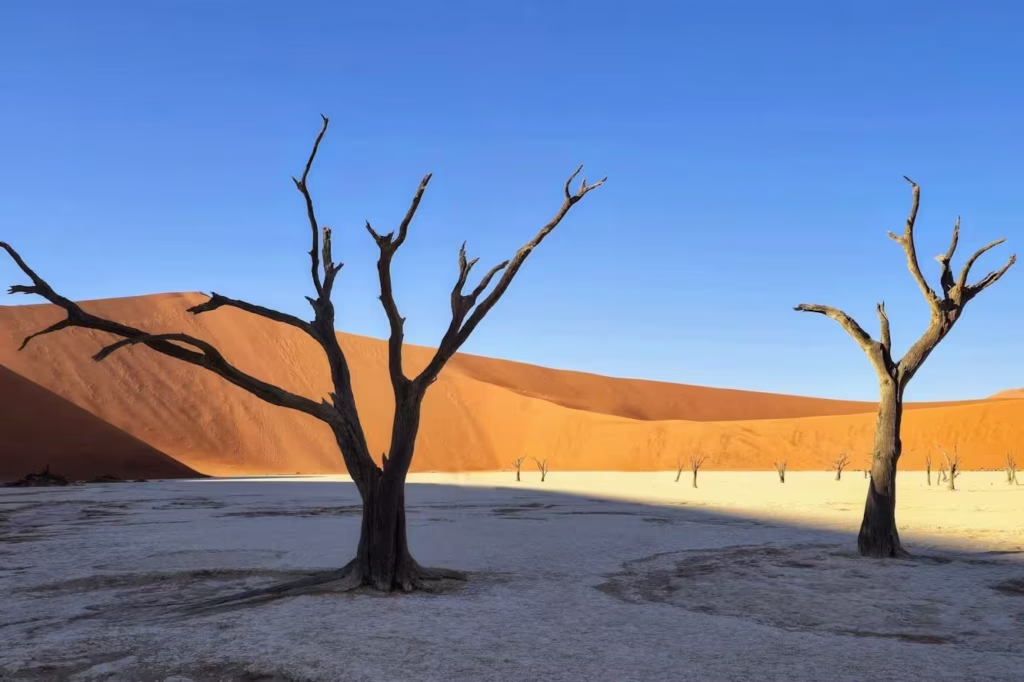
Best of the Namibia Safari
Duration : 10 Days
Destination : Windhoek -> Sossusvlei -> Walvis Bay -> Cape Cross -> Damaraland -> Etosha -> Windhoek
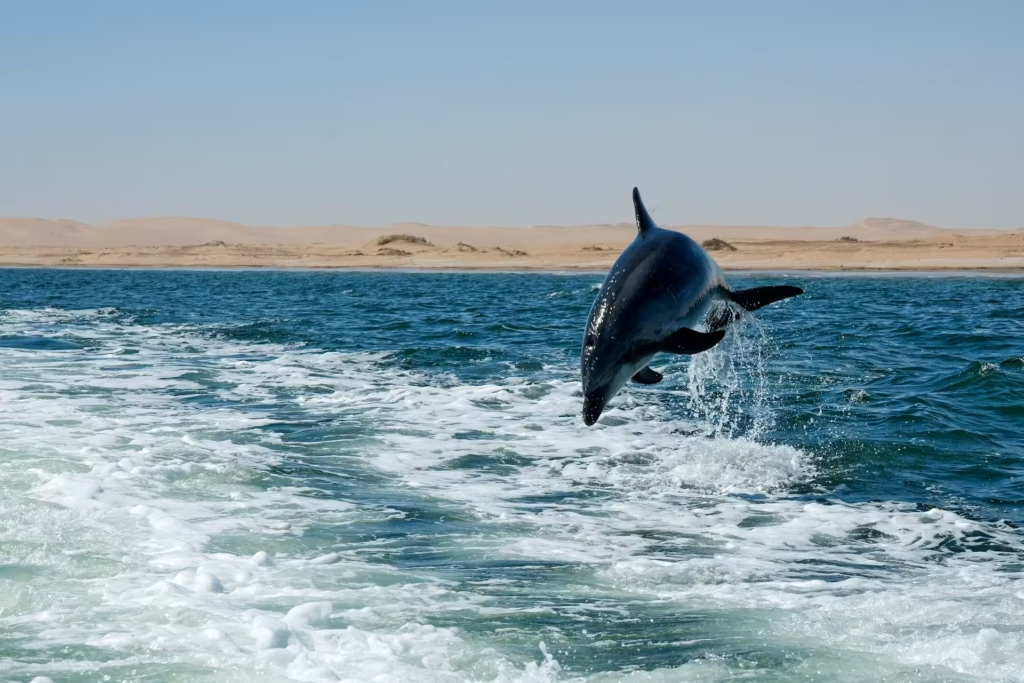
Walvis Bay Coastal Safari
Duration : 5 Days
Destination : Walvis Bay -> Pelican Point Peninsula -> Walvis Bay
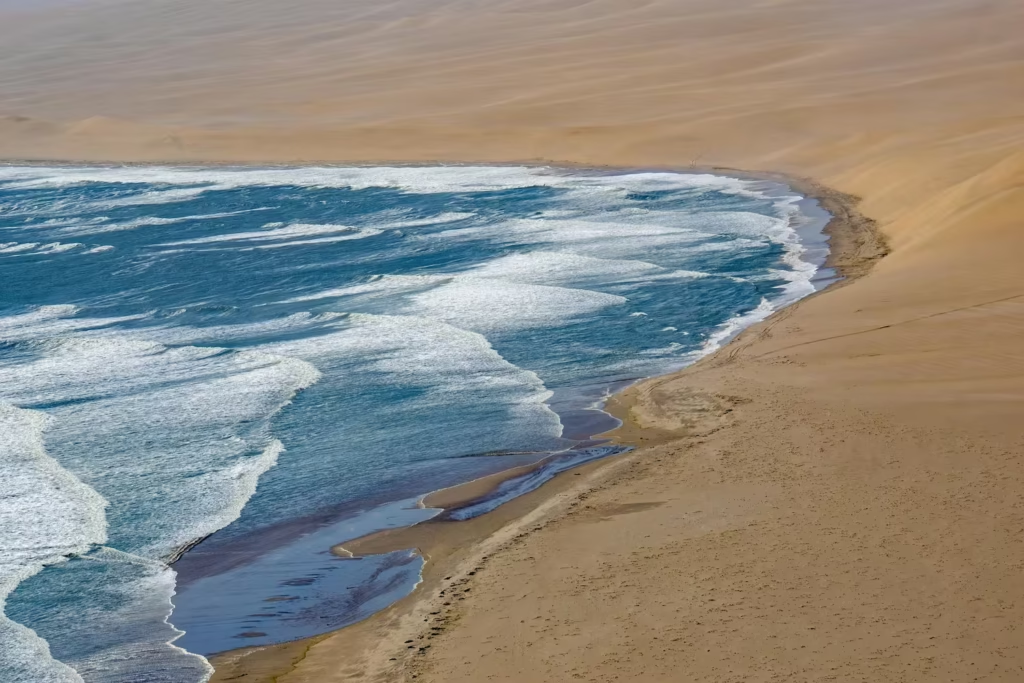
Namibia Desert Coast & Etosha Safari
Duration : 9 Days
Destination : Windhoek -> Canyon Region -> Sossusvlei -> Skeleton Coast -> Etosha West -> Windhoek
Wildlife in Etosha
Etosha National Park supports a large variety of wildlife adapted to Namibia’s dry landscapes. The park’s open plains and waterholes make animal sightings relatively frequent, especially during the dry season when many species gather around permanent water sources. Large herbivores and predators share the same habitats, which creates good opportunities to observe natural wildlife behaviour.
The park is home to more than 100 mammal species, over 300 bird species, and several reptiles that thrive in arid environments. Etosha is also one of the few places in Africa where visitors have a strong chance of seeing the endangered black rhino, often near waterholes inside the park camps at night.
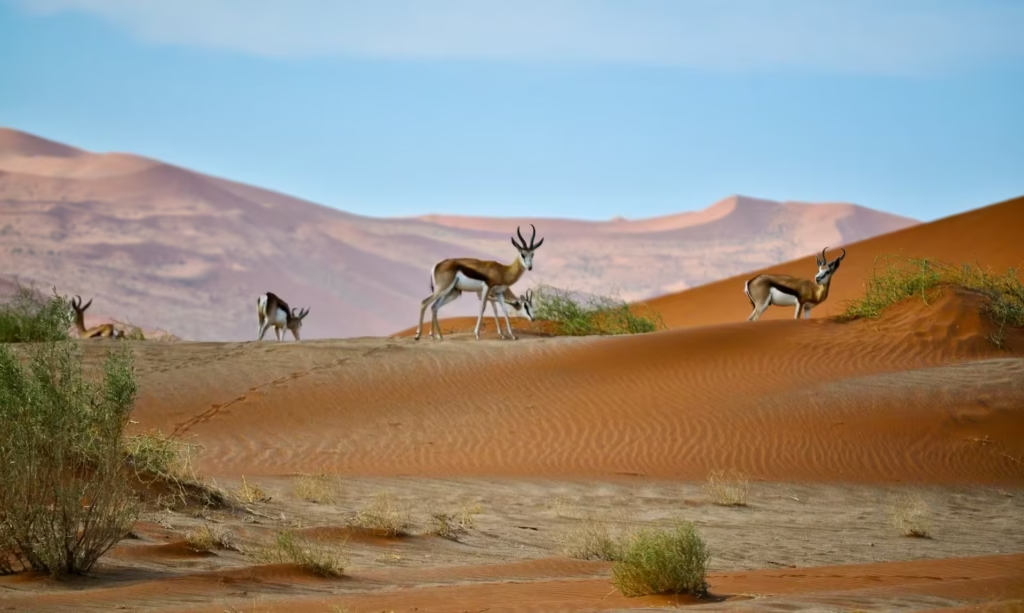
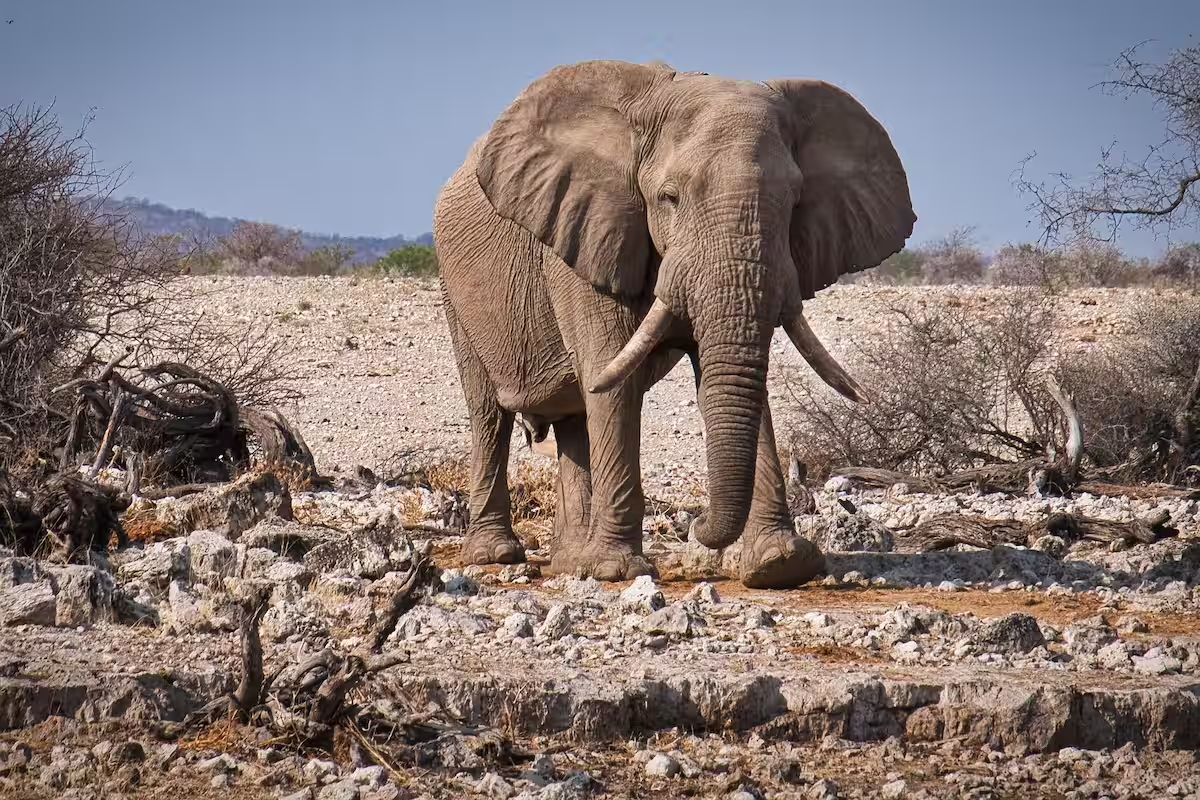
Top Mammals in Etosha
- African Elephant
- Lion
- Leopard
- Black Rhino
- Giraffe
- Plains Zebra
- Springbok
- Oryx (Gemsbok)
- Blue Wildebeest
- Spotted Hyena
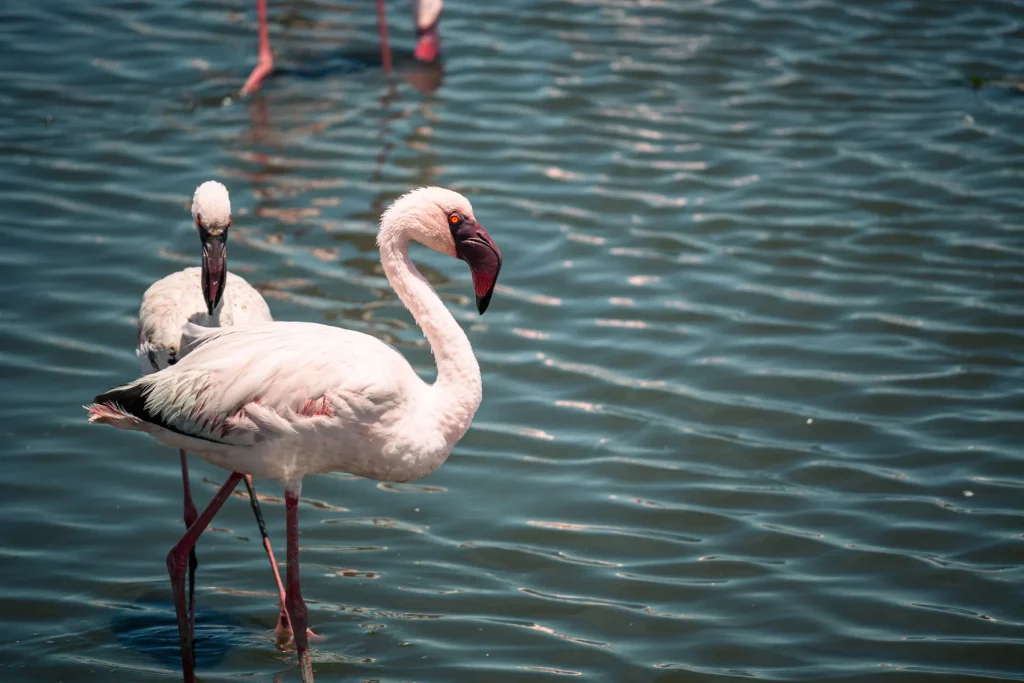
Common Birds in Etosha
- Greater Flamingo
- Lesser Flamingo
- Ostrich
- Kori Bustard
- Secretary Bird
- African Fish Eagle
- Pale Chanting Goshawk
- Marabou Stork
- Lilac Breasted Roller
- Southern Yellow Billed Hornbill
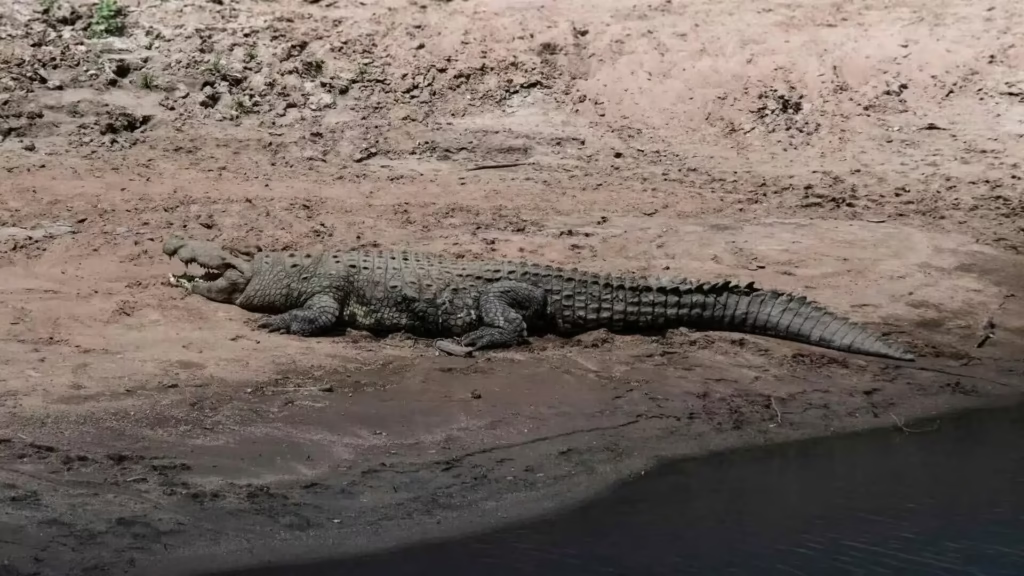
Reptiles Found in Etosha
- Nile Monitor Lizard
- Rock Monitor Lizard
- Black Spitting Cobra
- Puff Adder
- Cape Cobra
- Boomslang
- Leopard Tortoise
- Namib Sand Gecko
- Horned Adder
- Speckled Rock Skink
Best Time to Visit Etosha
Etosha National Park can be visited throughout the year, but wildlife viewing varies by season. The dry season generally offers the best safari conditions because animals gather around permanent waterholes.
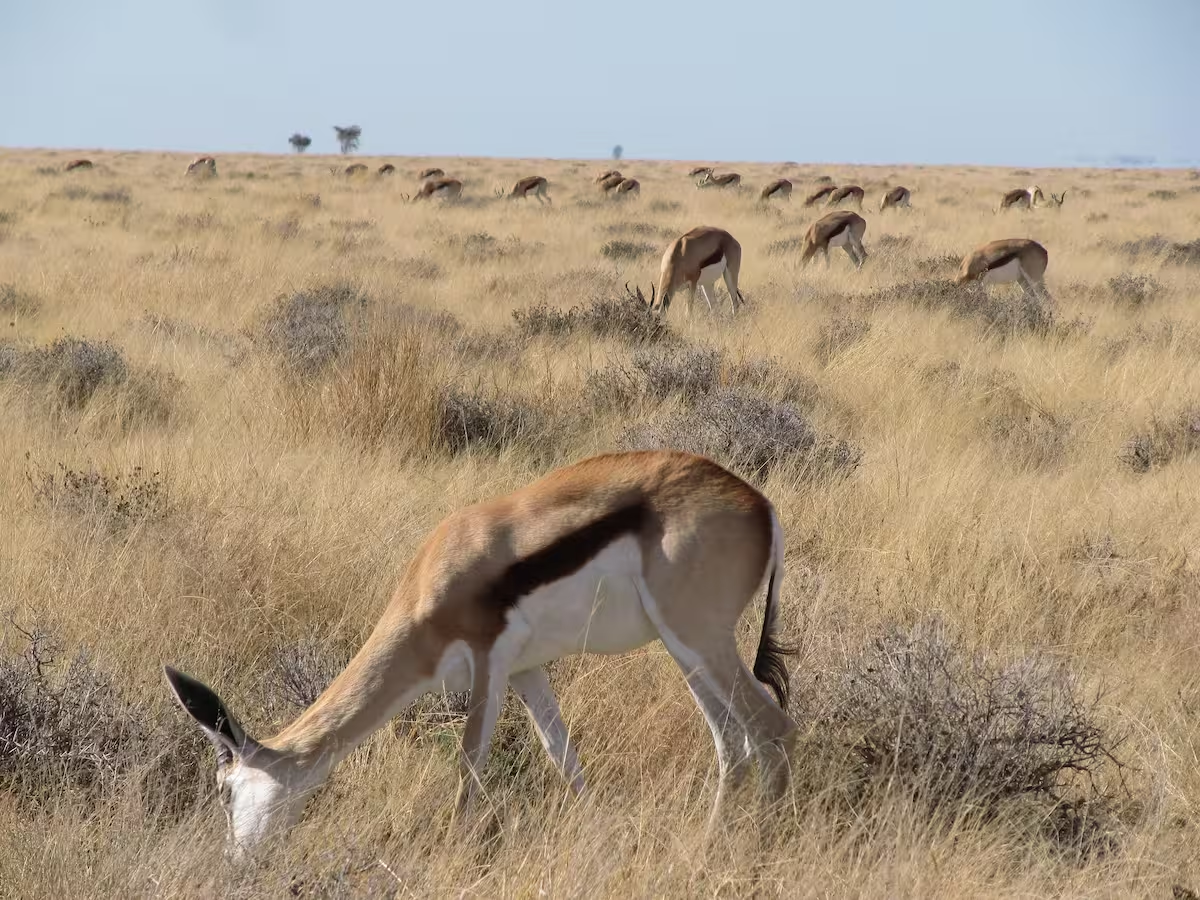
May to October is considered the best period for wildlife sightings. Vegetation becomes sparse and animals such as elephants, lions, giraffes, zebras, and antelope frequently visit waterholes. Cooler weather during these months also makes safari drives comfortable.
November to April brings seasonal rains and greener landscapes. Animals spread across the park as temporary water sources appear. This period is especially good for bird watching, as many migratory birds arrive and parts of the Etosha Pan hold shallow water.
Ideal Time to Watch Wildlife in Etosha
Early Morning
Climate in Etosha


Etosha National Park has a semi arid climate with hot days, cool nights, and limited rainfall. Most rain falls during the summer months, while winters remain dry.
Dry Season (May to October)
Weather is clear and rainfall is very low. Day temperatures usually range between 20°C and 30°C, while nights can become cool, especially in June and July.
Rainy Season (November to April)
Temperatures often reach 30°C to 35°C with occasional thunderstorms. The landscape becomes greener and parts of the Etosha Pan may hold shallow water.
Etosha climate chart
| Month | Jan | Feb | Mar | Apr | May | Jun | Jul | Aug | Sep | Oct | Nov | Dec |
|---|---|---|---|---|---|---|---|---|---|---|---|---|
| Min (°C) | 20 | 20 | 19 | 16 | 12 | 7 | 6 | 9 | 13 | 18 | 19 | 20 |
| Max (°C) | 34 | 33 | 32 | 31 | 29 | 27 | 27 | 30 | 33 | 36 | 35 | 34 |
How to Reach Namibia
Namibia is located in southwestern Africa and is well connected to major international hubs by air. Most travellers enter the country through the capital city, Windhoek, which serves as the main transport gateway.
By Air
The primary international entry point is Hosea Kutako International Airport (WDH), located about 45 km from Windhoek. Airlines operate regular flights connecting Namibia with cities such as Johannesburg, Addis Ababa, Frankfurt, Doha, and Cape Town. Travellers from Asia, Europe, or North America usually connect through one of these hubs.
By Road from Neighboring Countries
Namibia also has road connections with South Africa, Botswana, Zambia, and Angola. Border crossings allow travellers to enter by car, which is common for regional safari routes in southern Africa.
How to Reach Namibia
Namibia is located in southwestern Africa and is well connected to major international hubs by air. Most travellers enter the country through the capital city, Windhoek, which serves as the main transport gateway.
Main Entry Gates to Etosha
- Andersson Gate (Southern entrance near Okaukuejo)
- Von Lindequist Gate (Eastern entrance near Namutoni)
- Galton Gate (Western entrance, less used by regular visitors)
Most safari travellers enter through Andersson Gate, which provides access to some of the park’s most popular waterholes and rest camps.

By Domestic Flight

By Road
Couldn’t find What you need? Connect with our team.