Kalahari Region Namibia
Kalahari Region Namibia Safari Guide
The Kalahari region lies in the eastern part of Namibia and stretches toward Botswana and South Africa. This landscape is very different from the rocky deserts of the Namib. Here the land is covered with wide plains, rolling red sand dunes, and dry riverbeds lined with camel thorn trees.
Although many people call the Kalahari a desert, it is technically a semi arid savanna. Rainfall is higher than in the Namib Desert, which allows grasses and shrubs to grow across the dunes. Because of this vegetation, the Kalahari supports a wide range of wildlife and birdlife.
Safaris in the Kalahari feel quieter and more remote. Visitors often enjoy open landscapes, dramatic red dunes, and sightings of animals adapted to dry conditions. The region is also known for its cultural connection with the San people, who have lived in the Kalahari for thousands of years.
Favourite Tours & Safaris
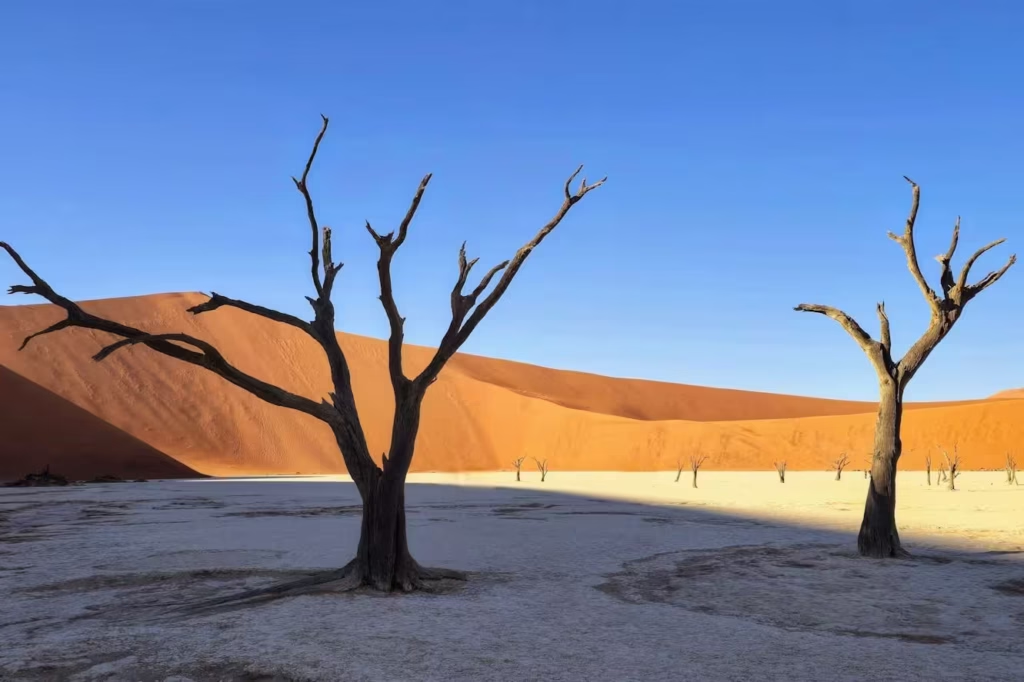
Best of the Namibia Safari
Duration : 10 Days
Destination : Windhoek -> Sossusvlei -> Walvis Bay -> Cape Cross -> Damaraland -> Etosha -> Windhoek
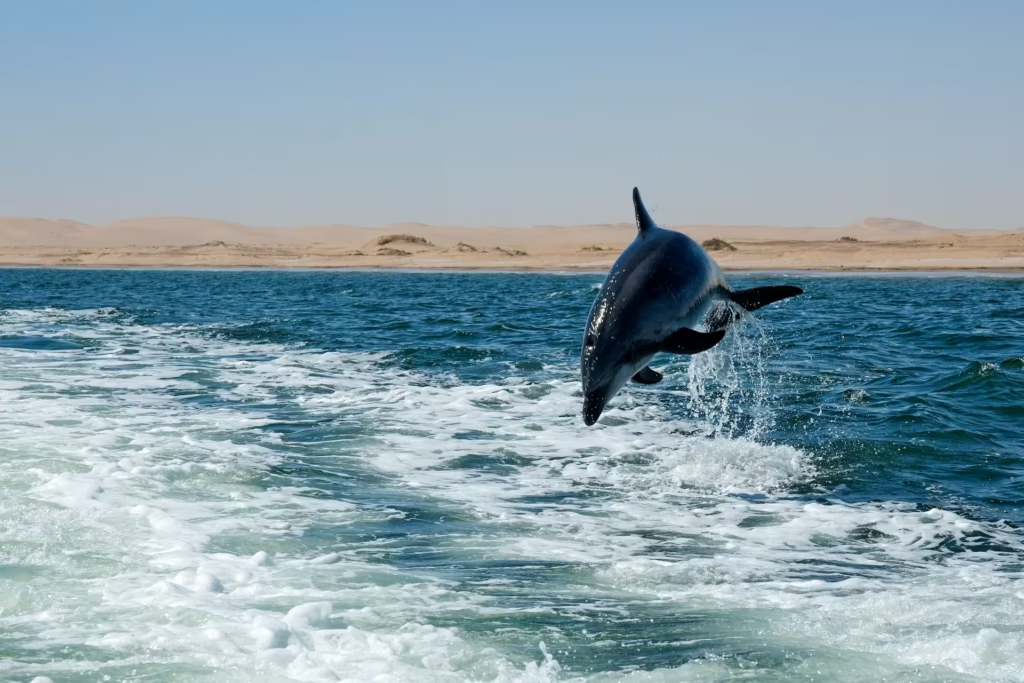
Walvis Bay Coastal Safari
Duration : 5 Days
Destination : Walvis Bay -> Pelican Point Peninsula -> Walvis Bay
Namibia Desert Coast & Etosha Safari
Duration : 9 Days
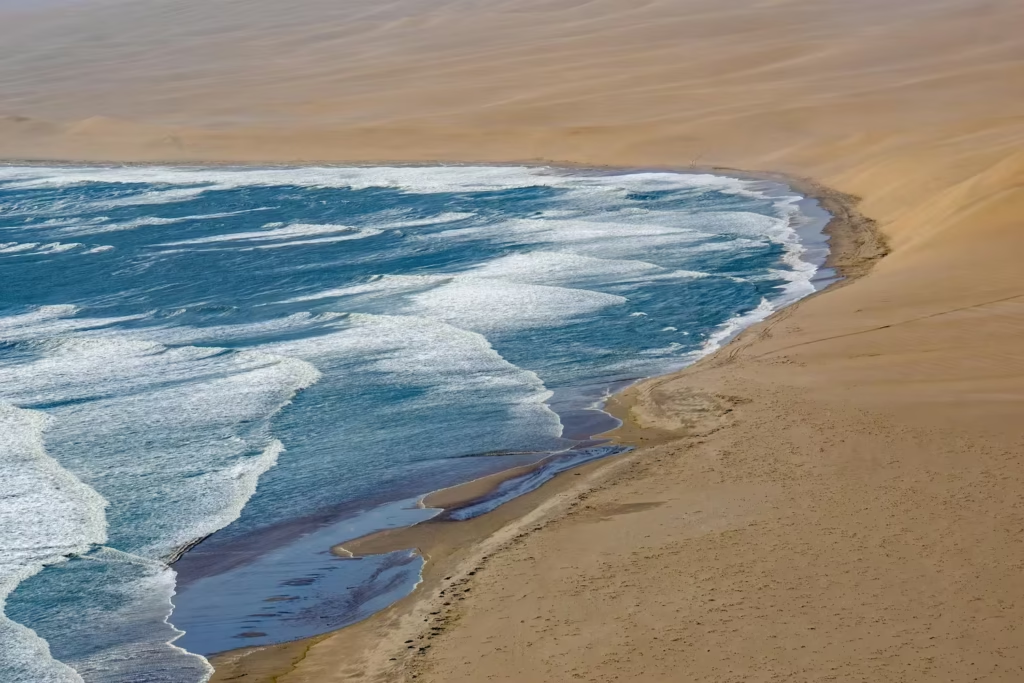
Destination : Windhoek -> Canyon Region -> Sossusvlei -> Skeleton Coast -> Etosha West -> Windhoek
Landscape of the Kalahari
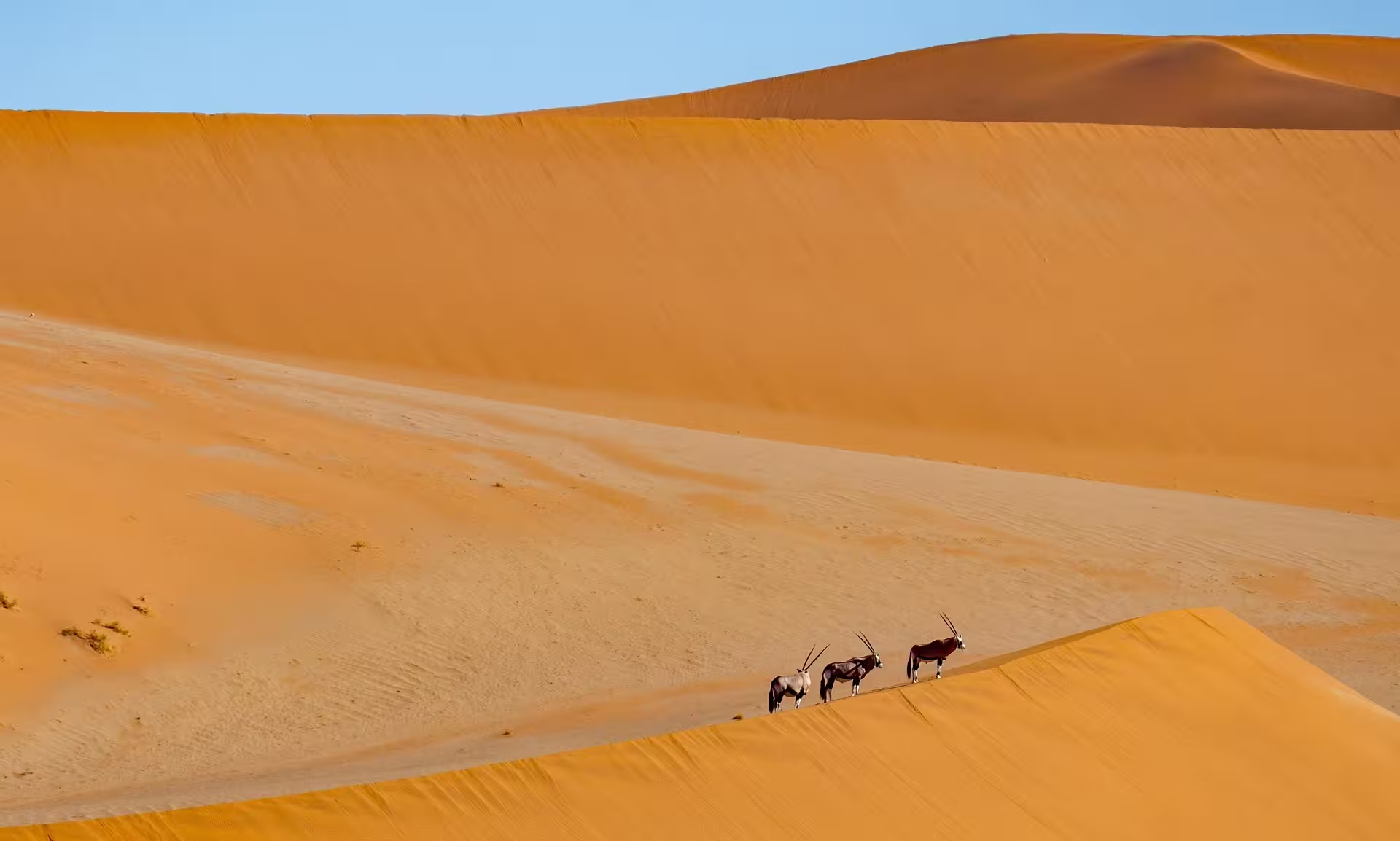
The Kalahari landscape is known for its deep red sand dunes that run across large open plains. The dunes are not as tall as those found along the Namib coast, but they stretch for long distances and create beautiful patterns in the sand.
Vegetation grows across much of the region. Tall grasses appear during the rainy season and acacia trees provide shade along ancient riverbeds. Camel thorn and shepherd’s trees are common across the plains.
During sunrise and sunset, the red sand dunes reflect warm light and create some of the most photogenic desert scenery in southern Africa.
Key Safari Destinations in the Kalahari
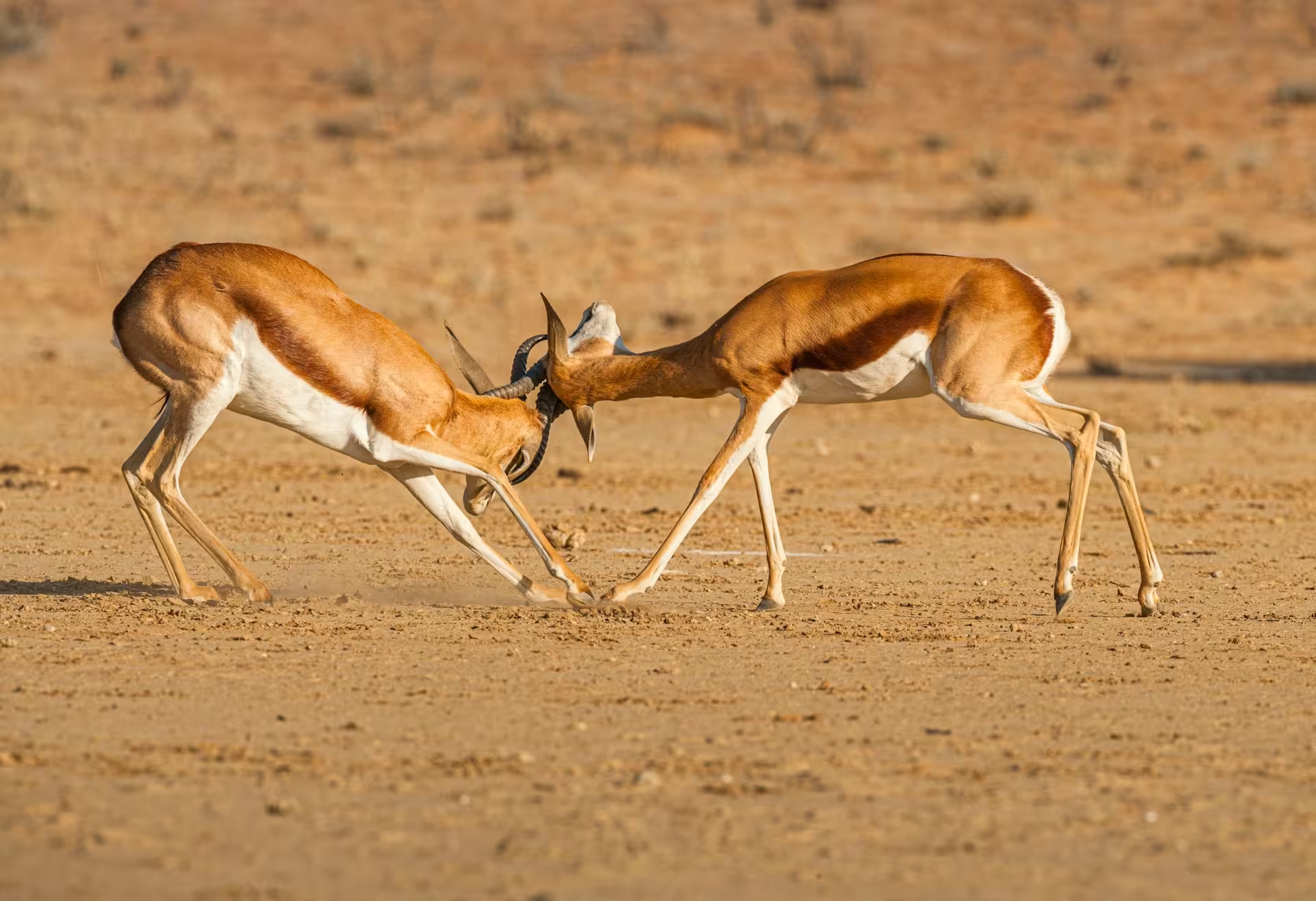
Several wildlife areas and private reserves are located in the Kalahari region. These areas offer game drives, walking safaris, and cultural experiences.
Kgalagadi Transfrontier Park
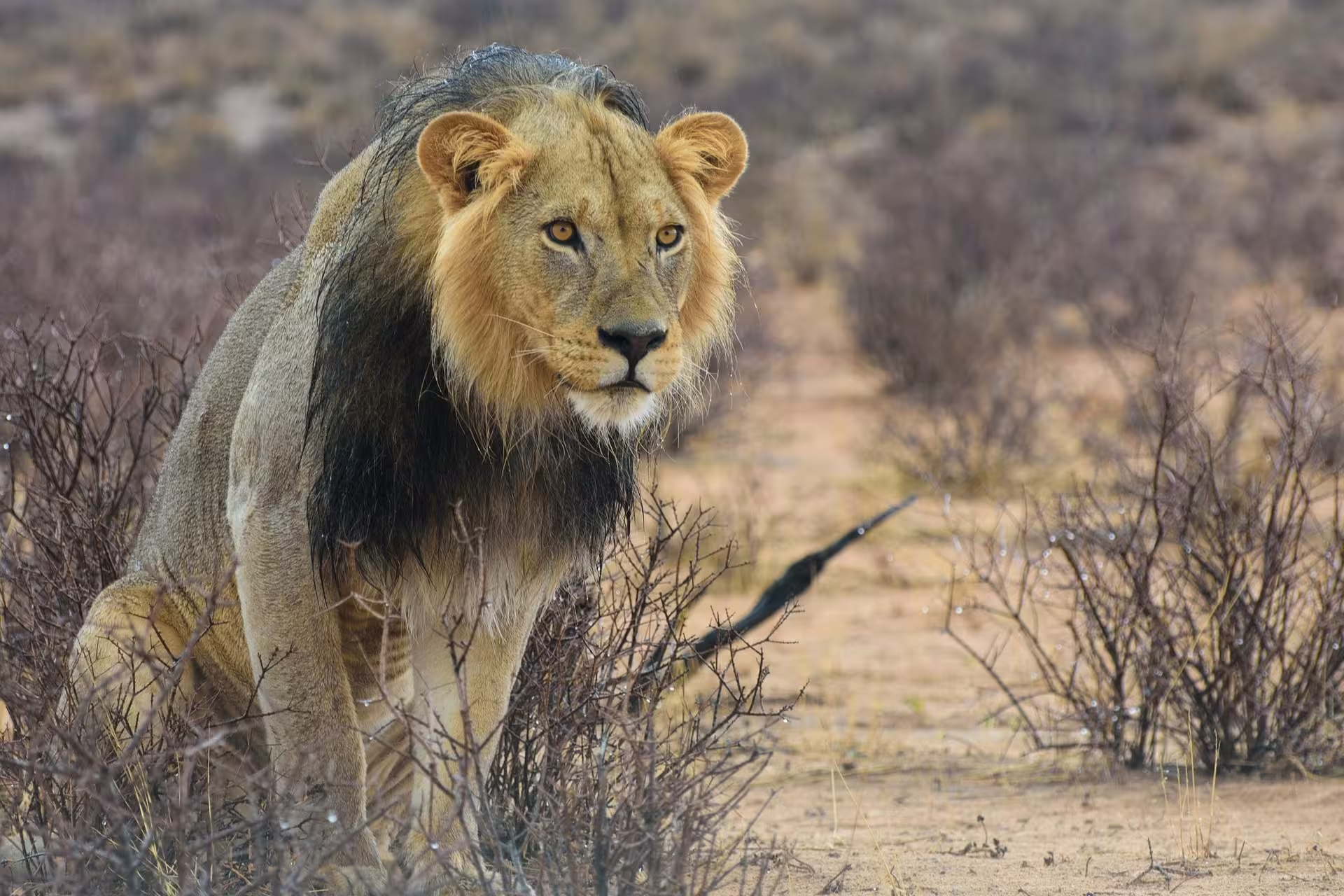
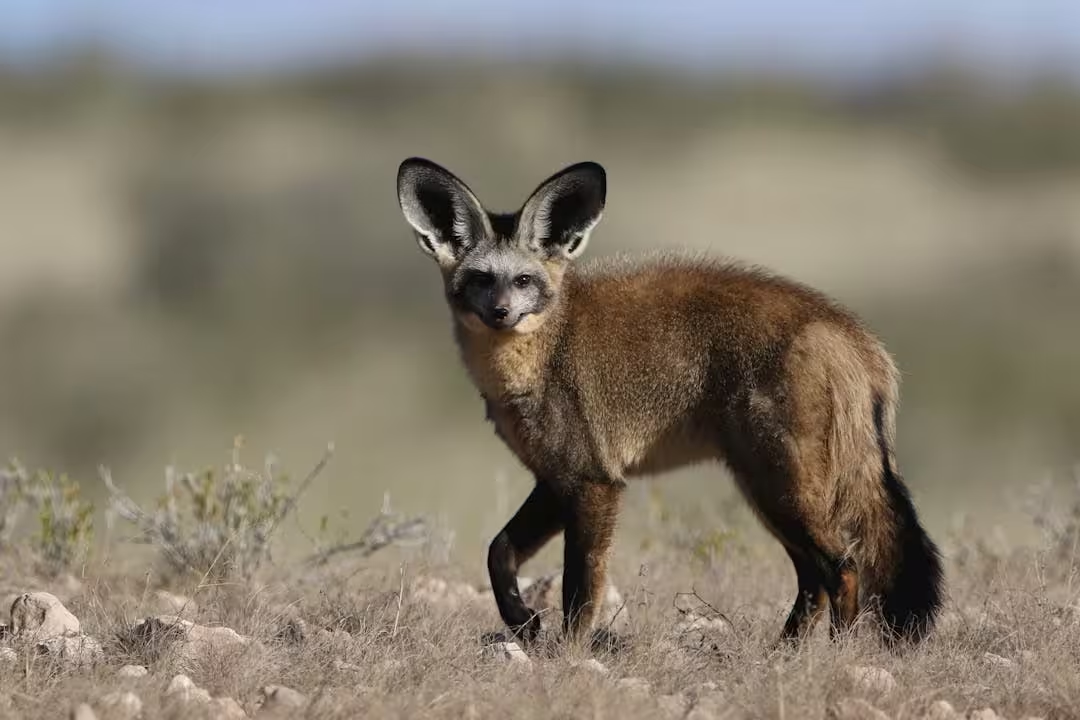
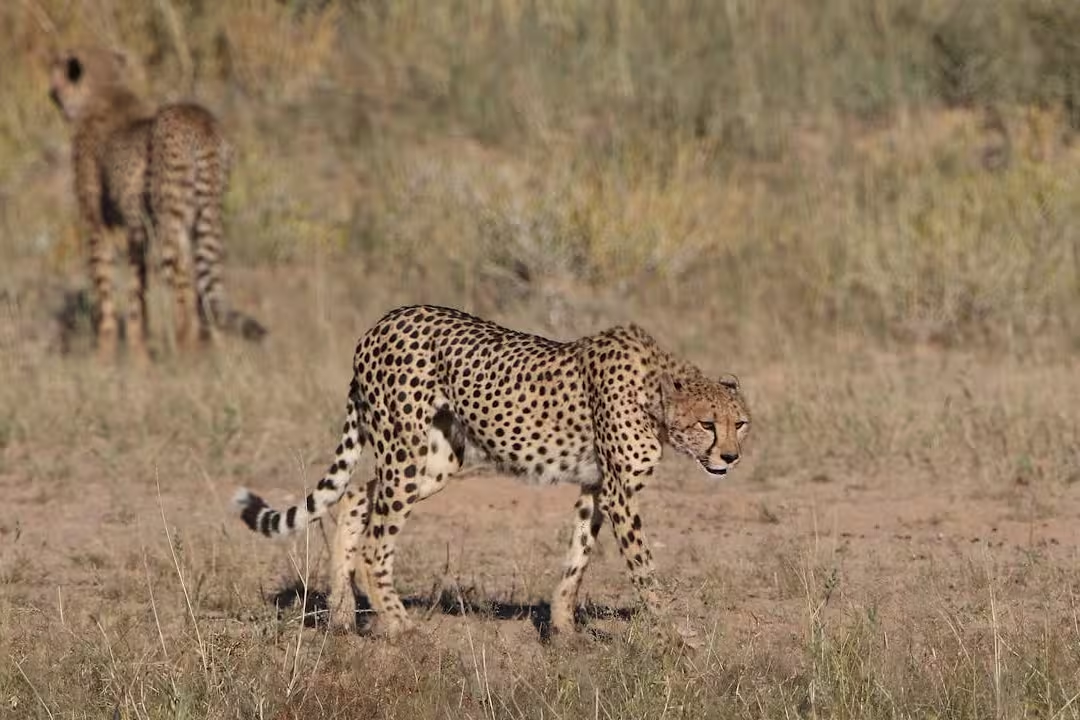
This famous park lies further south along the borders of Namibia, Botswana, and South Africa. It protects a large section of the Kalahari ecosystem and is known for its predator sightings, especially lions and cheetahs.
Khaudum National Park
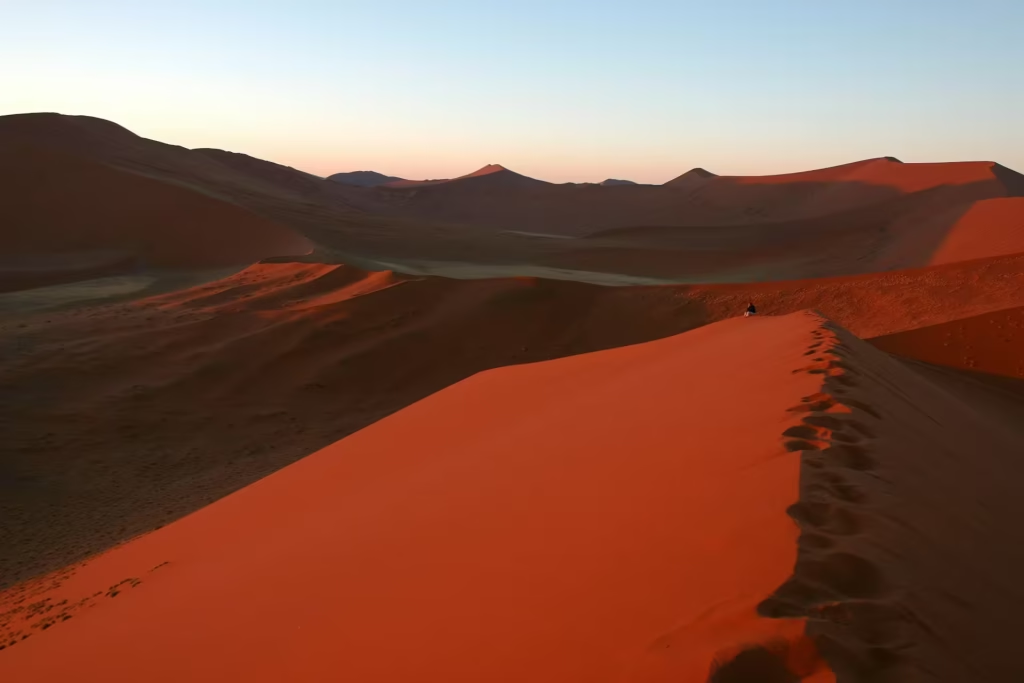
Kalahari Red Dunes
Wildlife in the Kalahari Region
Despite the dry environment, the Kalahari supports many species that are adapted to life in semi arid landscapes.
Visitors may see:
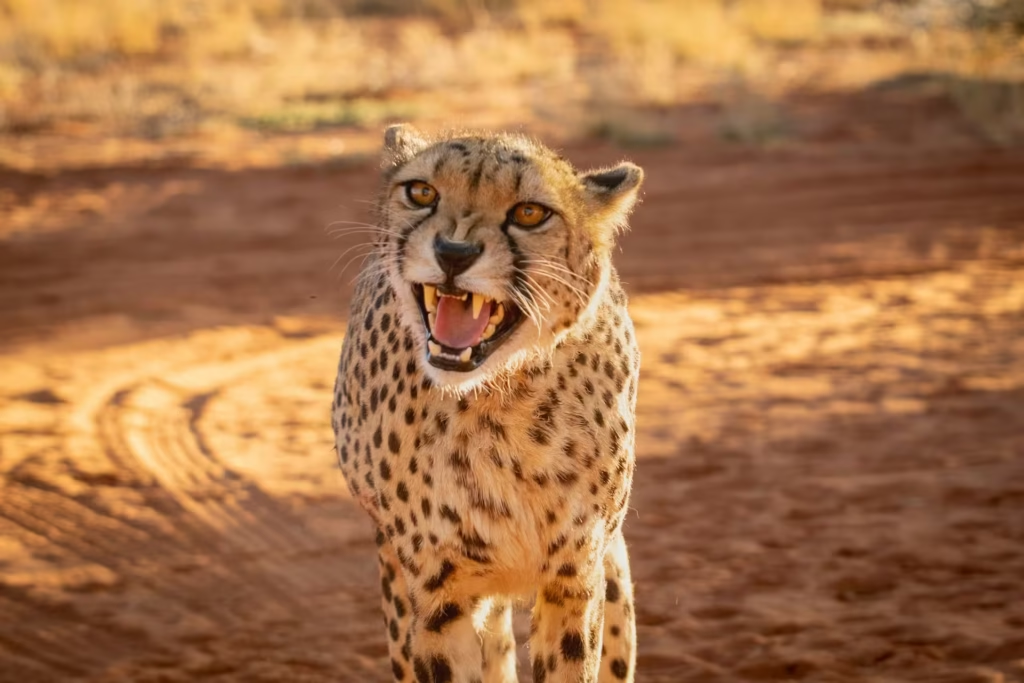
Predators
- Lion
- Cheetah
- Leopard
- Brown hyena
- Black backed jackal
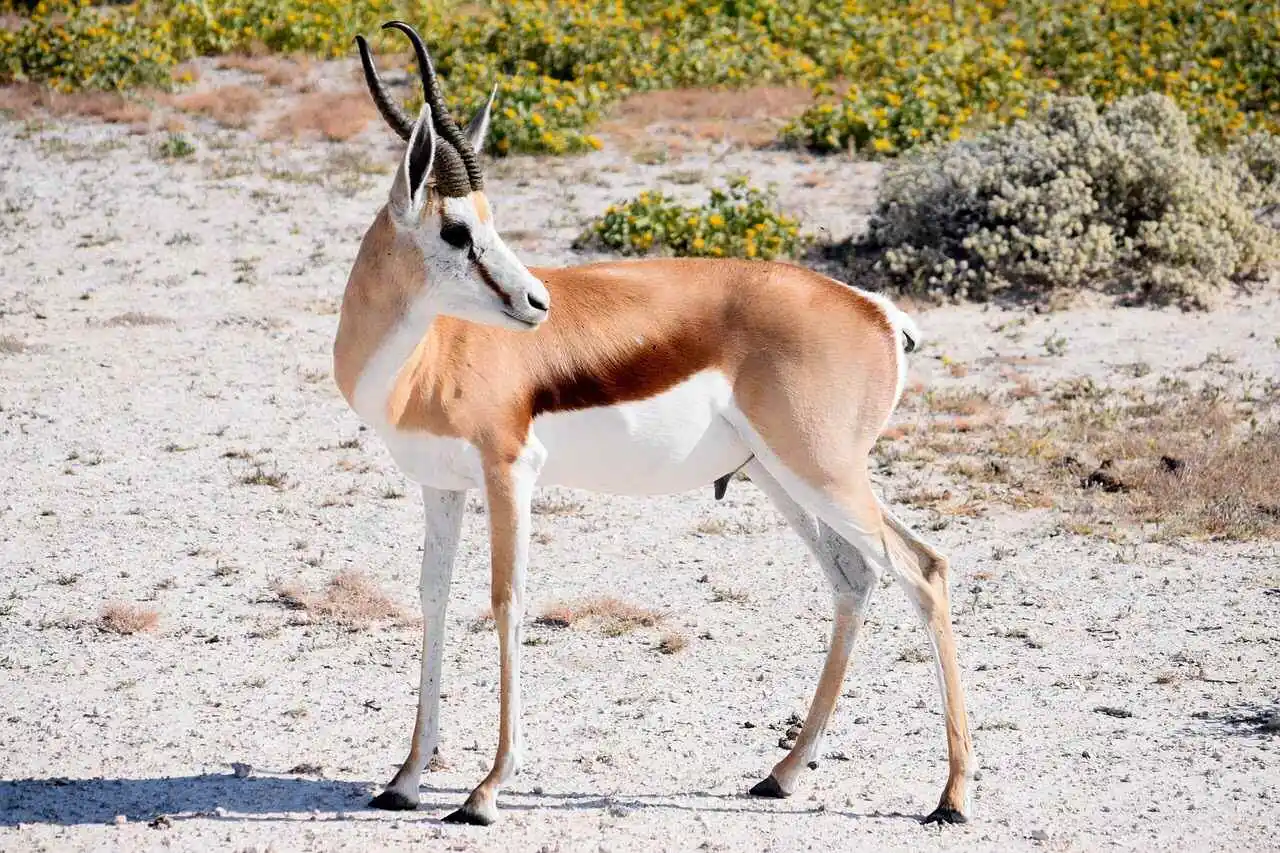
Herbivores
- Gemsbok (oryx)
- Springbok
- Eland
- Blue wildebeest
- Red hartebeest
- Kudu
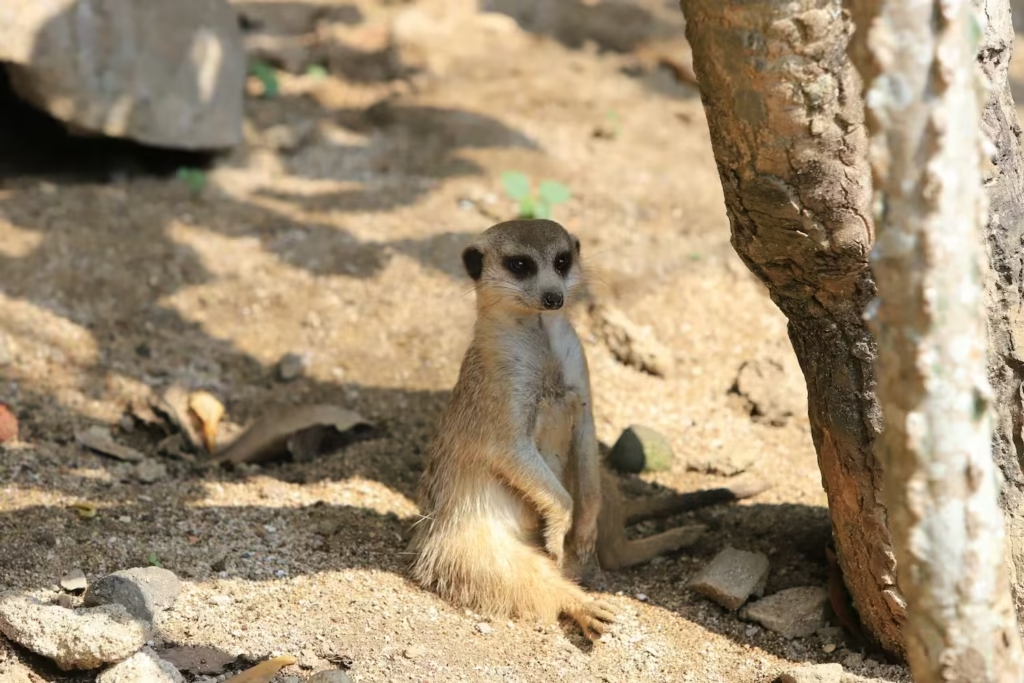
Other Mammals
- Bat eared fox
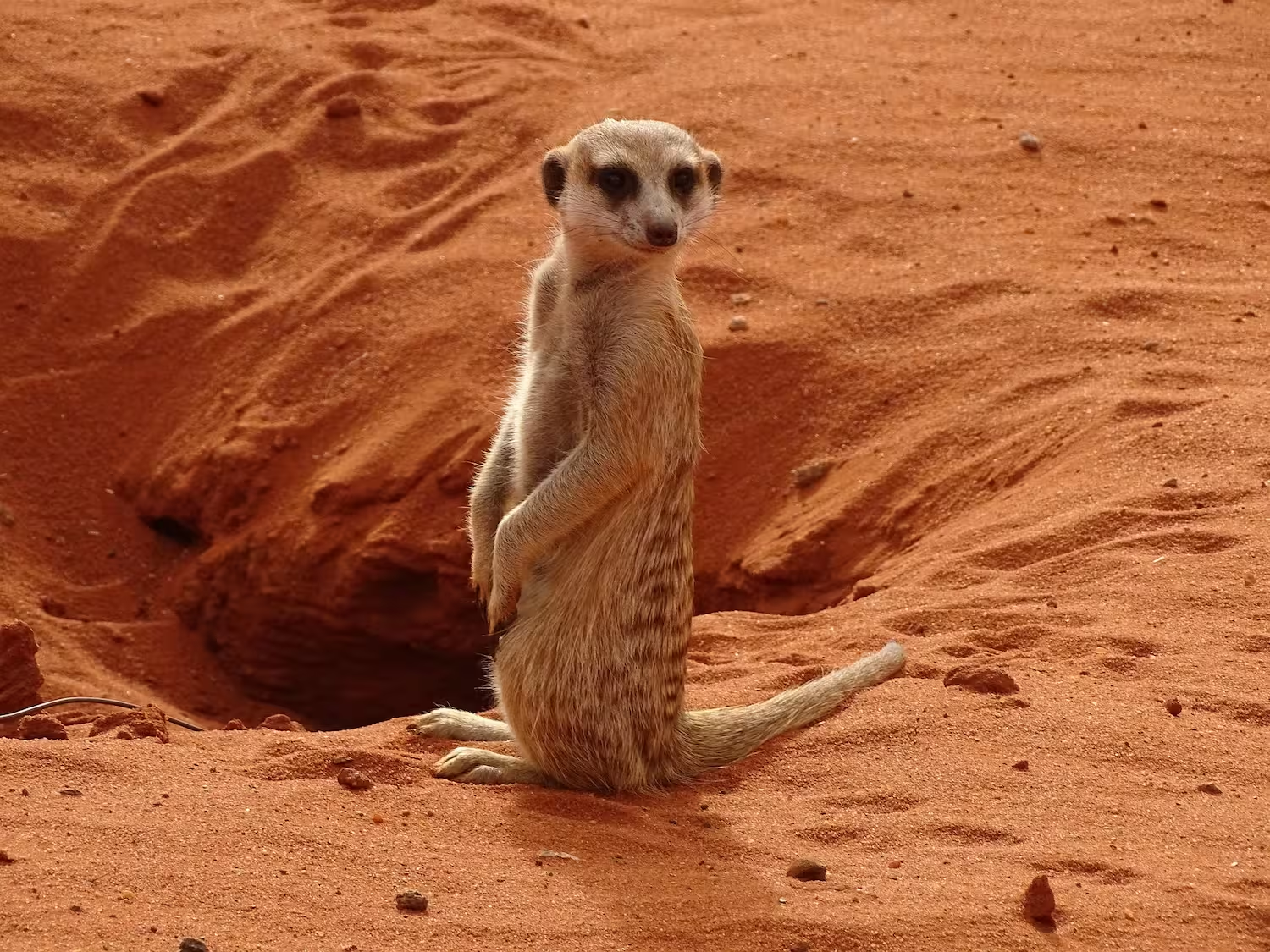
- Meerkat
- Honey badger
- Aardwolf
Best Time to Visit the Kalahari
The Kalahari can be visited throughout the year, but each season offers a different experience.
Dry season: May to October
This is the most comfortable time for travel. Temperatures are cooler and vegetation is thinner, which makes wildlife easier to spot. Animals often gather around water sources.
Green season: November to April
Rainfall arrives during these months and the landscape becomes green. Grasses grow across the plains and many animals give birth during this period. Birdlife is also very active.
The green season offers beautiful scenery and fewer tourists, although temperatures can be higher.
Safari Activities in the Kalahari
Visitors to the Kalahari region can take part in several safari activities.
Game drives
Guided drives allow visitors to search for predators, antelope, and other desert adapted animals.
Walking Safaris
Some reserves offer guided walks that focus on tracks, plants, and smaller wildlife.
Photography Safaris
The red dunes and open landscapes create excellent opportunities for wildlife and landscape photography.
Cultural experiences
Some lodges organize cultural visits where guests learn about the traditional knowledge and survival skills of the San people.
How to Reach the Kalahari Region
The Kalahari region is accessible from Namibia’s capital city, Windhoek.
By air: The nearest international airport is Hosea Kutako International Airport near Windhoek.
By road: Many Kalahari lodges are located about 2 to 4 hours from Windhoek by road. Most visitors travel by 4×4 vehicle or join guided safari tours.
The roads leading into the Kalahari are generally good, although some reserves require vehicles suited for sandy terrain.