
Skeleton Coast National Park
About Skeleton Coast National Park
Skeleton Coast National Park lies along the northwestern coast of Namibia and protects one of the most remote coastal landscapes in southern Africa. The park stretches along the Atlantic Ocean, where cold ocean currents meet the desert, creating a harsh and often foggy environment.
The park covers a large section of Namibia’s coastline and forms part of the wider Skeleton Coast region, known for its dramatic scenery and isolation. The name “Skeleton Coast” comes from the many shipwrecks and whale bones that once lined the shore due to strong currents and heavy fog.
Despite its rugged environment, the park supports several desert adapted animals. Wildlife found in the area includes desert adapted elephants, lions, brown hyenas, jackals, seals, and various seabirds that survive in the dry coastal desert.
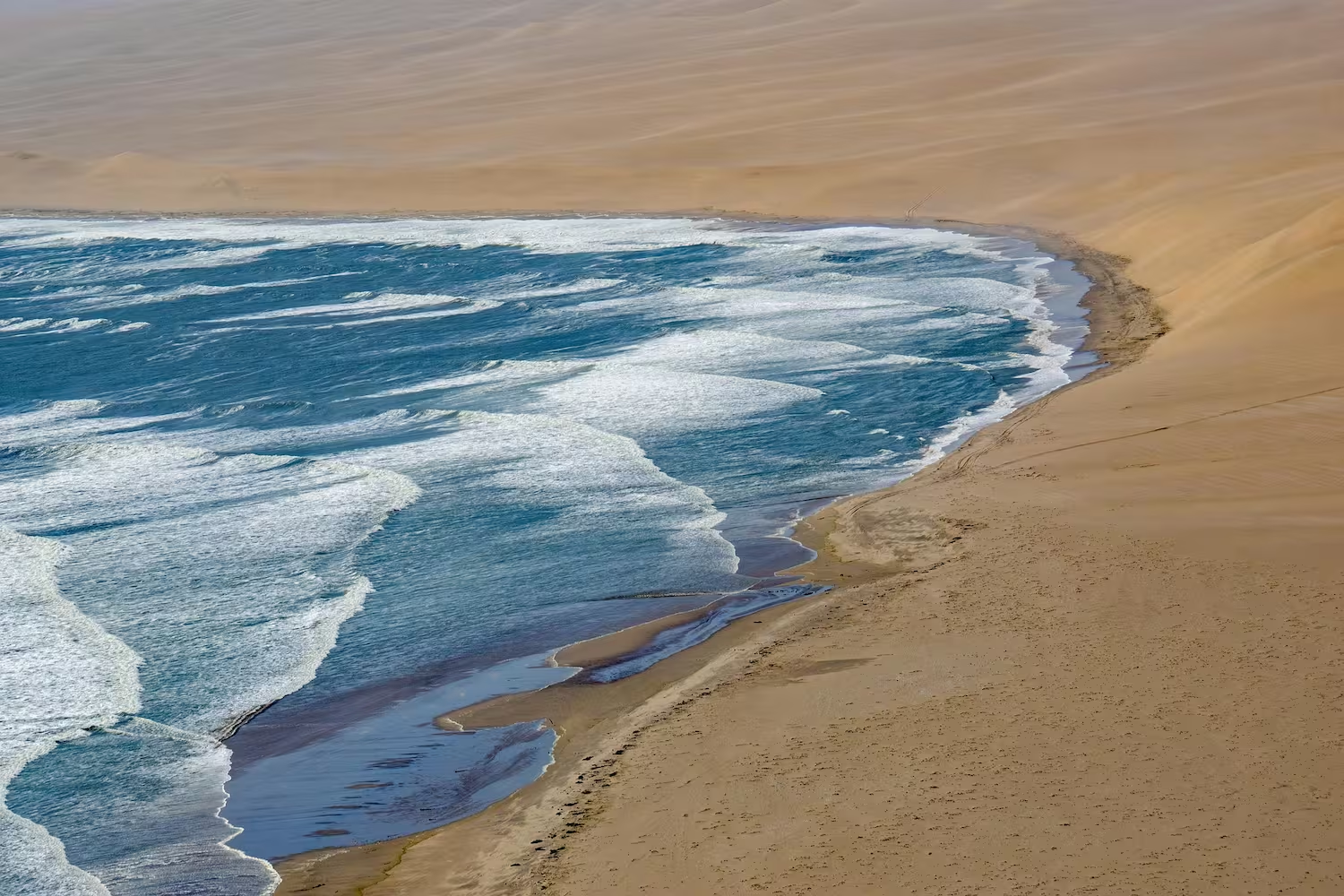
Skeleton Coast National Park is also known for its unique landscape where sand dunes, rocky beaches, and Atlantic waves meet. Because of its remote location and conservation regulations, large parts of the park remain restricted and accessible only through guided tours or special permits.
Skeleton Coast, Namibia Safaris
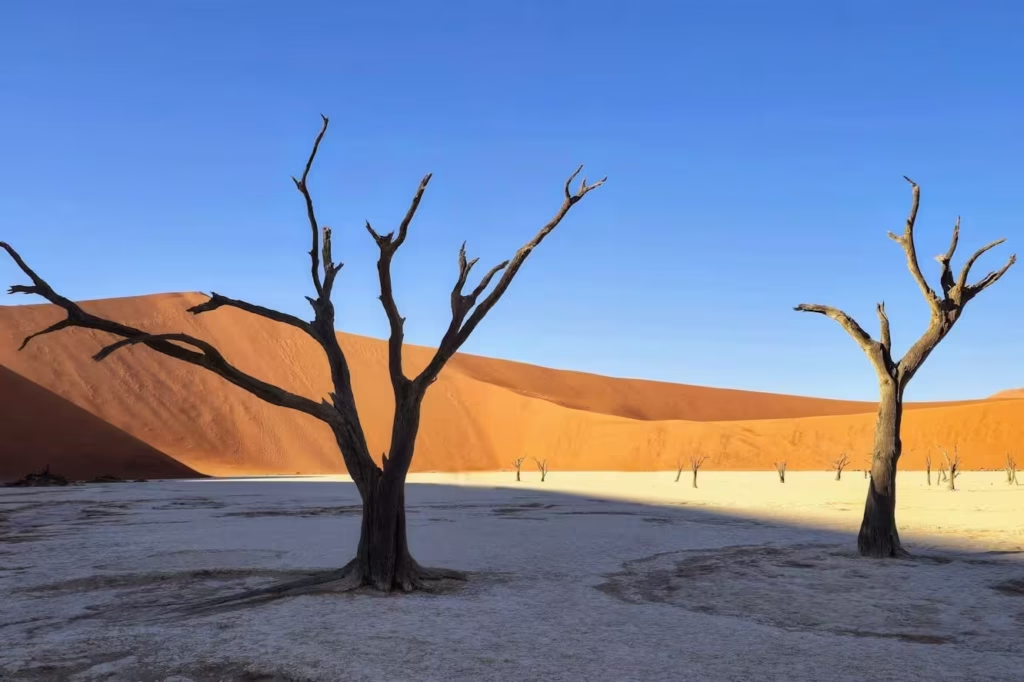
Best of the Namibia Safari
Duration : 10 Days
Destination : Windhoek -> Sossusvlei -> Walvis Bay -> Cape Cross -> Damaraland -> Etosha -> Windhoek
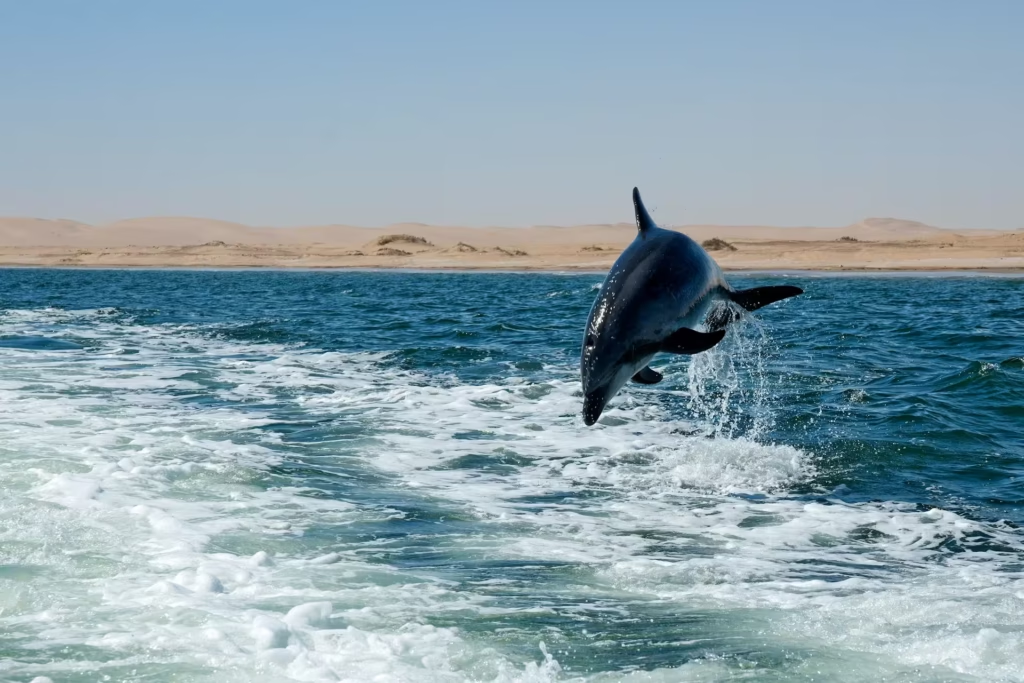
Walvis Bay Coastal Safari
Duration : 5 Days
Destination : Walvis Bay -> Pelican Point Peninsula -> Walvis Bay
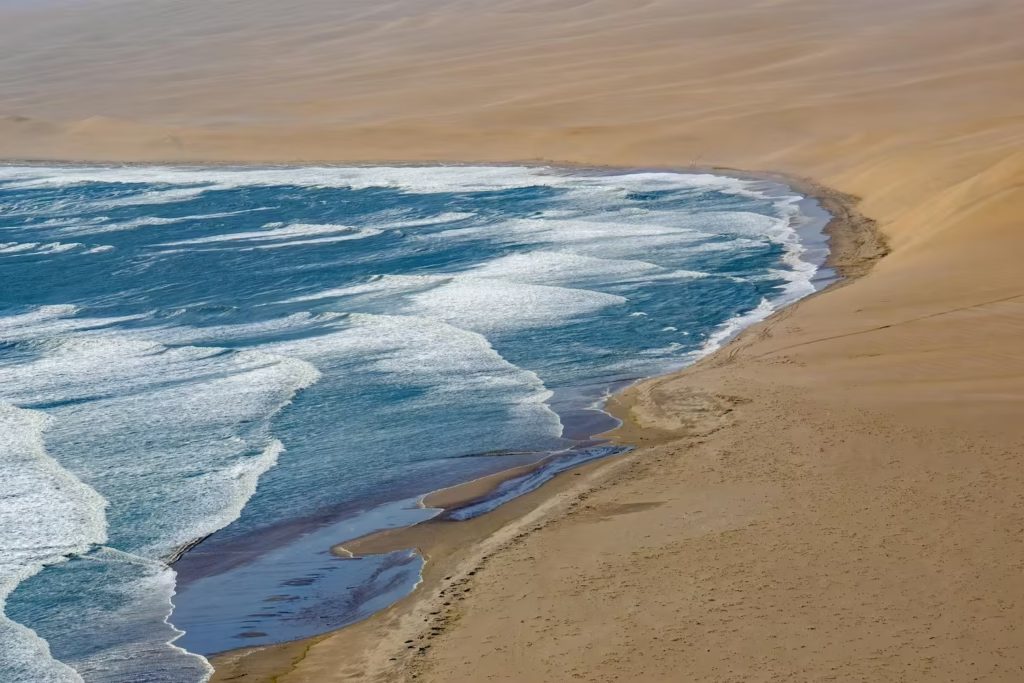
Namibia Desert Coast & Etosha Safari
Duration : 9 Days
Destination : Windhoek -> Canyon Region -> Sossusvlei -> Skeleton Coast -> Etosha West -> Windhoek
Wildlife in Skeleton Coast National Park
Skeleton Coast National Park supports wildlife that has adapted to one of the harshest environments in Africa. The region combines coastal desert, fog from the Atlantic Ocean, and very low rainfall, which creates unique conditions for animals that can survive with limited water.
Many animals in this area depend on coastal fog, sparse vegetation, and seasonal riverbeds for survival. Wildlife sightings are usually spread across large areas, especially near river valleys and along the coastline.
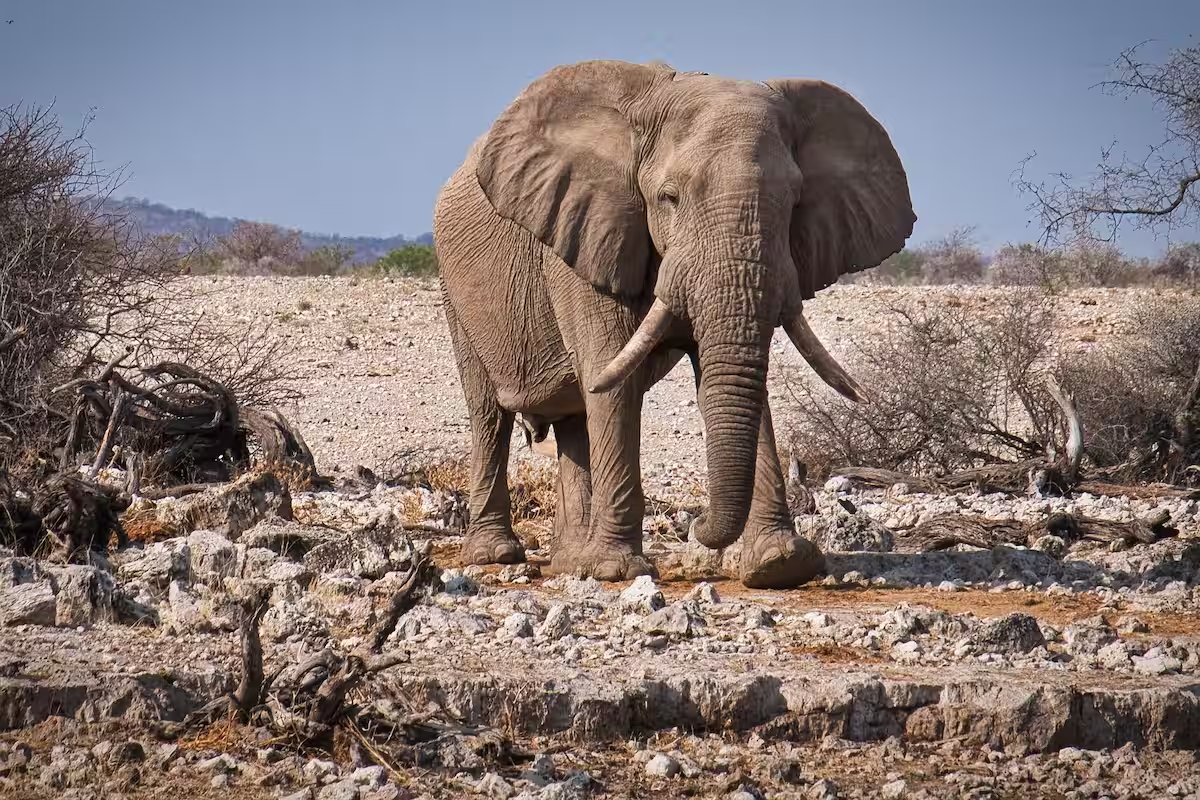
Mammals
- Desert Adapted Elephant
- Desert Adapted Lion
- Brown Hyena
- Black Backed Jackal
- Cape Fur Seal
- Oryx (Gemsbok)
- Springbok
- Mountain Zebra
- Bat Eared Fox
- African Wildcat
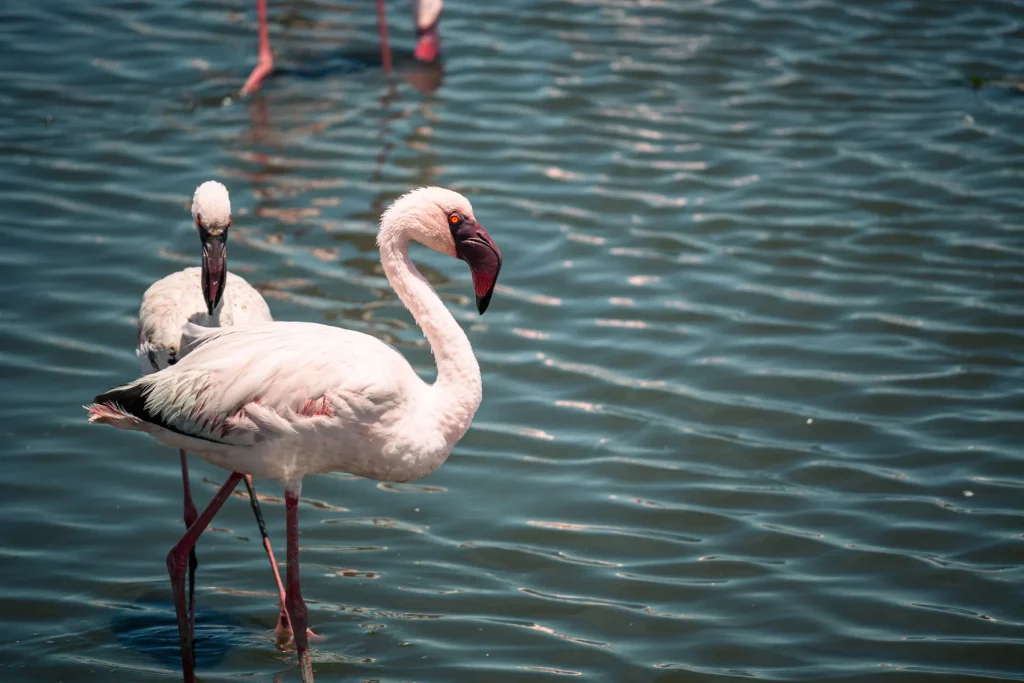
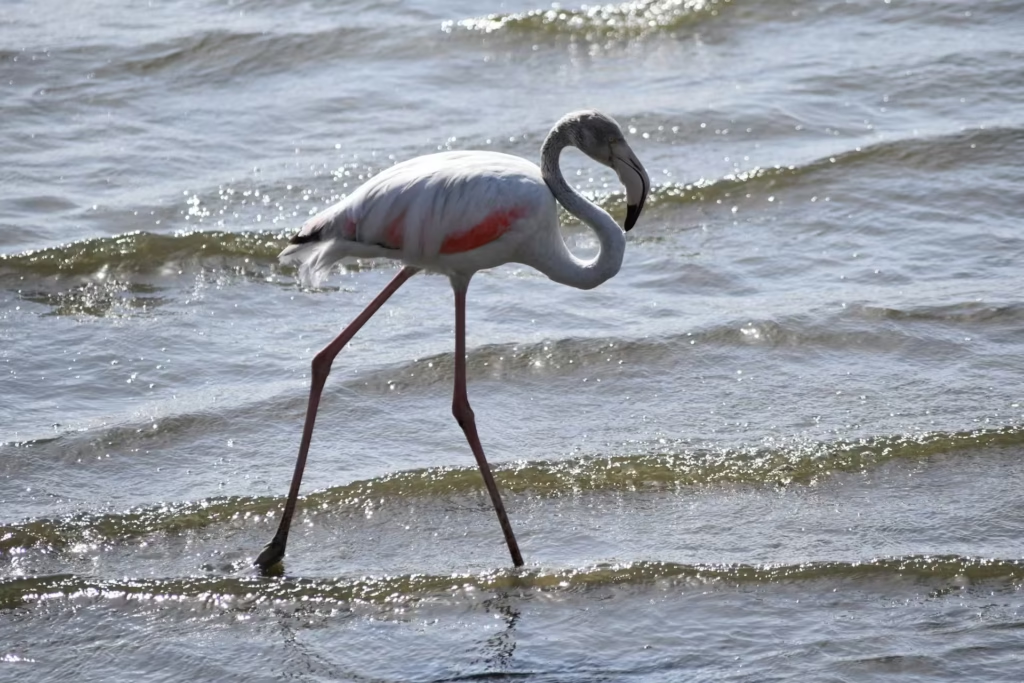
Common Birds
- Cape Cormorant
- White Breasted Cormorant
- African Oystercatcher
- Kelp Gull
- Damara Tern
- Greater Flamingo
- Lesser Flamingo
- Black Backed Gull
- Pelicans
- Cape Gannet
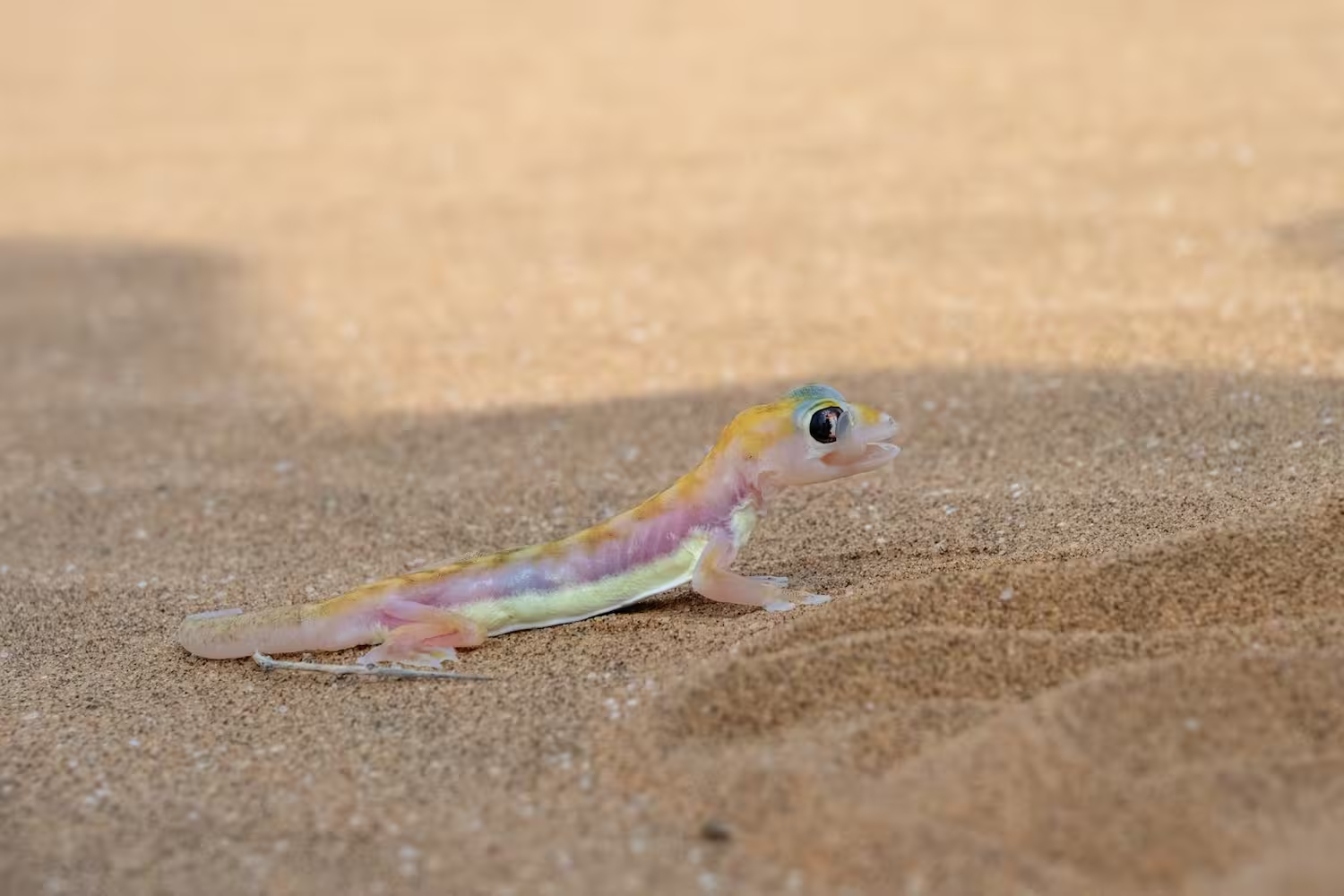
Reptiles
- Namib Sand Gecko
- Peringuey’s Adder
- Horned Adder
- Shovel Snouted Lizard
- Namaqua Chameleon
- Namib Sand Snake
- Desert Plated Lizard
- Rock Monitor Lizard
- Spotted Sand Lizard
- Leopard Tortoise
Best Time to Visit Skeleton Coast
Skeleton Coast National Park can be visited throughout the year, but weather conditions along the Atlantic coast influence travel and wildlife viewing.
May to October (Cool Dry Season)
This period usually offers more comfortable temperatures and clearer conditions for travel. Coastal fog still occurs but daytime temperatures remain moderate, making it easier to explore the region.
November to April (Warmer Months)
Temperatures increase during these months, especially inland. Coastal areas may still experience fog due to the cold Atlantic currents, but wildlife can be seen near riverbeds and along the coastline.
For most visitors, May to September provides the most stable conditions for exploring the landscapes and coastal areas of Skeleton Coast National Park.
Climate in Skeleton Coast National Park
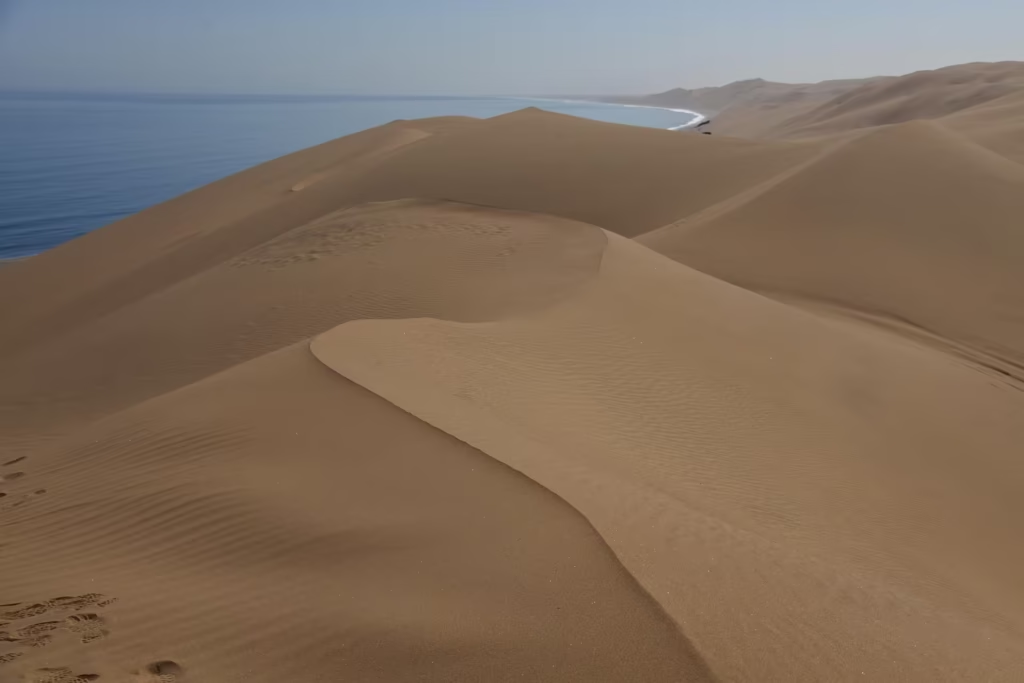
Skeleton Coast National Park has a cool coastal desert climate influenced by the cold Benguela Current in the Atlantic Ocean. Rainfall is very low throughout the year, and coastal fog is common, especially in the early mornings.
Cool Season (May to October)
Temperatures remain moderate during these months. Daytime temperatures usually range between 15°C and 22°C, and coastal fog often moves inland during the morning hours.
Warmer Season (November to April)
Temperatures gradually increase, especially away from the coast. Daytime temperatures can reach 25°C to 30°C, though the Atlantic Ocean keeps coastal areas cooler than inland desert regions.
Skeleton Coast National Park climate chart
| Month | Jan | Feb | Mar | Apr | May | Jun | Jul | Aug | Sep | Oct | Nov | Dec |
|---|---|---|---|---|---|---|---|---|---|---|---|---|
| Min (°C) | 16 | 16 | 15 | 14 | 13 | 11 | 11 | 12 | 13 | 14 | 15 | 16 |
| Max (°C) | 26 | 26 | 25 | 24 | 23 | 22 | 22 | 23 | 24 | 25 | 26 | 26 |
How to Reach Namibia
Namibia is located in southwestern Africa and is well connected to major international hubs by air. Most travellers enter the country through the capital city, Windhoek, which serves as the main transport gateway.
By Air
The primary international entry point is Hosea Kutako International Airport (WDH), located about 45 km from Windhoek. Airlines operate regular flights connecting Namibia with cities such as Johannesburg, Addis Ababa, Frankfurt, Doha, and Cape Town. Travellers from Asia, Europe, or North America usually connect through one of these hubs.
By Road from Neighboring Countries
Namibia also has road connections with South Africa, Botswana, Zambia, and Angola. Border crossings allow travellers to enter by car, which is common for regional safari routes in southern Africa.
How to Reach Skeleton Coast National Park
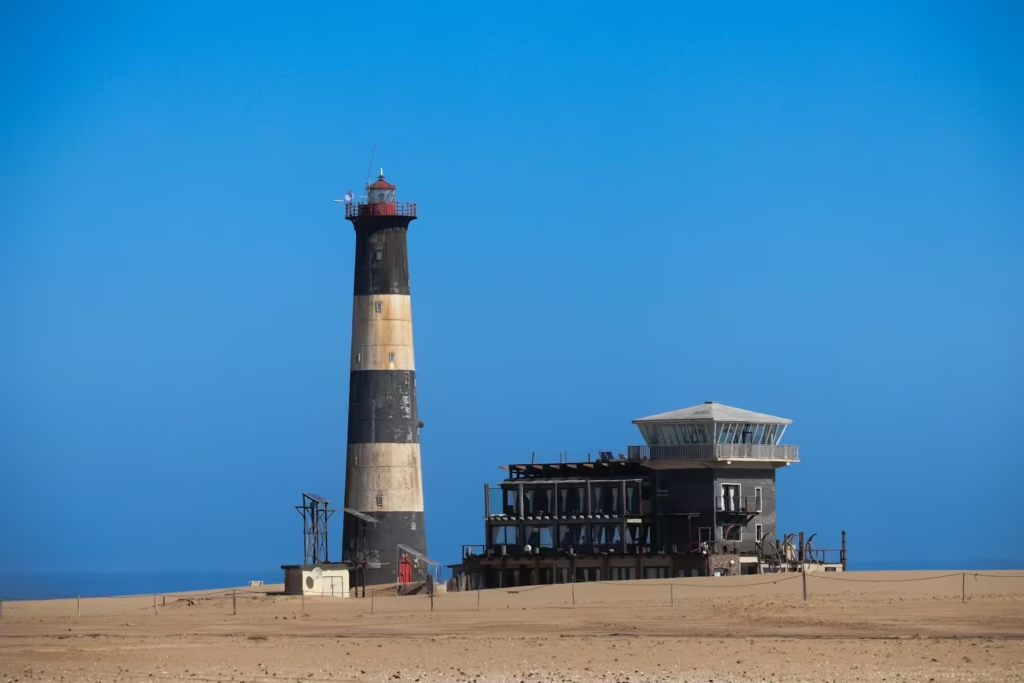
Skeleton Coast National Park lies along the northwestern coastline of Namibia. Due to its remote location and protected status, access to most areas of the park is limited and often requires permits or guided tours.

By Air

By Road
Couldn’t find What you need? Connect with our team.