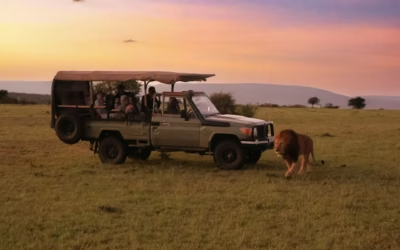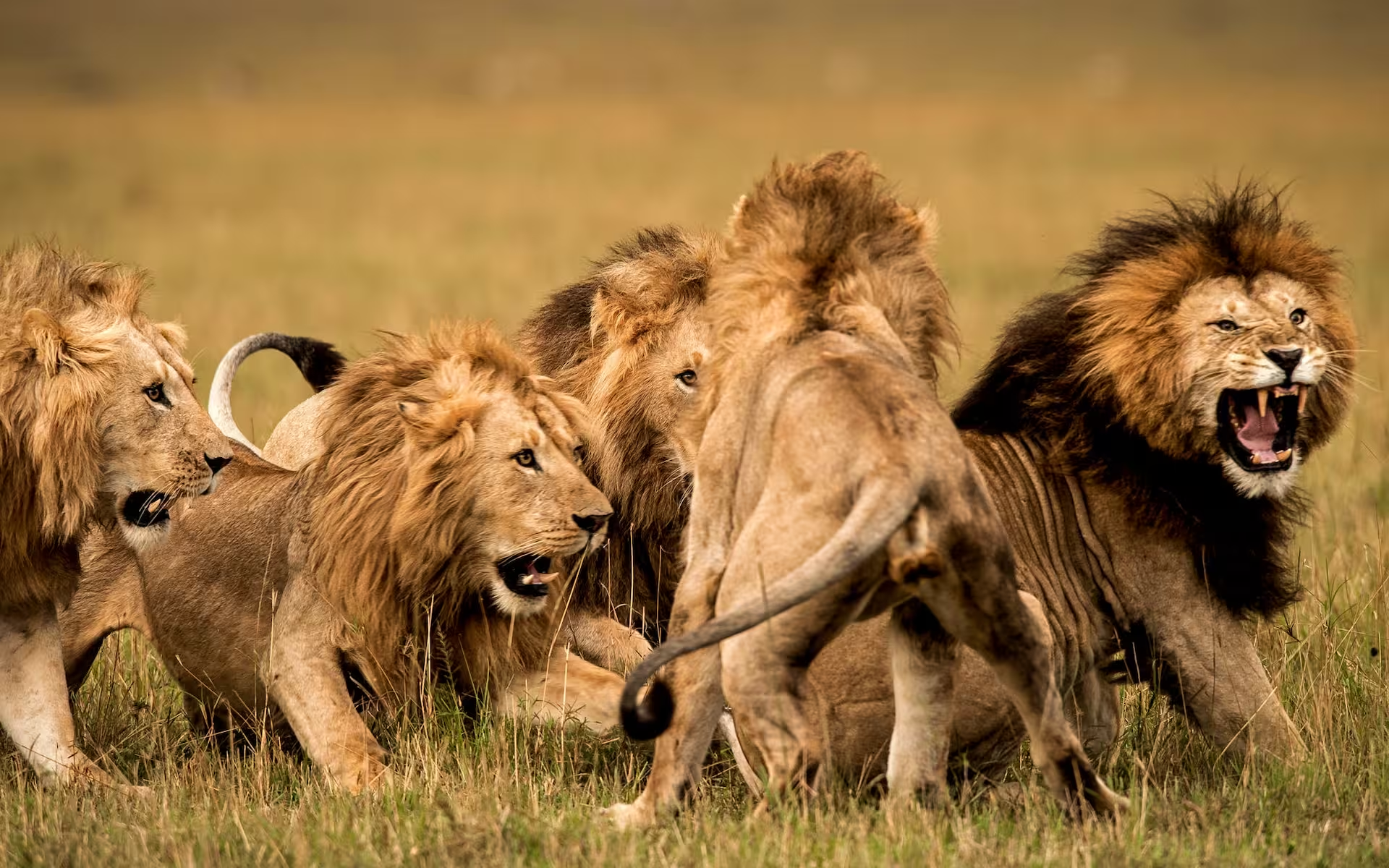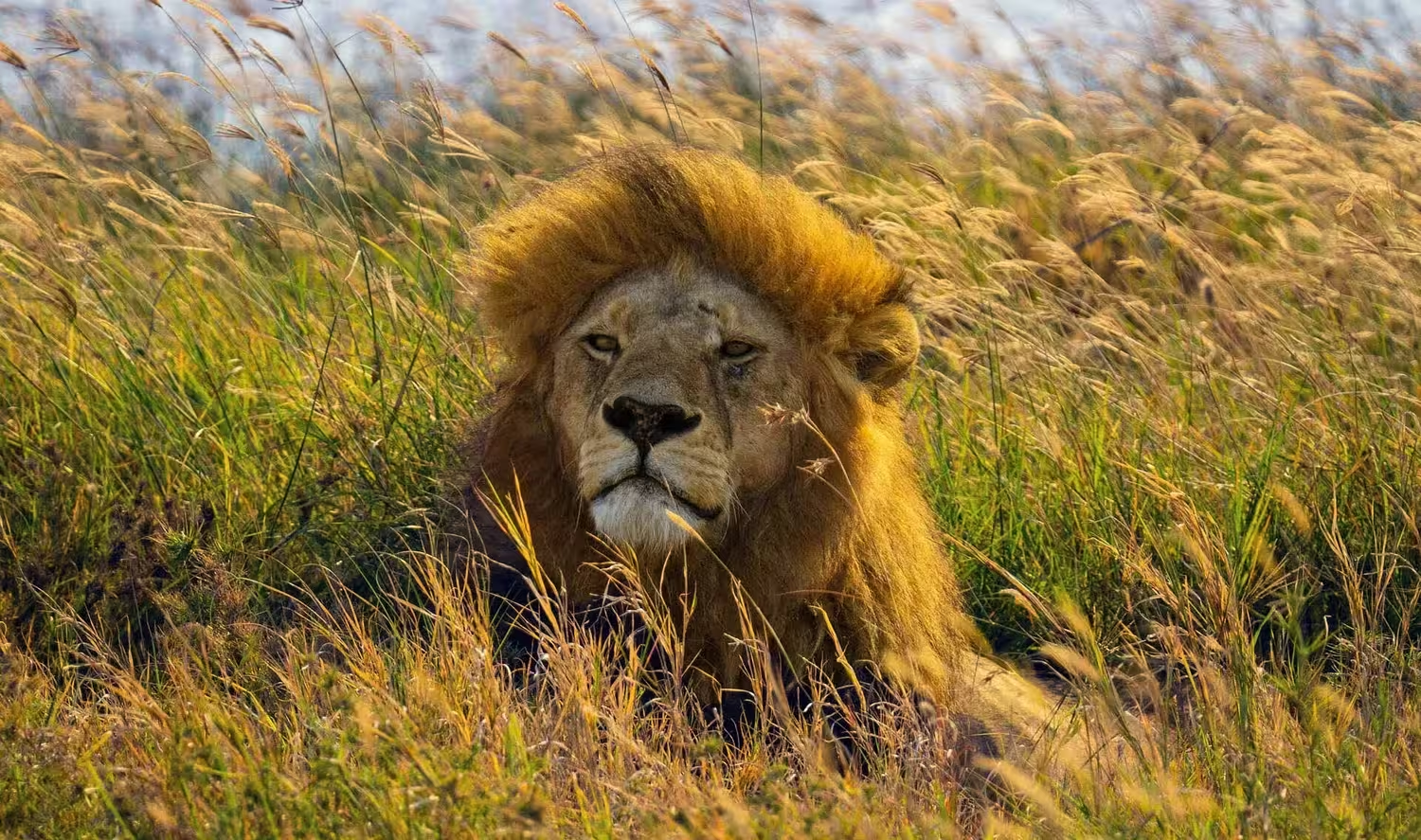
Lions get all the attention. They’re called the king of the jungle. Safari marketing puts them front and center. Movies make them the ultimate African predator.
But lions aren’t the most dangerous animals in Africa. Not even close.
When you measure danger by human fatalities, several other African animals kill far more people each year. Some are massive. Some are tiny. All of them are deadlier than lions.
Lions kill around 200 people annually across Africa. That sounds like a lot until you compare it to what’s coming. What makes an animal dangerous isn’t just strength or teeth. It’s how often humans encounter them, how unpredictable they are, and how their territory overlaps with where people live and work.
Here are six African animals that are genuinely more dangerous than lions.
Hippopotamus
Hippos kill an estimated 500 to 3,000 people every year in Africa. That’s more than any large predator on the continent.
Most people think hippos are slow, lazy river animals. That’s completely wrong. Hippos are territorial, aggressive, and incredibly fast. They can run at speeds up to 30 km/h on land. You cannot outrun a hippo.
Attacks happen for a few reasons. Hippos spend their days in water to keep cool, and they’re extremely protective of their space. If a boat gets too close or someone swims in hippo territory, the animal will attack. They flip boats, bite people in half, and drown victims.
At night, hippos leave the water to graze on land. If you’re walking between them and the river, you’ve blocked their escape route. A threatened hippo will charge. Their jaws can open 150 degrees and bite with a force of around 1,800 pounds per square inch. They don’t just bite once. They crush and shake.
Hippos also kill to protect their young. A mother with a calf nearby won’t hesitate to attack anything she sees as a threat.
Safari safety tip: Never get between a hippo and water. Keep a serious distance from riverbanks where hippos rest. If you’re on a boat safari, listen to your guide about safe proximity. Hippos might look calm, but they’re not.
Nile Crocodile
Nile crocodiles kill between 200 and 1,000 people each year across sub-Saharan Africa. Some estimates go higher depending on the region.
Crocodiles are ambush predators. They wait in murky water near riverbanks, watering holes, and lake edges. You won’t see them until it’s too late. They can stay submerged for over an hour, completely still, just waiting.
When they attack, it’s fast. A crocodile lunges from the water, clamps down with jaws that have a bite force of 3,700 pounds per square inch, and drags the victim underwater. They use a death roll to tear off limbs or drown prey. There’s no fighting back once a croc has you.
Most attacks happen when people fish, collect water, wash clothes, or cross rivers on foot. In rural areas where communities live near water, crocodile attacks are a regular threat. Children are especially vulnerable.
Nile crocodiles grow up to 6 meters long and weigh over 700 kg. They’re patient, powerful, and perfectly designed to kill.
Safari safety tip: Stay well back from water edges, especially in areas known for crocodiles. Don’t dangle hands or feet over boat sides. Never assume water is safe just because you don’t see a crocodile. They’re experts at staying hidden.
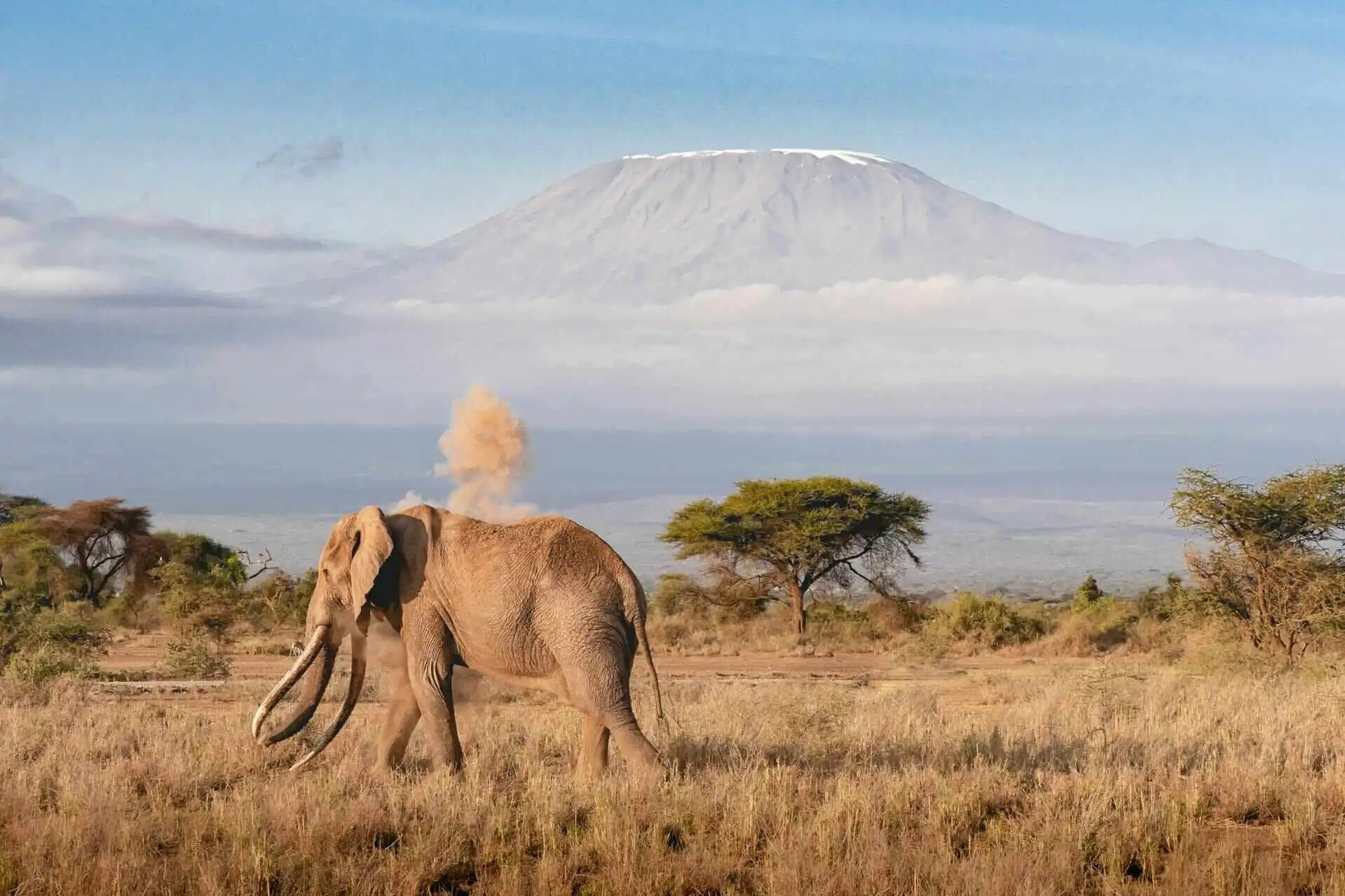
African Elephant
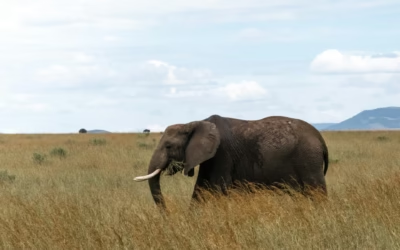
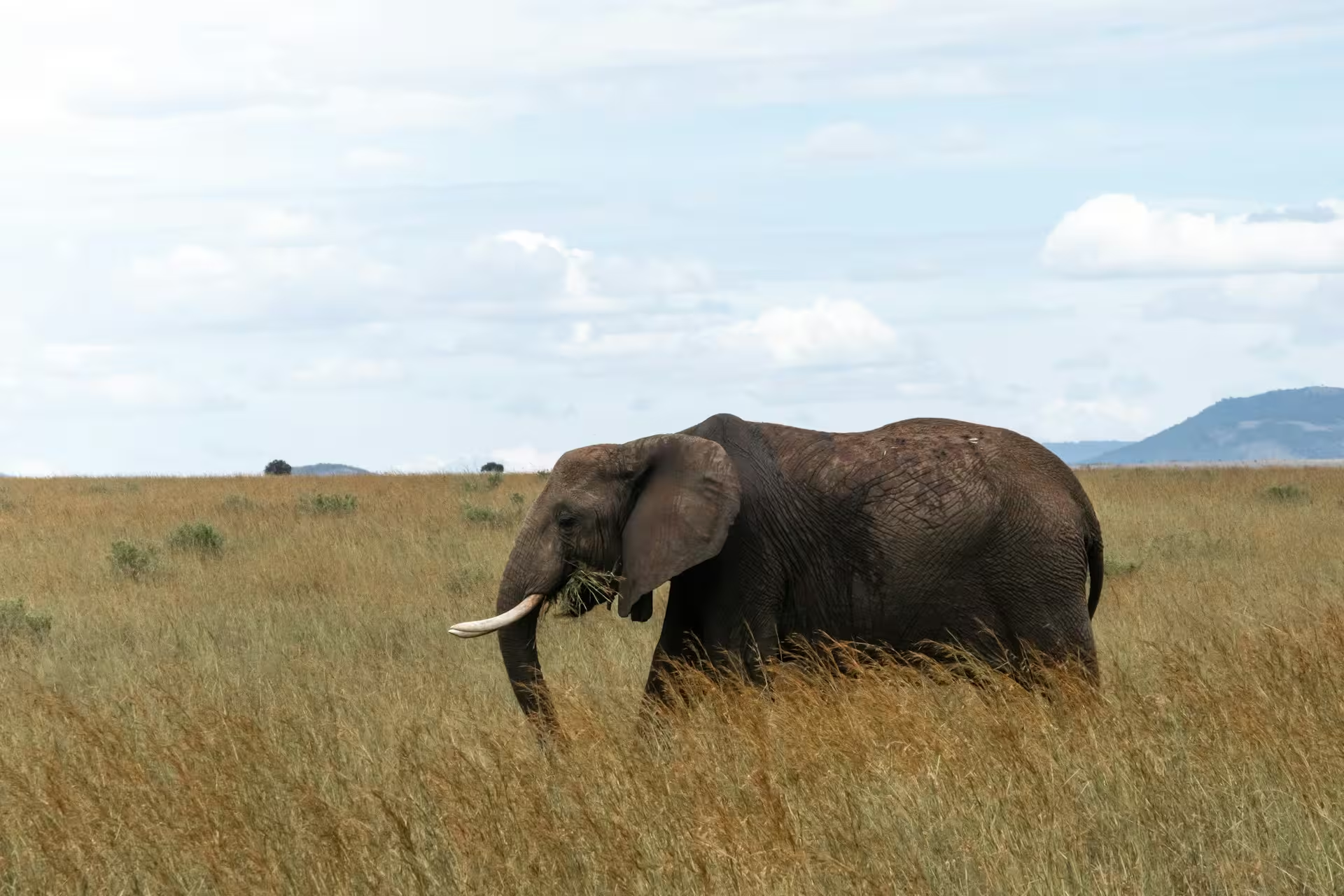
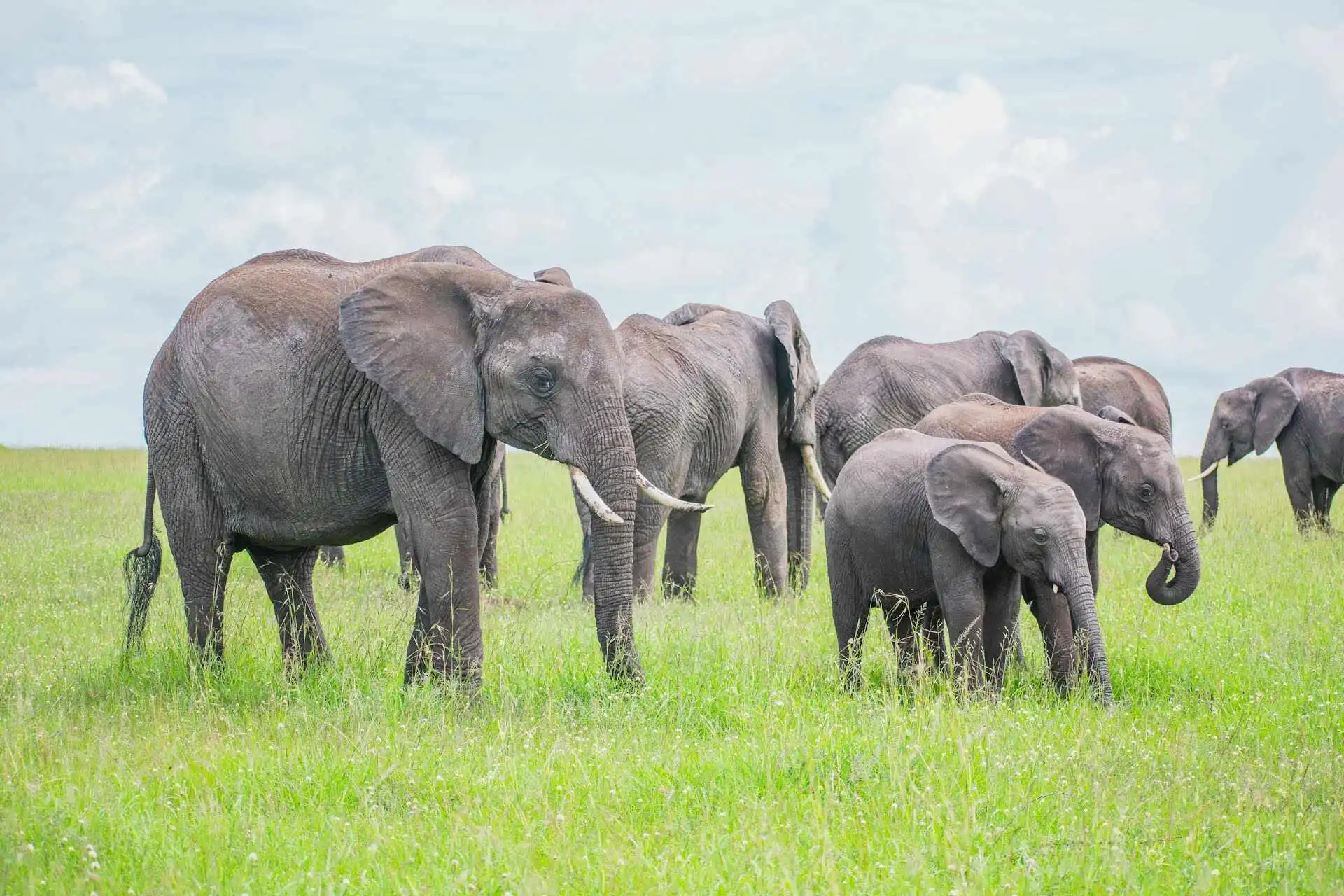
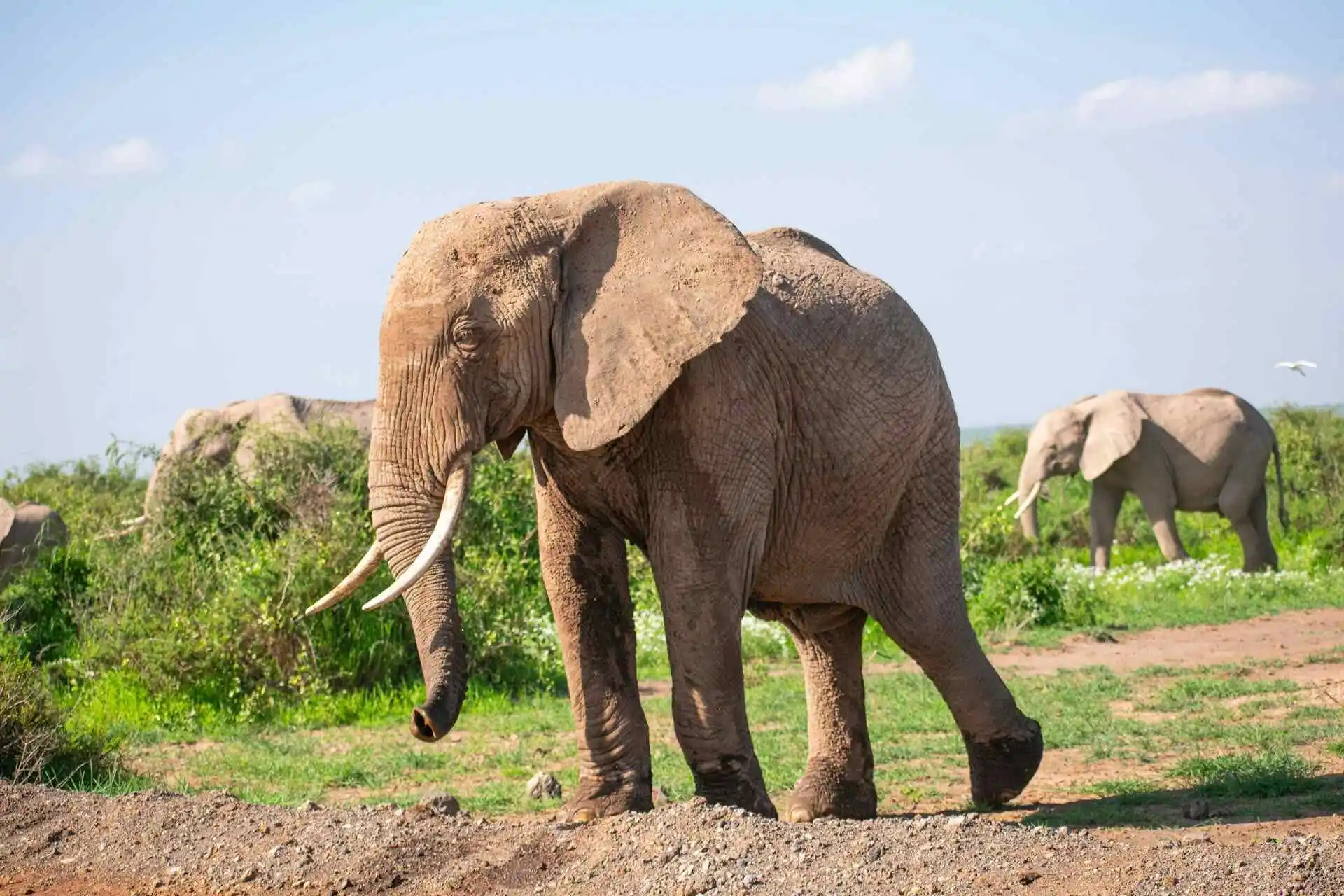
Elephants kill around 500 people each year in Africa. These aren’t accidents. When an elephant attacks, it’s deliberate.
Elephants are generally calm and avoid conflict. But certain situations make them dangerous. Mothers protecting calves will charge anything that gets too close. Males in musth (a period of high testosterone and aggression) become unpredictable and violent. Elephants that have been harassed, shot at, or had their habitat destroyed can develop aggression toward humans.
An elephant charge is terrifying. They weigh up to 6,000 kg and can run at 40 km/h. When they hit, they trample, gore with tusks, and crush. There’s no surviving a full elephant attack.
Warning signs include flared ears, raised trunk, mock charges, and loud trumpeting. But sometimes there’s no warning. An elephant can decide you’re a threat and come at you immediately.
Elephants also have long memories. Herds that have experienced poaching or trauma can be more aggressive toward people in general.
Safari safety tip: Give elephants massive space. If an elephant raises its ears or turns to face your vehicle, you’re too close. Never get out of the vehicle near elephants. Follow your guide’s distance rules without question.
Cape Buffalo
Cape buffalo kill around 200 people per year. Hunters and guides call them “Black Death” or “widowmaker” for good reason.
Buffalo are unpredictable. You can watch a herd calmly grazing one moment, and the next moment they’re charging. They don’t need much provocation. Getting too close, making sudden movements, or just being in the wrong spot can trigger an attack.
When a buffalo charges, it doesn’t stop. They weigh up to 900 kg and hit with the force of a truck. They gore with their horns, toss victims into the air, trample them, and often circle back to make sure the threat is dead. Buffalo are known to kill and then stand over the body, waiting to attack again if there’s movement.
Wounded buffalo are even more dangerous. If a hunter injures one and doesn’t kill it immediately, that buffalo will often track the hunter and attack from ambush. They’re smart, hold grudges, and they don’t give up.
Herd behavior also makes buffalo dangerous. If one charges, others might follow. An entire herd in stampede mode will flatten anything in the way.
Safari safety tip: Respect buffalo space as much as you would a lion. Never approach on foot. If a buffalo stares at you and lowers its head, you’re in serious trouble. Back away slowly and get to safety.
Mosquito
Mosquitoes kill more people in Africa than every other animal combined. The number is staggering: over 400,000 deaths per year, mostly from malaria.
Malaria alone accounts for the vast majority of mosquito-related deaths. The disease is transmitted by female Anopheles mosquitoes, which are widespread across sub-Saharan Africa. Malaria causes fever, organ failure, and death if untreated. Children under five are especially vulnerable.
Mosquitoes also spread dengue fever, yellow fever, Zika virus, and other diseases. Unlike large animals that you can avoid with distance and precaution, mosquitoes are everywhere. They breed in standing water, bite at dusk and dawn, and are nearly impossible to fully avoid in rural areas.
This matters for safari travelers. Many top safari destinations are in malaria zones. Tanzania, Kenya, Zambia, Botswana, and parts of South Africa all have malaria risk, especially in rainy seasons.
Safari safety tip: Take antimalarial medication as prescribed. Use insect repellent with DEET. Sleep under mosquito nets. Wear long sleeves and pants in the evenings. Malaria is preventable, but only if you take it seriously.
Puff Adder
Snakes kill an estimated 20,000 to 30,000 people per year across Africa. The puff adder is responsible for more of those deaths than any other species.
Puff adders aren’t the fastest or most venomous snakes in Africa. But they cause the most bites because of how they behave. They rely on camouflage instead of fleeing. When threatened, they stay still and wait. People step on them by accident, and the snake strikes.
Puff adder venom destroys tissue, causes internal bleeding, and leads to organ failure. Without antivenom, bites are often fatal. Even with treatment, victims can lose limbs.
The black mamba deserves mention too. It’s faster, more aggressive when cornered, and has venom that can kill in hours. But black mambas flee from humans when possible. Puff adders don’t. That’s why they cause more deaths.
Most snake bites happen in rural areas where people walk through grassland or farmland without shoes. Stepping near a hidden puff adder is the most common scenario.
Safari safety tip: Watch where you step when walking in the bush. Wear closed shoes, not sandals. Don’t put your hands in holes or under rocks. If you see a snake, back away slowly. Don’t try to kill it or get closer for photos.
Why Lions Aren’t at the Top
Lions kill around 200 people per year in Africa. That’s not a small number, but it’s far less than hippos, crocodiles, elephants, or mosquitoes.
Lions generally avoid humans. Most lion populations live in protected reserves where human contact is limited. They hunt wild prey, not people. Attacks usually happen in specific situations.
Old or injured lions that can’t hunt effectively sometimes turn to easier prey like livestock or humans. Lions protecting a kill might attack if people get too close. In rare cases, lions near villages develop a pattern of hunting humans, but this is unusual.
Lions are apex predators. They’re incredibly powerful and dangerous when they want to be. But they’re not the most dangerous animal to humans because we don’t overlap with their territory as much as we do with hippos, crocodiles, or mosquitoes.
When you’re on safari in a vehicle, lions are one of the safer animals to watch. They’re used to vehicles and typically ignore them. The real risks come from animals that are more unpredictable or more commonly encountered.
Staying Safe on Safari
Understanding which animals are dangerous doesn’t mean you should be afraid. It means you should be smart.
Follow your guide’s instructions always. Guides know animal behavior, warning signs, and safe distances. If they tell you to be quiet, sit down, or move back, do it immediately.
Keep distance from all wildlife. Animals aren’t tame just because they’re used to vehicles. They’re wild, and wild animals are unpredictable.
Never get out of the vehicle unless your guide says it’s safe. Walking safaris are conducted in controlled conditions with armed guides. Random stops to take photos outside the vehicle can get you killed.
Respect animal space and behavior. If an animal looks agitated, gives warning signs, or moves toward you, give it room. Don’t push for a closer photo or a better angle.
These animals aren’t evil or out to get you. They’re just trying to survive, protect their young, and defend their territory. Attacks happen when humans intrude on that space without understanding the risks.
Final Thoughts
Danger doesn’t mean these animals should be feared or killed. It means they deserve respect.
Hippos, crocodiles, elephants, buffalo,
mosquitoes, and snakes all play critical roles in their ecosystems. They’ve lived in Africa for millions of years. Humans are the ones entering their space.
Understanding risk helps you stay safe and appreciate wildlife properly. The real thrill of safari isn’t taking risks. It’s seeing these incredible animals in their natural habitat while keeping a safe distance.
Proper safari practices protect both animals and visitors. When you follow guidelines, keep your distance, and listen to experienced guides, you get to witness Africa’s wildlife without becoming a statistic.
Lions might be the kings, but they’re not the most dangerous. Now you know what to really watch out for.