Kenya is one of the finest big cat destinations on Earth. Its mix of open savannah, riverine forest, semi-arid scrub, and highland grassland supports five wild cat species, from the lion ruling the Mara plains to the rarely seen caracal slipping through dry thornbush at dusk. This guide covers all five, where to find them, and how to plan your time around them.
How Many Big Cat Species Live in Kenya
Kenya holds five wild cat species that safari travellers have a realistic chance of encountering: lion, leopard, cheetah, caracal, and serval. The African golden cat has an uncertain presence in Kenya's western forests and is not a viable safari target. What follows is a species-by-species breakdown of the five cats Kenya reliably offers, their current status, and exactly where to look.
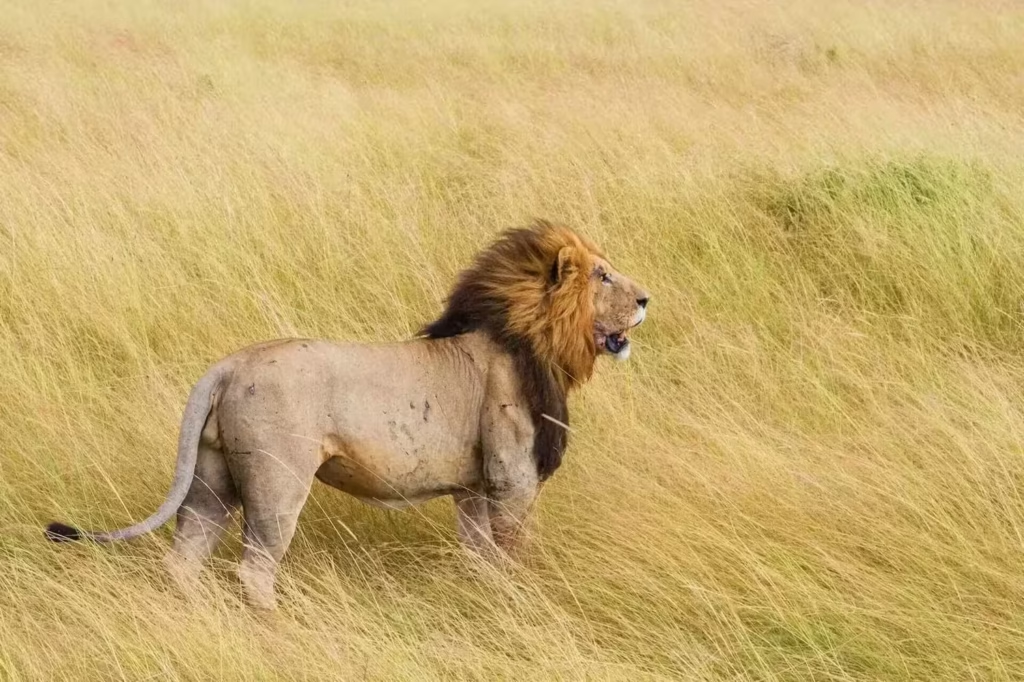
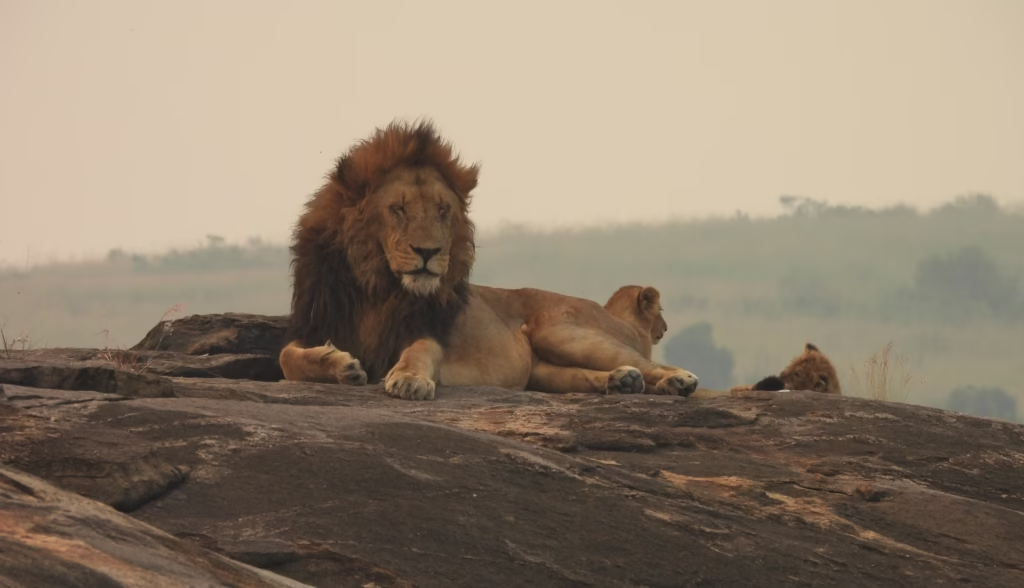
Lion - Panthera leo
IUCN Status: Vulnerable · Kenya population: approximately 2,000
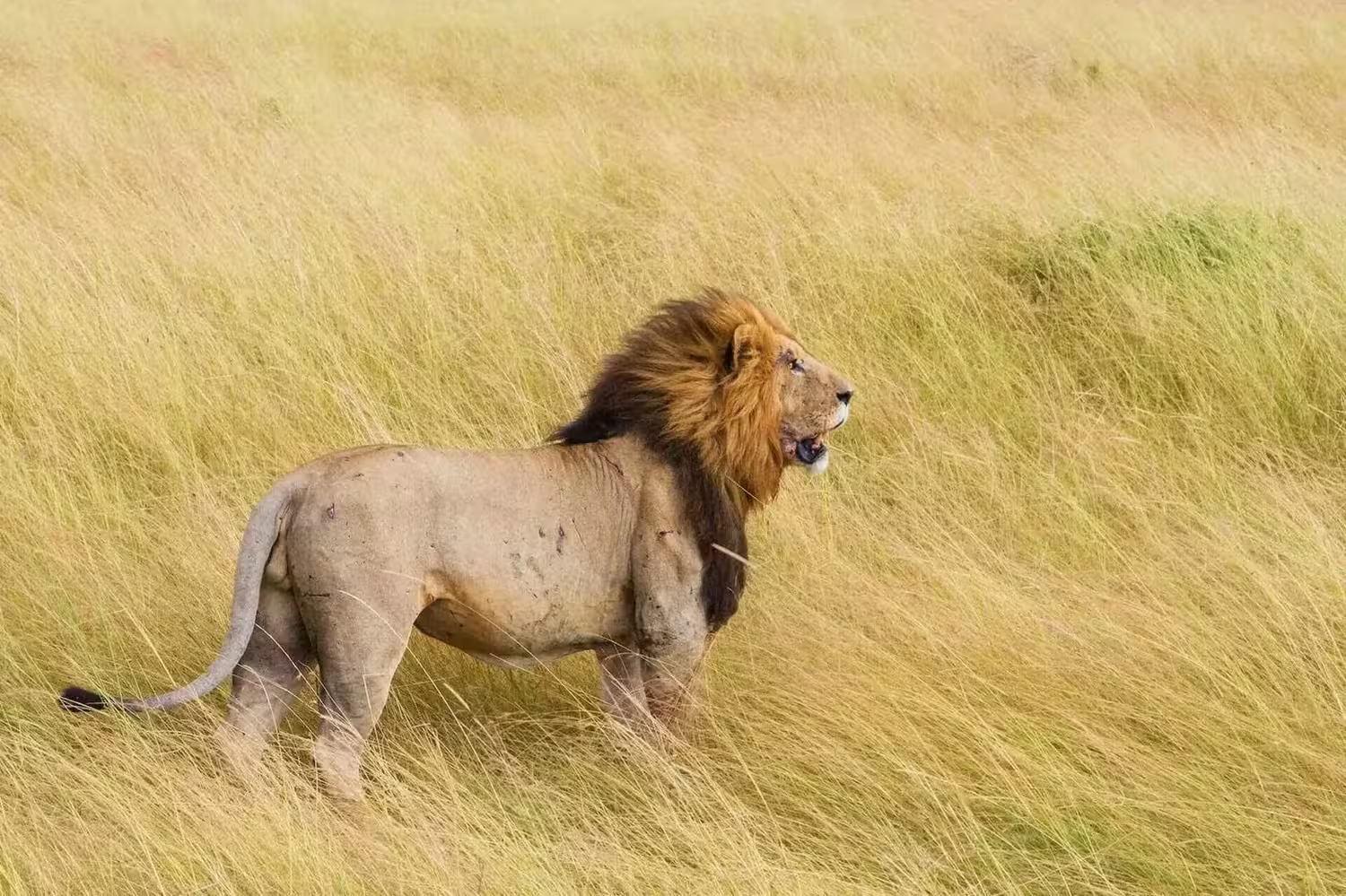
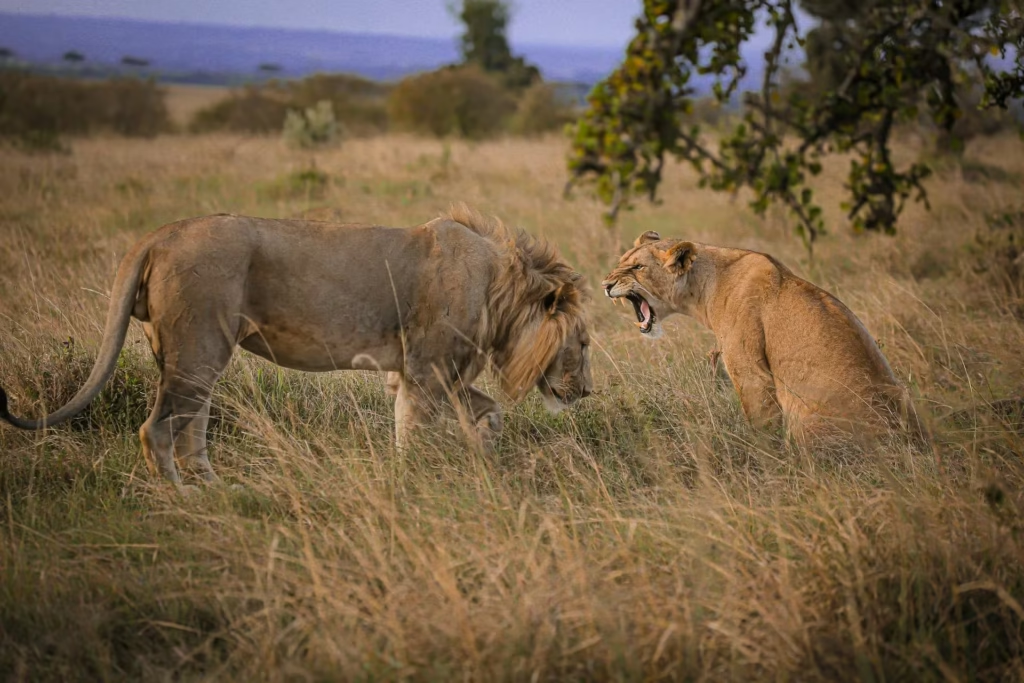
Africa holds between 20,000 and 25,000 lions as of the 2025 IUCN assessment, down from an estimated one million a century ago. Kenya holds around 2,000, one of the continent's more significant national populations.
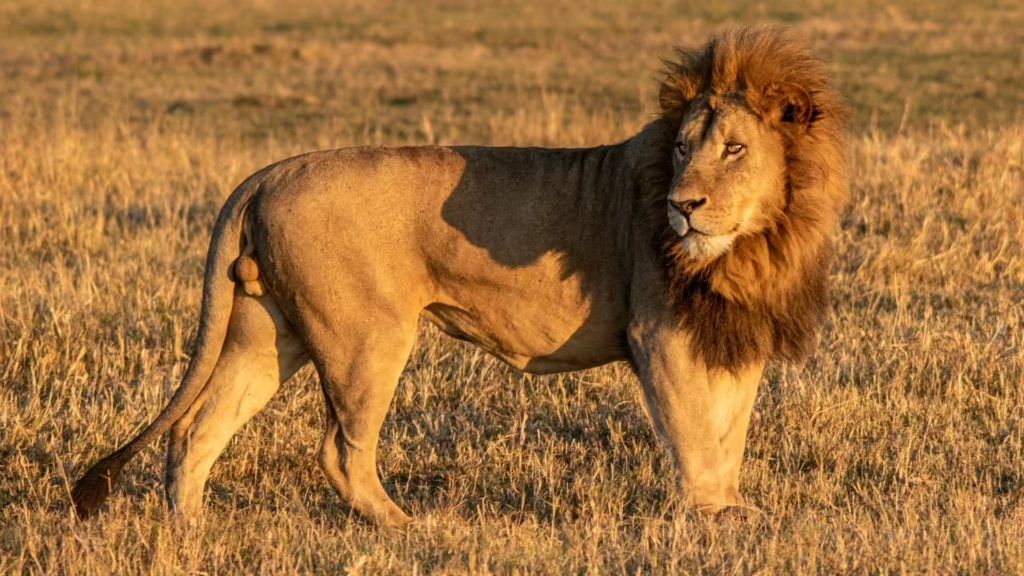
Lions are the only social wild cats, living in prides of 10 to 30 individuals. Females do most of the hunting, targeting wildebeest, zebra, and buffalo in coordinated ambushes. Kenya's Tsavo lions carry a notable distinction: males are maneless or carry only a sparse mane, an adaptation to the hotter, drier conditions of that ecosystem, making them look visibly different from the heavy-maned Mara lions.
Where to see them: The Masai Mara holds over 900 lions across the reserve and conservancies. Tsavo holds around 675. Amboseli has approximately 200, with Kilimanjaro as a backdrop to every sighting.
Leopard - Panthera pardus
IUCN Status: Vulnerable · Population trend: Declining
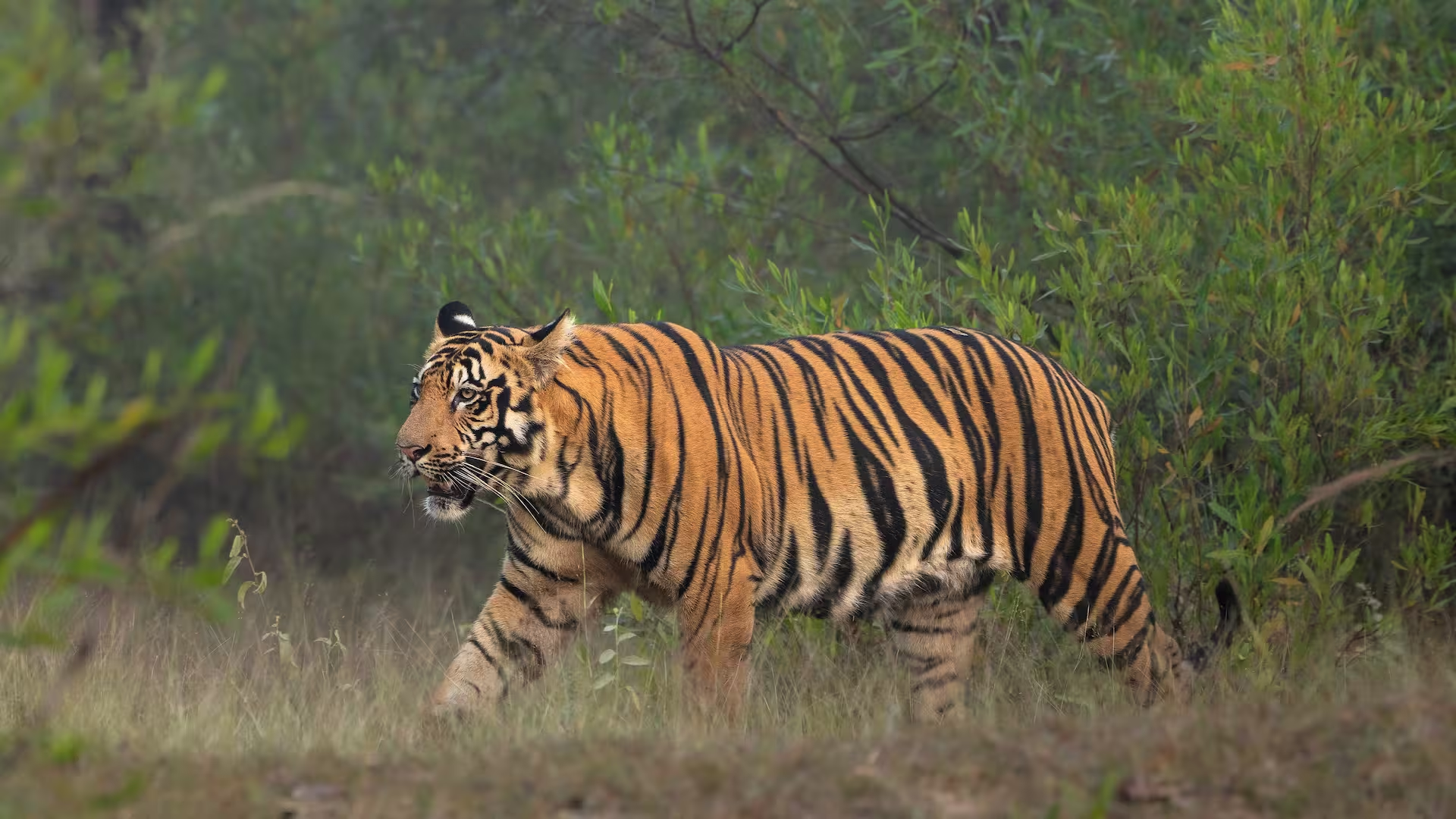
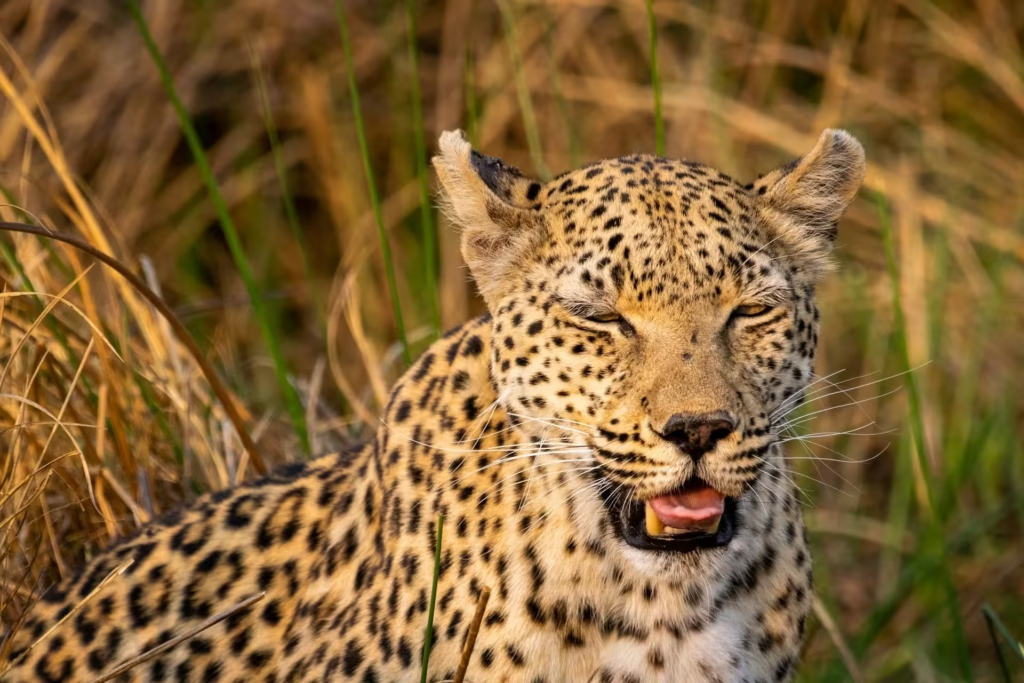
The leopard is the most widespread African big cat and the hardest to see. Solitary, largely nocturnal, and instinctively avoidant of exposure, it spends daylight hours resting in dense thicket or stretched along a tree branch, invisible until you are almost beneath it.
Built for strength rather than speed, the leopard is the most powerful climber of the big cats, capable of hauling a carcass heavier than itself into a tree to keep it from lions and hyenas. Its rosette coat breaks up its outline in dappled light. A leopard sighting is almost always a product of a guide knowing a specific territory intimately, not general searching.
Where to see them: Laikipia conservancies offer the best quality sightings, especially on night drives. The Mara's riverine forest and Samburu's rocky river outcrops are also reliable.
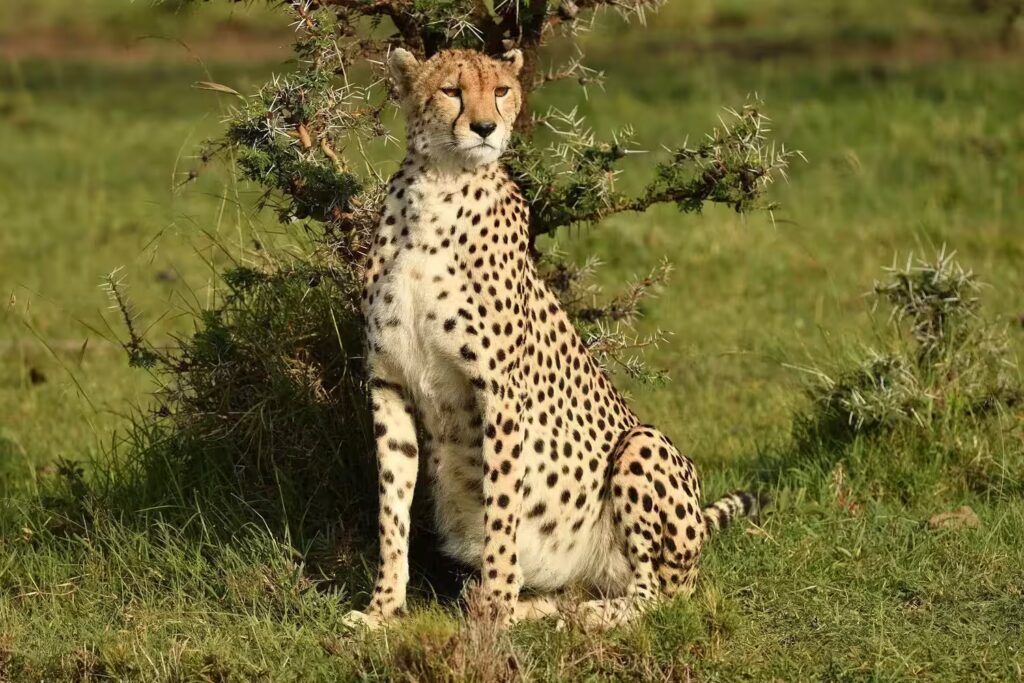
Cheetah - Acinonyx jubatus
IUCN Status: Vulnerable · Kenya population: approximately 750
The cheetah is the fastest land animal on Earth, reaching 120 kilometres per hour in short bursts. It hunts by sight in daylight, using termite mounds and fallen logs as elevated lookout points before a short explosive sprint. Unlike lion and leopard, it cannot roar, communicating instead through chirps and purrs.
Fewer than 7,000 cheetahs survive globally, representing a 91% loss of historic range. Kenya holds around 750. Being diurnal makes the cheetah more reliably found during morning drives than most other big cats, and its preference for open ground makes it easier to observe once located.
Where to see them: The Masai Mara is Kenya's premier cheetah location. The Mara Cheetah Project actively monitors individuals in the southern sector. Amboseli and the adjacent Selankay Conservancy also hold a well-documented population.
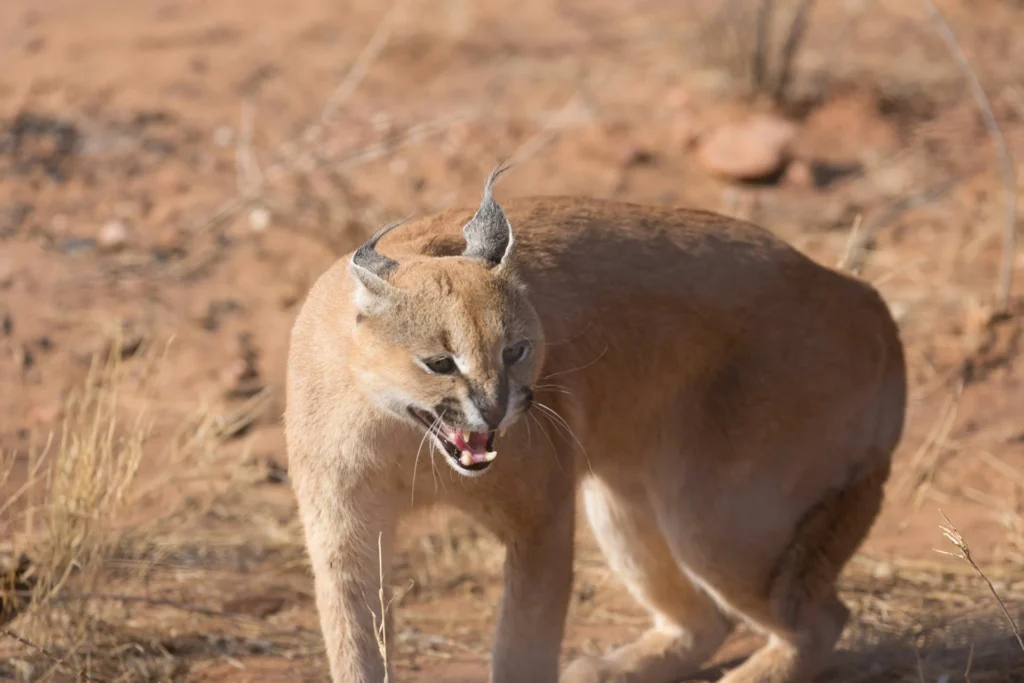
Caracal - Caracal caracal
IUCN Status: Least Concern · Rarely seen on safari
The caracal is one of Africa's most athletic medium-sized cats. Its most distinctive feature is its long, black-tufted ears, which function as highly sensitive sound receptors for locating prey in dense cover. Adults weigh between 8 and 18 kilograms and are capable of leaping over two metres vertically to knock birds from flight.
Caracals are almost entirely nocturnal and solitary, found across dry savannah and thornbush habitats in Kenya. Most visitors never see one. A sighting requires a dedicated nocturnal drive in a private conservancy, a good spotlight operator, and patience. The eye-shine reflected from a spotlight beam is usually the first and only indication of a caracal nearby.
Where to see them: Laikipia conservancies, particularly Ol Pejeta and Lewa on nocturnal drives. Samburu's drier habitats also hold caracal.
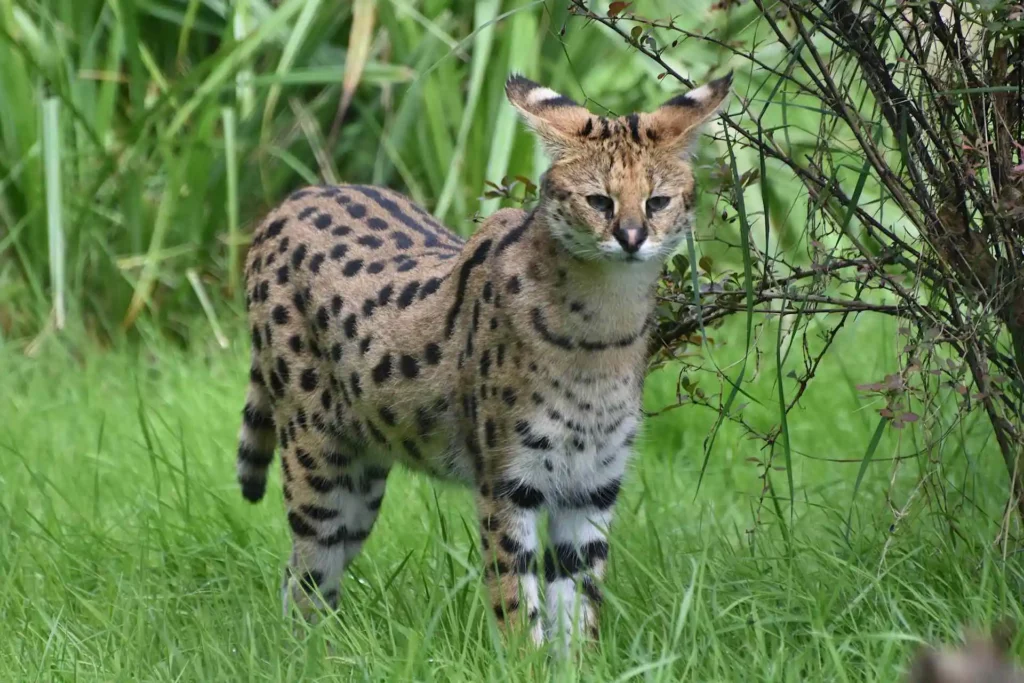
Serval - Leptailurus serval
IUCN Status: Least Concern · Occasionally seen at dawn and dusk
The serval is a long-legged, spotted cat built for hunting in tall grass and wetland margins. Its oversized ears detect rodents moving beneath grass cover before a high vertical leap and downward plunge of the forepaws pins the prey. It has the highest hunting success rate of any African cat, reportedly catching prey on more than half of its attempts.
More crepuscular than strictly nocturnal, the serval is encountered on early morning drives more often than other smaller cats. It prefers the margins of wetlands, floodplains, and tall grassland, habitats that a standard game drive passes through regularly.
Where to see them: The wetland margins of the Masai Mara, particularly around Musiara Marsh, are the most reliable location. The Aberdare highlands and Lake Naivasha grassland margins also hold serval populations.
Kenya's Big Cat Hotspots
Masai Mara and conservancies is Kenya's single most productive big cat location. High prey density sustains high predator numbers year-round. Lion, leopard, and cheetah are all regularly encountered. Adjacent private conservancies including Mara North, Naboisho, and Olare Motorogi allow off-road driving and smaller vehicle numbers per sighting, producing noticeably better quality encounters.
Laikipia Plateau is the best location for leopard, caracal, and nocturnal wildlife. Private conservancies here permit night drives and walking safaris unavailable in national parks. Significant lion and cheetah populations are present alongside Kenya's rhino and Grevy's zebra.
Samburu National Reserve delivers reliable lion and leopard sightings in a drier, more rugged northern landscape. Leopards are regularly spotted in rocky outcrops along the Ewaso Nyiro River.
Tsavo National Parks cover 23,000 square kilometres and hold around 675 lions. The maneless Tsavo male is unique to this ecosystem. Tsavo is best combined with a coastal extension given the travel distance from Nairobi.
Amboseli National Park offers lion and cheetah sightings against the backdrop of Mount Kilimanjaro. Small but well-managed, with approximately 200 lions and a strong cheetah presence in the Selankay Conservancy next door.
Threats to Kenya's Big Cats
All three of Kenya's larger big cats are classified as Vulnerable on the IUCN Red List. Human-wildlife conflict is the leading cause of big cat mortality outside protected areas. Lions and leopards that take livestock are killed in retaliation, often through poisoning which affects an entire scavenging food chain. Kenya has lost nearly 68% of its total wildlife population since 1977, driven by habitat loss and human settlement expansion. Shrinking habitat reduces prey, which pushes big cats onto livestock, which triggers retaliatory killing - a cycle that requires community-level solutions, not just park protection.
Conservation Efforts for Kenya's Big Cats
The Mara Lion Project and Mara Cheetah Project monitor individual animals across the Masai Mara ecosystem, providing population data that guides management decisions and is funded substantially through conservation tourism. Lion Landscapes works with communities across Kenya on livestock protection measures that reduce the incentive for retaliatory killing. Panthera runs lion and cheetah programmes across multiple Kenyan ecosystems.
The community conservancy model on Laikipia is the most significant structural intervention available. By making wildlife economically valuable to local landowners through tourism revenue, conservancies create a direct financial incentive to tolerate predators on community land rather than eliminate them.
How to Plan a Big Cat Safari in Kenya
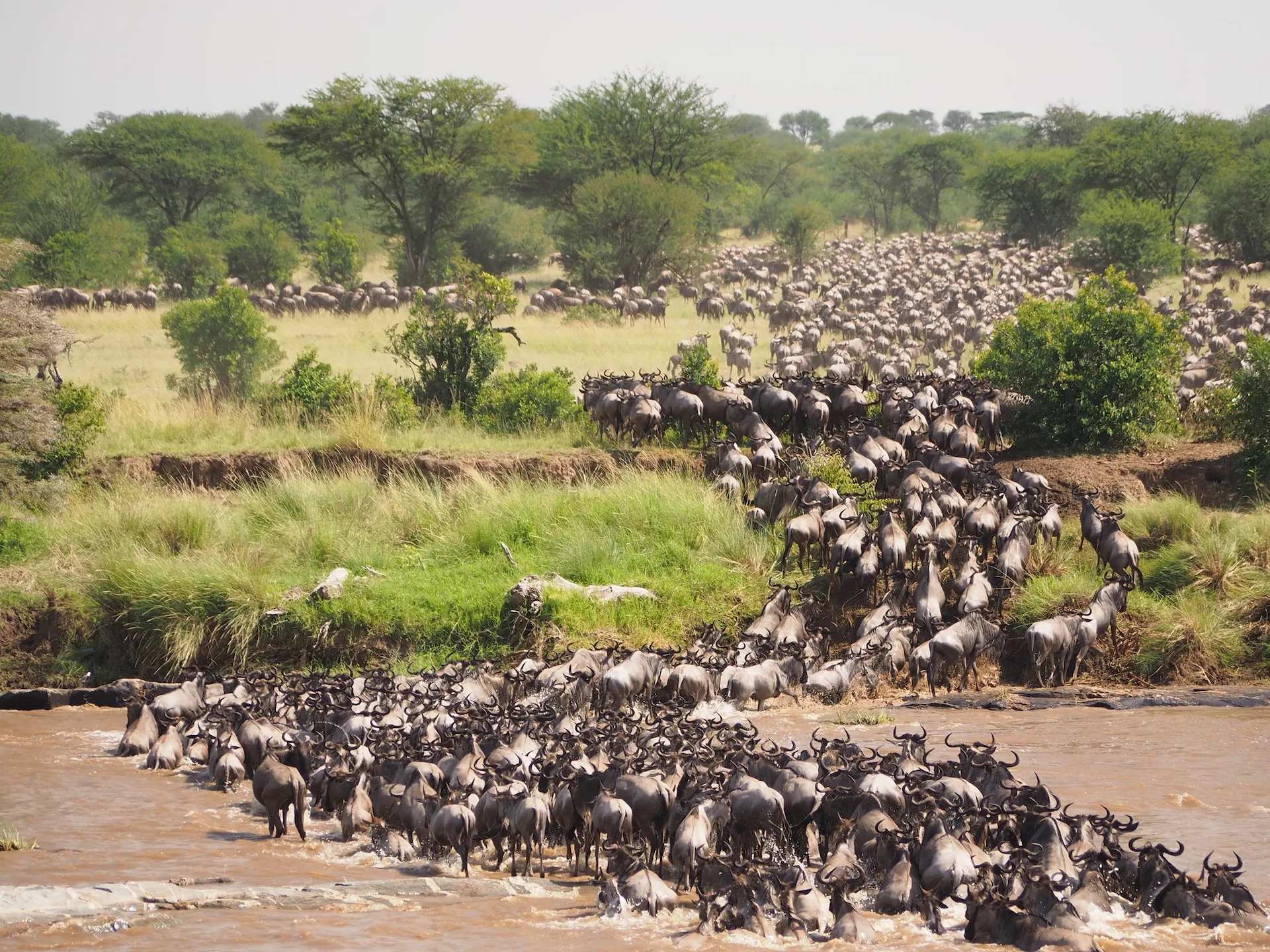
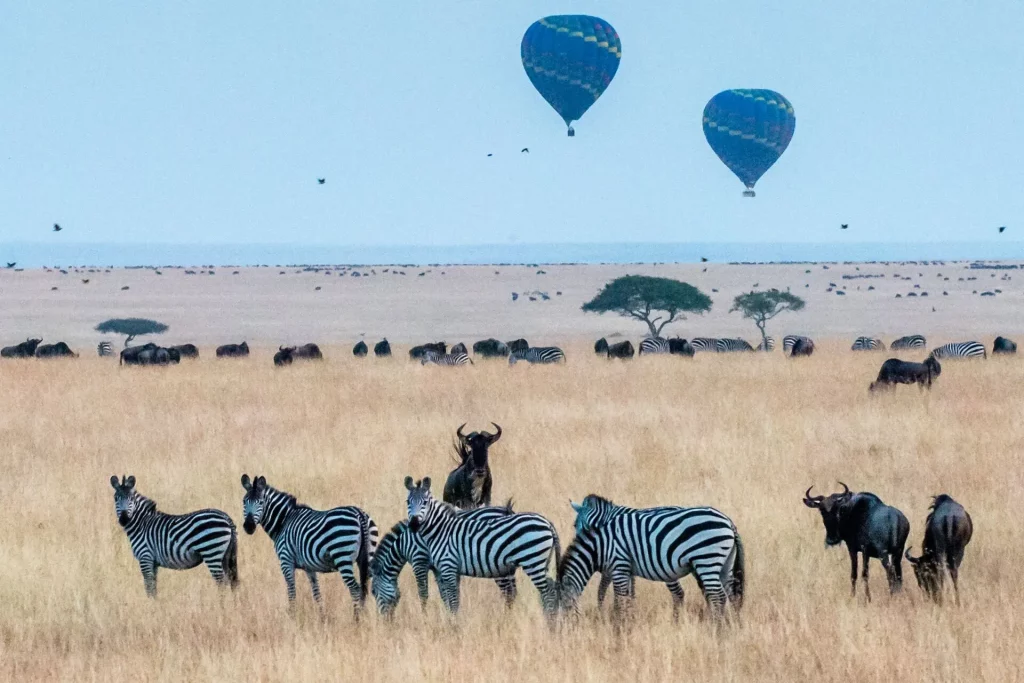
For lion and cheetah: The Masai Mara between July and October, during the Great Migration, gives the highest big cat activity of the calendar year. January to February is the second best window, quieter and with fewer vehicles.
For leopard: Laikipia conservancies with night drives are the best choice. Mara leopards are regularly seen but require a guide with territory-specific knowledge.
For caracal and serval: Choose camps offering nocturnal drives and early dawn departures. Tell your guide these species are a priority on the first day. Most guides will not scan for smaller cats unless specifically asked.
Camp selection matters more than park selection. A well-positioned conservancy camp consistently outperforms a national park lodge for big cat sightings, because of off-road access, low vehicle density, and guide quality.
Practical Notes
Kenya requires an Electronic Travel Authorisation for most nationalities, applied online before departure. Internal flights from Nairobi's Wilson Airport connect to the Mara, Amboseli, Laikipia, and Samburu in under an hour. July to October is peak dry season. January to February is quieter with strong sightings. Avoid April to May during the long rains. Responsible big cat photography means staying silent during hunts and never pressuring a guide to approach more closely for a better image.
Frequently Asked Questions:
What big cats live in Kenya?
Kenya is home to five wild cat species: lion, leopard, cheetah, caracal, and serval. Lion, leopard, and cheetah are most commonly seen on standard game drives. Caracal and serval require nocturnal drives or early dawn departures with a guide actively looking for them.
Where is the best place to see lions in Kenya?
The Masai Mara and its adjacent conservancies hold over 900 lions and is the most reliable location in the country. Tsavo holds around 675, Amboseli approximately 200, and Ol Pejeta Conservancy in Laikipia actively tracks six to seven radio-collared prides.
Where is the best place to see leopards in Kenya?
Laikipia's private conservancies, particularly on nocturnal drives, offer the best quality leopard encounters in Kenya. The Masai Mara's riverine forest and Samburu National Reserve are also reliable locations.
Are cheetahs endangered in Kenya?
Cheetahs are classified as Vulnerable globally with fewer than 7,000 remaining in the wild and 91% of historic range lost. Kenya holds approximately 750 individuals. The Masai Mara and Amboseli are the most important cheetah ecosystems in Kenya.
What is the difference between a caracal and a serval?
The caracal is stockier with long, black-tufted ears and a plain tawny coat, preferring dry thornbush and rocky terrain. The serval is longer-legged and spotted with very large rounded ears, preferring wetlands and tall grassland. Both are found in Kenya but are rarely seen without a dedicated nocturnal drive.
What is the best month to see big cats in Kenya?
July to October is the peak period, when the Great Migration brings exceptional prey density into the Mara and predator activity intensifies. January and February offer a quieter dry season with strong sightings and significantly fewer vehicles on the game drives.