Migration season in Africa is not just another safari. It’s a completely different experience.
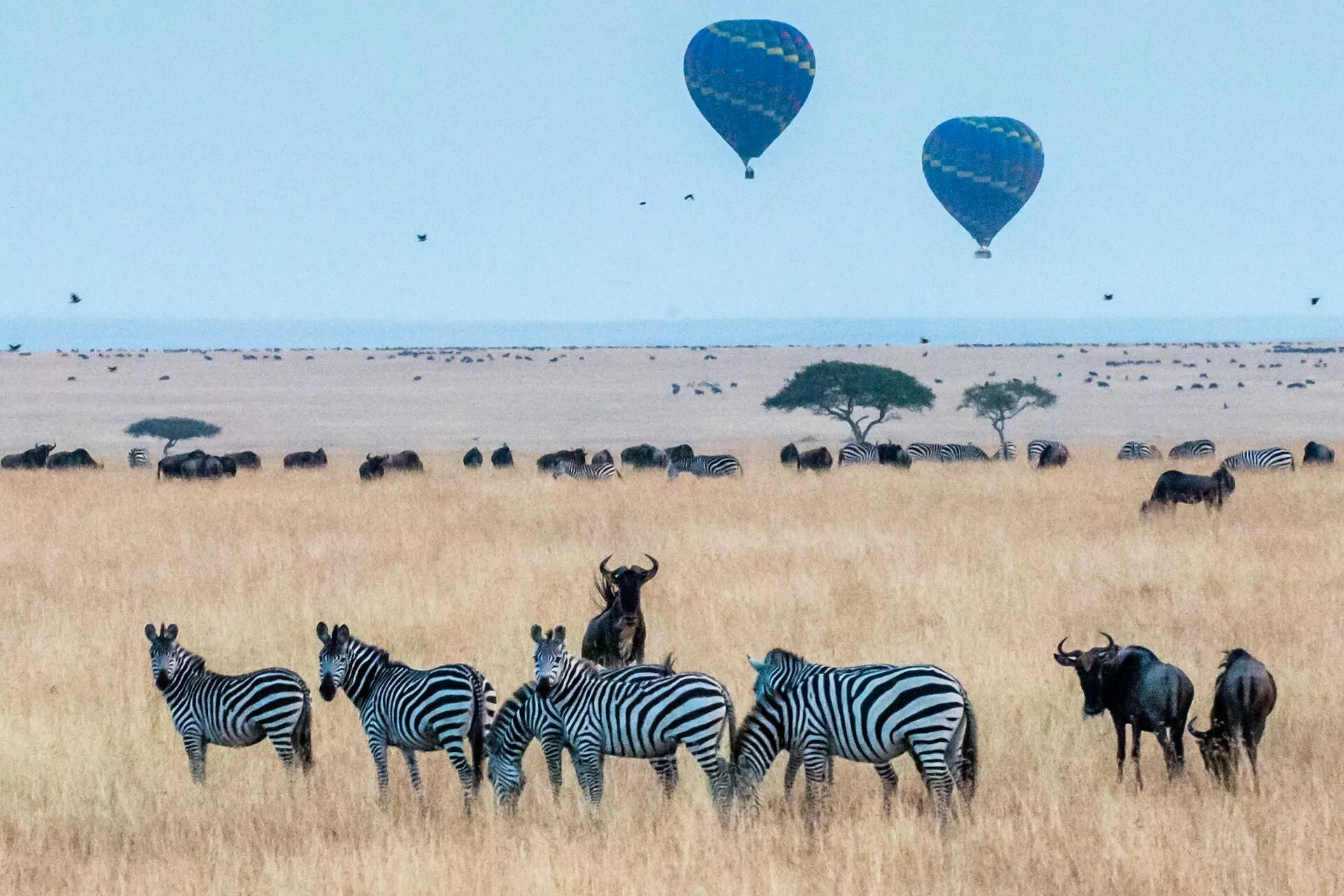
The Great Migration involves over two million wildebeest, zebras, and gazelles moving through the Serengeti-Masai Mara ecosystem. This annual cycle creates wildlife moments you simply cannot see at any other time of year.
Regular safari season offers excellent game viewing. But migration safari delivers raw nature at a scale and intensity that’s hard to describe. Predators hunt constantly. Rivers fill with desperate animals. Thousands of calves are born in just weeks. The entire ecosystem operates at maximum capacity.
These 12 moments only happen during migration season. Time your safari right, and you’ll witness some of the most powerful wildlife scenes on Earth.
1. The Mara River Crossing
This is the moment everyone knows. It’s the image that defines the Great Migration.
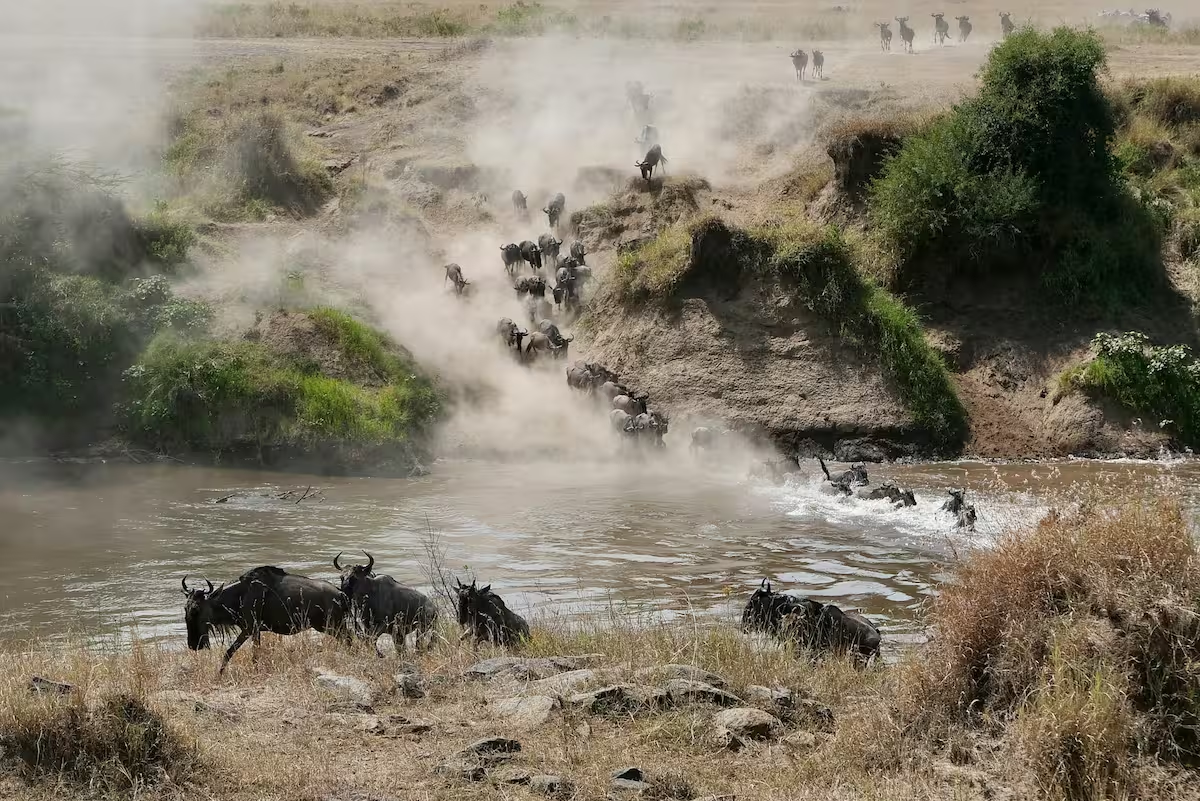
Between July and September, massive herds gather at the Mara River. They need to cross from Tanzania’s Serengeti into Kenya’s Masai Mara to reach fresh grazing. But the river is full of Nile crocodiles that have been waiting for this exact moment.
Wildebeest crowd the riverbanks. Hundreds, sometimes thousands, packed together. They can see the crocodiles. They know the danger. But they have no choice.
One wildebeest eventually jumps. Then the rest follow. Within seconds, the river fills with bodies. Animals leap from cliffs, plunge into deep water, and scramble over each other to reach the far bank. Some drown. Some get crushed. Crocodiles lunge from the water and drag victims under.
This happens multiple times during migration season at specific crossing points along the Mara River. Each crossing is different. Some are calm. Some are catastrophic.
Expert Tip: Arrive at known crossing points early in the morning. Herds often cross between 9 AM and 11 AM, but it’s unpredictable. Be prepared to wait for hours. The best crossing points are near the Mara Serena and Paradise Crossing areas. Book lodges close to these spots to maximize your chances.
2. The Calving Season
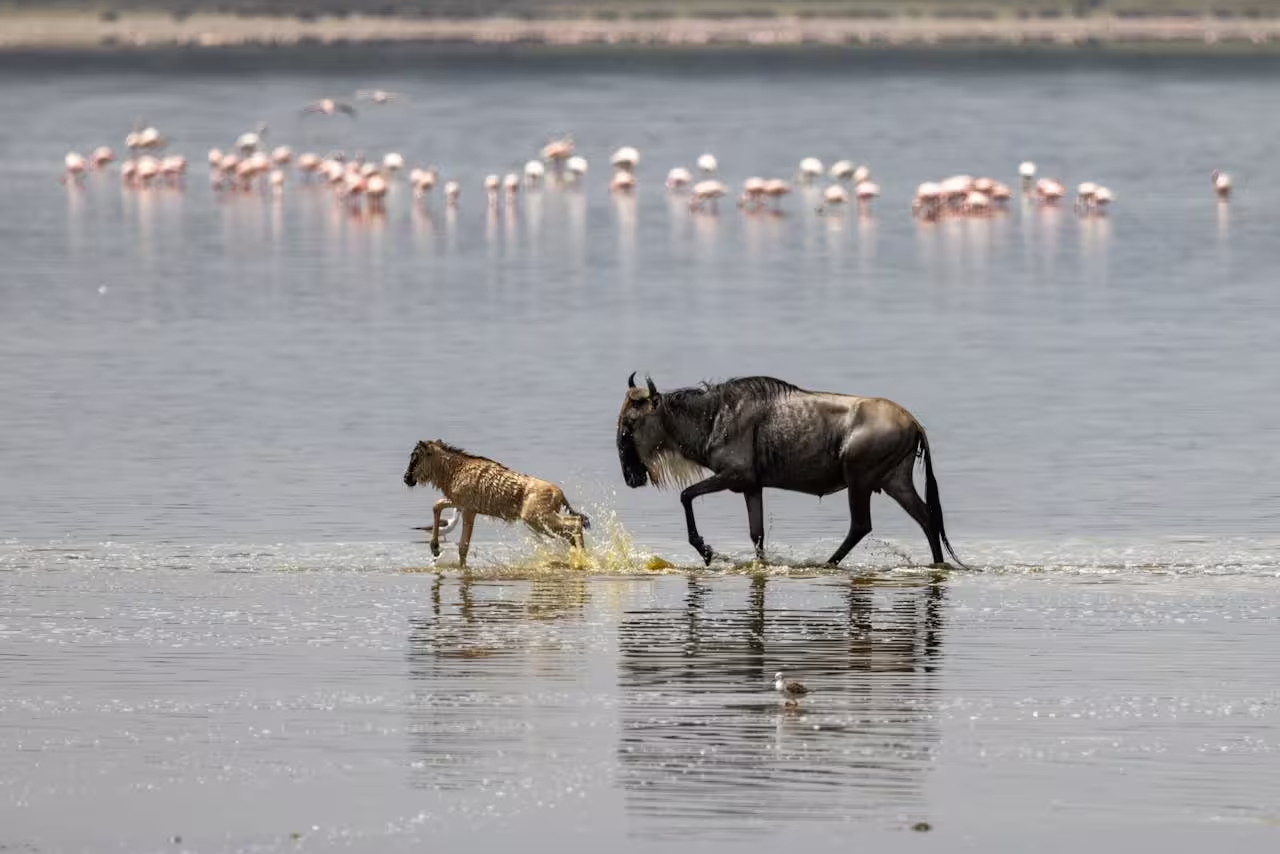
Every January and February, something extraordinary happens in the Southern Serengeti. Over 8,000 wildebeest calves are born every single day for about three weeks.
This is not spread out. It’s concentrated. Within a short window, roughly 500,000 calves enter the world. The southern plains around Ndutu become a nursery on a scale that’s hard to process.
Wildebeest give birth standing up. The calf drops to the ground. Within five minutes, it’s trying to stand. Within ten minutes, it’s walking. Within thirty minutes, it can run with the herd. Speed is survival.
Why do they all give birth at once? Predator satiation. Lions, hyenas, cheetahs, and leopards can only eat so much. By flooding the area with thousands of vulnerable calves, most survive because predators simply can’t kill them all.
The plains are filled with wobbly-legged calves, protective mothers, and predators moving from one meal to the next. Birth and death happen side by side, constantly, for weeks.
Expert Tip: Stay in the Ndutu region or Southern Serengeti from late January through February. Mobile camps like Ubuntu and Kusini offer front-row access. Drive out early each morning when predators are most active and calves are freshly born.
3. Predator Frenzy in the Southern Serengeti
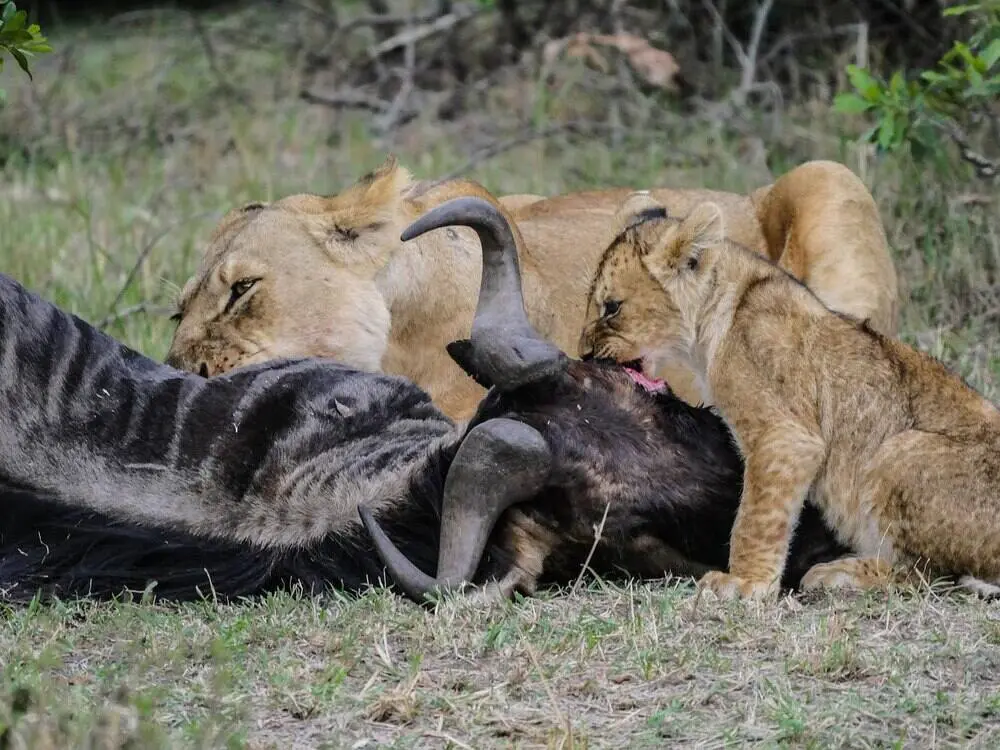
February is peak hunting season in the Southern Serengeti. Every predator in the region knows it.
Lions that usually spread across large territories now concentrate in the south. Prides that normally hunt every few days are killing daily. They focus on newborn calves because they’re easy targets. A single pride can take down multiple calves in one morning.
Hyena clans grow bolder. They patrol the herds, listening for the sounds of distressed calves. When a calf gets separated from its mother, hyenas close in fast. They work in packs, overwhelming the mother and taking the calf.
Leopards, usually solitary and secretive, also benefit. They pick off stragglers at the edges of herds, especially at night. With so much prey around, even leopards are easier to spot during daylight.
This is predator viewing at its most intense. Multiple kills happen daily. The balance between life and death is on full display.
Expert Tip: Focus your drives on areas with high calf concentrations. Predators follow the food. Ask your guide to position near large herds early in the morning and late afternoon when hunting activity peaks. Patience pays off during this season.
4. Cheetahs Hunting in Open Plains
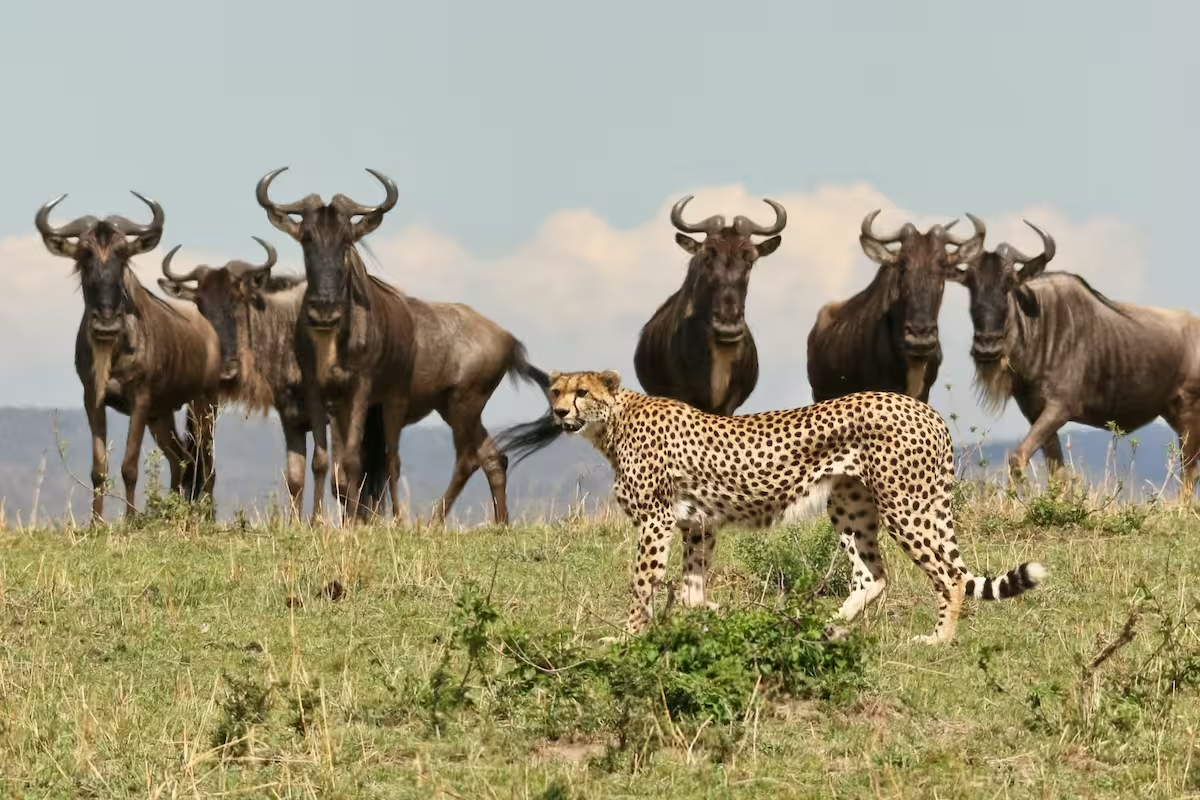
Migration season is the best time to see cheetahs in action. The open plains of the Serengeti and Masai Mara are perfect cheetah habitat, and the abundance of prey brings them out in higher numbers.
Cheetahs are built for speed. They can hit 110 km/h in short bursts. During migration, they target young wildebeest, gazelles, and impalas that get separated from herds.
A typical hunt starts with the cheetah scanning from a termite mound or small hill. Once it spots prey, it stalks low and slow, getting as close as possible. Then it explodes into a sprint. The chase lasts seconds. If the cheetah catches its target, it uses its dewclaw to trip the animal and then clamps onto the throat to suffocate it.
Migration season also brings more cheetah families into view. Mothers with cubs use this time to teach hunting. You’ll see cubs practicing stalking techniques, learning when to sprint, and figuring out how to coordinate attacks.
Cheetahs eat fast. They’re not strong enough to defend kills from lions or hyenas, so they consume what they can quickly and abandon the rest.
Expert Tip: Look for cheetahs on elevated spots like termite mounds in the early morning. They use height to scan for prey. The eastern Serengeti plains and areas around Ndutu are excellent for cheetah sightings during migration. Stay quiet and still once you spot one hunting.
5. Leopards Dragging Kills Up Trees
Leopards are solitary and secretive. Most of the year, spotting one requires luck and patience. But during migration, leopard sightings increase because there’s more prey, and they’re more active.
Leopards hunt stragglers from the migrating herds. Young wildebeest, injured zebras, and distracted gazelles become targets. Unlike lions and cheetahs, leopards hunt at night and drag their kills into trees to keep them safe from scavengers.
Watching a leopard haul a kill up a tree is one of safari’s most impressive sights. A full-grown leopard can lift prey that weighs more than itself straight up a vertical trunk. They use pure strength and balance to wedge the carcass into a fork between branches.
Once the kill is secured, the leopard feeds over several days, returning to the tree when hungry. This behavior is most visible during migration because leopards kill more often and store food in trees near their territories.
Trees with leopard kills attract attention. Vultures circle overhead. Hyenas pace below, hoping something falls. But the leopard stays in control, resting on a branch with a full belly.
Expert Tip: Check large acacia trees near rivers and thickets, especially in the Seronera area of the Serengeti. Early morning drives increase your chances of finding leopards still feeding before they retreat into shade for the day.
6. Dust Clouds and Thundering Hooves
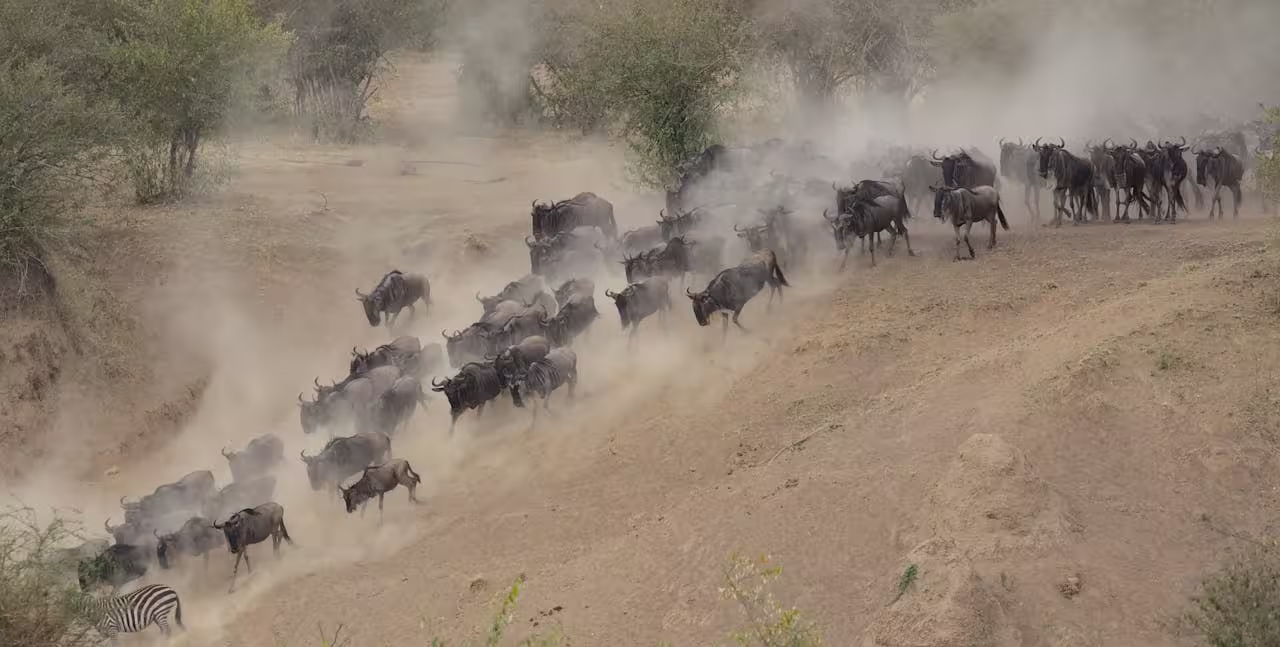
Before you see the herds, you hear them. Before you hear them, you see the dust.
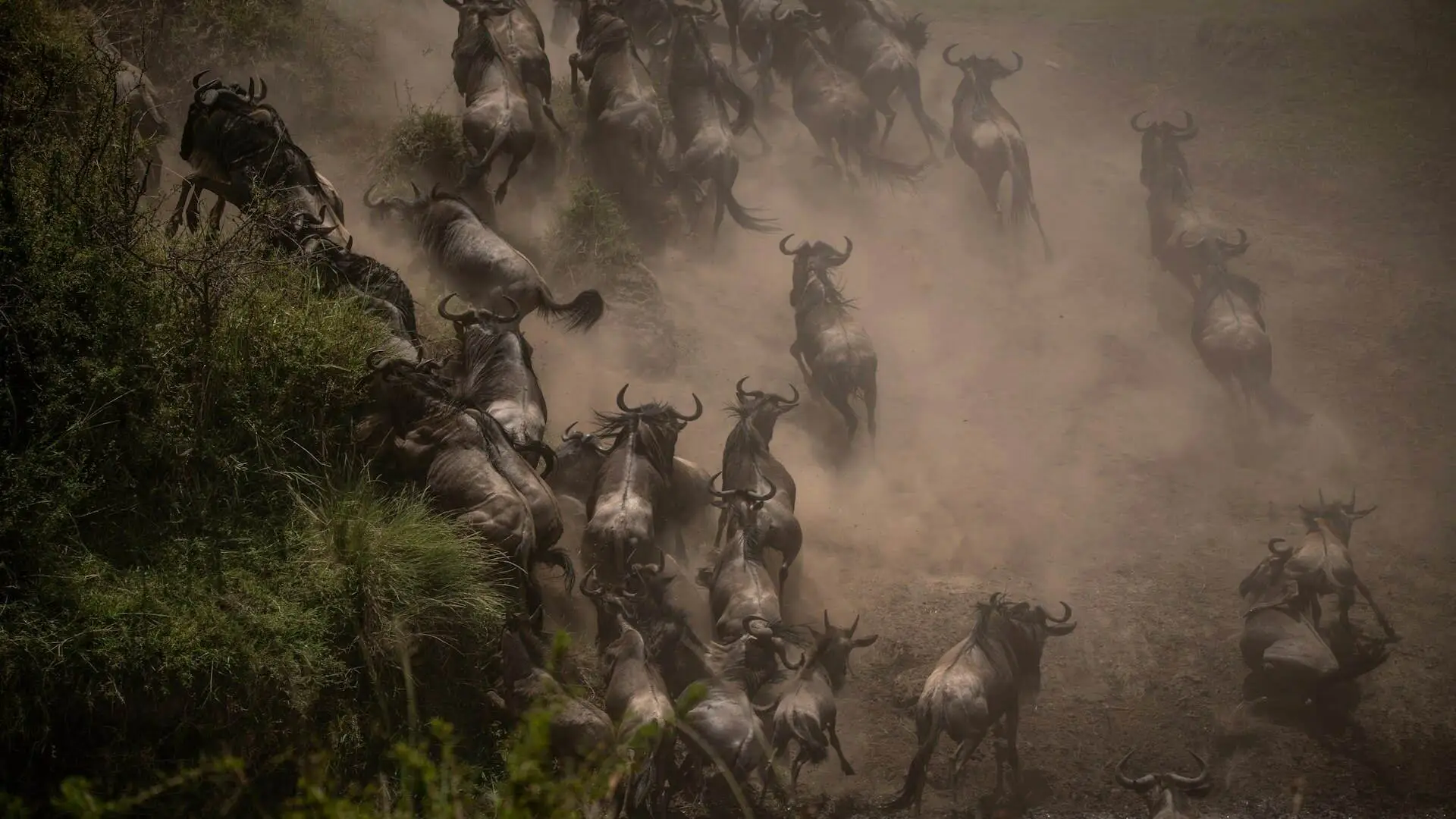
When hundreds of thousands of wildebeest and zebras move together, the ground shakes. Literally. You can feel the vibration through your vehicle. The noise is constant: grunting, snorting, bleating, and the pounding of hooves on dry earth.
Dust rises from the plains like smoke. From a distance, it looks like a storm approaching. Up close, it’s a wall of animals stretching as far as you can see. Wildebeest move in long columns, sometimes several kilometers wide. Zebras mix in, their stripes flashing through the dust. Gazelles dart around the edges.
This is the scale of migration. It’s not just a few animals. It’s a force of nature. The herds move slowly but relentlessly, grazing as they go, stripping grass down to dirt, then moving forward.
When they stampede, the sound is deafening. If something spooks the herd, thousands of animals bolt at once. The dust becomes so thick you can barely see. The ground trembles. It’s primal and overwhelming.
Expert Tip: Position yourself on high ground or at a vantage point where you can see the herds approaching from a distance. The best views are from hills in the central Serengeti or open plains in the Mara. Afternoon light makes the dust clouds glow.
7. Crocodile Ambushes in Migration Rivers
Nile crocodiles in the Mara and Grumeti Rivers spend most of the year half-starved. Then migration season arrives, and they feast.
Crocodiles know when the herds are coming. They gather at crossing points weeks in advance, waiting in murky water. Some don’t eat for months, surviving on stored fat. But when wildebeest enter the river, everything changes.
A crocodile ambush happens in seconds. The wildebeest is mid-swim, focused on reaching the far bank. The crocodile explodes from below, jaws clamping onto a leg or neck. The water erupts. The crocodile drags its prey under and starts the death roll, spinning rapidly to disorient and drown the animal.
Multiple crocodiles often attack during a single crossing. They don’t fight over prey. There’s enough for everyone. Some crocodiles store carcasses underwater, wedged under logs or rocks, to eat later.
Not all wildebeest die from crocodile attacks. Some drown in the chaos. Others get trampled by the herd. Crocodiles feed on those too. The river becomes a killing zone for a few months, then returns to calm once migration passes.
Expert Tip: The best crocodile action happens at well-known crossing points on the Mara River between July and September. Arrive early and stay patient. Crossings are unpredictable, but when they happen, crocodile attacks are almost guaranteed.
8. Aerial Views via Hot Air Balloon
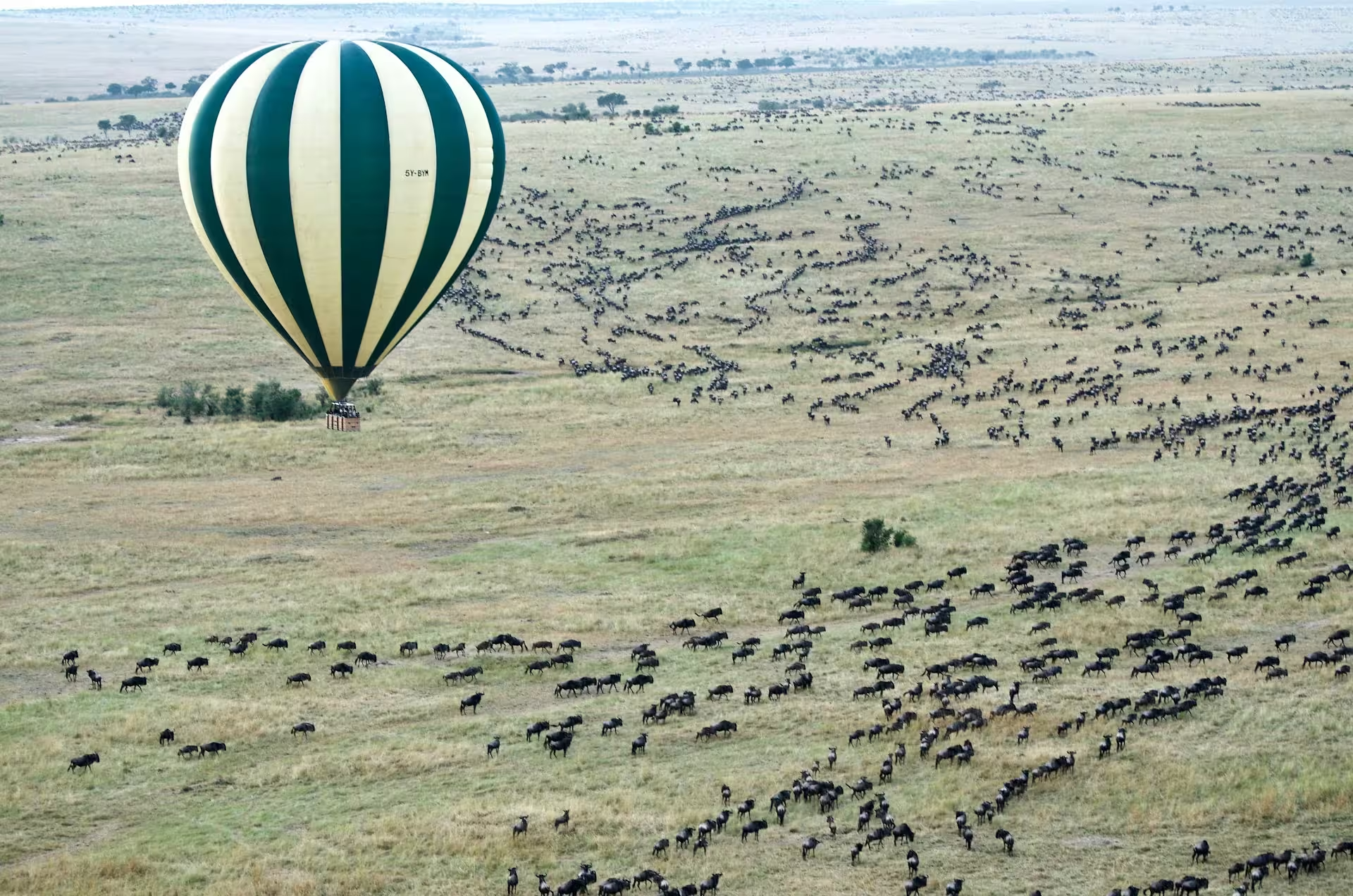
Hot air balloon safaris operate year-round in the Serengeti and Masai Mara, but migration season makes them unforgettable.
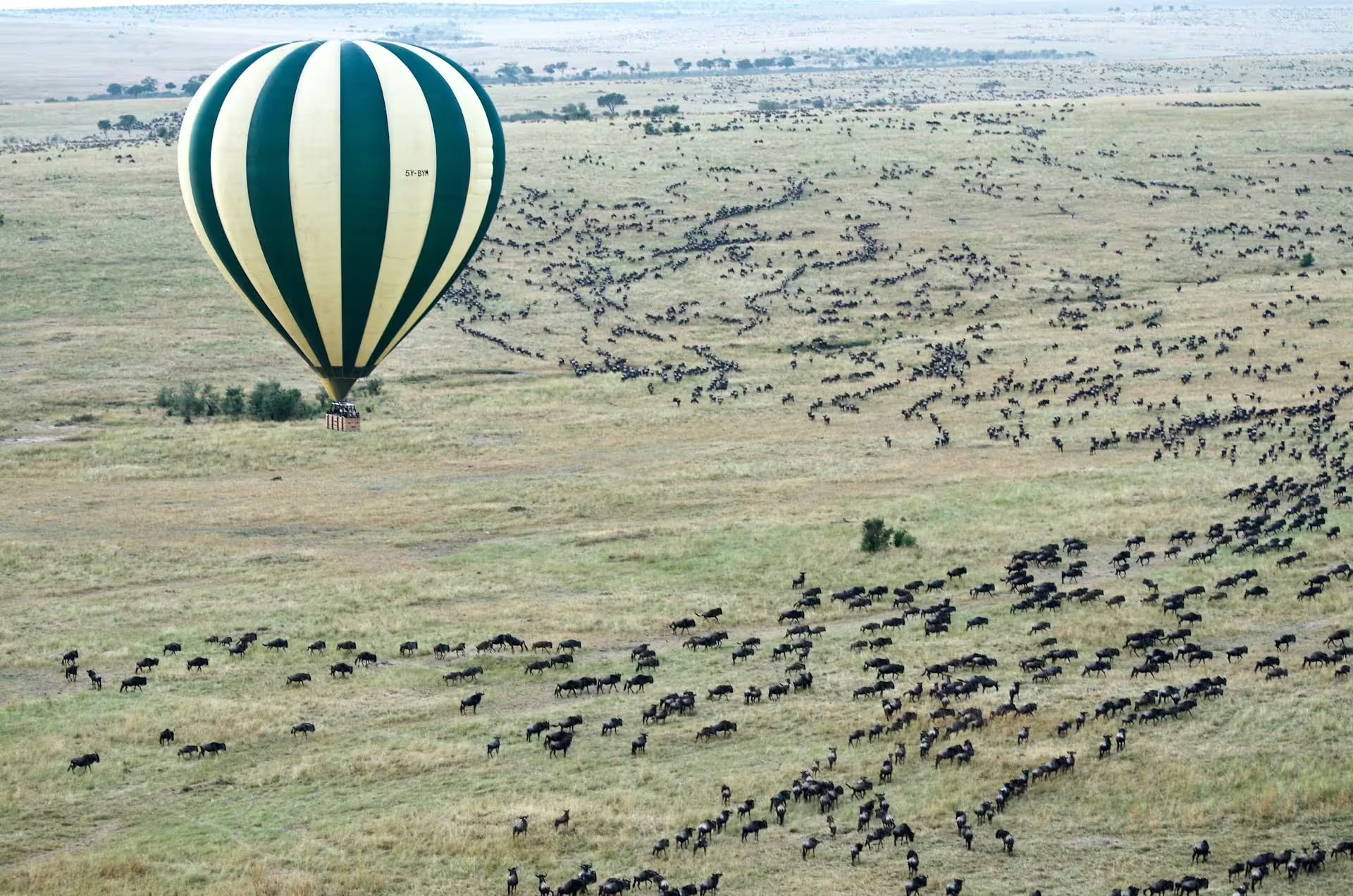
From the air, you see the true scale of the migration. On the ground, you might see a few hundred wildebeest. From a balloon, you see tens of thousands spread across the plains like a living carpet. The columns of animals stretch beyond the horizon.
Balloon flights launch at sunrise. You drift silently over the herds as the sun rises, casting golden light across the plains. Below, predators stalk prey. Herds move in synchronized patterns. Rivers cut through the landscape, marking the crossing points you might visit later by vehicle.
The silence is striking. There’s no engine noise, just the occasional burp of the balloon’s burner. You hear the animals below. Wildebeest grunts. Zebra calls. The rustle of movement through grass.
Balloon pilots position the basket close enough to see individual animals but high enough to avoid disturbing them. You’ll spot elephants, giraffes, lions resting under trees, and the endless migration herds.
Expert Tip: Book balloon safaris well in advance, especially for July through October in the Mara. Early morning flights offer the best light and animal activity. Dress in layers – it’s cold at altitude but warm once you land.
9. Massive Predator-Prey Interactions in the Mara
August through October is peak action in Kenya’s Masai Mara. The herds have crossed into Kenya, and the Mara’s high predator density creates constant hunting drama.
Multiple lion prides operate in overlapping territories. During migration, they hunt almost daily. You’ll see coordinated attacks where lionesses work together to separate a wildebeest from the herd, chase it down, and make the kill. Some prides specialize in hunting zebras, which are tougher and require more effort.
Cheetahs, leopards, and hyenas are all active simultaneously. In a single game drive, you might see a cheetah chase, a leopard in a tree with a kill, lions feeding on a fresh wildebeest, and hyenas circling, waiting to scavenge.
The Mara’s open grasslands make predator-prey interactions easy to follow. Unlike dense bush where action happens quickly and disappears, the Mara lets you watch hunts develop from start to finish. You see the stalk, the chase, the kill, and the aftermath.
This is why the Mara is so famous during migration. The density of both prey and predators creates non-stop wildlife action.
Expert Tip: Stay in the northern Mara near the river crossing areas. Morning and late afternoon drives give you the best chance to see active predators. Ask your guide to check known lion pride territories first thing each morning.
10. Sand River Crossing
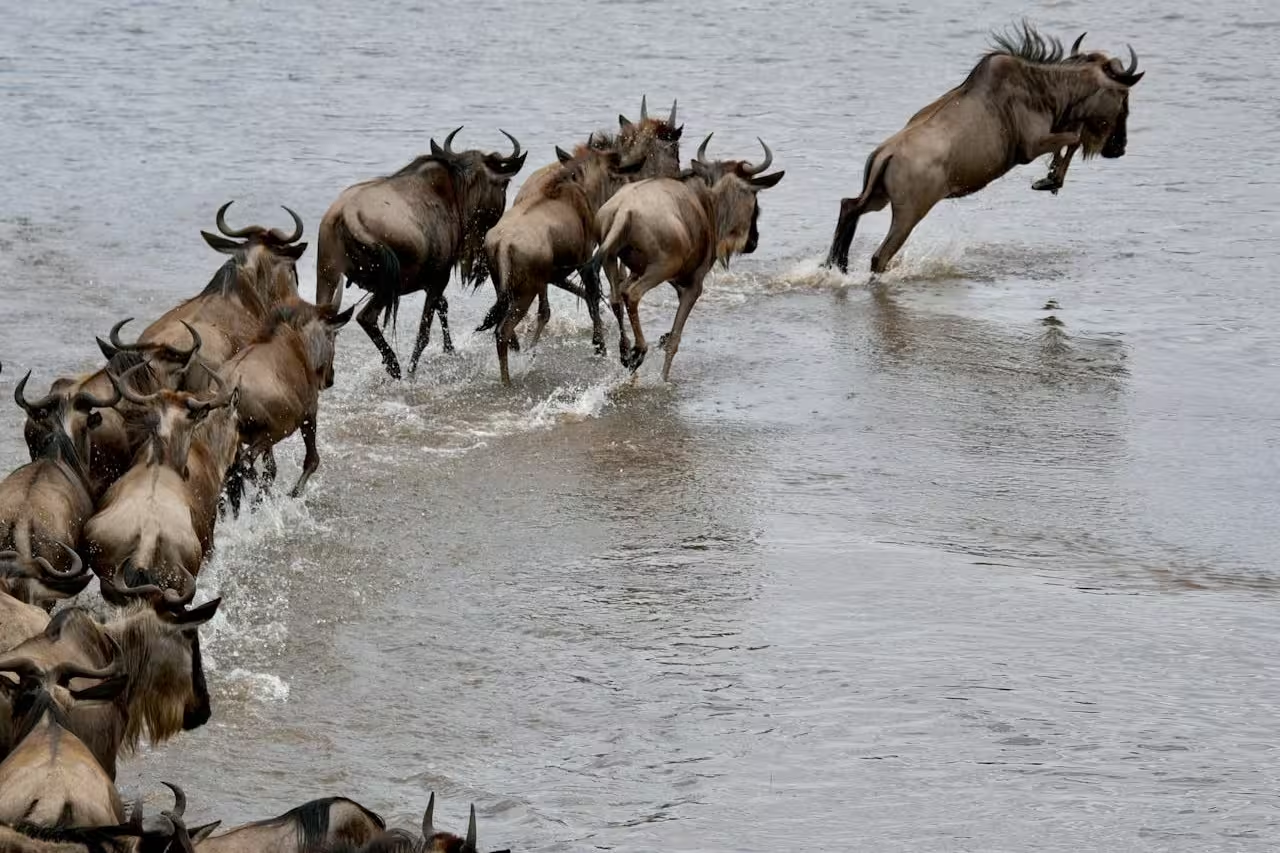
Everyone talks about the main Mara River crossings. But the Sand River in the Masai Mara offers equally dramatic crossings with far fewer safari vehicles.
The Sand River is smaller and shallower than the Mara River in most places. But it still has steep banks, fast currents in some sections, and plenty of crocodiles. Wildebeest cross here throughout the migration season, especially in the eastern parts of the Mara.
Because fewer tourists know about these crossing points, you often get more intimate viewing. Instead of 20 vehicles jostling for position, you might have the crossing to yourself or share it with just a few others.
The crossings are just as chaotic. Wildebeest hesitate at the banks, pile up, and then plunge in all at once. Crocodiles strike. Calves get swept downstream. The survival instinct is the same, just with a smaller audience.
Some sections of the Sand River dry up completely during the dry season, but pools remain where crocodiles concentrate. Herds still have to navigate these areas, and the drama unfolds just as intensely.
Expert Tip: Ask your guide about Sand River crossing points in the eastern Mara. These areas are less crowded and offer excellent photography opportunities. The crossings happen throughout the day, so morning and afternoon drives both work.
11. Hyena Clans Taking Over Kills
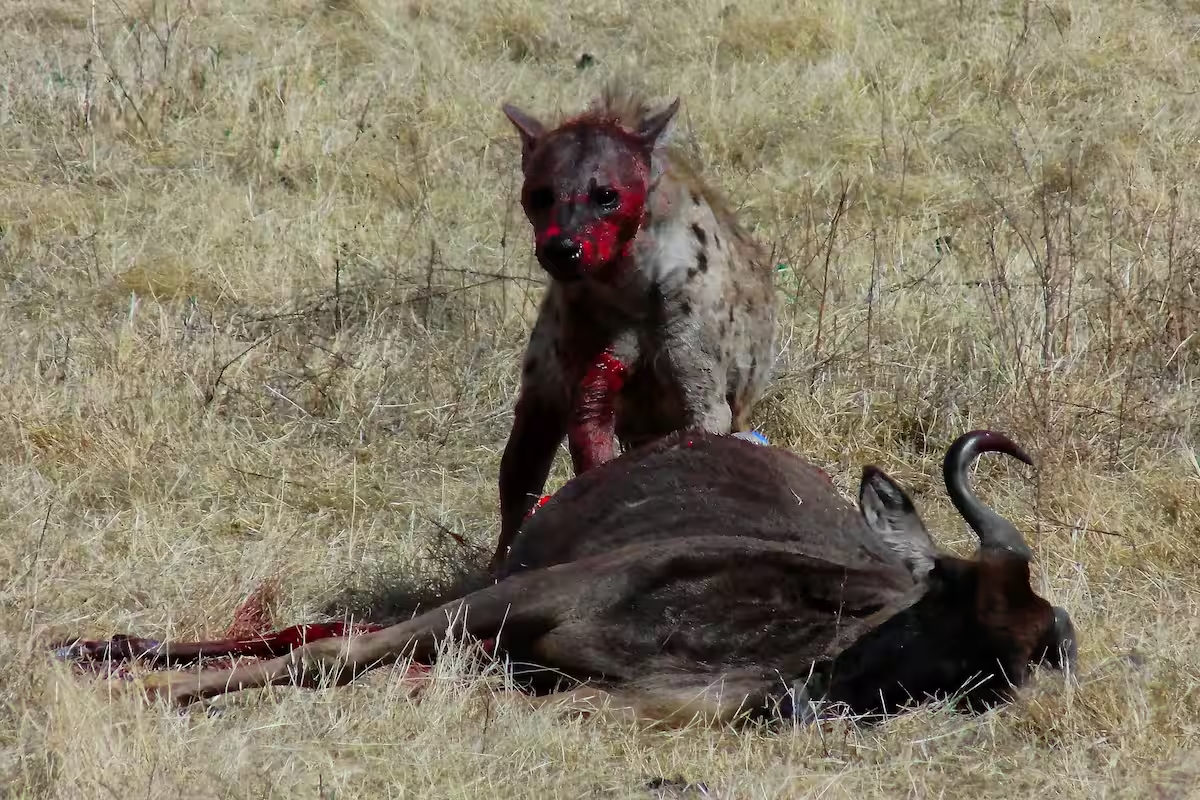
Hyenas get a bad reputation, but during migration, they’re incredibly successful hunters and scavengers.
Large hyena clans, sometimes 30 or more individuals, follow the migration herds. They hunt young or weak wildebeest in coordinated packs, using stamina and numbers to wear down prey. A healthy adult wildebeest can fight off one or two hyenas, but not ten.
Hyenas also steal kills from other predators. They chase cheetahs off their prey almost immediately. They harass leopards until they abandon carcasses. They even challenge lions if the clan is big enough and the lion pride is small.
At night, the sounds of hyenas fill migration camps. Their whooping calls, eerie laughs, and growls echo across the plains. If you’re staying in an unfenced camp, you’ll hear them moving nearby, sometimes just meters from your tent.
Hyena jaws are the strongest of any mammal relative to their size. They can crush bones that lions leave behind. After a kill is stripped by other predators, hyenas finish the job, consuming everything including hooves and horns.
Expert Tip: Look for large hyena clans in the Ndutu area during calving season and in the northern Serengeti and Mara during river crossing months. Evening drives increase your chances of seeing hyenas actively hunting or scavenging.
12. Dramatic Standoffs at Riverbanks
River crossings don’t always happen quickly. Sometimes herds gather at the riverbank and wait. For hours.
Thousands of wildebeest pack the river’s edge. They stare at the water. They see the crocodiles. They know animals die crossing. But they also know they need to reach the other side for food.
The herd waits for the first brave individual to jump. Sometimes that takes minutes. Sometimes it takes half a day. The tension builds. Animals shift nervously. Some step toward the edge, then back away. False starts happen constantly.
Then, without warning, one wildebeest leaps. The rest follow instantly. Within seconds, the entire standoff collapses into chaos. The crossing begins.
But sometimes, the crossing doesn’t happen. The herd moves away from the river, grazes nearby, and tries again later. Or the next day. There’s no predicting it.
This standoff is fascinating to watch because you see herd psychology in action. No single wildebeest wants to be first. But eventually, instinct or desperation wins.
Expert Tip: Patience is key. If you find a herd gathered at a riverbank, stay. The crossing might happen in ten minutes or three hours. Bring water, snacks, and a charged camera. The wait is worth it when the crossing finally begins.
When to Plan Your Migration Safari
Timing is everything. The Great Migration follows a rough annual cycle, but exact timing varies by weather and rainfall.
July to October is peak river crossing season. Herds move into Kenya’s Masai Mara and cross the Mara River multiple times. This is the most famous and most crowded period. August and September offer the highest chance of witnessing crossings.
January to March is calving season in the Southern Serengeti. The herds gather around Ndutu and the Ngorongoro Conservation Area. This is the best time to see newborn calves and intense predator action.
April to June sees herds moving north through the central and western Serengeti. The Grumeti River crossings happen in June, which are less crowded than Mara crossings but still dramatic.
Each phase of migration offers different wildlife moments. River crossings get the most attention, but calving season is equally powerful and less touristy.
Expert Tip: If you want river crossings, book for August in the Mara. If you want calving season and predator action, book for February in Ndutu. Avoid April and May – these are the rainy months, and roads can be difficult.
Why Migration Season Is Different
Migration season isn’t just busier. It’s fundamentally different from regular safari season.
Wildlife density is unmatched. You don’t search for animals. They’re everywhere. Game drives become about choosing which spectacle to watch, not whether you’ll find wildlife.
Predator activity peaks. With millions of prey animals passing through, predators hunt constantly. Success rates are higher. Kills happen more frequently. You see the full cycle of predation daily.
Every day brings unpredictable drama. You never know when a river crossing will happen, which predator will make a kill, or what newborn calf will survive its first day. The uncertainty is part of the appeal.
It’s not just wildebeest. Over 200,000 zebras and 400,000 Thomson’s gazelles also migrate. The ecosystem comes alive with movement, sound, and constant action.
Final Thoughts
These 12 moments only happen during migration season. You can’t see them in March or November or during a regular safari. They require specific timing, specific locations, and often a lot of patience.
Migration season is nature at its most raw and powerful. It’s life and death on a massive scale. It’s survival instinct, herd behavior, predator strategy, and chaos all happening simultaneously.
One safari isn’t enough to see everything. Some travelers return year after year, chasing different phases of the migration and different moments they missed before.
If you’re planning a safari, migration season is worth building your trip around. The intensity, the scale, and the drama are unlike anything else in the natural world.
Book early. Lodges and camps near migration routes fill up months in advance, especially for July through September. Choose your dates based on which moments matter most to you-river crossings or calving season.
Migration season isn’t just a safari. It’s witnessing one of Earth’s last great wildlife spectacles before it’s too late.