
Panna National Park
About Panna
Panna National Park is one of the important tiger safari destinations in Madhya Pradesh. It lies across Panna and Chhatarpur districts and forms the core of the larger Panna Tiger Reserve.
The landscape is different from many other tiger reserves in Central India. Panna has dry deciduous forests, rocky plateaus, deep gorges, open grasslands and the Ken River flowing through the reserve.
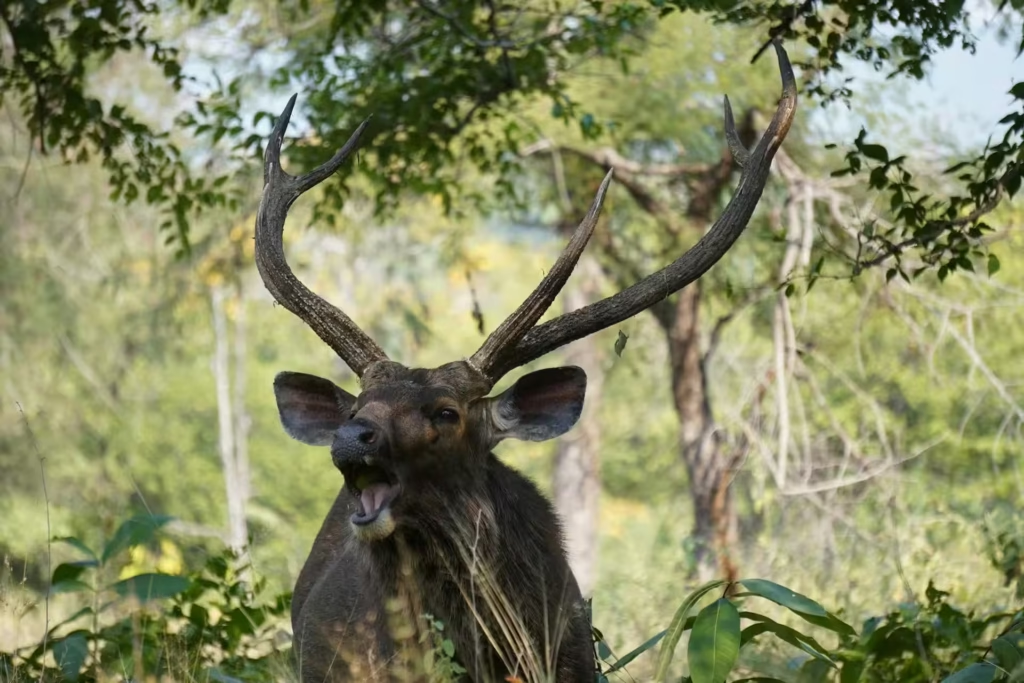
Panna is known for its tigers, leopards, sloth bears, chinkara, nilgai, sambar and wild dogs. The Ken River also supports gharials, mugger crocodiles and many waterbirds.
1,598.10 sq km
Total Reserve Area
576.13 sq km
Core Tourism Zone
1,021.97 sq km
Buffer Area
Oct-Jun
Main Safari Season
Wildlife in Panna
Panna supports a wide range of mammals, birds and reptiles. Tigers are the main attraction, while the rocky terrain, grasslands and river valleys provide habitat for many other species.
Apex Predators & Herbivores (Mammalia)
Royal Bengal Tiger
Panthera tigris
Indian Leopard
Panthera pardus
Wild Dog(Dhole)
Cuon alpinus
Sloth Bear
Melursus ursinus
Striped Hyena
Hyaena hyaena
Sambar Deer
Rusa unicolor
Chinkara
Gazella bennettii
Nilgai
Boselaphus tragocamelus
Avifauna & Forest Raptors (Aves)
Indian Peafowl
Pavo cristatus
Indian Vulture
Gyps indicus
Changeable Hawk-Eagle
Nisaetus cirrhatus
Long-billed Vulture
Gyps indicus
Indian Paradise Flycatcher
Terpsiphone paradisi
White-rumped Vulture
Gyps bengalensis
Reptiles & Amphibians (Reptilia)
Gharial
Gavialis gangeticus
Indian Rock Python
Python molurus
Bengal Monitor Lizard
Varanus bengalensis
Mugger Crocodile
Crocodylus palustris
Panna Safari Packages
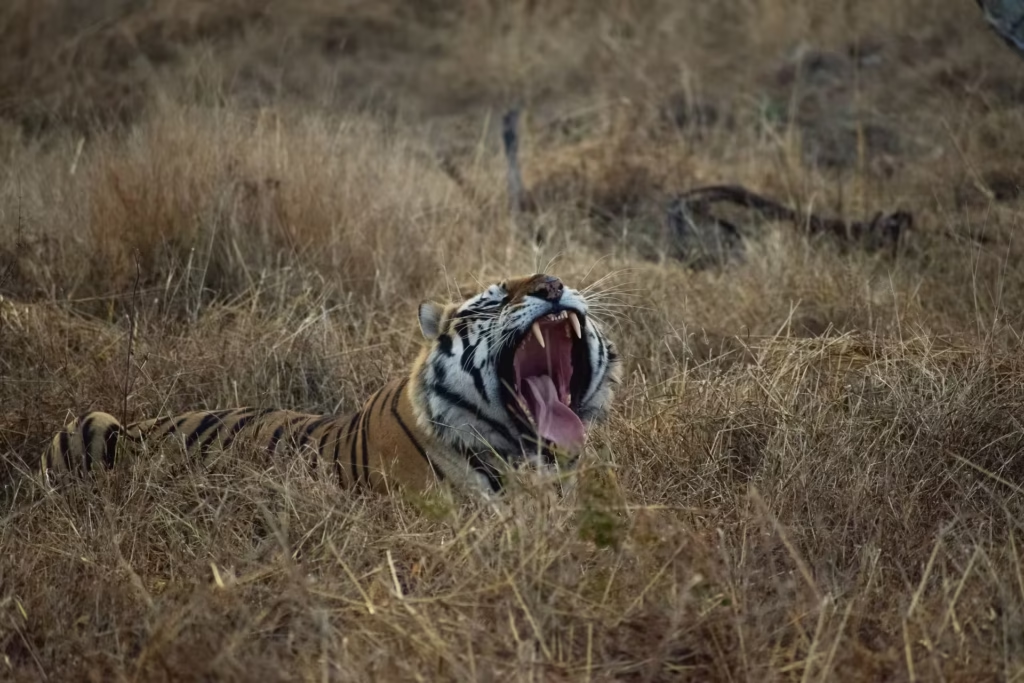
Duration : 13 Days
Destination : Delhi › Agra › Orchha › Khajuraho › Panna › Bandhavagarh › Jabalpur › Delhi
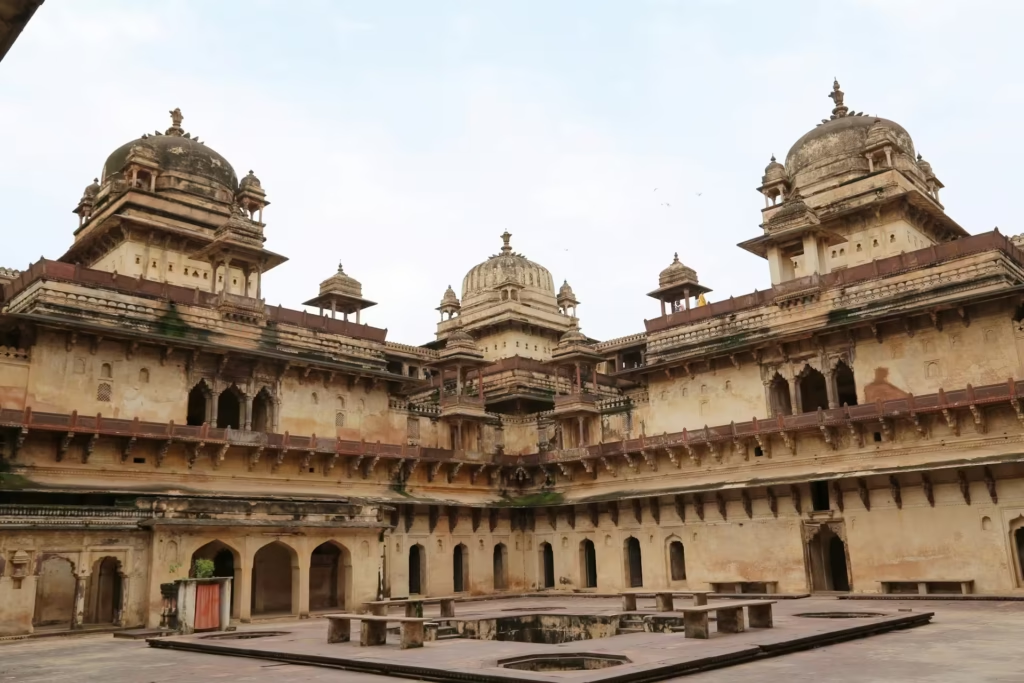
Duration : 11 Days
Destination : Delhi › Orchha › Khajuraho › Panna › Satpura › Khajuraho › Delhi
Panna Safari Zones
Panna Tiger Reserve has three main tourism zones: Madla, Hinauta and Harsa. Madla is the most commonly used entry area, while Hinauta and Harsa provide access to other parts of the reserve.
Zone 01
Ken River & Open Forests
Madla Zone
Madla is the main tourism gateway to Panna and is located close to the Ken River. The zone has dry forests, rocky terrain and open areas where visitors can look for tigers, leopards, deer, sloth bears and other wildlife.
Main Entry Gate
Madla Gate
BEST KNOWN FOR
Ken River, rocky landscapes and varied wildlife
Zone 02
Plateaus & Deep Gorges
Hinauta Zone
Hinauta covers a different section of Panna and is known for its plateaus, rocky terrain and deep gorges. The area provides habitat for tigers, leopards, sloth bears and several herbivore species.
Main Entry Gate
Hinauta Gate
BEST KNOWN FOR
Plateaus, gorges and wildlife habitat
Zone 03
Forest & Open Habitat
Akola Zone
Akola is one of Panna's core tourism zones and offers access to another section of the reserve's forest landscape. The area has dry deciduous forest and open habitat used by tigers, leopards, deer and other species.
Main Entry Gate
Akola Gate
BEST KNOWN FOR
Core forest, open habitat and wildlife
Zone 04
Buffer Forest & Wildlife
Harsa Zone
Harsa is a buffer tourism zone of Panna Tiger Reserve. It offers a quieter forest setting outside the core area, with opportunities to see deer, nilgai, wild boar, birds and, with some luck, larger predators.
Main Entry Gate
Harsa Gate
BEST KNOWN FOR
Buffer forest, birds and general wildlife viewing
When to Book Panna Tiger Safari
Safari permits in Panna are limited and popular dates can fill quickly during the peak season. If your travel dates are fixed, booking early gives you more choice of safari dates and zones.
For travel between November and May, we recommend booking 2 to 4 months in advance. Christmas, New Year, holidays and long weekends can be busier.
Your accommodation should also match your safari gate. Madla, Hinauta and Harsa are located in different parts of the reserve.
Types of Safaris in Panna
Kanha Tiger Reserve offers jeep safaris for visitors entering the core and buffer tourism areas. Safari vehicles operate with forest department guides and follow the permitted routes and timings.
Jeep Safari
A Jeep Safari takes visitors into Panna in an open 4×4 gypsy with a forest guide. The safari follows permitted routes within the selected tourism zone.
Morning and afternoon drives provide different conditions for wildlife viewing. The safari zone depends on the permit booked for the visit.
Best for: Families, couples, photographers, small groups and wildlife enthusiasts.
Boat Safari on the Ken River
The Ken River flows through Panna and supports gharials, mugger crocodiles and a wide range of waterbirds. Boat safaris operate on designated stretches of the river and provide a different way to explore the landscape.
Best for: Birdwatchers, photographers and visitors interested in river wildlife.
How Many Days Do You Need in Panna?
The ideal stay depends on the number of safari drives you want and whether you are combining Panna with Khajuraho or other wildlife destinations.
2 Nights
Two nights are enough for a short Panna trip. You can plan two to three safari drives and visit nearby attractions such as Khajuraho or Pandav Falls.
3 Nights
Three nights give you more time for safari and nearby sightseeing. You can plan three to four safari drives and add a Ken River boat safari if available.
4 Nights
Four or more nights work well for wildlife photographers and visitors who want more safari time. Additional drives give you more opportunities to explore different areas of the reserve.
For most first-time visitors, 2 to 3 nights with 3 to 4 safari drives is a good option.
Typical Panna Safari Itinerary
A typical Panna trip starts with arrival at Khajuraho or another nearby city. If you arrive early enough, you can take an afternoon safari on the same day.
Day 1: Arrive in Panna or Khajuraho, check in to your resort and take an afternoon safari if your travel schedule allows.
Day 2: Take a morning safari and return for breakfast. Spend the afternoon at leisure or visit a nearby attraction before an afternoon safari.
Day 3: Take a morning safari. You can visit Pandav Falls or the Ken River later in the day.
Day 4: Take a final morning safari before checking out and continuing your journey to Khajuraho, Bandhavgarh or your next destination.
Places to Combine With Panna
Panna is easy to combine with Khajuraho and other wildlife destinations in Madhya Pradesh. Its location makes it suitable for both wildlife and heritage itineraries.
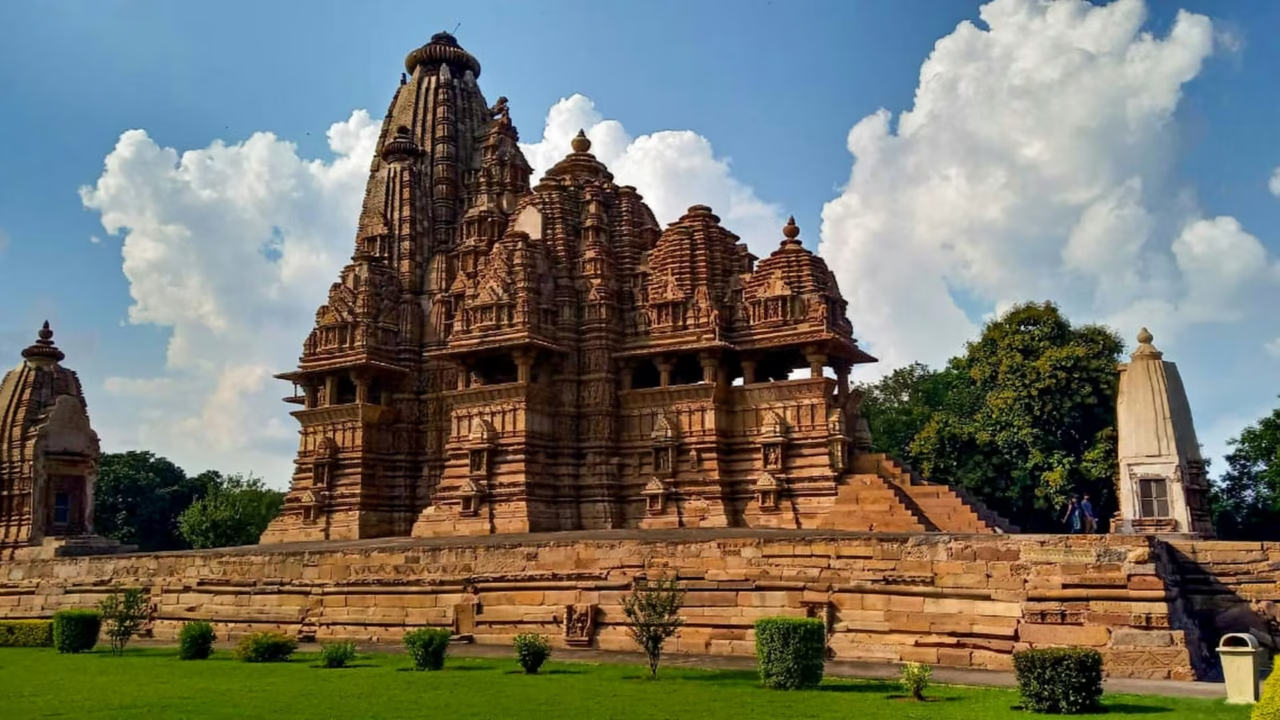
Panna + Khajuraho
Panna and Khajuraho are one of the easiest combinations in the region. The Khajuraho Group of Monuments is around 25 km from the Madla side, making it possible to combine tiger safaris with a visit to the UNESCO World Heritage Site.
A 3 to 4-night itinerary works well for a short wildlife and heritage trip.
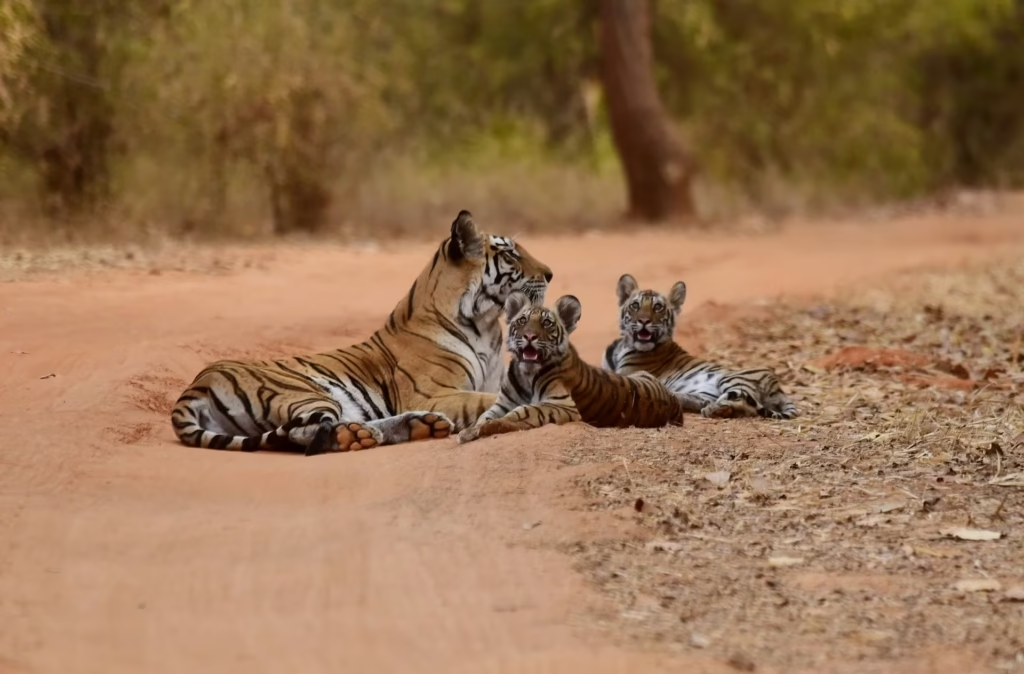
Panna + Bandhavgarh
Panna and Bandhavgarh make a good combination for a longer Madhya Pradesh tiger safari. Both reserves offer different landscapes and wildlife habitats.
A 5 to 7-night itinerary allows several safari drives across both reserves.
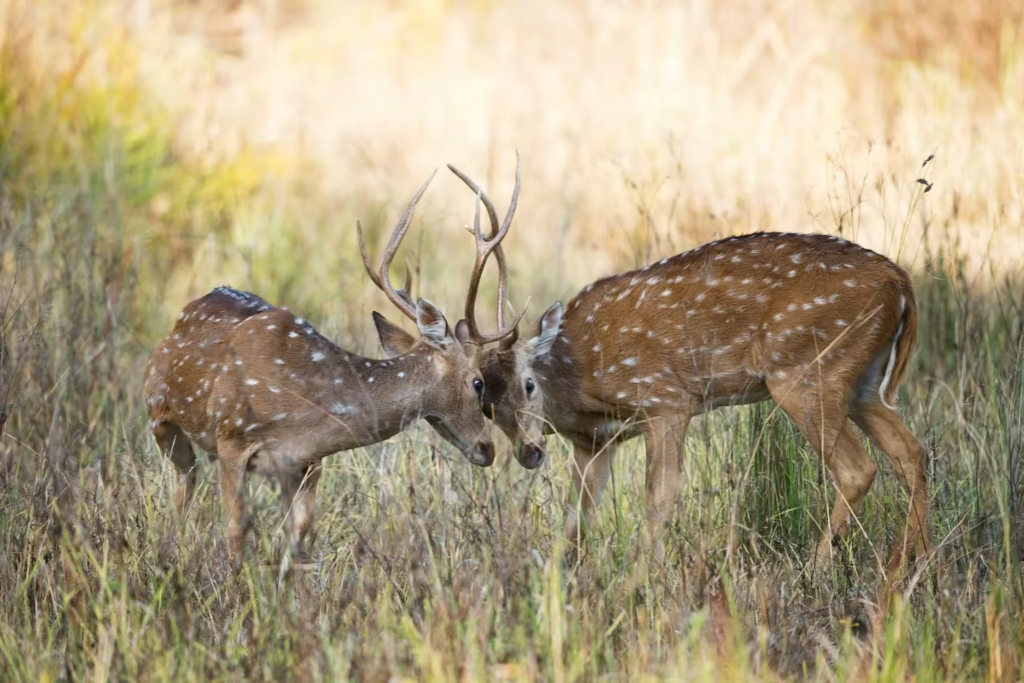
Panna + Kanha
Panna and Kanha can be combined for a longer Central India wildlife trip. The two reserves have different landscapes and wildlife habitats, giving visitors a broader view of Madhya Pradesh's forests.
Allow around 7 to 9 nights for a comfortable itinerary.
How to Reach Panna National Park
Panna is well connected by air, rail and road. Khajuraho Airport is the nearest airport, while Khajuraho and Satna are the main railway options.
By Air: Khajuraho Airport (HJR)
Khajuraho Airport (HJR) is the nearest airport for Panna. It is around 25 km from the Madla entry area and is the most convenient airport for visitors combining Panna with Khajuraho.
By Rail: Khajuraho & Satna
Khajuraho and Satna are the main railway options for reaching Panna. Khajuraho is closer to Madla, while Satna is a major railway junction with connections to several cities.
By Road: From Major Cities
Panna is well connected by road with Khajuraho, Satna, Chhatarpur and other nearby cities. Private cars and taxis are convenient for reaching your resort and selected safari gate.
Gate Distance Reference from Khajuraho
Madla Gate
~25 km
Approx. 30 - 40 min drive
Hinauta Gate
~55 km
Approx. 1.5 hrs drive
Harsa Gate (Buffer)
~50 km
Approx. 1.5 hrs drive
Akola Gate
~50 km
Approx. 1.5 hrs drive
Transfers to Panna
We can arrange comfortable transfers to Panna from Khajuraho, Satna and other nearby destinations, including your resort and safari gates.
Transit Table from Primary Departure Hubs
Travelers can reach their safari lodge comfortably through convenient air and high-speed rail routes.
| Origin City | Transit Mode | Avg Travel Time | Nearest Gate Access | Recommended Transit |
|---|---|---|---|---|
| New Delhi (DEL) | Flight to Khajuraho | Flight + Road Transfer | Madla | Flight + Private Transfer |
| Mumbai (BOM) | Flight to Khajuraho | Flight + Road Transfer | Madla | Flight + Private Transfer |
| Jabalpur (JLR) | Road Transfer | Around 4.5–5 hrs | Madla / Hinouta | Private Vehicle |
| Khajuraho (HJR) | Road Transfer | Around 30–40 min | Madla | Private Vehicle |
| Satna | Train + Road Transfer | Around 2–2.5 hrs | Madla / Hinouta | Train + Private Transfer |
| Jhansi | Train + Road Transfer | Around 4–5 hrs | Madla / Hinouta | Train + Private Transfer |
Best Time to Visit Panna
The best time to visit Panna National Park is from October to June. The core tourism areas close during the monsoon, while buffer tourism may operate under separate forest department rules.
Peak Season
March – June
The weather becomes hot and dry, reducing vegetation and making wildlife easier to spot in many areas. Animals also spend more time around available water sources.
Comfortable Season
October – February
The weather is cooler and more comfortable for safari drives. The forest is greener after the monsoon, and winter mornings can be cold.
Monsoon Buffer Season
July – September
The core tourism areas remain closed during the monsoon. Buffer safari options may be available depending on current forest department rules.
| Monthly Temperature & Tiger Activity Matrix (°C) | ||||||||||||
|---|---|---|---|---|---|---|---|---|---|---|---|---|
| Metric | Jan | Feb | Mar | Apr | May | Jun | Jul | Aug | Sep | Oct | Nov | Dec |
| Min Temp (°C) | 8 | 11 | 17 | 23 | 28 | 27 | 24 | 23 | 23 | 19 | 13 | 9 |
| Max Temp (°C) | 24 | 28 | 34 | 39 | 42 | 40 | 34 | 32 | 33 | 34 | 30 | 25 |
| Core Gates Status | Open | Open | Open | Peak | Peak | Open | Closed | Closed | Closed | Open | Open | Open |
Why Visit Panna
Panna is different from many other tiger reserves in Central India. Its combination of rocky plateaus, deep gorges, dry forests and the Ken River gives the reserve a distinct landscape.
Successful Tiger Conservation
Panna is known for its successful tiger reintroduction programme. Tigers disappeared from the reserve around 2009, after which a carefully managed reintroduction programme helped restore the population.
Ken River & Gharials
The Ken River flows through Panna for more than 55 km and supports gharials, mugger crocodiles and many waterbirds. The river also creates deep gorges and scenic landscapes across the reserve.
Rich Vulture Habitat
Panna is known for its vulture diversity. Seven species of vultures can be seen in the reserve, making it an important destination for birdwatchers and wildlife photographers.
Pandav Falls & Raneh Falls
Panna's location also makes it easy to visit nearby waterfalls. Pandav Falls and Raneh Falls are popular attractions that can be added to a Panna itinerary.
Panna Safari Tips for First-Time Visitors
- Book your safari permits early, especially for winter holidays and peak summer months.
- Match your resort with your safari gate. Madla, Hinauta and Harsa are in different parts of the reserve.
- Plan multiple safari drives. Three to four safaris give you more time to explore Panna.
- Carry the ID used for your booking. Keep the original ID with you for verification at the entry gate.
- Carry warm clothes for winter mornings. Summer afternoons can be very hot.
- Follow the forest rules. Stay inside the vehicle, keep noise low and follow the permitted safari route.
Frequently Asked Questions
What is Panna National Park famous for?
Panna is known for its tigers, successful tiger conservation programme, Ken River, gharials, vultures, rocky landscapes and deep gorges.
Is Panna National Park open throughout the year?
The core tourism areas are open from October to June and close during the monsoon. Buffer tourism may follow separate forest department rules.
What is the best time to visit Panna National Park?
October to February offers cooler weather, while March to June is popular for wildlife viewing because the forest becomes drier and visibility improves.
Which safari gate is best in Panna?
Madla is the most popular entry area and is convenient for visitors staying near Khajuraho. Hinauta and Harsa provide access to other parts of the reserve.
How far is Panna from Khajuraho?
Madla, the main tourism gateway to Panna Tiger Reserve, is around 25 km from Khajuraho. The drive usually takes around 30 to 40 minutes.
Can you see gharials in Panna?
Yes. The Ken River provides habitat for gharials and mugger crocodiles. Boat safaris on designated stretches of the river can offer opportunities to see river wildlife.