
Ranthambore National Park
About Ranthambore
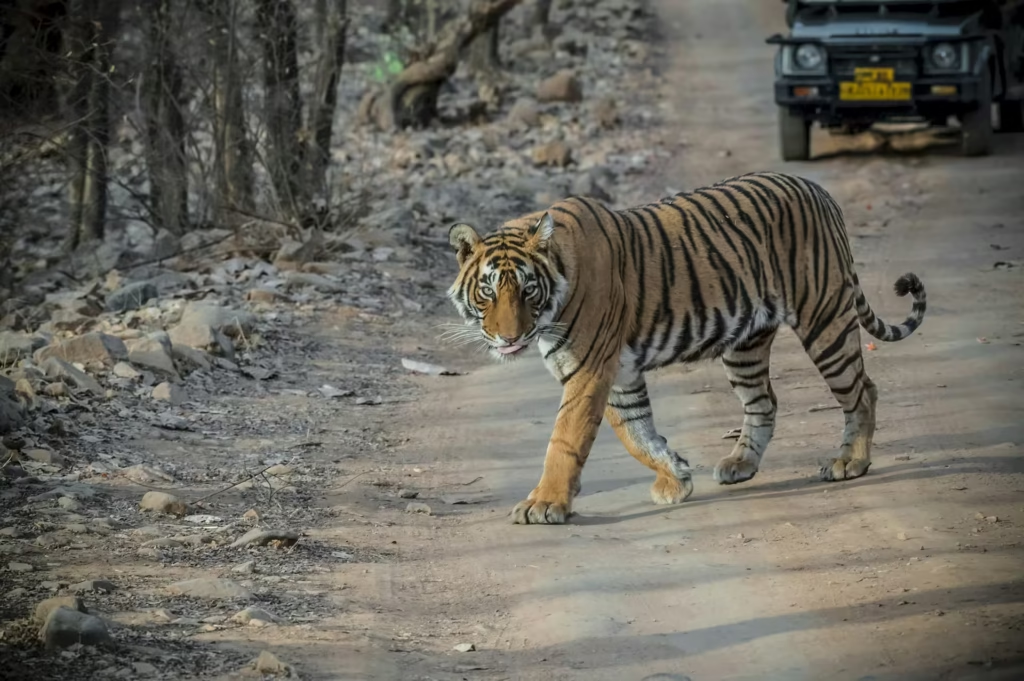
Ranthambore National Park is one of India's best-known tiger safari destinations. It lies near Sawai Madhopur in Rajasthan, where the Aravalli and Vindhya ranges meet.
The park has dry deciduous forests, rocky hills, open grasslands, lakes and seasonal streams. Ranthambore Fort stands within the landscape and is one of the park's best-known landmarks.
The forest supports Bengal tigers, leopards, sloth bears, sambar, chital, nilgai, wild boar, hyenas, jackals and many bird species.
1411.28 sq km
Total Reserve Area
1113.36 sq.km
Core Tourism Zone
297.92 sq.km
Buffer Area
Oct-Jun
Main Safari Season
Wildlife in Ranthambore
Ranthambore's dry forests, lakes, grasslands and rocky terrain support a wide range of wildlife.
Apex Predators & Herbivores (Mammalia)
Royal Bengal Tiger
Panthera tigris
Indian Leopard
Panthera pardus
Striped Hyena
Hyaena hyaena
Sloth Bear
Melursus ursinus
Chital
Axis axis
Sambar Deer
Rusa unicolor
Chital (Spotted Deer)
Axis axis
Nilgai
Boselaphus tragocamelus
Avifauna & Forest Raptors (Aves)
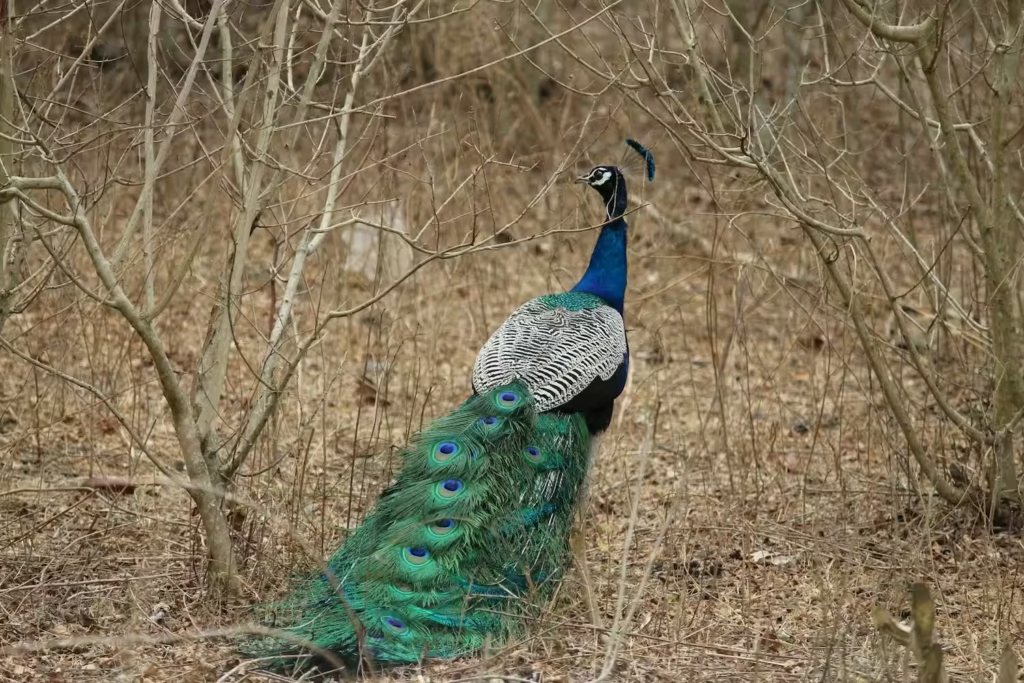
Indian Peafowl
Pavo cristatus
Crested Serpent Eagle
Spilornis cheela
Painted Spurfowl
Galloperdix lunulata
Indian Grey Hornbill
Ocyceros birostris
Indian Roller
Coracias benghalensis
Painted Sandgrouse
Pterocles indicus
Reptiles & Amphibians (Reptilia)
Mugger Crocodile
Crocodylus palustris
Indian Rock Python
Python molurus
Bengal Monitor Lizard
Varanus bengalensis
Indian Rat Snake
Ptyas mucosa
Ranthambore Safari Packages
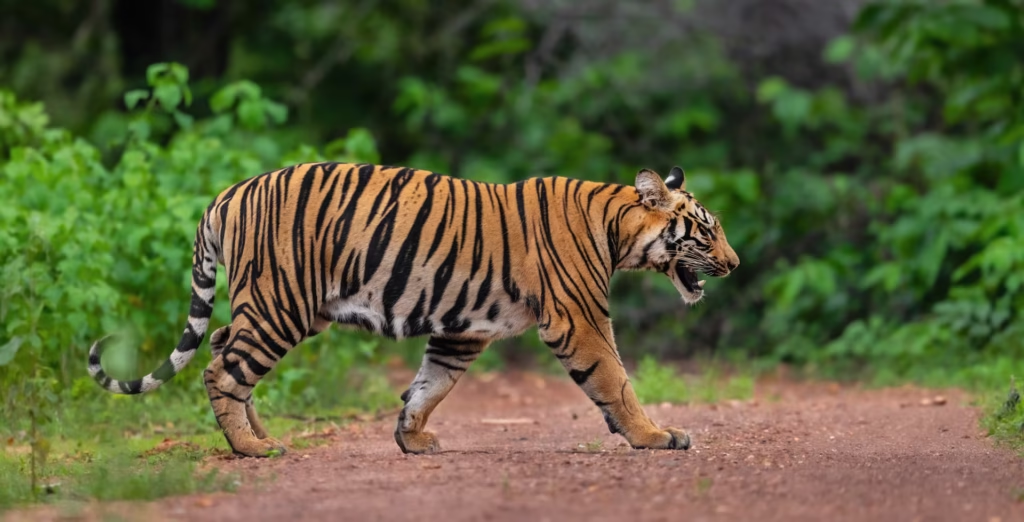
Duration : 12 Days
Destination : Delhi › Ranthambore › Jawai › Ahmedabad › Gir › Ahmedabad › Delhi
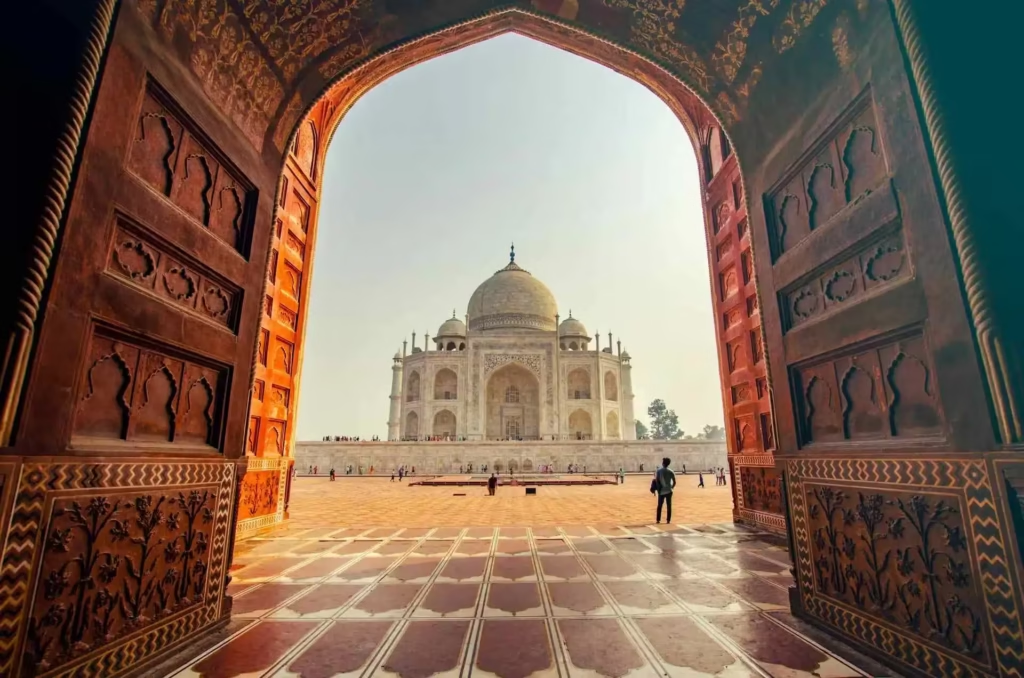
Duration : 11 Days
Destination : Delhi › Agra › Fatehpur › Sikri › Bharatpur › Jaipur › Ranthambore › Delhi
Ranthambore Safari Zones
Ranthambore has 10 designated safari zones. Zones 1 to 5 cover the traditional core tourism area, while Zones 6 to 10 offer safari routes in the outer tourism areas.
Core Tourism Zones
Tiger Sightings
Zones 01 - 05
Zones 1 to 5 cover the main tourism area of Ranthambore. These zones have dry deciduous forests, rocky hills, grasslands and several lakes and water bodies. They are well known for tiger sightings and locations such as Padam Talao, Rajbagh and Malik Talao.
Main Safari Zones
Zone 1
Zone 2
Zone 3
Zone 4
Zone 5
BEST KNOWN FOR
Tiger sightings, lakes, dry forest, rocky terrain and Ranthambore's historic landscape
Buffer Tourism Zone
Grassland & Wildlife
Zones 06 -10
Zones 6 to 10 provide safari routes through the outer tourism areas of Ranthambore. The landscape includes dry forest, open areas, grassland and rocky terrain. These zones offer good opportunities to see tigers, leopards, deer, birds and other wildlife.
Main Safari Zones
Zone 6
Zone 7
Zone 8
Zone 9
Zone 10
BEST KNOWN FOR
Open forest, grassland, wildlife and less central safari routes
When to Book Ranthambore Tiger Safari
Ranthambore is a popular tiger safari destination, so safari permits can fill quickly during peak travel periods.
Book your safari permits early if you have fixed travel dates. Advance booking gives you a better chance of getting your preferred safari dates and vehicle type.
The Rajasthan Forest Department provides online safari permits for Ranthambore Tiger Reserve.
Types of Safaris in Ranthambore
Jeep Safari
Jeep Safari uses an open 4x4 Gypsy with a driver and forest guide. It carries fewer visitors than a Canter and provides a more private safari setting.
It is a good option for couples, families and wildlife photographers.
Canter Safari
Canter Safari uses a larger open safari vehicle for shared wildlife drives. It is suitable for families, larger groups and travellers looking for a shared safari option.
Canter availability and zone allocation depend on the safari schedule and forest department rules.
How Many Days Do You Need in Ranthambore?
For Ranthambore, 2 to 3 nights is a good stay for multiple safari drives. Longer stays give you more chances to explore different zones and look for tigers and other wildlife.
2 Nights
Suitable for a short trip with 3 to 4 safari drives.
3 Nights
A better choice for visitors who want more safari drives and different zones.
4 Nights
Recommended for serious wildlife photographers and visitors with more time.
A 3-night Ranthambore trip gives you enough time for multiple safari drives without making the schedule too rushed. Most visitors stay near Sawai Madhopur and take morning and afternoon safaris during their stay
Typical Ranthambore Safari Itinerary
A 3-night Bandhavgarh trip gives you enough time for multiple safari drives without making the schedule too rushed. Most visitors stay near Tala, Maghadhi or Khitauli and take morning and afternoon safaris during their stay.
Day 1: Arrive in Sawai Madhopur, check in to your hotel or wildlife lodge and take an afternoon safari if your travel schedule allows.
Day 2: Take a morning safari and return for breakfast. Spend the afternoon at leisure before taking an afternoon safari.
Day 3: Take another morning safari. You can spend the afternoon at leisure or take another safari before dinner.
Day 4: Take a final morning safari before checking out and continuing your journey.
Places to Combine With Ranthambore
Ranthambore is easy to combine with other wildlife destinations and heritage cities in Rajasthan and North India. Its location works well for both wildlife and cultural itineraries.
Ranthambore + Sariska
Ranthambore and Sariska can be combined for a longer Rajasthan tiger safari trip. Both reserves offer different forest landscapes and wildlife habitats.
A 5 to 7-night itinerary gives enough time for several safaris in both reserves.
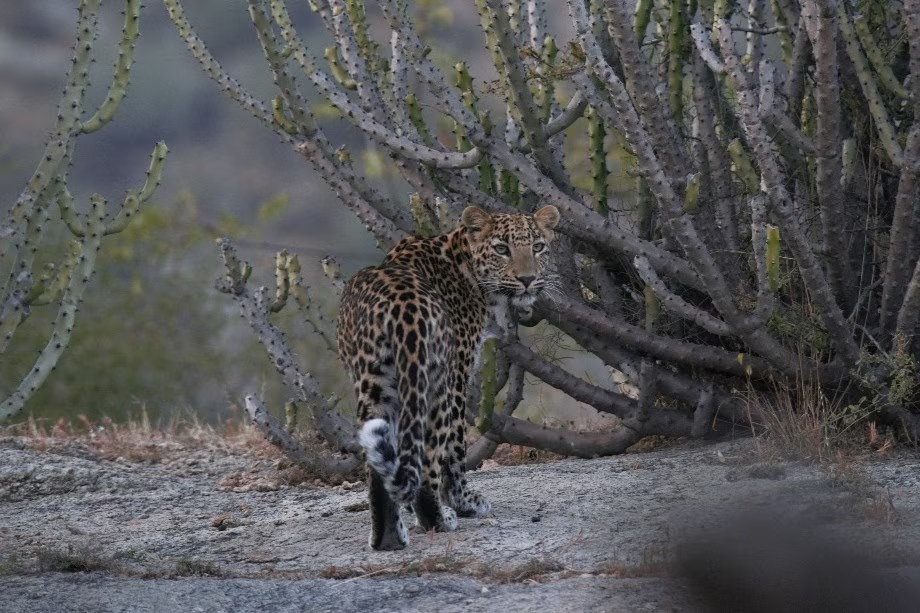
Ranthambore + Jawai
Ranthambore and Jawai make a strong Rajasthan wildlife combination. Ranthambore is known for Bengal tigers, while Jawai is known for its leopard sightings and rocky landscape.
A 5 to 7-night itinerary gives enough time for multiple tiger safaris in Ranthambore and leopard safaris in Jawai.
Ranthambore + Bharatpur + Agra
This route combines Ranthambore tiger safaris with birdwatching at Keoladeo National Park and a visit to the Taj Mahal in Agra.
A 6 to 8-night itinerary gives enough time for safaris, birdwatching and sightseeing without rushing between destinations.
How to Reach Ranthambore National Park
Ranthambore is well connected by road and rail. Sawai Madhopur is the main gateway to the park, while Jaipur is the nearest major airport.
By Air: Jaipur International Airport (JAI)
Jaipur International Airport (JAI) is the nearest major airport for Ranthambore, located around 160 km from Sawai Madhopur. From Jaipur, you can continue by private road transfer.
By Rail: Sawai Madhopur Railway Station
Sawai Madhopur Railway Station is the main railway station for Ranthambore. It has direct train connections with Delhi, Mumbai, Jaipur and other major Indian cities.
By Road: From Major Cities
Ranthambore is well connected by road with Jaipur, Delhi, Agra, Kota and other nearby cities. Private cars and taxis are convenient for reaching your resort and safari entry point.
Distance Reference from Sawai Madhopur
Ranthambore National Park
~14 km
Approx. 20–30 mins drive
Ranthambore Fort
~13 km
Approx. 25–30 mins drive
Jaipur
~180 km
Approx. 3.5–4 hrs drive
Kota
~130 km
Approx. 2.5–3 hrs drive
Transfers to Ranthambore
We can arrange comfortable transfers to Ranthambore from Jaipur, Sawai Madhopur Railway Station and other nearby destinations, including your resort and safari entry point.
Transit Table from Primary Departure Hubs
Travelers can reach their safari lodge comfortably through convenient air and high-speed rail routes.
| Origin City | Transit Mode | Approx. Travel Time | Main Arrival Point | Recommended Transit |
|---|---|---|---|---|
| New Delhi | Train to Sawai Madhopur | 4–6 hrs | Sawai Madhopur | Train + Private Transfer |
| Mumbai | Train to Sawai Madhopur | 14–18 hrs | Sawai Madhopur | Train + Private Transfer |
| Jaipur | Road / Train | 3–4 hrs | Sawai Madhopur | Private Transfer |
| Agra | Road / Train | 4–5 hrs | Sawai Madhopur | Private Transfer |
| Kota | Road / Train | 3–4 hrs | Sawai Madhopur | Private Transfer |
| Jaipur Airport | Flight + Road | 3–4 hrs | Sawai Madhopur | Flight + Private Transfer |
Best Time to Visit Ranthambore
The main safari season in Ranthambore runs from October to June. The regular tourism zones remain closed during the monsoon, while safari operations follow current forest department rules.
Peak Season
March – June
Hot and dry conditions reduce vegetation in many areas. Wildlife often stays close to lakes and other water sources, which can improve visibility.
Comfortable Season
October – February
The weather is cooler and more comfortable for safari drives. Winter mornings can be cold, so warm clothing is useful.
Monsoon Buffer Season
July – September
The regular safari season remains closed during the monsoon. Safari availability should be checked with the forest department for the current season.
| Monthly Temperature & Tiger Activity Matrix (°C) | ||||||||||||
|---|---|---|---|---|---|---|---|---|---|---|---|---|
| Metric | Jan | Feb | Mar | Apr | May | Jun | Jul | Aug | Sep | Oct | Nov | Dec |
| Min Temp (°C) | 9 | 12 | 17 | 23 | 28 | 29 | 26 | 25 | 24 | 20 | 15 | 10 |
| Max Temp (°C) | 22 | 27 | 33 | 39 | 41 | 39 | 33 | 31 | 33 | 33 | 29 | 24 |
| Core Gates Status | Open | Open | Open | Peak | Peak | Peak | Closed | Closed | Closed | Open | Open | Open |
Why Visit Ranthambore
Ranthambore combines tiger-rich forests with lakes, rocky hills, open grasslands and the historic Ranthambore Fort.
Famous Tiger Safari
Ranthambore is one of India's most popular tiger safari destinations and is known for regular tiger sightings in its dry forest landscape.
Ranthambore Fort
The historic Ranthambore Fort stands on a hill within the reserve. Its location adds a unique heritage element to a wildlife safari.
Rich Wildlife
Apart from tigers, Ranthambore supports leopards, sloth bears, sambar, chital, nilgai, wild boar, hyenas, crocodiles and many bird species.
Lakes & Rocky Landscape
The park has lakes, grasslands, dry deciduous forests and rocky hills. Water bodies such as Padam Talao and Rajbagh Talao are important wildlife areas.
Ranthambore Safari Tips for First-Time Visitors
- Book your safari permits early, especially during winter holidays and the busy summer months.
- Choose your resort based on your safari zone and entry point. Ranthambore zones cover different parts of the reserve.
- Plan multiple safari drives. Three to four safaris give you more chances to explore different zones.
- Carry the ID used for your booking. Keep the original ID with you for verification at the entry point.
- Carry warm clothes for winter mornings. Summer afternoons can be very hot in Ranthambore.
- Follow forest rules. Stay inside the vehicle, keep noise low and follow the permitted safari route.
Frequently Asked Questions
Where is Ranthambore National Park located?
Ranthambore National Park is located near Sawai Madhopur in Rajasthan. The park is around 14 km from Sawai Madhopur.
What is the best time to visit Ranthambore?
The main safari season runs from October to June. March to June is popular for wildlife viewing, while October to February has cooler weather.
How many safari zones are there in Ranthambore?
Ranthambore has 10 designated safari zones, numbered Zone 1 to Zone 10. Zone allocation depends on the safari permit and forest department rules.
Does Ranthambore have Jeep Safari?
Yes. Ranthambore offers Jeep Safaris in open 4x4 Gypsy vehicles with a driver and forest guide.
How many days are enough for Ranthambore?
A 2-night stay is suitable for a short trip with multiple safaris. A 3-night stay gives more time for additional safari drives and different zones.
How far is Ranthambore from Sawai Madhopur?
Ranthambore National Park is around 14 km from Sawai Madhopur. Most hotels and safari entry points are within a short drive of the town.