Africa is home to thousands of remarkable animals, but five species have become closely linked with the classic African safari.
The lion, leopard, African elephant, rhinoceros and African buffalo are known together as the Big Five.
For modern safari travellers, these five animals mean much more than a wildlife checklist. Each species has its own behaviour, habitat and role in Africa's natural systems. Finding them in the wild can turn a regular game drive into a memorable wildlife experience.
At Big Cats Safari, we focus on responsible wildlife experiences that give travellers time to observe animals in their natural surroundings. No safari can guarantee sightings, but every game drive brings the possibility of an unexpected encounter.
What Are Africa's Big Five?
The term Big Five came from Africa's colonial-era hunting industry. Hunters used the name for five animals that were considered difficult and dangerous to hunt on foot.
The five are:
- African Lion
- African Leopard
- African Elephant
- Rhinoceros
- African Buffalo
The term later became part of modern safari language. Today, most travellers connect the Big Five with wildlife photography, game drives and conservation rather than hunting.
The five species have very different habits.
The lion is social. The leopard is secretive. The elephant lives in complex family groups. Rhinos often live alone, and buffalo frequently move in large herds.
This variety makes a Big Five safari especially interesting.
African Lion
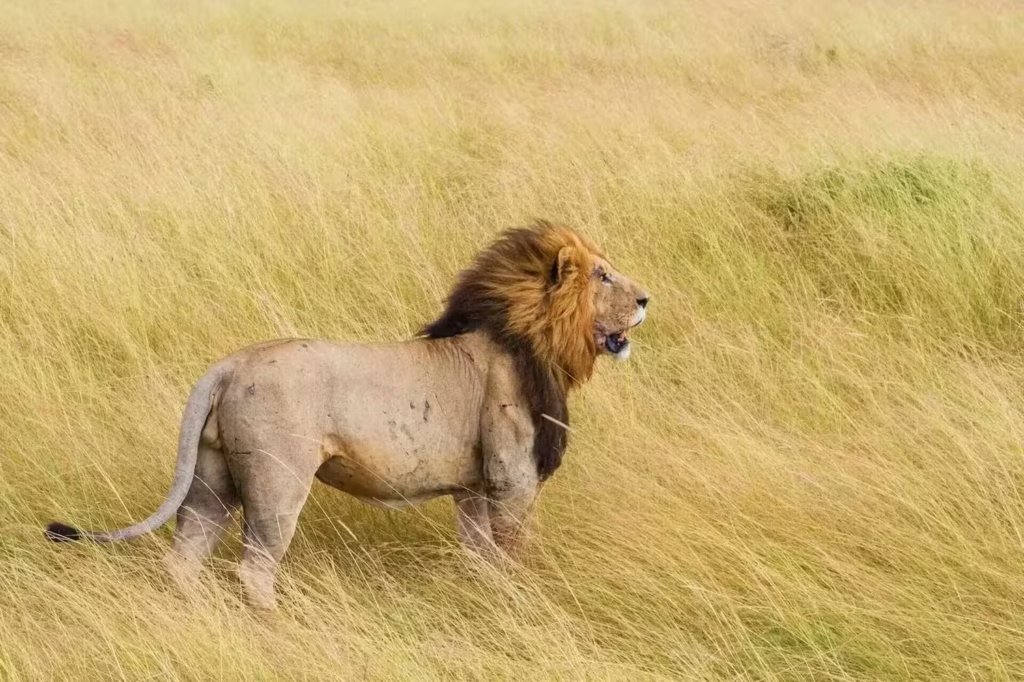
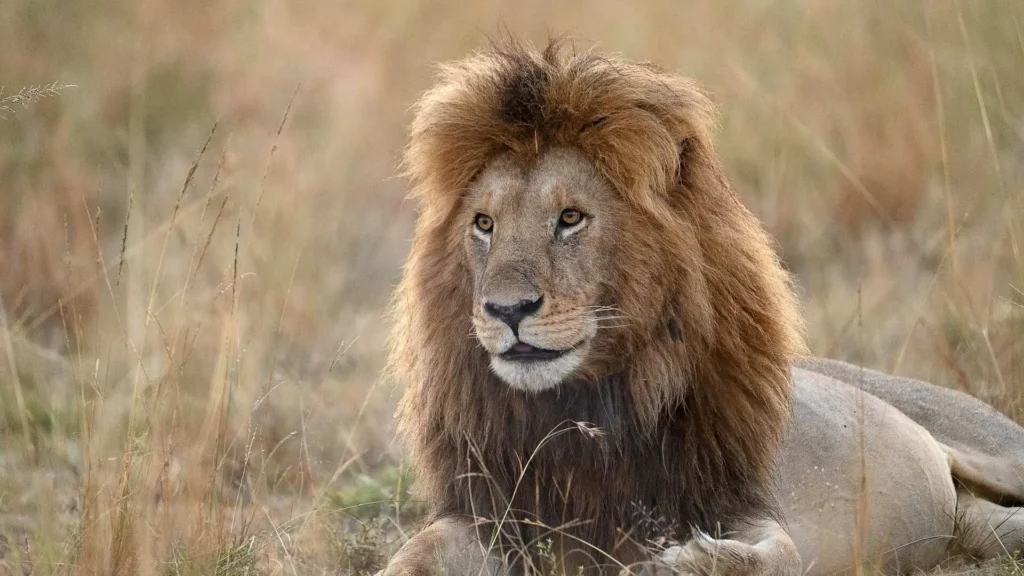
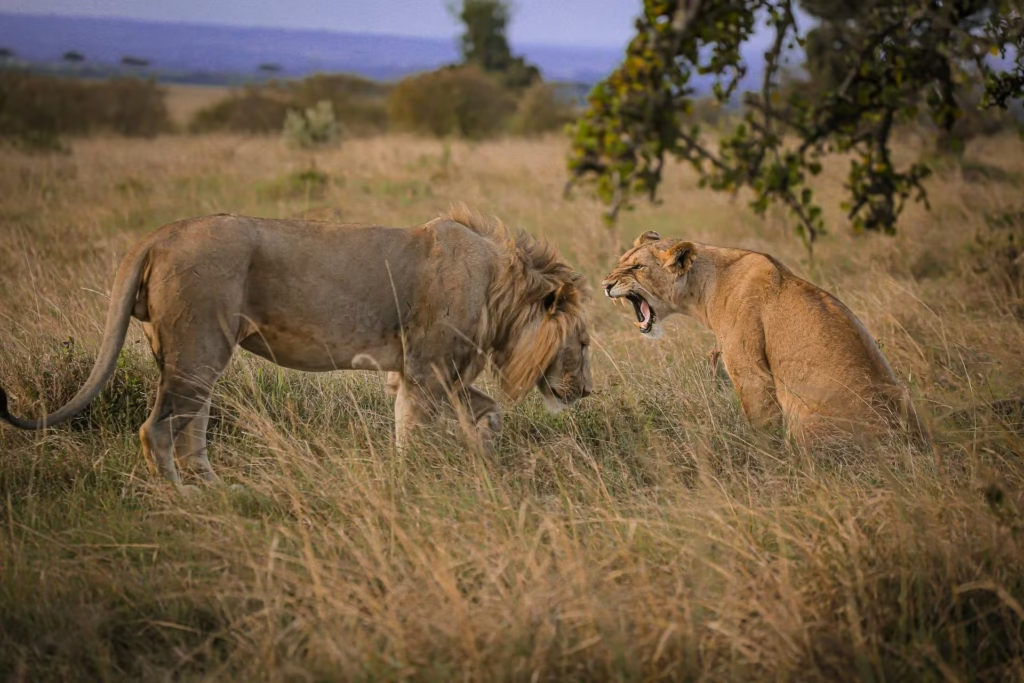
The African lion is one of the most recognisable animals in Africa.
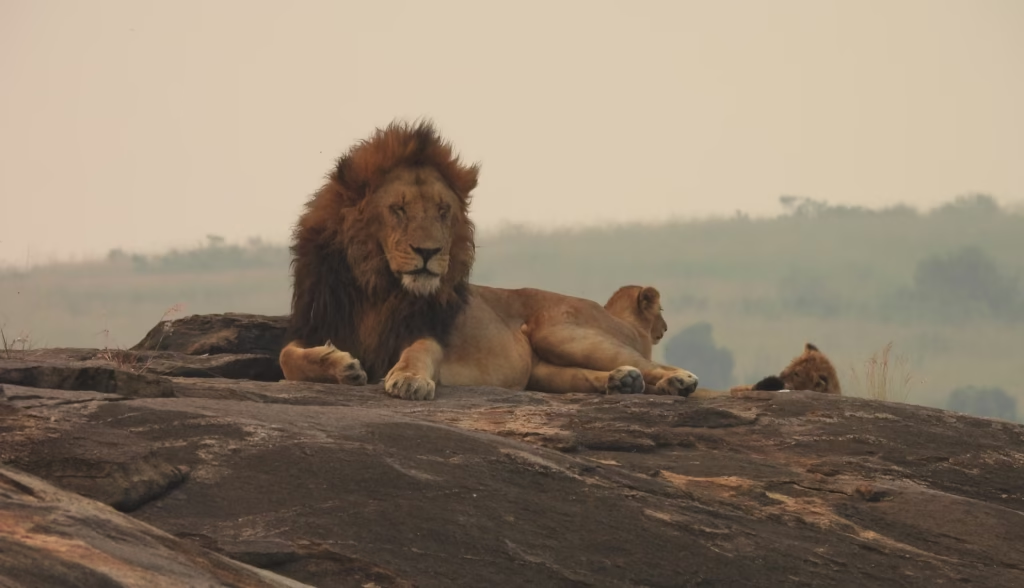
Its powerful build, deep roar and social behaviour have made it one of the continent's best-known predators. Unlike most wild cats, lions live in social groups called prides.
A pride can contain adult females, cubs and one or more adult males. Female lions often work together during hunts and share responsibility for raising cubs.
Lions spend many hours resting, with much of that rest taking place during the heat of the day. Early morning and late afternoon often offer better chances to observe active behaviour.
Where can you see lions?
Lions live across parts of eastern and southern Africa. Well-known safari destinations include:
- Masai Mara, Kenya
- Serengeti, Tanzania
- Ngorongoro Conservation Area, Tanzania
- Okavango Delta, Botswana
- Chobe National Park, Botswana
- Kruger National Park, South Africa
- Hwange National Park, Zimbabwe
- South Luangwa, Zambia
Watching an entire pride interact can be more rewarding than finding a single lion.
You may see adults resting together, cubs playing, young males sparring or the pride preparing for a hunt.
African Leopard
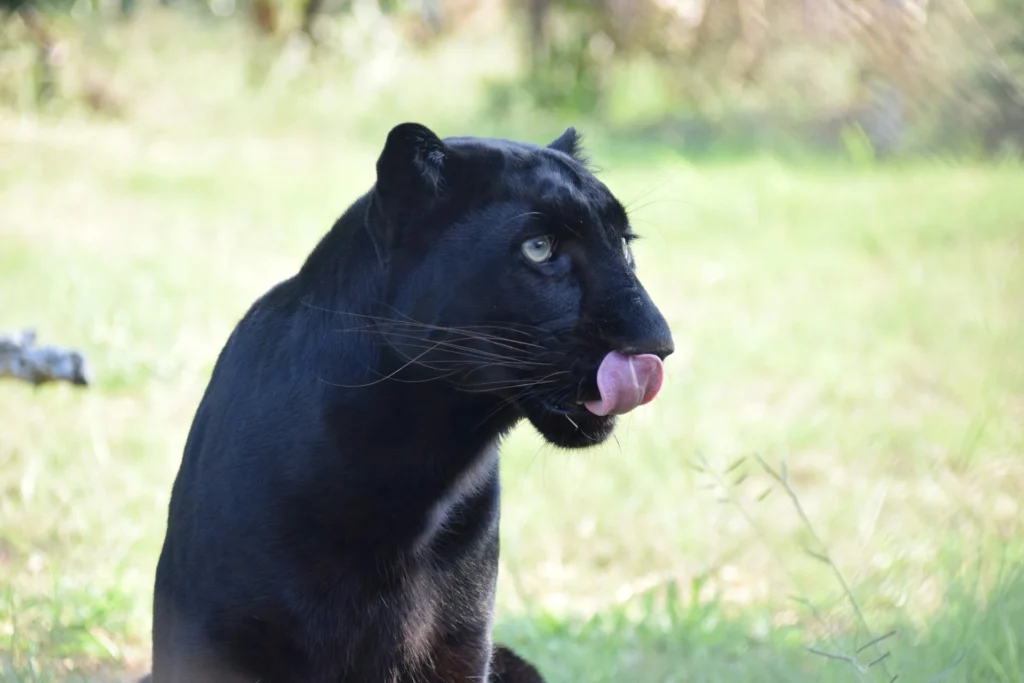
The African leopard is often one of the hardest Big Five animals to find.
Leopards are solitary predators with excellent camouflage. Their spotted coats blend into vegetation, rocks and woodland. A leopard can remain difficult to see even at a relatively short distance.
Leopards are excellent climbers.
A leopard can carry its prey into a tree to protect its meal from competing predators and scavengers. Seeing one resting on a tree branch is one of the most memorable leopard encounters on safari.
Leopards are often active around dawn, dusk and at night. Daytime sightings still occur, particularly during periods of movement or hunting.
Where can you see leopards?
Some well-known leopard destinations include:
- Masai Mara, Kenya
- Serengeti, Tanzania
- South Luangwa, Zambia
- Sabi Sand and nearby private reserves, South Africa
- Kruger National Park, South Africa
- Greater Kruger region, South Africa
- Okavango Delta, Botswana
Leopard sightings reward patience.
A skilled safari guide can read tracks, check likely resting places and watch prey animals for signs of a nearby leopard.
African Elephant
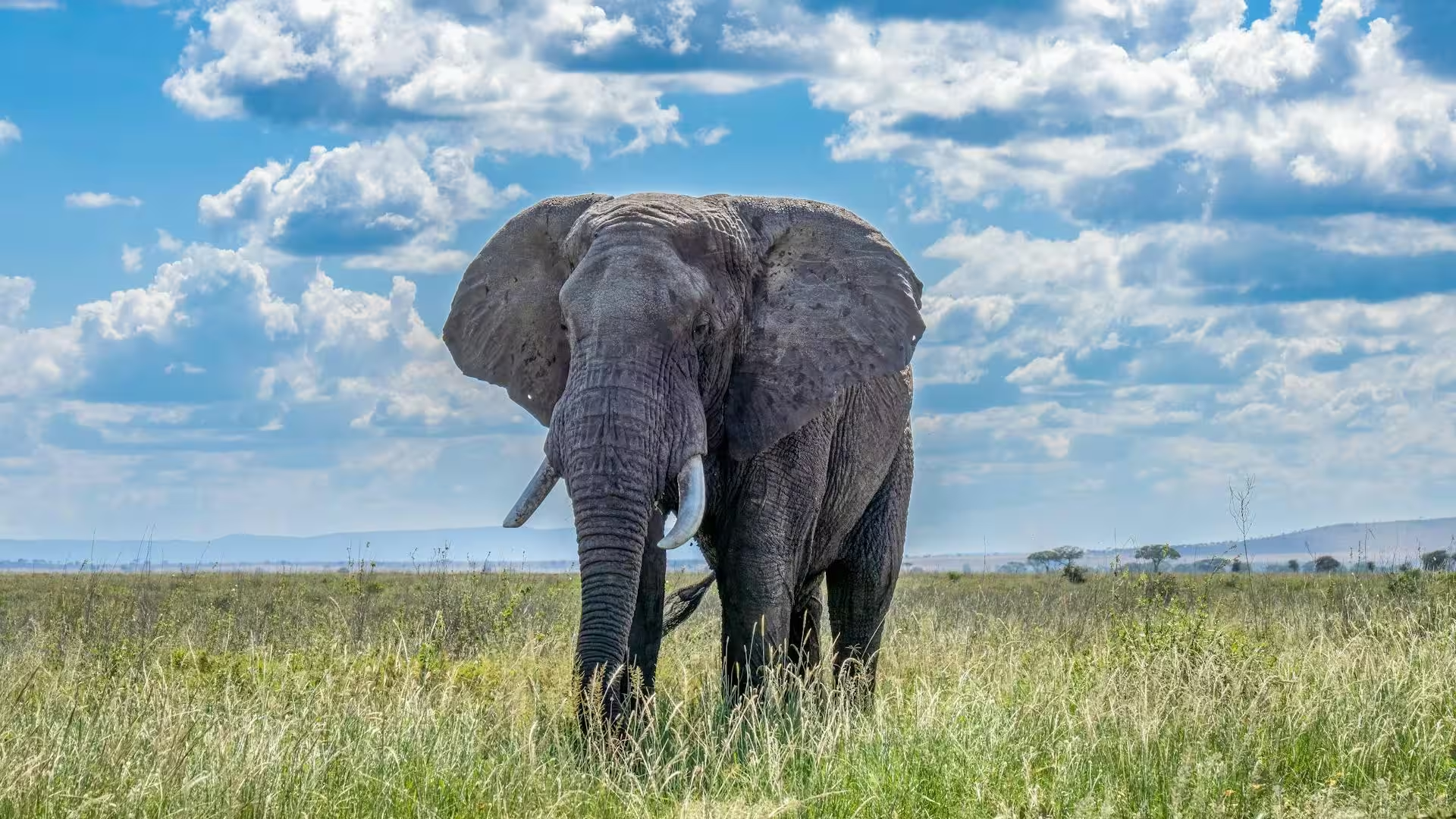
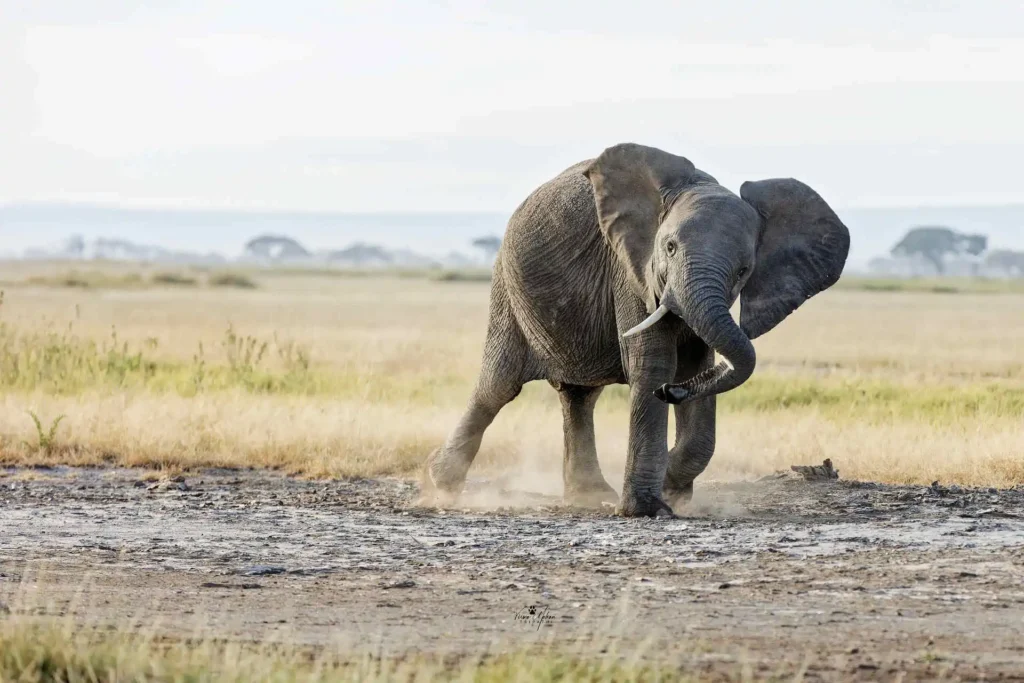
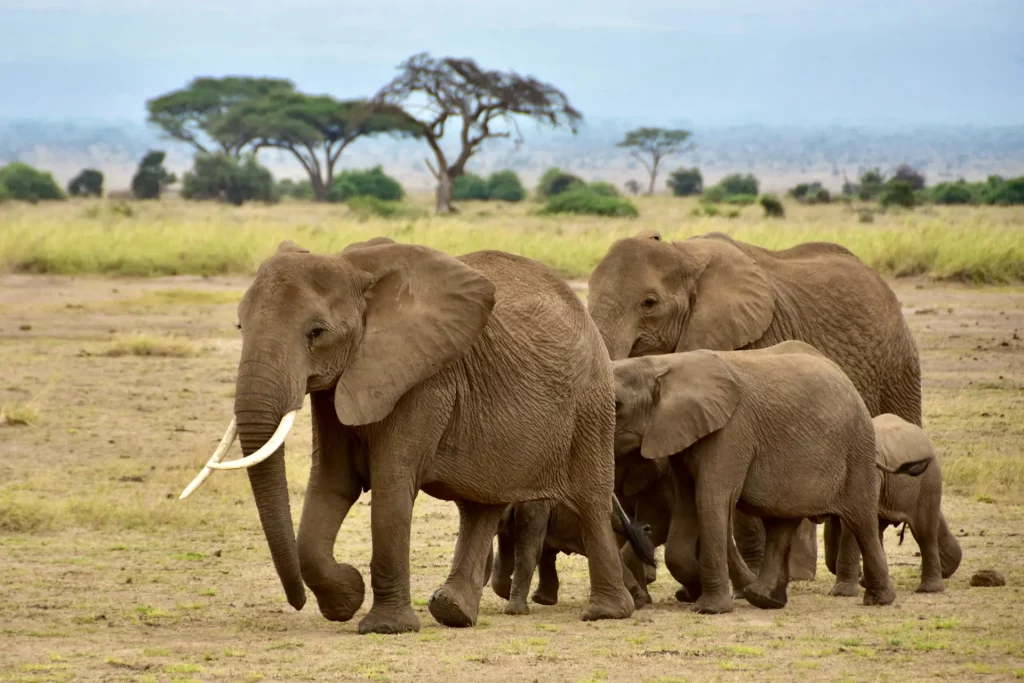
The African elephant is the largest land animal on Earth.
Its size alone makes an elephant encounter memorable, but watching a family herd reveals much more about these animals.
Elephant societies revolve around family groups, often led by an experienced female called a matriarch. Young elephants stay close to the herd as they grow.
Elephants communicate through sounds, body movements and low-frequency calls that can travel across long distances.
They play an important role in their habitats. Their feeding and movement can change vegetation, spread seeds and create paths used by other animals.
Where can you see elephants?
Elephants live across many parts of eastern and southern Africa.
Popular safari destinations include:
- Chobe National Park, Botswana
- Okavango Delta, Botswana
- Amboseli National Park, Kenya
- Serengeti, Tanzania
- Hwange National Park, Zimbabwe
- South Luangwa, Zambia
- Kruger National Park, South Africa
- Etosha National Park, Namibia
Water often becomes a major attraction during dry periods.
In places such as Chobe, elephant activity around rivers and waterholes can create memorable wildlife viewing opportunities.
African Rhinoceros
The rhinoceros is one of Africa's most distinctive large mammals.
Two African rhino species are commonly seen on safari: the white rhinoceros and the black rhinoceros.
Their names do not refer simply to differences in skin colour.
White rhinos have broad mouths suited to grazing. Black rhinos have pointed lips that help them browse on shrubs, leaves and other vegetation.
Rhinos have faced intense pressure from illegal hunting and habitat loss. Protected areas and conservation programmes remain important for their survival.
Where can you see rhinos?
Kenya, Namibia, Zimbabwe and South Africa are among the countries known for rhino conservation and safari encounters.
Notable areas include:
- Lake Nakuru, Kenya
- Lewa Wildlife Conservancy, Kenya
- Etosha National Park, Namibia
- Kruger National Park, South Africa
- Hluhluwe-iMfolozi Park, South Africa
- Hwange National Park, Zimbabwe
A rhino sighting can carry special meaning for safari travellers. These animals still face serious conservation pressures, and protected areas play an important role in their future.
African Buffalo
The African buffalo often receives less attention than lions and leopards, but it remains an impressive member of the Big Five.
Buffalo are powerful animals that usually live in herds. Large groups can contain hundreds of individuals in suitable habitats.
Their heavy bodies, dark coats and distinctive horns make them easy to identify.
Buffalo spend much of their time grazing and moving between feeding and resting areas. They form strong social bonds within their herds.
A buffalo herd can appear calm as it grazes, then quickly become alert if a predator approaches.
Lions sometimes hunt buffalo, particularly when they isolate a vulnerable or younger animal. These encounters form part of the natural predator and prey relationship found across African ecosystems.
Why Are They Called the Big Five?
The phrase Big Five does not refer simply to Africa's five largest animals.
The name came from professional hunters who considered these five species among the most challenging and dangerous animals to hunt on foot.
The phrase survived the decline of traditional big-game hunting. It later became strongly associated with photographic safaris.
Today, seeing the Big Five through a camera lens is a goal for many safari travellers.
The modern experience is very different from the original meaning of the term.
Where Can You See the African Big Five?
No African safari destination can promise sightings of all five animals.
Wild animals move freely. Populations differ between regions, and each species prefers particular habitats. Weather and seasonal conditions can change animal movements and viewing conditions.
Several destinations are widely known for Big Five wildlife viewing.
Kenya
Kenya has several major wildlife areas where travellers can look for Big Five species.
The Masai Mara is famous for lions, leopards and buffalo. Amboseli is well known for elephants. Several conservancies support important wildlife populations too.
Tanzania
Tanzania has some of Africa's best-known safari areas.
The Serengeti supports large populations of lions, elephants, buffalo and other wildlife. The Ngorongoro Conservation Area offers opportunities to see several Big Five species around a dramatic volcanic setting.
Botswana
Botswana offers a different type of safari experience.
The Okavango Delta contains wetlands, floodplains and woodland habitats. Chobe National Park is particularly famous for its large elephant population.
South Africa
South Africa has a well-developed safari industry and several major wildlife areas.
The Kruger National Park and neighbouring private reserves are widely known for Big Five safaris.
Zambia
Zambia offers wildlife experiences in large, relatively wild areas.
South Luangwa is known for walking safaris and strong predator populations. The region supports elephants, buffalo and many other large mammals.
Zimbabwe
Zimbabwe's major wildlife areas include Hwange National Park and Mana Pools.
Hwange supports large elephant and buffalo populations. The country's parks provide opportunities to observe many other African species too.
Namibia
Namibia is known for dramatic scenery and desert-adapted wildlife. It offers opportunities to see several Big Five species too.
Etosha National Park is particularly famous for wildlife viewing around its waterholes.
Is It Possible to See All Five on One Safari?
Yes, it is possible.
No responsible safari operator should guarantee all five animals.
A safari takes place in a natural environment. Animals move freely, and sightings depend on many factors.
Some parks have healthy populations of all five species. Other areas offer better opportunities for particular animals.
Your choice of destination should reflect the wildlife you want to see, the season, the safari style you prefer and the time you have available.
A carefully planned itinerary can improve your chances of finding different species. It should never turn wildlife viewing into a race between sightings.
The Big Five Are Not the Only Animals Worth Seeing
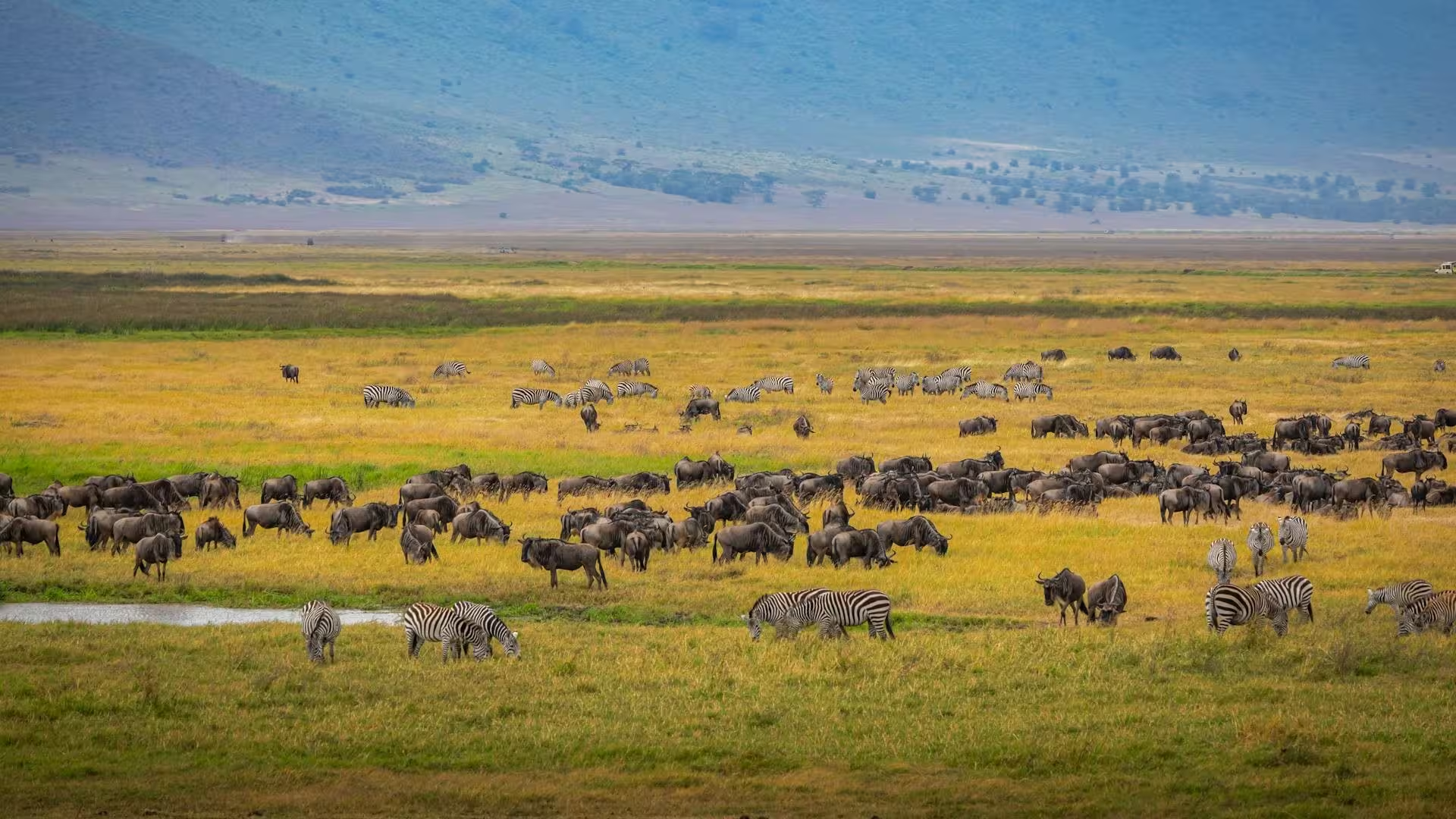
The Big Five receive much of the attention, but Africa's wildlife extends far beyond these five species.
A safari can bring you close to:
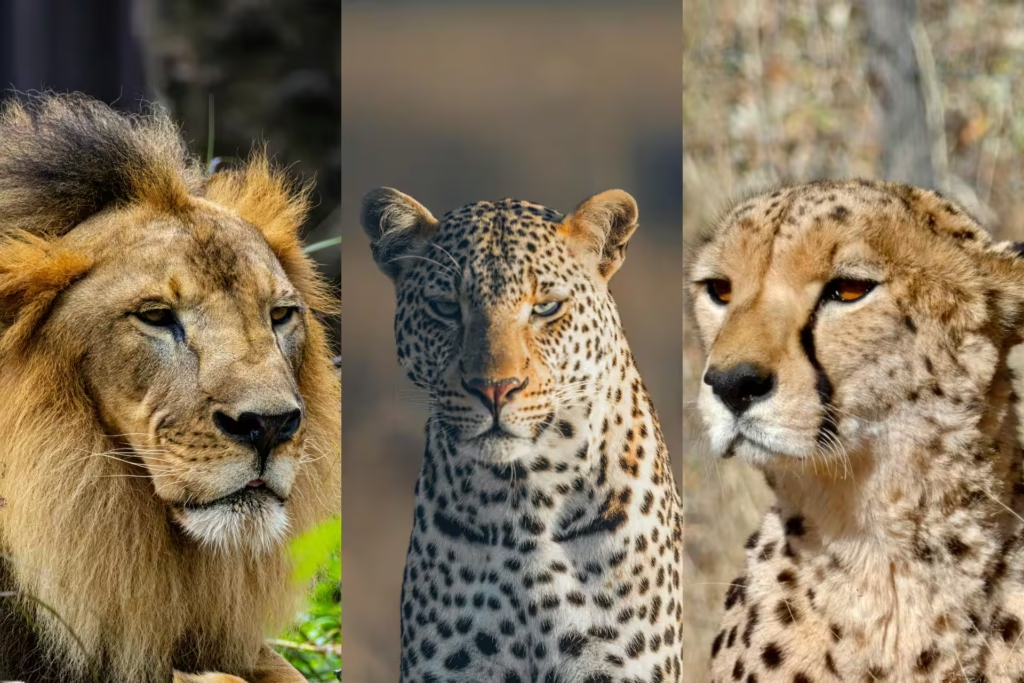
- Cheetahs
- African wild dogs
- Giraffes
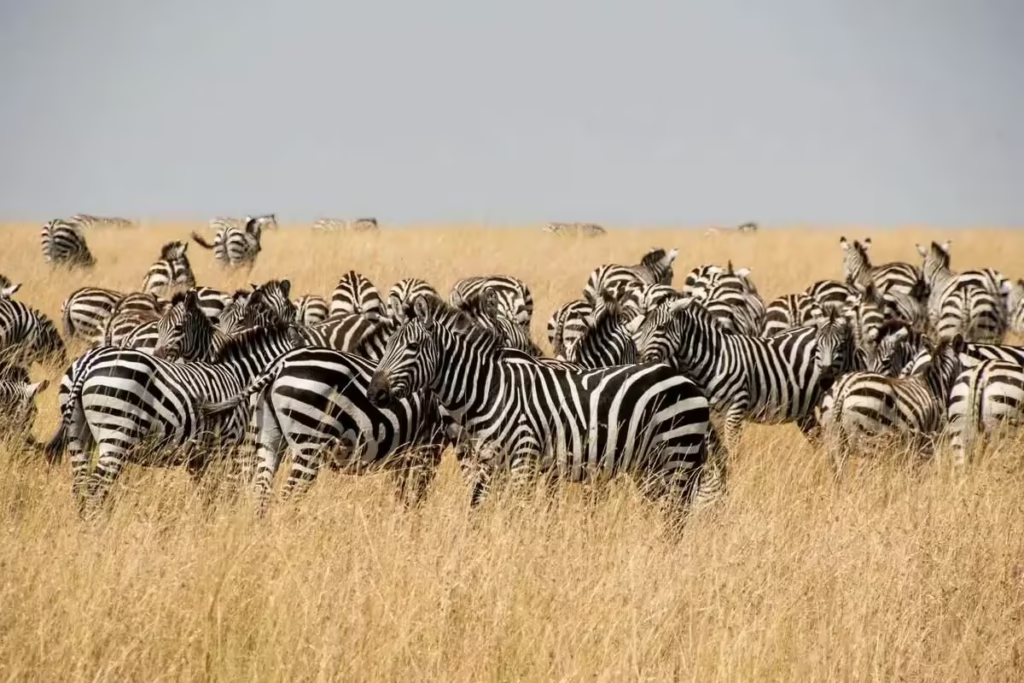
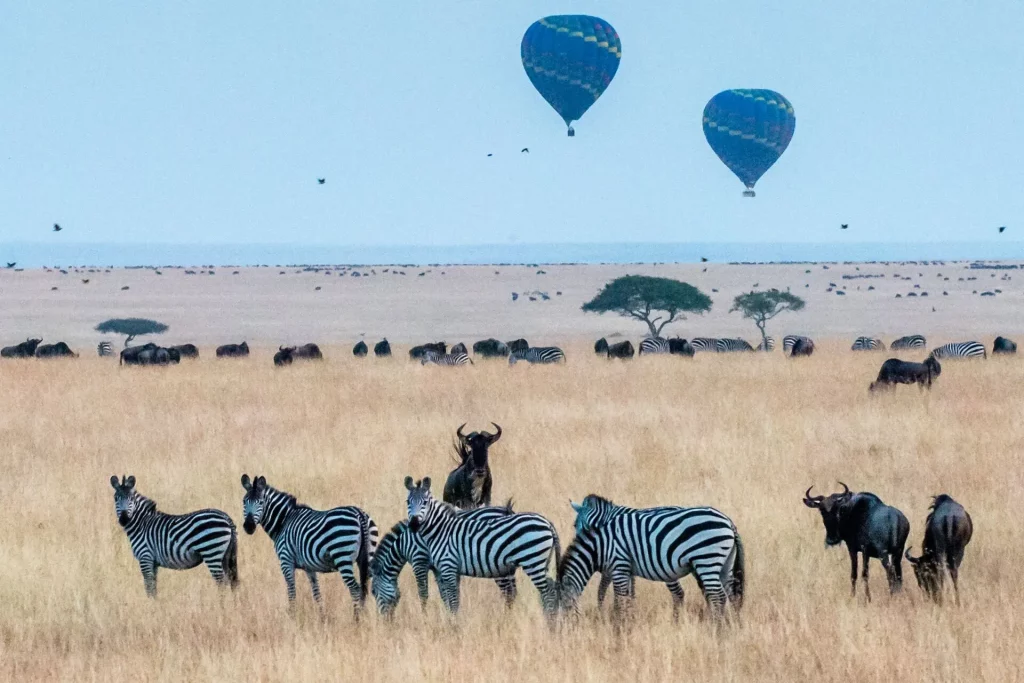
- Zebras
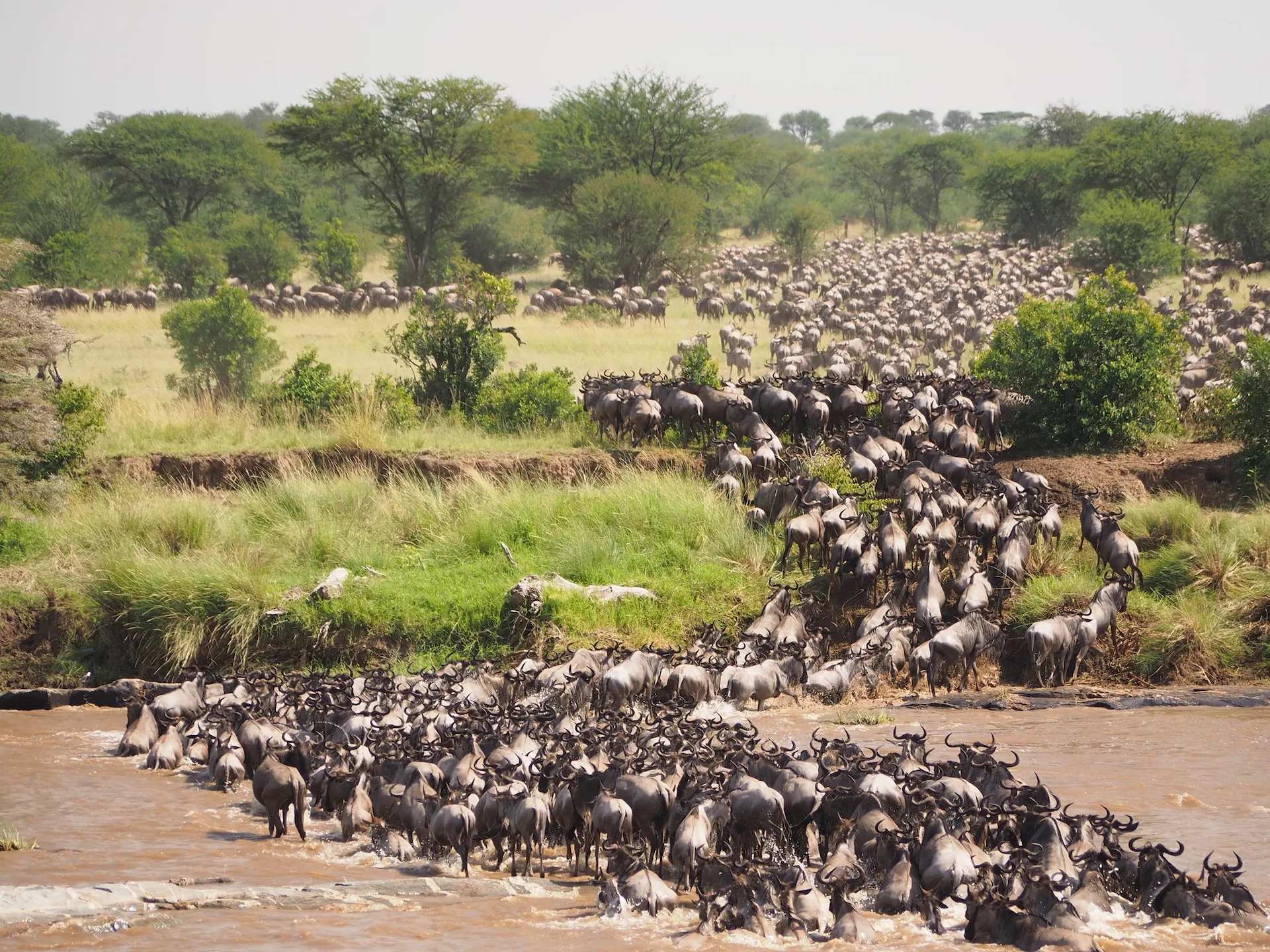
- Wildebeest
- Hippos
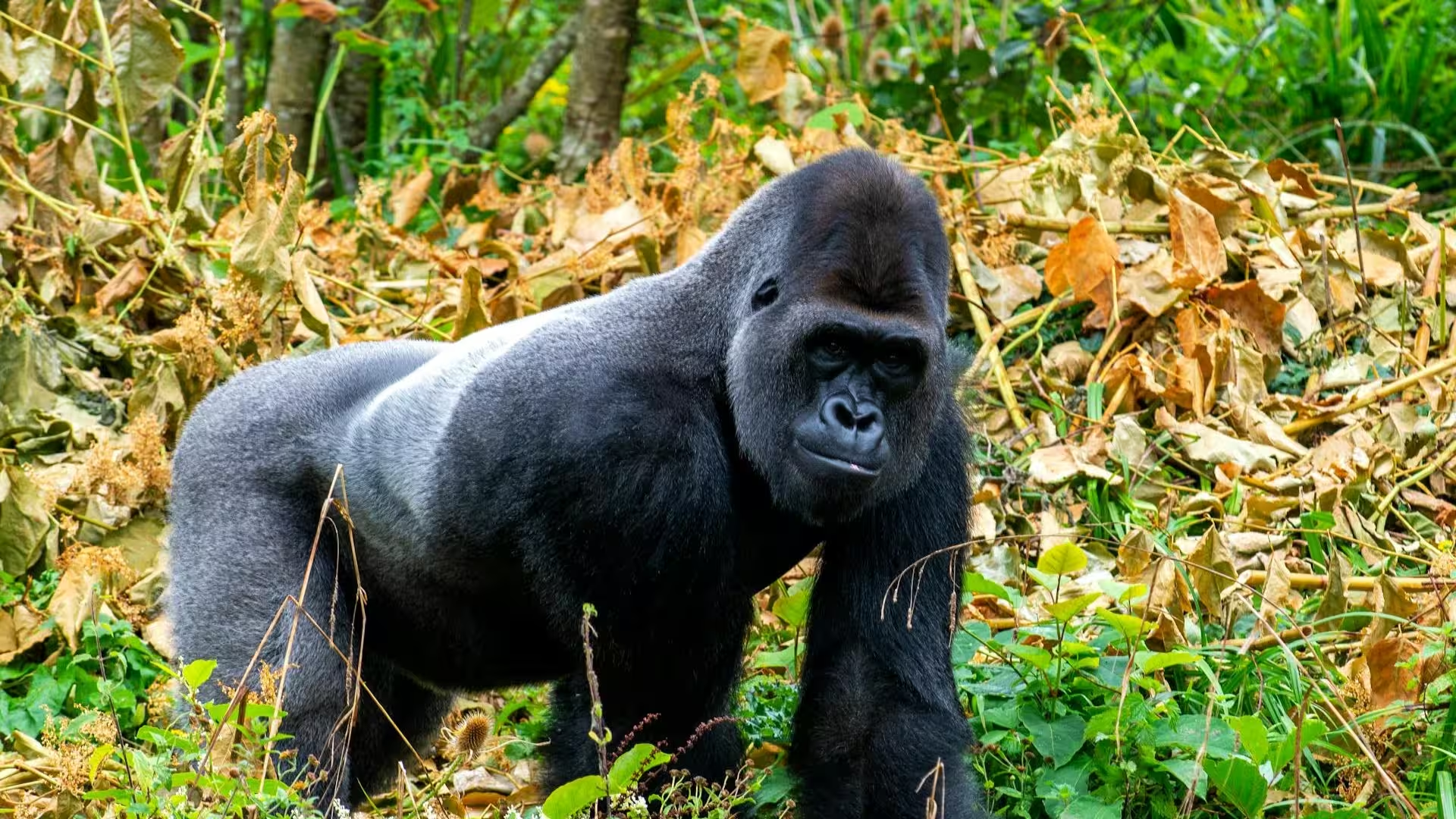
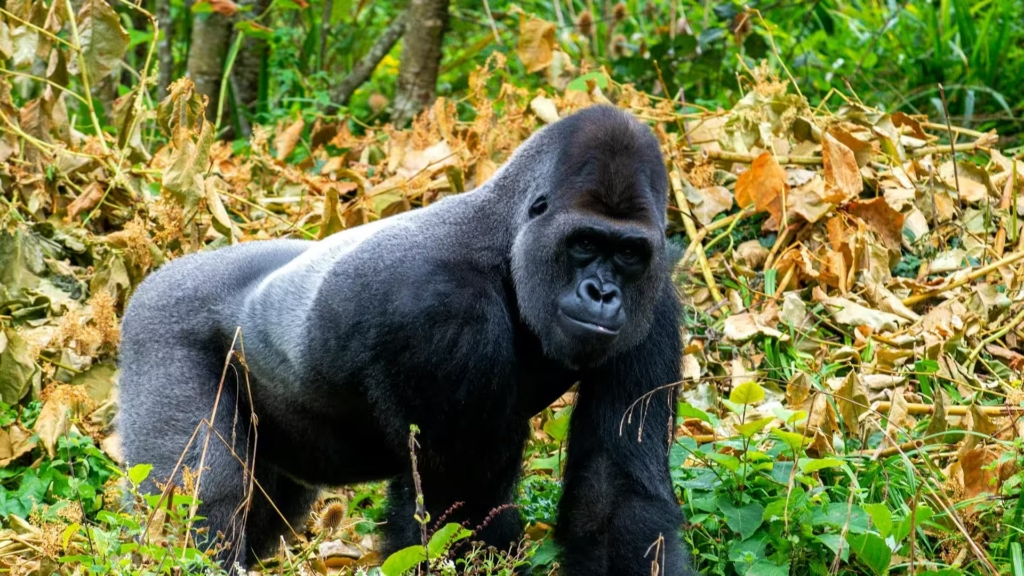
- Gorillas
- Chimpanzees
- Warthogs
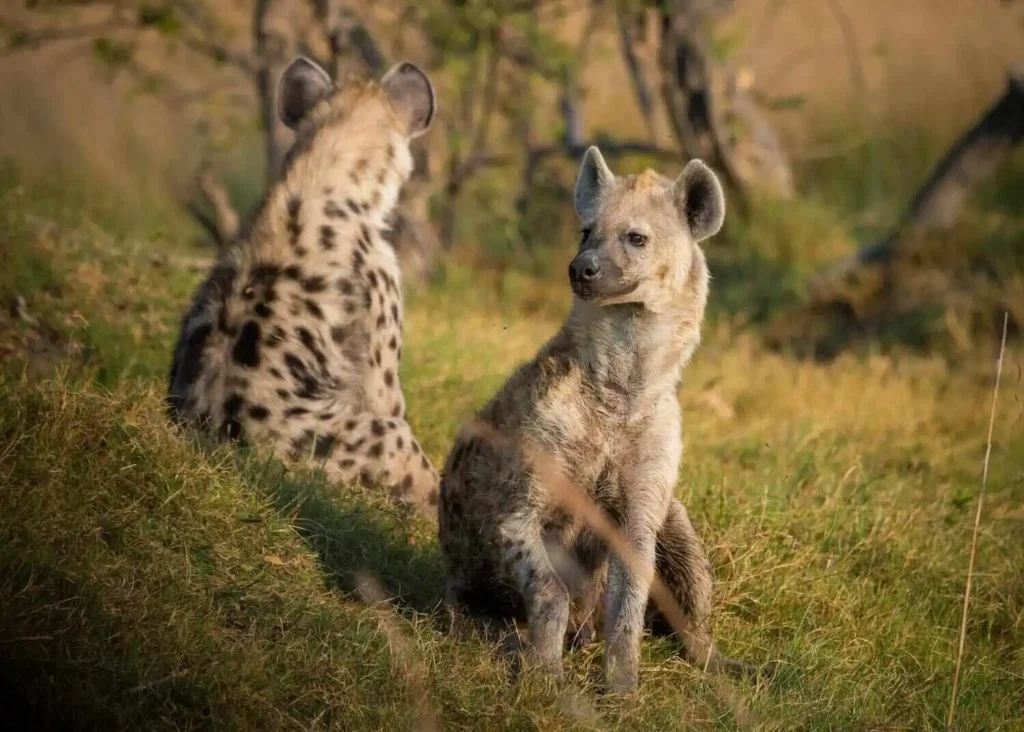
- Hyenas
- Jackals
- Antelopes
- Crocodiles
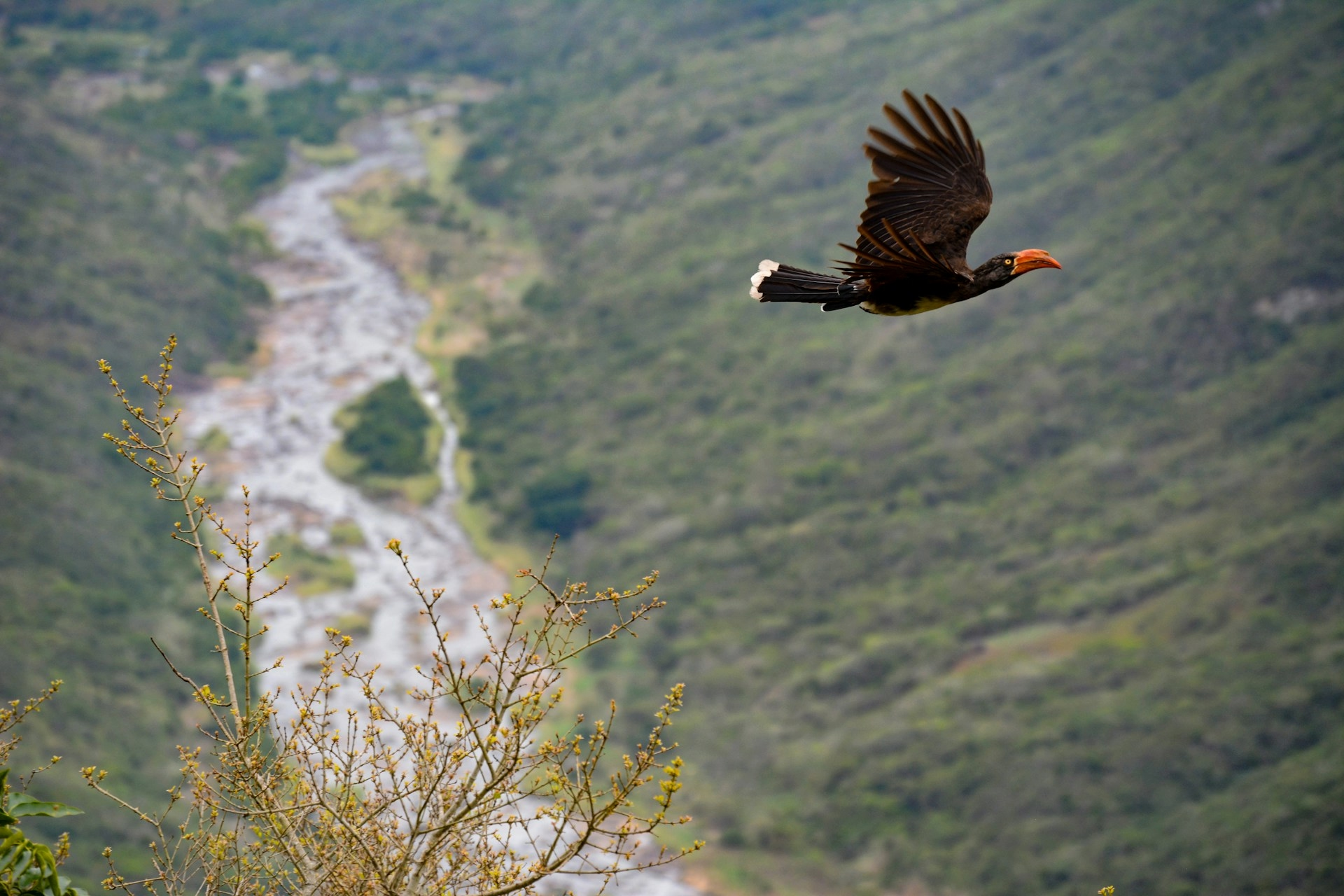
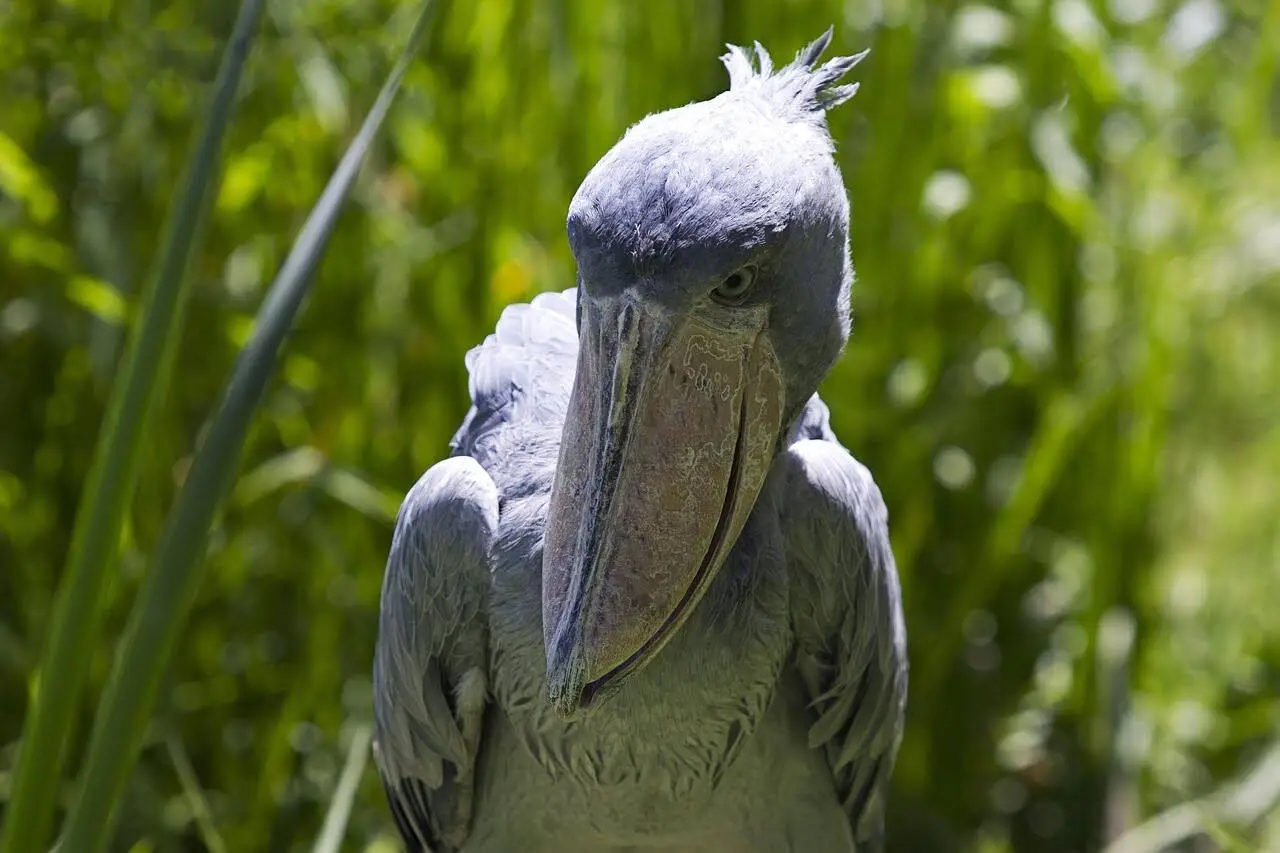
- Hundreds of bird species
Some of these encounters can become the most memorable moments of a safari.
Watching African wild dogs work together during a hunt can be just as fascinating as finding a lion. A leopard tortoise crossing the track or an African fish eagle calling beside a river can add another layer to the experience.
A Big Five Safari Is About More Than Five Animals
The Big Five provide a useful introduction to African wildlife.
A safari becomes richer once you look beyond a checklist.
Watch elephants communicate within a family group. Look for the small movements that reveal a hidden leopard. Follow a buffalo herd as it crosses open grassland.
Listen to the sounds around a waterhole.
Watch the relationship between predators and prey.
Notice how animal behaviour changes with the seasons.
These details turn a safari from a search for five animals into a closer experience of Africa's wild places.
At Big Cats Safari, our focus is responsible wildlife travel backed by specialist knowledge. We plan safaris around the destination, season, habitat and species you want to see. We leave room for the unpredictable nature of wild animals too.
The Big Five may be the most famous safari animals, but Africa has far more wildlife to experience.
Plan Your African Big Five Safari
Explore wildlife journeys across Kenya, Tanzania, Botswana, Zambia, Zimbabwe, Namibia and South Africa with Big Cats Safari.
Big Cats Safari | Wildlife Safari Specialists