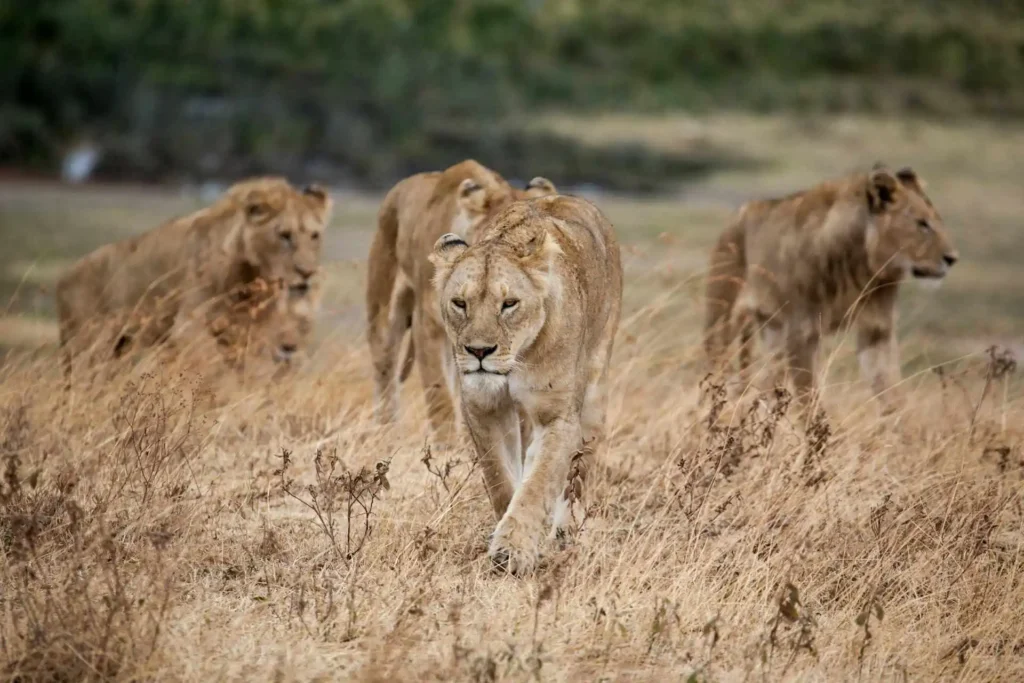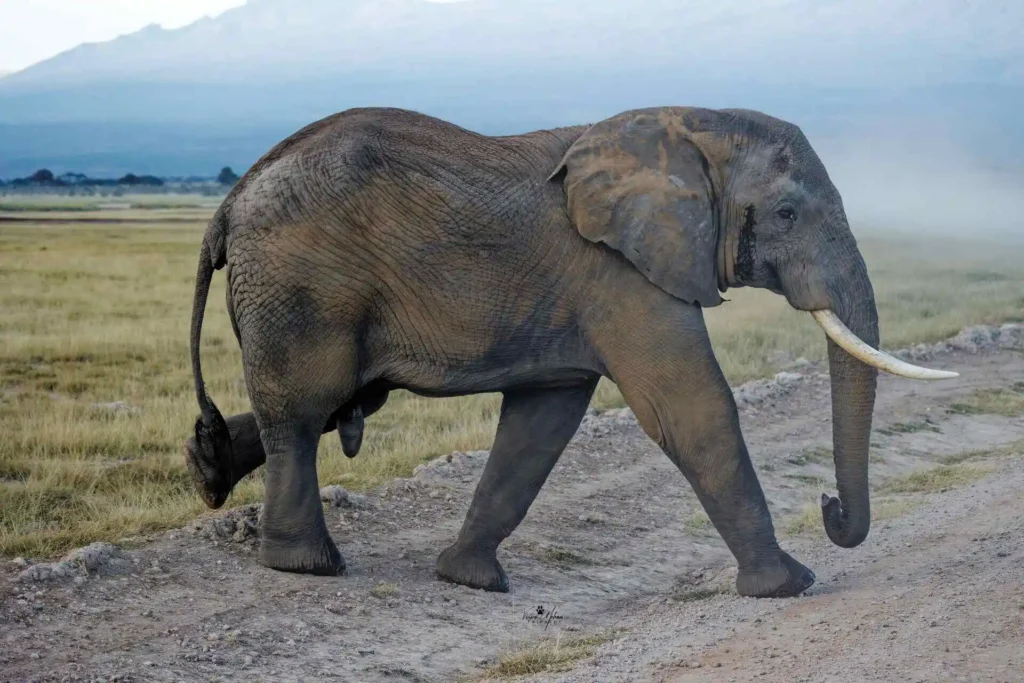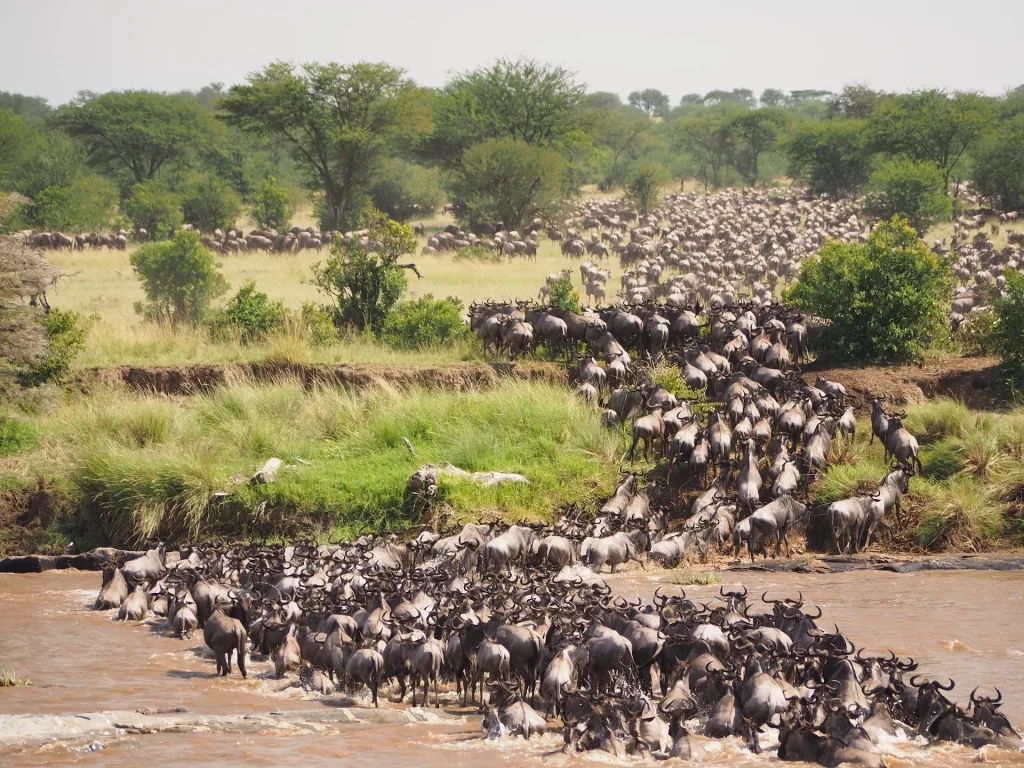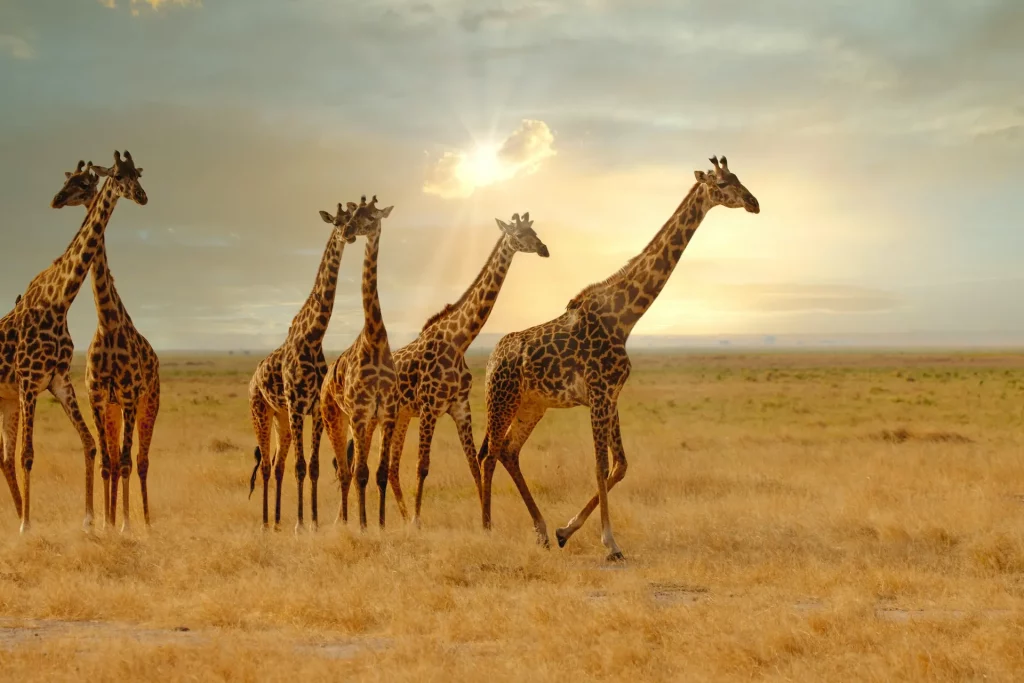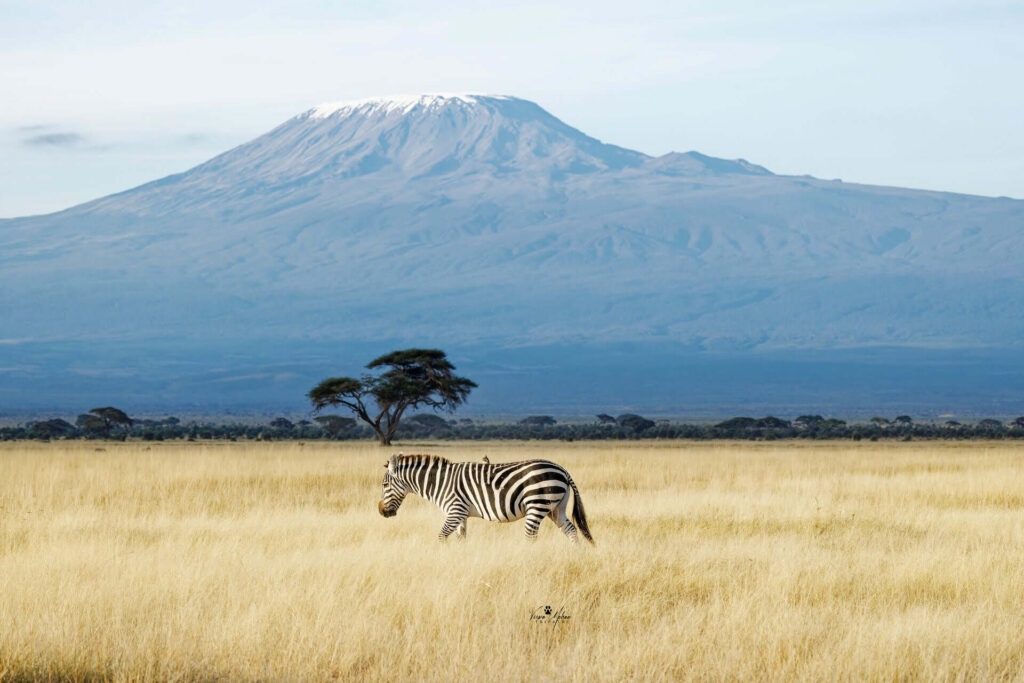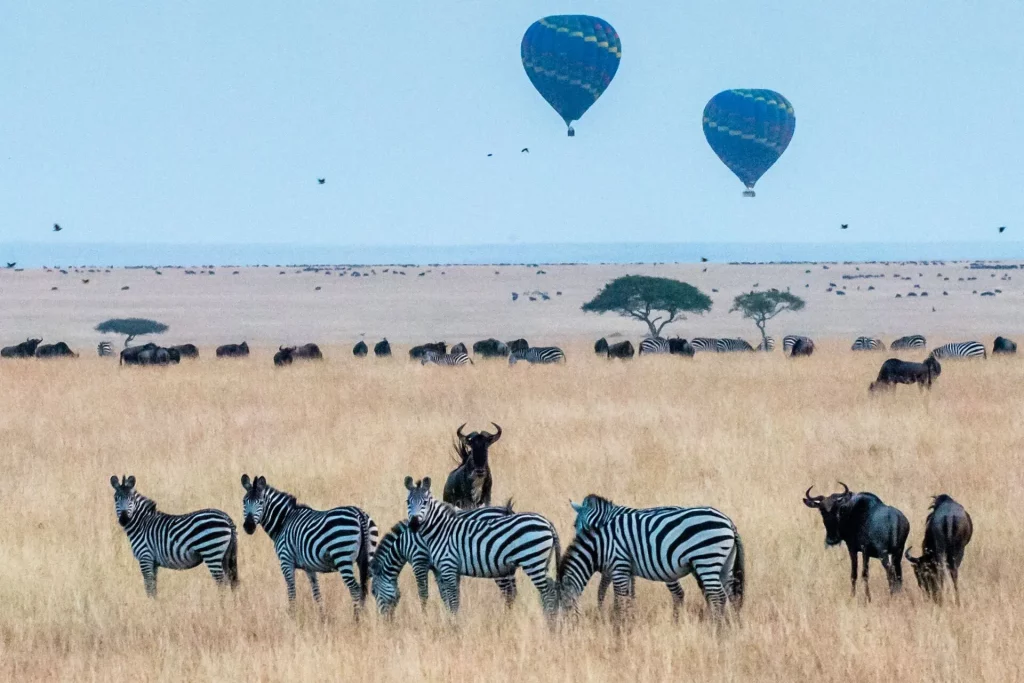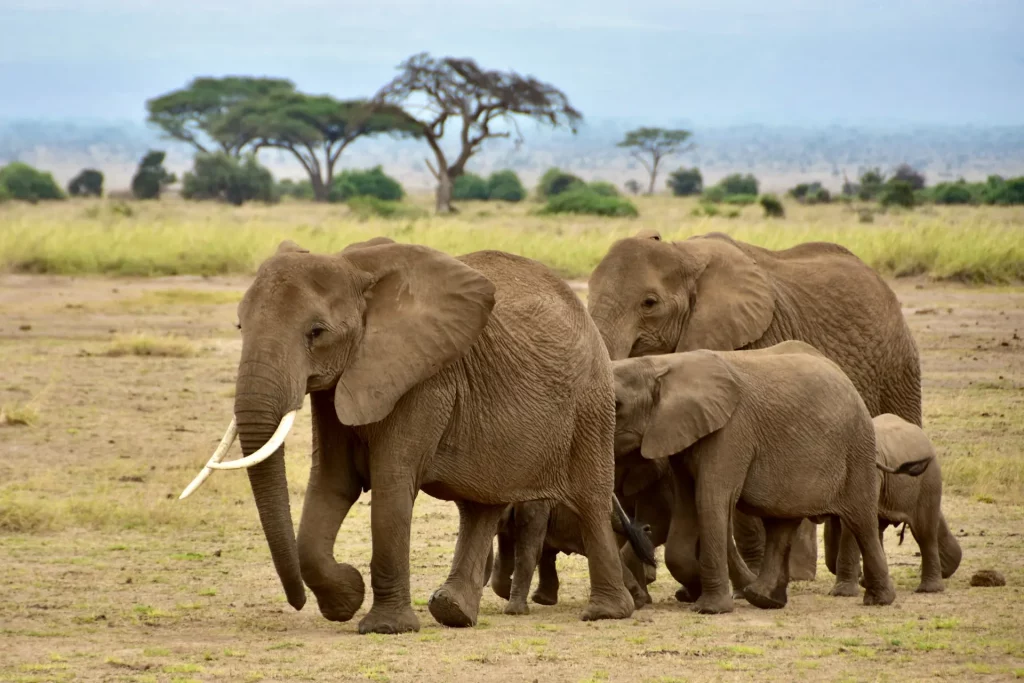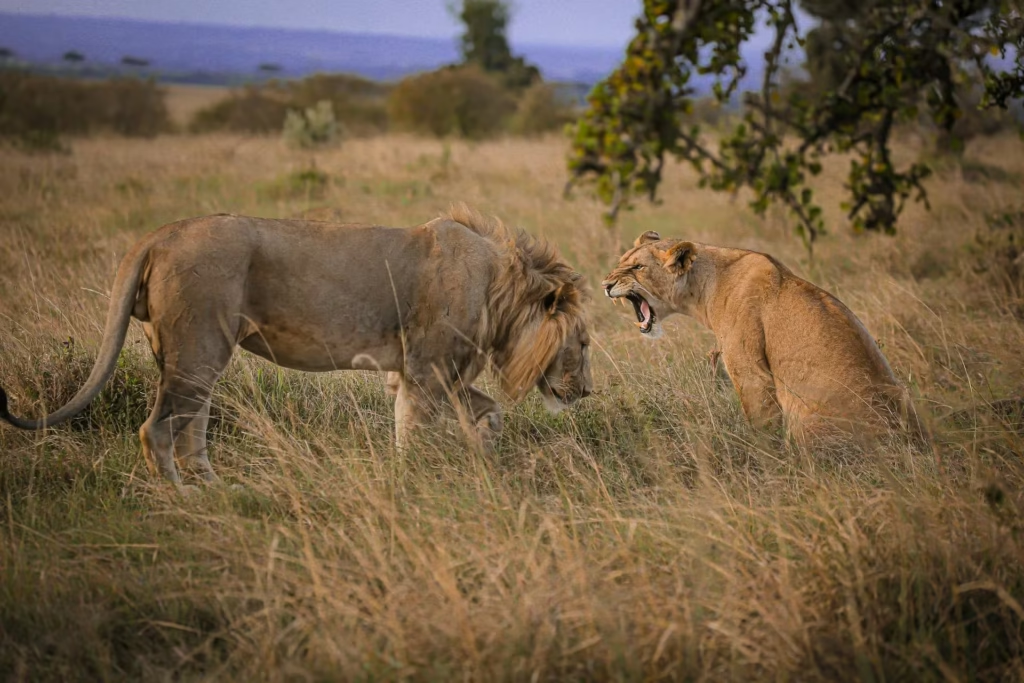
Kenya is famous for the wildebeest migration, lion prides on the Mara, and elephants crossing the Amboseli plain. But beyond the icons, its grasslands, forests, and semi-arid plains hold species that most safari-goers never see and some that are on the edge of disappearing entirely. Kenya's 2025 National Wildlife Census described the situation plainly: "a mosaic of wins and urgent conservation emergencies." This guide covers eight of Kenya's rarest wildlife species, where to find them, and what is being done to keep them here.
What Makes a Species "Rare" in Kenya
Rarity in Kenya's wildlife context has more than one meaning. Some species are rare because their total global population has collapsed. Others are rare because their range is restricted to one or two specific ecosystems. Others are rarely seen because they are secretive, nocturnal, or thinly spread across vast landscapes. In each case, finding them on safari requires specialist knowledge, the right location, and patience that a standard three-day package cannot provide.
Hirola (Hunter's Hartebeest) - Beatragus hunteri
IUCN Status: Critically Endangered · Wild population: 200 to 245
The hirola is the world's rarest antelope. Kenya's 2025 National Wildlife Census recorded one of the sharpest declines of any species in the country, with hirola numbers falling from 497 in 2021 to just 245 in 2025. The IUCN describes its situation as "grave."
A mid-sized, tawny-brown antelope with pale spectacle markings around the eyes, the hirola is found nowhere else on Earth except a narrow strip of semi-arid savannah along the Kenya-Somalia border in Garissa County. Threats include hunting, disease, drought, and competition with livestock. Every breeding failure at this population level is significant.
Where to see it: The Hirola Conservation Programme operates community conservancies in Ijara, Garissa County. This is remote, specialist territory outside the standard safari circuit. Dedicated conservation visits can be arranged directly through the programme.
Grevy's Zebra - Equus grevyi
IUCN Status: Endangered · Wild population: approximately 3,000
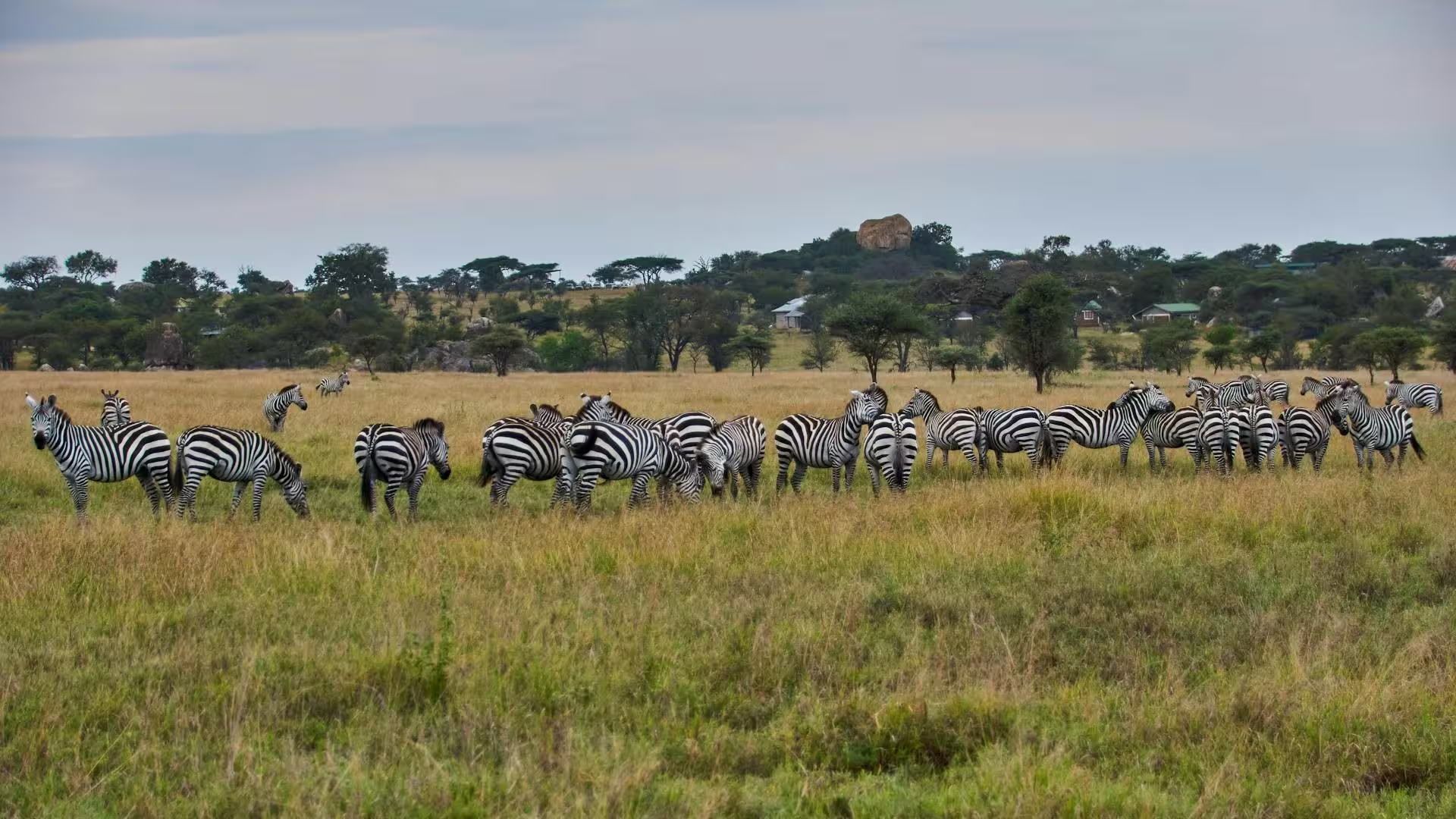
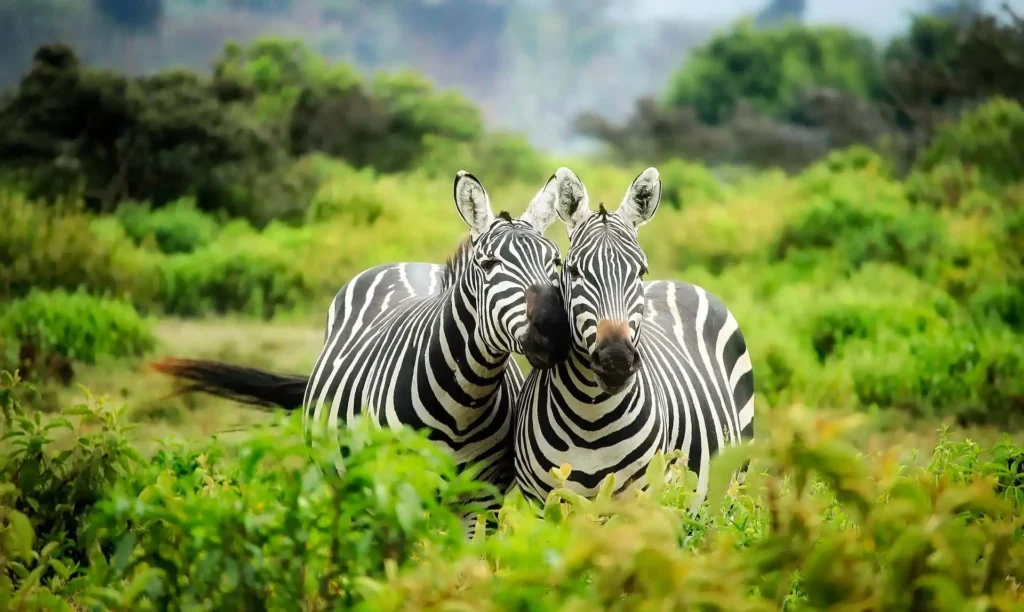
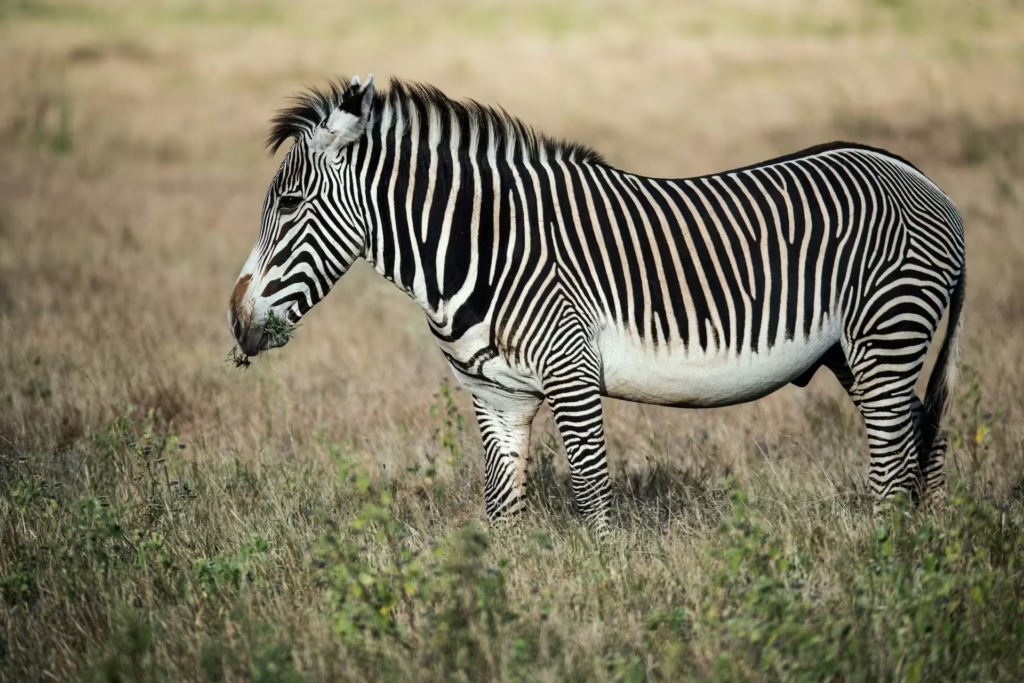
The Grevy's zebra is the largest living wild equid on Earth, weighing up to 450 kilograms. Its stripes are thinner and more densely packed than those of the common plains zebra, its ears are large and rounded, and its belly is white and unstriped. It is visibly, unmistakably different once you know what to look for.
In the late 1970s, around 15,000 Grevy's zebra lived across northern Kenya and Ethiopia. Fewer than 3,000 remain today, a decline of over 80%. Kenya holds more than 90% of the global population, concentrated in Samburu, Isiolo, and the Laikipia Plateau. With over 99% of its range falling outside protected areas, the species depends heavily on community conservancies for its survival.
Where to see it: Samburu National Reserve and Buffalo Springs are the most accessible locations. The private conservancies of the Laikipia Plateau, particularly Lewa, Ol Pejeta, and Mpala, also hold significant numbers. Dry season visits, when animals concentrate near water, give the best sighting opportunities.
African Wild Dog - Lycaon pictus
IUCN Status: Endangered · Kenya population: fewer than 800
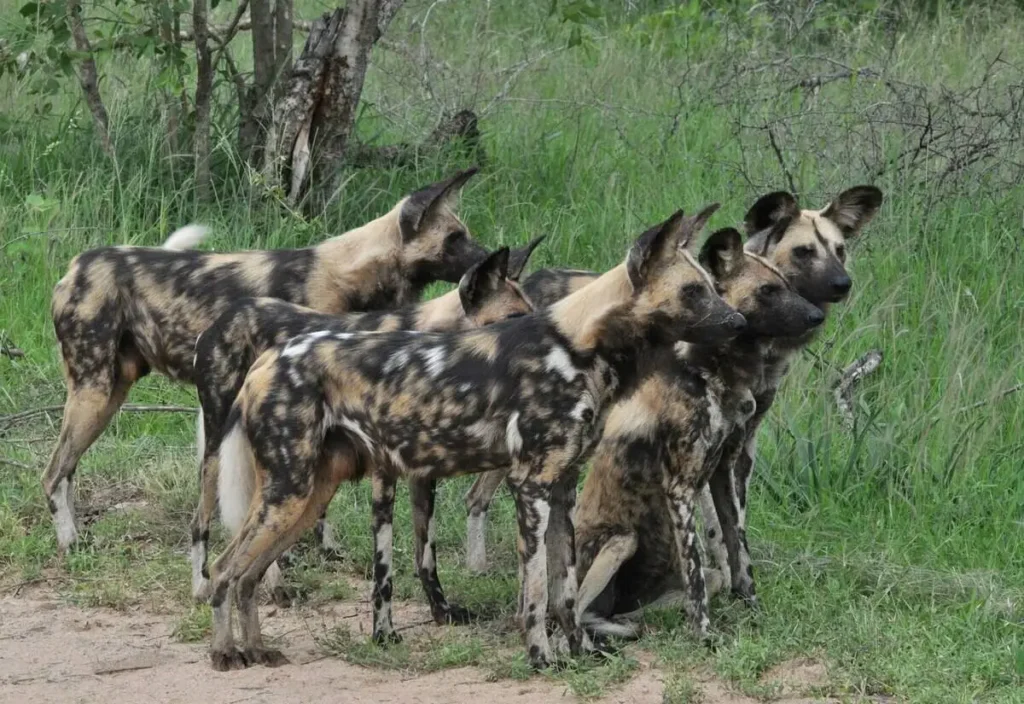
The African wild dog is one of the continent's most efficient predators and one of its most persecuted. Its mottled coat of black, brown, yellow, and white is unique to each individual. Hunting in coordinated packs with success rates exceeding 70%, it outperforms lion and cheetah as a hunter. Yet it has been eliminated from the vast majority of its former African range through persecution, habitat loss, and disease from domestic dogs.
Small packs have re-established in Laikipia and Meru National Park in Kenya. Their territories are vast, a single pack ranging across several hundred square kilometres, which makes sightings genuinely unpredictable even in areas of known presence.
Where to see it: The Laikipia Plateau is Kenya's most reliable location. Conservancies including Ol Pejeta, Borana, and Lewa share monitored packs. Inform your guide on arrival and stay flexible. Wild dog sightings require fast response when a pack is located.
Eastern Black Rhino - Diceros bicornis michaeli
IUCN Status: Critically Endangered · Kenya population: approximately 2,100
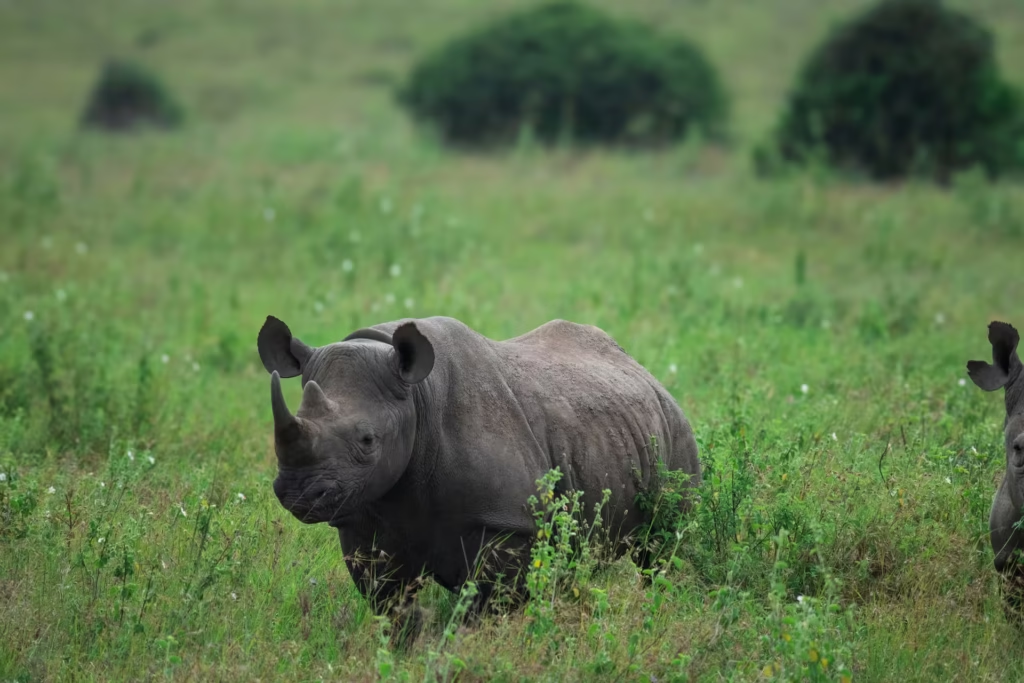
Poaching reduced Kenya's black rhino population from an estimated 20,000 in the 1970s to fewer than 300 by the late 1980s. Three decades of intensive anti-poaching operations, rhino sanctuaries, and translocation programmes rebuilt those numbers. Kenya's 2025 National Wildlife Census recorded 2,102 black rhinos, a 4% rise from 2021 and one of the census's genuine good-news findings.
The eastern black rhino is a browser, feeding on leaves and shoots with its prehensile upper lip, and largely solitary. It is also one of the oldest surviving large mammal lineages on Earth, largely unchanged in form for millions of years.
Where to see it: Ol Pejeta Conservancy in Laikipia holds the largest black rhino population in East Africa. Lewa Wildlife Conservancy, Lake Nakuru National Park, and Nairobi National Park also hold significant numbers. Most rhino sanctuaries offer guided foot tracking, which is the most rewarding way to encounter them.
Ground Pangolin - Smutsia temminckii
IUCN Status: Vulnerable · Population trend: Declining
The pangolin is the world's most trafficked mammal. Kenya's ground pangolin is nocturnal, solitary, and covered in overlapping keratin scales from head to tail. When threatened, it rolls into a tight ball, a defence effective against most predators but which makes it tragically easy for poachers to collect. Its diet consists almost entirely of ants and termites.
Ground pangolins are present across Kenya's drier savannahs in very low densities. Population estimates remain uncertain. They are almost never encountered on standard game drives and must be considered one of the most difficult species on this list to see.
Where to see it: The Laikipia Plateau has the highest concentration of confirmed sightings in Kenya. Some conservancies run dedicated nocturnal wildlife drives specifically targeting pangolin detection. A sighting should be treated as genuinely exceptional.
Sitatunga - Tragelaphus spekii
IUCN Status: Least Concern globally · Kenya: Range-restricted to a single site
The sitatunga is a semi-aquatic antelope entirely dependent on papyrus swamp and wetland habitat. In Kenya its range is confined almost entirely to Saiwa Swamp National Park near Kitale, a park of just 3 square kilometres established specifically to protect this species.
Built for water, the sitatunga has long, splayed hooves for soft ground, a shaggy water-resistant coat, and the ability to swim strongly when pressured by predators. Males carry spiral horns and are considerably larger than females. Both sexes carry white facial markings and body stripes. They feed on aquatic vegetation, wading chest-deep into papyrus stands to reach it.
Where to see it: Saiwa Swamp National Park, accessible by road from Kitale or Eldoret. No vehicles are permitted inside the park. Raised observation platforms along the swamp edge provide the best views at dawn and dusk.
Roan Antelope - Hippotragus equinus
IUCN Status: Least Concern globally · Kenya: 21 individuals (2025 census)
Globally the roan antelope is not considered threatened. In Kenya it has almost vanished. The 2025 National Wildlife Census recorded just 21 individuals in the entire country, up from 15 in 2021 but a number so small that a single disease outbreak or drought event could end the population.
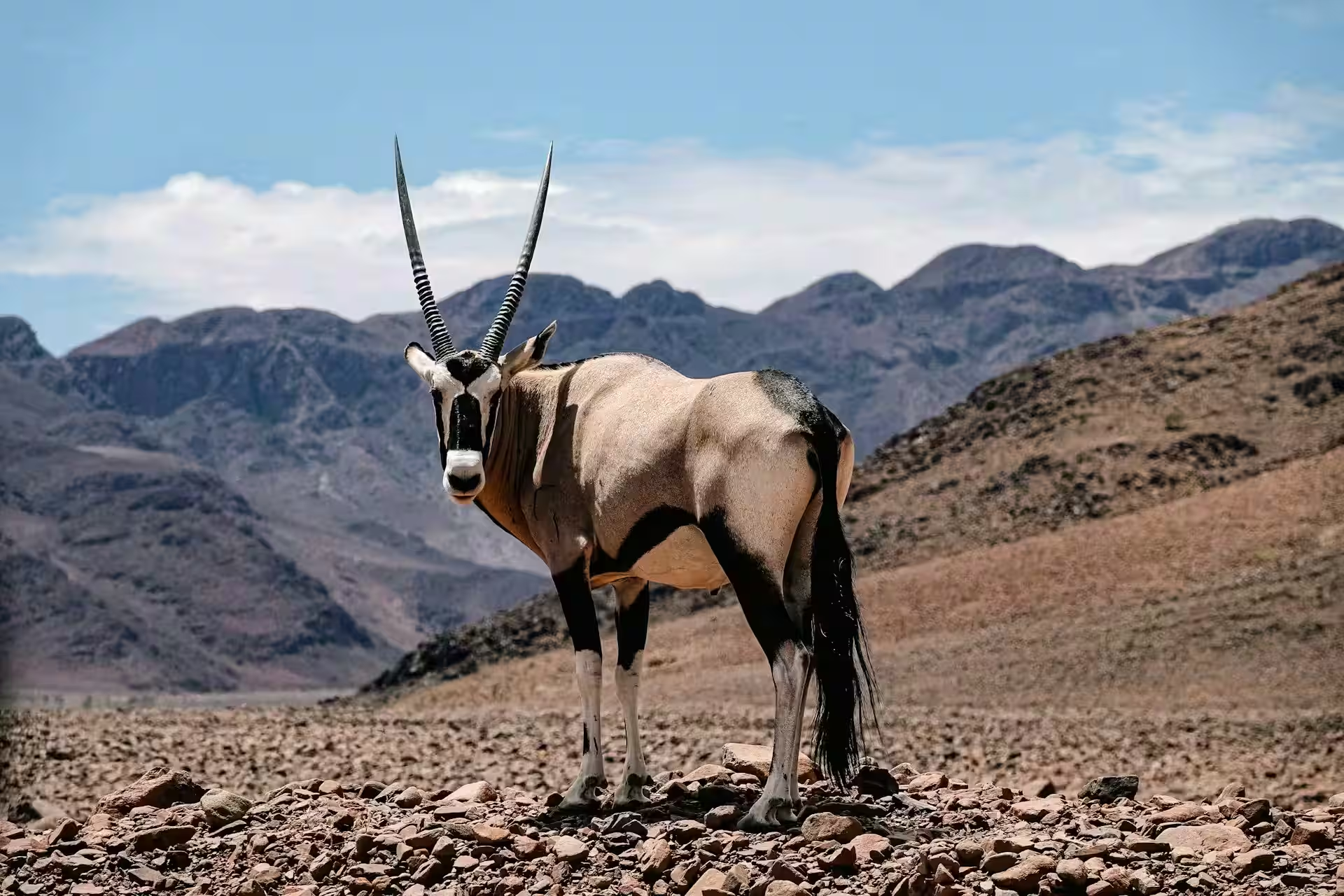
The roan is one of Africa's largest antelopes, powerfully built with a horse-like face, long curved horns, and a distinctive black-and-white facial mask. It was once found across western Kenya. Habitat loss and hunting reduced it to a remnant in Ruma National Park in Homa Bay County, the only place it is now recorded in Kenya.
Where to see it: Ruma National Park, western Kenya near Lake Victoria. The park is rarely visited, infrastructure is basic, and a sighting is not guaranteed at 21 individuals. Visitors who make the effort frequently have the park to themselves entirely.
Mountain Bongo - Tragelaphus eurycerus isaaci
IUCN Status: Critically Endangered · Wild Kenya population: fewer than 100
The mountain bongo is Kenya's most visually striking forest antelope and its most secretive. Males carry massively spiralled horns up to a metre long. The coat is a deep chestnut red with thirteen or fourteen white vertical stripes, vivid markings that dissolve the animal's outline in dappled forest light. Despite this appearance, the mountain bongo is extraordinarily hard to see in the wild.
Kenya holds the world's only remaining wild population, confined to the highland forests of the Aberdares and Mount Kenya. Camera trap surveys in 2025 and 2026 detected bongos in areas of the Mau Forest where the species was thought to be locally extinct, a significant finding. Captive-bred animals from zoo conservation programmes were translocated to reinforce the sanctuary population in the same period.
Where to see it: The Mount Kenya Wildlife Conservancy at Nanyuki maintains a semi-wild bongo sanctuary with habituated animals. This is the most accessible encounter with the species available. Wild sightings in the Aberdares require extended forest walking with experienced guides and remain very rare.
Conservation: What Is Protecting These Species
Kenya's rare species do not survive primarily inside national parks. Most critical habitat for hirola, Grevy's zebra, wild dog, pangolin, and roan lies outside formal protected areas, on community land and private conservancies where local people make the land-use decisions.
The Northern Rangelands Trust supports over forty community conservancies across northern Kenya, covering more than 44,000 square kilometres. It provides ranger employment, wildlife monitoring, and anti-poaching operations funded substantially by conservation tourism. It is the most significant conservation infrastructure for northern Kenya's rare species.
Private conservancies on the Laikipia Plateau run captive breeding programmes, security operations, and reintroduction efforts at a scale that government agencies alone cannot sustain. Kenya Wildlife Service, alongside partners including the Wildlife Conservation Society and Space for Giants, continues developing wildlife corridors to connect fragmented habitats, a critical requirement for wide-ranging species that cannot survive in isolated patches.
How to Plan a Wildlife Safari in Kenya
A standard Masai Mara itinerary will not find most of these species. Rare wildlife safaris require deliberate planning around specific locations and specialist guides.
Build around Laikipia. The plateau offers the widest range of rare species in one region: Grevy's zebra, black rhino, wild dog, and pangolin. Private conservancies here allow walking, night drives, and off-road tracking that national parks do not permit. Three to four nights in Laikipia combined with Samburu to the north is the strongest rare species itinerary available in Kenya.
Add specialist sites. Saiwa Swamp is a half-day extension from western Kenya worth planning specifically for sitatunga. Ruma National Park requires commitment but offers something most Kenya visitors never experience: a genuinely off-circuit park with minimal tourist infrastructure.
Use specialist guides. General safari guides are skilled at finding the Big Five. Finding wild dogs, pangolin, or mountain bongo requires guides with current tracking knowledge, radio contact with monitoring teams, and species-specific experience. Ask camps directly whether their guides have this background.
Manage expectations. Rare means rare. A twelve-day Laikipia itinerary gives a reasonable chance of Grevy's zebra and wild dog sightings and a meaningful chance of black rhino. Pangolin and mountain bongo remain exceptional regardless of time or effort invested.
Practical Notes
The best general wildlife months are July to October, when vegetation thins and animals concentrate at water. January to February offers a second dry season with fewer visitors. Avoid April to May during the long rains when tracks become impassable.
Kenya eVisa is available online for most nationalities. Internal flights from Nairobi's Wilson Airport connect to Laikipia, Samburu, and the Mara. Yellow fever vaccination is required if arriving from an endemic country. Responsible wildlife photography means maintaining distance from animals, never pressuring guides for a closer approach, and treating rare species encounters with the care they deserve.
Frequently Asked Questions
What is the rarest animal in Kenya?
By total population count, the hirola is Kenya's rarest mammal, with around 245 individuals recorded in the 2025 census. The northern white rhino is technically rarer globally with just two individuals surviving at Ol Pejeta, but it is functionally extinct as a wild breeding population.
How many Grevy's zebras are left in Kenya?
Kenya holds over 90% of the global Grevy's zebra population, estimated at around 3,000 individuals. Numbers have fallen from approximately 15,000 in the 1970s, a decline of more than 80% in under fifty years.
Is the black rhino endangered in Kenya?
Yes. The eastern black rhino is Critically Endangered globally. Kenya's 2025 census recorded 2,102 black rhinos, a population rebuilt through sustained conservation effort from a low of fewer than 300 in the late 1980s. Ol Pejeta Conservancy holds the largest population in East Africa.
What is the best conservancy for rare wildlife in Kenya?
Ol Pejeta Conservancy in Laikipia holds the broadest rare species range in Kenya: black rhino, Grevy's zebra, wild dog, cheetah, and the last two northern white rhinos. The Laikipia Plateau as a whole, including Lewa and Borana, is the strongest region for rare wildlife in the country.
Are pangolins found in Kenya?
Yes. The ground pangolin is present across Kenya's drier savannahs, with Laikipia holding the highest concentration of confirmed sightings. They are nocturnal and secretive. Some conservancies offer dedicated nocturnal drives targeting pangolin detection. Any sighting should be considered exceptional and reported to your camp.
When is the best time to visit Kenya for rare wildlife?
July to October is optimal: dry season, lower vegetation, and animals concentrated around water. January and February offer a quieter second dry season. Northern Kenya and Laikipia are productive year-round outside the long rains of April and May.