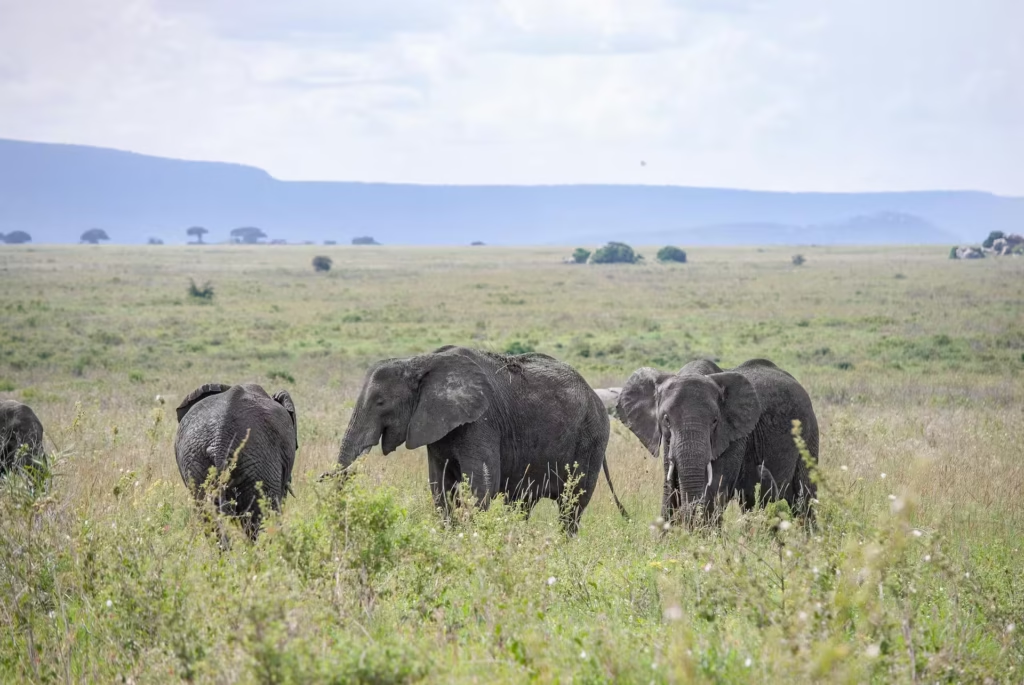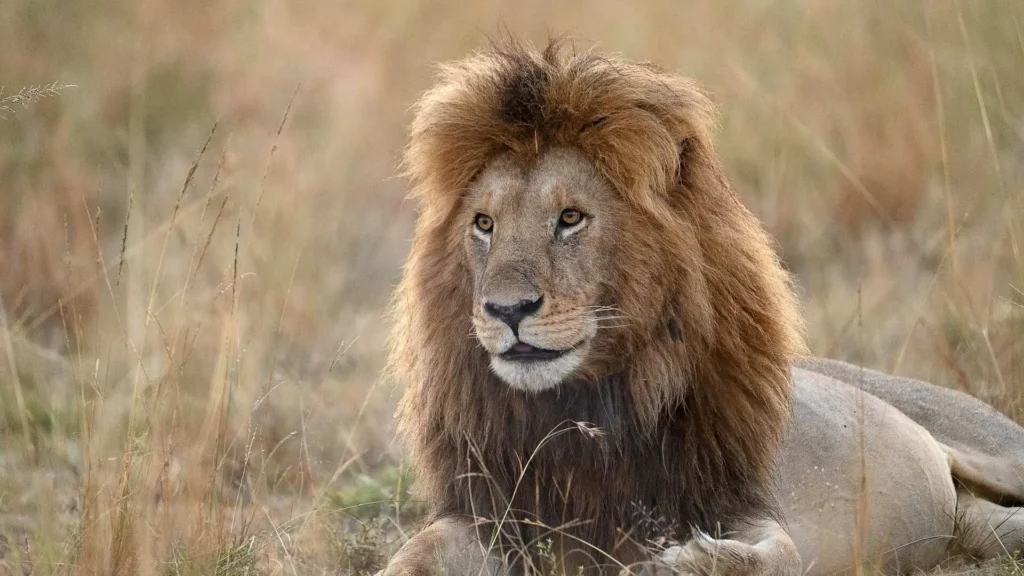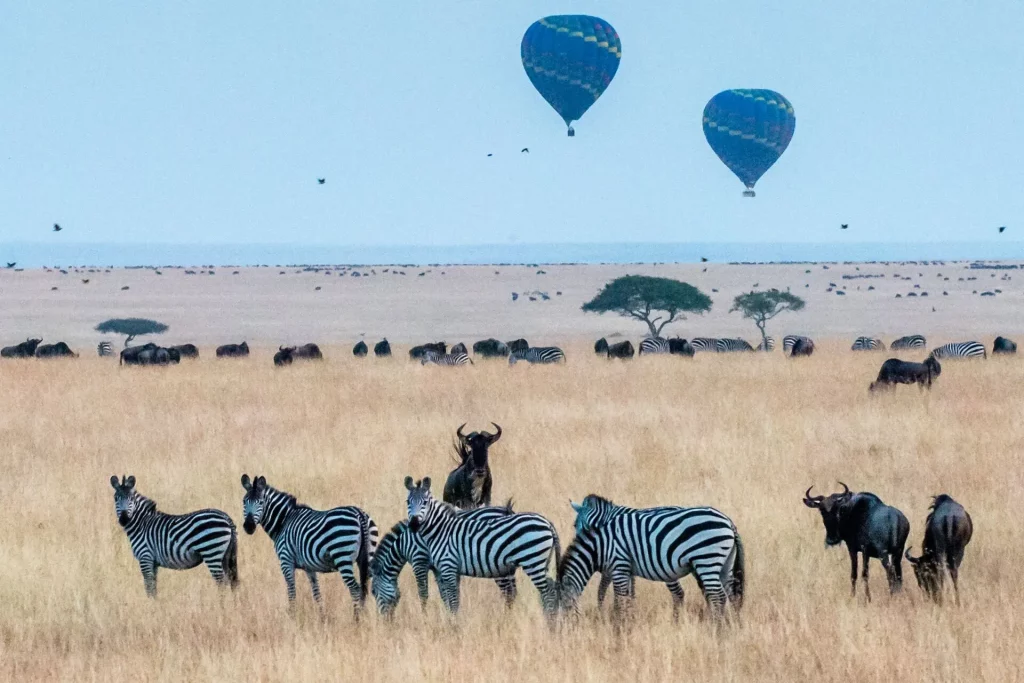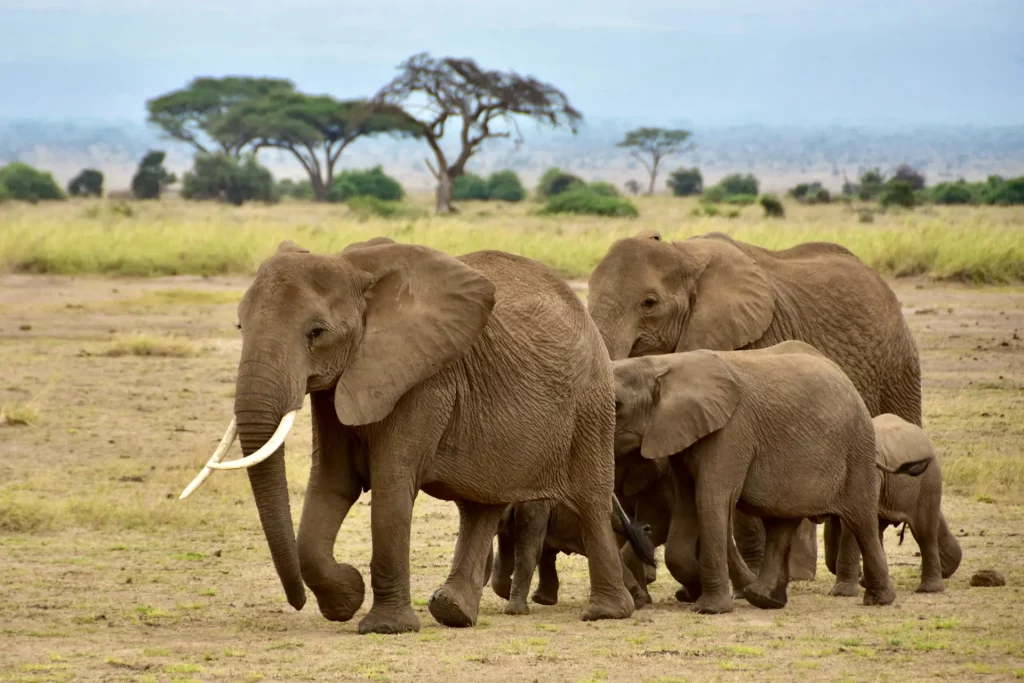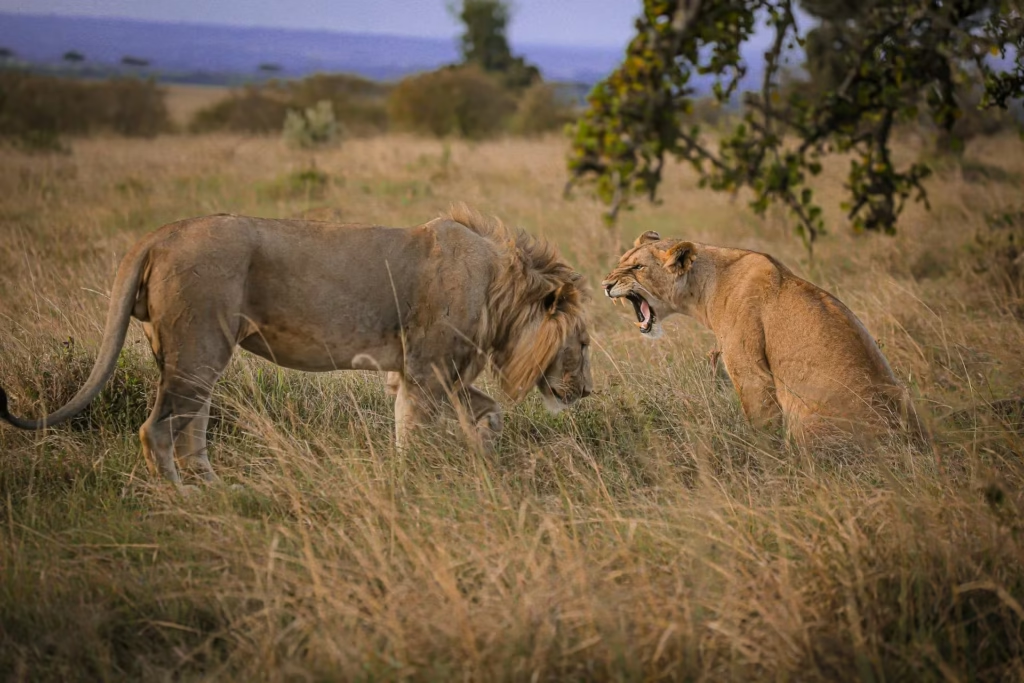
Wildlife travel has become one of the fastest-growing segments of nature tourism as more travelers seek authentic experiences that support conservation and local communities. From watching the Great Migration across Kenya and Tanzania to tracking wild tigers in India's national parks or spotting jaguars in Brazil's Pantanal, seeing animals in their natural habitat creates unforgettable memories. This guide highlights the world's best wildlife destinations across Africa, India, South America, the Arctic, and marine ecosystems. Every recommendation is based on biodiversity, wildlife sighting opportunities, conservation success, accessibility, and the overall visitor experience, helping you choose the destination that best matches your interests.
How We Chose the Best Wildlife Destinations
After more than 10 years of researching wildlife destinations and following conservation trends, I've learned that the best wildlife experience isn't simply about seeing the most animals. It's about visiting places where wildlife thrives, sightings are reliable, and tourism helps protect the natural environment.
The first factor we considered was biodiversity. Destinations such as the Serengeti ecosystem support more than 70 large mammal species and over 500 bird species, while India's Kaziranga National Park is home to the world's largest population of the greater one-horned rhinoceros.
We also looked at the chance of wildlife sightings. For example, Ranthambore and Bandhavgarh are widely regarded as two of India's best parks for spotting wild Bengal tigers, while Botswana's Chobe National Park is famous for its large elephant population, estimated at more than 120,000.
Other important factors included conservation efforts, ease of access, photography opportunities, and the best season to visit. A destination that offers excellent wildlife but is difficult to reach or has only a short viewing window may not suit every traveler.
Finally, we considered the overall visitor experience, including the quality of guides, safari infrastructure, accommodation, safety, and the variety of wildlife encounters. The result is a carefully selected list of destinations that consistently deliver memorable and responsible wildlife experiences.
Quick Comparison of the Best Wildlife Destinations
Choosing the right wildlife destination depends on the animals you want to see, your travel style, and the time of year you plan to visit. Some parks are famous for close encounters with iconic species, while others offer exceptional biodiversity or unique landscapes. The table below compares some of the world's top wildlife destinations based on their signature animals, the ideal travel season, accessibility, and the type of experience they offer. Use it as a starting point before exploring each destination in more detail.
| Destination | Country | Famous Animals | Best Time | Difficulty | Best For |
| Masai Mara National Reserve | Kenya | Lions, cheetahs, elephants, Great Migration | Jul–Oct | Easy | First-time African safari |
| Serengeti National Park | Tanzania | Wildebeest migration, Big Five | Jun–Oct | Moderate | Classic safari experience |
| Ranthambore National Park | India | Bengal tigers, leopards | Oct–Jun | Easy | Tiger sightings |
| Kaziranga National Park | India | One-horned rhinoceros, elephants, wild buffalo | Nov–Apr | Easy | Rare wildlife and birding |
| Bwindi Impenetrable Forest | Uganda | Mountain gorillas | Jun–Aug, Dec–Feb | Challenging | Gorilla trekking |
| Pantanal | Brazil | Jaguars, giant otters, caimans | Jul–Oct | Moderate | Wildlife photography |
| Galápagos Islands | Ecuador | Giant tortoises, marine iguanas, sea lions | Dec–May | Moderate | Unique island wildlife |
| Churchill | Canada | Polar bears | Oct–Nov | Moderate | Arctic wildlife |
| Chobe National Park | Botswana | Elephants, hippos, buffalo | May–Oct | Easy | Elephant safaris |
| Komodo National Park | Indonesia | Komodo dragons, manta rays | Apr–Nov | Moderate | Adventure and marine wildlife |
25 Best Places to See Wildlife in the World
Wildlife destinations around the world offer completely different experiences. Some places are famous for dramatic predator sightings, like lions hunting in Africa or Bengal tigers moving through India's forests. Others stand out because of rare species found nowhere else, such as mountain gorillas in Uganda, Komodo dragons in Indonesia, or giant tortoises in the Galápagos.
The following destinations have been selected based on wildlife diversity, reliability of sightings, conservation importance, safari experience, and opportunities for photography.
1. Masai Mara National Reserve, Kenya
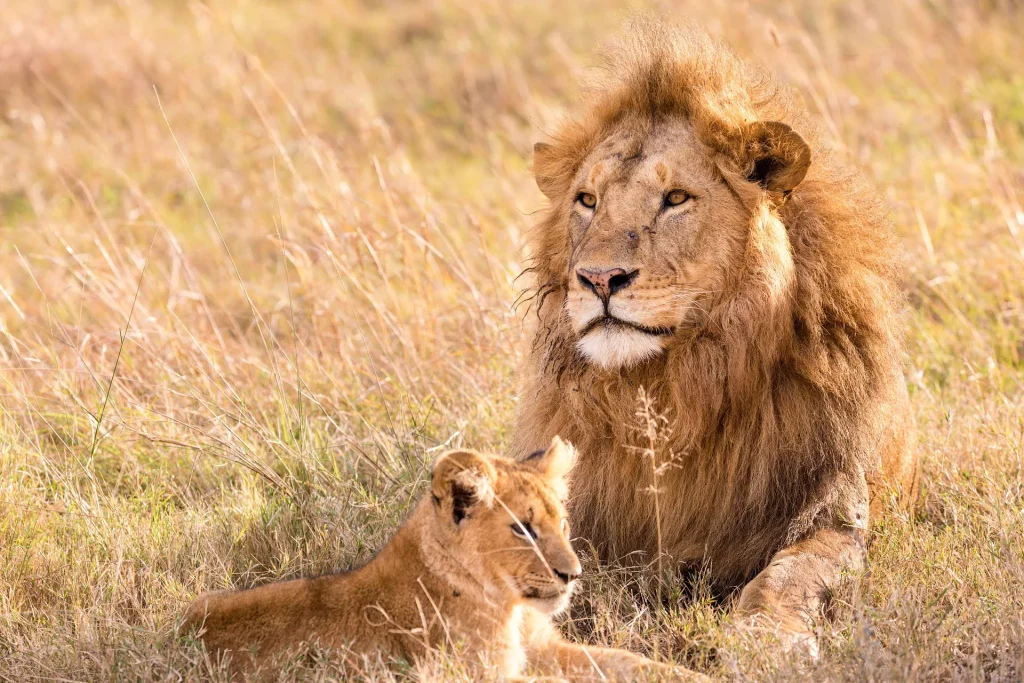
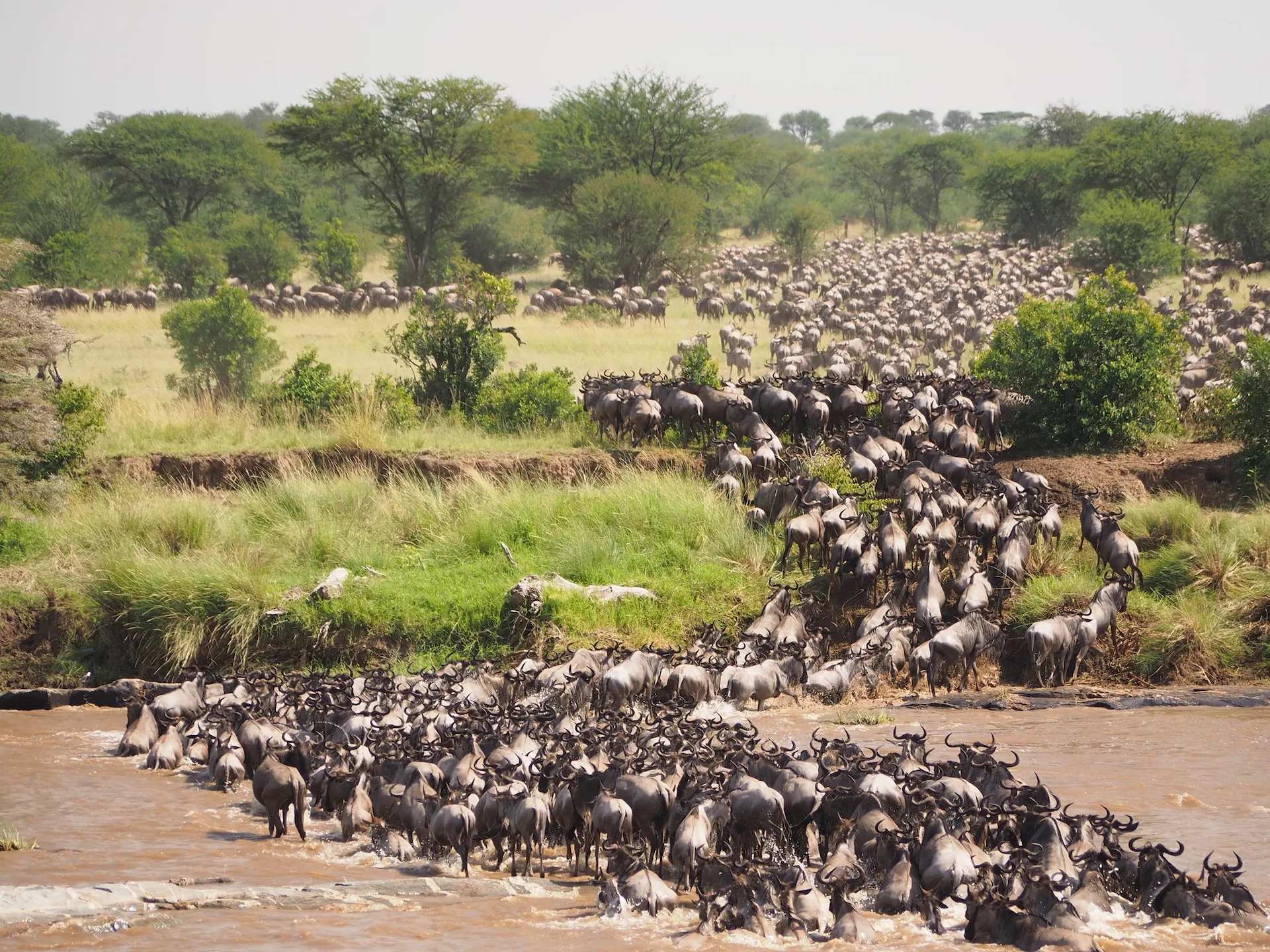
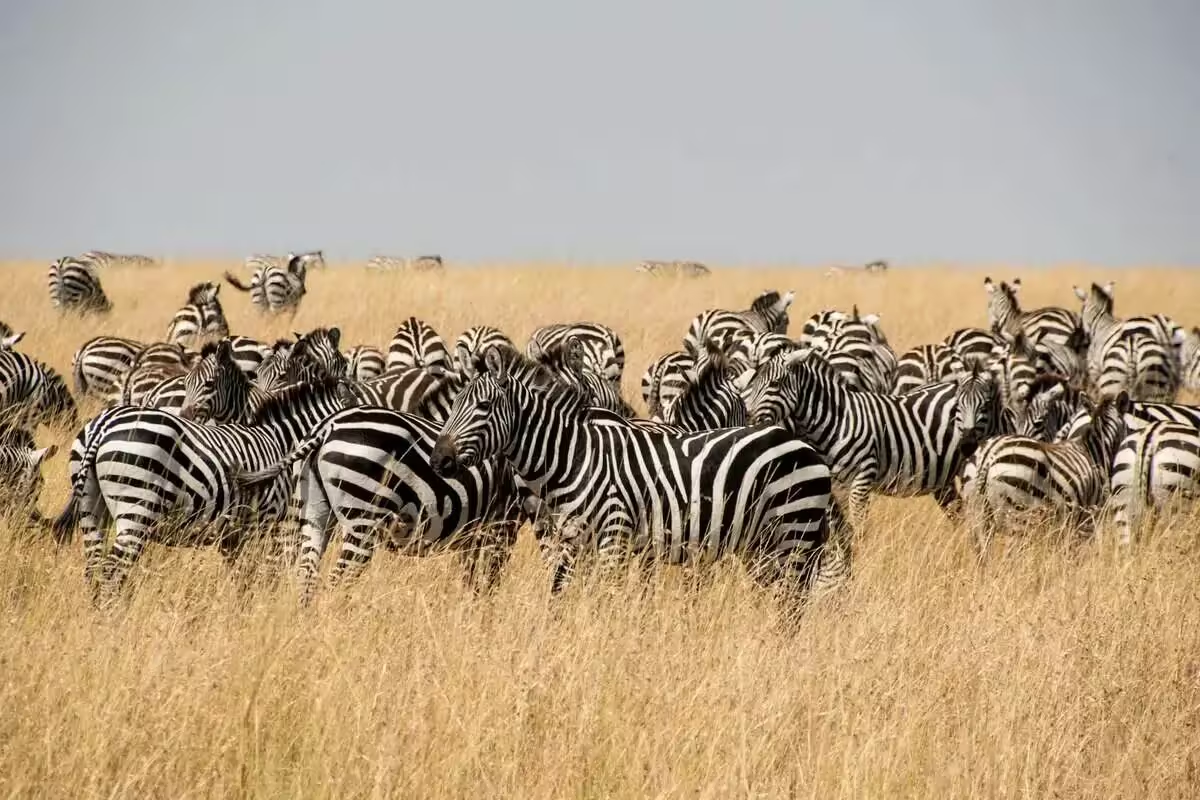
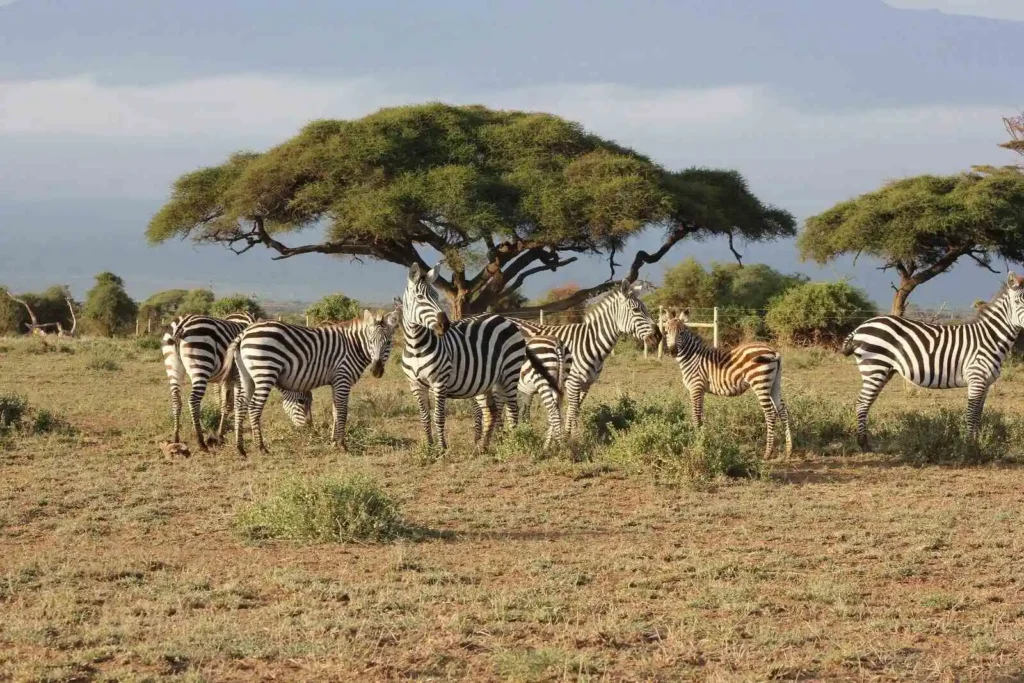
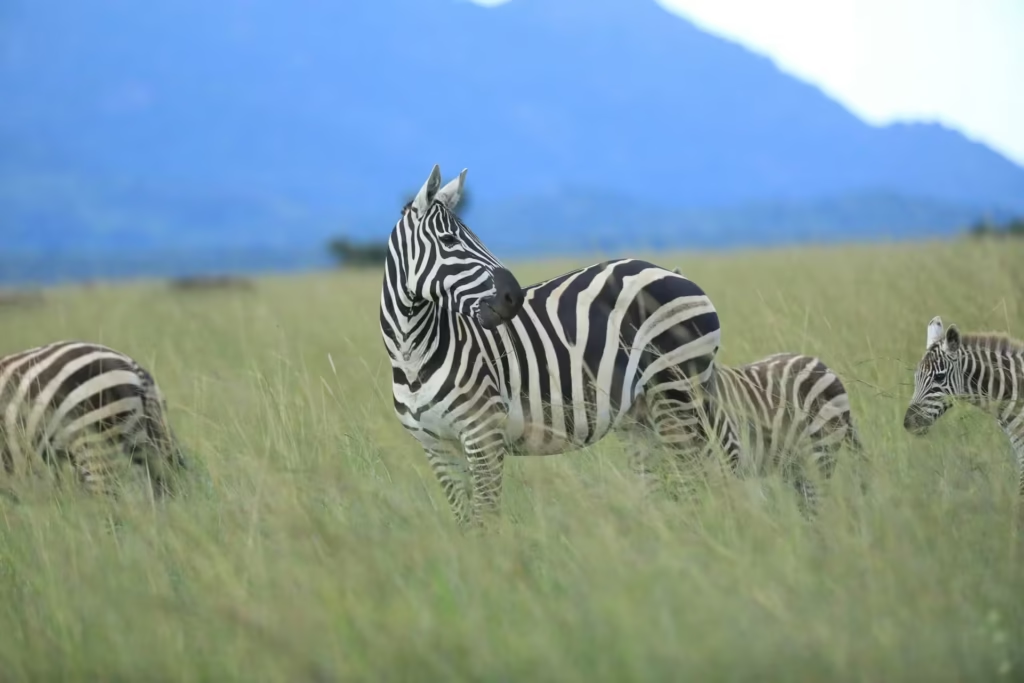
The Masai Mara is one of the world's most iconic wildlife destinations and a must-visit for anyone dreaming of an African safari. Located in southwestern Kenya, this reserve is famous for its incredible density of wildlife and the annual Great Migration, when more than 1.5 million wildebeest and hundreds of thousands of zebras cross the Mara River between July and October.
The reserve is home to the Big Five: lions, leopards, elephants, buffalo, and rhinos, along with cheetahs, giraffes, hyenas, and over 450 bird species. The best months to visit are July to October for migration and January to March for excellent predator sightings and fewer crowds.
Masai Mara offers everything from luxury tented camps to private guided safaris. The open grasslands provide some of Africa's best wildlife photography opportunities, especially during sunrise and sunset when animals are active.
Best for: First-time safari travelers, Big Five sightings, Great Migration, wildlife photography.
2. Serengeti National Park, Tanzania
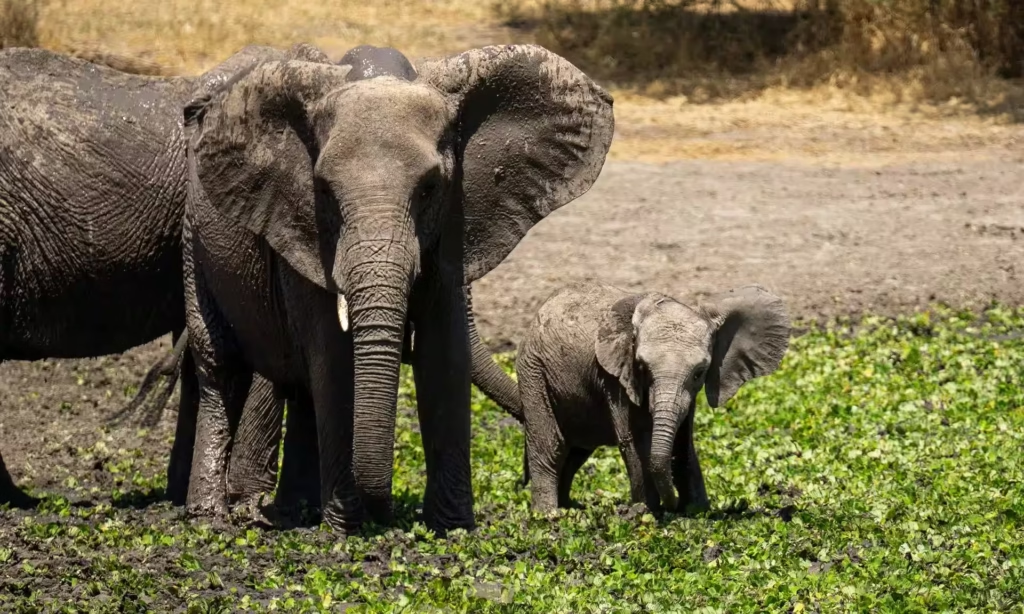
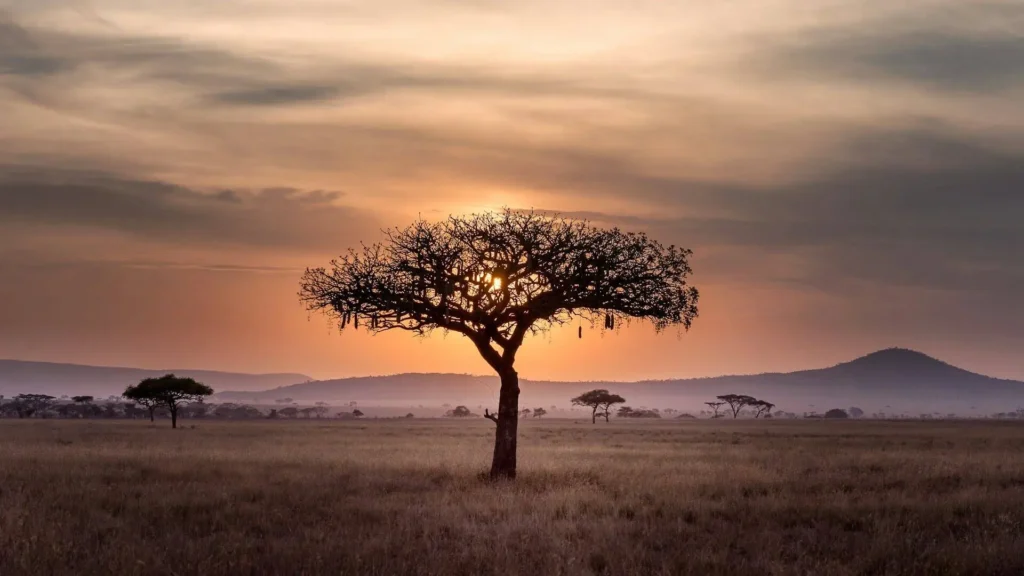
The Serengeti is one of Africa's greatest wildlife landscapes and forms part of the same ecosystem as Kenya's Masai Mara. Covering nearly 15,000 square kilometers, this UNESCO World Heritage Site is famous for its endless plains, dramatic predator encounters, and the annual wildebeest migration.
The park supports more than 2 million grazing animals, including wildebeest, zebras, and gazelles. It is also one of the best places in Africa to see lions, cheetahs, leopards, elephants, and other members of the Big Five.
The best time to visit depends on what you want to experience. June to October offers excellent game viewing and river crossings, while January to March is ideal for witnessing the wildebeest calving season when thousands of newborns attract predators.
Safari options range from mobile camps that follow the migration to luxury lodges overlooking wildlife-rich areas. The Serengeti's vast landscapes make it one of the world's best destinations for wildlife photography.
Best for: Classic African safari, predator sightings, Great Migration, landscape photography.
3. Ranthambore National Park, India
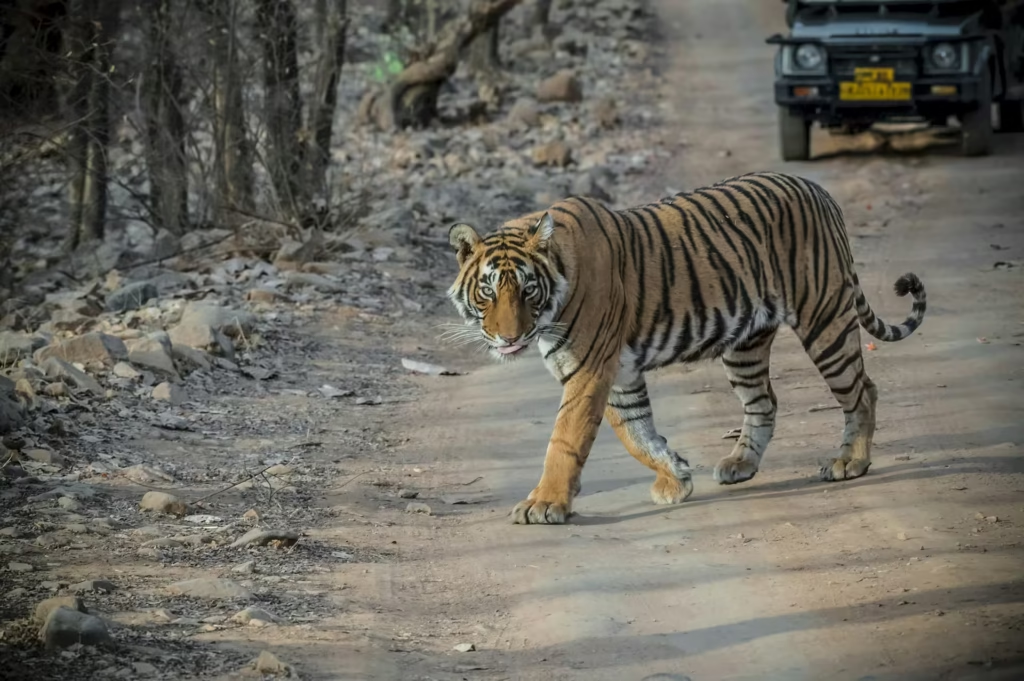
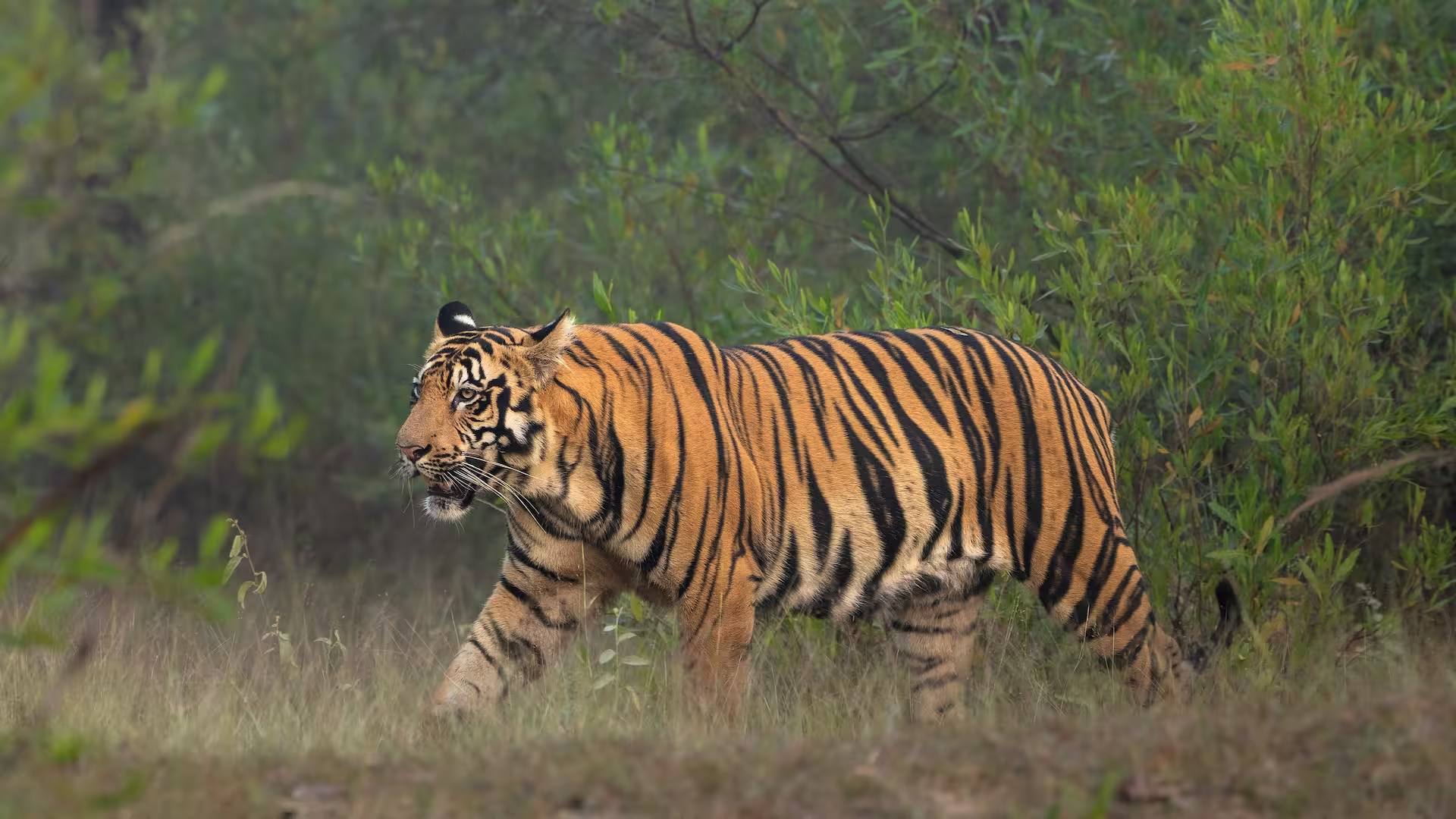
Ranthambore National Park is one of India's most famous tiger reserves and among the best places in the world to see wild Bengal tigers. Located in Rajasthan, the park combines dry deciduous forests, lakes, grasslands, and the historic Ranthambore Fort, creating a unique safari setting.
The reserve supports around 80+ tigers, along with leopards, sloth bears, striped hyenas, sambar deer, wild boars, crocodiles, and more than 300 bird species. Tigers are often seen near waterholes and open grasslands, especially during the hotter months.
The best time to visit is October to June, with April to June offering some of the highest chances of tiger sightings because animals gather near limited water sources.
Ranthambore offers jeep and canter safaris, making it accessible for both first-time visitors and experienced wildlife photographers. The combination of tigers, ancient ruins, and dramatic landscapes makes it one of India's most memorable wildlife experiences.
Best for: Tiger safaris, wildlife photography, first-time visitors to Indian forests.
4. Bandhavgarh National Park, India
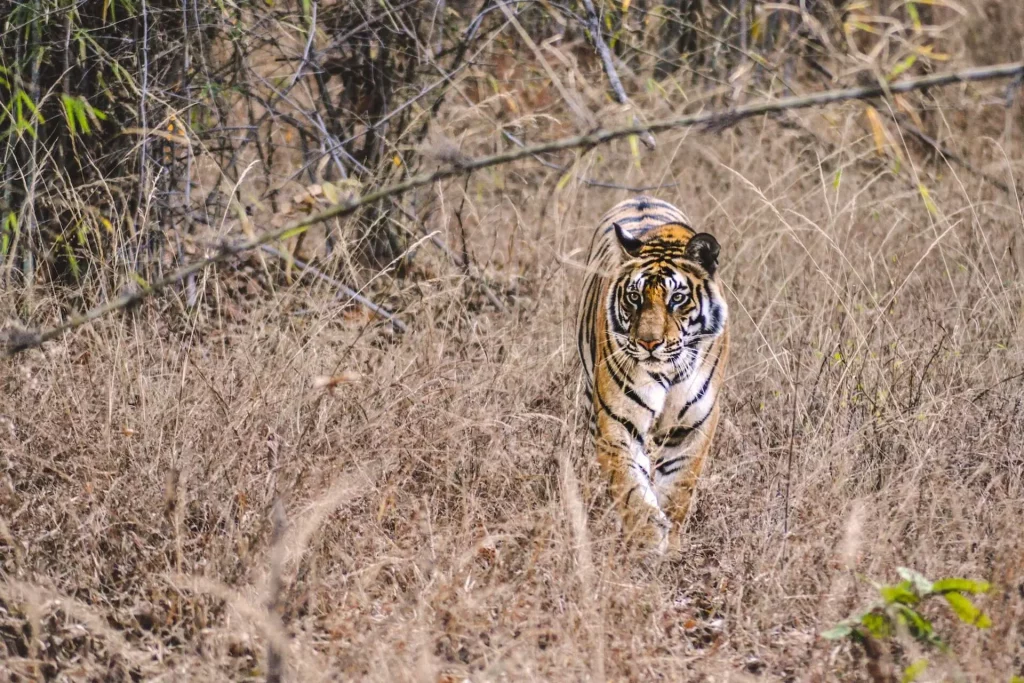
Bandhavgarh National Park in Madhya Pradesh is considered one of India's top destinations for tiger sightings. The park has one of the highest tiger densities among India's protected areas, making it a favorite among wildlife photographers and serious safari enthusiasts.
The landscape includes dense sal forests, open meadows, rocky hills, and the ancient Bandhavgarh Fort. Besides Bengal tigers, visitors can spot leopards, sloth bears, wild dogs, gaur, deer species, and more than 250 bird species.
The best months to visit are October to June, with April and May providing excellent opportunities for tiger sightings. During summer, animals frequently visit waterholes, increasing the chances of encounters.
Jeep safaris with experienced naturalists help visitors understand animal behavior and track wildlife signs. Bandhavgarh is particularly rewarding for photographers looking for close tiger encounters in a beautiful forest setting.
Best for: Tiger photography, high tiger density, experienced wildlife travelers.
5. Kanha National Park, India
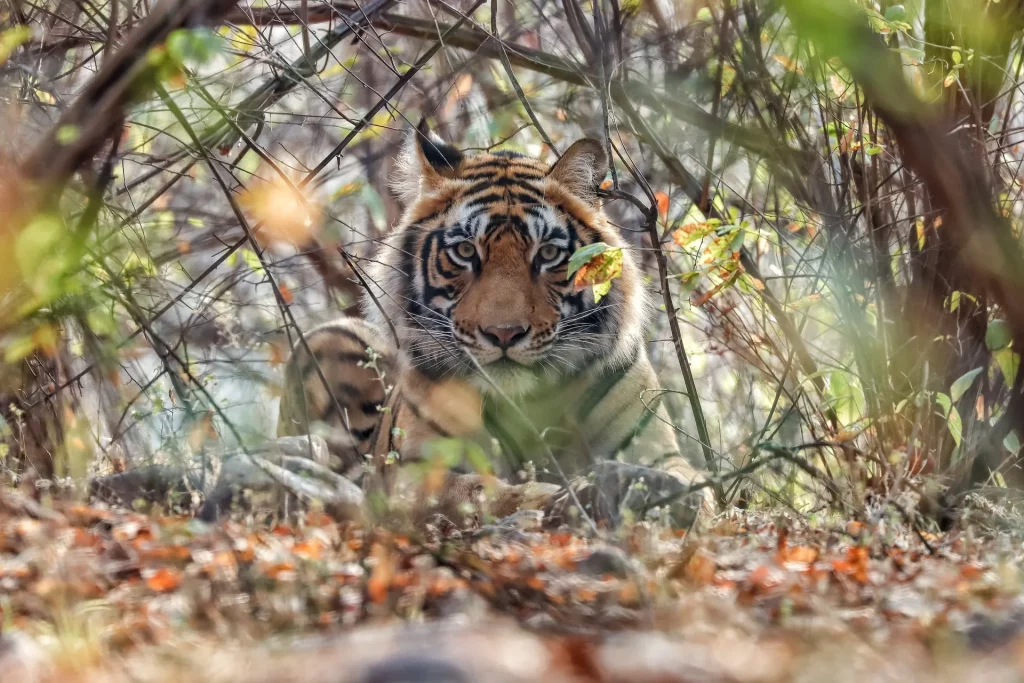
Kanha National Park is one of India's most beautiful wildlife destinations and the inspiration behind Rudyard Kipling's famous The Jungle Book. Located in Madhya Pradesh, the park protects more than 900 square kilometers of forests, grasslands, and wetlands.
Kanha is famous for Bengal tigers, but it is also one of the last remaining habitats of the endangered hard-ground barasingha, or swamp deer. Other wildlife includes leopards, wild dogs, gaur, jackals, sloth bears, and hundreds of bird species.
The ideal season to visit is October to June, with the dry months of March to May offering better wildlife sightings. The park's open meadows make animal viewing easier compared with many dense forest reserves.
Kanha provides excellent jeep safari experiences with knowledgeable guides who help visitors discover animal tracks, calls, and forest behavior. Its scenic landscapes also make it one of India's best destinations for wildlife photography.
Best for: Tigers, rare deer species, scenic landscapes, nature lovers.
6. Tadoba National Park, India
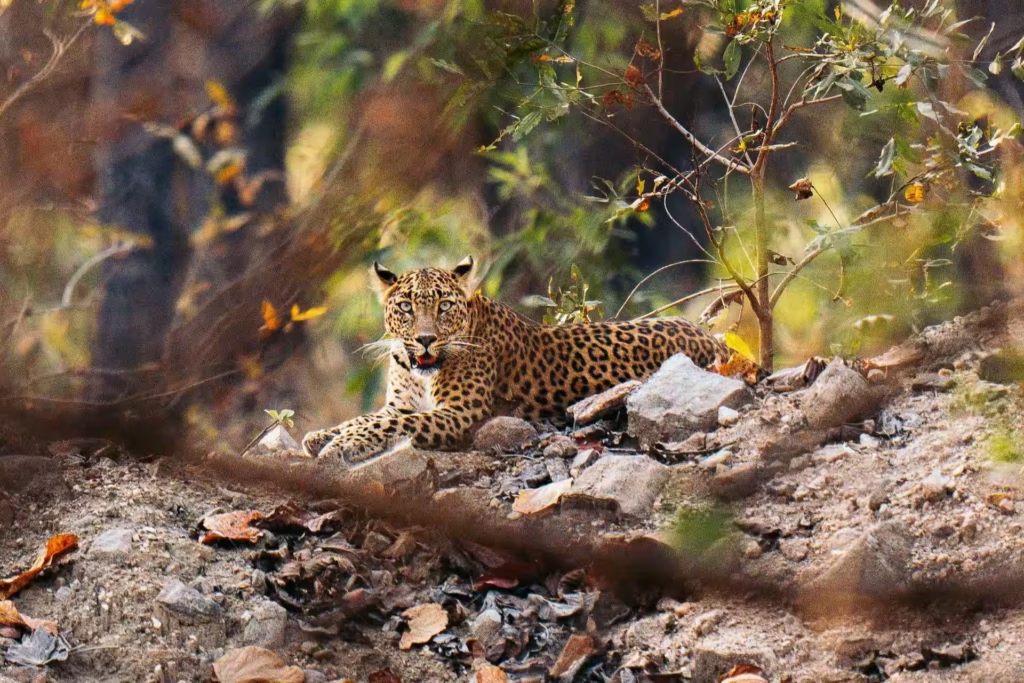
Tadoba Andhari Tiger Reserve in Maharashtra has become one of India's most popular destinations for tiger safaris. Known for its high tiger visibility, the park offers some of the best opportunities to observe wild tigers in their natural habitat.
The reserve is home to more than 100 tigers along with leopards, sloth bears, wild dogs, gaur, sambar deer, and marsh crocodiles. The mix of teak forests, bamboo patches, and open grasslands creates excellent conditions for wildlife viewing.
The best time to visit is October to June, with March to May being particularly productive for tiger sightings. Many photographers visit Tadoba because tigers are frequently seen near water bodies and safari tracks.
Unlike some larger parks, Tadoba provides a more intimate safari experience with fewer crowds in many zones. It is an excellent choice for travelers looking for authentic tiger encounters.
Best for: Tiger sightings, wildlife photography, less crowded safari experiences.
7. Kaziranga National Park, India
Kaziranga National Park in Assam is one of Asia's most important wildlife habitats and a UNESCO World Heritage Site. It is best known for protecting the world's largest population of the greater one-horned rhinoceros, with more than 2,600 rhinos living inside the park.
The park's grasslands, wetlands, and forests support elephants, wild water buffalo, swamp deer, leopards, tigers, and more than 480 bird species. It is also one of the best places in India for birdwatching.
The best time to visit is November to April when the weather is pleasant and wildlife gathers in open areas. Winter months are particularly rewarding for photographers because of better visibility.
Kaziranga offers jeep safaris and elephant safaris in selected areas, allowing visitors to explore different habitats. The combination of rhinos, elephants, birds, and scenic landscapes makes it one of India's most unique wildlife destinations.
Best for: Rhinoceroses, birdwatching, unique Indian wildlife experiences.
8. Jim Corbett National Park, India
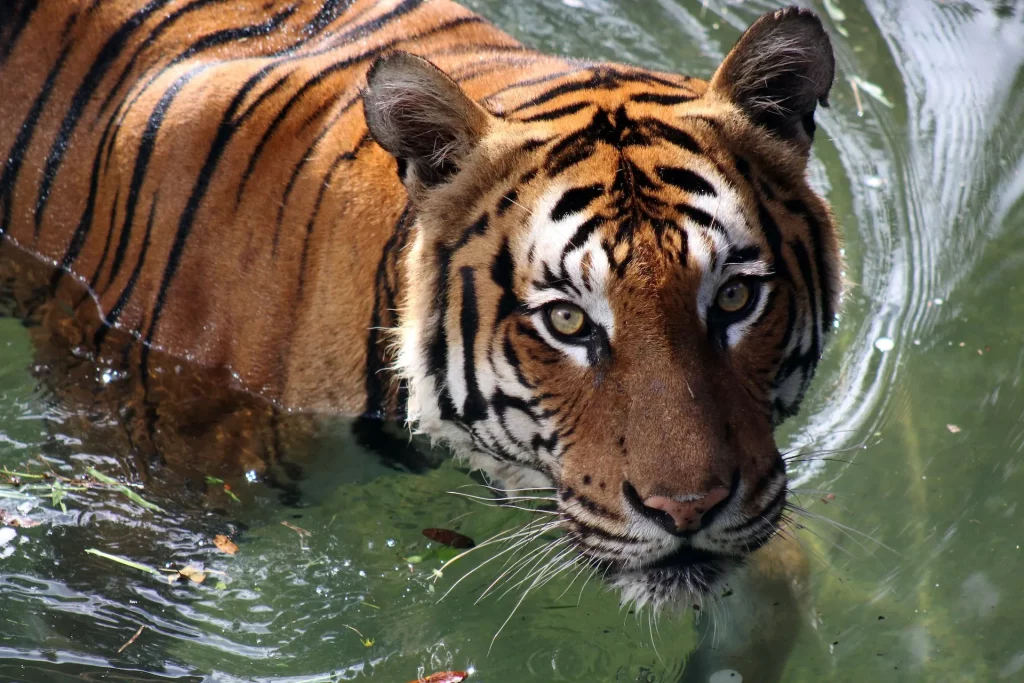
Established in 1936, Jim Corbett National Park is India's oldest national park and one of the country's most famous wildlife destinations. Located in Uttarakhand near the Himalayan foothills, it offers a diverse landscape of forests, rivers, grasslands, and mountains.
The park is home to Bengal tigers, leopards, elephants, deer, crocodiles, and more than 600 bird species. Although tigers can be difficult to spot due to the dense forest, Corbett provides a rich overall wildlife experience.
The best time to visit is November to June when most zones remain open for safari tourism. Winter is excellent for birdwatching, while summer improves chances of tiger sightings near water sources.
Visitors can enjoy jeep safaris, nature walks, and birding experiences. The park's accessibility from major cities makes it one of India's best wildlife destinations for families and first-time safari travelers.
9. Pench National Park, India
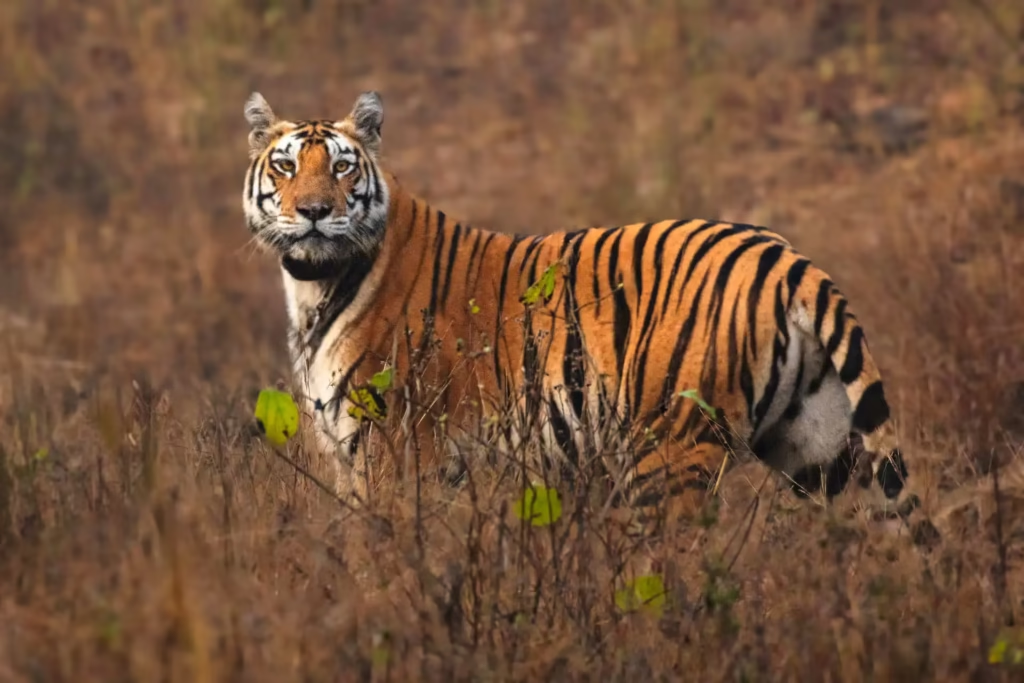
Pench National Park, located on the border of Madhya Pradesh and Maharashtra, is one of India's most beautiful tiger reserves. The park gained worldwide attention as the landscape that inspired Rudyard Kipling's The Jungle Book.
Pench is home to Bengal tigers, leopards, wild dogs, Indian gaur, sambar deer, chital, and over 250 bird species. The forest's open teak landscapes make it easier to spot wildlife compared with many dense jungle reserves.
The best time to visit is October to June, with March to May offering excellent tiger sightings. Morning and evening safaris provide the best opportunities for photography as animals are more active.
Pench offers a balanced safari experience with good wildlife sightings, beautiful scenery, and comfortable accommodation options. It is an excellent addition to a central India wildlife itinerary.
Best for: Tiger safaris, nature photography, peaceful forest experiences.
10. Bwindi Impenetrable Forest, Uganda
Bwindi Impenetrable Forest is one of the world's most extraordinary wildlife destinations and the best place to experience mountain gorilla trekking. Located in southwestern Uganda, this UNESCO World Heritage Site protects one of the last remaining populations of mountain gorillas, with more than half of the world's estimated 1,000+ mountain gorillas living in the Virunga-Bwindi ecosystem.
The ancient rainforest is also home to chimpanzees, forest elephants, bushbucks, duikers, and more than 350 bird species, including several Albertine Rift endemics. However, the main attraction remains the unforgettable experience of spending time with a habituated gorilla family.
The best months for gorilla trekking are June to August and December to February when rainfall is lower and hiking conditions are easier. Unlike traditional safaris, gorilla trekking involves walking through dense forest terrain, making it a more physically demanding wildlife adventure.
Permits are limited to protect the gorillas, which helps maintain a responsible tourism model. The close encounters with these gentle giants create one of the most powerful wildlife experiences on Earth.
Best for: Gorilla trekking, rainforest wildlife, conservation-focused travelers.
11. Kruger National Park, South Africa
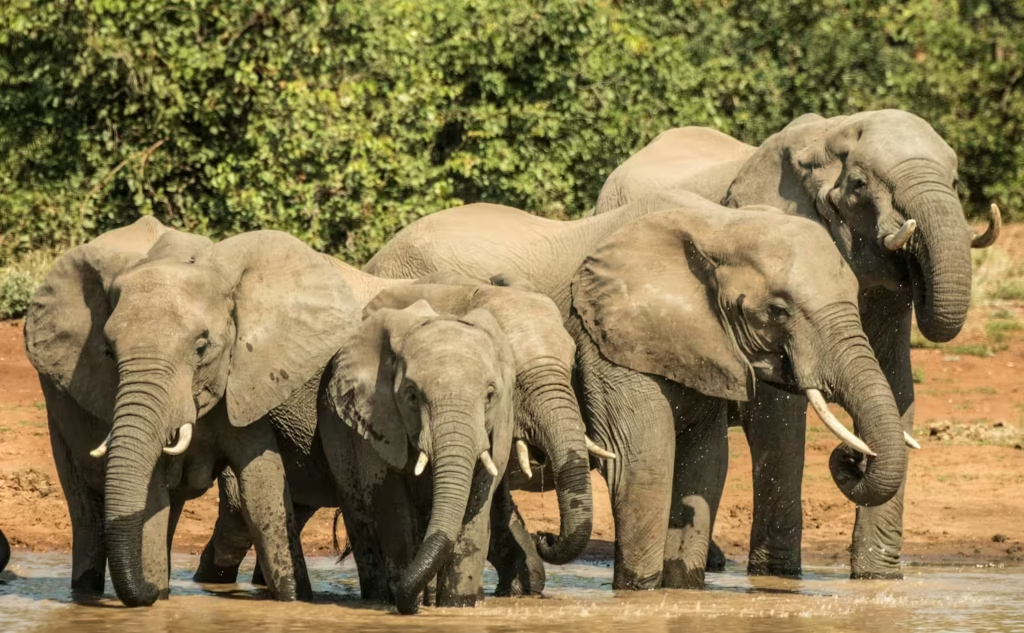
Kruger National Park is one of Africa's largest and most accessible wildlife reserves, covering nearly 20,000 square kilometers of diverse habitats. It is one of the best places in the world to experience a traditional African safari, especially for first-time visitors.
The park supports an incredible variety of wildlife, including the Big Five: lions, leopards, elephants, buffalo, and rhinos. It is also home to cheetahs, wild dogs, giraffes, zebras, hippos, and more than 500 bird species.
The best time to visit is during the dry season from May to September when animals gather around rivers and waterholes, making sightings easier. Summer months bring lush landscapes and excellent birdwatching opportunities.
Kruger offers exceptional flexibility with luxury lodges, private game reserves, guided safaris, and self-drive options. The combination of reliable wildlife sightings, excellent infrastructure, and diverse accommodation makes it one of Africa's most visitor-friendly safari destinations.
For photographers, Kruger provides opportunities to capture predators, elephants, and dramatic African landscapes throughout the year.
Best for: First African safari, Big Five sightings, self-drive safaris, families.
12. Chobe National Park, Botswana
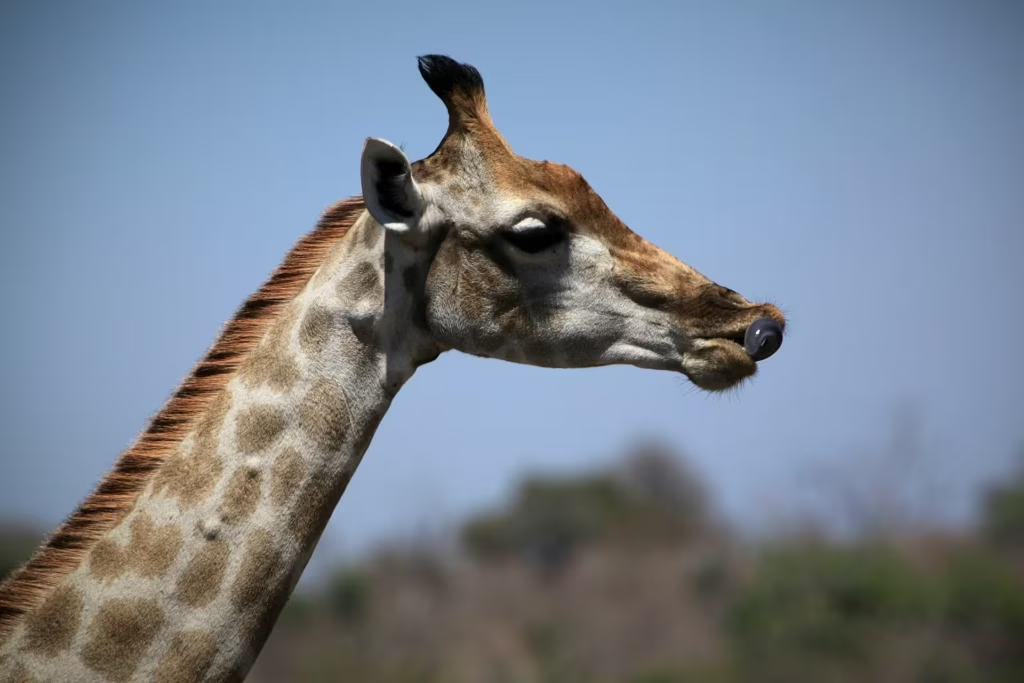
Chobe National Park is famous for having one of the largest concentrations of elephants in Africa. Located in northern Botswana, the park's Chobe River creates a unique wildlife environment where animals gather in large numbers, especially during the dry season.
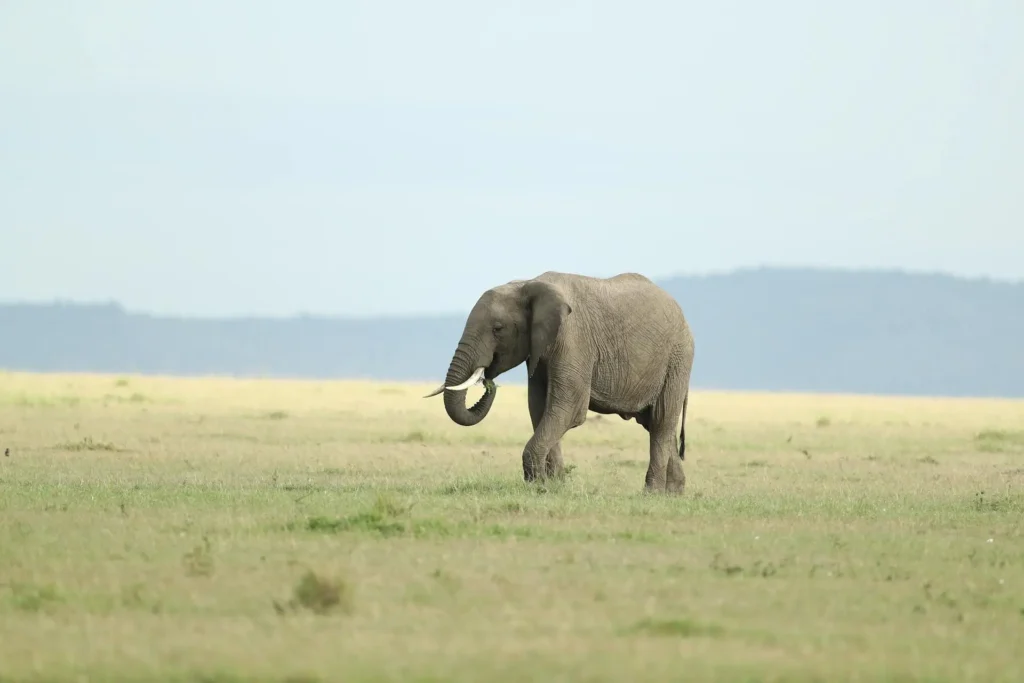
The park is home to an estimated 120,000 elephants, along with lions, leopards, buffalo, hippos, crocodiles, giraffes, and numerous bird species. The riverfront area provides some of the continent's best opportunities for elephant photography.
The best time to visit is from May to October when wildlife congregates around water sources. Boat safaris during these months offer spectacular views of elephants swimming, hippos resting in the water, and birds along the riverbanks.
Chobe is often combined with Victoria Falls and other Botswana destinations, making it an excellent addition to a southern Africa itinerary. The combination of land and water-based safaris creates a different experience from traditional game drives.
Best for: Elephant encounters, photography, river safaris, luxury travelers.
13. Okavango Delta, Botswana
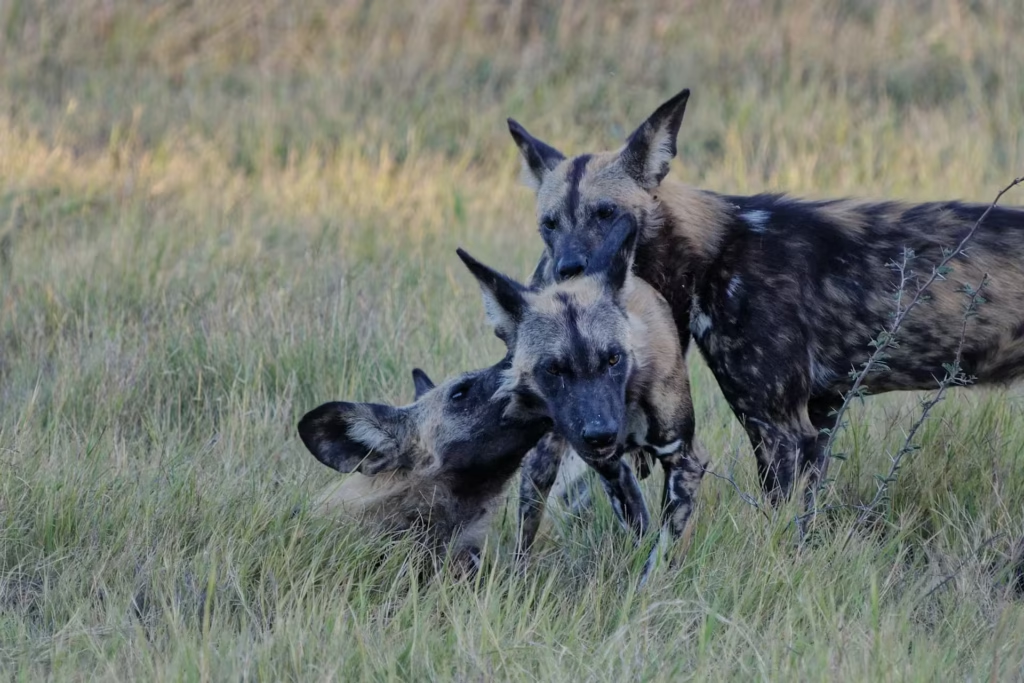
The Okavango Delta is one of the planet's most unique wildlife ecosystems. Unlike most rivers that flow into oceans, the Okavango River spreads across Botswana's Kalahari Desert, creating a vast inland wetland filled with channels, lagoons, and islands.
This UNESCO World Heritage Site supports incredible wildlife diversity, including elephants, lions, leopards, cheetahs, African wild dogs, buffalo, hippos, and hundreds of bird species.
The best time to visit is from June to October when seasonal floodwaters create ideal conditions for exploring the delta. During this period, wildlife gathers around shrinking water sources, improving game viewing opportunities.
Visitors can explore the delta through traditional mokoro canoe safaris, walking safaris, and game drives. The quiet movement through waterways allows travelers to experience wildlife without the noise of traditional vehicles.
The Okavango Delta is particularly popular among photographers because of its unique landscapes, dramatic sunsets, and rare predator sightings.
Best for: Exclusive safaris, wilderness experiences, water-based wildlife viewing.
14. Galápagos Islands, Ecuador
The Galápagos Islands are one of the world's most remarkable wildlife destinations because many species evolved in isolation and cannot be found anywhere else on Earth. Located about 1,000 kilometers off Ecuador's coast, this volcanic archipelago inspired Charles Darwin's theory of evolution.
The islands are home to giant tortoises, marine iguanas, Galápagos penguins, blue-footed boobies, sea lions, and numerous endemic species. Many animals have little fear of humans, creating incredibly close wildlife encounters.
The best time to visit depends on your interests. December to May offers warmer weather, calmer seas, and excellent snorkeling conditions, while June to November brings nutrient-rich waters and increased marine activity.
Unlike traditional safaris, wildlife viewing here involves hiking, snorkeling, kayaking, and boat excursions. The opportunity to swim alongside sea lions or walk among ancient tortoises makes the Galápagos a truly unique adventure.
Strict conservation rules limit visitor numbers and protect this fragile ecosystem.
Best for: Unique species, marine wildlife, adventure travelers, nature lovers.
15. Pantanal, Brazil
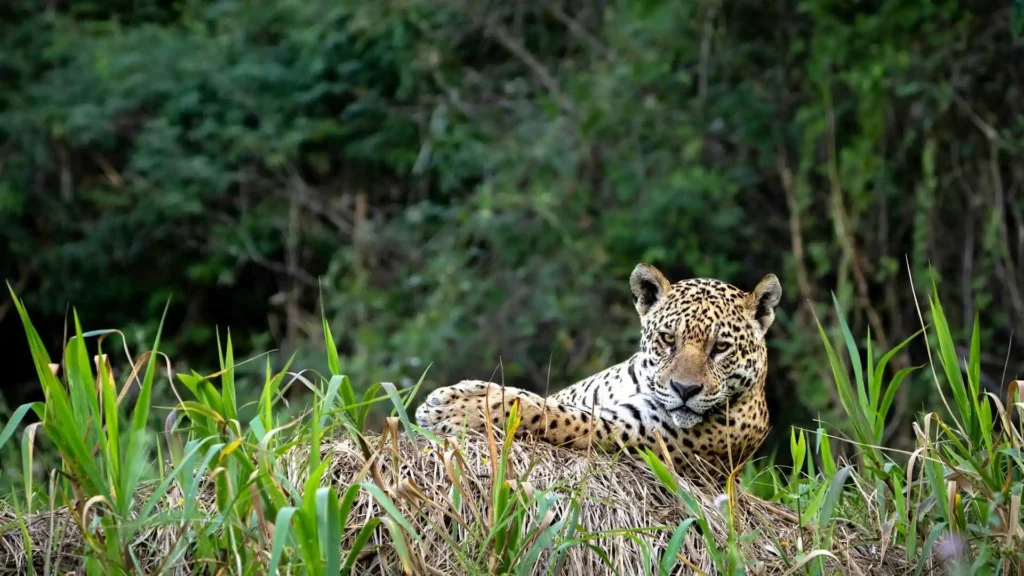
The Pantanal is the world's largest tropical wetland and one of the best places on Earth to observe wildlife in South America. Covering approximately 150,000 square kilometers across Brazil, Bolivia, and Paraguay, this vast ecosystem supports an incredible concentration of animals.
The region is especially famous for jaguar sightings. Unlike many rainforest environments where jaguars are difficult to find, the open wetlands of the Pantanal provide some of the highest chances in the world to observe these powerful cats.
Other wildlife includes giant river otters, capybaras, caimans, tapirs, macaws, and hundreds of bird species. The dry season from July to October is considered the best time for wildlife viewing because animals gather around remaining water sources.
Boat safaris are particularly productive for spotting jaguars along riverbanks. The Pantanal is also a paradise for wildlife photographers due to excellent visibility and diverse species.
Best for: Jaguar photography, birdwatching, South American wildlife.
16. Yellowstone National Park, USA
Yellowstone National Park is one of North America's greatest wildlife destinations and the world's first national park, established in 1872. Located mainly in Wyoming, the park protects a remarkable landscape of mountains, forests, rivers, and geothermal features.
The park is famous for large mammals including American bison, grizzly bears, wolves, elk, moose, and pronghorn. Yellowstone played a major role in the successful reintroduction of gray wolves in the 1990s, transforming the ecosystem.
The best time to visit depends on the wildlife you want to see. Spring offers newborn animals and active bears, while autumn provides excellent opportunities to watch elk during the rutting season. Summer offers easier access to hiking trails and scenic areas.
Wildlife viewing is mostly done from roads and designated areas, making it accessible for families and independent travelers. Early mornings and evenings provide the best chances of spotting animals.
Best for: North American wildlife, family trips, nature photography.
17. Denali National Park, USA
Denali National Park in Alaska offers some of North America's most dramatic wilderness experiences. Dominated by Denali, the highest mountain peak in North America, the park protects more than six million acres of untouched landscape.
The park is home to Alaska's famous "Big Five": grizzly bears, wolves, moose, caribou, and Dall sheep. Unlike many national parks, Denali has limited road access, helping preserve a truly wild environment.
The best time to visit is from late May to early September when roads are open and wildlife activity is high. Summer provides long daylight hours, making it easier to explore and observe animals.
Wildlife tours, bus safaris, hiking, and photography excursions are popular ways to experience the park. The combination of vast wilderness, mountain scenery, and rare wildlife encounters makes Denali one of the world's most spectacular destinations.
Best for: Arctic landscapes, wilderness adventures, wildlife photography.
18. Churchill, Canada
Churchill, located on the shores of Hudson Bay in Manitoba, is known as the “Polar Bear Capital of the World” and is one of the best places on Earth to observe these magnificent Arctic predators. Each autumn, hundreds of polar bears gather near the town while waiting for the Hudson Bay ice to freeze and the hunting season to begin.
The region is also home to Arctic foxes, snowy owls, caribou, beluga whales, and many migratory bird species. During summer, thousands of beluga whales arrive in the Churchill River, creating another incredible wildlife viewing opportunity.
The best time to see polar bears is from October to November when bears gather along the coast. July and August are ideal for beluga whale encounters and birdwatching.
Wildlife viewing is done through specialized tundra vehicles designed to safely observe bears without disturbing them. The remote location and seasonal nature of the experience make Churchill a unique adventure for wildlife enthusiasts.
For photographers, Churchill offers rare opportunities to capture polar bears walking across the tundra, mothers with cubs, and dramatic Arctic landscapes.
Best for: Polar bears, Arctic wildlife, wildlife photography, unique seasonal experiences.
19. Borneo Rainforest, Malaysia and Indonesia
The Borneo rainforest is one of the oldest rainforests on Earth and one of the world's most important biodiversity hotspots. Spread across Malaysia and Indonesia, this tropical ecosystem is famous for its incredible variety of rare and endangered species.
The star attraction is the Bornean orangutan, one of the world's closest relatives of humans. These intelligent great apes are found only in Borneo and nearby Sumatra. The forests also protect pygmy elephants, proboscis monkeys, clouded leopards, sun bears, and thousands of plant and animal species.
The best time to visit is generally from March to October when rainfall is lower and wildlife activities are easier to observe. However, Borneo's rainforest remains a year-round destination.
Wildlife experiences include river cruises, rainforest walks, canopy tours, and visits to conservation centers. The dense jungle requires patience, but encounters with orangutans feeding in the trees are unforgettable.
Borneo is especially rewarding for travelers interested in conservation, rainforest ecosystems, and rare wildlife found nowhere else.
Best for: Orangutans, rainforest exploration, biodiversity, conservation tourism.
20. Komodo National Park, Indonesia
Komodo National Park is one of the world's most unique wildlife destinations and the only place where visitors can see the legendary Komodo dragon in its natural habitat. Located between the islands of Flores and Sumbawa, this UNESCO World Heritage Site protects a remarkable mix of land and marine ecosystems.
Komodo dragons can grow up to three meters long and weigh more than 70 kilograms, making them the world's largest living lizards. The park is also home to deer, wild boar, buffalo, colorful birds, manta rays, sea turtles, and one of the richest marine environments on Earth.
The best time to visit is from April to November when weather conditions are ideal for hiking, diving, and boat trips.
Wildlife viewing is done with trained park rangers who guide visitors safely through dragon habitats. The surrounding waters offer exceptional snorkeling and diving opportunities with coral reefs, manta rays, and tropical fish.
Komodo combines adventure, rare wildlife, and stunning landscapes in a way few destinations can match.
Best for: Komodo dragons, marine wildlife, adventure travelers, diving.
21. Kakadu National Park, Australia
Kakadu National Park is Australia's largest national park and one of the world's most culturally and ecologically significant protected areas. Located in Australia's Northern Territory, the park covers nearly 20,000 square kilometers of wetlands, rivers, sandstone escarpments, and ancient landscapes.
The park supports a remarkable range of wildlife, including saltwater crocodiles, wallabies, kangaroos, wild horses, dingoes, and more than 280 bird species. Its wetlands are internationally recognized for supporting large populations of waterbirds.
The best time to visit is during the dry season from May to October when roads are accessible and wildlife gathers around rivers and billabongs. The dry season also provides excellent conditions for hiking and photography.
Visitors can explore Kakadu through boat cruises, guided walks, scenic viewpoints, and cultural tours led by Indigenous guides. The park's Aboriginal rock art sites, some dating back more than 20,000 years, add another layer of importance to the experience.
Kakadu is ideal for travelers looking for wildlife combined with ancient culture and dramatic landscapes.
Best for: Australian wildlife, birdwatching, Indigenous culture, wilderness travel.
22. Raja Ampat, Indonesia
Raja Ampat is one of the world's greatest marine wildlife destinations and a paradise for underwater explorers. Located in Indonesia's West Papua region, this remote archipelago contains some of the richest coral reef ecosystems on the planet.
The waters around Raja Ampat support more than 1,500 fish species and over 500 coral species, making it one of the most biodiverse marine environments ever recorded. Visitors can encounter manta rays, sea turtles, reef sharks, dolphins, and countless tropical fish.
The best time to visit is from October to April when seas are generally calmer and underwater visibility is excellent.
Wildlife experiences here focus on diving, snorkeling, kayaking, and boat exploration. Unlike traditional safari destinations, Raja Ampat offers a completely different kind of wildlife encounter beneath the ocean surface.
For underwater photographers, the region provides exceptional opportunities to capture coral gardens, marine creatures, and rare species in crystal-clear waters.
Best for: Marine wildlife, diving, underwater photography, ocean conservation.
23. South Georgia Island
South Georgia Island is one of the most spectacular remote wildlife destinations on Earth. Located in the Southern Ocean near Antarctica, this isolated island is famous for its enormous colonies of penguins and marine wildlife.
The island is home to hundreds of thousands of king penguins, along with elephant seals, fur seals, albatrosses, and other seabirds. The scale of wildlife here is unlike almost anywhere else, with beaches covered by thousands of animals.
The best time to visit is from October to March, during the Southern Hemisphere summer when wildlife activity is highest. December to February offers excellent opportunities to see penguin chicks and active colonies.
Because of its remote location, South Georgia is typically visited through expedition cruises. Strict environmental guidelines help protect this fragile ecosystem.
For photographers, South Georgia offers some of the world's most dramatic wildlife scenes, including vast penguin colonies against snow-covered mountain backgrounds.
Best for: Penguins, Antarctic wildlife, expedition travel, wildlife photography.
24. Antarctica Peninsula
The Antarctica Peninsula offers one of the planet's most extraordinary wildlife experiences. This frozen wilderness provides visitors with the opportunity to see animals adapted to extreme conditions while surrounded by glaciers, icebergs, and dramatic polar landscapes.
Wildlife highlights include several penguin species, including Adélie, gentoo, and chinstrap penguins, along with leopard seals, Weddell seals, humpback whales, orcas, and numerous seabirds.
The best time to visit is during the Antarctic summer from November to March when temperatures are milder, sea ice retreats, and wildlife colonies become active.
Most visits take place through expedition cruises with guided shore landings, zodiac boat excursions, and wildlife observation programs. Responsible tourism practices are essential because Antarctica is one of the world's most fragile ecosystems.
The combination of untouched wilderness, marine wildlife, and massive ice landscapes makes Antarctica one of the ultimate destinations for nature lovers.
Best for: Penguins, whales, polar landscapes, once-in-a-lifetime adventures.
25. Amazon Rainforest, South America
The Amazon Rainforest is the world's largest tropical rainforest and one of the most biodiverse places on Earth. Covering approximately 5.5 million square kilometers across South America, it contains an extraordinary variety of plants, animals, and ecosystems.
The Amazon is home to jaguars, giant river otters, pink river dolphins, sloths, monkeys, macaws, anacondas, and thousands of other species. Scientists continue to discover new species in this vast ecosystem.
The best time to visit depends on the experience you want. June to November is generally better for wildlife spotting because lower water levels make hiking and river exploration easier. The high-water season from December to May offers unique opportunities for canoe journeys through flooded forests.
Wildlife experiences include guided jungle walks, river cruises, birdwatching, and night safaris to discover nocturnal animals.
A knowledgeable local guide is essential because much of the Amazon's wildlife is hidden within the forest. The rainforest offers one of the most rewarding experiences for travelers seeking true wilderness.
Best for: Biodiversity, rainforest exploration, birdwatching, adventure travel.
Best Wildlife Destinations by Animal
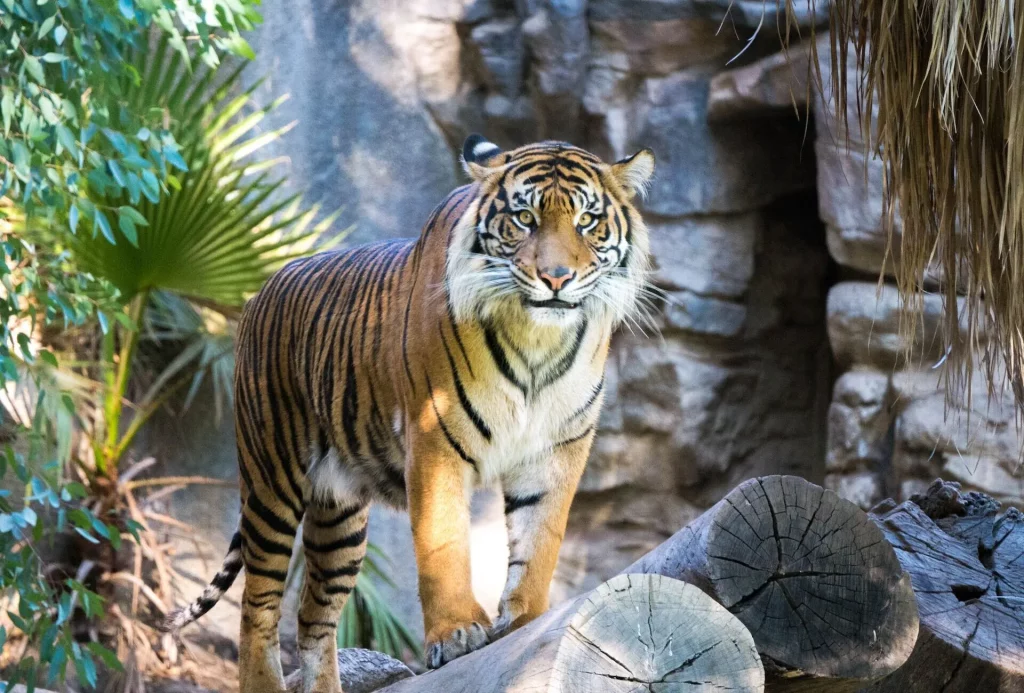
Every wildlife traveler has a dream species they want to see in the wild. Over the years, I have found that choosing a destination based on the animal you want to experience often leads to a much more rewarding journey. Some places offer better chances of sightings, while others provide unique landscapes and conservation experiences. Here are some of the world's best destinations for seeing iconic wildlife species.
Best Place to See Tigers
India is the world's best destination for seeing wild tigers. The country is home to more than 3,000 Bengal tigers, representing over 70% of the global wild tiger population. National parks such as Ranthambore, Bandhavgarh, Kanha, Pench, and Tadoba offer some of the best opportunities for sightings. The dry season from March to June is particularly good because tigers often visit shrinking water sources.
Best Place to See Lions
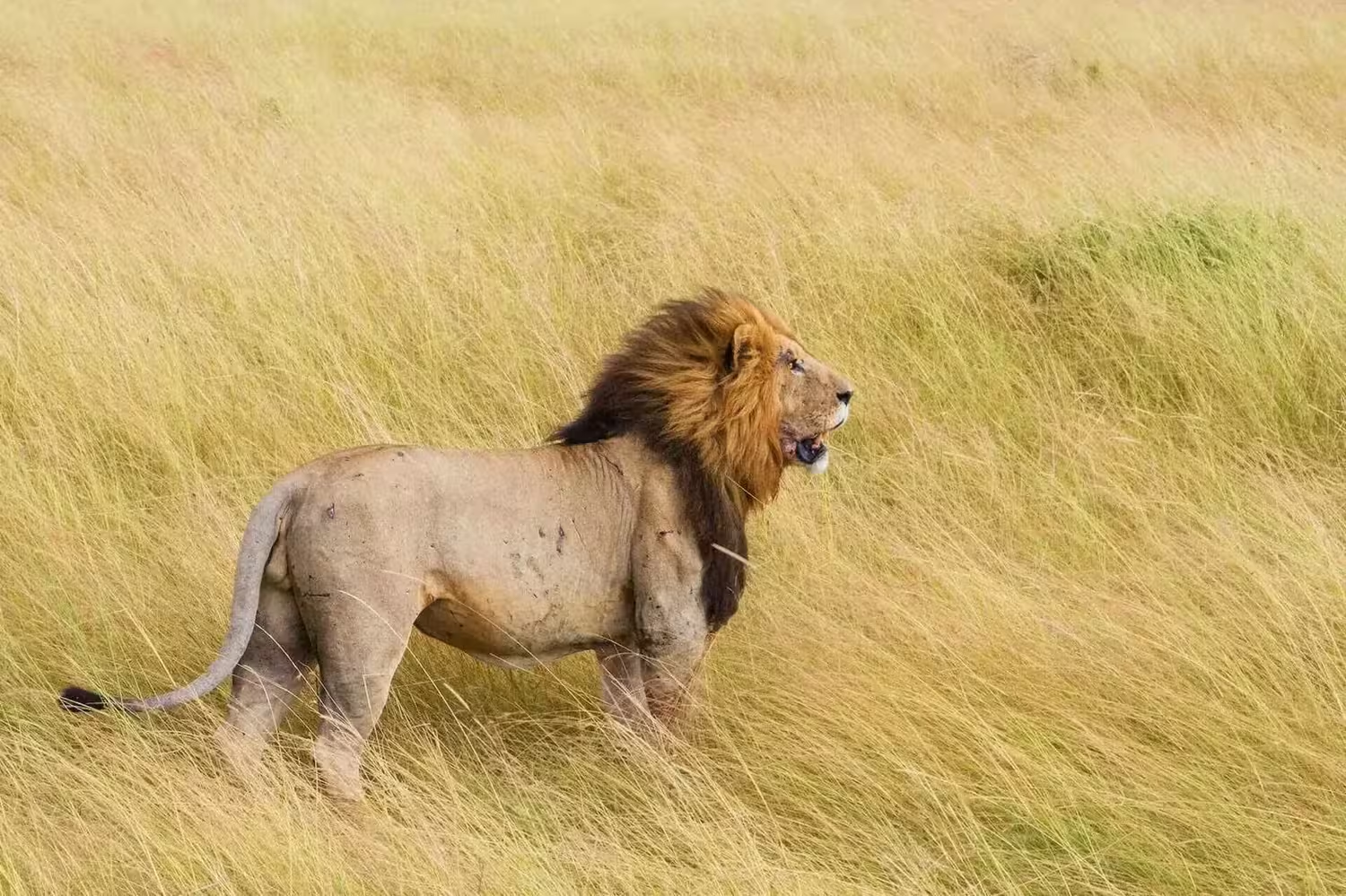
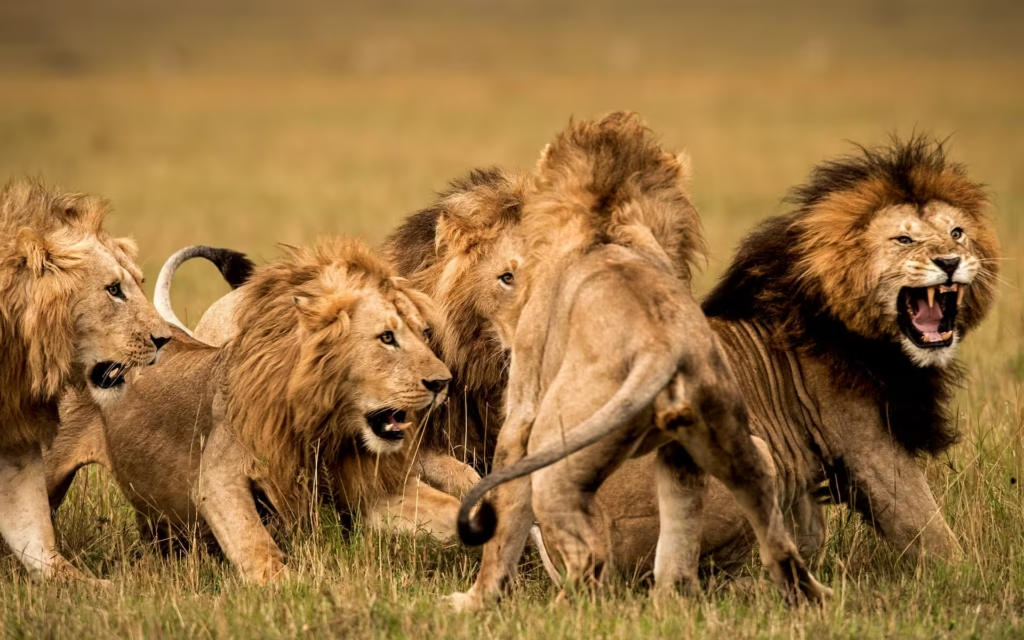
Kenya and Tanzania offer some of the greatest lion-viewing experiences in Africa. The Serengeti and Masai Mara ecosystems support large lion populations, where visitors can observe prides hunting, resting, and raising cubs. Tanzania's Serengeti is especially famous for predator sightings during the Great Migration when millions of grazing animals attract lions and other big cats.
Best Place to See Leopards
South Africa and India are excellent destinations for leopard sightings. South Africa's Sabi Sand Game Reserve is famous for frequent leopard encounters, while India's forests, including Yala-style habitats and central Indian reserves, provide opportunities to spot these elusive cats. Leopards are solitary animals, so patient guides and experienced trackers make a major difference.
Best Place to See Rhinos
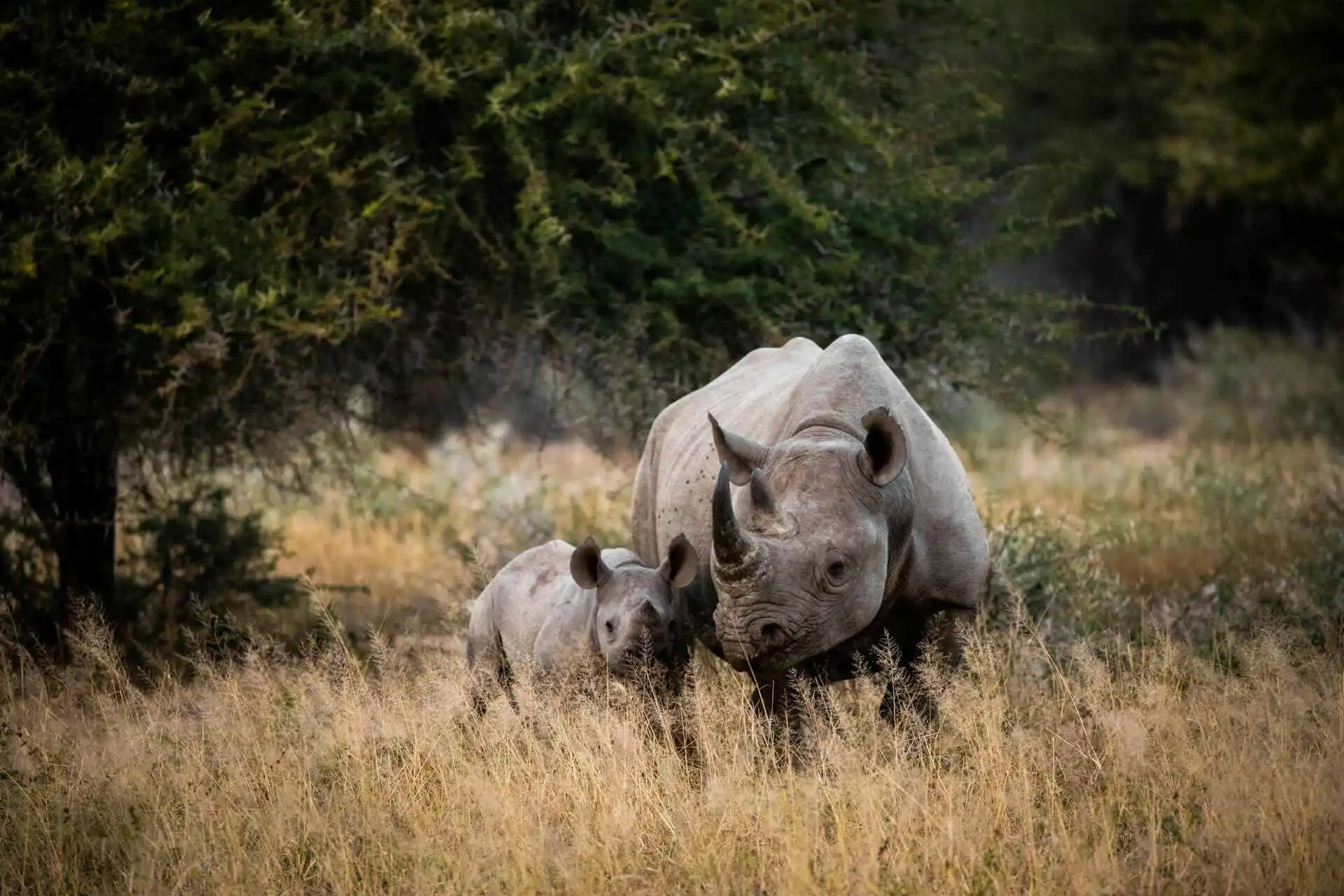
For rhinos, India, Nepal, and South Africa are among the top destinations. India's Kaziranga National Park protects the world's largest population of greater one-horned rhinos. Nepal's Chitwan National Park is another excellent destination, while South Africa's Kruger National Park is famous for both black and white rhinos.
Best Place to See Elephants
Botswana and Sri Lanka provide unforgettable elephant experiences. Botswana's Chobe National Park has one of Africa's largest elephant populations, with huge herds gathering along the Chobe River. Sri Lanka's national parks, including Udawalawe and Minneriya, offer excellent opportunities to see Asian elephants in natural habitats.
Best Place to See Gorillas
Uganda and Rwanda are the world's premier destinations for mountain gorilla trekking. Uganda's Bwindi Impenetrable Forest and Rwanda's Volcanoes National Park allow visitors to spend time observing habituated gorilla families while supporting important conservation programs.
Best Place to See Polar Bears
Canada is the leading destination for polar bear encounters. Churchill in Manitoba is known as the "Polar Bear Capital of the World," where hundreds of bears gather every autumn before Hudson Bay freezes.
Best Place to See Orangutans
Borneo is one of the last places on Earth where wild orangutans can be seen. The rainforests of Malaysian Borneo and Indonesian Kalimantan protect these critically endangered great apes along with countless other rainforest species.
Best Place to See Whales
Iceland and Antarctica offer some of the world's most spectacular whale-watching experiences. Iceland's nutrient-rich waters attract humpback whales, orcas, and minke whales, while Antarctica provides opportunities to see humpbacks, orcas, and other marine mammals surrounded by dramatic polar landscapes.
Best Wildlife Destinations by Travel Style

The best wildlife destination depends not only on the animals you want to see but also on how you prefer to experience nature. Over the years, I have seen that the same national park can offer completely different experiences depending on whether you are looking for luxury, adventure, photography, or a family-friendly journey. Here are some of the best wildlife destinations based on different travel styles.
Luxury Safari
For travelers seeking comfort, privacy, and exceptional wildlife experiences, destinations like Botswana, Tanzania, Kenya, and South Africa are among the world's best choices. Luxury safari camps in the Okavango Delta, Serengeti, and Masai Mara combine expert guides, private game drives, gourmet dining, and incredible locations overlooking wildlife areas. Botswana's exclusive camps are especially popular because many operate in low-volume areas with fewer vehicles and a more private safari experience.
Budget Wildlife Trips
Wildlife adventures do not always require a large budget. India, South Africa, and Sri Lanka offer some of the best value wildlife experiences in the world. India's tiger reserves such as Tadoba, Pench, and Kanha provide affordable jeep safaris with excellent wildlife opportunities. South Africa's Kruger National Park also offers budget-friendly accommodation and self-drive options.
Family Wildlife Holidays
For families traveling with children, destinations with good infrastructure and reliable sightings work best. South Africa's Kruger National Park, Kenya's Masai Mara, and India's Jim Corbett National Park are excellent choices. These destinations offer comfortable lodges, shorter safari drives, and opportunities to see iconic animals like elephants, lions, giraffes, and tigers.
Wildlife Photography Tours
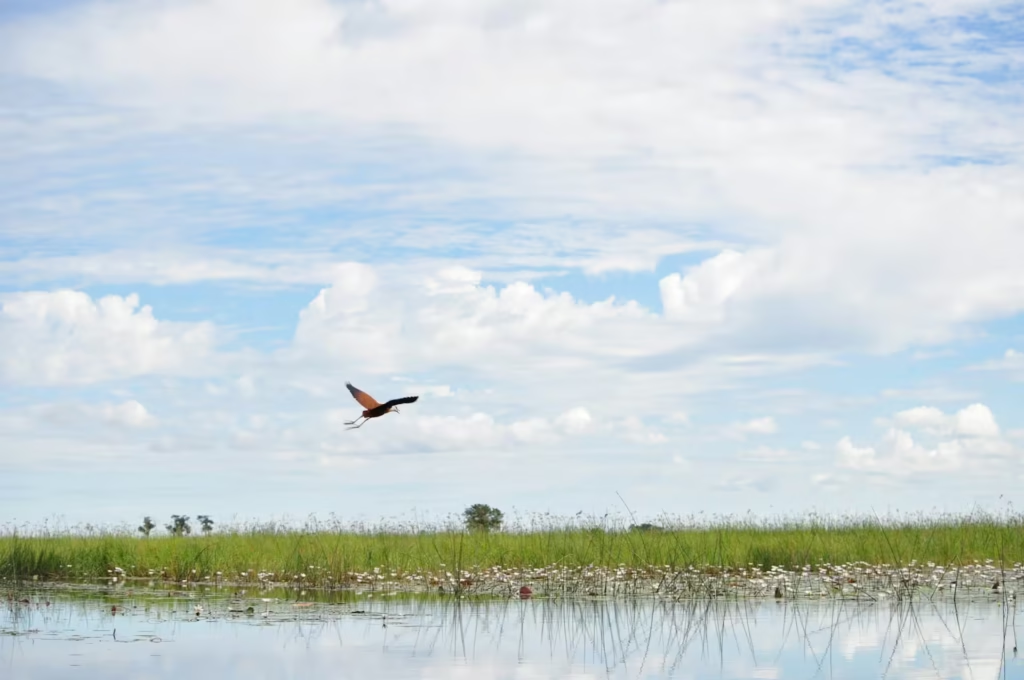
Serious photographers often choose destinations where wildlife encounters and landscapes create exceptional images. Ranthambore, Bandhavgarh, Pantanal, Serengeti, and Yellowstone are among the top photography destinations. The Pantanal is particularly famous for jaguar photography because sightings are often possible along open waterways.
Birdwatching Trips
Bird lovers should consider destinations such as Costa Rica, Ecuador, India's Western Ghats, and Kenya's Rift Valley lakes. These regions support hundreds of bird species, from colorful tropical birds to rare migratory species. India's Kaziranga and Bharatpur are also excellent destinations for dedicated birdwatchers.
Self-drive Safaris
Travelers who enjoy independence can explore destinations like Kruger National Park in South Africa, Etosha National Park in Namibia, and Yellowstone National Park in the USA. These parks have well-maintained roads, visitor facilities, and excellent wildlife viewing opportunities without requiring a private guide.
Choosing the right travel style ensures that your wildlife experience matches your expectations, budget, and the type of adventure you want to remember.
Best Time of Year to See Wildlife Around the World
Timing plays a major role in any wildlife adventure. After years of planning and researching safari experiences, I have learned that the same destination can feel completely different depending on the season. Dry periods often provide better animal sightings because wildlife gathers near limited water sources, while migration seasons and breeding periods create some of the most unforgettable encounters.
The table below highlights some of the best months to visit major wildlife destinations around the world and the animals you are most likely to see.
| Month | Best Destination | Animals |
| January | Serengeti, Tanzania | Wildebeest calving, lions, cheetahs, predators |
| February | Bwindi Forest, Uganda | Mountain gorillas, forest birds |
| March | Ranthambore, India | Bengal tigers, leopards, deer |
| April | Bandhavgarh, India | Tigers, sloth bears, wildlife around waterholes |
| May | Tadoba, India | Tigers, leopards, wild dogs |
| June | Okavango Delta, Botswana | Elephants, lions, wild dogs, water wildlife |
| July | Masai Mara, Kenya | Great Migration, wildebeest river crossings |
| August | Serengeti, Tanzania | Migration herds, lions, crocodiles |
| September | Chobe, Botswana | Large elephant herds, buffalo, predators |
| October | Churchill, Canada | Polar bears gathering near Hudson Bay |
| November | Galápagos Islands, Ecuador | Marine iguanas, sea lions, seabirds |
| December | Antarctica Peninsula | Penguins, whales, seals |
The best wildlife season depends on your target species. For example, travelers searching for tigers should consider India's dry months from March to June, while those hoping to witness Africa's Great Migration should plan between July and October. For marine wildlife, Antarctica's summer season from November to March offers the best conditions for whale and penguin encounters.
Planning around nature's calendar increases your chances of meaningful sightings and creates a more rewarding wildlife experience.
Tips for Planning a Wildlife Safari
A successful wildlife safari is not just about choosing the right destination. Good planning can make the difference between a disappointing trip and an unforgettable wildlife experience. After years of exploring and researching safari destinations, I have found that preparation, patience, and responsible travel are the keys to making the most of your adventure.
Choose the Right Season
Wildlife behavior changes with the seasons. Dry months often provide better sightings because animals gather near rivers and waterholes. For example, India's tiger reserves are excellent from March to June, while the Masai Mara is best between July and October during the Great Migration.
Pack the Right Clothing
Choose lightweight, breathable, and neutral-colored clothing that blends with natural surroundings. Avoid bright colors that may disturb wildlife. Layers are useful because early morning safaris can be cold, while afternoons can become hot. A good hat, sunglasses, sunscreen, and comfortable walking shoes are essential.
Carry Quality Camera Gear and Binoculars
A camera with a telephoto lens, ideally 300mm or longer, helps capture wildlife without getting too close. A pair of 8x42 or 10x42 binoculars is one of the most valuable safari accessories because many animals are first spotted from a distance.
Travel Responsibly
Ethical wildlife tourism means respecting animals and their habitats. Always follow park rules, maintain safe distances, avoid feeding animals, and choose operators that support conservation projects and local communities.
Plan Permits and Health Requirements
Many popular destinations have limited permits, such as gorilla trekking in Uganda and Rwanda. Apply early, especially during peak seasons. Consult your doctor about recommended vaccinations, carry basic medicines, and protect yourself from insects in tropical regions.
Get Travel Insurance
Comprehensive travel insurance is strongly recommended for wildlife trips, especially remote safaris involving adventure activities. Look for coverage that includes medical emergencies, evacuation, trip delays, and lost equipment.
With the right preparation, your wildlife safari becomes more comfortable, safer, and far more rewarding.
Frequently Asked Questions
What is the best country for wildlife safaris?
The best country for a wildlife safari depends on the animals you want to see and the type of experience you prefer. Kenya and Tanzania are among the most popular choices because they offer incredible Big Five sightings and the Great Migration. For first-time safari travelers, South Africa is also an excellent option because of its world-class infrastructure and accessible national parks. India is the best choice for travelers interested in seeing wild Bengal tigers.
Which destination has the most wildlife?
Africa's Serengeti ecosystem is often considered one of the richest wildlife areas on Earth. It supports millions of grazing animals, including more than 1.5 million wildebeest during the Great Migration, along with large populations of lions, cheetahs, elephants, and other species. However, destinations like the Amazon Rainforest and India's Western Ghats have even greater overall biodiversity because of their incredible variety of plants, birds, insects, and smaller animals.
Where can I see the Big Five?
The best places to see the Big Five (lion, leopard, elephant, buffalo, and rhino) are African safari destinations such as Kenya's Masai Mara, Tanzania's Serengeti, South Africa's Kruger National Park, and Botswana's Chobe National Park. Kruger is especially popular because it offers excellent wildlife viewing, luxury lodges, and self-drive safari options.
Which country is best for tiger safaris?
India is the world's best country for tiger safaris. The country is home to more than 3,000 wild Bengal tigers, representing over 70% of the global tiger population. Ranthambore, Bandhavgarh, Kanha, Pench, and Tadoba are among the top reserves for tiger sightings.
Which safari is best for first-time visitors?
For first-time safari travelers, Kenya's Masai Mara, Tanzania's Serengeti, and South Africa's Kruger National Park are excellent choices. These destinations offer reliable wildlife sightings, experienced guides, comfortable accommodation, and opportunities to see iconic animals like lions, elephants, giraffes, and zebras.
What is the cheapest wildlife safari destination?
India and South Africa generally offer some of the best value wildlife safari experiences. India's national parks provide affordable jeep safaris with opportunities to see tigers and other wildlife, while South Africa's Kruger National Park allows budget travelers to explore through self-drive safaris and affordable camps.
What is the safest wildlife destination?
South Africa's private reserves, Kenya's Masai Mara, Tanzania's Serengeti, and India's major national parks are considered safe when visitors follow local guidelines and travel with experienced guides. Wildlife destinations have strict rules to maintain safe distances between visitors and animals.
Where can I photograph wildlife?
Some of the world's best wildlife photography destinations include the Pantanal in Brazil for jaguars, Ranthambore in India for tigers, the Serengeti for predators and migration scenes, and Yellowstone National Park for North American wildlife. These destinations offer excellent opportunities for both professional photographers and enthusiasts.
Which destination has the highest chance of seeing tigers?
While tiger sightings can never be guaranteed in the wild, India's Tadoba, Bandhavgarh, Ranthambore, and Pench national parks are among the best places for frequent tiger encounters. Experienced guides, multiple safari drives, and visiting during dry months can significantly improve your chances.
Which country has the most national parks?
Australia, the United States, India, Canada, and Brazil all have extensive protected area networks. The United States has more than 60 national parks managed by the National Park Service, while India has more than 100 national parks protecting diverse ecosystems ranging from Himalayan landscapes to tropical forests and grasslands.
Choosing the right wildlife destination depends on your interests, budget, travel style, and the species you hope to encounter. The most rewarding wildlife journeys are those planned around nature's rhythms and conservation principles.
Final Thoughts
The world's best wildlife destinations offer far more than animal sightings. They provide a chance to experience nature, understand conservation, and create memories that last a lifetime. The right destination depends on what you want to see and how you want to travel. Choose India for incredible tiger safaris, Kenya and Tanzania for the Big Five and Great Migration, Botswana for exclusive wilderness experiences, or Uganda for unforgettable gorilla trekking.
Timing is equally important. Visiting during the right season can greatly improve your chances of meaningful wildlife encounters, whether it is watching tiger activity near waterholes in summer or witnessing millions of wildebeest crossing the Serengeti ecosystem.
Explore our destination-specific wildlife safari guides to plan your journey, or contact our team for a customized wildlife itinerary designed around your interests, budget, and travel style. A well-planned safari is not just a holiday. It is an experience that connects you with the natural world.