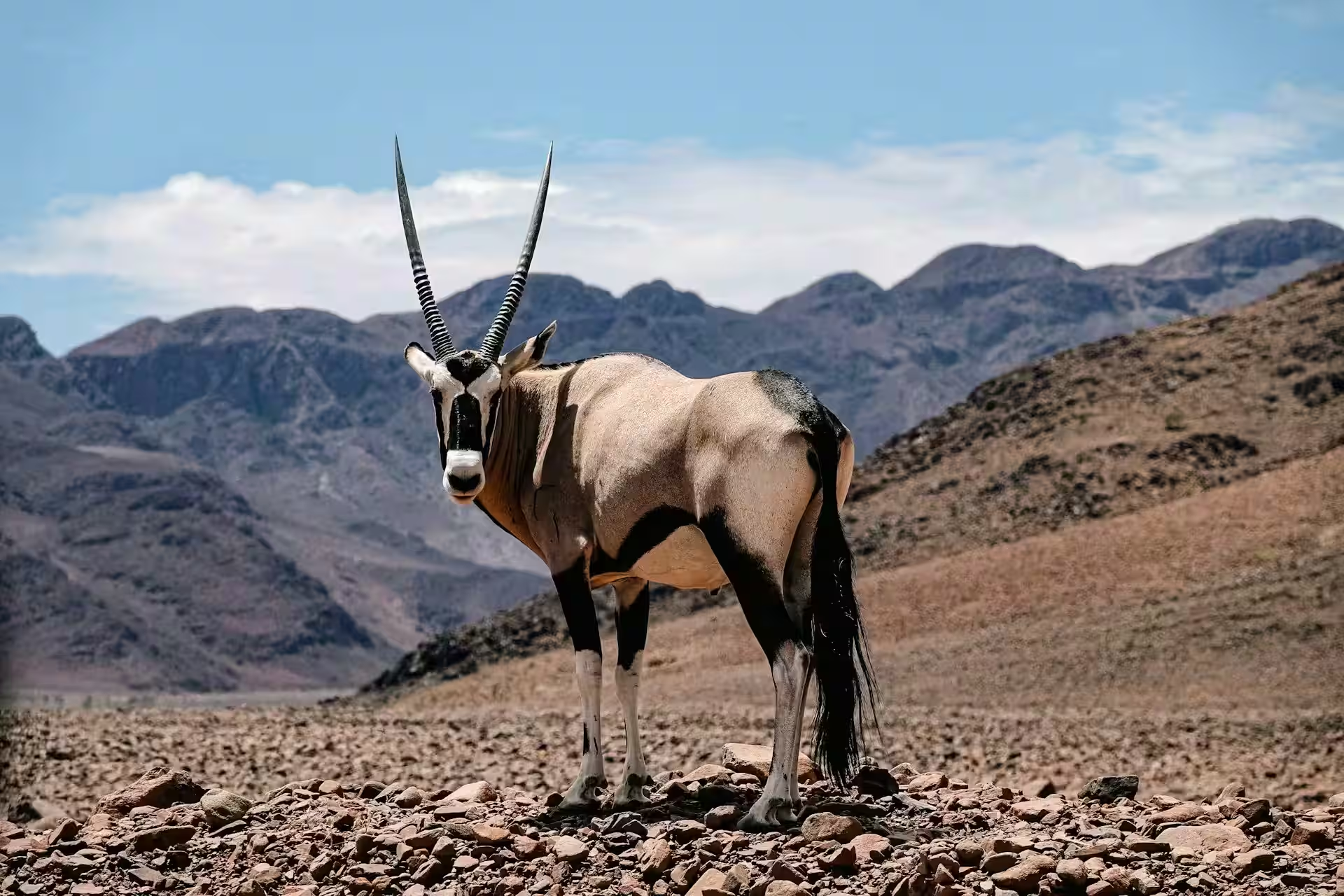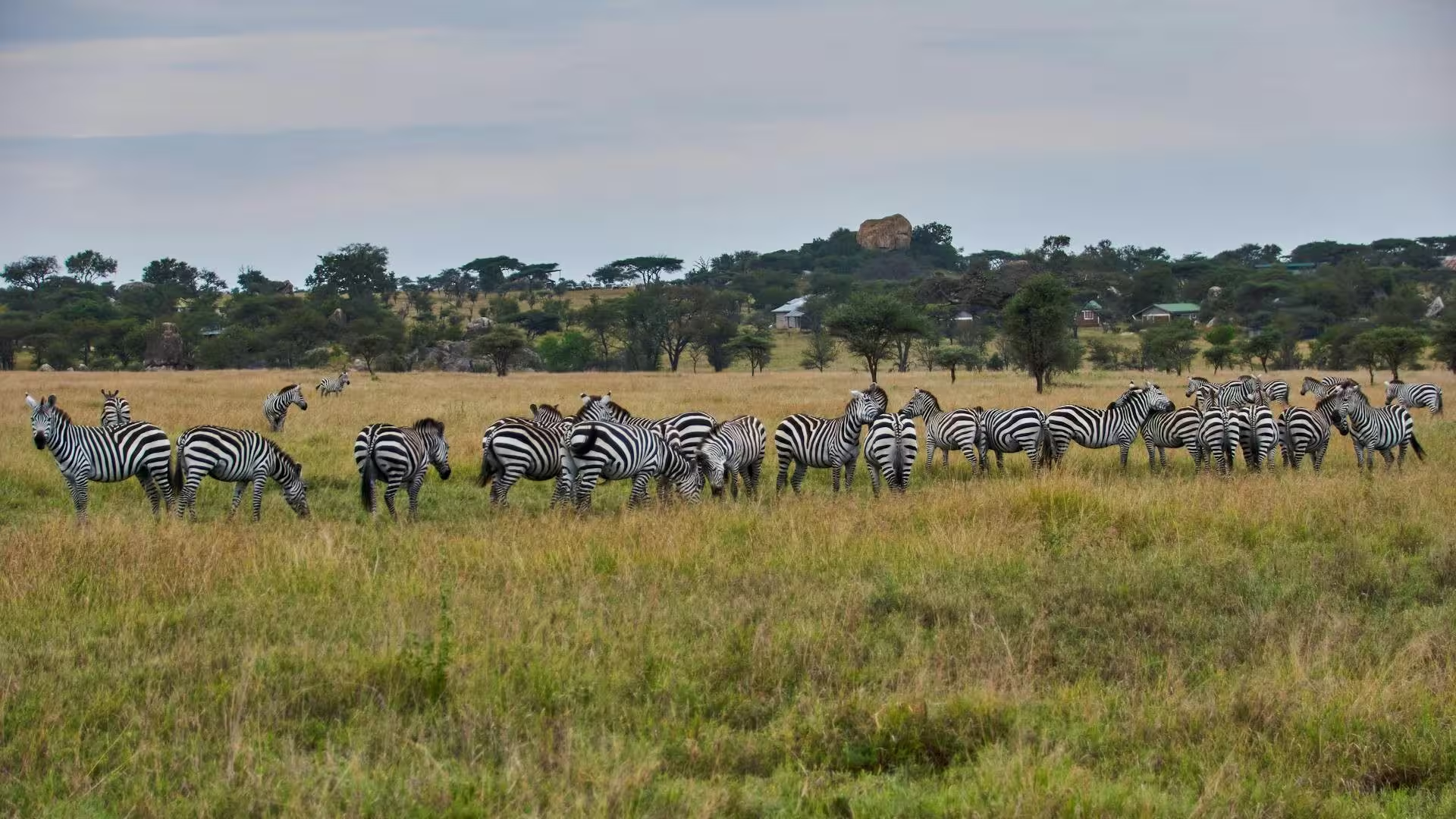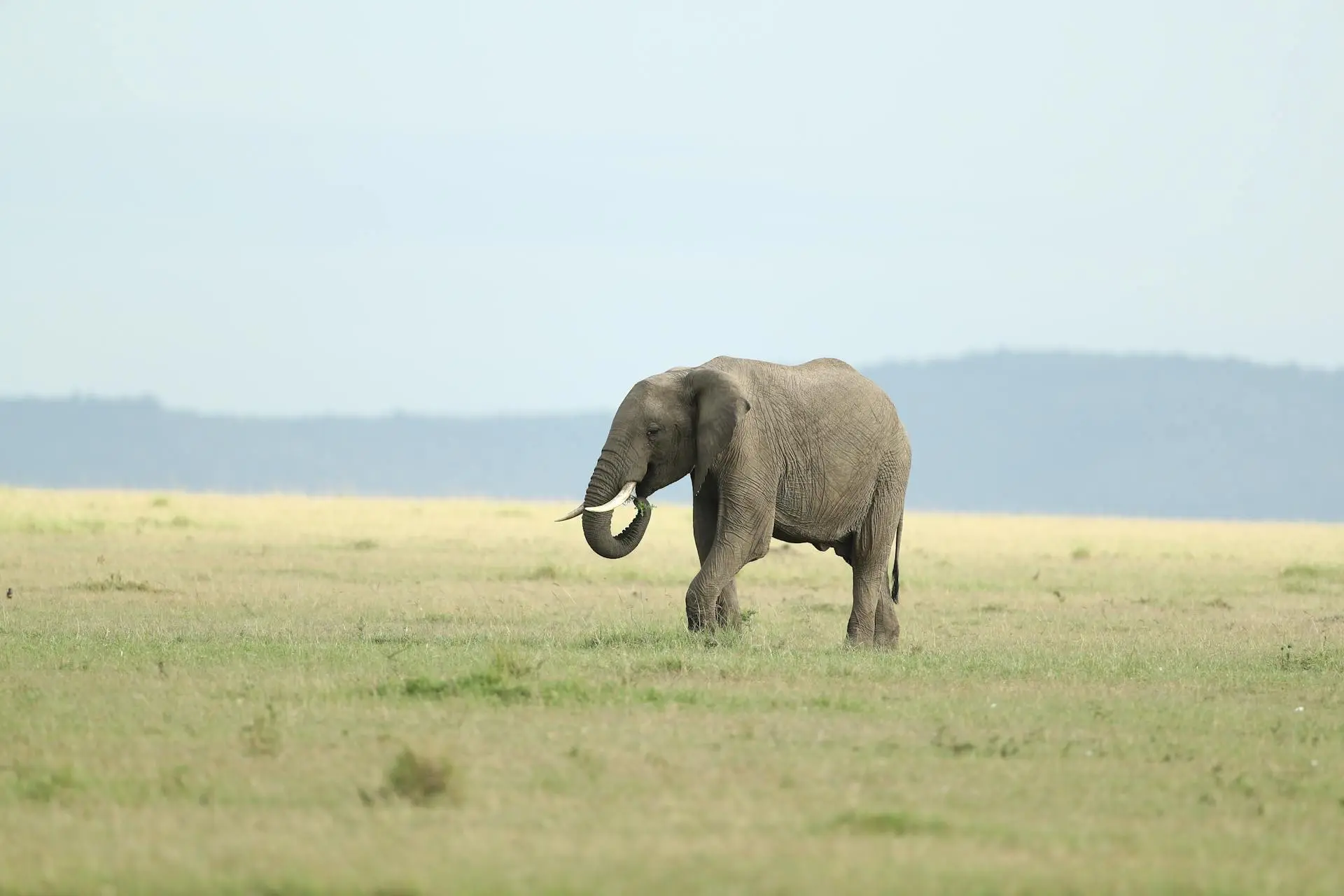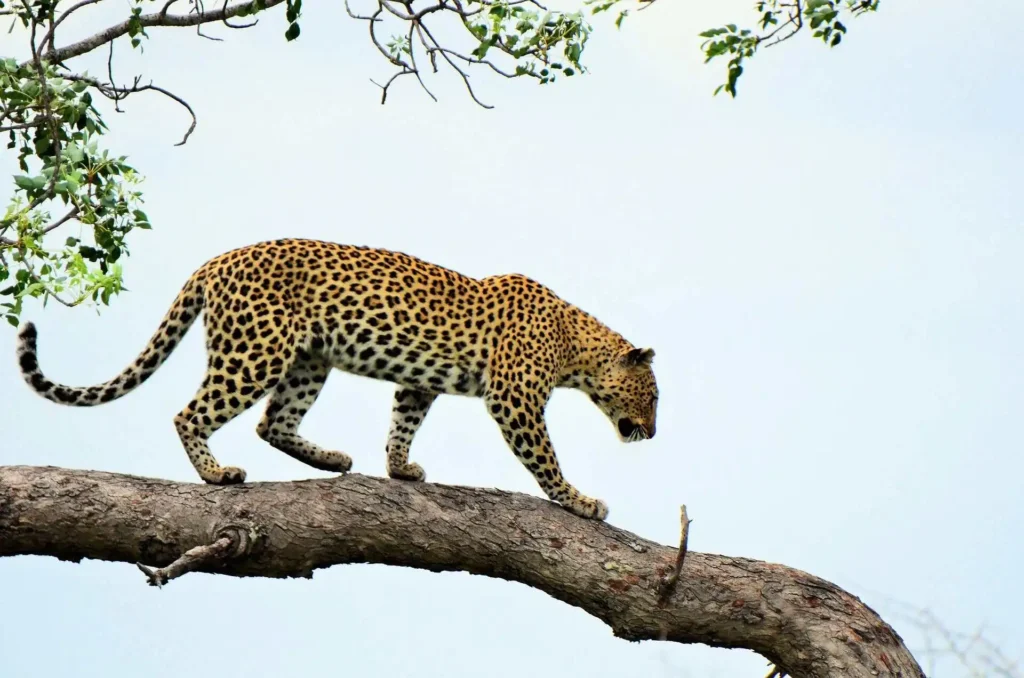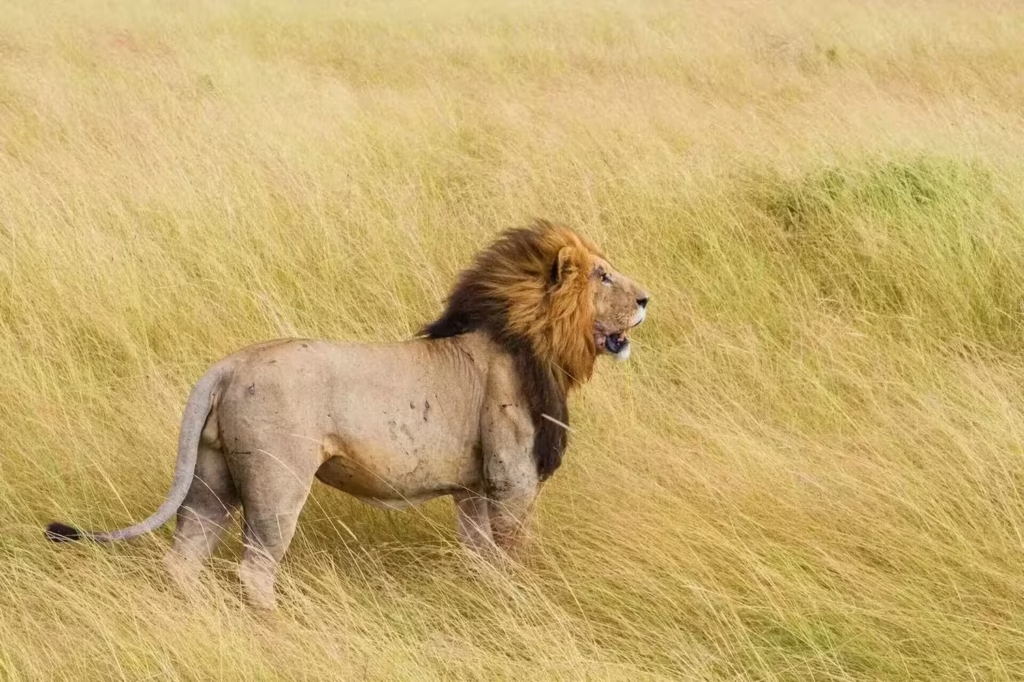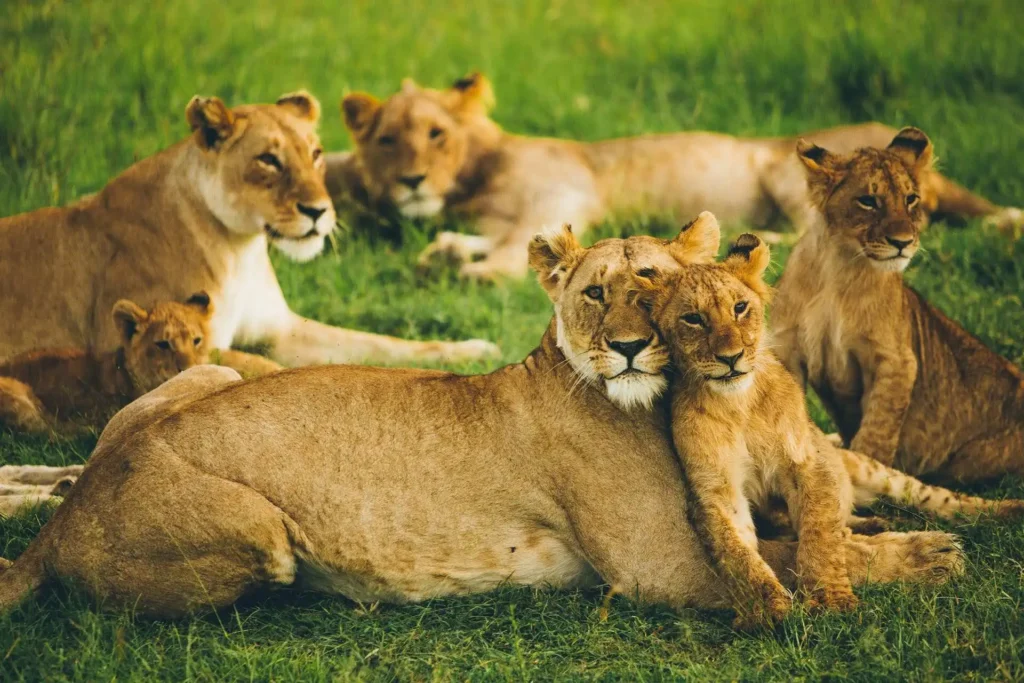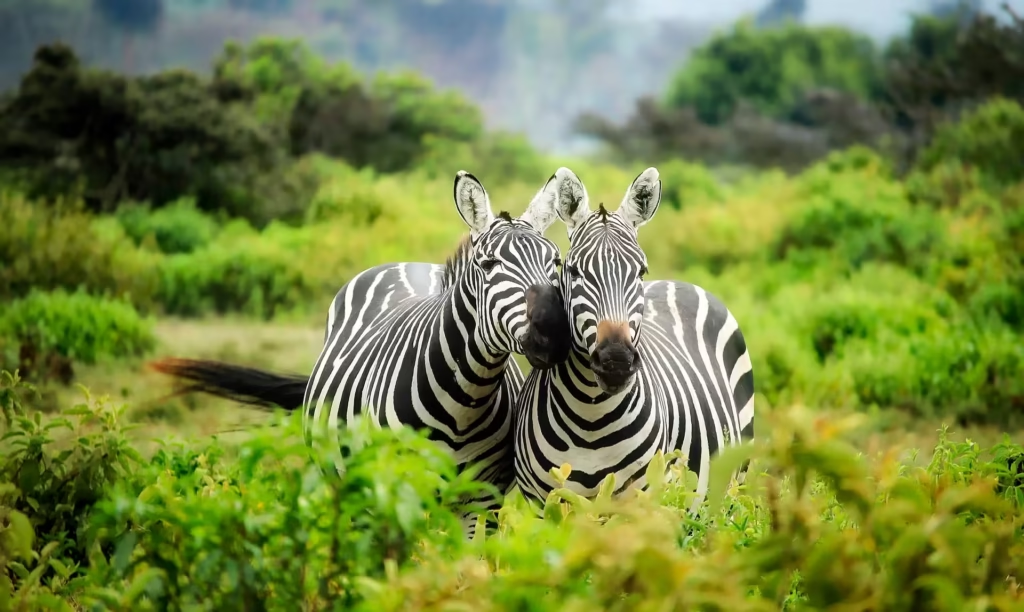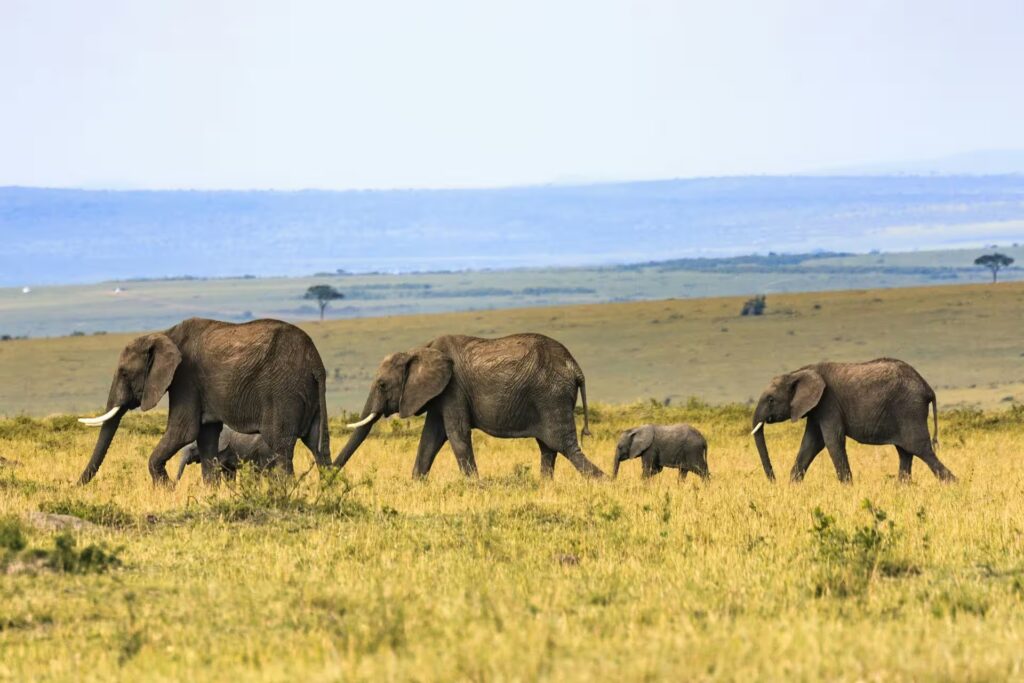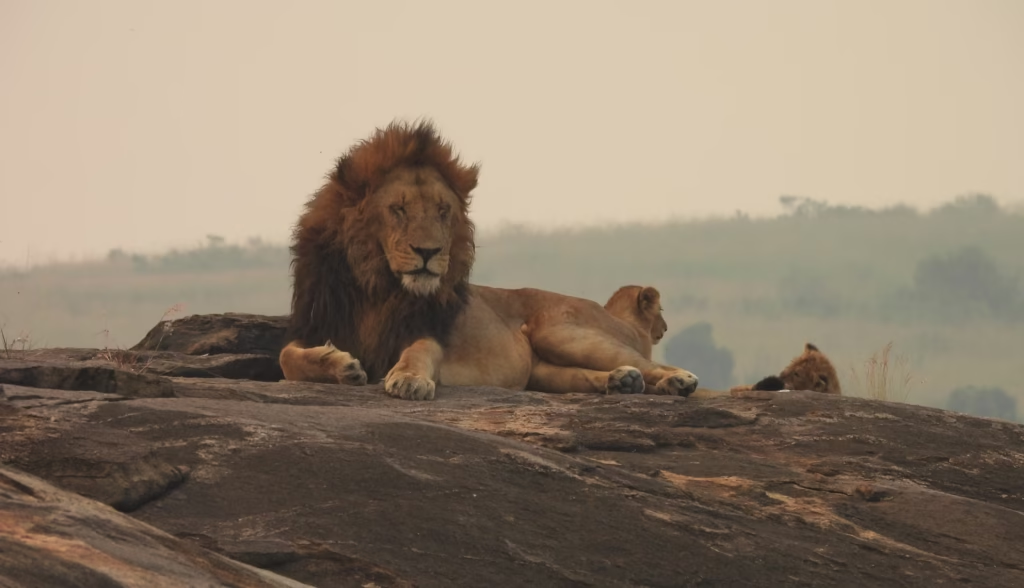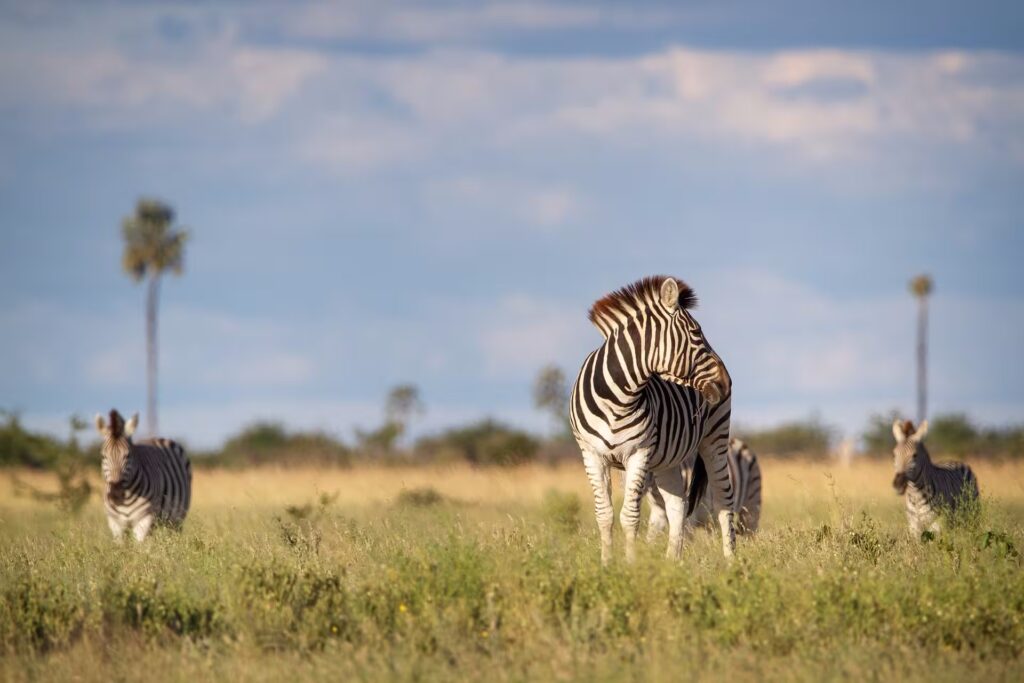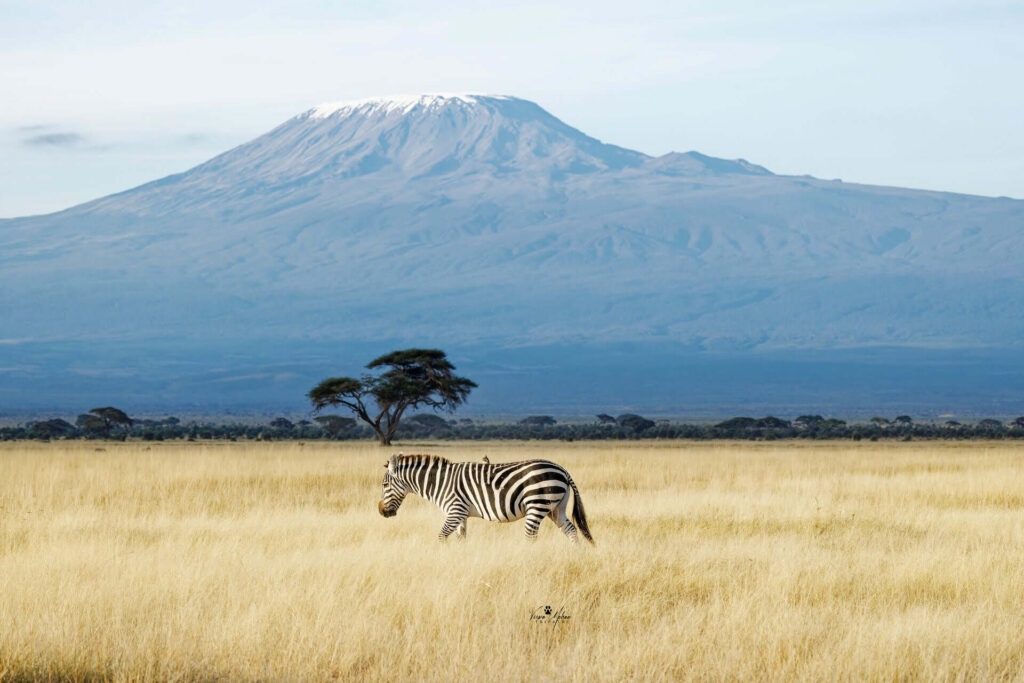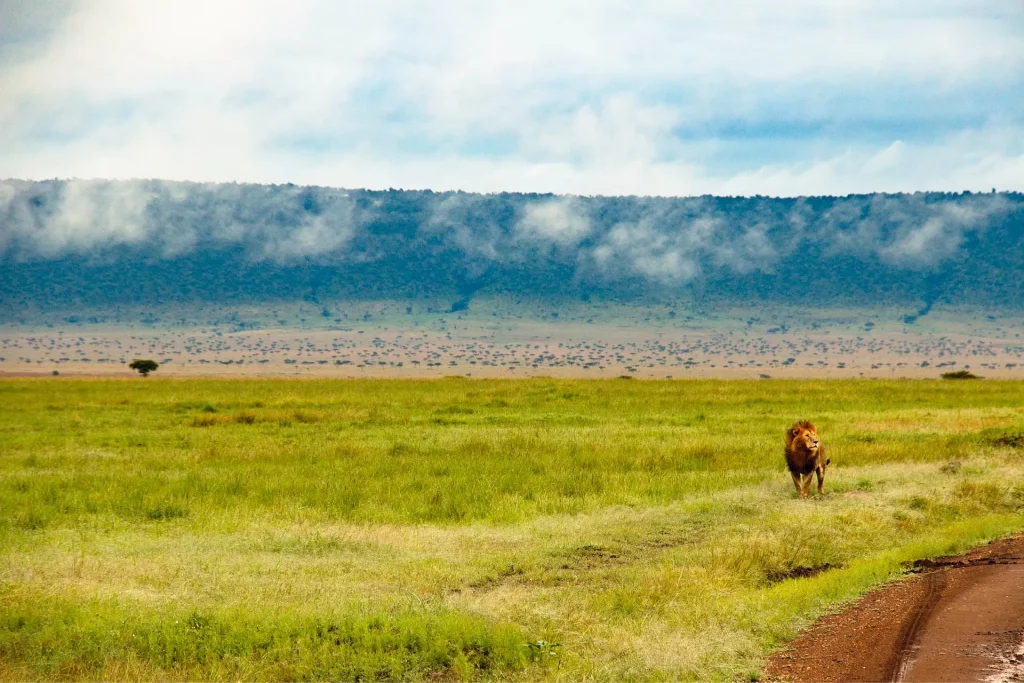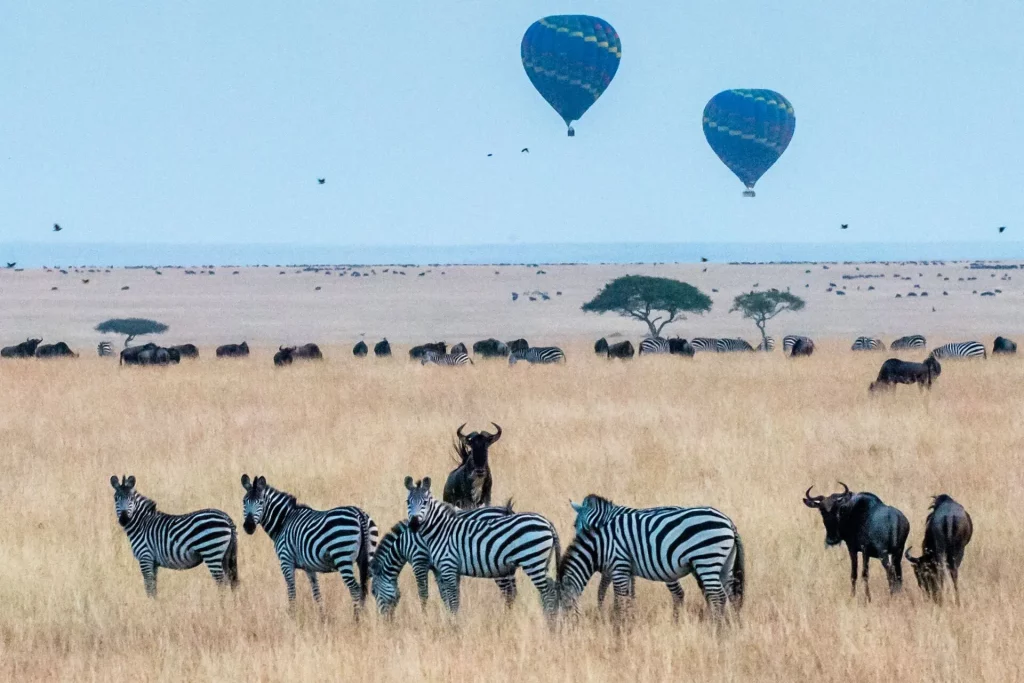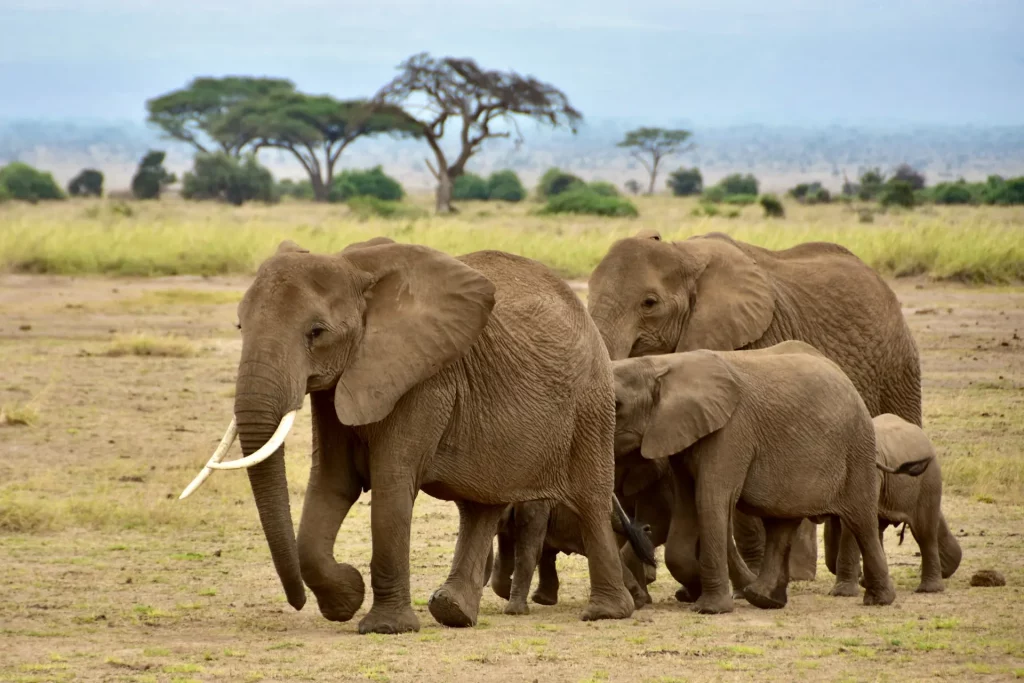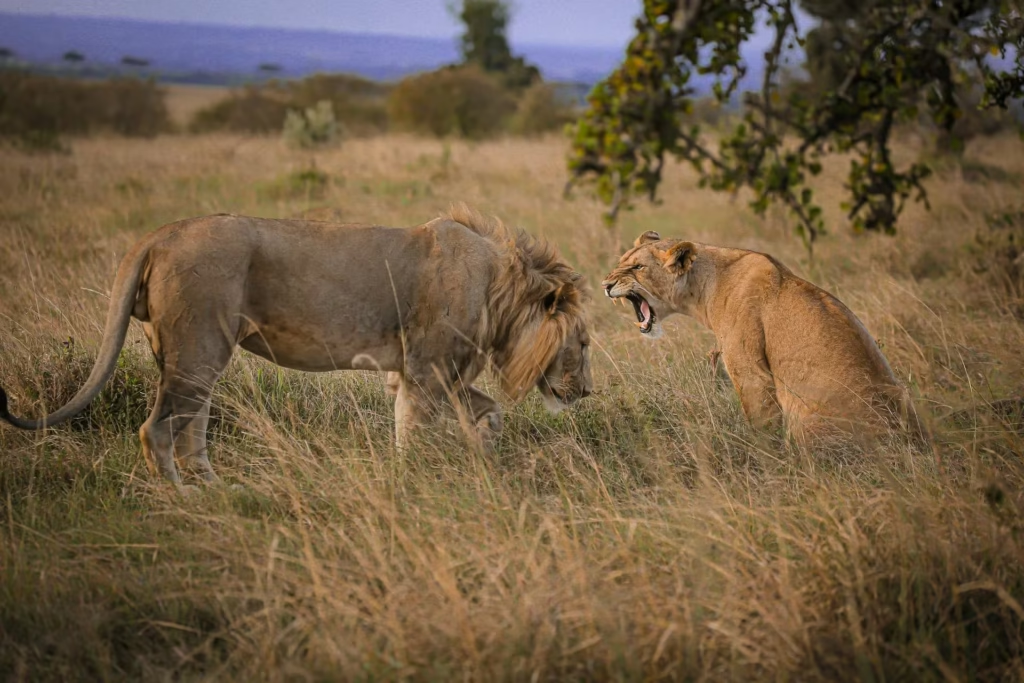
Botswana offers a safari experience built around seasonal rivers, open floodplains, dry savannah, and remote wildlife areas. The Okavango Delta draws visitors for water safaris and large concentrations of wildlife. Chobe National Park is known for elephants along the river, while Moremi Game Reserve combines wetlands with dry woodland. Further south, the Kalahari and Makgadikgadi regions offer a different landscape and seasonal wildlife movements.
The best time to visit Botswana depends on where you want to go. The dry season makes wildlife easier to spot in many northern parks. The Okavango Delta also receives floodwater during the cooler months, creating excellent conditions for mokoro trips and other water-based activities. The green season brings migratory birds, young animals, and dramatic scenery.
For most travellers, May to October is the best overall period for a Botswana safari. July to September offers strong wildlife viewing in many northern areas, while October can be extremely hot. The green season is worth considering if you want birdwatching, greener landscapes, or seasonal wildlife in the Kalahari.
When Is the Best Time to Visit Botswana?
Botswana has two main seasons. The dry winter usually runs from May to August, followed by a hotter, dry period in September and October. The rainy season generally runs from November to April, although rainfall varies by region.
| Months | Typical conditions | Best suited for |
|---|---|---|
| January to February | Hot, wet, green landscapes | Birdwatching, young animals, Kalahari wildlife |
| March to April | Rain begins to ease, landscapes remain green | Green-season photography, selected wildlife areas |
| May to June | Cooler, drier weather and rising Okavango floodwater | Early dry-season safaris, river and wetland activities |
| July to August | Dry conditions, cool mornings, higher Delta water levels | Game drives, mokoro trips, elephants, big cats |
| September to October | Hot and very dry, with wildlife near permanent water | Chobe elephants, predator viewing, photography |
| November to December | First rains, changing wildlife patterns, fresh vegetation | Birdwatching, green landscapes, seasonal wildlife |
These are broad seasonal guidelines. Water levels in the Okavango Delta do not depend only on local rainfall. Floodwater travels from Angola and often reaches parts of the Delta during Botswana's dry season.
Some camps also close during the rainy months. Check the operating dates for your chosen area before booking flights or transfers.
Botswana Safari Guide Month by Month
January to February: Green Landscapes and Birdlife
January and February fall within Botswana's main rainy season. Afternoon storms are common in many areas, and daytime temperatures can be high. Grasslands turn green, seasonal pans fill with water, and migratory birds are present.
This period can suit birdwatchers and photographers who want lush scenery. The Central Kalahari, Makgadikgadi, and Nxai Pan can also offer rewarding seasonal wildlife viewing when rainfall attracts grazing animals.
The main drawback is access. Heavy rain can make sandy tracks and remote roads difficult to use. Some camps close for part of the season, so confirm that your preferred activities will operate.
March to April: A Transition in the Bush
Rainfall often begins to decrease during March and April, although conditions vary between years. Vegetation remains green, and many areas offer good opportunities for landscape photography and birdwatching.
April can be a useful shoulder-season choice for travellers who want to avoid the busiest dry-season months. Northern parks begin moving towards better game-viewing conditions as water becomes less widespread.
The Okavango flood cycle is separate from local rainfall, so the best timing for water-based activities depends on the part of the Delta you plan to visit.
May to June: The Dry Season Begins
May marks the start of a popular safari period. Temperatures become more comfortable, rainfall decreases, and vegetation gradually thins. Wildlife begins gathering around permanent rivers, waterholes, and other reliable water sources.
In the Okavango Delta, floodwater starts reaching more areas. This creates changing channels and lagoons that support mokoro trips and other water-based activities.
June can bring cold mornings and evenings, particularly on open game drives and light aircraft transfers. Pack warm layers even if daytime temperatures feel pleasant.
July to August: Excellent Conditions for Northern Botswana
July and August are popular months for safaris in the Okavango Delta, Moremi, and Chobe. Dry conditions improve access in many areas, while animals concentrate around water.
The Delta's floodwater can create excellent conditions for exploring channels by mokoro or boat, depending on the camp's location and water levels. Game drives in drier areas may offer strong wildlife viewing too.
These months are busy, particularly at sought-after camps. Book accommodation and flights well in advance if you want specific locations or travel dates.
September to October: Hot, Dry and Focused on Water
September and October are among the hottest months in Botswana. Water becomes scarce away from permanent rivers and waterholes, and wildlife may gather in greater numbers around these sources.
Chobe's riverfront is especially rewarding for elephant viewing during the dry season. Moremi and parts of the Okavango region can also offer excellent game drives, though conditions vary by area.
October heat can be intense, so choose camps with suitable facilities and follow your guide's advice on safari timings. If you prefer cooler weather, June to August may be a better fit.
November to December: The Green Season Returns
The first rains usually arrive during November, though their timing varies. The landscape begins to change as fresh grass grows and seasonal water sources refill.
December brings green scenery, migratory birds, and opportunities to see young animals. The Kalahari and Makgadikgadi regions can become particularly interesting when rain triggers seasonal grazing and wildlife movements.
Rain does not make every area inaccessible, but it can affect driving conditions and camp operations. Choose a lodge with confirmed seasonal availability and keep some flexibility in your plans.
Best Time to Visit Botswana's Main Safari Destinations
The ideal travel window changes by region. Northern Botswana is closely linked to rivers and the Okavango flood cycle, while the drier southern and central areas often benefit from seasonal rain.
Okavango Delta
The Okavango Delta is one of Botswana's most distinctive safari destinations. Instead of flowing into the sea, the Okavango River spreads into a vast inland wetland, creating channels, lagoons, islands, and floodplains.
May to October is a strong period for visiting the Delta, with June to August often offering a good balance of rising water levels and cooler weather. July to October can be especially rewarding for water-based activities in areas with suitable flood levels.
Mokoro trips allow visitors to move quietly through narrow channels, while boat safaris and game drives offer different views of the wildlife. Not every camp offers the same activities. Water levels, location, and seasonal access determine which experiences are available.
The green season offers lush scenery and birdlife, although some camps reduce operations or close. Check the exact flood conditions and activity options before choosing a lodge.
Moremi Game Reserve
Moremi protects a mix of floodplains, lagoons, woodland, and dry areas within the wider Okavango ecosystem. This varied habitat supports elephants, buffalo, lions, leopards, African wild dogs, and many bird species.
July to October is a strong period for wildlife viewing in many parts of Moremi Game Reserve. Drier conditions can make animals easier to find, while areas close to water continue to attract wildlife.
The rainy season brings greener vegetation and bird activity. Some tracks can become difficult, so travel arrangements and camp access need careful planning.
Moremi is a good option for travellers who want both land-based game drives and access to the wetland scenery of the Delta.
Chobe National Park
Chobe is famous for its large elephant herds, particularly along the Chobe River. The park also supports buffalo, hippos, crocodiles, lions, leopards, and a wide variety of birds.
May to October is generally the best period for riverfront wildlife viewing. As dry conditions continue, elephants and other animals gather near the river to drink. Boat safaris offer a different perspective from game drives and can be particularly rewarding for photography.
August and September can be busy, while October brings intense heat. The green season offers birdlife and a different landscape, but animals may spread across a wider area.
Chobe can also be combined with a visit to Victoria Falls, with Kasane serving as a convenient gateway to the park.
Central Kalahari Game Reserve
The Central Kalahari offers wide open plains, fossil river valleys, and remote desert-adapted habitats. It is known for its sense of space and wildlife that includes lions, cheetahs, springbok, gemsbok, and brown hyenas.
Unlike the northern river-based parks, the Kalahari can be particularly rewarding during and after the rains. Fresh grass attracts grazing animals, which can in turn draw predators. December to April is worth considering when rainfall is good.
The dry season offers easier driving in many areas and clear skies, but wildlife can be spread out. The reserve is remote, so choose your route and accommodation carefully. Some areas require a capable 4x4 and experienced travel arrangements.
Makgadikgadi Pans and Nxai Pan
The Makgadikgadi region features vast salt pans, grasslands, and open horizons. The landscape changes dramatically between dry and rainy periods.
The green season, often from December to April, can bring large zebra movements, grazing herds, and seasonal birdlife. Nxai Pan can be especially rewarding after good rains, when fresh grass attracts wildlife.
During the dry season, the pans offer wide open views and striking scenery. Some activities, including driving across the pans, depend on ground conditions and local guidance.
Choose your dates according to whether you want seasonal wildlife movements, birdwatching, or the stark look of the dry salt flats.
Best Time to Visit Botswana for Different Safari Experiences
| Safari interest | Suggested period | What to expect |
|---|---|---|
| Elephant viewing in Chobe | July to October | Large concentrations around the river |
| Water safaris in the Okavango Delta | June to August, depending on flood levels | Mokoro trips and boat activities where available |
| Big cat viewing | July to October | Drier vegetation and wildlife near water |
| African wild dogs | Dry season, especially June to September in some areas | Denning season in some regions, with sightings never guaranteed |
| Birdwatching | November to April | Migratory birds, breeding activity, green landscapes |
| Zebra movements in Makgadikgadi and Nxai Pan | December to April, depending on rainfall | Seasonal grazing and movement across grasslands |
| Landscape photography | Green season for lush scenery, dry season for open views | Two very different looks at Botswana |
| Cooler weather for game drives | May to August | Milder days and cold mornings or nights |
These are planning guidelines rather than guarantees. Wildlife movements, rainfall, and water levels change each year.
Is the Green Season Worth Visiting Botswana?
Yes. The green season offers a different safari experience from the dry months. Grasslands turn green, migratory birds arrive, and the landscape becomes more varied for photography.
Some areas of the Kalahari and Makgadikgadi can be especially rewarding after rainfall. Grazing animals make use of fresh grass, and predators follow the available prey. Birdwatchers may also find more species active during this period.
The trade-offs are access and visibility. Tall grass can make animals harder to spot, rain can affect roads, and some camps close for part of the season. The Okavango's water activities also depend on flood levels rather than rainfall alone.
If this is your first Botswana safari and your main goal is to see large mammals, the dry season is the simpler choice. If you prefer birdlife, green landscapes, and seasonal wildlife behaviour, the green season deserves consideration.
Peak, Shoulder and Green Season in Botswana
Peak Season: July to October
These months attract many visitors because wildlife viewing is often strong in the Okavango Delta, Moremi, and Chobe. Dry conditions and seasonal water availability make animals easier to locate in many areas.
Demand is high at popular camps, especially those with excellent locations or water-based activities. Book well in advance if your dates are fixed.
Shoulder Season: April to June
April to June can be a good balance for travellers who want improving game-viewing conditions and fewer visitors than the peak dry months.
May and June are particularly useful for watching the transition into the dry season. The Okavango floodwater also begins to influence activities in different parts of the Delta.
Weather and flood levels vary, so confirm local conditions when selecting a camp.
Green Season: November to March
The green season is suited to travellers who want birdwatching, fresh landscapes, and seasonal wildlife movements. It may also offer more flexible accommodation choices in areas that remain open.
Some lodges close, and remote routes can become difficult after heavy rain. Check seasonal camp dates before booking and allow extra time for transfers where needed.
Practical Tips for Planning a Botswana Safari
Botswana's remote camps and seasonal access make advance planning important. A little preparation helps you choose the right region and avoid unnecessary travel between distant parks.
- Book early for peak season. Popular camps can fill well ahead of July to October.
- Check camp opening dates. Some properties operate only during selected months.
- Confirm activities before choosing a lodge. Mokoro trips, boat safaris, walking activities, and game drives depend on the location and season.
- Pack for cold mornings. Winter days can be pleasant, but early drives and light aircraft flights may feel cold.
- Prepare for heat in September and October. Choose light clothing, use sun protection, and follow your guide's advice.
- Allow time for transfers. Many remote camps are reached by light aircraft, and travel times can affect the number of activities you can fit into a day.
- Check entry requirements. Confirm visa rules, passport validity, and any health requirements that apply to your nationality and travel route.
- Keep plans flexible in the green season. Rain can affect road access and some scheduled activities.
Frequently Asked Questions
What is the best month to visit Botswana?
July and August are excellent months for many northern Botswana safaris, including the Okavango Delta, Moremi, and Chobe. September can also offer strong wildlife viewing but is hotter. The best month depends on the region and activities you want.
When is the best time to visit the Okavango Delta?
June to August is a popular period because floodwater spreads through parts of the Delta during Botswana's dry season. July to October can be rewarding for water-based activities, depending on the location and water levels.
When is the best time to see elephants in Chobe?
July to October is generally a strong period for elephant viewing along the Chobe River. Large herds often gather near the water during the dry months.
Is Botswana good for safari in December?
Yes. December brings green landscapes, migratory birds, and seasonal wildlife activity. It is a useful time for birdwatching and some Kalahari trips, but rain can affect road conditions and camp availability.
Is October too hot for a Botswana safari?
October can be extremely hot, especially in lower-lying areas such as Chobe and the Zambezi and Okavango valleys. Wildlife viewing can still be rewarding, but visitors should prepare for heat and follow local advice on safari timings.
When is the best time to visit the Central Kalahari?
December to April can be rewarding when rainfall brings fresh grass and attracts grazing animals. The dry months can offer easier driving and open skies, although wildlife may be more dispersed.
Can you visit Botswana during the rainy season?
Yes, but the experience depends on the region. Some camps close, and heavy rain can make remote roads difficult. Choose a camp with confirmed operations and check which activities will be available during your dates.
How many days should you spend on a Botswana safari?
A week can work for one or two regions, while a longer trip allows you to combine the Okavango Delta, Moremi, and Chobe. Allow enough time for transfers and multiple game drives in each area.
Final Advice on Choosing Your Botswana Safari Dates
Choose May to October if wildlife viewing is your main priority. July and August are strong choices for the Okavango Delta and Chobe, while September and October can offer excellent sightings in drier areas, along with much hotter weather.
The green season is worth considering for birdwatching, lush scenery, and seasonal wildlife movements in the Kalahari and Makgadikgadi. Before booking, check camp opening dates, flood levels, and the activities available in your chosen area.
Botswana rewards travellers who match their dates to the landscape. Explore our Botswana safari guide to compare the country's main wildlife destinations and decide which regions suit your trip.