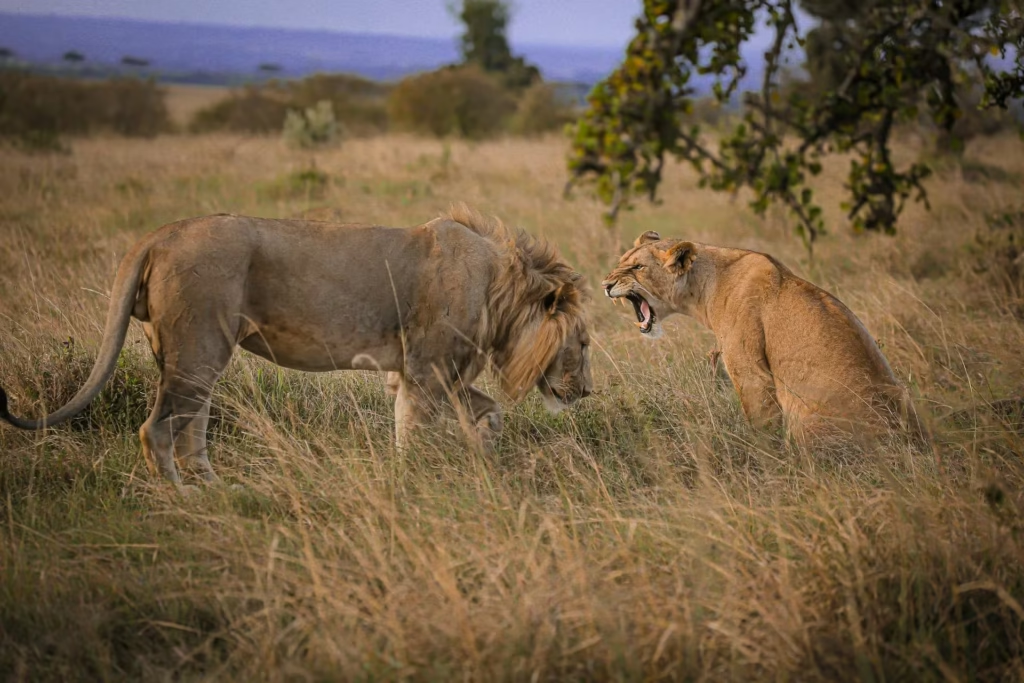
India offers some of the most varied wildlife safaris in Asia. You can track Bengal tigers through central Indian forests, look for Asiatic lions in Gujarat, watch one-horned rhinoceroses in Assam, and explore wetlands filled with migratory birds.
The best time for a wildlife safari depends on the animals you want to see and the regions you plan to visit. Winter brings cooler weather and good conditions for birdwatching. The hotter months can improve visibility in some dry forests, where animals may gather near water sources. The monsoon transforms many landscapes but also affects access to national parks.
For most travellers, October to February is a comfortable period for a wildlife safari in India. If tiger sightings are the main priority, March to May is also worth considering in reserves that remain open. The best dates vary by park, so check local safari schedules before booking.
When Is the Best Time to Visit India for a Wildlife Safari?
India does not have one ideal safari season for every destination. Use this broad calendar to choose a starting point for your trip.
| Months | Typical conditions | Best suited for |
|---|---|---|
| October to November | Post-monsoon greenery and changing park access | Tiger safaris where open, forest photography, nature trips |
| December to February | Cooler weather across many wildlife regions | Tiger reserves, birdwatching, comfortable game drives |
| March to April | Rising temperatures and drier vegetation | Tiger tracking, wildlife photography, dry-forest safaris |
| May to June | Hot weather in much of central and northern India | Dry-season wildlife viewing where parks remain open |
| July to September | Monsoon rains in many regions | Selected open areas, seasonal landscapes, birdlife |
These periods are general guidelines. The Himalayan region, northeast India, the Western Ghats, and the desert landscapes of western India follow different weather patterns.
Park opening dates also vary. Some reserves close parts of their safari areas during the monsoon, while others operate under different schedules. Always confirm current access rules with the relevant forest department.
Choose Your Safari Season by Wildlife Goal
Best Time to See Tigers in India
India has numerous tiger reserves, each with its own terrain, wildlife, and safari conditions. Popular choices include Tadoba, Bandhavgarh, Kanha, Pench, Ranthambore, and Corbett.
March to May can be rewarding for tiger tracking because vegetation becomes drier in many central Indian forests. Animals may visit water sources more frequently, and thinning foliage can improve visibility in some areas. The heat can be intense, especially during afternoon drives.
October to February suits travellers who prefer cooler weather. Forests can look greener after the monsoon, and morning safaris may offer pleasant conditions. Dense vegetation can make some animals harder to spot.
If you are visiting India for your first tiger safari, choose the reserve based on travel time, safari availability, accommodation, and the number of drives you can fit into your itinerary. No season or park can guarantee a tiger sighting.
Best Time to See Asiatic Lions
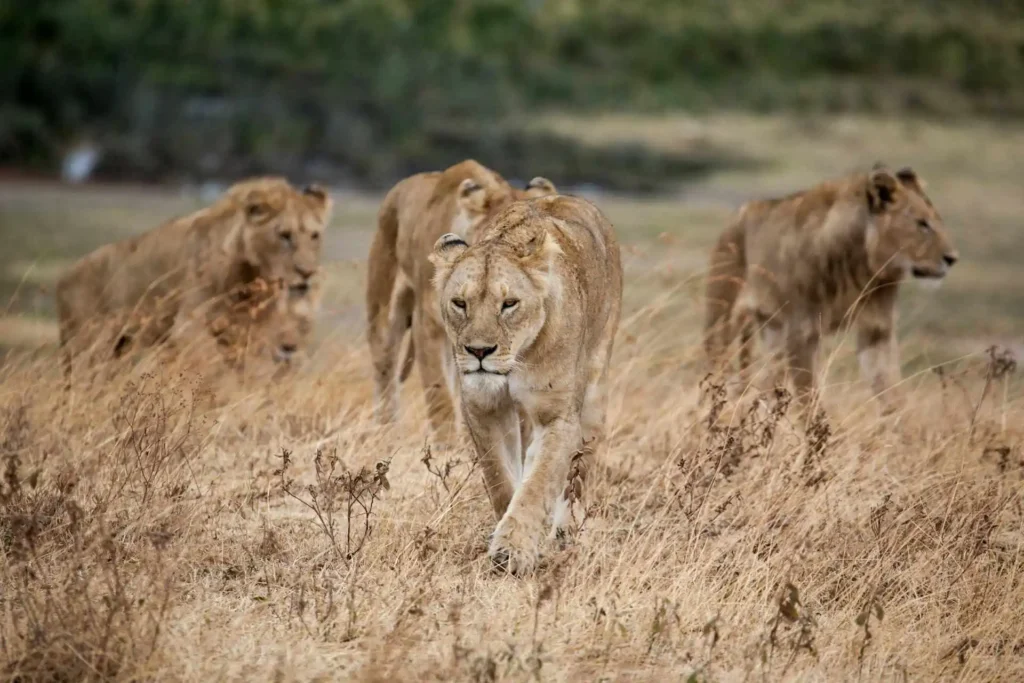
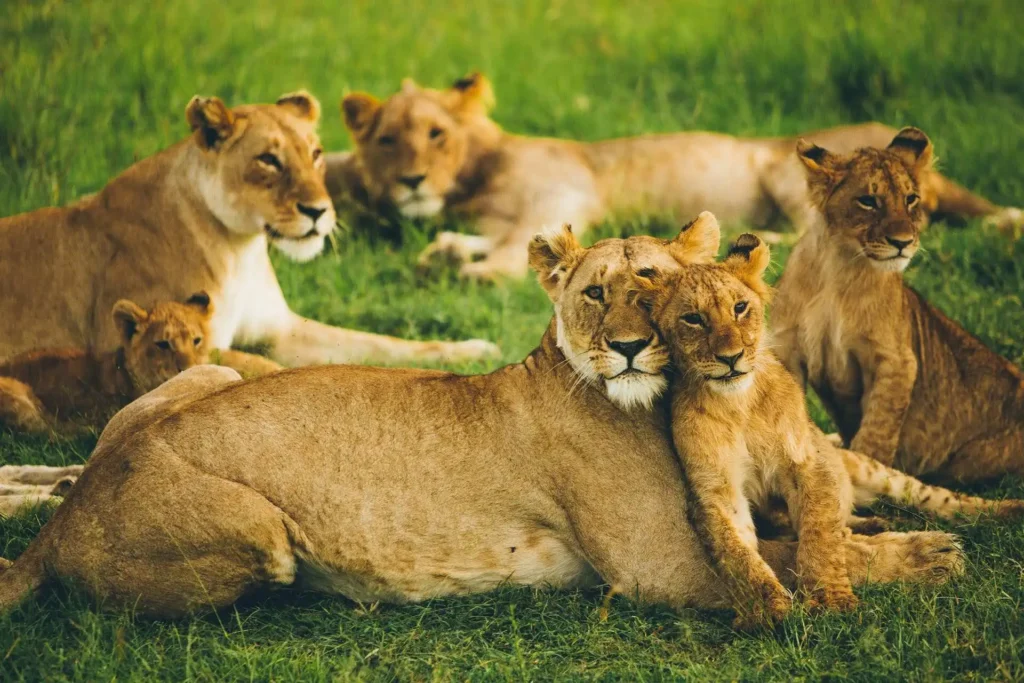
Gir National Park in Gujarat is the main destination for seeing wild Asiatic lions. Its dry deciduous forests and scrub landscapes differ from the sal and teak forests found in many tiger reserves.
October to February offers cooler conditions for game drives. March to mid-June brings hotter weather, which can be useful for wildlife viewing but requires preparation for high temperatures.
Gir's main jungle safari follows an official seasonal closure from 16 June to 15 October under its published schedule. Check the current official Gir safari booking website before selecting your dates.
Best Time to See One-Horned Rhinoceroses
Kaziranga National Park in Assam is known for its greater one-horned rhinoceroses, grasslands, wetlands, and elephant herds. Manas National Park also offers a mix of grassland, forest, and river habitats.
Winter and the drier months are useful periods for planning a trip to Assam. Grassland visibility, road conditions, flooding, and park access can affect the safari experience. The monsoon brings heavy rain to the region and can cause flooding across low-lying areas.
Check the opening schedule for your intended park and safari zone before booking flights or accommodation. Do not assume every route will be available throughout the year.
Best Time to See Elephants
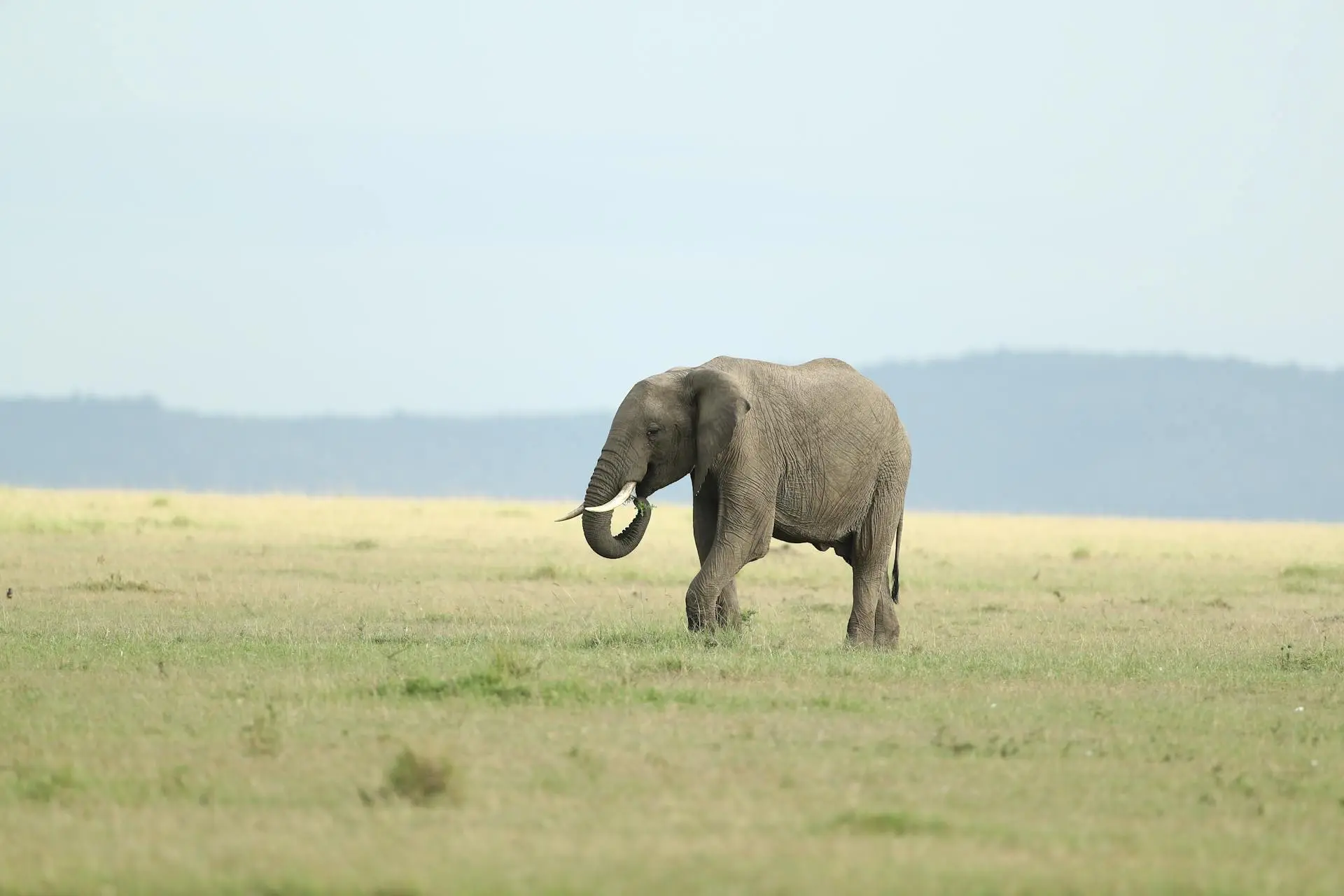
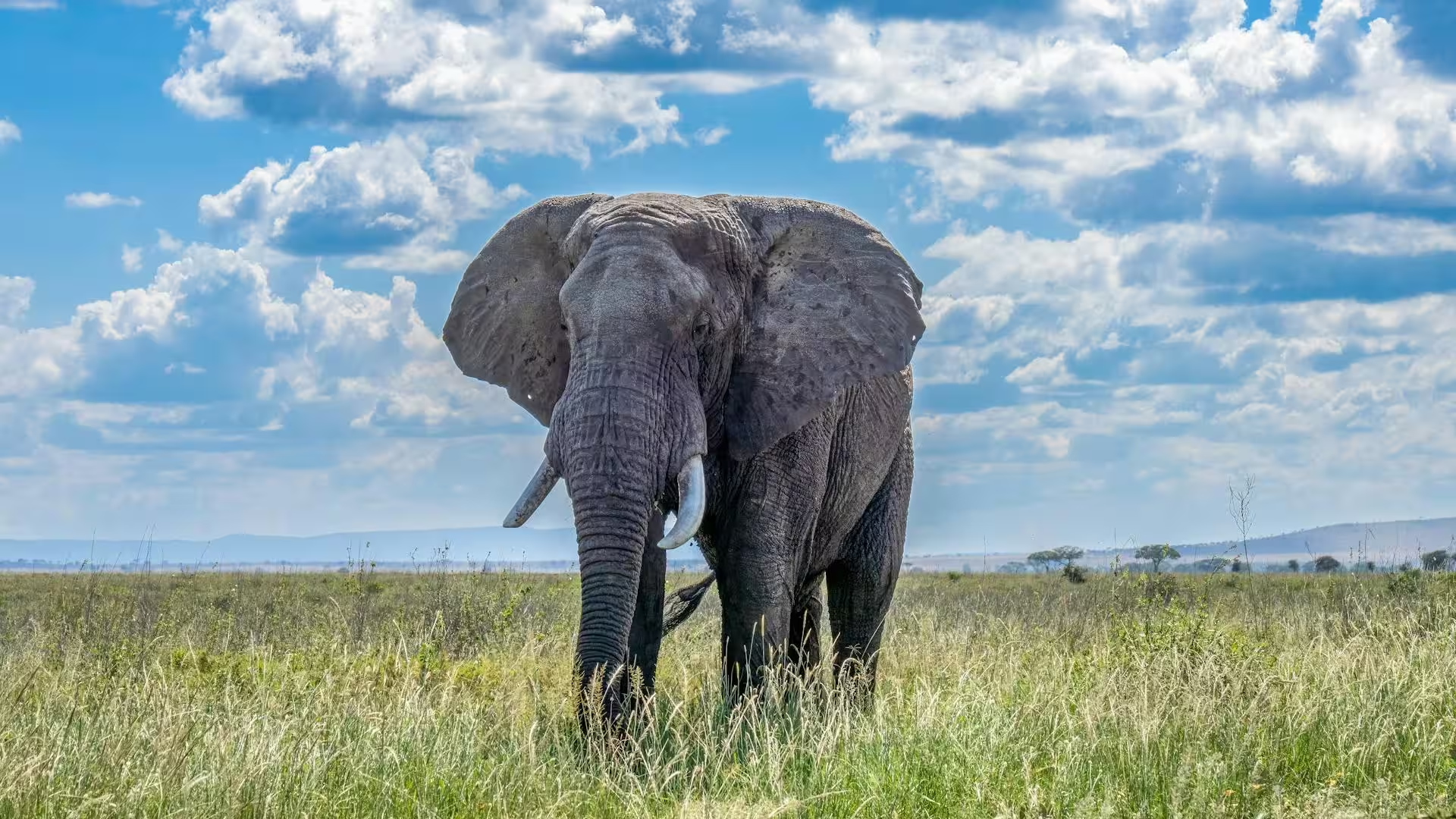
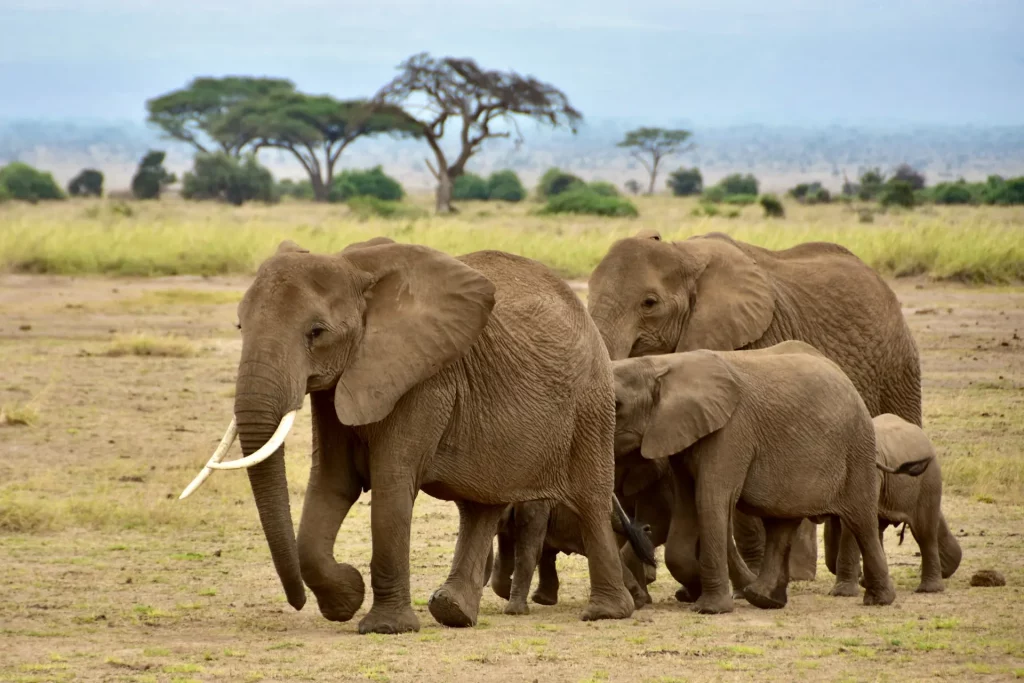
Elephants live in several Indian wildlife regions, including Corbett, Kaziranga, Nagarhole, Bandipur, and Periyar. The right destination depends on whether you want to see elephants in forest, grassland, or wetland habitats.
October to February offers comfortable weather in many of these regions. Summer can also produce useful sightings near water and feeding areas, although forest cover and local conditions influence visibility.
Elephant encounters are not predictable. Choose a park with suitable habitat and allow time for several wildlife drives rather than relying on one outing.
Best Time for Birdwatching
Winter is one of the best periods for birdwatching in India. Migratory birds arrive at wetlands, lakes, grasslands, and coastal habitats, adding to the resident birdlife.
Keoladeo National Park in Bharatpur is a well-known destination for wetland birds. Chilika Lake in Odisha, selected wetlands in Gujarat, and forest areas across the Western Ghats and northeast India offer other options.
The ideal dates depend on the species you want to find. Birdwatchers should also consider water levels, local weather, and the timing of seasonal movements.
Best Time to Visit India's Major Wildlife Regions
India's wildlife regions differ in climate and habitat. Choosing one region or combining nearby reserves can make your trip easier and give you more time for safaris.
Central India: Madhya Pradesh and Maharashtra
Central India is a strong choice for tiger safaris. Major destinations include Tadoba-Andhari, Pench, Kanha, Bandhavgarh, Panna, and Satpura.
October to February suits travellers who prefer cooler weather and green forest scenery. March to May is popular with wildlife photographers who want to explore drier landscapes and look for animals around water sources.
Maharashtra Tourism lists Tadoba's main safari season as October to May, with drier months often offering useful wildlife-viewing conditions. Individual reserves and safari zones may follow different rules. Check official schedules before finalising your trip.
If you have more than a week, consider combining two nearby reserves rather than crossing the country between parks. A longer trip can include different habitats and more safari drives.
Northern India: Rajasthan, Uttarakhand, and Uttar Pradesh
Northern India combines tiger forests, river habitats, grasslands, and historic destinations. Ranthambore and Sariska in Rajasthan, Corbett in Uttarakhand, and Dudhwa in Uttar Pradesh offer different wildlife experiences.
October to February is a comfortable period for many visitors. December and January can bring cold mornings, particularly in northern areas. March to May becomes hotter, while dry forest conditions can help wildlife photography in some reserves.
Ranthambore works well for travellers who want to combine tiger safaris with Rajasthan's forts and heritage sites. Corbett offers forest, river, and grassland habitats, while Dudhwa is known for its terai ecosystem and grassland wildlife.
Northeast India: Assam and the Eastern Himalayan Region
The northeast has a different seasonal pattern from central India. Heavy monsoon rainfall affects grasslands, forests, and river systems, especially in Assam.
Kaziranga is a leading destination for one-horned rhinoceroses. Manas, Nameri, and other protected areas offer additional forest and grassland habitats.
The cooler months are a useful starting point for planning a wildlife trip in Assam. Before travelling, confirm which park gates, safari routes, and activities are operating during your intended dates.
Southern India: Karnataka, Kerala, and Tamil Nadu
Southern India offers forest safaris, elephant habitats, and rich birdlife. Nagarhole, Bandipur, Mudumalai, and Periyar are among the destinations travellers may consider.
October to February usually offers comfortable conditions in many areas. The southwest monsoon affects much of the Western Ghats, bringing heavy rain and changes to forest access and road conditions.
If you want to explore several parks, allow time for road transfers and check whether the safari activities you want are available on your travel dates. Some destinations are better suited to a relaxed forest stay than a tightly scheduled multi-park trip.
Western India: Gujarat and the Desert Landscape
Gujarat is best known for Gir's Asiatic lions, while the state's wetlands and grasslands attract a wide variety of birds. Rajasthan also offers dry landscapes and several important wildlife reserves.
October to February is a good starting point for comfortable travel. The hotter months can suit wildlife-focused trips if you are prepared for high temperatures and the relevant parks remain open.
For Gir, check the official seasonal schedule before booking. Its main jungle safari closes during the monsoon period, so a trip that includes lions needs to fit the operating season.
Eastern and Coastal India
Eastern India includes the Sundarbans' mangrove habitat, Similipal's forests, and wetlands that attract resident and migratory birds. These destinations require different planning from central Indian tiger reserves.
Water levels, rainfall, tides, and local access rules can affect the activities available. For the Sundarbans, check the conditions for boat trips and the route included in your itinerary. For forest parks, confirm seasonal opening dates and access to individual areas.
Why Winter Is a Popular Time for Indian Wildlife Safaris
October to February attracts travellers who want to combine wildlife viewing with comfortable weather. Days are often more pleasant for outdoor activities, and winter is especially useful for birdwatching in wetlands.
Winter is also a practical time to combine wildlife with cultural travel. Visitors can pair Ranthambore with Jaipur and Agra, or add heritage stops to a longer tiger safari.
There are trade-offs. Popular parks and luxury lodges can be busy during school holidays and peak travel dates. Cool mornings may require warm layers, and dense post-monsoon vegetation can affect visibility in some forests.
Book safari permits and accommodation early if you have fixed dates or want a particular park zone.
Is Summer a Good Time for a Wildlife Safari in India?
Summer can be a good choice for travellers focused on wildlife viewing rather than cool weather. In many central Indian reserves, the landscape becomes drier, and animals may spend more time around water sources.
These conditions can help photographers observe wildlife in open areas. They do not guarantee sightings, and animals may remain hidden or move away from commonly visited routes.
The main challenge is heat. Temperatures can rise sharply in April, May, and June, particularly in central and northern India. Choose early morning drives where available, drink enough water, and follow your guide's advice.
Before booking a summer trip, check the park's closing date. Safari availability can change by reserve and zone as the monsoon approaches.
Can You Visit Indian National Parks During the Monsoon?
Some wildlife areas remain accessible during the monsoon, but many popular safari zones close or operate under seasonal restrictions. Heavy rainfall can affect forest roads, river crossings, and the safety of safari routes.
The monsoon still has value for nature travellers. Forests become green, waterfalls and rivers fill, and many landscapes look very different from their dry-season appearance. It can be a rewarding period for selected nature trips, but it is not the safest choice if your main goal is a classic tiger safari.
Do not assume that every national park follows the same calendar. Check the current rules for your chosen reserve, including the core and buffer areas, before confirming your trip.
How to Choose the Right Indian Safari
The best itinerary depends on what you want from your holiday, how long you have, and how much time you want to spend travelling between destinations.
For Your First Tiger Safari
Choose a well-established tiger reserve and allow enough time for multiple drives. Tadoba, Kanha, Bandhavgarh, Pench, and Ranthambore are popular choices, each with its own terrain and safari experience.
For Wildlife Photography
Consider the drier months if you want to photograph animals against open landscapes or near water sources. Book multiple drives and discuss your photography priorities with your tour operator before choosing the reserve and dates.
For a Luxury Wildlife Holiday
Look for a trip with well-located lodges, private transfers, knowledgeable naturalists, and enough time in each destination. A slower itinerary can offer a more comfortable holiday than trying to cover too many parks in a short period.
For Wildlife and Heritage Together
Ranthambore is a useful choice for travellers who want tiger safaris alongside India's forts, palaces, and historic cities. A Golden Triangle itinerary can combine Delhi, Agra, Jaipur, and a wildlife stay.
For a Longer Wildlife Expedition
A multi-park journey can show how India's forests and wildlife differ across regions. Allow enough days for transfers and several safaris at each stop instead of treating every reserve as a quick visit.
How Far Ahead Should You Book an Indian Safari?
Popular tiger reserves can have limited safari permits, especially during peak travel periods. Luxury lodges near well-known parks can also fill up early.
Use this order when organising your trip:
- Choose your main wildlife destinations and travel dates.
- Check official park opening schedules and safari permit availability.
- Reserve safari permits and suitable accommodation.
- Arrange private transfers and any domestic flights or trains.
- Leave enough time between destinations to avoid rushed travel days.
If you want a particular zone or several safaris at the same reserve, book as early as your dates allow. Confirm the final schedule before making non-refundable travel arrangements.
Luxury Wildlife Safari Packages in India
These three luxury journeys offer different ways to explore India's wildlife and heritage. Choose a trip based on the animals you want to see and the time you have available.
Big Cats Safari of India, 12 Days
This private journey combines three big cats across three landscapes. The route includes tiger safaris in Ranthambore, leopard viewing around Jawai, and Asiatic lion safaris in Gir. The itinerary starts in Delhi and finishes in Ahmedabad.
Duration: 12 Days
Big Cats Marathon in India, 16 Days
Designed for travellers who want an extended tiger safari, this private journey covers five central Indian reserves. The route includes Tadoba, Pench, Kanha, Bandhavgarh, and Panna, with multiple safari drives and stays at selected wilderness lodges.
Duration: 16 Days
View Big Cats Marathon in India
The Golden Triangle & Ranthambore, 11 Days
This itinerary combines India's best-known heritage cities with a wildlife stay. The route includes Delhi, Agra, Bharatpur, Jaipur, and Ranthambore, giving travellers time for historic landmarks, birdwatching, and private tiger safaris.
Duration: 11 Days
View The Golden Triangle & Ranthambore
Frequently Asked Questions
Which month is best for a wildlife safari in India?
October to February is a good period for comfortable weather and birdwatching. March to May can suit travellers focused on tiger tracking in reserves that remain open. The best month depends on the park and the wildlife you want to see.
Is summer better than winter for tiger sightings?
Summer can offer better visibility in some reserves because vegetation becomes drier and animals may visit water sources. Winter is more comfortable for many travellers. Tiger sightings depend on animal movements, habitat, weather, and chance in every season.
Which national park is best for a first tiger safari?
Tadoba, Kanha, Bandhavgarh, Pench, and Ranthambore are popular choices for tiger safaris. Compare travel access, safari availability, accommodation, and the number of drives you can book before deciding.
Can you go on a wildlife safari in India during the monsoon?
Some parks and areas remain open, while many popular safari zones close or follow seasonal restrictions. Check the official schedule for your chosen park before booking. Monsoon travel can suit nature photography, but it is less suitable for a trip focused only on tiger sightings.
When is the best time to visit Kaziranga National Park?
The cooler, drier months are a useful starting point for planning a visit to Kaziranga. Monsoon flooding affects the park and its surrounding areas, so check current opening dates and safari access before travelling.
Which Indian national parks are best for birdwatching?
Keoladeo National Park in Bharatpur is a leading wetland destination, particularly during the winter bird season. Chilika Lake and wetlands across Gujarat are other options. Forest reserves also offer birdwatching throughout the year, depending on the species and habitat.
How early should you book a tiger safari in India?
Book as early as possible when travelling during popular dates or when you want specific safari zones. Secure permits and accommodation before finalising all transfers, particularly for a multi-park luxury trip.
Can you visit multiple tiger reserves on one trip?
Yes. A multi-park itinerary can combine different habitats and wildlife experiences. Allow enough time for transfers and several drives at each reserve. Central Indian parks can work well together in a longer itinerary, while Ranthambore can be combined with a Golden Triangle heritage tour.
Final Advice for Planning an Indian Wildlife Safari
Choose October to February if comfortable weather, birdwatching, and a mix of wildlife and cultural travel are your priorities. Consider March to May if you are prepared for heat and want to focus on wildlife viewing in dry forests.
India is too varied for one season to suit every park. Check local opening dates, secure your permits, and allow enough time to explore each destination. A well-paced itinerary with several safari drives will give you a better chance to enjoy the country's different habitats and wildlife.