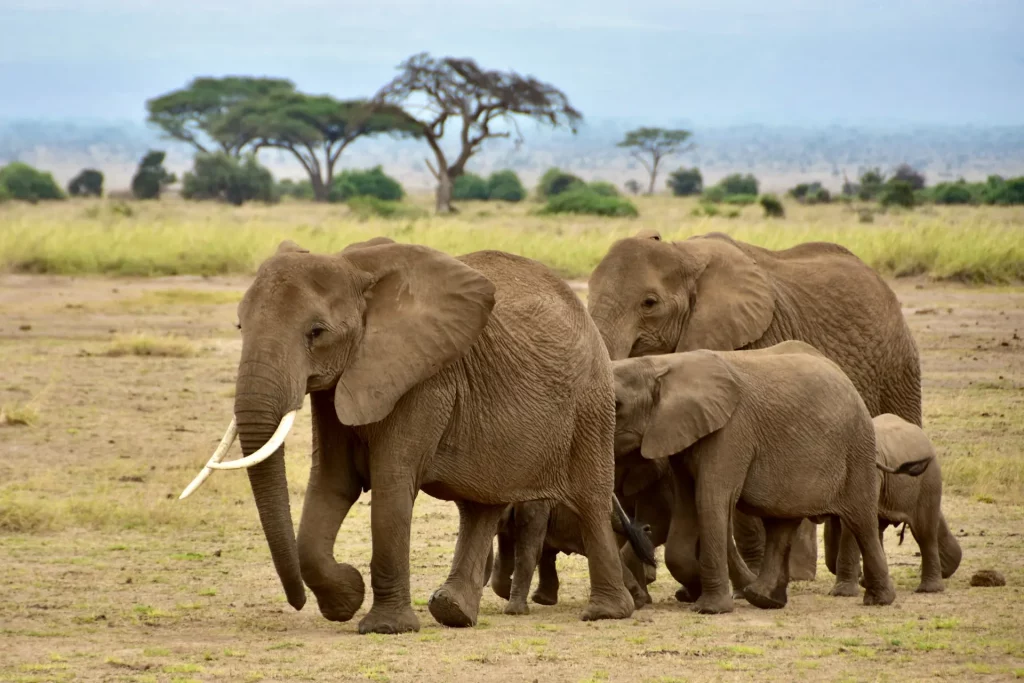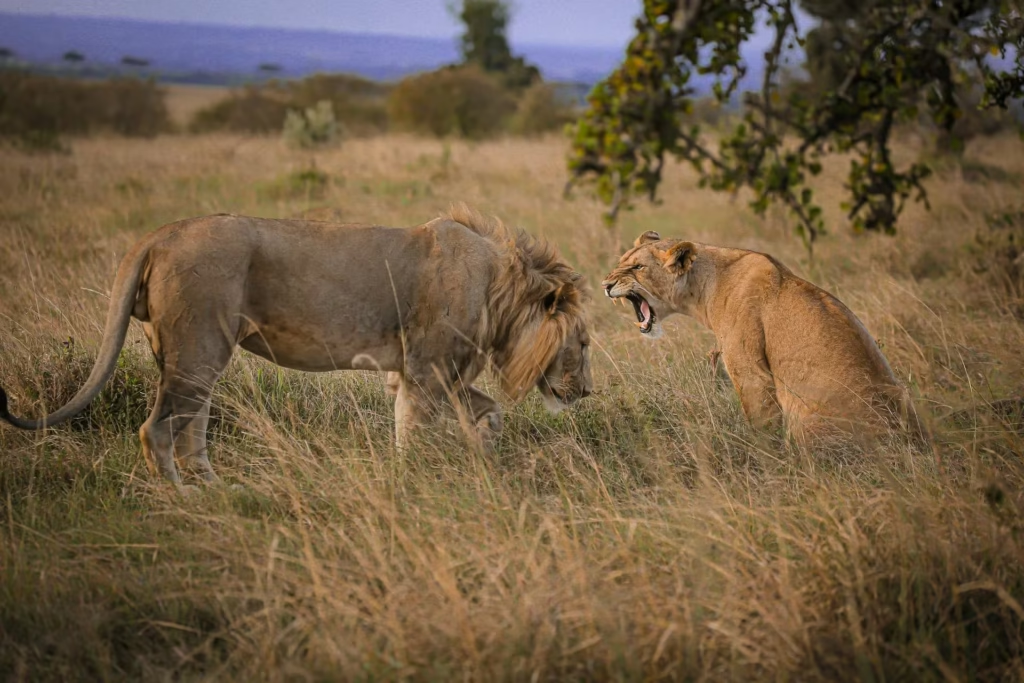
The best time to visit Tanzania for safari is June to October, when dry weather makes wildlife easier to spot across many parks. January to February is another excellent period, especially for wildebeest calving in the southern Serengeti.
The right month depends on what you want to see. Tanzania has two main rainy periods, a long dry season, and a shorter dry period. This guide covers Tanzania weather by month, the Great Migration, the best time to visit major parks, safari costs, and when to combine wildlife viewing with a Zanzibar beach holiday.
Quick Answer: When Should You Visit Tanzania?
- Best overall: June to October for dry weather and wildlife viewing.
- Best for wildebeest calving: January to February in the southern Serengeti.
- Best for migration river crossings: July to September in the northern Serengeti, depending on herd movement.
- Best for lower prices: April to May, when rain can affect travel and some camps close.
- Best for beaches: June to October and January to February for many Zanzibar travellers.
Tanzania's Safari Seasons at a Glance
Tanzania has different weather patterns across its northern parks, southern reserves, western parks, mountains, and coast. The northern safari circuit often remains rewarding throughout the year, while the southern and western parks are more seasonal.
| Season | Months | Weather | Wildlife viewing | Crowds | Price level |
|---|---|---|---|---|---|
| Long dry season | June to October | Mostly dry, cooler mornings | Strong in many parks | High in popular areas | High |
| Short rains | November to December | Short showers and green scenery | Good in many areas | Moderate, higher during holidays | Moderate to high |
| Short dry period | January to February | Warm, with occasional showers | Calving season in the southern Serengeti | Moderate to high | Moderate to high |
| Long rains | March to May | Frequent and sometimes heavy rain | Good in selected areas, with access challenges | Lower in many areas | Often lower |
Rainfall varies by region and year. The seasonal calendar helps with early planning, but check local conditions before choosing your route.
Tanzania Weather Month by Month
January to February
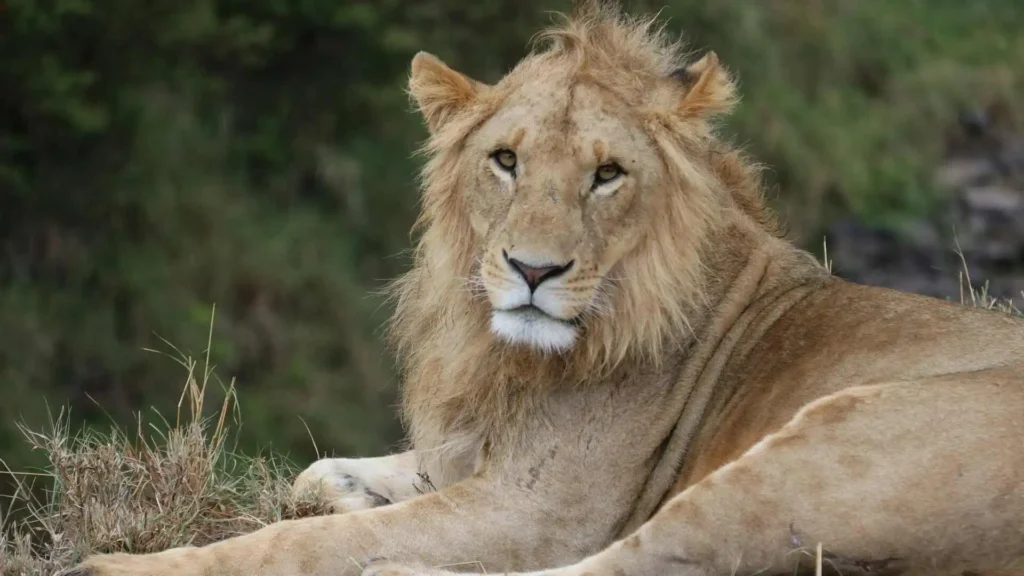
These months are warm and often suitable for safari in the southern Serengeti and Ndutu area. Wildebeest calving usually takes place during this period, attracting predators such as lions, cheetahs, and hyenas. Some rain is possible, but wildlife viewing can be excellent.
Best for: Wildebeest calving, predator photography, birdwatching, and travellers who want to see a different stage of the Great Migration.
March to May
The long rains usually become more intense from March, with April and May often bringing the wettest conditions. The parks turn green, birdlife increases, and visitor numbers fall in many areas. Muddy roads and camp closures can affect travel, especially in southern and western Tanzania.
Best for: Flexible travellers, green landscapes, birdwatching, and those looking for lower accommodation rates. Check camp opening dates before booking.
June
June marks the start of the main dry season across much of Tanzania. Rain often eases, roads become easier to use, and wildlife viewing improves as vegetation begins to thin. In the Serengeti, migration herds may move through the western corridor or continue north.
Best for: Travellers who want dry-season safari conditions before the busiest weeks of July and August.
July to September
These are peak safari months across much of Tanzania. Dry weather and shorter grass can make wildlife easier to spot. The northern Serengeti may offer opportunities to see wildebeest near the Mara River, while Ngorongoro and Tarangire also attract visitors.
Best for: First-time safari visitors, dry-season game drives, and travellers hoping to see the Great Migration in northern Serengeti.
October
October is often dry, though conditions change as the short rains approach. Wildlife viewing can remain strong in the Serengeti, Ngorongoro, Tarangire, and southern parks. Herd movement depends on rainfall and grazing, so migration locations can vary.
Best for: Dry-season wildlife viewing, photographers, and travellers looking for an alternative to the busiest peak weeks.
November to December
The short rains usually arrive in November and may continue into December. Fresh grass creates green landscapes, and migratory birds arrive in many areas. The Great Migration often begins moving south toward the calving grounds. Late December can be busy because of holiday travel.
Best for: Birdwatching, green-season photography, and travellers combining a safari with Zanzibar.
Which Months Suit Your Safari?
| Travel goal | Months to consider |
|---|---|
| General wildlife viewing | June to October |
| Wildebeest calving | January to February |
| Migration in the northern Serengeti | July to September, depending on herd location |
| Birdwatching | November to April |
| Lower accommodation rates | April to May, subject to availability |
| Safari before peak crowds | June or November |
| Safari and Zanzibar | June to October or January to February |
Best Time for the Great Migration in Tanzania
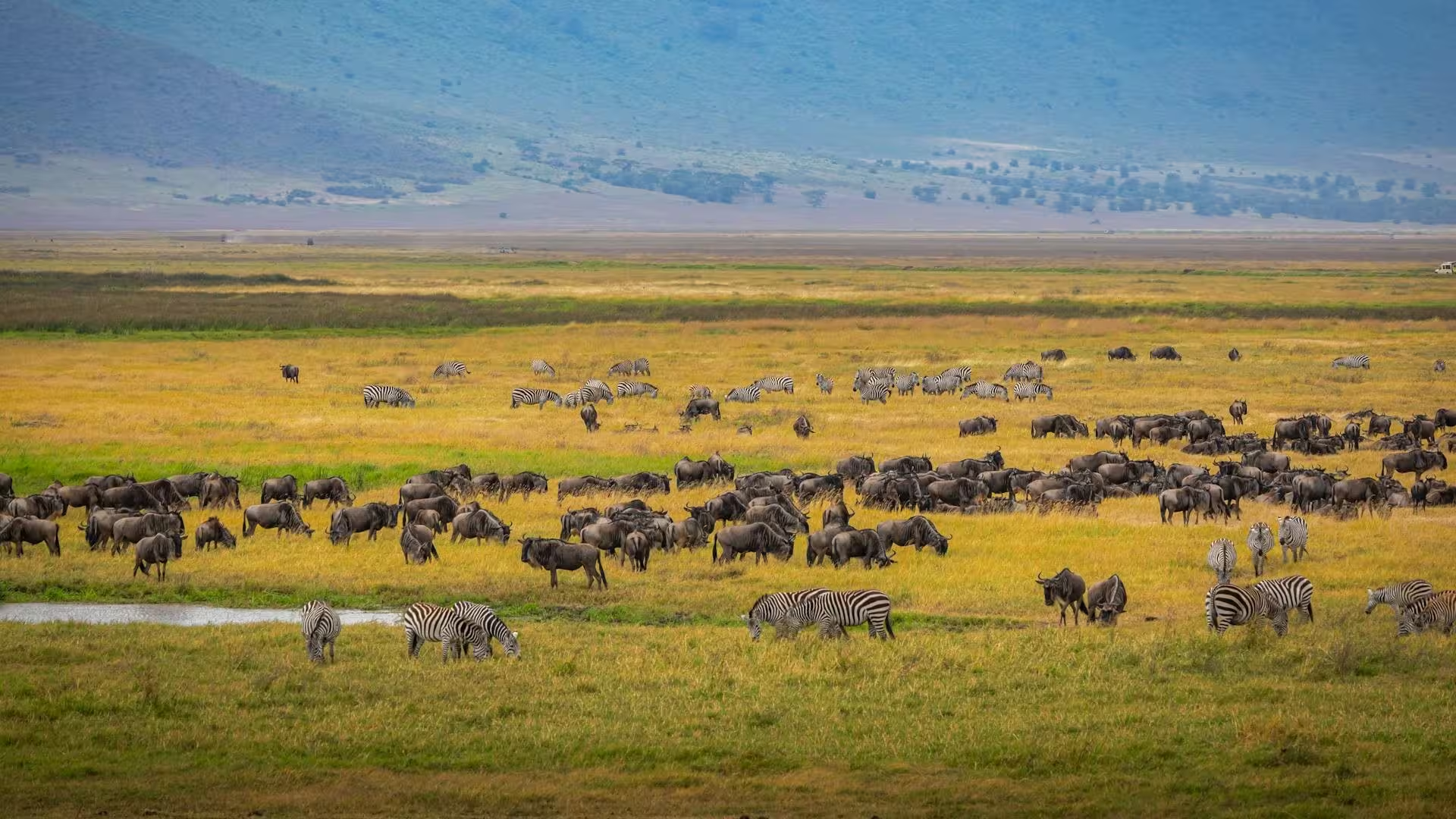
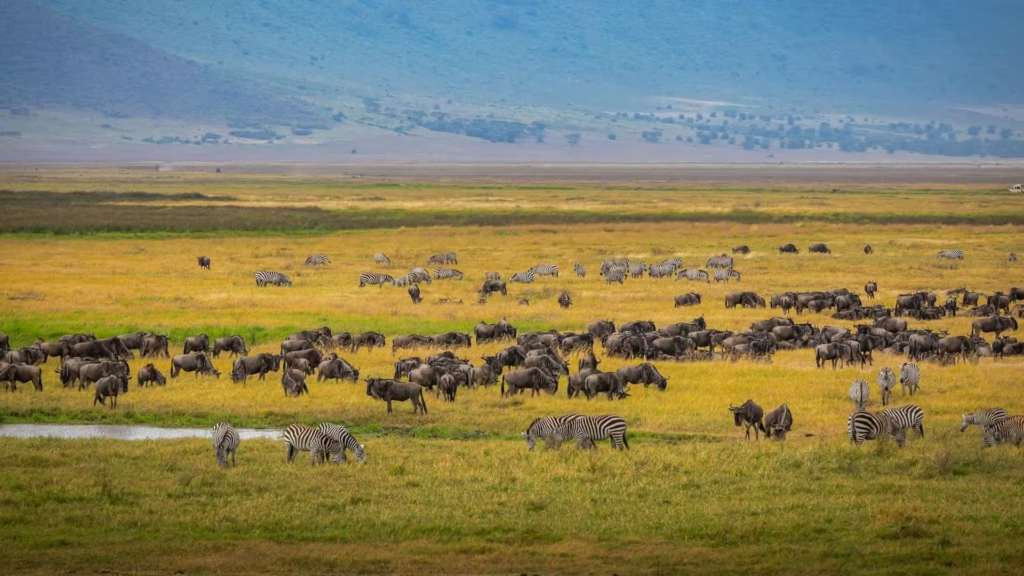
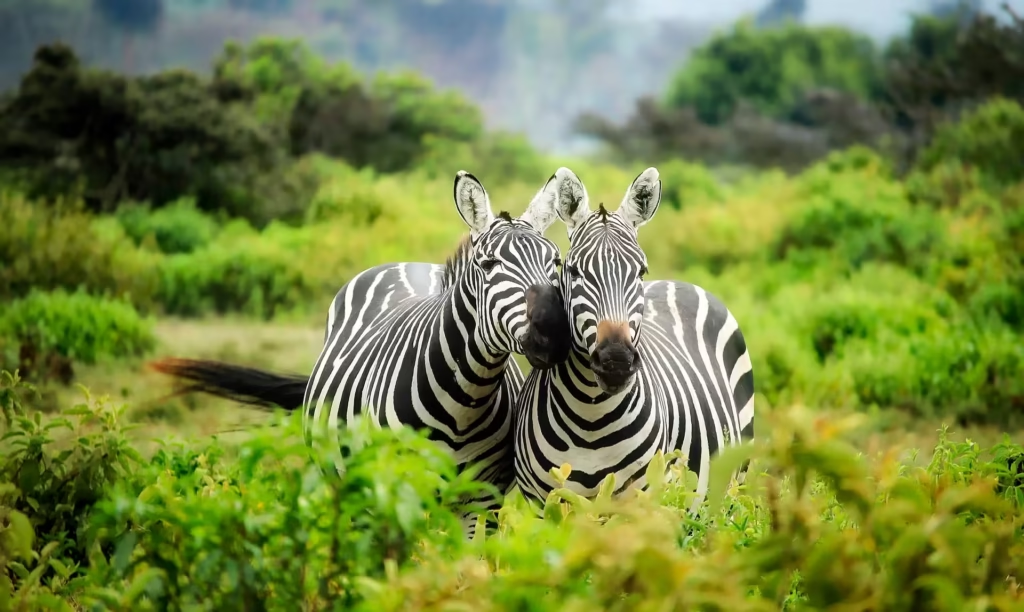
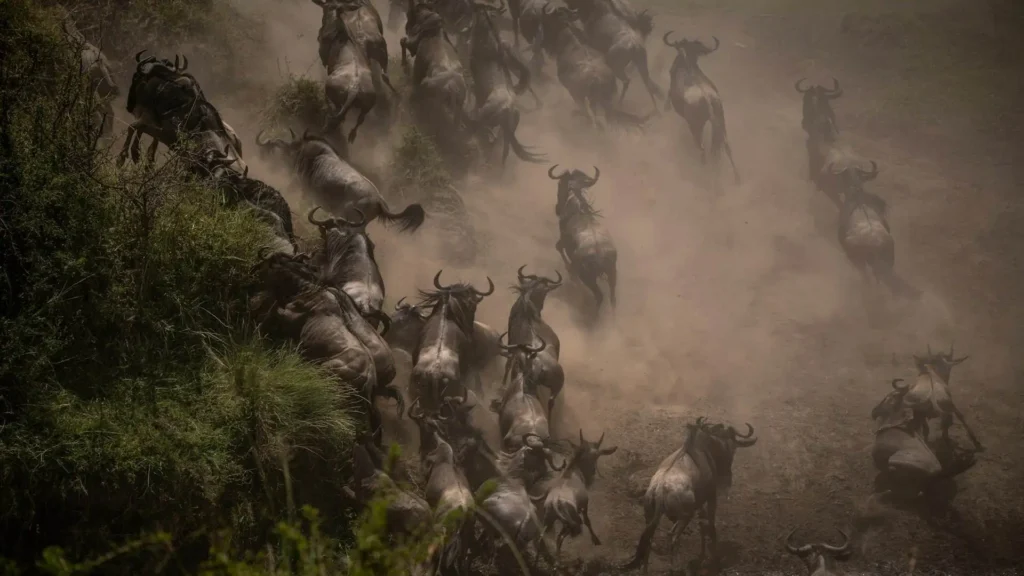
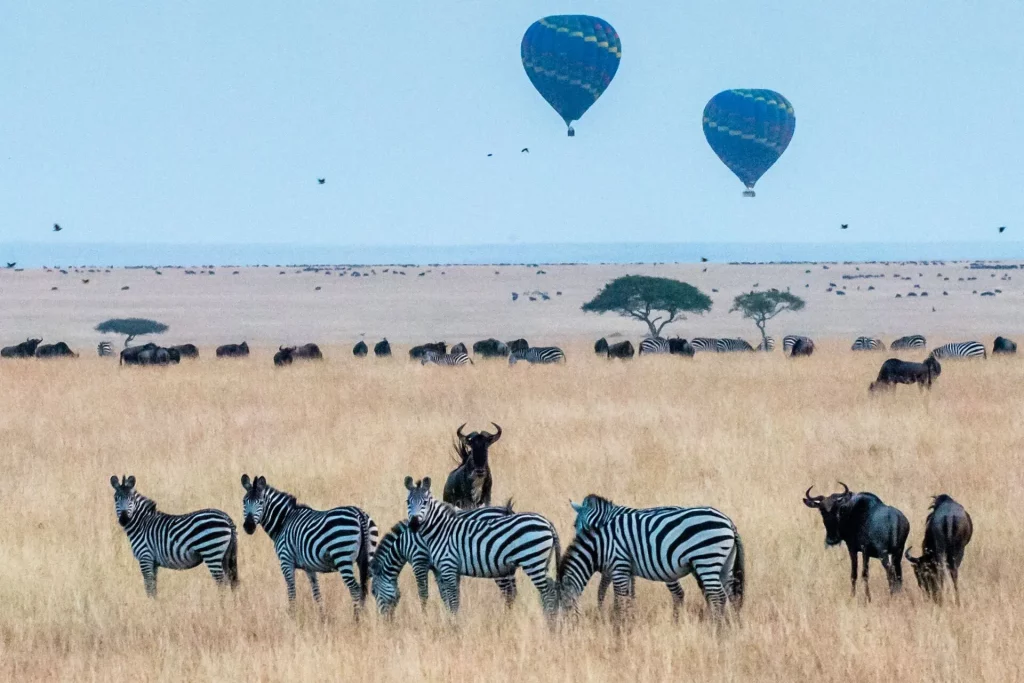
The Great Migration moves through the Serengeti ecosystem throughout the year. More than a million wildebeest travel with large numbers of zebras and other grazing animals, following seasonal grass and water.
- January to March: Many herds gather on the southern Serengeti and Ndutu plains for calving.
- April to May: Herds often move northwest as the rains and grazing conditions change.
- June to July: Migration activity may be seen in the western corridor and areas farther north.
- July to September: Herds may reach the northern Serengeti, where river crossings can occur.
- October to December: Many herds begin moving south as fresh grass becomes available.
River crossings are never guaranteed on a particular date. Herds may remain near a river before crossing, and rainfall can change their movement. Choose the Serengeti region that best matches your travel dates, and allow enough time for game drives.
For a safari across both countries, read our guide to combining a Masai Mara and Serengeti safari.
Best Time to Visit Tanzania by National Park
Serengeti National Park
Best months: June to October for dry-season viewing and migration activity in northern areas. January to February is ideal for calving in the south. The Serengeti offers wildlife viewing throughout the year.
Ngorongoro Conservation Area
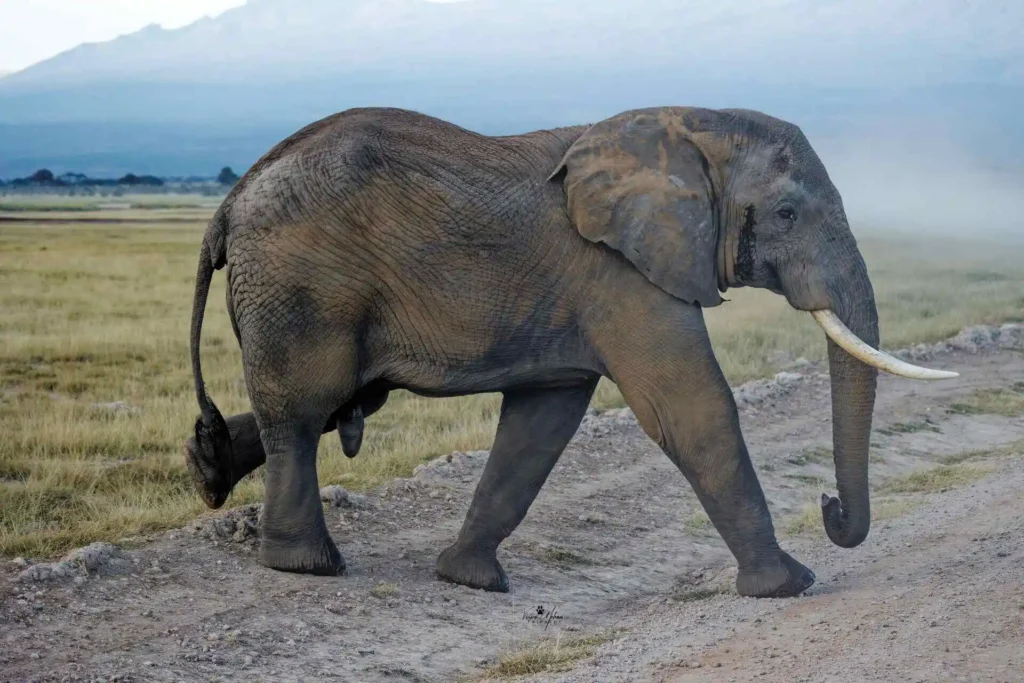
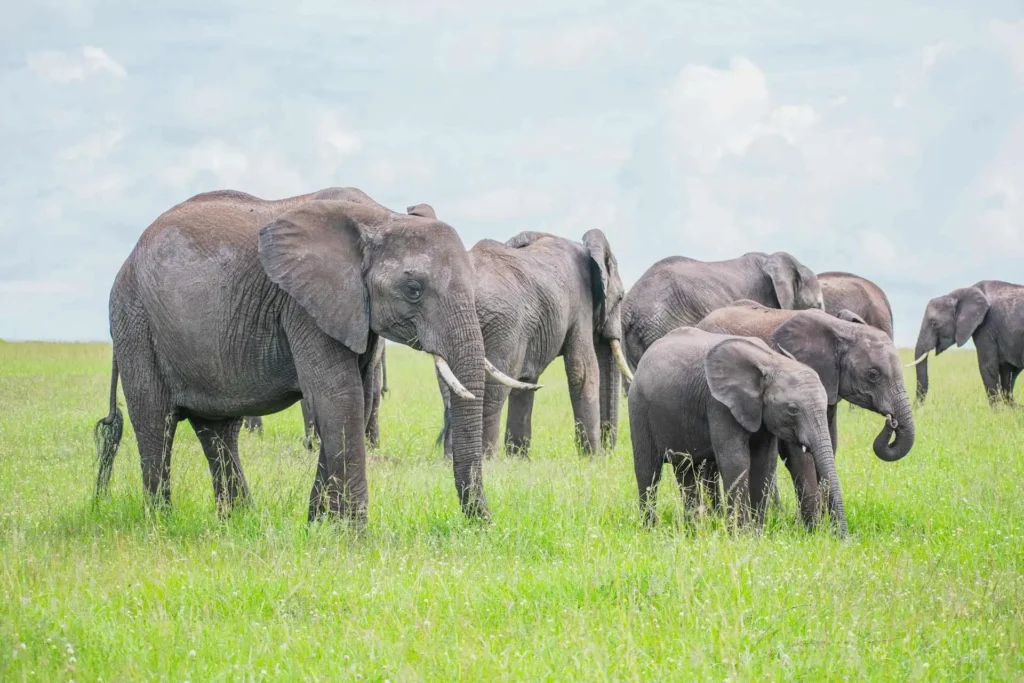
Best months: June to October for dry conditions and wildlife viewing. January to February is also a good option. The crater supports resident wildlife throughout the year, including lions, elephants, buffaloes, and rhinos.
Tarangire National Park
Best months: June to October, when elephants and other animals often gather near the Tarangire River and remaining water sources. Wildlife numbers and locations change with rainfall.
Lake Manyara National Park
Best months: June to October for drier conditions and easier access in many areas. The green season can suit birdwatchers and visitors who enjoy lush scenery. Lake conditions affect bird concentrations.
Zanzibar
Best months: June to October and January to February for many beach holidays. These periods often bring favourable conditions for relaxing on the coast and enjoying water activities. April and May tend to be wetter.
Best Time to Visit Tanzania by Interest
| Interest | Months to consider | Why |
|---|---|---|
| First safari in Tanzania | June to October | Dry conditions and strong wildlife viewing |
| Wildebeest calving | January to February | Newborn animals and predator activity |
| Migration river crossings | July to September | Possible crossings in the northern Serengeti |
| Wildlife photography | January to February, June to October | Calving season or dry-season viewing |
| Birdwatching | November to April | Migratory birds and green landscapes |
| Budget safari | April to May | Lower demand in many areas, with rain-related trade-offs |
| Safari and Zanzibar | June to October, January to February | Options for wildlife and beach time |
| Kilimanjaro trekking | January to March, June to October | Commonly preferred trekking windows, depending on route and conditions |
Peak, Shoulder and Low Season
Peak season, June to October: Dry weather and strong wildlife viewing attract visitors to popular parks. July to September can be especially busy in the Serengeti and Ngorongoro. Camps and flights may sell out early, and rates often rise.
Shoulder periods, January to February and parts of June or November: These months suit specific interests, including calving season and green-season birdwatching. Conditions depend on the region, and prices vary by camp and route.
Low season, mainly April to May: Rainfall can make roads difficult, and some camps close. Travellers may find lower rates and fewer vehicles in some areas, but flexibility is important.
Safari costs depend on accommodation, park fees, transfers, flights, group size, and travel dates. Request a quote for your chosen route rather than relying on a single price for the whole country.
Visas, Health and Entry Rules
Visa requirements depend on your nationality and travel plans. Check the latest instructions through the official Tanzania Immigration visa portal before booking.
Yellow fever vaccination certificates may be required for travellers arriving from countries with a yellow fever transmission risk, including certain transit situations. Check the rules that apply to your route.
Speak with a travel clinic about malaria prevention, vaccinations, and other health advice before departure. Keep copies of your travel documents and confirm entry requirements close to your travel date.
Tanzania Safari Packages to Match Your Travel Dates
Best of Kenya and Tanzania Tour, 11 Days
Explore the famous wildlife areas of Kenya and Tanzania on one safari. This trip suits travellers who want to visit both countries and experience different landscapes, wildlife habitats, and safari destinations.
Best months: June to October for dry-season wildlife viewing. January to February is another option, depending on the route and wildlife priorities.
View the Best of Kenya and Tanzania Tour
Tanzania Safari and Zanzibar Tour, 10 Days
Combine Tanzania's wildlife parks with time on Zanzibar's beaches. This tour suits travellers who want game drives, varied landscapes, and a relaxing coastal stay in one holiday.
Best months: June to October or January to February for many travellers, depending on the safari route and preferred beach activities.
View the Tanzania Safari and Zanzibar Tour
Tanzania Classic Safari, 8 Days
Explore Tanzania's wildlife destinations on an eight-day safari. This option suits travellers who want to focus on the country's safari experience without adding an extended beach stay.
Best months: June to October for dry-season wildlife viewing. January to February can be a good choice if the itinerary includes the southern Serengeti during calving season.
View the Tanzania Classic Safari
Not sure which tour fits your dates? Contact Big Cats with your travel window, group size, and wildlife interests to request the right itinerary.
Tips for Choosing Your Tanzania Safari Dates
- Book several months ahead for July to October and late December.
- Choose the Serengeti region according to the migration stage you want to see.
- Pack warm layers for early morning game drives.
- Ask about camp closures and road conditions during the long rains.
- Check domestic flight schedules before combining distant parks.
- Allow flexibility if migration viewing is your main priority.
Frequently Asked Questions
What is the best month to visit Tanzania?
August is a popular choice for dry-season wildlife viewing and possible migration river crossings in the northern Serengeti. January and February are better for wildebeest calving in the south. The right month depends on your safari priorities.
When is the rainy season in Tanzania?
The long rains usually fall from March to May, with April often bringing heavy rain. Short rains usually arrive in November and December. Conditions vary between the northern parks, southern reserves, western Tanzania, and the coast.
When is the Great Migration in Tanzania?
The Great Migration takes place throughout the year. Calving usually occurs from January to March in the southern Serengeti, while herds may reach the northern Serengeti between July and September. Exact movement depends on rainfall and grazing.
What is the cheapest time to go on safari in Tanzania?
April and May are often among the lower-demand months, and some camps offer reduced rates. Heavy rain can affect road access and camp operations. Compare the total package cost and confirm that your preferred camps are open.
Can you visit the Serengeti during the rainy season?
Yes. The Serengeti supports wildlife throughout the year, and the rainy season brings green scenery, migratory birds, and the calving period in the south. Some roads can be difficult, so choose your camp and route carefully.
What is the best time to combine a Tanzania safari and Zanzibar?
June to October is a popular choice for a safari followed by a beach stay. January and February can also work well, especially if you want to see calving in the southern Serengeti. Allow enough time for transfers between destinations.
Choose the Right Time for Your Tanzania Safari
Choose June to October for dry-season wildlife viewing across many parks. Choose January to February if seeing wildebeest calving in the southern Serengeti is your main priority.
The right dates also depend on your budget, preferred parks, and whether you want to add Zanzibar. View Tanzania safari tours or contact Big Cats to request an itinerary built around your travel dates.