Flying is better for most travelers. It saves a full day, skips the roughest roads, and gives you more time with the animals. Driving costs less, but it uses up most of a safari day.
The Masai Mara in Kenya and the Serengeti in Tanzania sit side by side. They share one ecosystem and one migration. An international border splits them, and that border shapes every transfer between the two parks. This guide compares both options on time, cost, comfort, and paperwork so you can choose with confidence.
Fly or Drive Between Masai Mara and Serengeti?
Flying usually offers the easiest transfer, with some connections taking around 1 to 3 hours of flight and transfer time. Road travel can take most of a day, depending on the route, road conditions, and border checks.
Choose a flight if you have fewer than 10 days or want more game drives. Choose the road if you have extra days, share costs with a group, and enjoy long drives.
Why You Cannot Simply Drive Across
Masai Mara lies in Kenya, while Serengeti lies in Tanzania. The international border separates the two parks, even though they form part of the same wider wildlife ecosystem.
You cannot treat this transfer like a simple drive between two neighboring reserves. You must follow immigration procedures, use an approved border crossing, and arrange suitable transport on both sides.
A poorly timed transfer can take away an entire safari day. You might miss a morning game drive, reach your next camp late, or need another overnight stay.
Your choice also affects the total safari cost. Flights usually cost more upfront, but they can protect valuable game-viewing time. Driving may reduce transport costs, but long travel hours and extra accommodation can narrow the savings.
Before booking, check the location of your current camp and your next lodge. The best route depends on the airstrips, road access, and safari schedule for both properties.
Option One: Flying Between Masai Mara and Serengeti
Flying works in two common ways.
Route A: The border-hop flight. You fly from a Mara airstrip to Migori, a small Kenyan airstrip near the border. A road transfer of about 30 minutes takes you to Isebania, where a guide helps you through passport control. You then continue to Tarime airstrip in Tanzania for the flight into the Serengeti. Tarime sits about 20 minutes by road from the border post.
Route B: The long way round. You fly from the Mara to Nairobi Wilson, then to Kilimanjaro in Tanzania, and on to Seronera in the Serengeti. This route adds connections and waiting time. Operators use it when the direct border-hop flights do not fit your dates.
Pros of flying
- It saves most of a day, so you can add a game drive on your transfer day.
- It avoids long stretches of rough road.
- It gives you aerial views of the plains and, in season, the migration herds.
- It removes the stress of border delays for vehicles.
Cons of flying
- It costs more. One booking platform lists the Mara to Serengeti early morning flight from USD 530 per person. Prices change by season and operator.
- Light aircraft use soft bags and strict weight limits. Plan on about 15 kg (33 lb) and confirm with your operator.
- Weather and airstrip schedules can cause delays.
- You still clear immigration at the border, so the flight does not remove the paperwork.
Who should fly
First-time visitors, families with children, photographers who want maximum time in the parks, and anyone on a short itinerary.
Option Two: Driving
Driving means one long day with a border in the middle.
The first leg runs from your Mara camp to Isebania. That drive takes about 3.5 to 4 hours and covers roughly 150 km (93 miles). You clear Kenyan exit and Tanzanian entry formalities at the border. Then you continue into the Serengeti, usually with a new guide and vehicle.
A Kenyan guide often takes guests as far as Isebania, and a Tanzanian guide continues from Sirari into the park. This handover is normal, so do not worry when your driver changes.
Some tour operators quote 8 to 9 hours for the full transfer, depending on road conditions. Treat that as a minimum. Lodge location, border queues, and weather can push it longer.
Pros of driving
- It costs less than a flight, at least on paper.
- You see rural Kenya and Tanzania up close.
- You have no baggage weight limit.
- You can stop for photos and meals along the way.
Cons of driving
- It consumes a full day, and you rarely fit in a game drive.
- The roads on both sides of the Isebania border are bumpy and uncomfortable.
- You need to buy a vehicle permit to cross the border.
- You arrive tired, which can dull your first evening in the park.
Who should drive
Budget travelers, large groups sharing a vehicle, and people with 12 or more days who do not mind a slow transfer.
Fly vs Drive: Side-by-Side Comparison
| Factor | Flying | Driving |
|---|---|---|
| Travel time | Roughly 3 to 5 hours including the border stop | 8 to 10+ hours |
| Cost | Higher | Lower on paper |
| Comfort | High | Low to moderate |
| Border formalities | Yes, passport control only | Yes, passport control and vehicle permit |
| Luggage | Soft bags, about 15 kg | No strict limit |
| Weather risk | Moderate | Low to moderate |
| Scenery | Aerial views | Ground-level countryside |
| Game drive on transfer day | Often yes | Rarely |
| Best for | Short trips, families, photographers | Budget trips, groups, long itineraries |
Overall, flying wins for most travelers.
Border Crossing and Paperwork
Both options require you to pass through immigration. Plan for these basics.
- Visas: Kenya requires an eTA for most nationalities. Tanzania offers an e-visa. Rules depend on your passport, so check the official immigration sites for your nationality.
- East Africa Tourist Visa: This visa covers Kenya, Uganda, and Rwanda. It does not cover Tanzania.
- Yellow fever certificate: Requirements depend on the countries you travel from. Check before you fly.
- Passport: Keep at least six months of validity and blank pages for stamps.
- Single-entry visas: If your Kenya visa is single entry, ask your operator how it works for your route.
Keep passports, certificates, and printed confirmations in one carry-on pouch. Border officers move quickly when your documents sit ready.
What Each Option Really Costs
The headline price tells only half the story.
A flight costs more per person. A road transfer costs less in fuel and driver fees, but it brings other costs. You pay for the vehicle permit. You often add an extra night because the transfer day leaves no time for a game drive. You may also pay for a second vehicle and guide on the Tanzanian side.
When you add an extra night at a safari camp, the gap between the two options often shrinks. In peak season, a camp night can cost more than the flight itself. Ask your operator for a full price comparison before you decide.
How the Transfer Affects Your Safari Time
Time in the parks is the real currency of a safari. A flight day can look like this.
- Morning game drive in the Mara.
- Brunch at camp.
- Midday flight to the border and onward to the Serengeti.
- Late afternoon game drive in your new park.
A road day looks different. You leave after breakfast and arrive at your Serengeti camp near dusk. You skip both game drives.
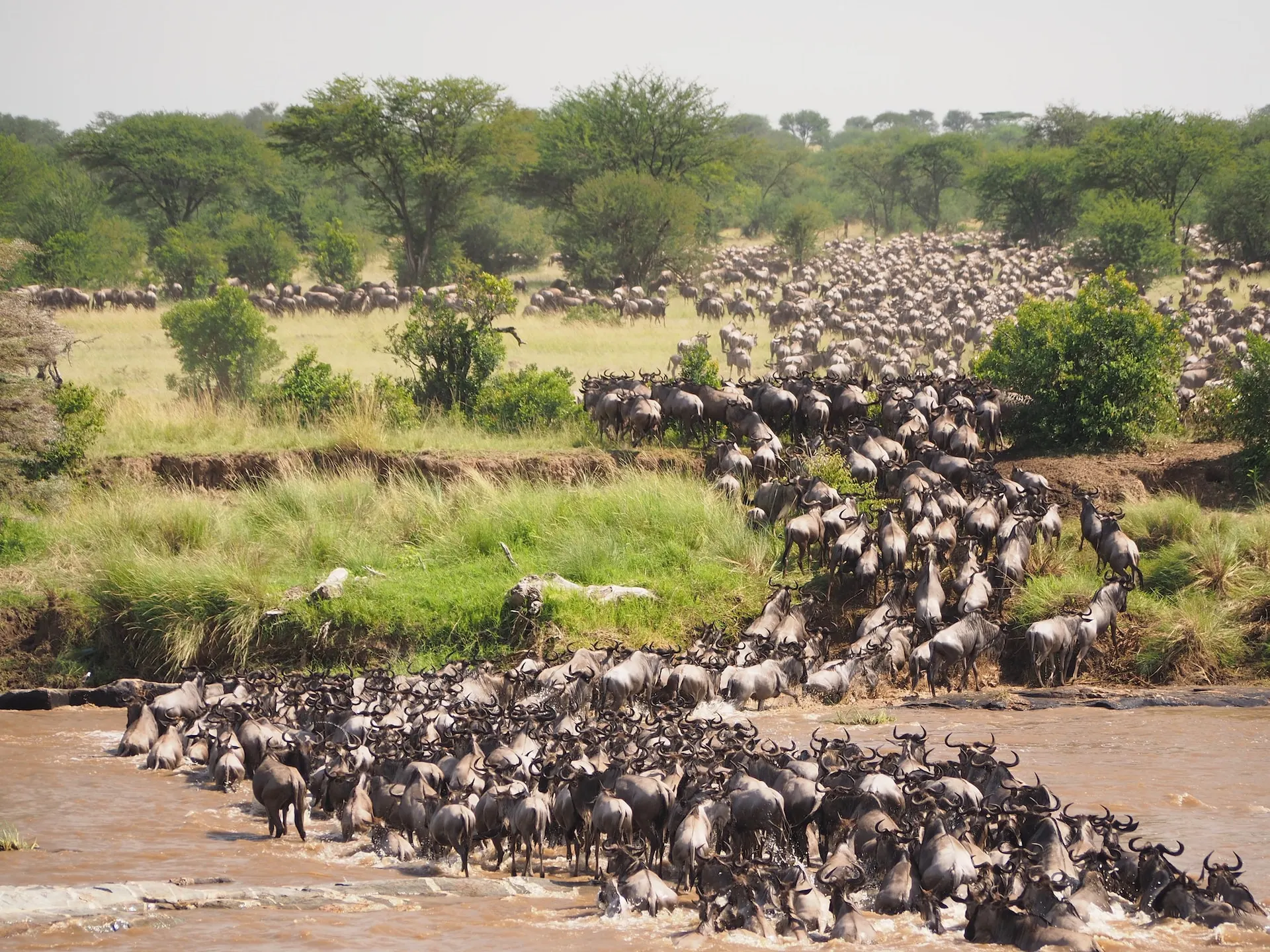
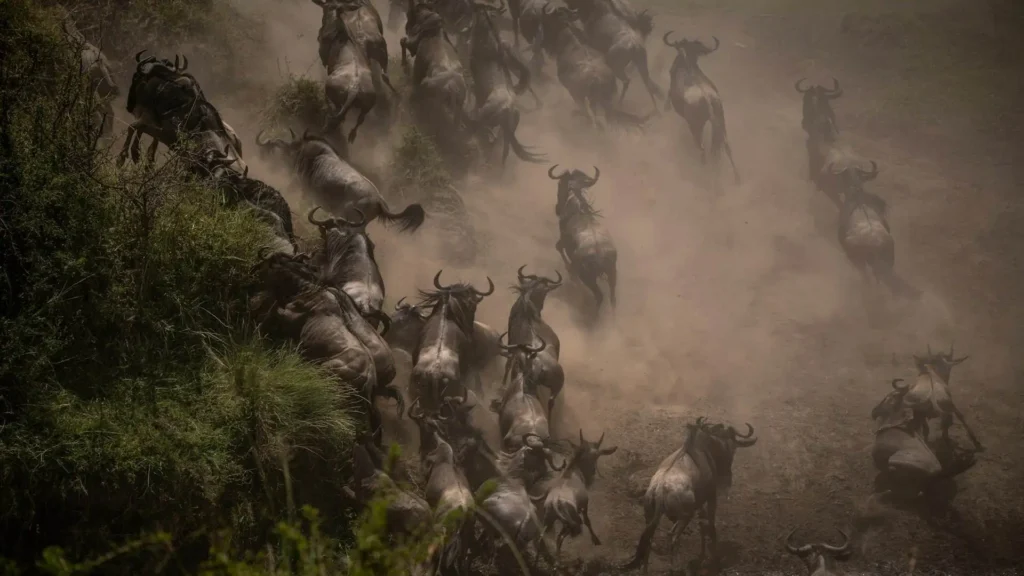
This matters most during the migration. From July to October, the herds cluster around the Mara River and the northern Serengeti. River crossings reward early starts and patient waiting. A lost game drive can mean a missed crossing.
Best Choice by Traveler Type
- First-time safari visitor on 8 to 10 days: Fly.
- Photographer chasing the migration: Fly.
- Family with young children: Fly.
- Budget traveler with 12 or more days: Drive.
- Large group sharing one vehicle: Drive.
- Traveler who gets motion sick on small planes: Drive.
Tips Before You Book
- Book flights early for July to October. Seats on small aircraft sell out.
- Pack in soft duffel bags. Hard suitcases do not fit in light aircraft.
- Build in a buffer day at the end of your trip for delays.
- Ask your operator who handles the border formalities and the guide handover.
- Carry some US dollars in small notes for fees and tips.
- Keep camera gear in your carry-on, and check its weight against the flight limit.
Frequently Asked Questions
Can you drive from Masai Mara to Serengeti?
Yes, but not directly. You drive to the Isebania and Sirari border, clear immigration, and continue into the Serengeti. The full transfer commonly takes 8 to 10 hours or more.
How long does it take to fly from Masai Mara to Serengeti?
The flights themselves are short, but the full journey includes a road stop at the border. Expect roughly 3 to 5 hours from camp to camp.
Is flying worth the extra cost?
For most travelers, yes. A flight saves a full day and often lets you add a game drive. Once you count the extra camp night that driving requires, the cost gap narrows.
Can you cross the border in a safari vehicle?
Yes, with a vehicle permit. Most operators change vehicles and guides at the border instead, since a Kenyan vehicle needs extra paperwork in Tanzania.
What luggage limit applies on safari flights?
Light aircraft typically allow about 15 kg (33 lb) in a soft bag. Limits vary by operator, so confirm before you pack.
Is the road between the parks passable all year?
Usually, but the roads near the border are rough. Heavy rain in the long rains from March to May can slow travel further.
Do you need separate visas for Kenya and Tanzania?
Yes. Each country has its own entry rules. The East Africa Tourist Visa does not cover Tanzania.
Can Big Cats arrange the transfer for me?
Yes. Our team books the flights or the road transfer, handles the border handover, and builds the transfer into your itinerary.
In Short
Fly if you want more safari and less travel. Drive if you want to save money and have the days to spare. Most travelers fly, and most do not regret it.
Ready to plan your trip? View our Africa safari tours or request a custom itinerary with the transfer included.