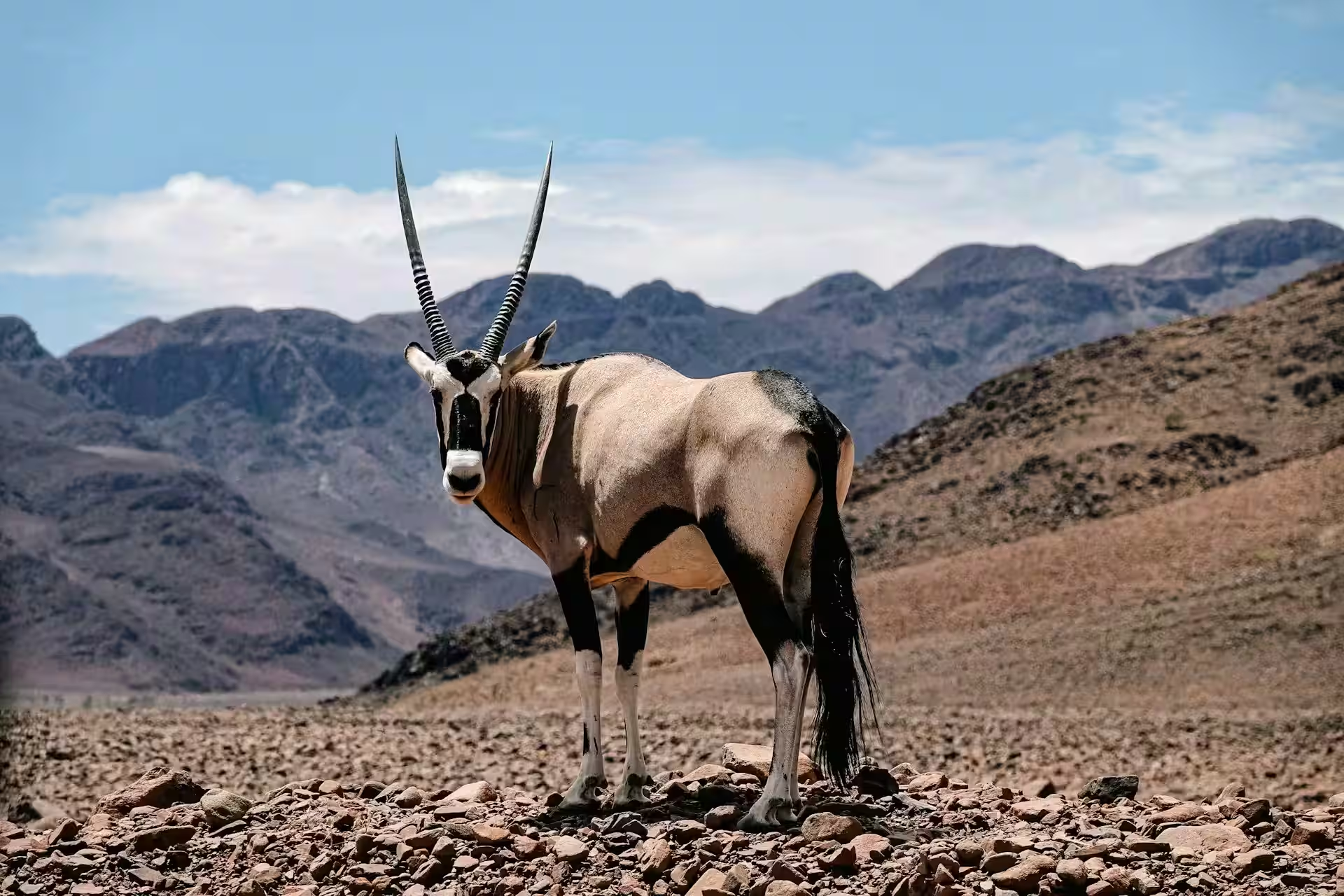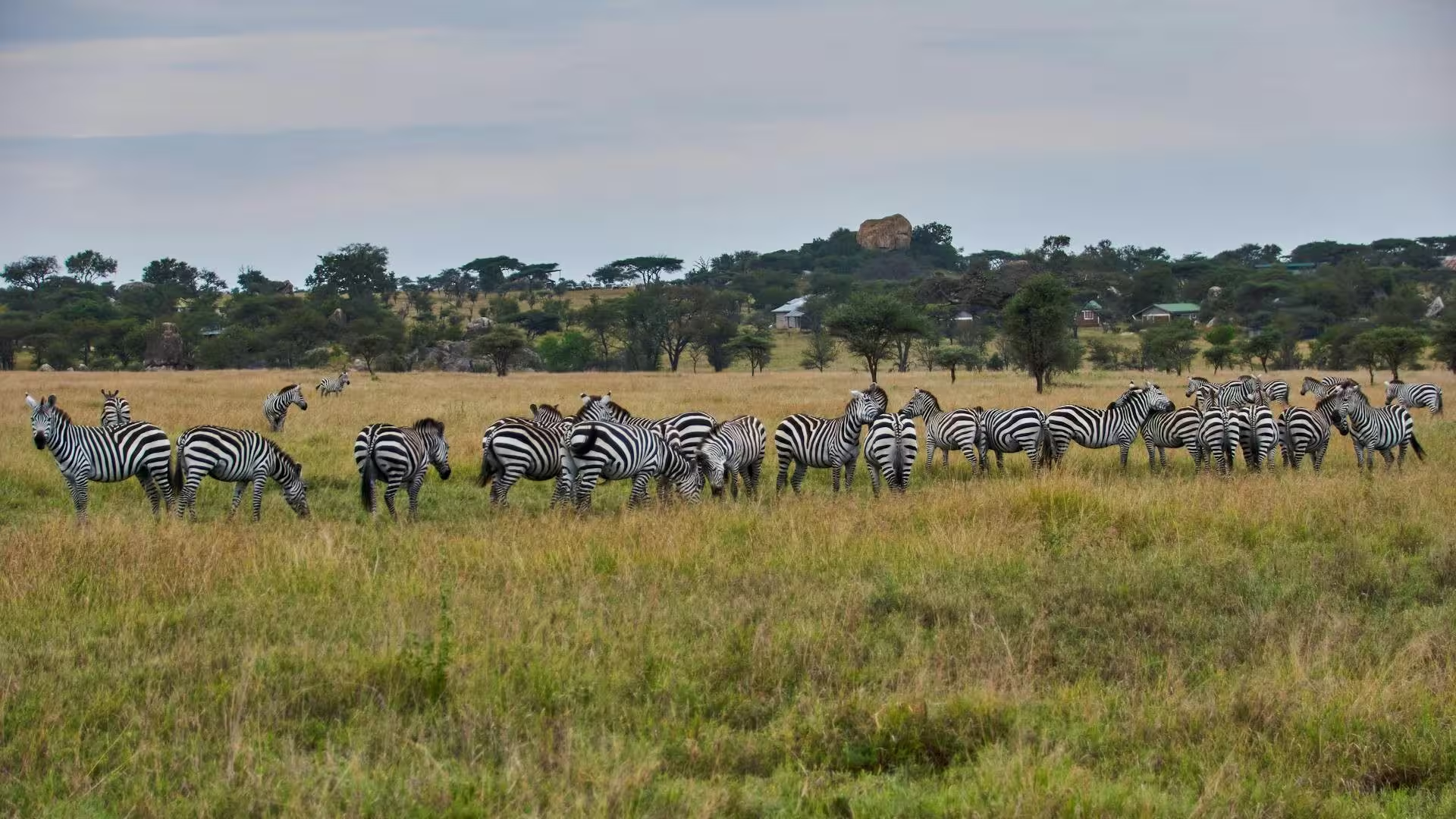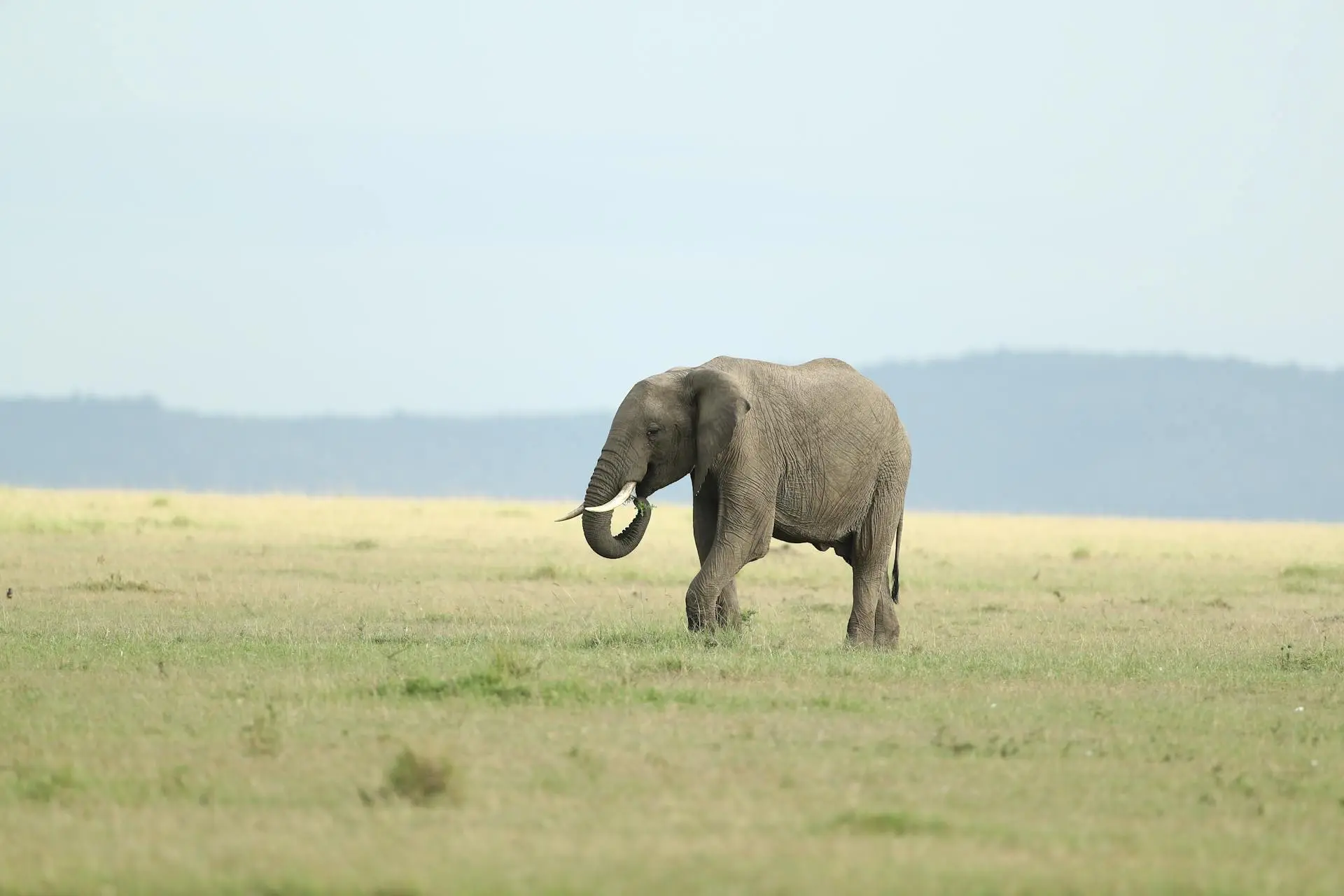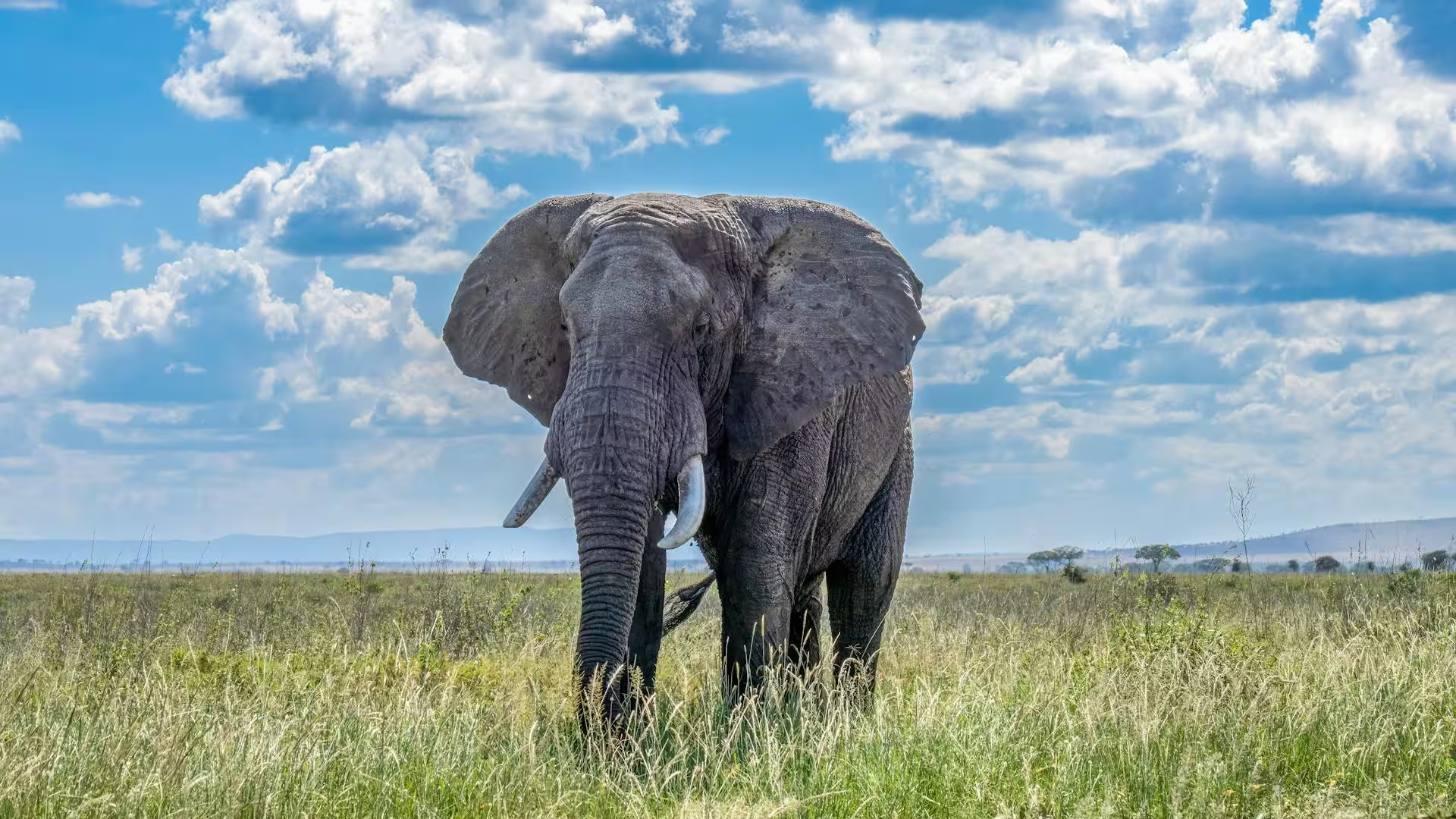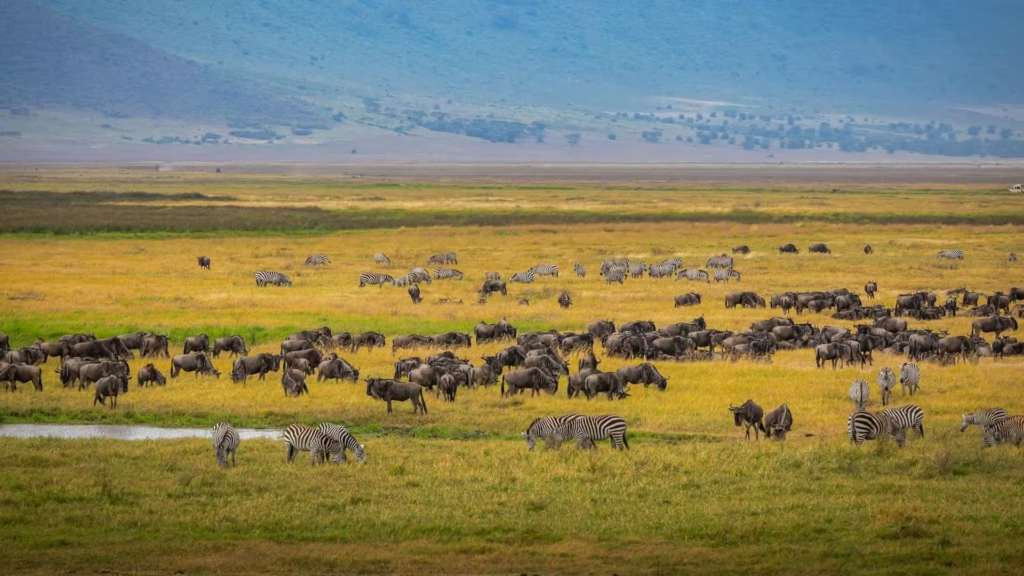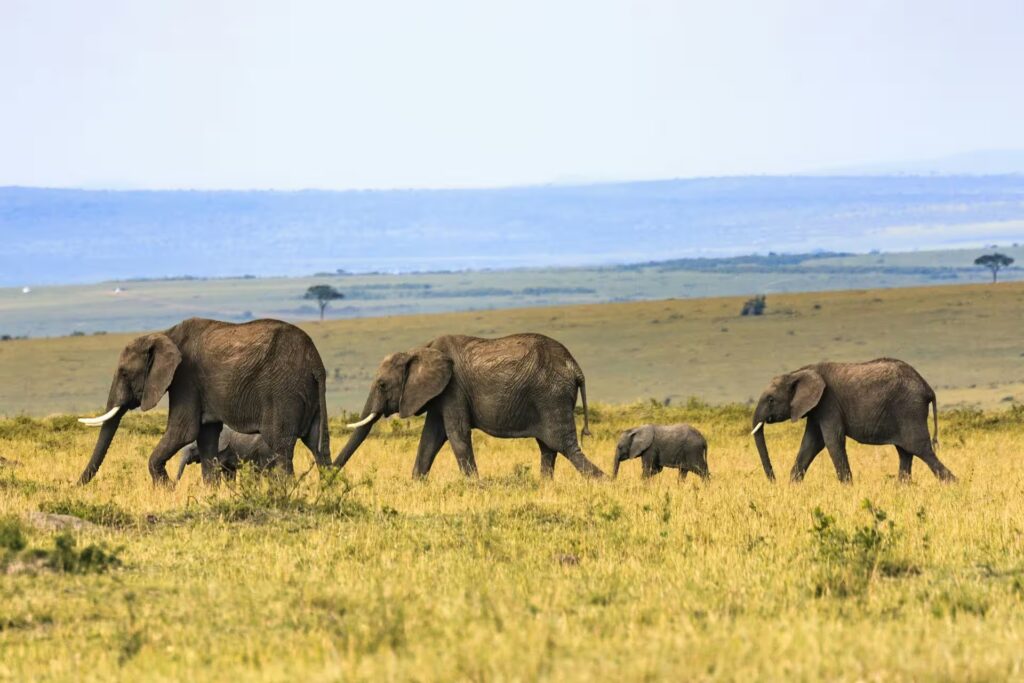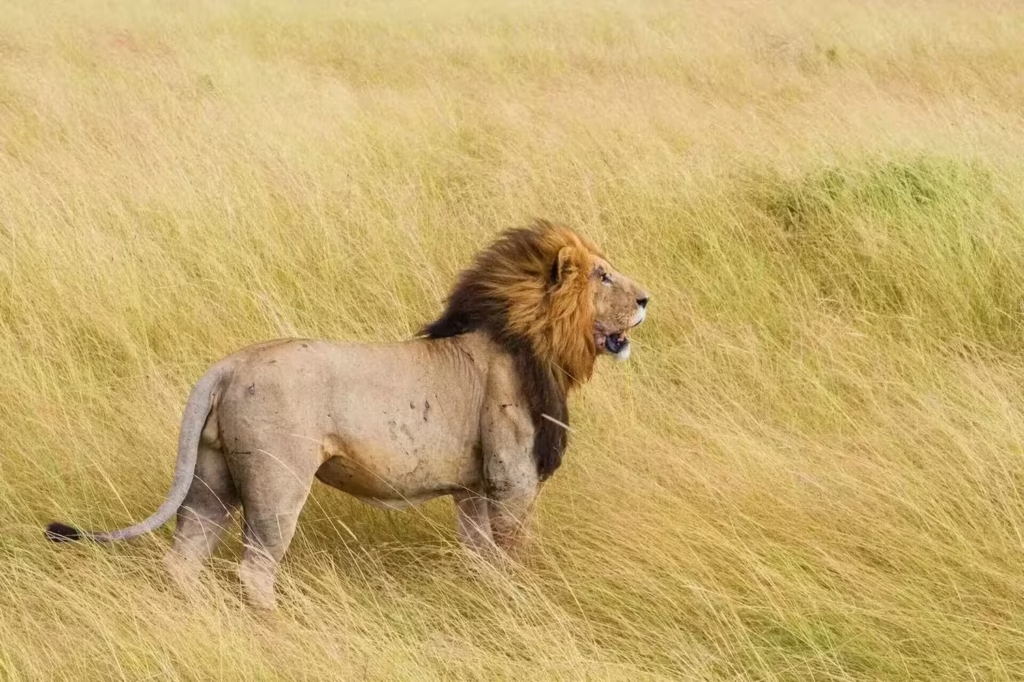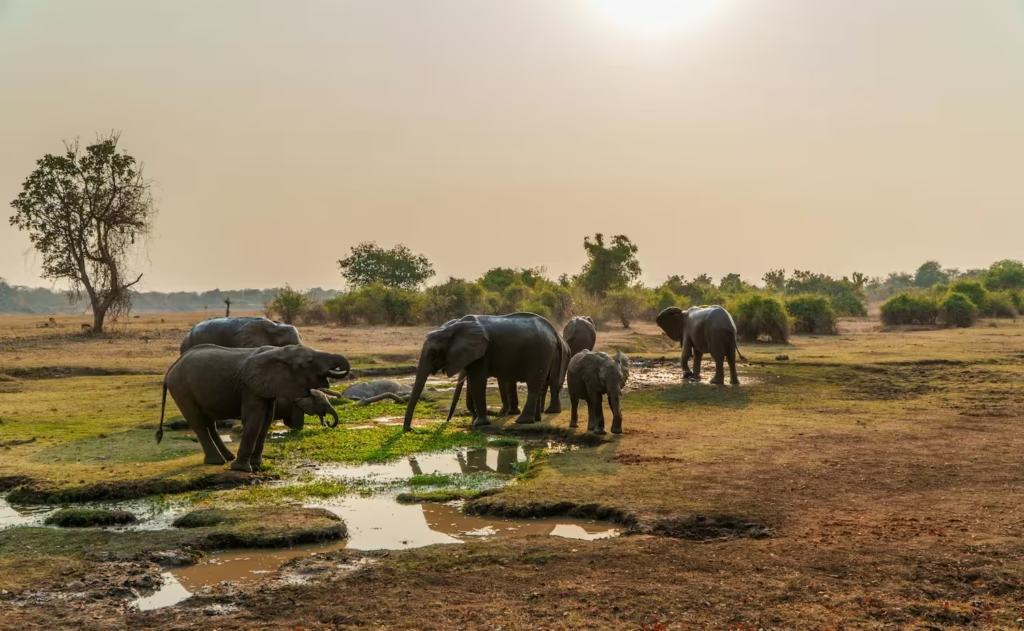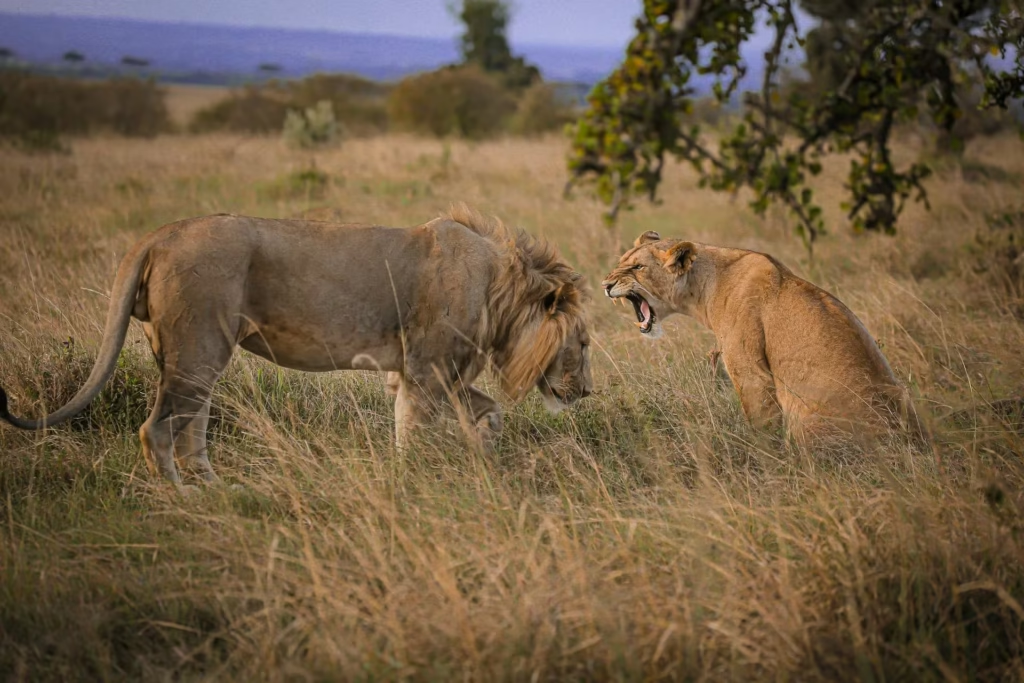
Zambia offers a safari experience shaped by rivers, open plains, woodlands, and remote wilderness. It is known for walking safaris in South Luangwa, river-based wildlife activities in Lower Zambezi, and the wide landscapes of Kafue National Park.
The best time to visit depends on how you want to explore the bush. The dry season brings thinner vegetation and better access to many wildlife areas. The green season transforms the landscape, brings migratory birds, and offers a different setting for photography.
For most travellers, May to October is the best period for a Zambia safari, with July to October often offering strong wildlife-viewing conditions. October can be extremely hot, especially in the Luangwa and Zambezi valleys. The best dates also depend on which camps, activities, and park areas are operating.
When Is the Best Time to Visit Zambia?
Zambia has two main seasons. The dry season usually runs from May to October, while the rainy season lasts from November to April. Conditions change between regions, and some safari camps open only for part of the year.
| Period | Typical conditions | Best suited for |
|---|---|---|
| May to June | Cooler, drier weather with vegetation beginning to thin | Early-season safaris, walking where available, comfortable game drives |
| July to August | Dry conditions and cooler mornings | Walking safaris, game drives, wildlife photography |
| September to October | Hot and very dry, with animals often near rivers and water sources | Big cat viewing, river wildlife, photography |
| November to December | Rains begin and the landscape turns green | Birdwatching, green-season scenery, selected open camps |
| January to March | Main rainy period, with lush vegetation and seasonal access limits | Birdlife and green landscapes where activities operate |
| April | Rains begin to ease and some camps prepare to reopen | Transition-season trips, subject to local conditions |
The dry season makes travel easier in many parks because roads and tracks are more accessible. Wildlife can also be easier to locate as water becomes less available away from permanent rivers. During the rainy season, some roads become difficult or impassable, and many seasonal camps close.
Always check the opening dates of your chosen camp and park area before booking flights and transfers.
Choose Your Travel Dates by Safari Experience
Walking Safaris
Zambia is one of Africa's best-known destinations for walking safaris. South Luangwa played an important role in the development of this style of safari, which lets visitors explore the bush on foot with trained guides.
The dry months are usually best for walking because paths are easier to access and vegetation is less dense. June to August often brings cooler mornings, so pack layers for early starts. September and October are hotter, making the timing and length of walks especially important.
Walking safaris depend on local conditions, guide decisions, and camp operations. Confirm which walking activities are available before choosing your dates.
Big Cat Viewing
South Luangwa, Lower Zambezi, and Kafue all offer opportunities to look for lions and leopards. Each park has different habitats, so the best choice depends on your preferred safari setting.
July to October is a strong period for wildlife viewing in many areas. Dry vegetation can improve visibility, and animals may spend more time around permanent water. October can be very hot, so early morning and late afternoon drives are often more comfortable.
Big cat sightings are never guaranteed. Allow time for several game drives and choose a camp with access to suitable wildlife areas.
River Safaris and Canoeing
Lower Zambezi National Park is known for wildlife along the Zambezi River. Visitors may see elephants, hippos, crocodiles, buffalo, and a variety of waterbirds while exploring the river environment.
The dry season, particularly July to October, is a popular period for river-based safari activities. Water levels and local conditions influence which boating and canoeing trips can operate, so check activity availability with your camp.
River safaris offer a different perspective from vehicle drives. They are especially appealing to travellers who want to combine wildlife viewing with time on the water.
Birdwatching
Zambia has a wide range of bird habitats, including rivers, wetlands, grasslands, and woodlands. The rainy season brings migratory species and breeding activity, while the dry season can make birds easier to observe around shrinking water sources.
November to April can be rewarding for birdwatchers who are comfortable with wet weather and flexible travel arrangements. The dry months are also useful for watching waterbirds around rivers and lagoons.
Choose your dates according to the species you hope to see and check whether your preferred camps remain open during the green season.
Wildlife Photography
The dry season often suits photographers who want clear views of animals against open landscapes. July to October can offer strong viewing opportunities, although the bush may look dry and dusty by the end of the season.
The green season brings lush vegetation, dramatic skies, wildflowers, and young animals. It can produce striking landscape photographs, but thick vegetation and rain can make wildlife harder to locate.
Think about the images you want before choosing your dates. Dry-season trips suit classic wildlife portraits, while the green season offers more colour and varied scenery.
Zambia's Three Main Safari Destinations
Zambia's major parks offer distinct experiences. Choosing between them can help you decide when to travel and how many days to allow.
South Luangwa National Park
South Luangwa is famous for walking safaris, leopard sightings, and wildlife around the Luangwa River and its lagoons. The park includes riverine woodland, open areas, and habitats that support elephants, buffalo, antelope, hippos, and many bird species.
The dry season runs roughly from April to October, with wildlife viewing often strongest from July to October. As water becomes scarce in the bush, animals may gather around rivers and permanent water sources.
The green season brings fresh vegetation and migratory birds. Rain can affect road access, and some camps close for part of the season. A few areas and lodges operate for longer, so confirm availability if you want to visit between November and March.
Lower Zambezi National Park
Lower Zambezi follows the northern bank of the Zambezi River, with a landscape of river channels, woodland, floodplains, and escarpments. Elephants and hippos are common sights near the river, while lions, leopards, buffalo, and other wildlife inhabit the wider park.
July to October is a popular period for wildlife viewing. Dry conditions can make animals easier to find, and the river offers opportunities for boating and selected canoeing activities.
The wet season brings green scenery and excellent birdwatching potential, but road conditions and camp availability can limit travel. Ask your operator which river activities and safari areas will be available on your chosen dates.
Kafue National Park
Kafue is one of Zambia's largest national parks. Its varied habitats include woodland, grassland, river systems, and the seasonal Busanga Plains. The park is suited to travellers who want a broad wilderness experience rather than a trip focused only on large animal sightings.
June to October is generally the main dry safari season. Wildlife viewing becomes easier in many areas as vegetation thins, while access to the Busanga Plains depends on seasonal water levels and camp operating dates.
The green season brings striking landscapes and strong birdlife. Much of Kafue can become difficult to access during heavy rains, so the exact location of your lodge matters. Confirm the seasonal access arrangements before planning a visit.
Which Months Are Best for Each Zambia Safari?
Use this guide to narrow down your travel window. These are broad recommendations, not guarantees of sightings or activity availability.
| Safari priority | Suggested period | Why it suits the trip |
|---|---|---|
| Walking safaris in South Luangwa | June to September | Drier trails and cooler conditions earlier in the season |
| Big cat viewing | July to October | Thinner vegetation and wildlife near water |
| Lower Zambezi river activities | July to October | Popular dry-season period for wildlife and river experiences |
| Kafue and Busanga Plains | July to October | Seasonal access and dry-season viewing conditions |
| Birdwatching | November to April | Migratory birds and green-season habitats |
| Green-season photography | December to March | Lush scenery, dramatic skies, and seasonal wildlife activity |
October can bring intense heat, particularly in the valleys. If you are sensitive to high temperatures, consider June to August or travel earlier in the dry season.
Is the Green Season Worth Visiting Zambia?
Yes, if you want a different safari experience and can remain flexible. The green season usually runs from November to April, bringing rainfall, fresh vegetation, and a change in the appearance of the bush.
Birdwatchers may find the season rewarding because migratory species arrive and many birds become active. Photographers can capture green landscapes, dramatic clouds, and young animals. Visitor numbers may also be lower at camps that remain open.
The trade-off is access. Some camps close, roads can become difficult, and certain safari activities may not operate. Do not assume that every part of South Luangwa, Lower Zambezi, or Kafue is open throughout the year.
Choose a camp with confirmed seasonal operations and plan your transfers around local conditions. If this is your first safari in Zambia and wildlife sightings are your main priority, the dry season is the simpler option.
What to Expect During the Dry Season
The dry season is Zambia's main safari period. Rainfall drops, vegetation becomes thinner, and many routes become easier to navigate.
May and June can bring cool mornings and evenings. Temperatures rise as the season progresses, and September and October can be very hot in lower-lying areas.
Animals may gather near rivers and waterholes as seasonal water sources dry up. This can help guides locate wildlife, although sightings still depend on animal movements and habitat.
Pack lightweight clothing for daytime drives and warm layers for early mornings in June and July. Include sun protection, a hat, and a refillable water bottle. In the hottest months, follow your guide's advice about hydration and activity schedules.
How Far Ahead Should You Book a Zambia Safari?
Zambia has a number of remote camps with limited accommodation. Some operate only during the dry season, and popular camps can fill up well before peak travel dates.
Start by deciding which parks you want to visit and what activities matter most. Then confirm camp opening dates, internal flights, road transfers, and the availability of walking or river-based activities.
Use this order when organising your trip:
- Choose your main parks and preferred travel window.
- Confirm which camps and activities operate during those dates.
- Reserve accommodation and any required internal flights.
- Arrange transfers between parks and airstrips.
- Leave enough time in each destination for multiple safaris.
If you want to visit more than one park, allow enough time for transfers. A shorter trip focused on one destination can be more rewarding than rushing between several remote areas.
How Many Days Do You Need for a Zambia Safari?
The ideal trip length depends on whether you want to explore one park or combine several landscapes.
4 to 5 Days: Focus on One Park
A short trip works well if you want to concentrate on South Luangwa or Kafue. You can settle into one area, enjoy multiple game drives, and add walking or other activities where available.
7 Days: Combine Two Safari Regions
A week can give you time to explore Lower Zambezi and Kafue. This combination offers different habitats and activities, from river-based wildlife viewing to game drives in a vast wilderness area.
Check transfer times and camp locations before finalising the route. Some areas require charter flights or lengthy road journeys.
Longer Trips: Explore More of Zambia
A longer itinerary can combine South Luangwa, Lower Zambezi, and Kafue. This gives you a wider range of wildlife habitats and safari activities.
Allow time to enjoy each destination rather than treating the parks as quick stops. The best route depends on seasonal camp openings, transport schedules, and your main wildlife interests.
What to Pack for a Zambia Safari
Your packing list should reflect both the season and the activities you plan to do.
- Lightweight, neutral-coloured clothing for game drives.
- Warm layers for cool mornings and evenings during early dry season.
- Comfortable walking shoes and suitable clothing for guided walking safaris.
- Sun hat, sunglasses, and sunscreen.
- Waterproof jacket and bag protection during the rainy season.
- Binoculars for birds and distant wildlife.
- Camera equipment with protection against dust and moisture.
- Insect repellent and personal medication.
- Reusable water bottle for outdoor activities.
For walking safaris, follow the camp's instructions on footwear, clothing, and equipment. Your guide will explain the requirements for each activity.
Zambia Safari Packages
Choose a safari based on the time you have and the landscapes you want to explore. These packages cover South Luangwa, Lower Zambezi, and Kafue.
South Luangwa Safari, 5 Days
A focused trip for travellers who want to explore South Luangwa's wildlife and experience one of Zambia's best-known walking safari regions.
Duration: 5 Days
Lower Zambezi & Kafue Safari, 7 Days
A two-park journey for travellers who want to combine the Zambezi River landscape with the broad habitats of Kafue National Park.
Duration: 7 Days
Kafue Safari, 4 Days
A shorter wilderness trip for travellers who want to focus on Kafue's diverse landscapes and wildlife.
Duration: 4 Days
Review the itinerary and seasonal operating dates for each package before choosing your travel window. The green season may require different camps, routes, or activities.
Frequently Asked Questions
What is the best month to visit Zambia for a safari?
July to September is a strong period for wildlife viewing in many of Zambia's main safari parks. October can also offer good sightings but is very hot in some regions. The best month depends on your destination and preferred activities.
When is the best time for a walking safari in South Luangwa?
The dry season is usually best for walking safaris, with June to September offering a useful balance of accessible trails and less intense heat than October. Activity availability depends on camp operations and local conditions.
Is October too hot for a Zambia safari?
October can be extremely hot, especially in South Luangwa and Lower Zambezi. Wildlife viewing can be rewarding, but visitors should prepare for high temperatures and follow their guide's advice on timing and hydration.
Can you visit Zambia during the rainy season?
Yes, but not every park or camp operates throughout the rainy season. Some roads become difficult to use, and access to certain areas is restricted. Choose a camp with confirmed operations for your dates.
When is the best time for birdwatching in Zambia?
November to April can be rewarding because migratory birds arrive and the landscapes become greener. Birdwatching is also good in the dry season, especially around rivers and lagoons.
What is the best time to visit Kafue National Park?
June to October is generally the main dry-season window for Kafue. The Busanga Plains are seasonal and are usually accessible from around July to early November, depending on water levels and local operations.
What is the best time to visit Lower Zambezi National Park?
July to October is a popular period for wildlife viewing and river activities. The wet season brings greener scenery and birdlife, but camp operations and access can be more limited.
How many days should you spend on a Zambia safari?
Four to five days can work for one park, while seven days allows time to combine two regions. A longer trip can include South Luangwa, Lower Zambezi, and Kafue, provided you allow enough time for transfers.
Final Advice for Choosing Your Zambia Safari Dates
Choose July to September if you want dry-season wildlife viewing and comfortable conditions for many safari activities. June can suit travellers who prefer cooler weather, while October can offer strong wildlife viewing in hotter conditions.
The green season is worth considering for birdwatching, lush landscapes, and a different view of Zambia's wilderness. Confirm camp opening dates and transport options before booking, especially if you want to visit remote areas.
For a first trip, focus on one or two parks and allow time for multiple safaris. South Luangwa, Lower Zambezi, and Kafue each offer a different way to explore Zambia's wildlife.