Few wildlife encounters compare with seeing a rhinoceros in its natural habitat.
A rhino can look almost prehistoric as it moves through open grassland, woodland or wetland. Its size is impressive, yet some rhinos can vanish quickly into tall vegetation.
Africa and India offer some of the best places to see rhinos in the wild. Each destination offers a different safari experience.
In Kenya, you can search for black and white rhinos across open grasslands. In Namibia, rhinos survive in some of Africa's driest areas. In India, greater one-horned rhinos move through tall grass, wetlands and forest edges.
If rhinos are high on your safari list, these 10 destinations deserve a place on your plans.
1. Kaziranga National Park, India
Best for: Greater one-horned rhinos
Kaziranga National Park in Assam is one of the world's most important strongholds for the greater one-horned rhino.
The park covers floodplains, tall elephant grass, wetlands and woodland. These habitats support a large range of wildlife.
Asian elephants, wild water buffalo, swamp deer, hog deer and many bird species share the park with its rhinos.
A Kaziranga safari feels very different from a typical African game drive. Tall grass can hide animals from view. A rhino can appear only a short distance from the safari vehicle.
Rhinos are one of Kaziranga's main attractions. They are not the only reason to visit.
The park offers excellent opportunities to see elephants, wild buffalo, deer and many wetland birds. Tigers are present too, though sightings require patience and luck.
Best time to visit: November to April
Safari experience: Jeep safaris operate in designated zones. Elephant rides are available in selected areas under local rules and current regulations.
Kaziranga works well as part of a wider Assam wildlife itinerary. Travellers can combine it with Manas National Park and other wildlife areas in the state.
2. Ol Pejeta Conservancy, Kenya
Best for: Black and white rhinos
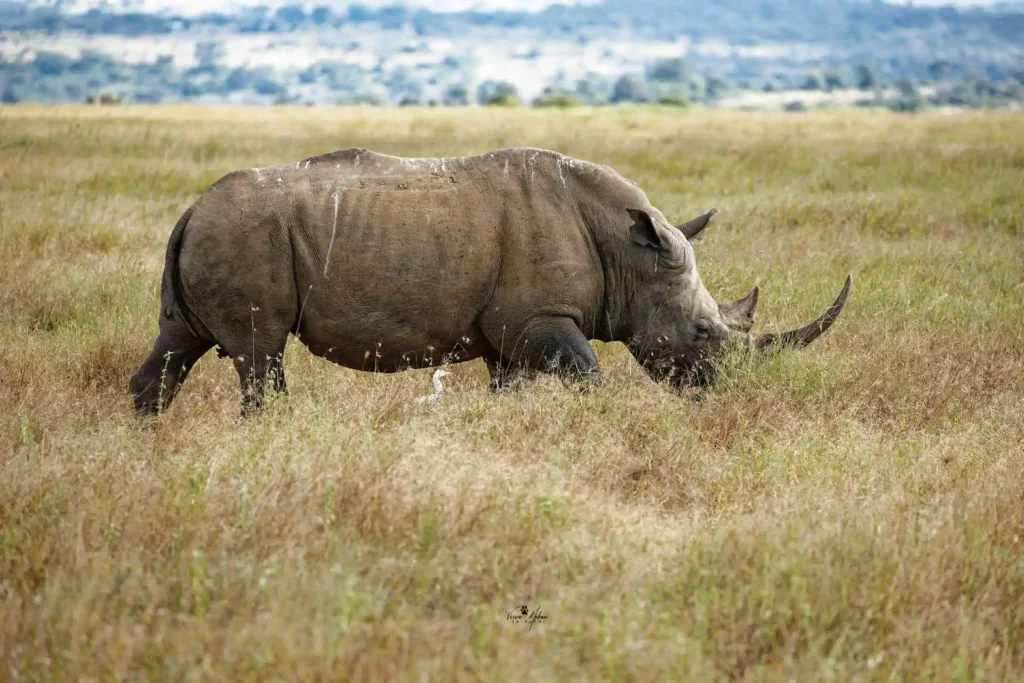
Ol Pejeta Conservancy sits in Kenya's Laikipia region. It is one of Kenya's leading rhino conservation areas.
The conservancy protects black and southern white rhinos across a large protected area. Open grasslands make wildlife viewing rewarding.
The area supports much more than rhinos. Lions, elephants, giraffes, Grevy's zebras and other wildlife live here.
Ol Pejeta has a strong focus on rhino protection. Visitors can learn about the work involved in protecting endangered wildlife and managing large conservation areas.
A rhino safari at Ol Pejeta can form part of a longer Kenya itinerary. The Maasai Mara, Samburu and Amboseli can fit into wider safari plans.
Best time to visit: June to October and January to February
Safari experience: Guided game drives provide opportunities to search for rhinos and other wildlife across the conservancy.
The conservancy offers a different experience from Kenya's large national parks. Visitor numbers can be lower in some areas, and conservation remains a central part of the experience.
3. Lake Nakuru National Park, Kenya
Best for: White and black rhinos
Lake Nakuru National Park is one of Kenya's well-known rhino destinations.
The park surrounds Lake Nakuru in the Great Rift Valley. Its habitats include grassland, woodland, rocky areas and wetland.
Both black and southern white rhinos live in the park.
The lake itself adds another dimension to the safari. Birdlife can be excellent, and the park supports giraffes, buffalo, lions, leopards and other animals.
Lake Nakuru fits easily into many Kenya safari itineraries. It sits between Nairobi and the Maasai Mara, making it practical for travellers planning a longer route through southern Kenya.
A visit can add rhino viewing without requiring a major change to the rest of your safari plan.
Best time to visit: June to October and January to February
Safari experience: Guided game drives take visitors through the national park.
Early morning drives can offer good conditions for wildlife viewing. Afternoon drives provide another opportunity to explore the park.
4. Lewa Wildlife Conservancy, Kenya
Best for: Rhino conservation and diverse wildlife
Lewa Wildlife Conservancy lies in northern Kenya, near the foothills of Mount Kenya.
The conservancy protects black and white rhinos across a large wildlife area. Its work extends beyond rhino protection and includes habitat management and support for local communities.
The area supports elephants, Grevy's zebras, giraffes, lions and many other species.
Lewa suits travellers who want rhino sightings within a broader conservation-focused safari.
The conservancy offers a different setting from Kenya's better-known national parks. Its northern location can form part of a safari that includes Samburu and other Laikipia destinations.
Best time to visit: June to October
Safari experience: Private conservancy game drives and other wildlife activities are available through individual safari camps and lodges.
Rhino sightings are never guaranteed. Guides track wildlife carefully and follow local rules around animal encounters.
Lewa can suit travellers who want more time in northern Kenya. It works particularly well for longer safaris that combine several wildlife areas.
5. Ngorongoro Conservation Area, Tanzania
Best for: Black rhinos
The Ngorongoro Conservation Area is one of Tanzania's most famous wildlife destinations.
The Ngorongoro Crater forms the centre of many safari itineraries in northern Tanzania. Its crater floor supports large numbers of wildlife within a relatively compact area.
Black rhinos are among the species found here.
The crater offers a dramatic setting for wildlife viewing. Grasslands, woodland and wetlands support lions, elephants, buffalo, hippos, flamingos and many other animals.
Black rhino sightings require patience. These animals have large territories and can spend time away from busy areas.
A Ngorongoro safari often forms part of a longer northern Tanzania itinerary. The Serengeti, Tarangire and Lake Manyara can be added to the same trip.
Best time to visit: June to October for dry conditions and strong wildlife viewing.
Safari experience: Guided game drives operate on the crater floor.
The crater's compact wildlife area makes it a popular stop for travellers with limited time. It can still fit into longer safaris focused on big cats, elephants and other African wildlife.
6. Etosha National Park, Namibia
Best for: Rhinos in an arid setting
Etosha National Park offers one of Africa's most distinctive safari environments.
The huge Etosha Pan dominates the park. Surrounding areas contain open plains, woodland and waterholes.
Black and white rhinos live in the park. Sightings are not guaranteed, but the dry season can create good opportunities around water sources.
Waterholes play an important role in Etosha's wildlife experience. Animals gather around reliable water as the dry months continue.
The result can be excellent wildlife viewing from selected waterholes. Rhinos, elephants, giraffes, zebras and antelope can appear around the same areas.
Etosha suits travellers who want a rhino safari combined with Namibia's dry northern scenery.
Best time to visit: June to October
Safari experience: Guided game drives and self-drive safaris are available in different parts of the park.
The dry season usually brings clearer conditions for wildlife viewing. Vegetation becomes less dense, and animals often spend more time near water.
Etosha can form part of a longer Namibia itinerary that includes Damaraland, Sossusvlei and the Skeleton Coast.
7. Kruger National Park, South Africa
Best for: Black and white rhinos
South Africa remains one of Africa's main destinations for rhino conservation and safari tourism.
Kruger National Park offers opportunities to see both black and white rhinos across a huge protected area.
The park covers nearly 20,000 square kilometres. Habitats range from open grassland to dense woodland and riverine areas.
Each game drive can bring a different wildlife experience. Rhinos can appear near roads, water sources or in areas of thicker vegetation.
Kruger offers more than rhino viewing. Lions, leopards, elephants and buffalo live across the park.
Travellers can choose between Kruger itself and private reserves along its western boundary. Private reserves often offer a more intimate safari setting and specialist guiding.
Best time to visit: May to September for dry weather and cooler conditions.
Safari experience: Guided game drives operate in Kruger and private reserves.
The dry season often makes animals easier to locate. Water sources become more important, and vegetation becomes thinner in many areas.
Kruger works well for travellers who want a broader Big Five safari with rhinos included in the itinerary.
8. Matobo National Park, Zimbabwe
Best for: Black rhinos and rugged terrain
Matobo National Park in southern Zimbabwe offers a different kind of rhino safari.
The park is known for large granite formations, rocky terrain and open woodland. It is an important area for black and white rhino conservation.
The terrain shapes the wildlife experience. Rhino tracking can involve more focused wildlife viewing than a standard vehicle-based game drive.
Walking activities can provide a closer look at the area's plants, rocks and wildlife. All walking experiences follow local safety rules and guide instructions.
Matobo can form part of a wider Zimbabwe safari. Victoria Falls and Hwange National Park are popular additions.
The park also has strong cultural and historical value. Ancient rock art and important sites add another layer to a visit.
Best time to visit: May to October
Safari experience: Guided game drives and walking activities are available in selected areas.
Rhino sightings depend on animal movements and local conditions. Guides track signs such as footprints and dung during specialist walking experiences.
Matobo suits travellers who want a quieter wildlife experience away from some of Africa's larger safari parks.
9. North Luangwa National Park, Zambia
Best for: Remote black rhino experiences
North Luangwa National Park is one of Zambia's more remote wildlife areas.
The park has fewer visitors than many of Africa's better-known safari destinations. Its remote setting gives visitors a chance to experience a less developed safari area.
Black rhinos have been reintroduced to the wider North Luangwa ecosystem through conservation programmes.
The park is not designed for travellers seeking easy or guaranteed wildlife sightings. It suits visitors who value remote wilderness and specialist safari experiences.
Walking safaris form an important part of Zambia's wildlife tourism tradition. Activities depend on current park conditions, seasonal access and operator arrangements.
North Luangwa can be a strong choice for experienced safari travellers who want something beyond the usual routes.
Best time to visit: June to October
Safari experience: Remote game drives and walking safaris are available in selected areas and seasons.
The dry months offer better access across much of Zambia. Wildlife gathers around water sources, and grass becomes shorter in many areas.
North Luangwa requires more planning than a standard safari destination. Specialist operators handle access, camps and guiding arrangements.
10. Pobitora Wildlife Sanctuary, India
Best for: High-density greater one-horned rhino sightings
Pobitora Wildlife Sanctuary sits in Assam, not far from Guwahati.
The sanctuary covers a much smaller area than Kaziranga. It is well known for its population of greater one-horned rhinos.
Grasslands and wetlands provide suitable habitat for rhinos. The sanctuary supports other wildlife too.
Wild water buffalo, leopards and many bird species can be found in the area.
Pobitora suits travellers with limited time in Assam. Its location makes it easier to add to an itinerary starting or ending in Guwahati.
A short safari here can provide a strong introduction to Assam's rhino country.
Best time to visit: November to April
Safari experience: Jeep safaris and guided wildlife experiences operate under local regulations.
Pobitora can be paired with Kaziranga for a longer Assam wildlife trip. Manas National Park can add another major wildlife destination to the same itinerary.
African Rhinos vs Indian Rhinos
Africa and India offer very different rhino safari experiences.
Africa is home to the black rhino and white rhino. India is home to the greater one-horned rhino.
The greater one-horned rhino has one horn and thick folds of skin across its body. It lives mainly in grasslands, wetlands and riverine areas.
African black and white rhinos have two horns. Their body shape and feeding habits differ from the greater one-horned rhino.
These differences are easy to notice during a safari.
A Kaziranga safari takes you through tall grasslands, wetlands and woodland. An African rhino safari can take place across open plains, dry woodland or semi-arid areas.
The species you want to see can help shape your destination choice.
When Is the Best Time to See Rhinos?
Rhinos can be seen throughout much of the year in many destinations. Seasonal conditions still affect wildlife viewing, road access and vegetation.
Kenya
June to October is a popular period for safari trips. January and February can provide good conditions too.
Dry weather reduces vegetation in many areas. Wildlife often gathers near water sources.
Tanzania
June to October is a popular period for wildlife viewing around the Ngorongoro area.
The dry season can make animals easier to locate across open areas. Morning temperatures can be cool, so warm clothing helps during early drives.
Namibia
June to October is a popular period for visiting Etosha.
The dry season increases the importance of permanent water sources. Wildlife often gathers around these areas.
South Africa
May to September brings dry and cooler conditions to much of Kruger.
Thinner vegetation can make wildlife easier to spot. Water sources become useful places for wildlife viewing.
Zimbabwe and Zambia
June to October forms the main safari season in many parts of Zimbabwe and Zambia.
Road conditions are often better during the dry months. Wildlife also gathers around remaining water sources.
India
Kaziranga and other rhino areas in Assam generally operate from November into April.
Park opening dates can change with weather and local conditions. Check current park information before booking your safari.
Which Rhino Species Can You See in the Wild?
Five rhino species survive today.
Black rhino: Found across parts of eastern and southern Africa. It prefers a range of habitats, including woodland and scrub.
White rhino: Found mainly in eastern and southern Africa. It often feeds on short grass in open areas.
Greater one-horned rhino: Found in parts of India and Nepal. It prefers grasslands, wetlands and riverine habitats.
Javan rhino: One of the world's rarest large mammals. Its remaining wild population lives in Indonesia.
Sumatran rhino: Critically endangered and extremely difficult to see in the wild. It survives in small populations in Indonesia.
For a conventional wildlife safari, Africa and India offer the most practical opportunities to see rhinos in their natural habitats.
How to Have a Responsible Rhino Safari
A rhino encounter should never come at the animal's expense.
Choose safari operators that follow park rules and responsible wildlife-viewing practices.
Keep a safe distance from rhinos. Never pressure a guide to move closer for a photograph.
Keep noise low around wildlife. Never feed animals or try to attract them toward a safari vehicle.
Your guide should put animal welfare ahead of getting a better photograph.
Responsible safari tourism can support protected areas and conservation work. It can support local communities too.
Follow the rules set by each park or conservancy. Stay inside designated areas and listen to your guide during every wildlife encounter.
A good photograph is worth far less than a calm and undisturbed animal.
Can You Combine a Rhino Safari With a Big Five Safari?
Yes.
Rhino sightings can form part of a wider wildlife itinerary in several African destinations.
In Kenya, you can combine Ol Pejeta or Lake Nakuru with the Maasai Mara. This creates a varied safari covering rhinos, big cats, elephants and other wildlife.
In Tanzania, Ngorongoro can be combined with the Serengeti and Tarangire. This route offers different habitats and strong opportunities for big cat viewing.
In South Africa, Kruger and nearby private reserves offer opportunities to see rhinos alongside lions, leopards, elephants and buffalo.
In India, Kaziranga can be combined with other wildlife areas in Assam. Travellers can focus on rhinos, elephants, wild buffalo, birds and tigers.
The right itinerary depends on your target species, travel dates and available time. Your safari style matters too.
Some travellers prefer private reserves and smaller camps. Others prefer large national parks and longer game drives.
Plan Your Rhino Safari
A rhino safari offers much more than a wildlife checklist.
The destination shapes the experience. So do the season, safari length, accommodation and type of protected area.
You can search for black rhinos in Kenya, white rhinos in South Africa or rhinos around Etosha's waterholes in Namibia.
India offers a very different experience. Kaziranga and Pobitora provide opportunities to see the greater one-horned rhino in its natural habitat.
BigCatsSafari can build a wildlife itinerary around the species and destinations you want to experience.
Our safari planning covers Africa and India, with itineraries shaped around wildlife, accommodation, travel time and local safari conditions.
Plan your bespoke rhino safari with BigCatsSafari.
From Kenya's grasslands to India's Assam floodplains, your safari can focus on rhinos and the wider wildlife of each destination.