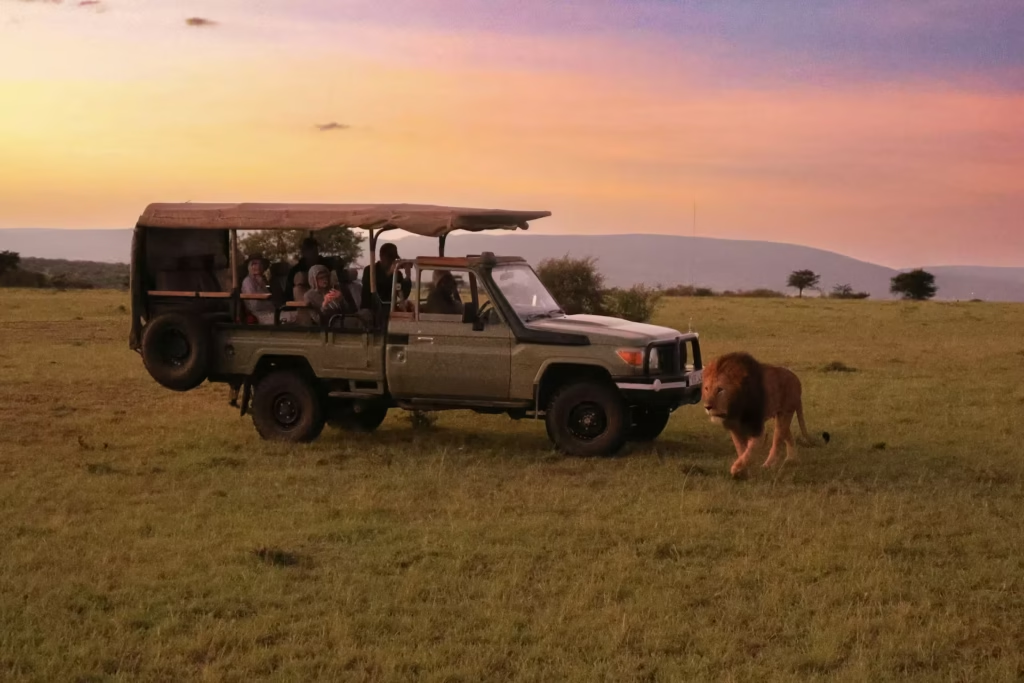
The best time to visit Namibia is May to October, when dry weather and cooler days suit wildlife viewing, desert trips, and road travel. July to October is especially good for spotting animals around waterholes in Etosha National Park.
Namibia is different from many African safari destinations. Much of the country has a dry desert climate, and its landscapes remain a major attraction throughout the year. The right travel dates depend on whether you want wildlife, desert photography, birdwatching, or a coastal holiday. This guide explains Namibia weather by month, the best time to visit its main destinations, and which safari package suits your trip.
Best Time to Visit Namibia at a Glance
- Best overall: May to October for dry weather and comfortable travel.
- Best for wildlife: July to October, especially in Etosha National Park.
- Best for desert photography: May to September, with cool mornings and clear skies.
- Best for birdwatching: November to April, when migratory birds and seasonal water attract birdlife.
- Best for green landscapes: January to April, depending on rainfall.
- Best for a self-drive trip: May to October, when rain is less likely to disrupt remote roads.
Namibia's Climate and Safari Seasons
Namibia has a mostly dry climate, with hot summers and cooler winters. Daytime temperatures can rise sharply inland, while desert nights can become very cold. The Atlantic coast is cooler because of the cold Benguela Current, and fog is common around Swakopmund, Walvis Bay, and parts of the Skeleton Coast.
| Season | Months | Typical conditions | Best suited for |
|---|---|---|---|
| Dry season | May to October | Clear skies, little rain, cool nights | Wildlife viewing, desert trips, self-drive holidays |
| Early rainy season | November to December | Hotter days, occasional showers | Birdwatching and changing landscapes |
| Main rainy season | January to April | Warm weather, thunderstorms, greener scenery | Birdlife, landscape photography, quieter travel |
The rainy season does not affect every region in the same way. Inland parks can receive summer rainfall while the coast stays cool and dry. Namibia is a year-round destination, but your preferred activities should guide your dates.
Namibia Weather Month by Month
May to June
Rainfall usually decreases, and temperatures become more comfortable for long drives and outdoor activities. Landscapes may retain some green colour from the previous rainy season. Wildlife viewing improves as water becomes less available across the landscape.
Best for: Road trips, desert photography, and early dry-season safaris with fewer peak-season crowds.
July to September
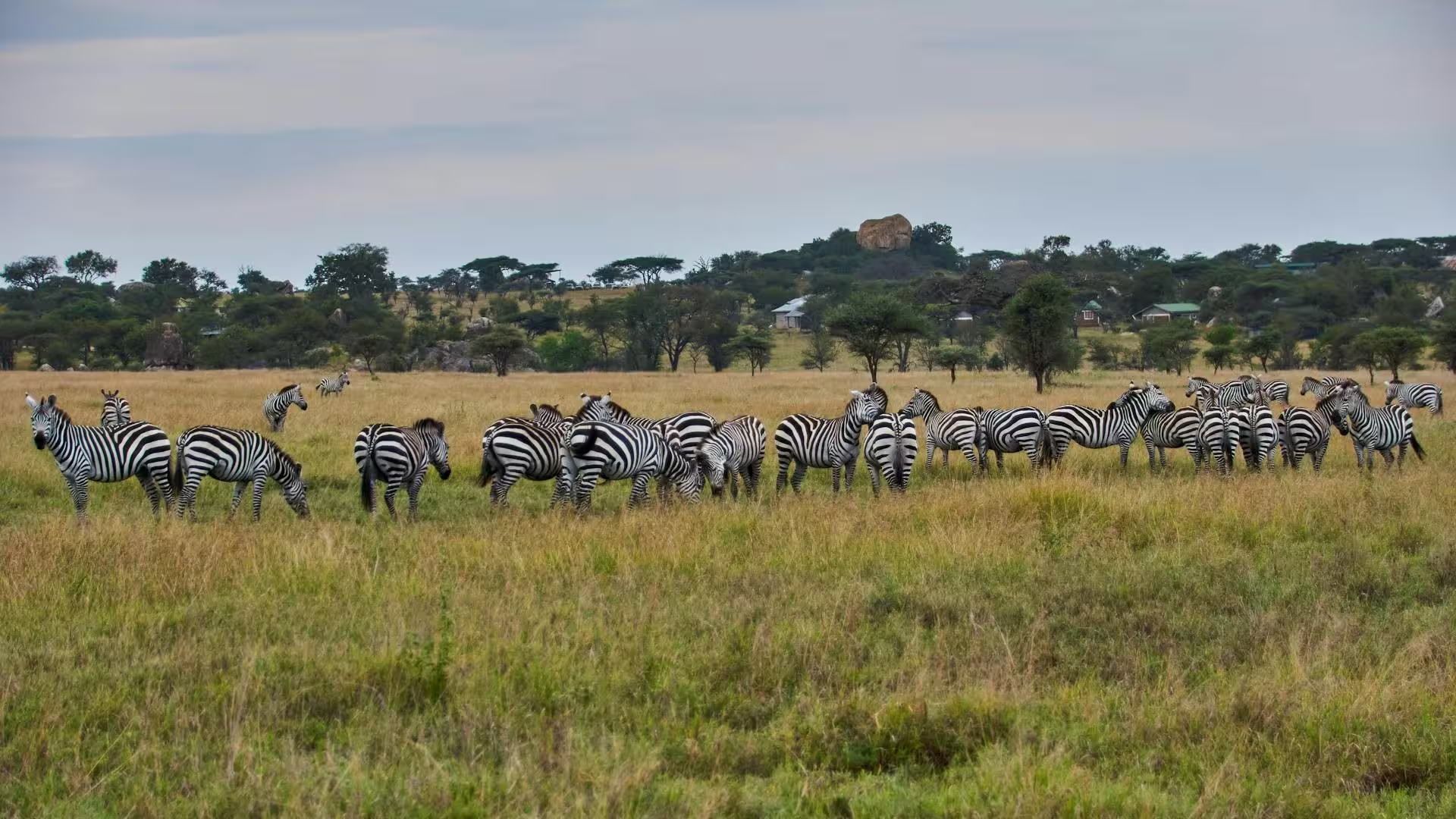
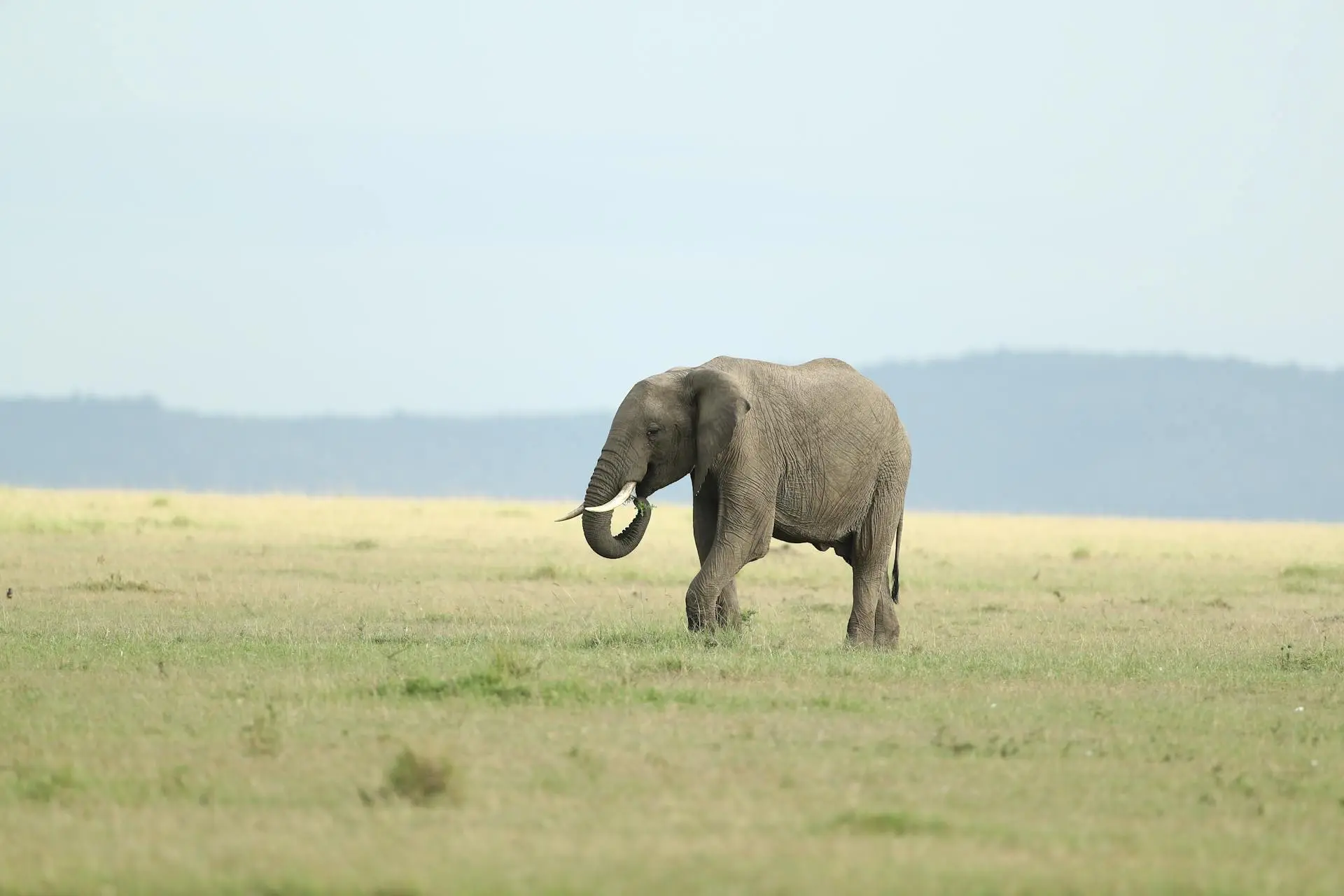
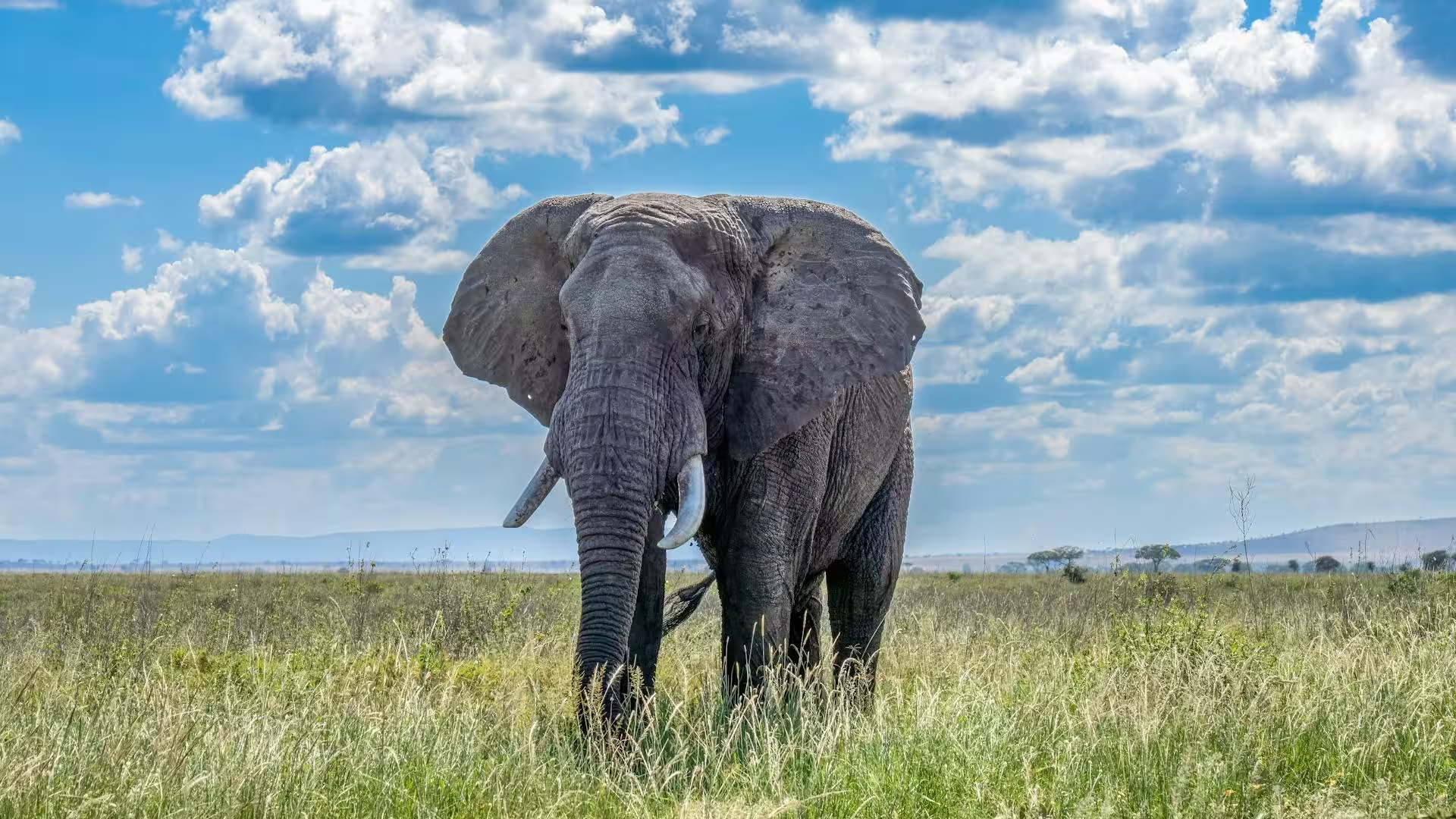
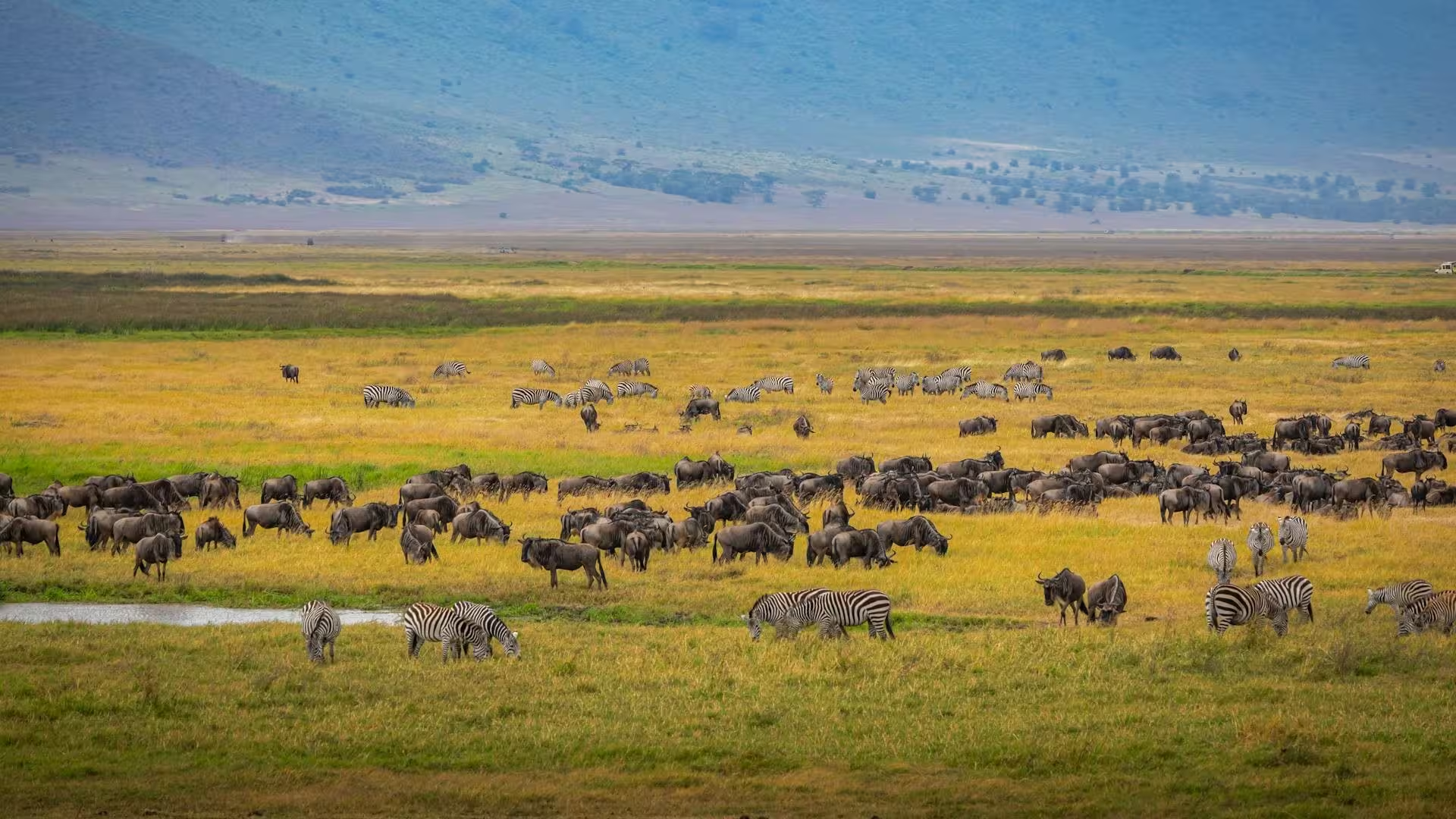
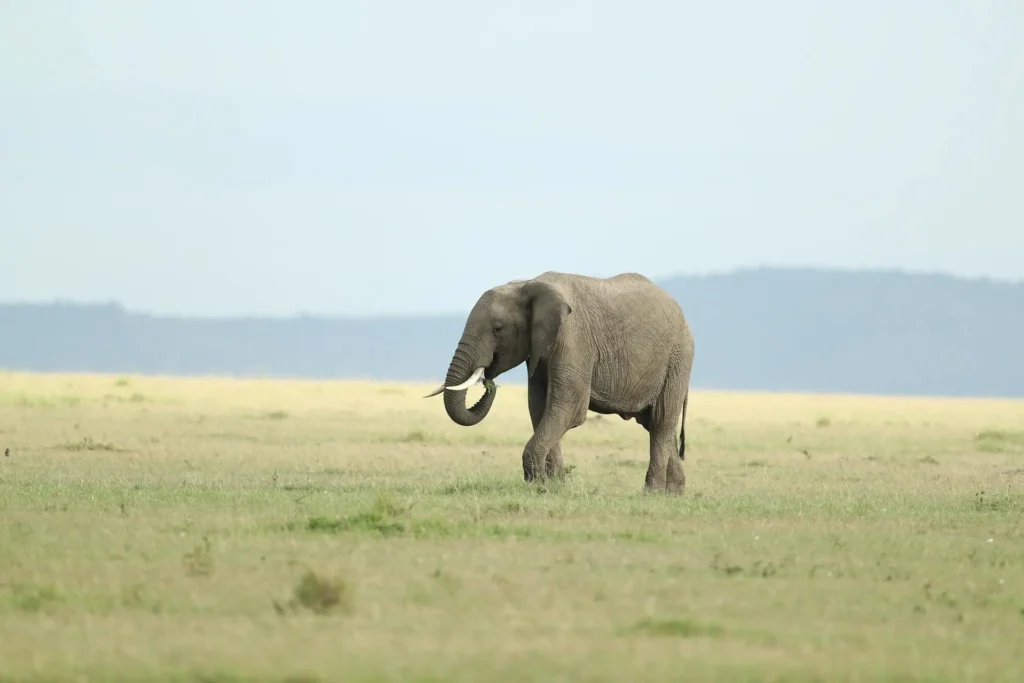
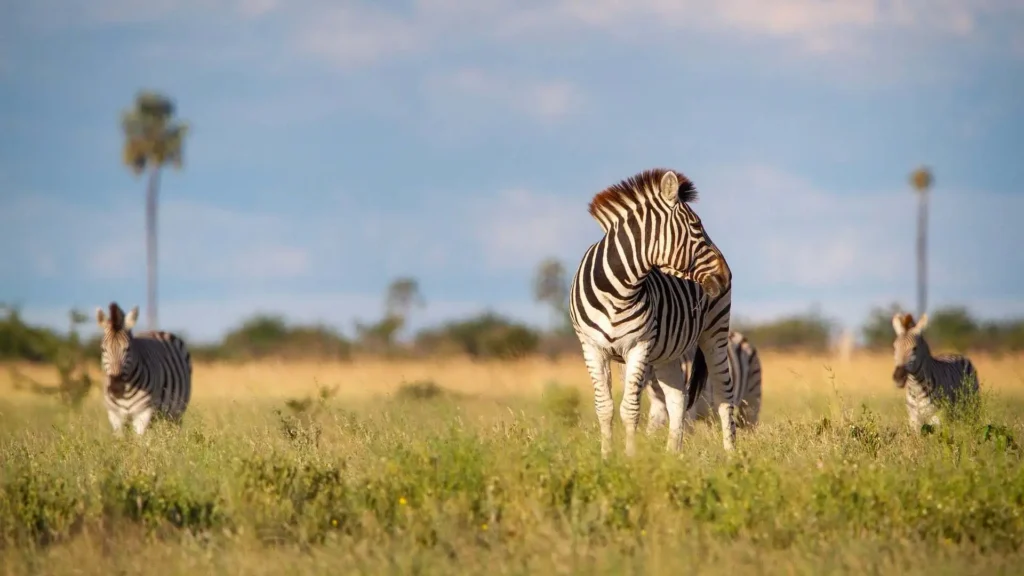
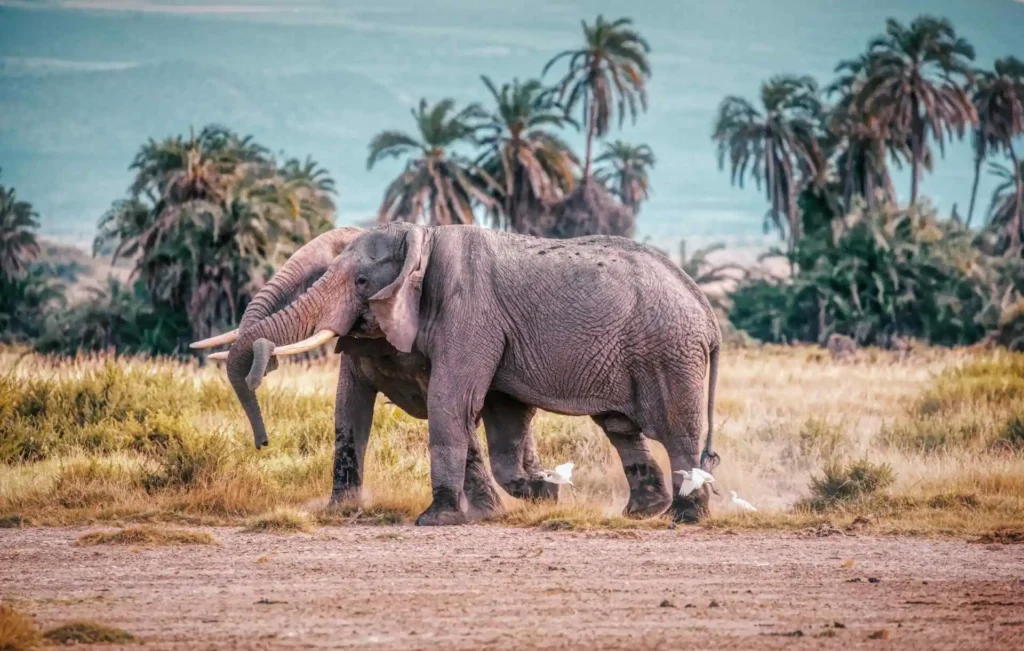
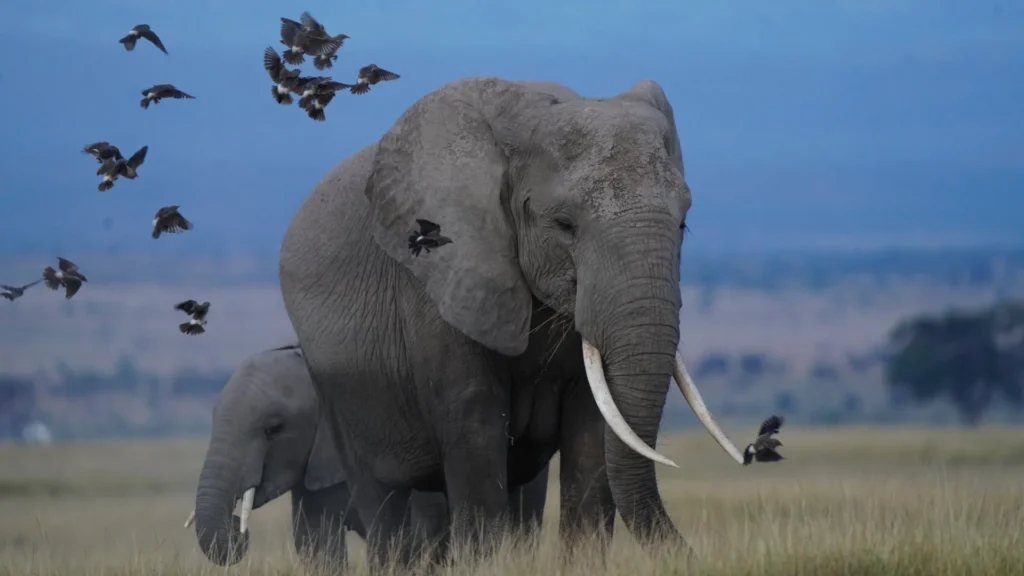
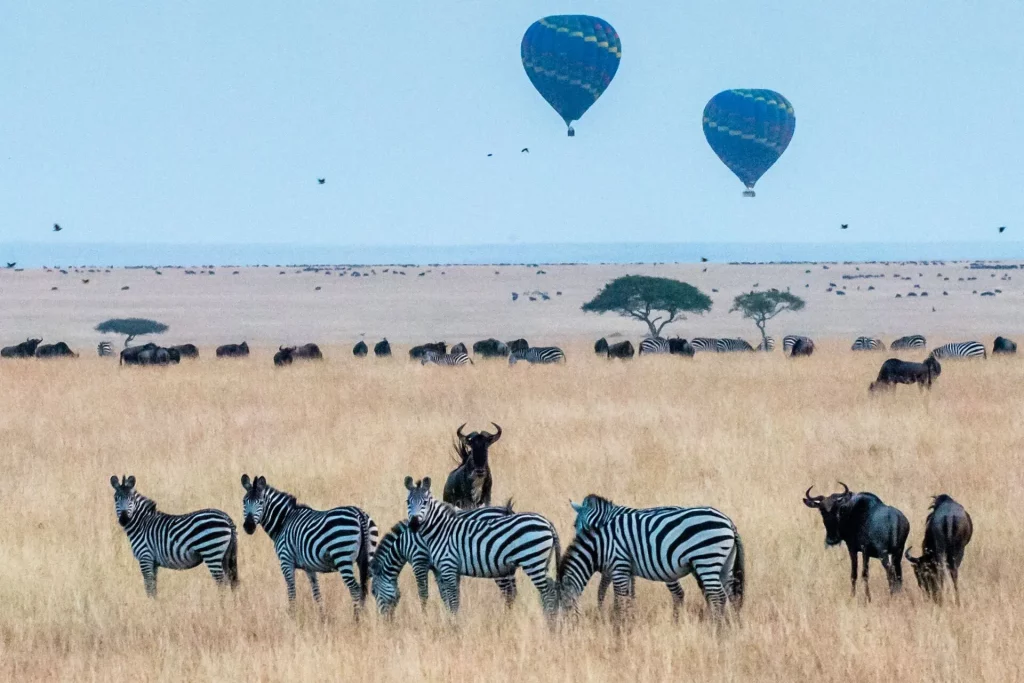
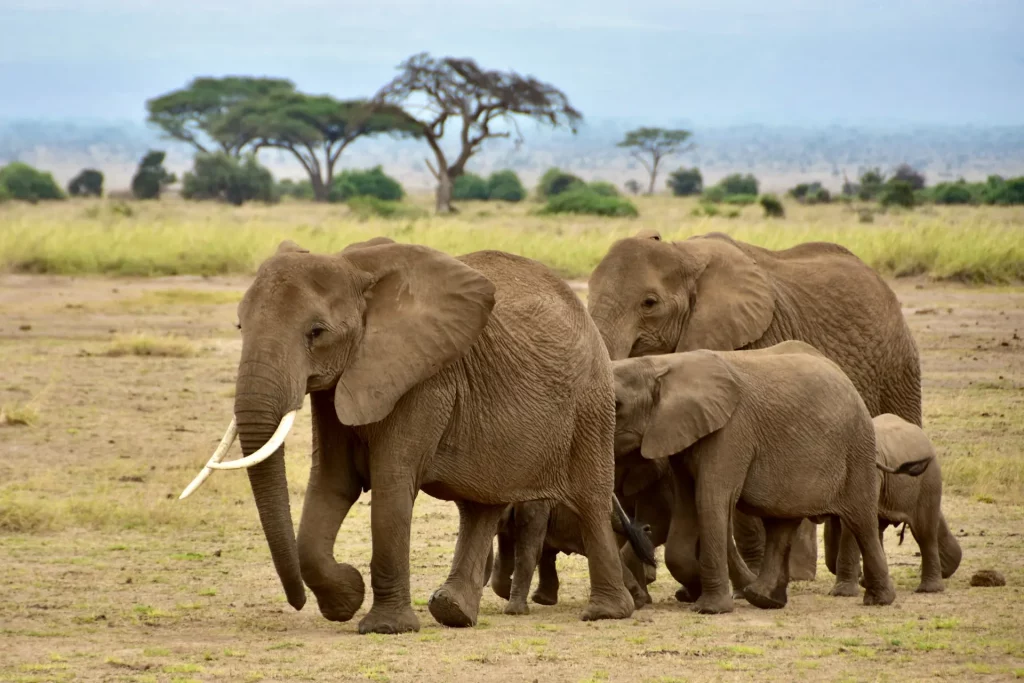
These months form the main dry-season travel window. Days are often sunny, but mornings and nights can be cold, especially in desert areas. In Etosha, elephants, zebras, giraffes, and other animals gather around permanent waterholes, improving viewing opportunities.
Best for: Wildlife safaris, first-time visitors, photography, and travellers covering several regions by road.
October
October can be very hot inland, especially in desert areas. Wildlife viewing in Etosha can remain strong because animals continue visiting waterholes. Early morning and late afternoon are the most comfortable times for many outdoor activities.
Best for: Wildlife viewing, experienced self-drive travellers, and visitors who can manage high daytime temperatures.
November to December
Temperatures rise, and the first seasonal rains may arrive. Rainfall varies from year to year, but showers can bring fresh vegetation and dramatic skies. Migratory birds begin appearing in suitable habitats, and the coast remains cooler than the interior.
Best for: Birdwatching, green-season photography, and travellers who prefer a quieter trip.
January to April
These are the warmer months, with much of the country's rainfall occurring during this period. The landscape can become greener, and seasonal water attracts birds. Heavy rain may affect gravel roads, river crossings, and access to remote areas. April often brings a transition toward drier weather.
Best for: Birdwatching, landscape photography, and travellers with flexible routes and dates.
Which Months Should You Choose?
| Travel interest | Months to consider |
|---|---|
| Etosha wildlife safari | July to October |
| Desert photography | May to September |
| Sossusvlei and Deadvlei | May to September for cooler conditions |
| Birdwatching | November to April |
| Self-drive holiday | May to October |
| Green landscapes | January to April |
| Coastal activities | Year-round, with cooler conditions along the coast |
| Fewer visitors | Rainier months, depending on the destination |
Best Time to Visit Namibia's Main Destinations
Etosha National Park
Best months: July to October.
Etosha is Namibia's main wildlife destination. During the dry season, animals gather around waterholes, making them easier to find. The park is also worth visiting in the green season for birdlife and seasonal landscapes, though wildlife can be more spread out.
Sossusvlei and Deadvlei
Best months: May to September.
These desert locations are known for high dunes, pale clay pans, and camelthorn trees. Cooler mornings make dune visits and photography more comfortable. Arrive early to see the changing light before temperatures rise.
Namib-Naukluft National Park
Best months: May to October.
The cooler season suits desert drives, hiking, and visits to the Namib's open landscapes. Temperatures can still rise during the day, so carry water and prepare for cold nights.
Skeleton Coast
Best months: May to October for many visitors, though it can be visited year-round.
The coast has fog, cold Atlantic conditions, and a stark desert landscape. Weather can change quickly, so bring warm layers even when inland Namibia is hot.
Swakopmund and Walvis Bay
Best months: Year-round, depending on activities.
These coastal towns offer cooler temperatures than inland areas. Visitors can combine coastal scenery with desert excursions, marine trips, and outdoor activities. Fog and wind can affect conditions on any visit.
Zambezi Region
Best months: May to October for drier travel conditions.
This greener region in northeastern Namibia differs from the desert landscapes farther west. The rainy season brings more vegetation and bird activity, but heavy rain can affect road access in some areas.
Costs, Crowds and Booking Advice
Namibia's busiest travel period usually falls between July and October. Popular lodges, camps, and accommodation near Etosha and Sossusvlei can book out early, particularly during school holidays.
May, June, and parts of November can offer a useful balance between weather, visitor numbers, and availability. During the rainy season, some properties may offer lower rates, but savings depend on the route and accommodation.
If you are travelling in peak season, book key stays several months ahead. For a self-drive holiday, check driving distances, fuel stops, gravel road conditions, and accommodation locations before finalising the route. Avoid judging the full trip by one destination's weather forecast.
Practical Tips Before You Travel
- Pack layers for cold desert mornings and warm afternoons.
- Carry enough water for long drives between towns and parks.
- Check fuel availability before travelling through remote areas.
- Avoid driving after dark, when wildlife can cross roads.
- Confirm road conditions and camp access during the rainy season.
- Book popular Etosha and Sossusvlei accommodation early for peak months.
- Check your visa and passport requirements before booking flights.
Visa and Health Requirements
Entry requirements depend on your nationality. Check the current rules through the official Namibia visa information website. Your passport must meet the required validity and entry conditions.
A yellow fever certificate may be required if you arrive from, or transit through, a country where yellow fever occurs. Consult a travel clinic about malaria prevention and other health advice based on your full itinerary. Recheck official entry requirements before departure.
Namibia Safari Packages
Choose a trip based on how much time you have and whether you prefer wildlife, desert landscapes, or the coast.
Best of the Namibia Safari, 10 Days
Explore Namibia on a longer journey through its distinctive landscapes and wildlife areas. This option suits travellers who want more time to explore the country rather than focus on one region.
Best months: May to October for dry weather and comfortable conditions across many inland destinations.
View the Best of the Namibia Safari
Walvis Bay Coastal Safari, 5 Days
A shorter trip for travellers interested in Namibia's Atlantic coastline. Walvis Bay and the surrounding area offer coastal scenery and opportunities to explore the desert near the ocean.
Best months: The coast can be visited year-round. Pack layers for fog, wind, and cooler temperatures.
View the Walvis Bay Coastal Safari
Namibia Desert Coast and Etosha Safari, 9 Days
Combine desert scenery, coastal stops, and wildlife viewing on one trip. This route suits travellers who want to see more than one side of Namibia during a single holiday.
Best months: May to October for dry-season travel and wildlife viewing in Etosha.
View the Namibia Desert Coast and Etosha Safari
The best package depends on your travel dates, preferred pace, and main interests. Check each tour's exact route and departure availability before booking.
Frequently Asked Questions
What is the best month to visit Namibia?
August is a strong choice for wildlife viewing in Etosha and dry conditions across much of the country. May and June can also offer pleasant temperatures and fewer visitors at some destinations.
When is the rainy season in Namibia?
The rainy season usually runs from November to April, with much of the rain falling between January and March. Rainfall varies by region and year, and the coast is often much drier than inland areas.
What is the best time to visit Etosha National Park?
July to October is a strong period for Etosha safaris. As natural water sources dry up, animals gather around permanent waterholes. The green season can be better for birdwatching and lush scenery.
Is Namibia worth visiting during the rainy season?
Yes. The rainy season brings green landscapes, seasonal water, and good birdwatching opportunities. Wildlife may be harder to find in some areas, and heavy rain can affect road access, so keep your route flexible.
What is the best time to visit Sossusvlei?
May to September offers cooler conditions for visiting Sossusvlei and Deadvlei. Start early to enjoy the dunes in softer light and avoid the hottest part of the day.
How many days do you need for a Namibia safari?
Five days can suit a focused coastal trip, while nine to ten days allows more time for a wider route. Namibia has long driving distances, so allow enough time between destinations rather than rushing each stop.
Choose Your Namibia Safari Dates
May to October suits most travellers looking for wildlife, desert scenery, and dry road conditions. July to October is especially useful for Etosha game viewing, while the warmer months bring greener landscapes and better seasonal birdwatching.
Choose your dates around the places you want to visit and the pace you prefer. Explore Namibia safari packages or contact Big Cats to request an itinerary based on your travel dates.