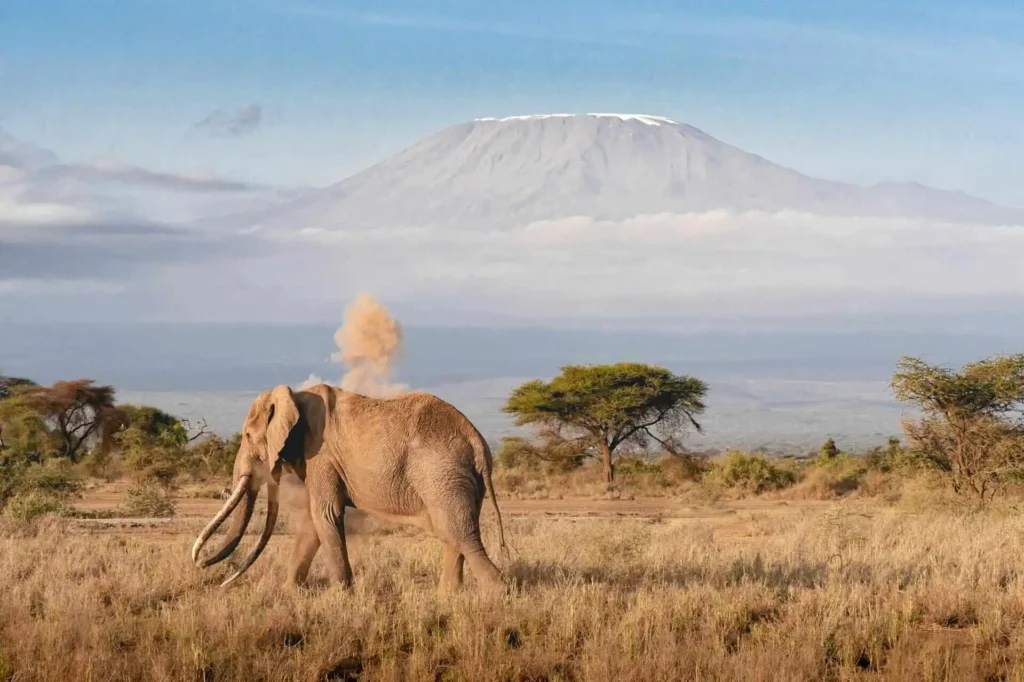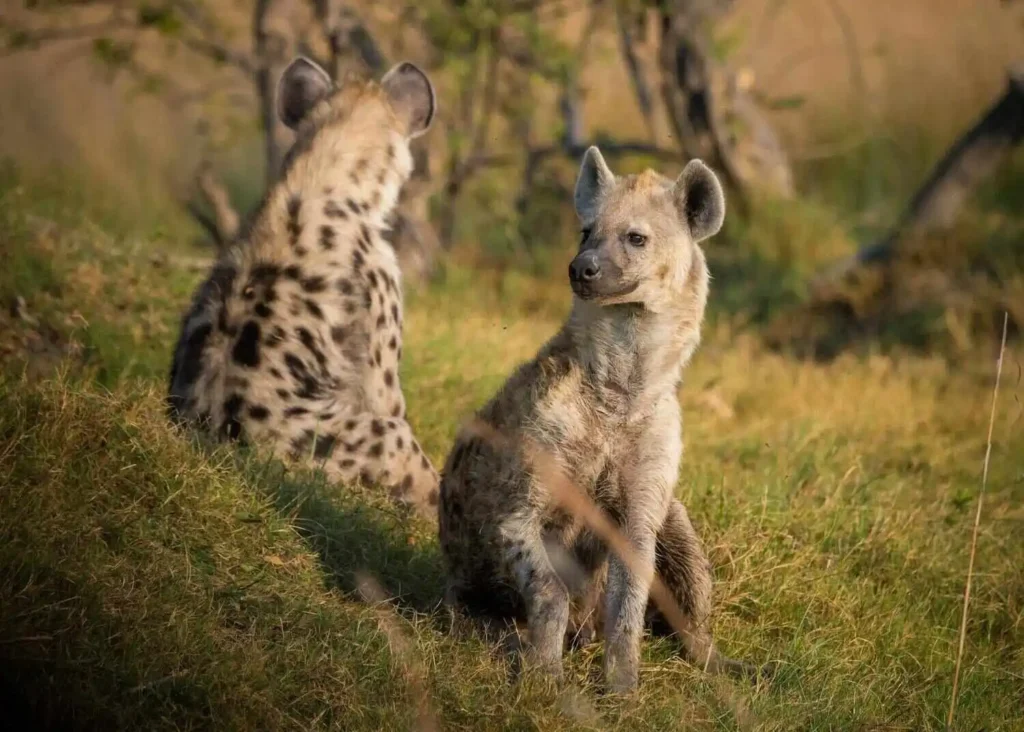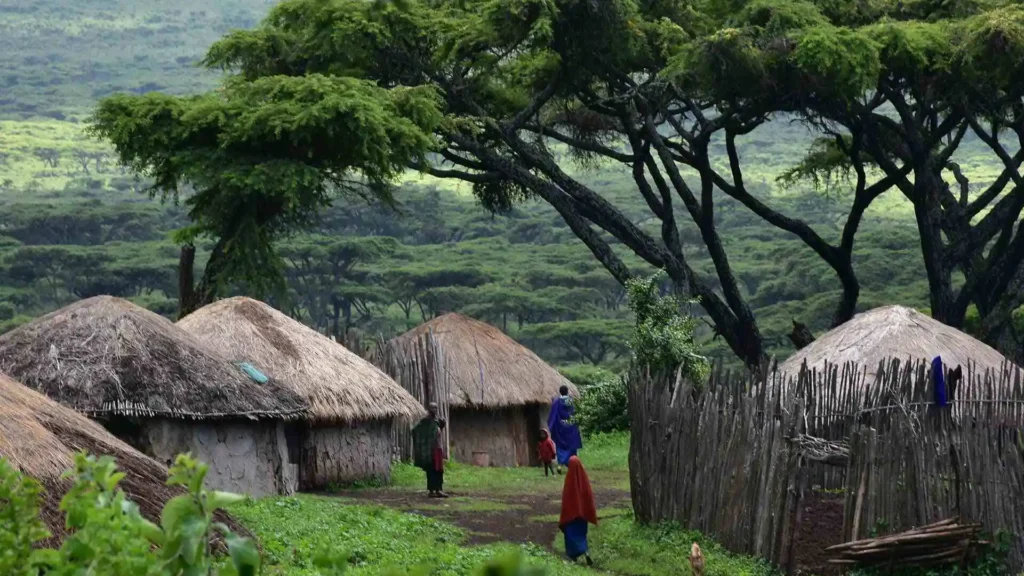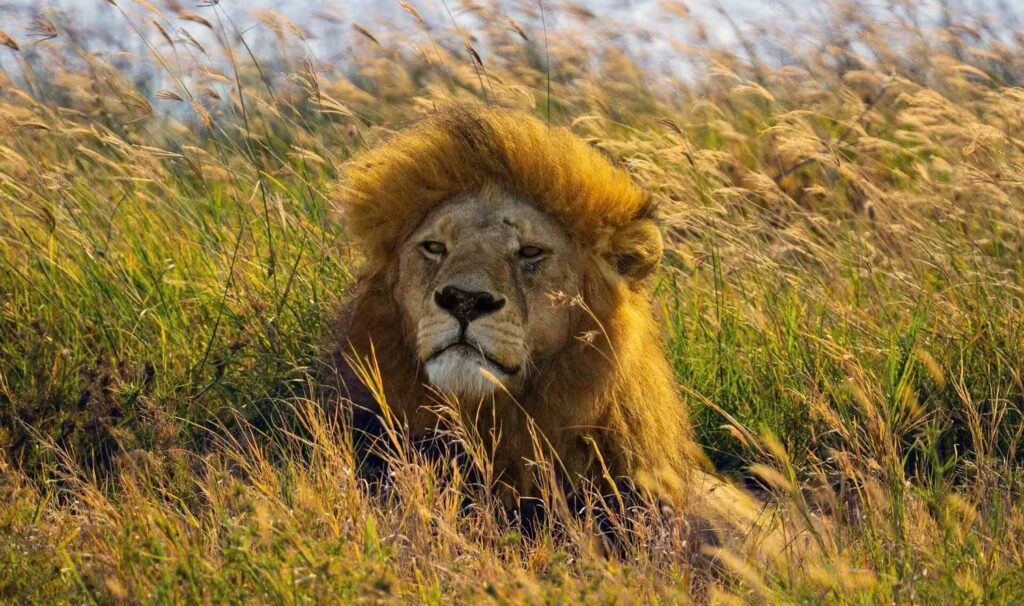
Rwanda offers a different kind of African safari. Visitors can trek through mountain forests to see wild gorillas, track chimpanzees in Nyungwe Forest, and watch lions, elephants, rhinos, and giraffes in Akagera National Park.
The best time to visit depends on which activities matter most to you. Drier months make forest trails easier to walk, while the rainy seasons bring green landscapes and good birdwatching opportunities. Rwanda also works well for travellers who want to combine wildlife with local culture and time around Lake Kivu.
For most visitors, June to September is the best overall period for a Rwanda safari. December to February is another good option, especially for travellers who want to avoid the main mid-year travel rush. Gorilla trekking is possible throughout the year, but rain can make the steep forest trails more challenging.
When Should You Visit Rwanda?
Start with the experience you want most. Rwanda's weather follows two main dry periods and two rainy periods, although conditions vary between the mountains, forests, and savannah.
| Travel period | Typical conditions | Best suited for |
|---|---|---|
| June to September | Main dry season | Gorilla trekking, forest hikes, Akagera game drives |
| December to February | Short dry season | Gorilla trekking, wildlife safaris, cultural trips |
| March to May | Long rainy season | Green landscapes, birdwatching, flexible itineraries |
| October to November | Short rainy season | Birdwatching, photography, quieter travel periods |
The main dry season usually offers firmer trails and more comfortable conditions for trekking. The rainy seasons can bring slippery paths and heavier showers, particularly in the mountainous areas. Rain is still possible during the dry months because Rwanda's forests sit at high elevations.
Choose Your Travel Dates by Experience
Mountain Gorilla Trekking
Gorilla trekking is Rwanda's best-known wildlife activity. Visitors enter Volcanoes National Park, in the Virunga Mountains, and hike through forest terrain with trained guides and trackers to find a habituated gorilla family.
June to September is usually the easiest period for trekking because trails tend to be drier. December to February is another good window. During March to May and October to November, rain can leave the ground muddy and make steep sections harder to manage.
Gorillas can be tracked throughout the year, so the rainy season does not rule out a visit. Your trek may involve several hours of walking, depending on where the gorillas are located that day. Waterproof clothing, sturdy hiking boots, and a reasonable level of fitness are important in every season.
Book your gorilla permit before confirming the rest of your trip. This helps you match accommodation and transfers to your assigned trekking date.
Chimpanzee Tracking in Nyungwe Forest
Nyungwe Forest National Park protects a large area of montane rainforest and is one of Rwanda's main destinations for chimpanzee tracking. Forest walks, birdwatching, and the canopy walkway add more options for visitors spending several days in the region.
June to September is a practical choice for travellers who prefer less slippery trails. Chimpanzee tracking takes place in dense forest, though, so rain can affect conditions in any month.
The wetter months bring lush vegetation and strong birdwatching opportunities. They may suit travellers who are comfortable with muddy paths and want to spend more time exploring the forest.
Wildlife Safaris in Akagera National Park
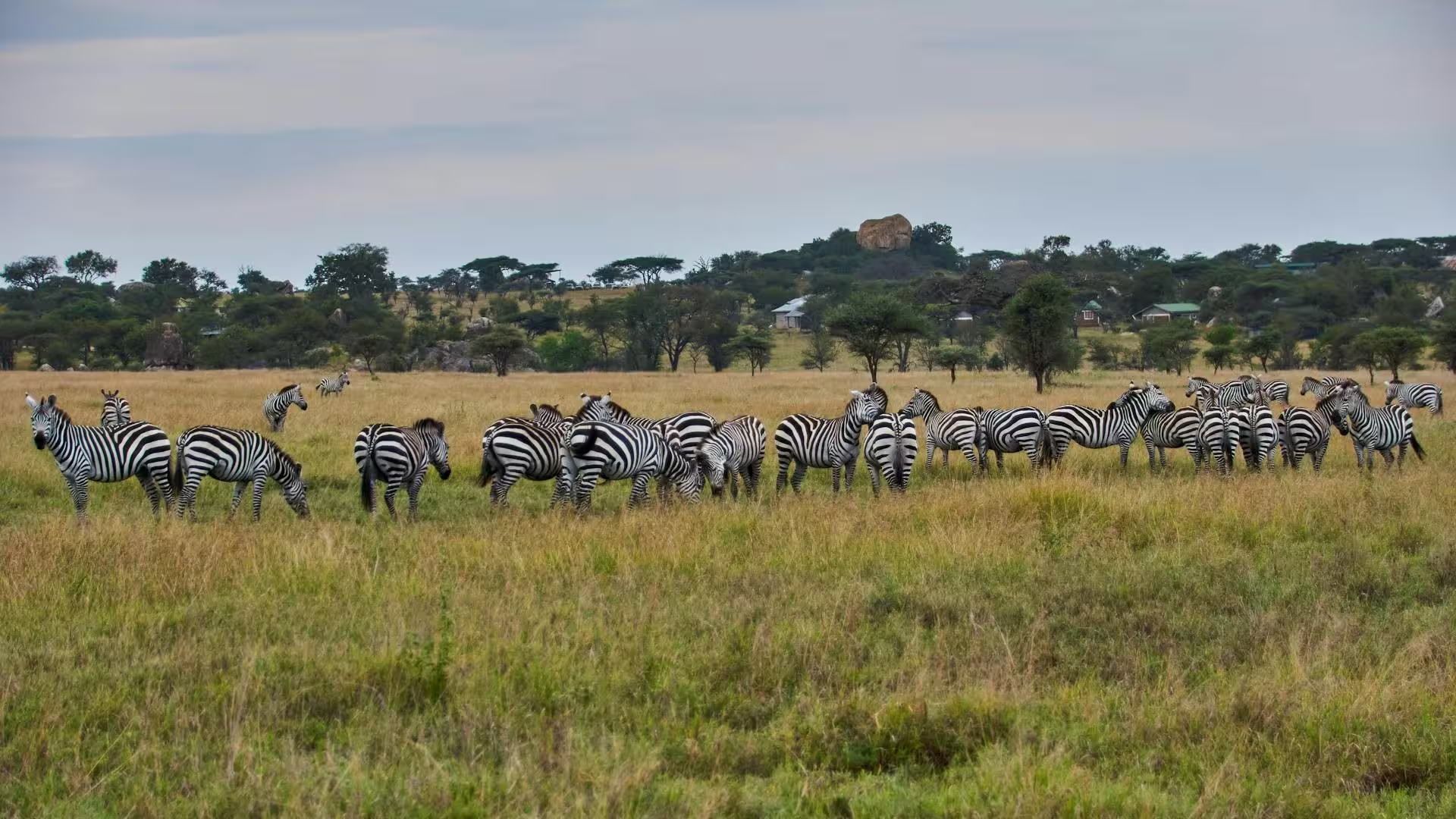
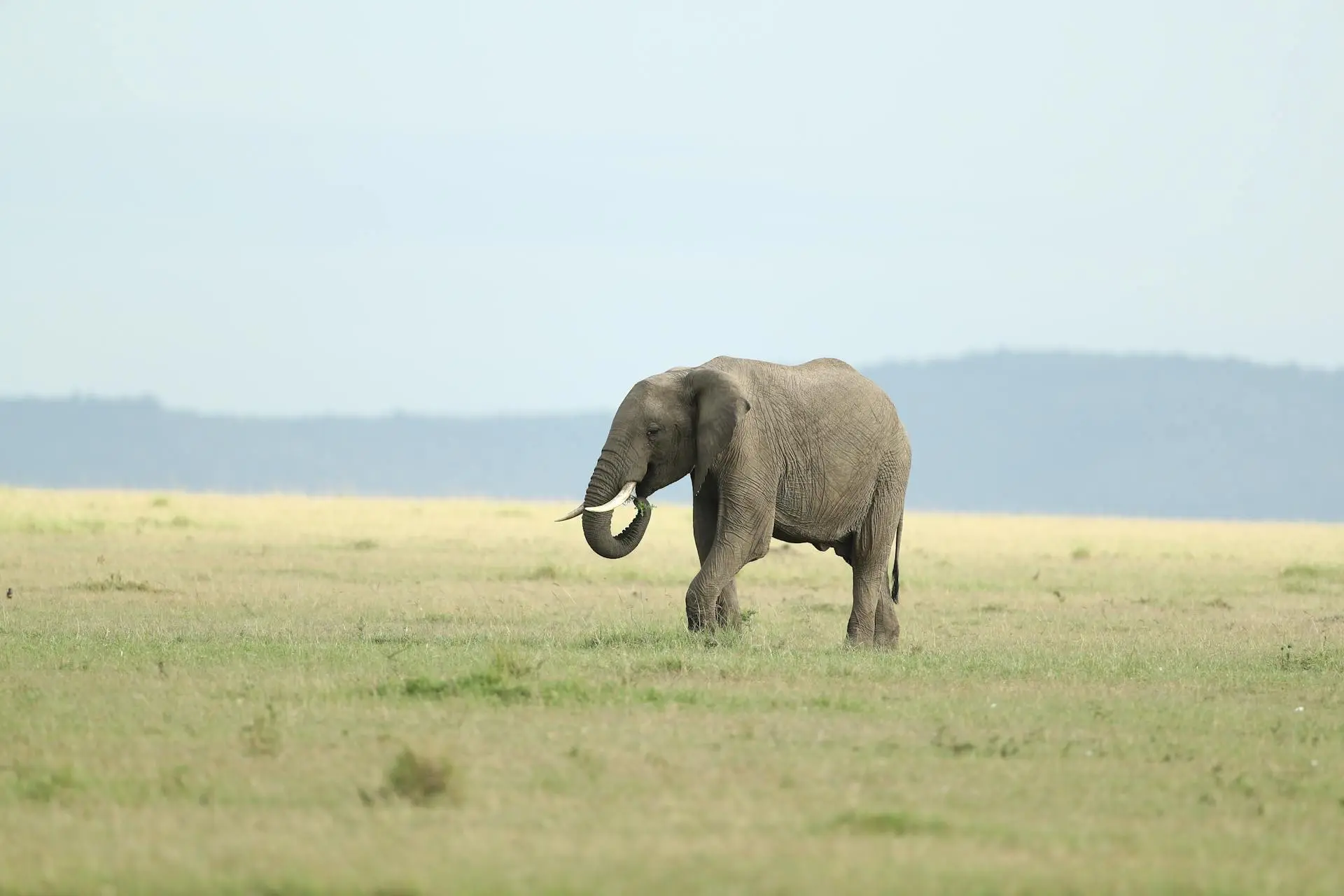
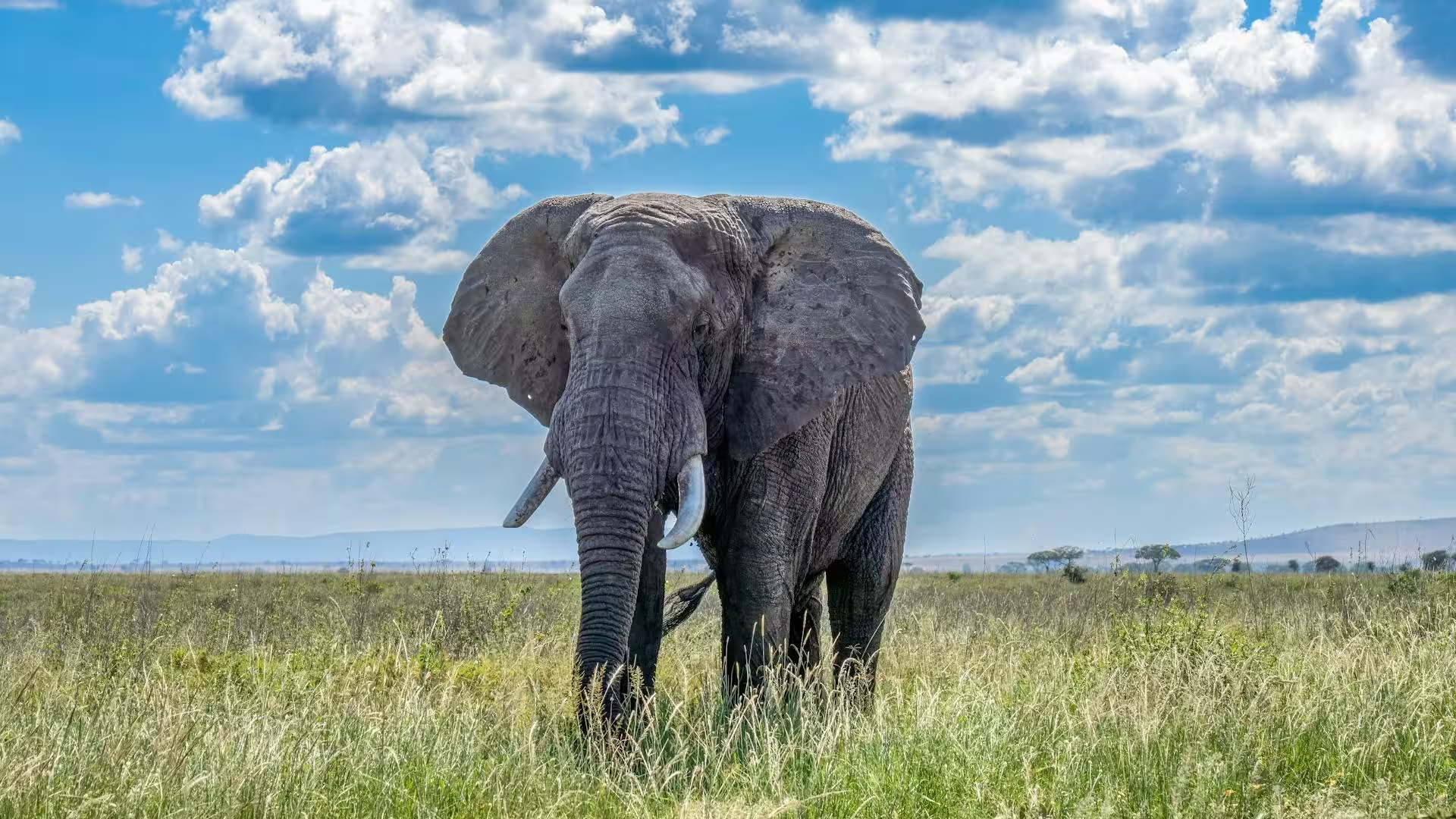
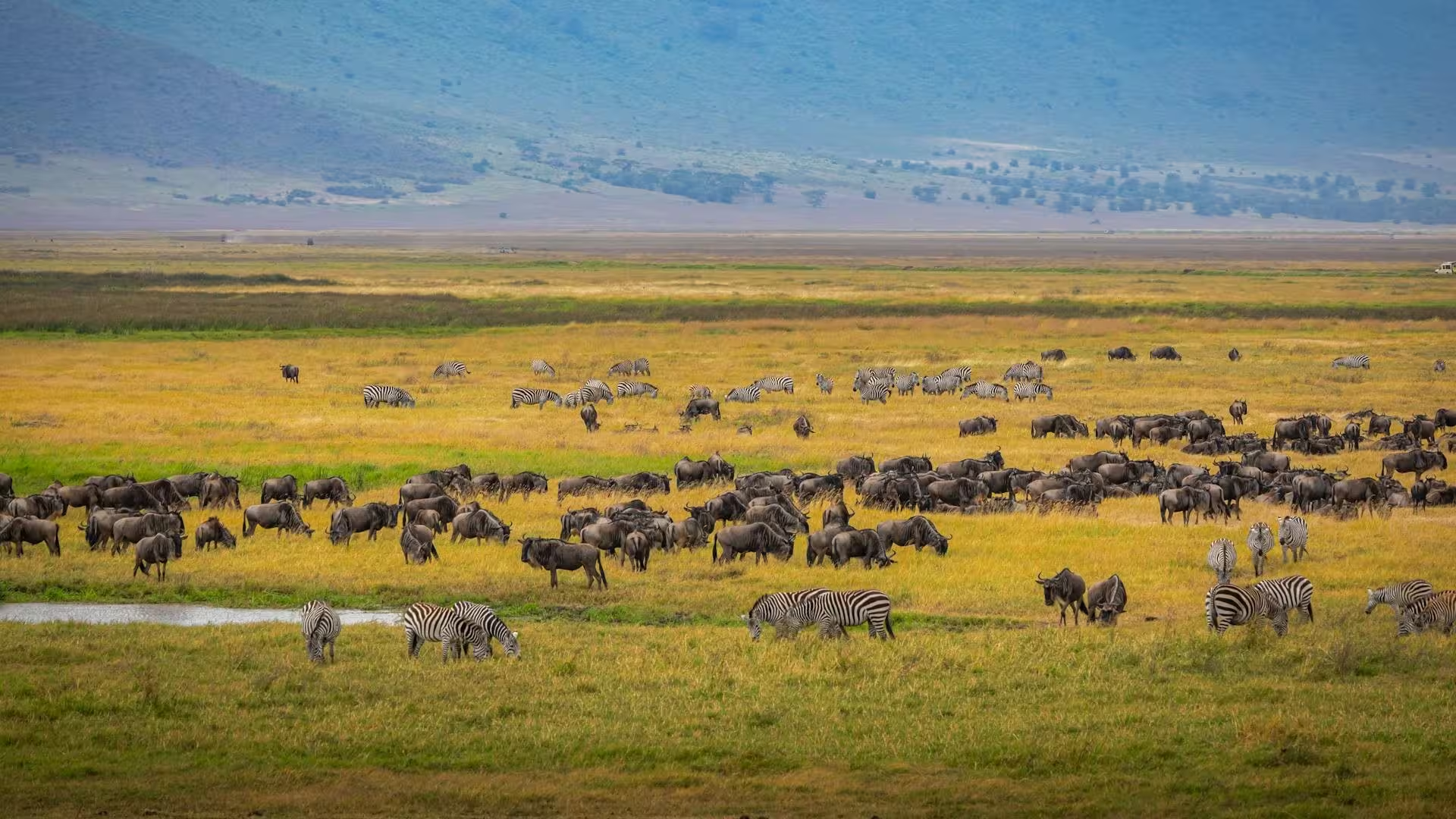
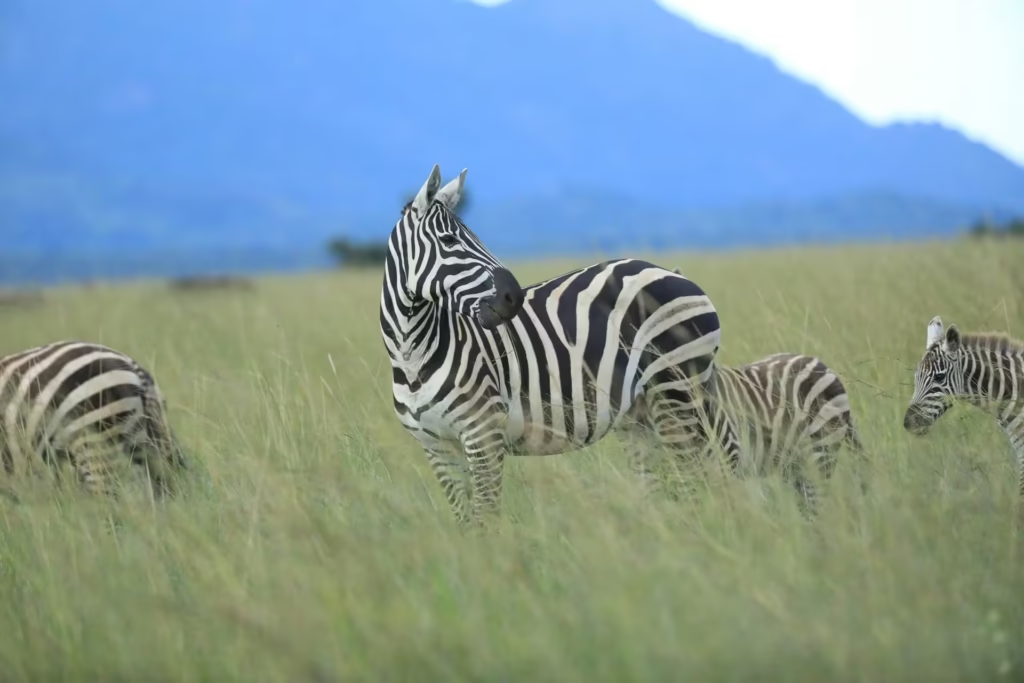
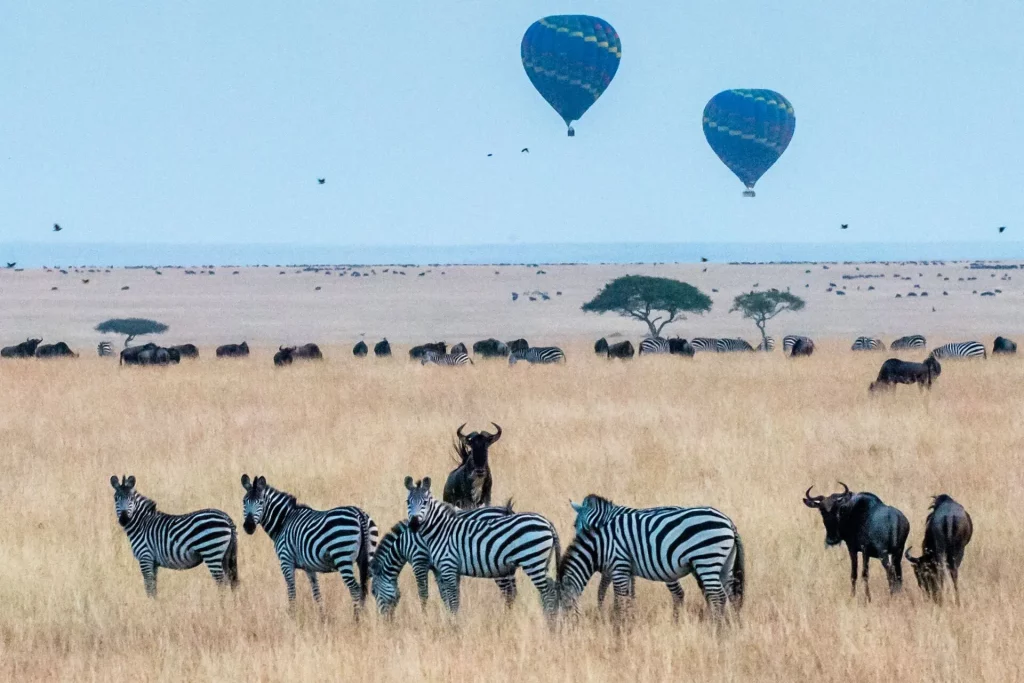
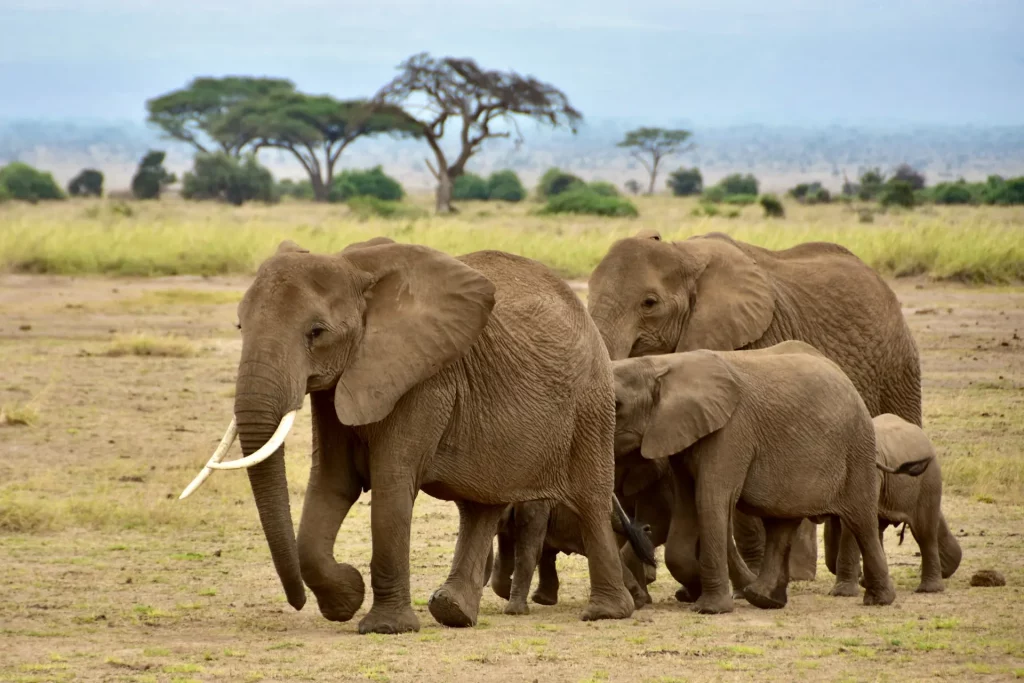
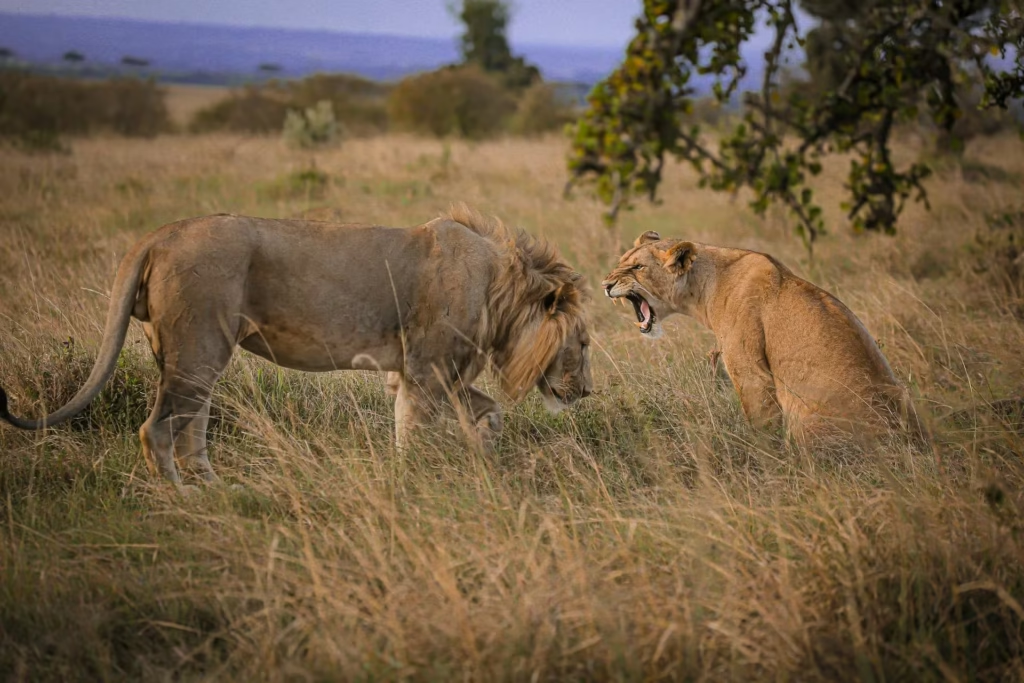
Akagera offers a different landscape from Rwanda's mountain forests. Its savannah, woodland, lakes, and wetlands support a range of wildlife, including elephants, buffaloes, giraffes, zebras, lions, and rhinos.
The drier months, particularly June to September, are a good choice for game drives. Animals may gather near permanent water sources as the surrounding landscape dries out, making them easier to locate in some areas.
The greener months offer a different setting for photography and birdwatching. Sightings depend on animal movements and conditions on the day, so no season guarantees a particular wildlife encounter.
Golden Monkey Tracking
Golden monkey tracking is another reason to visit Volcanoes National Park. These primates live in the bamboo forests around the Virunga volcanoes, and the activity can fit into a gorilla trekking itinerary.
The drier months usually make walking more comfortable. Visitors can combine golden monkey tracking with a gorilla trek if permits, available dates, and their travel schedule allow enough time.
Birdwatching and Nature Photography
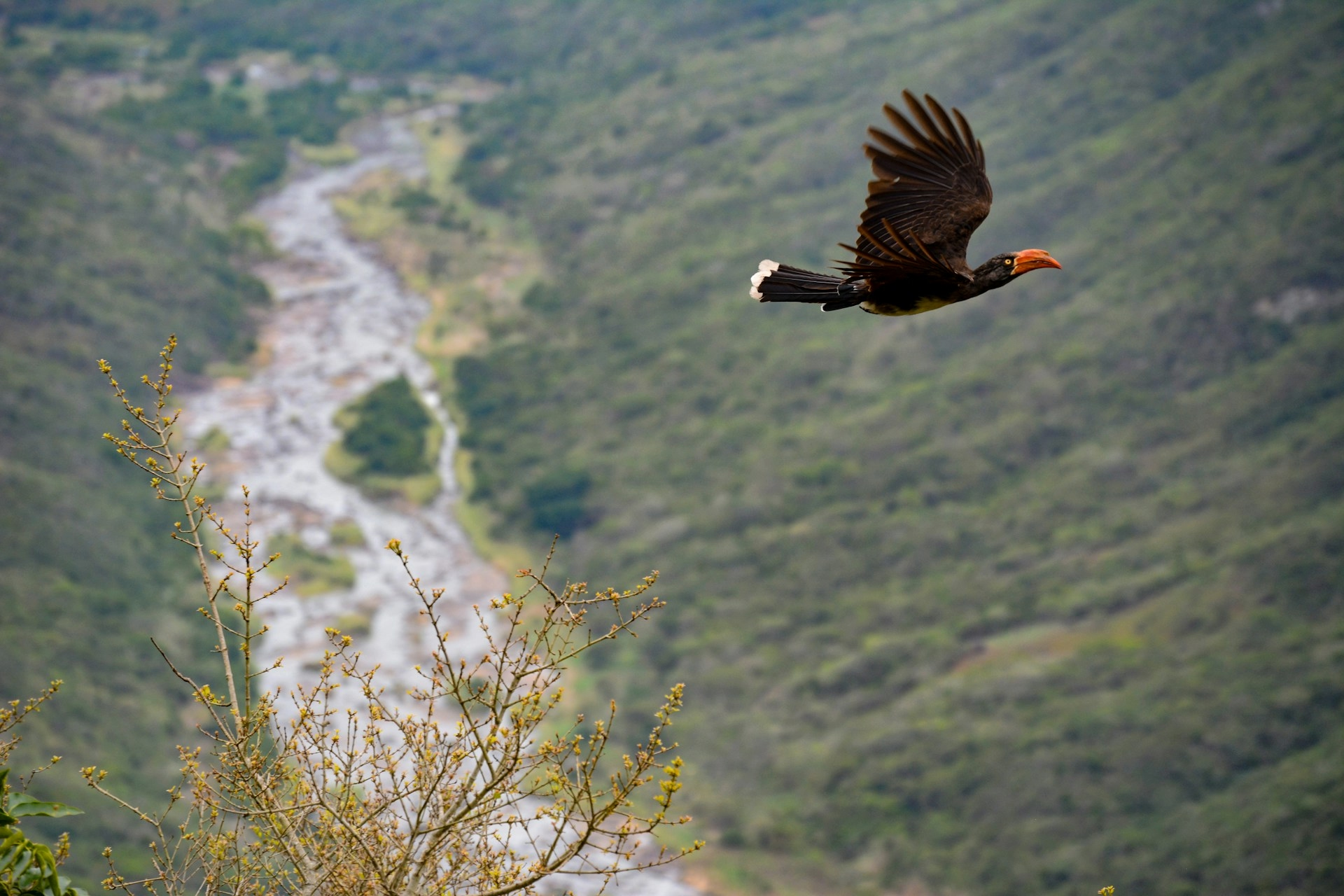
Rwanda has a wide range of habitats, from highland forests and wetlands to open savannah. Birdwatchers can explore Nyungwe, Akagera, and other areas according to their target species and preferred landscapes.
The wetter months bring fresh vegetation and active birdlife. They can be rewarding for photographers who want misty mountain views, lush forest scenes, and dramatic skies. The trade-off is that rain may interrupt walks and make some trails more difficult.
Rwanda's Seasons Explained
Rather than choosing a month only by its weather, consider how the season fits your planned activities.
June to September: The Main Dry Season
This is the most popular period for many Rwanda wildlife trips. Drier trails make gorilla trekking and forest walks more manageable, while Akagera National Park can offer good conditions for game drives.
July and August are busy travel months, so book permits and accommodation early. September can be a useful option for visitors who want to travel near the end of the main dry period.
December to February: The Short Dry Season
This period offers another good window for gorilla trekking, chimpanzee tracking, and savannah wildlife viewing. It suits travellers who cannot visit during the middle of the year.
Rain can still occur, especially in forested and mountainous areas. Christmas and New Year can also bring strong demand, so confirm permits and accommodation before booking flights.
March to May: The Long Rainy Season
Rain becomes more frequent during these months, with April often among the wettest periods. Trails can become muddy, and forest treks may require more effort.
The season still has its advantages. Landscapes look greener, birdwatching can be rewarding, and visitors with flexible dates may find more choice in accommodation. Choose this period if you are comfortable with wet-weather travel rather than expecting easy trekking conditions.
October to November: The Short Rainy Season
Short rains return during this period, though the amount and timing vary each year. Forests and hills become greener, making the season appealing for landscape photography and birdwatching.
Gorilla trekking continues, but visitors should prepare for slippery trails. This can suit travellers who prefer a quieter trip and can adjust their daily plans when weather conditions change.
Which Rwanda National Park Should You Visit?
The right park depends on the wildlife you want to see and how much time you have.
Volcanoes National Park
Best for mountain gorillas, golden monkeys, and volcanic scenery.
Volcanoes National Park is the main destination for gorilla trekking. Its forested slopes and high elevations create a different environment from the savannah parks found elsewhere in East Africa.
Allow time for the trek itself and the transfer to your lodge. Visitors can also add golden monkey tracking or cultural activities around the Musanze area.
Nyungwe Forest National Park
Best for chimpanzees, forest primates, birdwatching, and canopy walks.
Nyungwe National Park is a strong choice for travellers who enjoy walking through rainforest. Its steep trails and wet conditions call for good footwear, even during the drier months.
Allow enough time for transfers and early starts for primate tracking. Combining Nyungwe with Volcanoes National Park gives visitors two different forest experiences.
Akagera National Park
Best for savannah wildlife, game drives, lakes, and birdlife.
Akagera is the place to include if you want a more traditional game-drive safari. Visitors can look for large mammals across the park and explore its lake and wetland habitats.
The dry season is a useful starting point for planning wildlife viewing. A longer stay gives you more time to explore different parts of the park rather than relying on one game drive.
Gishwati-Mukura National Park
Best for visitors interested in forest conservation and nature walks.
Gishwati-Mukura is another forest destination to consider when building a broader Rwanda itinerary. Available activities and access arrangements should be confirmed before adding it to your route.
It is better treated as an optional addition than a replacement for Volcanoes, Nyungwe, or Akagera when gorilla trekking, chimpanzee tracking, or classic game drives are your main priorities.
Is Rwanda Worth Visiting During the Rainy Season?
Yes. A rainy-season trip can work well if you understand the conditions and keep your itinerary flexible.
The forests and hills become greener, and birdwatchers may find this period rewarding. Some travellers also prefer the quieter atmosphere outside the busiest travel months.
The main drawback is the ground. Rain can make forest paths slippery, increase the effort needed for trekking, and affect travel between destinations. Pack a waterproof jacket, hiking boots with good grip, and a change of clothes for wet outings.
If gorilla trekking is the main purpose of your trip and you want easier walking conditions, choose a drier period. If scenery, birds, and flexible travel matter just as much, the rainy season is worth considering.
How Far Ahead Should You Book a Rwanda Safari?
Gorilla permits should be the first major booking decision. The number of visitors allowed to track each gorilla family is limited, so popular dates can fill up well in advance.
Use this order when organising your trip:
- Confirm the gorilla trekking date and permit availability.
- Choose accommodation near Volcanoes National Park for the trekking day.
- Add chimpanzee tracking or other activities if they fit your route.
- Reserve accommodation and activities in Nyungwe or Akagera.
- Arrange transfers and allow enough time between destinations.
Avoid placing a long road transfer immediately before an important trekking activity. An extra night near the park can make the start of the day easier and reduce the risk of delays affecting your plans.
How Many Days Do You Need in Rwanda?
Rwanda is compact compared with many safari destinations, but travelling between its parks still takes time. Forest activities often begin early, and it is worth allowing enough time to enjoy each destination.
3 to 4 Days: A Short Gorilla Trek
A short trip can focus on Volcanoes National Park and one gorilla trekking experience. Allow time for arrival, the road transfer, the trek, and your departure.
This option suits visitors with limited time who want to prioritise seeing mountain gorillas.
5 to 7 Days: Gorillas and More of Rwanda
A week gives you room to add cultural activities, golden monkey tracking, or time around Lake Kivu. Depending on the route, you may also be able to include another wildlife or forest destination.
Choose activities based on transfer times and the number of early starts you are comfortable with.
8 to 12 Days: A Wider Rwanda Safari
A longer trip can combine gorilla trekking in Volcanoes, chimpanzee tracking in Nyungwe, and game drives in Akagera. You can also include cultural visits and time in Kigali.
This option works best for travellers who want to see how Rwanda's forests, mountains, and savannah differ rather than focusing on one activity.
What to Pack for Rwanda by Season
Your packing list should cover both outdoor activity and changing weather. Rwanda's highland areas can feel cool in the morning, while rainforest trails may stay wet even during the dry season.
- Waterproof jacket and rain cover for your daypack.
- Hiking boots with good grip and ankle support.
- Long trousers and long socks for forest trekking.
- Lightweight layers for cool mornings and high elevations.
- Spare socks and a change of clothes after wet walks.
- Binoculars for birdwatching and distant wildlife.
- Sunscreen, insect repellent, and a reusable water bottle.
- Camera equipment protected against rain and moisture.
Follow the park's guidance on clothing and equipment before your trekking day. Gorilla trekking can involve steep ground, dense vegetation, and long walks, so comfortable and practical clothing matters more than appearance.
Rwanda Safari Packages
Choose a package based on how much time you have and whether you want to focus on gorillas or combine several types of wildlife and cultural activities.
Rwanda Gorilla Trekking, 4 Days
A short option for travellers who want to make mountain gorilla trekking the centre of their Rwanda visit.
Duration: 4 Days
Rwanda Grand Safari, 12 Days
A longer itinerary for travellers who want more time to explore Rwanda. Check the itinerary for the exact parks, activities, and accommodation included before choosing your travel dates.
Duration: 12 Days
Gorilla, Wildlife and Culture Tour
An option to consider if you want a trip that brings together primate encounters, wildlife viewing, and cultural activities. Review the itinerary to confirm the destinations, inclusions, and trip length.
View Gorilla, Wildlife and Culture Tour
Frequently Asked Questions
What is the best month to visit Rwanda?
June, July, August, and September are strong choices for gorilla trekking and wildlife safaris because conditions are usually drier. January and February are also good options. The best month depends on your activities and tolerance for rain.
Can you trek gorillas in Rwanda during the rainy season?
Yes. Gorilla trekking takes place throughout the year. Rain can make the steep forest trails muddy and more difficult to walk, so waterproof clothing and sturdy hiking boots are important.
When is the best time to see chimpanzees in Nyungwe Forest?
June to September is a useful period if you prefer drier trails. Chimpanzee tracking is available at other times, though rain and forest conditions can make walking more challenging.
What is the best time for a wildlife safari in Akagera National Park?
June to September is a good period for game drives, as drier conditions can make wildlife easier to spot in some areas. Akagera can be visited year-round, and sightings depend on animal movements and local conditions.
How many days should you spend in Rwanda?
Four days can work for a short gorilla trekking trip. Five to seven days gives you more time for additional activities, while eight to twelve days can allow a broader route covering primates, savannah wildlife, and cultural visits.
Should you book gorilla trekking permits in advance?
Yes. Permit availability is limited by the number of visitors allowed to track each gorilla family. Confirm your preferred trekking date before booking the rest of your trip, especially during popular travel periods.
Is Rwanda suitable for a safari in December?
Yes. December falls within the short dry-season window in many parts of Rwanda, though showers are still possible. Book early if travelling over Christmas and New Year.
Can you combine gorilla trekking with a Big Five safari?
Yes. You can combine gorilla trekking in Volcanoes National Park with game drives in Akagera National Park. Adding Nyungwe Forest creates a wider itinerary that also includes chimpanzee tracking, though it requires more time for road transfers.
Final Advice on Choosing Your Rwanda Travel Dates
Choose June to September if your priority is easier gorilla trekking and good conditions for wildlife viewing. December to February offers another useful period for a Rwanda trip.
The rainy months can suit visitors who want green scenery, birdwatching, and more flexibility with their travel dates. Whichever season you choose, secure your gorilla permit first and leave enough time to travel between parks.
For a short trip, focus on Volcanoes National Park. If you have more time, combine gorillas with Nyungwe's rainforest or Akagera's savannah wildlife to see more of Rwanda's natural diversity.