Africa is the only place on Earth where you can see wild giraffes roaming vast savannas, woodlands, and national parks. The continent is home to all four giraffe species—Masai, Reticulated, Northern, and Southern—along with several unique subspecies found in different regions. From Kenya's Masai Mara to Namibia's Etosha National Park, some safari destinations offer exceptional year-round sightings. In this guide, I'll share the 15 best places to see giraffes in Africa, the species you'll encounter, the best time to visit, and practical safari tips based on a decade of wildlife travel experience. Jump to the destination list below and start planning your unforgettable giraffe safari.
Why Africa Is the Best Place to See Wild Giraffes
If seeing wild giraffes is on your safari bucket list, there's no better destination than Africa. These gentle giants have evolved to thrive in the continent's open savannas, acacia woodlands, and lightly forested landscapes, where their long necks help them browse leaves that most other herbivores cannot reach. You'll often spot them feeding on umbrella thorn and whistling thorn acacia trees, sometimes alongside zebras, elephants, impalas, and antelope.
Today, giraffes are found across eastern and southern Africa, with smaller, isolated populations in parts of central and West Africa. Kenya and Tanzania are famous for large populations of Masai giraffes, while northern Kenya is the best place to see the striking Reticulated giraffe. Southern Africa is home to Southern giraffes, commonly seen in South Africa, Botswana, Namibia, and Zimbabwe. Uganda supports important populations of Northern giraffes, including the Nubian giraffe, while Niger protects the world's last remaining population of West African giraffes.
Although giraffes remain one of Africa's most recognizable animals, many populations have declined over recent decades because of habitat loss, agricultural expansion, poaching, and human-wildlife conflict. According to conservation estimates, there are approximately 117,000 wild giraffes remaining across Africa. Encouragingly, targeted conservation programs have helped some populations recover, including Rothschild's giraffes in Kenya and Nubian giraffes in Uganda through habitat protection, anti-poaching efforts, and carefully managed translocations.
A safari offers the best opportunity to see giraffes because protected national parks and private reserves provide vast, undisturbed habitats where they behave naturally. During morning and late afternoon game drives, it's common to watch giraffes feeding, socializing, or gracefully crossing the plains. In destinations such as the Masai Mara, Serengeti, Etosha, and Kruger, giraffe sightings are so frequent that many visitors encounter them several times in a single day, making Africa the world's premier destination for unforgettable giraffe encounters.
Where to See Giraffes in Africa
Giraffes live across much of eastern and southern Africa, but some safari destinations offer far better sightings than others. The parks below are known for healthy giraffe populations, beautiful landscapes, and excellent wildlife viewing throughout the year. Whether you're hoping to photograph a Masai giraffe on the Serengeti plains or see the rare West African giraffe in Niger, these are the best places to add to your safari itinerary.
Masai Mara National Reserve, Kenya
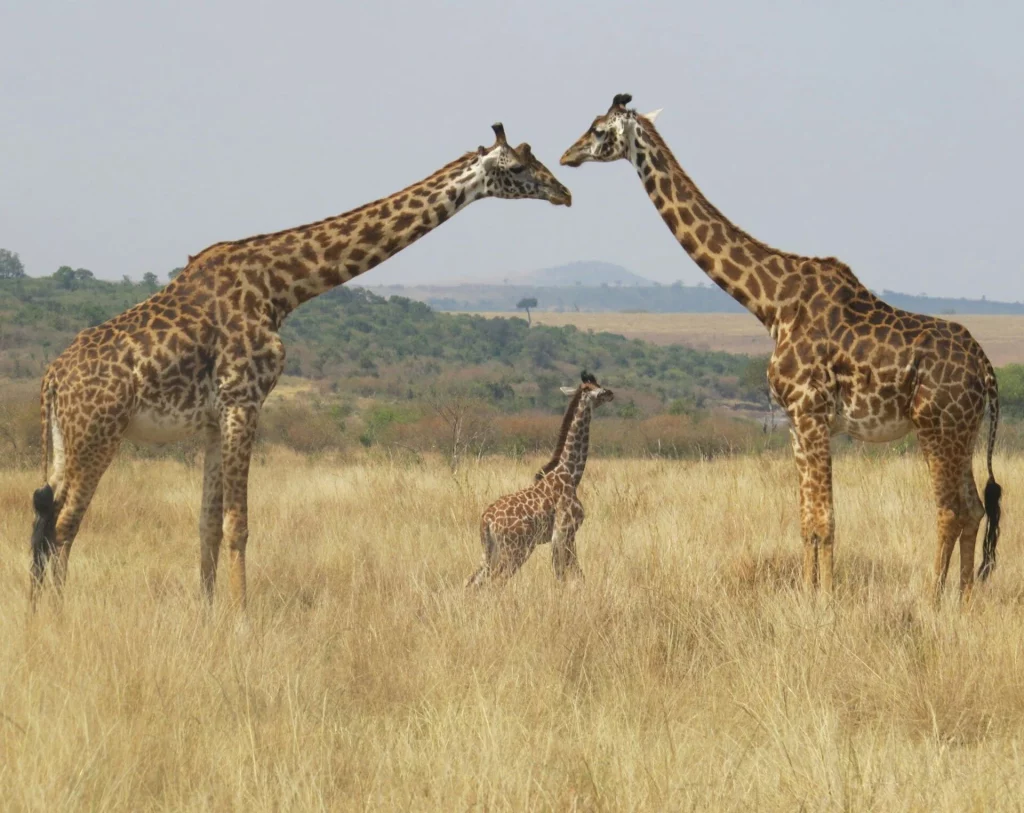
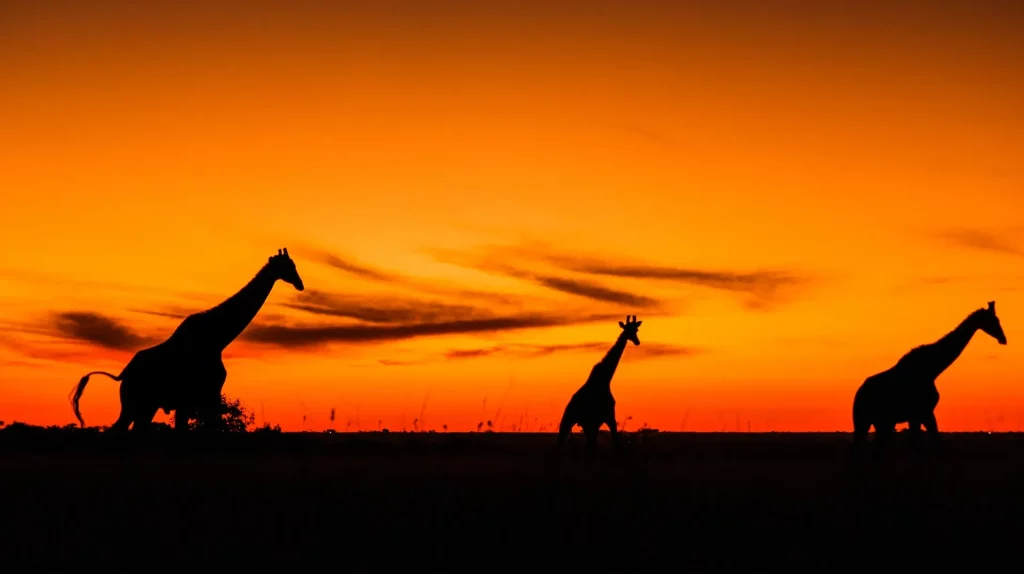
The Masai Mara National Reserve is one of Africa's finest places to see Masai giraffes, the continent's largest giraffe species. They are commonly spotted across the open grasslands around Musiara Marsh, Talek, and the Mara Triangle, often feeding on acacia trees alongside zebras and elephants. The best months are July to October during the Great Migration, although giraffes are present year-round. Early morning and late afternoon provide the best light for photography, especially when giraffes are silhouetted against golden skies. While exploring the reserve, you'll also have excellent chances of seeing lions, cheetahs, leopards, elephants, buffalo, hippos, crocodiles, and hundreds of bird species, making every game drive rewarding.
Serengeti National Park, Tanzania
The Serengeti National Park supports one of Africa's largest populations of Masai giraffes. They are frequently seen browsing scattered acacia trees throughout the Central Serengeti, Seronera Valley, and Western Corridor. Wildlife viewing is excellent all year, while June to October offers dry conditions and outstanding visibility. Photographers should look for giraffes walking across endless plains during sunrise or sunset to capture classic African safari scenes. Besides giraffes, the Serengeti is famous for the Great Migration, massive lion prides, cheetahs, leopards, elephants, hyenas, and more than 500 bird species, making it one of the world's greatest wildlife destinations.
Amboseli National Park, Kenya
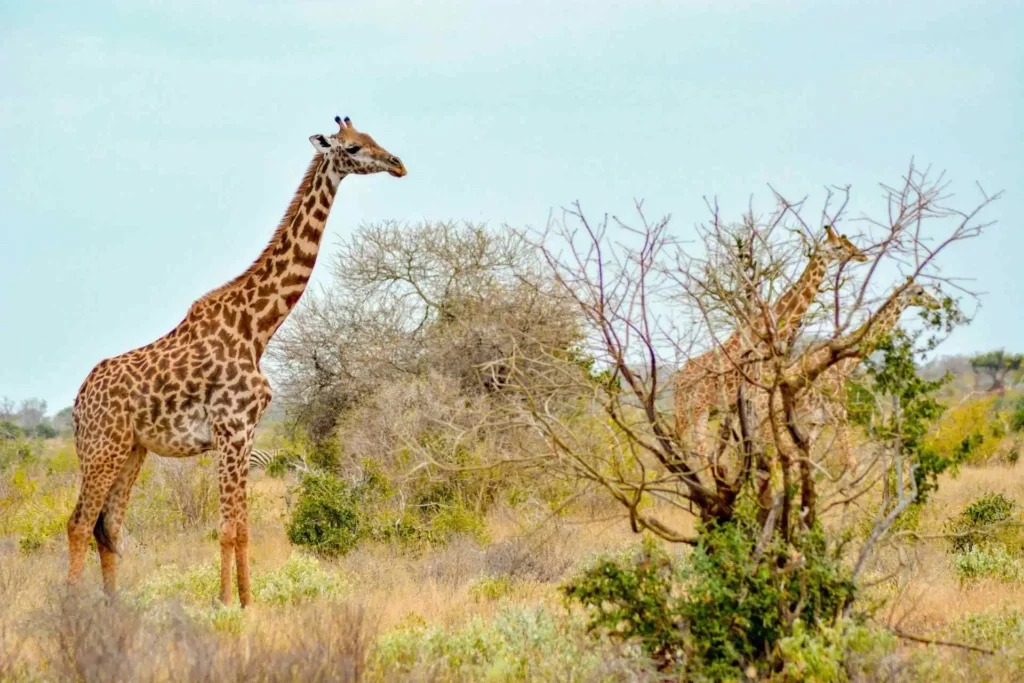
Amboseli National Park offers unforgettable views of Masai giraffes with the snow-capped summit of Mount Kilimanjaro creating one of Africa's most iconic backdrops. Giraffes are regularly seen around Observation Hill, Enkongo Narok Swamp, and the park's acacia woodlands. The dry seasons from June to October and January to February provide the clearest wildlife viewing as animals gather near water sources. Morning game drives often deliver the best photographs before heat haze develops. Amboseli is equally famous for its large-tusked elephants, lions, spotted hyenas, wildebeest, zebras, and abundant birdlife.
Tarangire National Park, Tanzania
Tarangire National Park is renowned for its ancient baobab trees and thriving population of Masai giraffes. These elegant animals are commonly seen feeding on acacia trees along the Tarangire River and Silale Swamp. The best wildlife viewing occurs during the dry season from June to October, when thousands of animals concentrate around permanent water. Wide-angle lenses work well here because giraffes often walk beneath towering baobabs, creating striking compositions. Tarangire is also home to one of Tanzania's largest elephant populations, along with lions, leopards, African wild dogs, buffalo, and more than 550 bird species.
Lake Nakuru National Park, Kenya
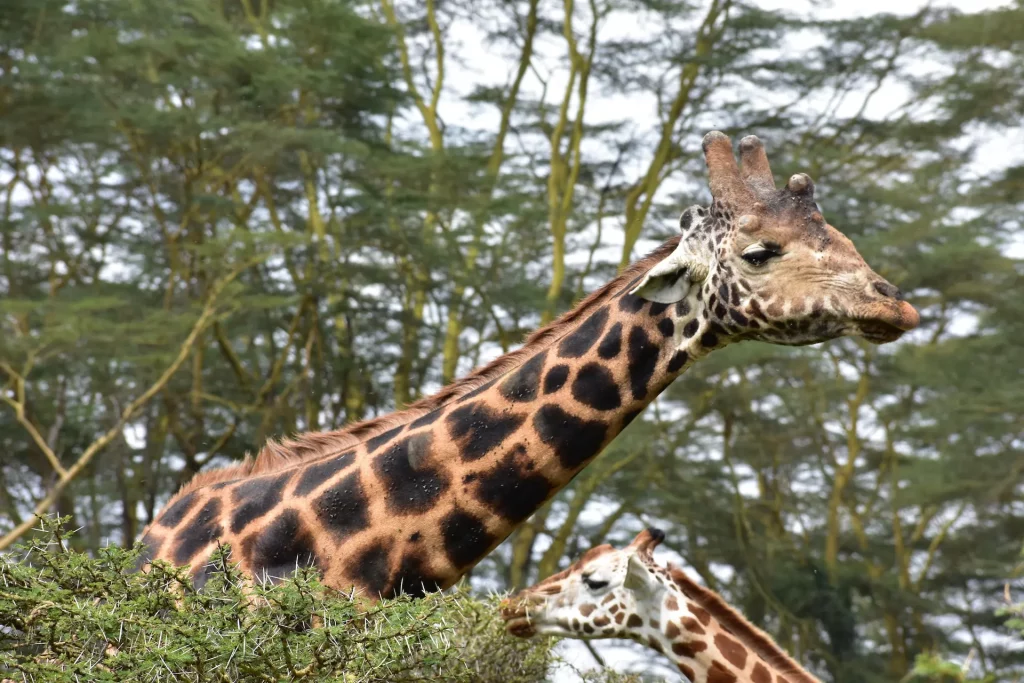
Lake Nakuru National Park is one of the best places in Africa to see the endangered Rothschild's giraffe, a subspecies of the Northern giraffe. Conservation translocations have helped establish a healthy breeding population within the park. Giraffes are often seen around the western woodlands, Baboon Cliff Road, and acacia forests. Sightings are excellent throughout the year, although July to October offers cooler temperatures and easier wildlife viewing. For photographers, the contrast of giraffes against yellow-barked acacia trees creates beautiful images. Lake Nakuru is also famous for white and black rhinos, lions, leopards, waterbucks, and seasonal flocks of flamingos.
Murchison Falls National Park, Uganda
Murchison Falls National Park protects Uganda's largest population of Nubian giraffes, one of the rarest subspecies of the Northern giraffe. The northern sector around Paraa and Buligi Game Tracks offers outstanding opportunities to see large breeding herds. Wildlife viewing peaks during the December to February and June to September dry seasons. Morning game drives provide soft lighting and active wildlife. Visitors often combine giraffe sightings with Nile boat safaris, where elephants, buffalo, crocodiles, hippos, lions, and numerous bird species create an unforgettable safari experience.
Kidepo Valley National Park, Uganda
Remote and spectacular, Kidepo Valley National Park offers one of Africa's most authentic safari experiences. The park supports healthy populations of Nubian giraffes, especially around Narus Valley, where permanent water attracts wildlife throughout the year. The dry season between September and March provides the highest concentration of animals. Open grasslands make giraffes easy to photograph with dramatic mountain backdrops. Kidepo is also known for lions, cheetahs, ostriches, elephants, buffalo, and several wildlife species rarely seen elsewhere in East Africa.
Etosha National Park, Namibia
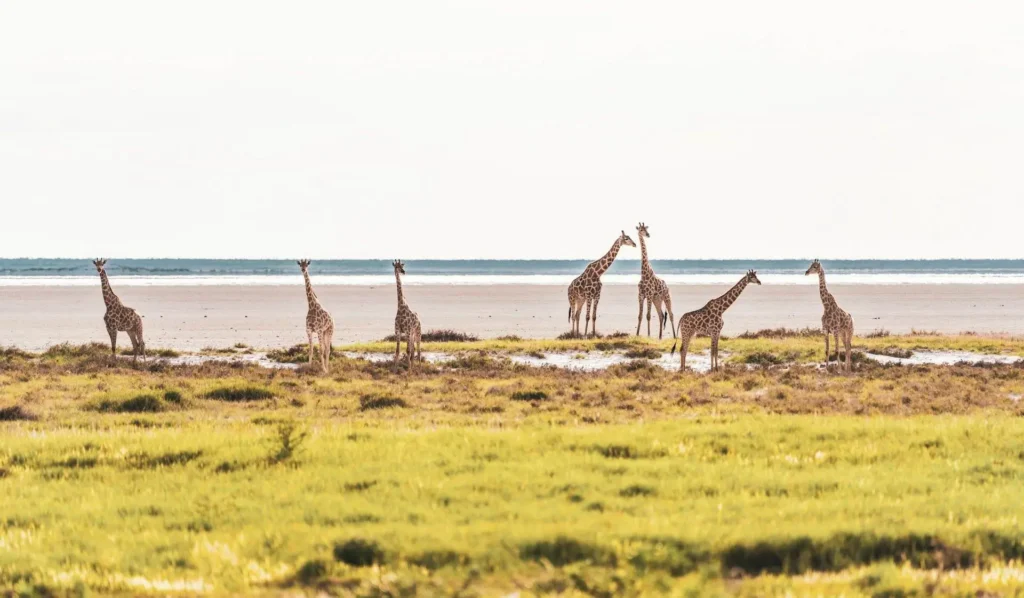
Etosha National Park is the premier destination for seeing Angolan giraffes, a subspecies of the Southern giraffe. These giraffes are regularly observed around Okaukuejo, Halali, Namutoni, and the park's famous waterholes. The May to October dry season is exceptional because wildlife gathers around permanent water sources, making sightings almost guaranteed. Photographers can capture giraffes reflected in waterholes or walking across the vast white Etosha Pan. Other highlights include black rhinos, elephants, lions, cheetahs, springboks, oryx, and one of southern Africa's richest wildlife communities.
Kruger National Park, South Africa
Kruger National Park is one of the easiest places in Africa to see Southern giraffes. They are widespread throughout the park, particularly in the central and northern regions where open savannas support abundant acacia trees. Wildlife viewing is best from May to September, when vegetation is thinner and animals gather around rivers and waterholes. Early morning drives often provide beautiful opportunities to photograph giraffes with warm golden light. Kruger is equally famous for the Big Five, African wild dogs, cheetahs, hyenas, zebras, and more than 500 recorded bird species.
Chobe National Park, Botswana
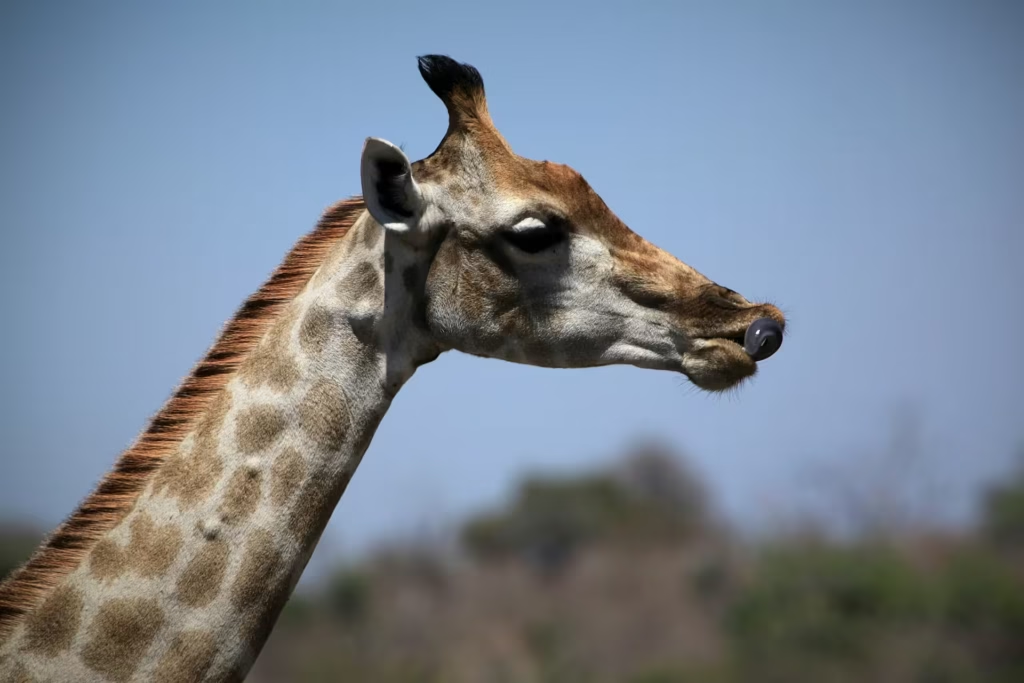
Chobe National Park supports a thriving population of Southern giraffes, especially along the Chobe River floodplains and the Savuti region. Giraffes are frequently seen feeding near riverbanks while elephants pass nearby, creating memorable safari moments. The May to October dry season offers the highest concentration of wildlife. Boat safaris provide unique perspectives for photographing giraffes drinking cautiously along the river's edge. Chobe is also celebrated for its enormous elephant population, buffalo, lions, leopards, hippos, crocodiles, and outstanding birdlife.
Hwange National Park, Zimbabwe
Hwange National Park is Zimbabwe's largest protected area and an excellent destination for viewing Southern giraffes. They are regularly found around Kennedy Vlei, Ngamo Plains, and the park's pumped waterholes. The July to October dry season delivers exceptional wildlife viewing as animals gather around reliable water sources. Patient photographers can capture giraffes interacting with elephants or silhouetted against colorful African sunsets. Hwange also supports large lion prides, African wild dogs, leopards, buffalo, cheetahs, and more than 400 bird species.
South Luangwa National Park, Zambia
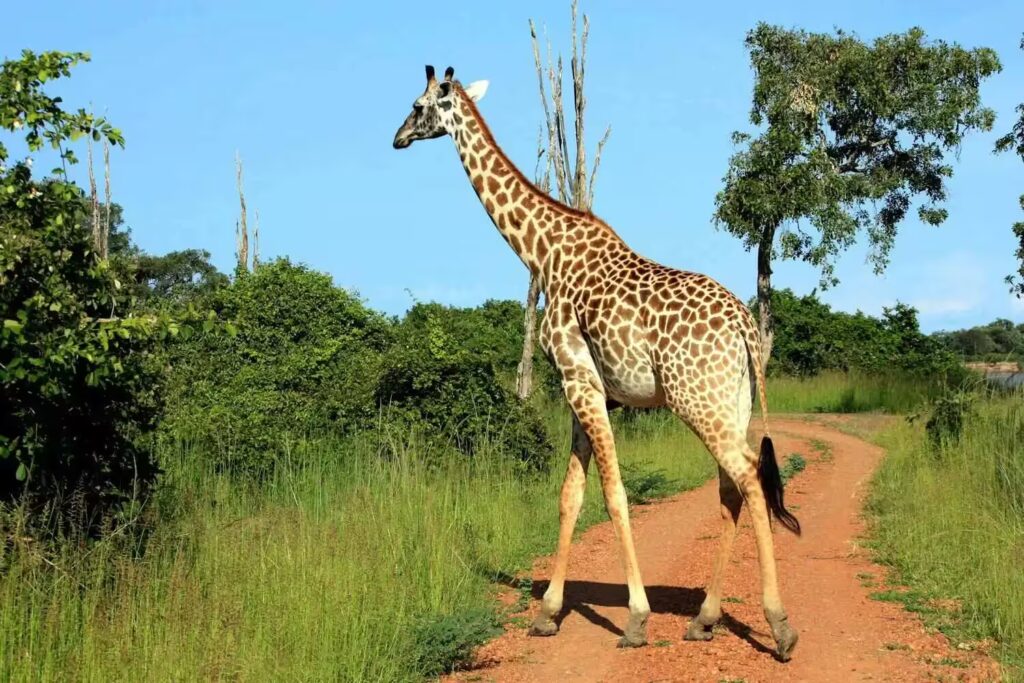
South Luangwa National Park is famous for its walking safaris and excellent populations of Thornicroft's giraffe, a unique subspecies found only in Zambia's Luangwa Valley. This makes the park one of the most special giraffe destinations in Africa. The June to October dry season offers outstanding sightings along the Luangwa River. Early morning walking safaris provide intimate wildlife encounters and excellent photography opportunities. South Luangwa is also home to leopards, lions, elephants, hippos, crocodiles, and exceptional birdlife.
Kafue National Park, Zambia
As Africa's second-largest national park, Kafue offers vast wilderness and reliable sightings of Southern giraffes across its central plains and Busanga region. The July to October dry season provides the best conditions, with wildlife gathering near permanent water. Because visitor numbers are relatively low, photographers often enjoy uninterrupted giraffe encounters in pristine landscapes. Kafue is equally known for cheetahs, African wild dogs, lions, leopards, elephants, sable antelope, and more than 500 bird species.
Samburu National Reserve, Kenya
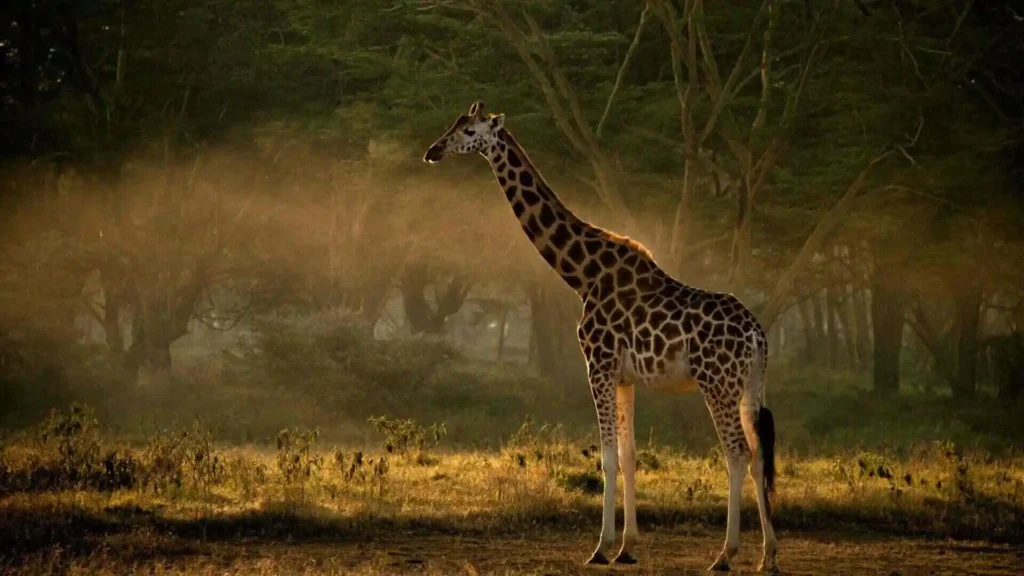
Samburu National Reserve is the best place in Africa to see the beautifully patterned Reticulated giraffe. Their sharply defined white lines and rich chestnut patches make them one of the continent's most photogenic giraffes. They are commonly found along the Ewaso Ng'iro River and surrounding acacia scrublands. Wildlife viewing is excellent year-round, with June to October offering particularly comfortable conditions. Samburu is also home to the famous Samburu Special Five, including Grevy's zebra, Somali ostrich, Beisa oryx, gerenuk, and reticulated giraffe, making it a must-visit destination for wildlife enthusiasts.
Niger's Giraffe Conservation Area
Located near Kouré, southeast of Niamey, Niger's Giraffe Conservation Area is the world's only place to see the West African giraffe, the rarest giraffe population on Earth. Thanks to decades of conservation work, numbers have increased from fewer than 50 individuals in the 1990s to more than 600 today. Guided tours offer respectful opportunities to observe these giraffes roaming community-managed landscapes rather than fenced reserves. The November to February dry season provides the most comfortable weather for visitors. Although this is not a traditional Big Five safari destination, it offers an extraordinary chance to see one of Africa's greatest conservation success stories.
Giraffe Species You Can See in Africa
Many people think every giraffe looks the same, but scientists now recognize four living giraffe species. Each species has unique coat patterns, a different range, and its own conservation story. Knowing which species lives in each safari destination helps you choose the right itinerary. Some species are widespread, but others survive only in small pockets of Africa. If your goal is to photograph every giraffe species, you will need to visit several countries.
Masai Giraffe
The Masai giraffe (Giraffa tippelskirchi) is the tallest and most common giraffe in East Africa. Its coat has large, irregular patches with jagged edges that look like oak leaves. You can see Masai giraffes across southern Kenya and northern Tanzania. The best places include the Masai Mara, Serengeti, Amboseli, and Tarangire National Park. Recent conservation surveys estimate that more than 45,000 Masai giraffes remain in the wild. Their numbers have improved in many protected areas through stronger anti-poaching patrols and better habitat management.
Reticulated Giraffe
The Reticulated giraffe (Giraffa reticulata) is easy to recognize. It has rich chestnut patches separated by bright white lines that form a neat geometric pattern. This striking appearance makes it one of Africa's most photographed giraffes. Its range is limited to northern Kenya, southern Ethiopia, and parts of Somalia. Samburu National Reserve is widely regarded as the best place to see this species. Current estimates suggest that about 16,000 Reticulated giraffes remain in the wild. Habitat loss and illegal hunting continue to threaten many populations outside protected areas.
Northern Giraffe
The Northern giraffe (Giraffa camelopardalis) is the rarest giraffe species. It includes three well-known subspecies: Rothschild's giraffe, Nubian giraffe, and West African giraffe.
Rothschild's giraffe lives mainly in protected areas of Kenya and Uganda. Lake Nakuru National Park offers one of the best chances to see this elegant giraffe, which has lighter coat markings and no spots below the knees.
Nubian giraffes survive in small populations across Uganda and South Sudan. Murchison Falls National Park protects the largest population, with more than 2,000 individuals recorded in recent surveys.
The West African giraffe has the smallest range of any giraffe. It lives only around Kouré in southwestern Niger. Fewer than 50 animals survived during the 1990s. Community conservation programs have helped the population grow to more than 600 giraffes, making it one of Africa's most encouraging wildlife recovery stories.
Southern Giraffe
The Southern giraffe (Giraffa giraffa) includes two subspecies, the Angolan giraffe and the South African giraffe. Both have rounded coat patches with lighter background coloring than the Masai giraffe.
The Angolan giraffe lives in Namibia, Botswana, and parts of western Zimbabwe. Etosha National Park is the best place to watch these giraffes gather around waterholes during the dry season.
The South African giraffe occurs across South Africa, Zimbabwe, Mozambique, and Botswana. Kruger National Park and private reserves bordering the park support healthy populations. Thanks to successful wildlife management and protected habitats, Southern giraffes remain the most secure giraffe species in Africa and are regularly seen on safari throughout the year.
Best Countries to See Giraffes
Several African countries offer excellent giraffe viewing, but each safari destination has its own strengths. Kenya stands out for species diversity. You can see both Masai and Reticulated giraffes in the same trip. Tanzania offers vast national parks with large giraffe populations and outstanding photography. Uganda is the top choice for anyone hoping to see the rare Nubian giraffe. Namibia attracts photographers with its dramatic desert scenery and Angolan giraffes. South Africa is one of the easiest countries for first-time safari visitors, thanks to its excellent road network and well-developed tourism. Botswana, Zambia, Zimbabwe, and Niger also provide memorable giraffe encounters, each with its own unique wildlife experience.
The table below compares the best countries for seeing giraffes in Africa.
| Country | Best Park | Giraffe Species | Ease of Sighting | Safari Quality |
| Kenya | Masai Mara National Reserve | Masai | Excellent | World-class for wildlife and photography |
| Kenya | Samburu National Reserve | Reticulated | Excellent | Outstanding for rare northern species |
| Tanzania | Serengeti National Park | Masai | Excellent | One of Africa's finest safari destinations |
| Tanzania | Tarangire National Park | Masai | Excellent | Famous for elephants and baobab trees |
| Uganda | Murchison Falls National Park | Nubian | Very Good | Great wildlife with Nile boat safaris |
| Namibia | Etosha National Park | Angolan | Excellent | Outstanding dry season wildlife viewing |
| South Africa | Kruger National Park | South African | Excellent | Easy access with excellent infrastructure |
| Botswana | Chobe National Park | Southern | Excellent | Famous for elephants and river safaris |
| Zambia | South Luangwa National Park | Thornicroft's | Very Good | One of Africa's best walking safari destinations |
| Zimbabwe | Hwange National Park | Southern | Very Good | Excellent wildlife with fewer crowds |
| Niger | Kouré Giraffe Conservation Area | West African | Good | Best place to see the rarest giraffe population |
If your goal is to see the greatest variety of giraffes, Kenya is the top choice. A safari that combines the Masai Mara, Samburu, and Lake Nakuru lets you see Masai, Reticulated, and Rothschild's giraffes in one journey. Travelers who enjoy wildlife photography often pair Kenya with Tanzania to experience East Africa's richest giraffe habitats and some of the continent's finest safari parks.
Best Time to See Giraffes in Africa
Giraffes live in Africa throughout the year, so you can see them during any season. Your experience will change with the weather, vegetation, and animal movements. Most safari travelers visit during the dry season for easier wildlife viewing. The green season has its own rewards, especially for photographers who enjoy lush scenery and dramatic skies.
Dry Season
The dry season, which usually runs from June to October in much of eastern and southern Africa, offers the best conditions for spotting giraffes. Grass becomes shorter, shrubs lose many leaves, and animals gather near rivers and waterholes. This makes giraffes much easier to find during game drives.
Clear skies and soft morning light create excellent conditions for photography. Dust in the air often produces warm sunrise and sunset colors that work beautifully for wildlife images. Temperatures stay comfortable during early mornings, though afternoons can become hot in countries such as Kenya, Tanzania, and Botswana.
This is also the busiest safari season. Popular parks like the Masai Mara, Serengeti, Kruger, and Etosha welcome thousands of visitors each month. Booking accommodation six to twelve months in advance gives you the best choice of lodges.
Green Season
The green season, which usually falls between November and May, transforms many parks with fresh grass, flowering plants, and full waterholes. Giraffes spread across larger areas as food becomes more plentiful, so sightings can take a little longer. They remain common in most national parks, especially in open woodlands filled with acacia trees.
Photographers often enjoy this season for its rich green backgrounds, dramatic clouds, and cleaner air after rainfall. Many giraffe calves are born during this period, so visitors often see mothers with young calves. Parks are quieter, safari camps offer lower rates, and game drives feel more relaxed. Short rain showers usually pass quickly, leaving plenty of time to enjoy excellent wildlife viewing.
Safari Tips for Watching Giraffes
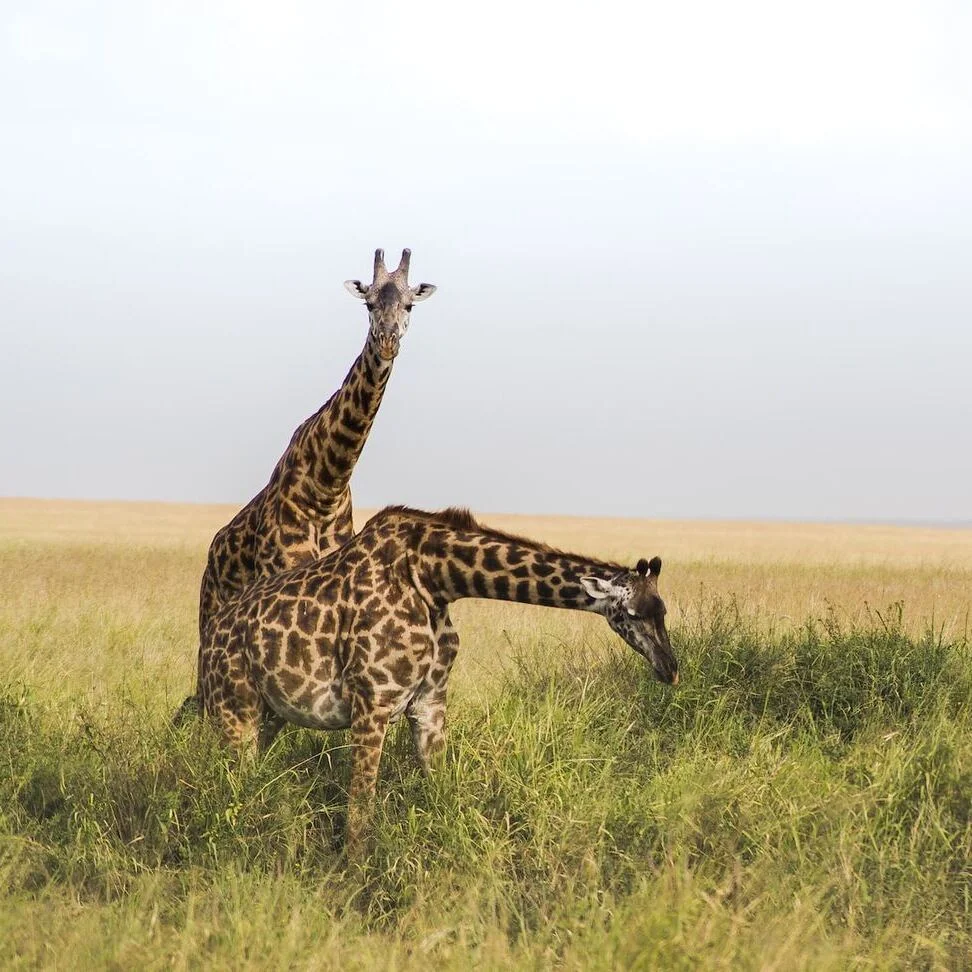
Watching giraffes in the wild is a special experience, but the right preparation helps you enjoy every sighting. These animals often stand far from safari tracks, and small details can make a big difference for viewing and photography.
Carry a good pair of binoculars with 8x or 10x magnification. They help you observe giraffe behavior from a distance without disturbing them. Look for feeding patterns, social interactions, and giraffes moving through open grasslands.
For photography, a 200mm to 400mm telephoto lens works well on most safaris. A longer lens helps capture close portraits without moving too close to the animal. Giraffes often make beautiful images when framed with acacia trees, mountains, or golden evening light.
Follow basic safari etiquette during every sighting. Stay inside the vehicle unless your guide allows you to leave. Keep voices low and avoid sudden movements. Giraffes are calm animals, but they need space to behave naturally.
Morning and evening game drives offer the best opportunities. Early morning light creates soft colors, and giraffes are often active after resting overnight. Evening drives provide warm sunset backgrounds and chances to see animals moving toward feeding areas.
For camera settings, start with a shutter speed above 1/1000 second to capture movement. Use a lower ISO during bright mornings and raise it during sunset. A wide aperture such as f/4 or f/5.6 helps separate giraffes from the background.
Always follow your guide's instructions. Safari guides understand animal behavior and know how to create safe, respectful wildlife encounters.
Giraffe Conservation in Africa
Giraffes are one of Africa's most recognizable animals, but many populations have faced serious declines over the past few decades. Scientists estimate that wild giraffe numbers have fallen by around 30% since the 1980s. Today, fewer than 120,000 giraffes remain across Africa. Some species have stable populations, but others survive in small, isolated areas.
The biggest threat to giraffes is habitat loss. Expanding farms, roads, settlements, and livestock grazing reduce the open woodland areas where giraffes feed. Giraffes depend heavily on trees such as acacias, and the loss of these feeding areas directly affects their survival.
Illegal hunting has affected several giraffe populations, especially in parts of East and Central Africa. Giraffes are sometimes hunted for meat, hides, and traditional uses. Their slow reproduction makes population recovery difficult. A female giraffe carries a calf for about 15 months, and usually gives birth to one calf at a time.
Several conservation groups work to protect giraffes and their habitats. The Giraffe Conservation Foundation supports research, population monitoring, and conservation projects across Africa. National parks and wildlife authorities in countries such as Kenya, Uganda, Namibia, and Niger run breeding programs, habitat protection projects, and anti-poaching efforts.
Responsible tourism plays an important role in giraffe conservation. Safari fees help fund protected areas, ranger teams, and community programs. Visiting parks such as the Masai Mara, Etosha, Kruger, and Murchison Falls supports local economies and gives communities a reason to protect wildlife.
Choosing ethical safari operators, respecting park rules, and supporting conservation-focused lodges help protect giraffes for future generations. Every responsible safari visit contributes to keeping these remarkable animals in Africa's wild spaces.
Frequently Asked Questions About Seeing Giraffes in Africa
Which African country has the most giraffes?
Kenya and Tanzania are among the best countries for giraffe sightings, with some of Africa's largest populations. Kenya is especially popular because it supports several giraffe types, including Masai giraffes, Reticulated giraffes, and Rothschild's giraffes. Tanzania's Serengeti and Tarangire National Park are excellent places to see large numbers of Masai giraffes. Across Africa, scientists estimate that around 117,000 giraffes live in the wild.
Where can I see Rothschild's giraffes?
The best places to see Rothschild's giraffes are Lake Nakuru National Park in Kenya and Murchison Falls National Park in Uganda. This giraffe is one of the rarest subspecies, with fewer than 3,000 individuals remaining in the wild. Lake Nakuru has a successful conservation population, and visitors often see these giraffes feeding near acacia woodlands and open grasslands.
Where can I see Reticulated giraffes?
The best destination for Reticulated giraffes is Samburu National Reserve in northern Kenya. Their unique coat pattern, with sharp white lines between dark patches, makes them easy to identify. The species lives mainly in northern Kenya, southern Ethiopia, and parts of Somalia. Samburu offers some of the most reliable sightings throughout the year.
Which safari is best for giraffe photography?
Kenya's Samburu National Reserve, Masai Mara, and Tanzania's Serengeti National Park are excellent choices for giraffe photography. Samburu is ideal for Reticulated giraffes with their striking patterns. The Masai Mara offers classic images of giraffes walking across open plains. Photographers should plan early morning and evening game drives for soft light and active animals.
Can you see giraffes year-round?
Yes, giraffes can be seen throughout the year in most major safari destinations. The dry season from June to October often provides easier sightings as animals gather near water sources. The green season from November to May offers fewer crowds, fresh vegetation, and opportunities to see young giraffe calves.
Are giraffes endangered?
Giraffe conservation status varies by species and subspecies. Some populations face serious threats, especially Northern giraffes and West African giraffes. Habitat loss, human-wildlife conflict, and illegal hunting have reduced numbers in many areas. Conservation programs have helped several populations recover, including West African giraffes in Niger.
How close do safari vehicles get to giraffes?
Safari vehicles usually keep a respectful distance from giraffes, often around 20 to 50 meters depending on the location and animal behavior. Experienced guides position vehicles carefully without blocking movement or causing stress. Giraffes are naturally calm animals, and patient visitors often enjoy long sightings as they feed, walk, or interact with other giraffes.
Final Thoughts
Africa offers some of the world's best opportunities to see giraffes in their natural habitat. Kenya's Samburu National Reserve is the top choice for Reticulated giraffes, while the Masai Mara and Serengeti provide unforgettable Masai giraffe sightings. Travelers searching for rare species should visit Lake Nakuru, Murchison Falls, or Niger's Kouré Giraffe Conservation Area.
Your ideal giraffe safari depends on your interests. Photographers will love Samburu, Etosha, and the Serengeti for stunning wildlife images. Big Five enthusiasts can combine giraffe sightings with lions, elephants, leopards, and rhinos in Kenya, Tanzania, or South Africa. Families often prefer Kruger and Masai Mara for easy wildlife viewing, while conservation-focused travelers can support projects protecting rare giraffe populations. A well-planned safari creates memories that last long after you return home.