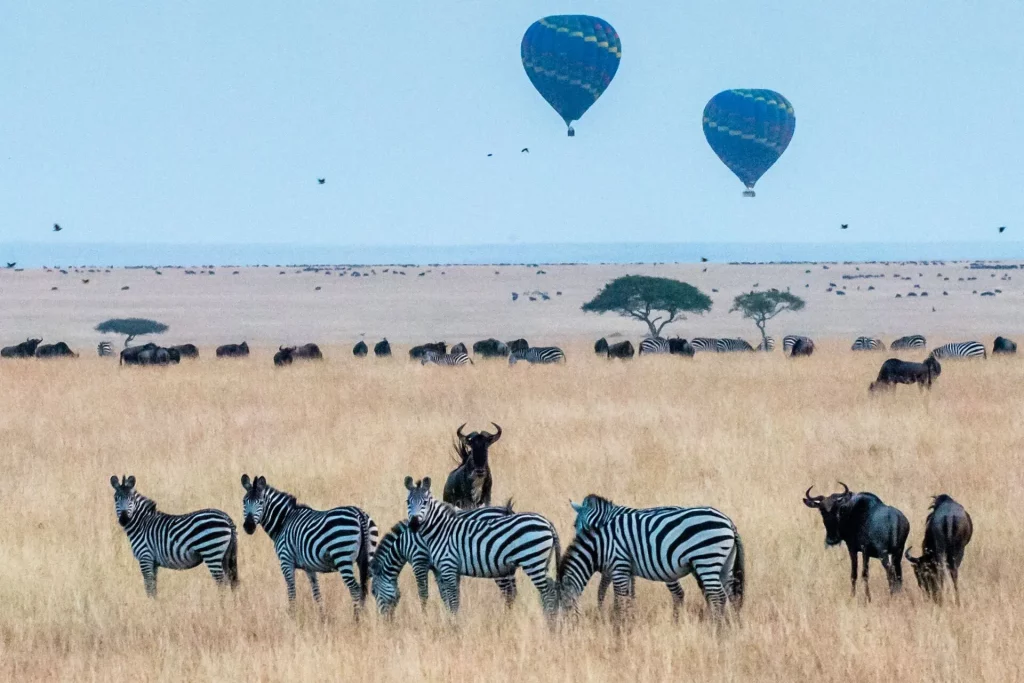
The best time to visit Kenya for wildlife viewing is July to October, when dry weather and the Great Migration attract visitors to the Masai Mara. January to February is another excellent window, with dry conditions, good photography, and fewer visitors in some parks.
Kenya has two dry seasons and two rainy seasons, so every month comes with different trade-offs. This guide explains Kenya weather by month, the best safari seasons, regional travel windows, and when to visit for wildlife, birdwatching, beaches, and better value.
Quick Answer: When Should You Visit Kenya?
- Best overall: July to October for dry weather, wildlife viewing, and the Great Migration in the Masai Mara.
- Best for fewer crowds and good weather: January to February for dry conditions and photography.
- Best for lower prices: April to May, when rain increases and some camps close.
- Best for beaches: December to March for warm coastal weather and beach activities.
Kenya’s Seasons at a Glance
Kenya sits on the equator, but temperatures vary with altitude. Nairobi and the central highlands are cooler than the coast and northern lowlands. Rainfall also changes across the country, so conditions can differ between parks during the same month.
| Season | Months | Weather | Wildlife viewing | Crowds | Price level |
|---|---|---|---|---|---|
| Long dry season | June to October | Mostly dry, cool mornings | Strong across many parks | High in popular reserves | High |
| Short rains | November to December | Showers with sunny periods | Good, with green scenery | Moderate, higher in late December | Moderate to high |
| Short dry season | January to February | Warm and mostly dry | Strong, with calving in southern Serengeti nearby | Moderate to high | Moderate to high |
| Long rains | March to May | Frequent and sometimes heavy rain | Good in suitable areas, with more difficult roads | Low | Often lower |
These seasons are useful guides rather than fixed weather rules. Rainfall patterns have become less predictable, so check local conditions before confirming your route.
Kenya Weather by Month
January to February
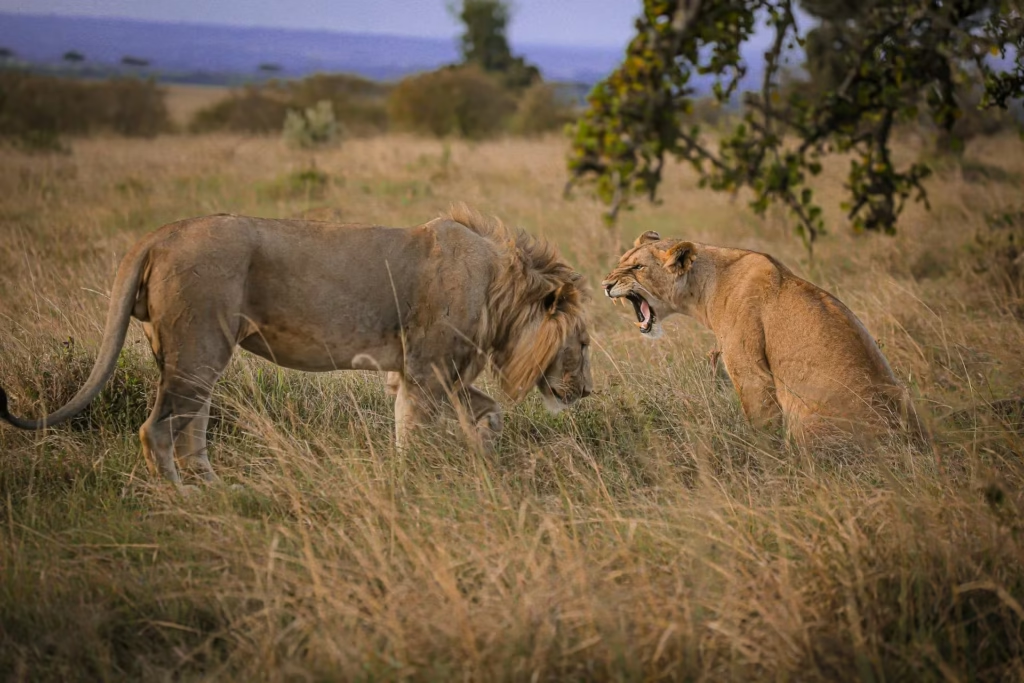
These months are warm and mostly dry in many safari areas. Wildlife viewing is strong, and open conditions can help photographers get clear shots. The Masai Mara has resident lions, cheetahs, and other wildlife throughout the year. The main wildebeest calving season takes place farther south in Tanzania’s Serengeti ecosystem.
Best for: Photography, predator sightings, dry weather, and travellers who want to avoid the busiest migration period.
March to May
The long rains usually begin in March and become heavier in April and May. Landscapes turn green, migratory birds are present, and visitor numbers often fall. Some camps close for part of this period, and muddy roads can make transfers slower. Flexible travellers may find lower accommodation rates, but weather can affect daily activities.
Best for: Budget travellers, birdwatchers, green landscapes, and visitors who can adjust their plans.
June
June marks the transition into the main dry season. Conditions often improve as the month progresses, while the busiest migration crowds have yet to arrive in full. Wildlife viewing can be very good, although the Great Migration's location depends on rainfall and grazing conditions.
Best for: Travellers seeking a balance between dry-season viewing and the busiest weeks of peak season.
July to September
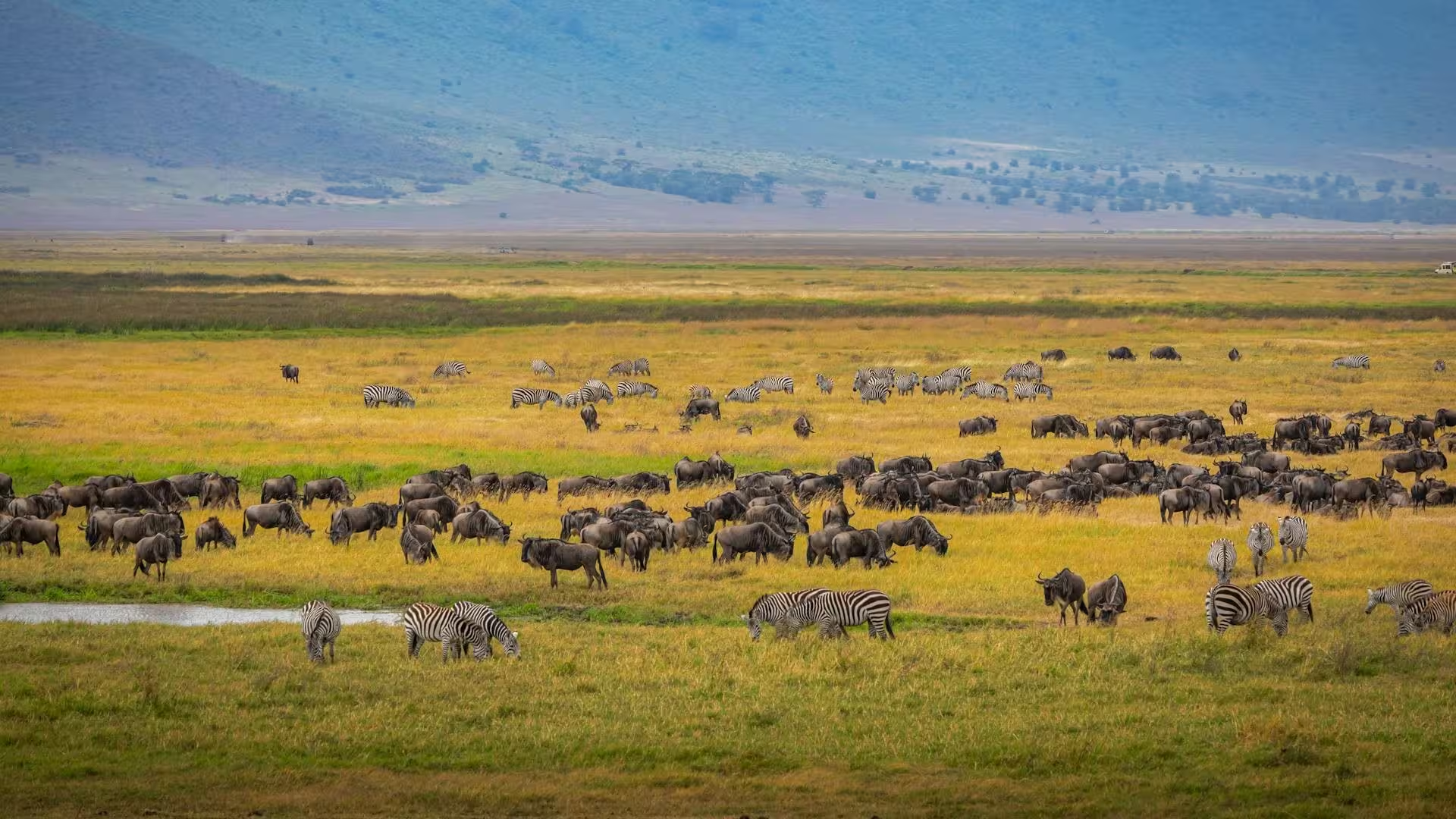
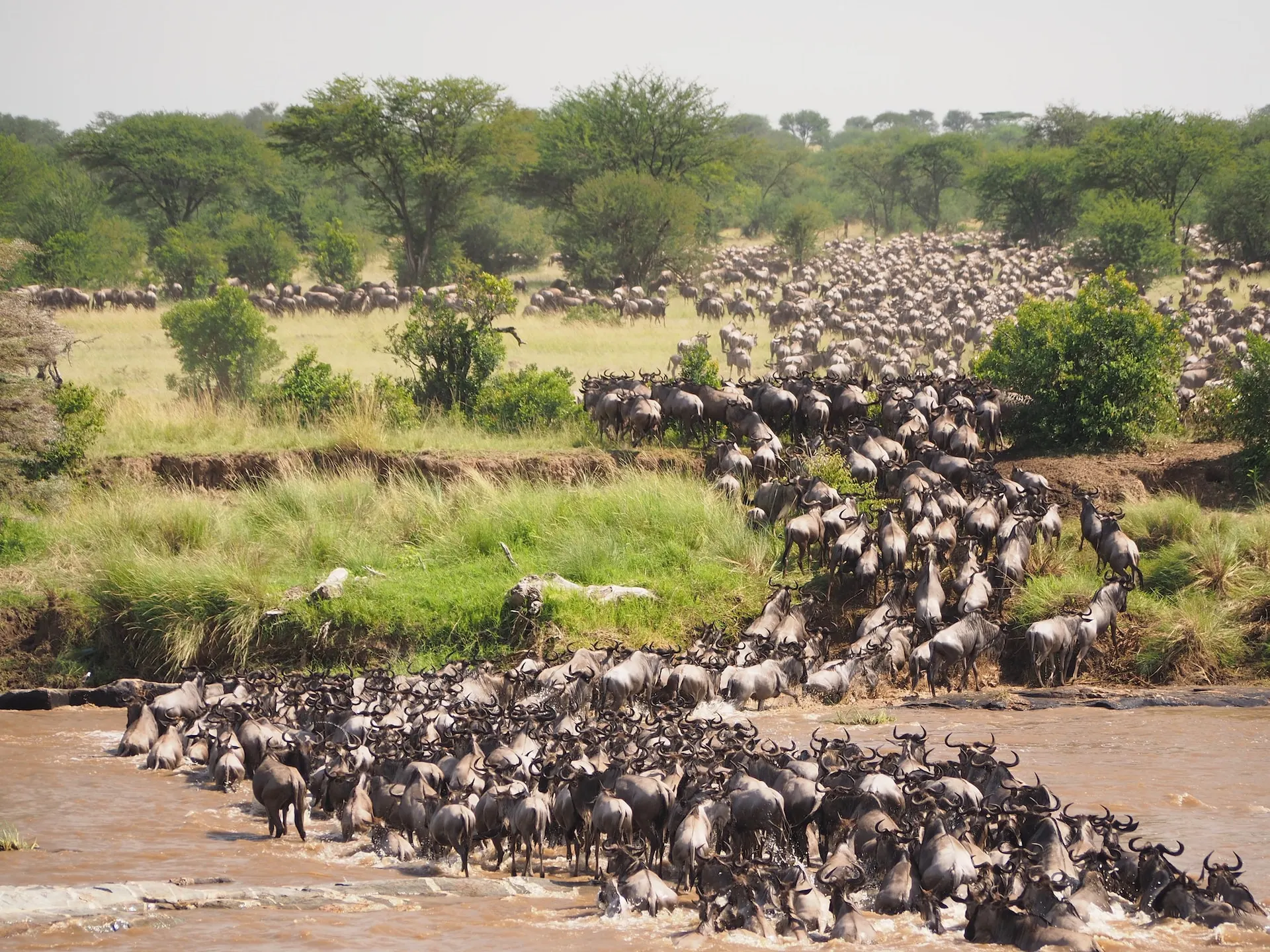
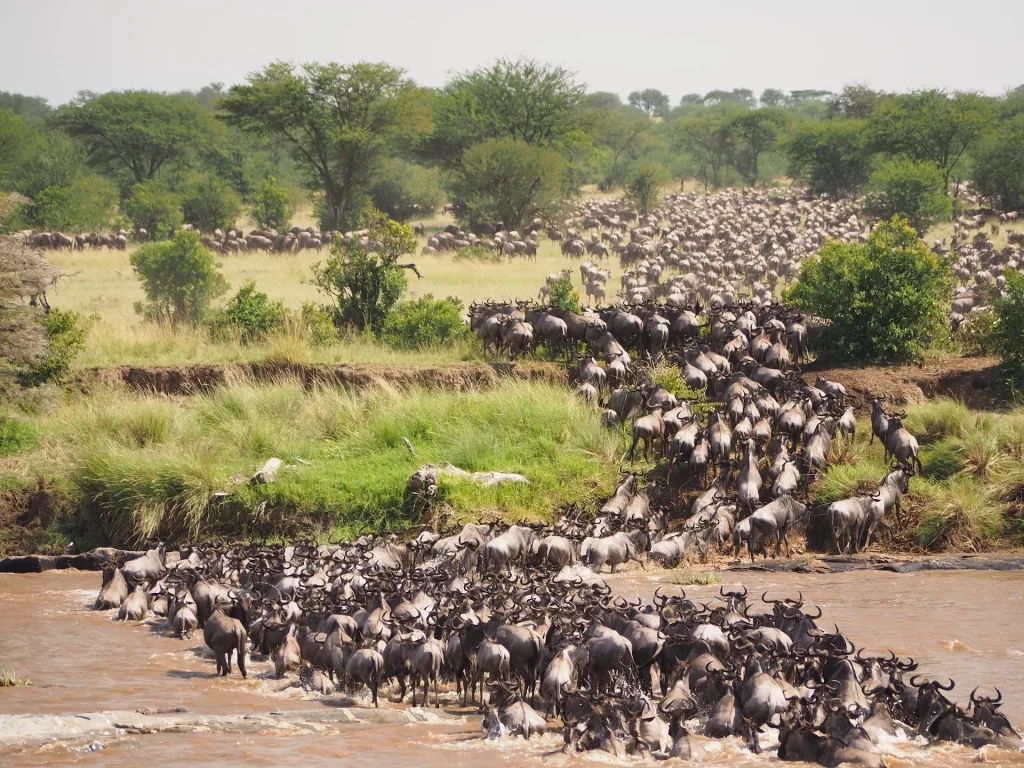
These are the main months for a classic Kenya safari. Dry conditions make many roads easier to use, and wildlife can be easier to spot in open vegetation. The Great Migration often brings large wildebeest and zebra herds into the Masai Mara. River crossings may occur, especially in August and September, but sightings are never guaranteed.
Best for: First-time safari visitors, migration viewing, big game, and wildlife photography.
October
October often remains dry, though short rains may begin toward the end of the month. The Masai Mara can still offer excellent game viewing, and visitor numbers may ease after the busiest migration weeks. Herd movement varies from year to year, so do not choose dates based only on a predicted crossing.
Best for: Dry-season wildlife viewing, photographers, and travellers seeking a little more flexibility after peak season.
November to December
The short rains usually arrive in November and may continue into December. Showers often come between periods of sunshine, bringing fresh grass and greener scenery. Birdwatching improves with the arrival of migratory species. Late December is a busy holiday period, so accommodation can cost more even when rain is possible.
Best for: Birdwatching, green landscapes, festive holidays, and safari trips combined with a coastal stay.
Which Month Suits Your Trip?
| Travel goal | Months to consider |
|---|---|
| Great Migration in the Masai Mara | July to October |
| Dry weather and photography | January to February, July to October |
| Green landscapes and birdwatching | November to April |
| Lower accommodation rates | April to May, subject to camp availability |
| A safari before peak crowds | June or early October |
| Safari and beach holiday | January to March, or December |
Best Time for the Great Migration
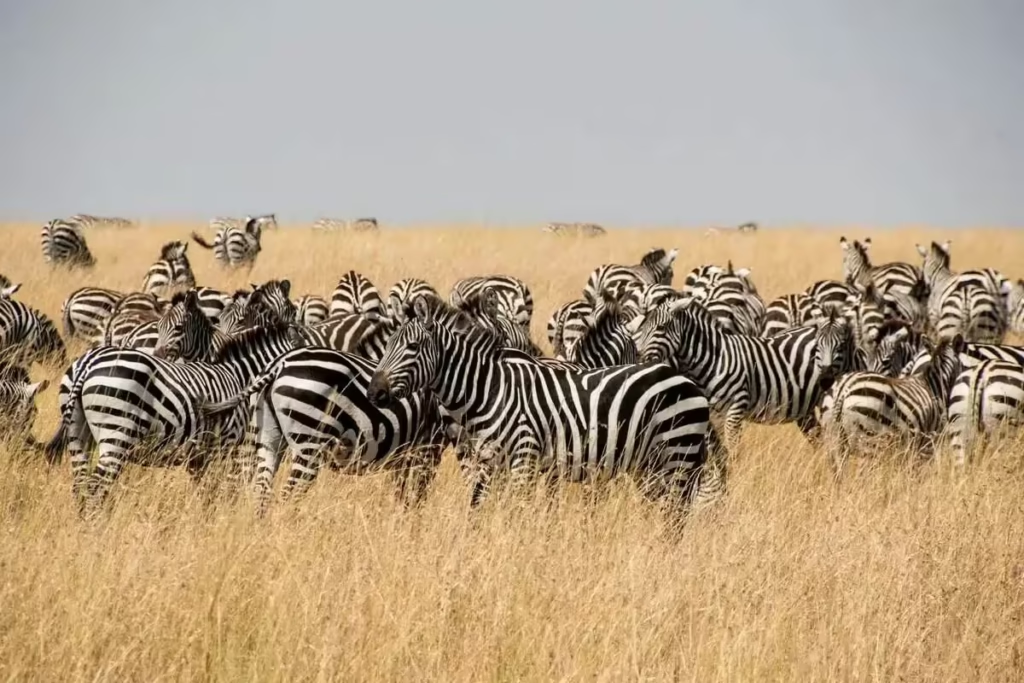
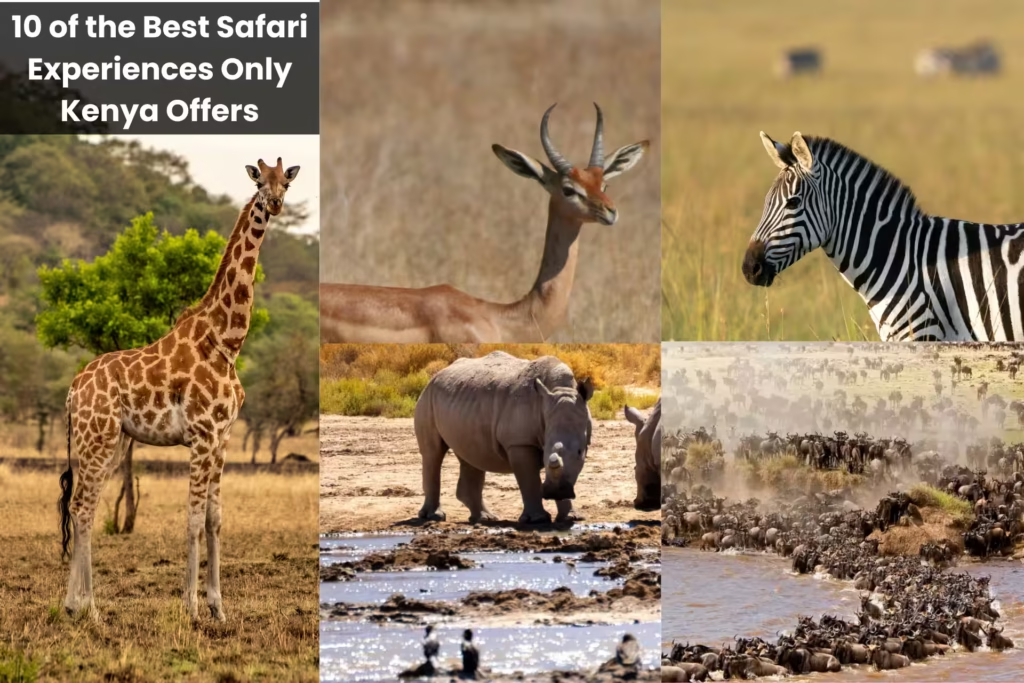
The Great Migration usually brings large wildebeest and zebra herds into Kenya's Masai Mara between July and October. River crossings are often reported in August and September, but the exact timing changes each year.
The herds follow rainfall, fresh grass, and water rather than a fixed calendar. They may gather near a river without crossing, or cross when few vehicles are nearby. Spending several days in the Mara gives you more chances to see changing herd movement.
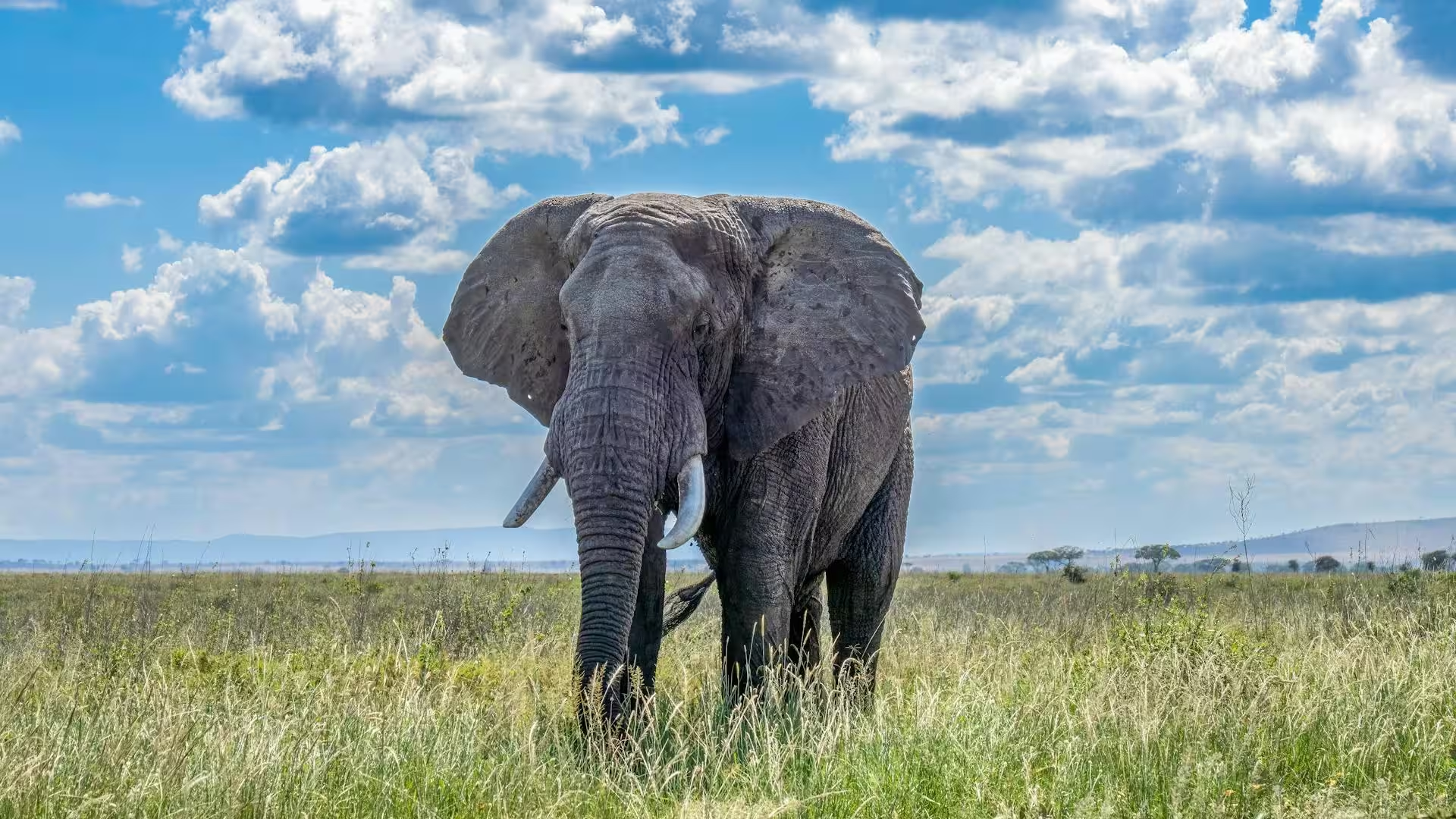
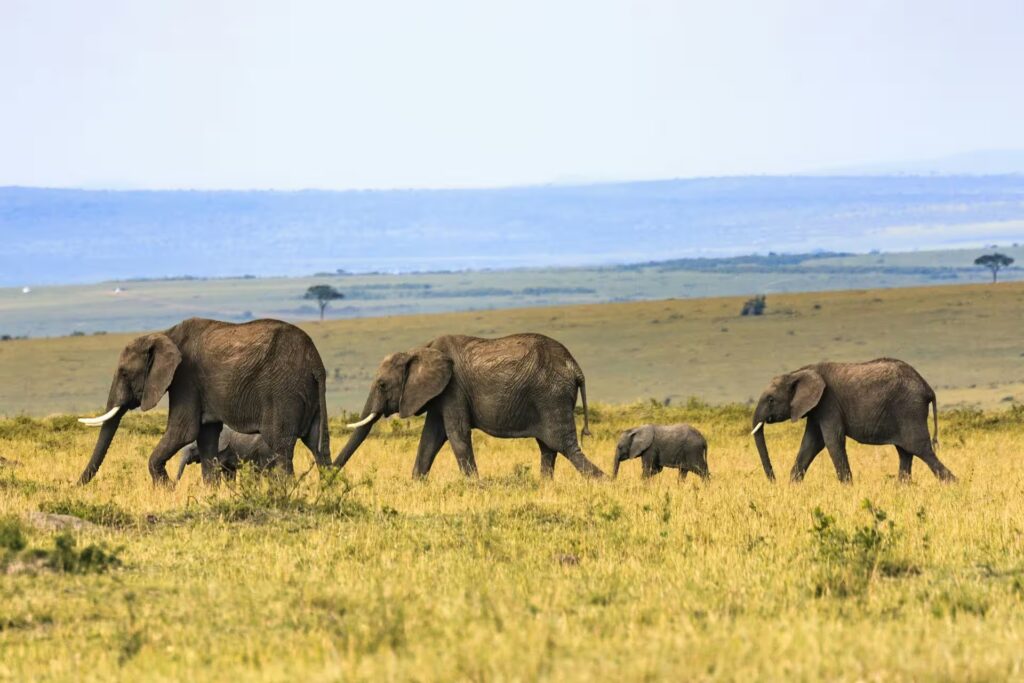
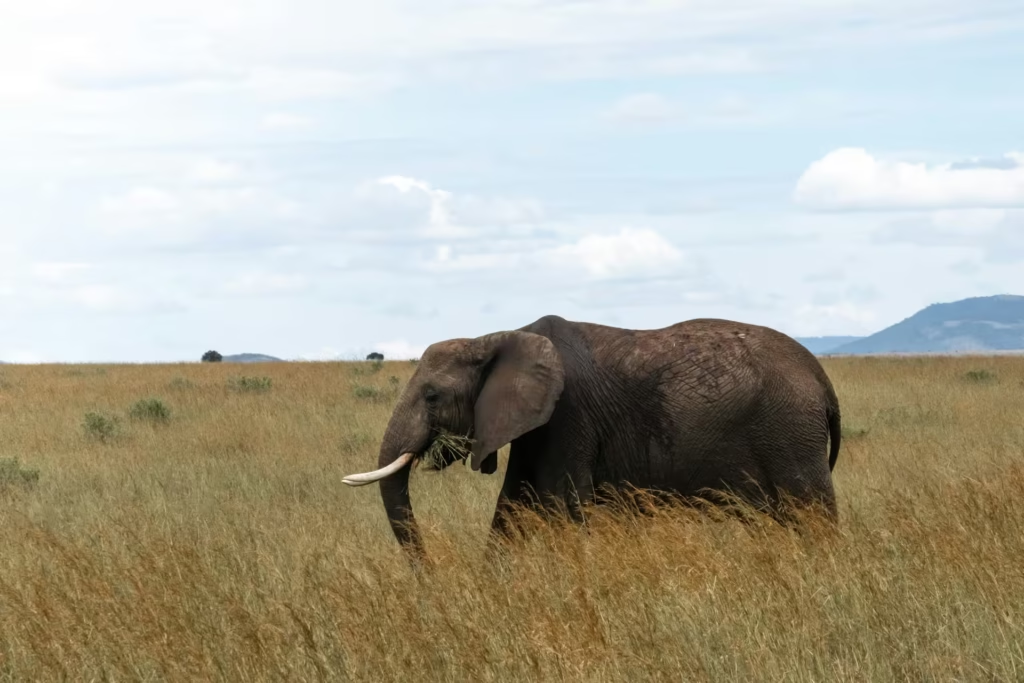
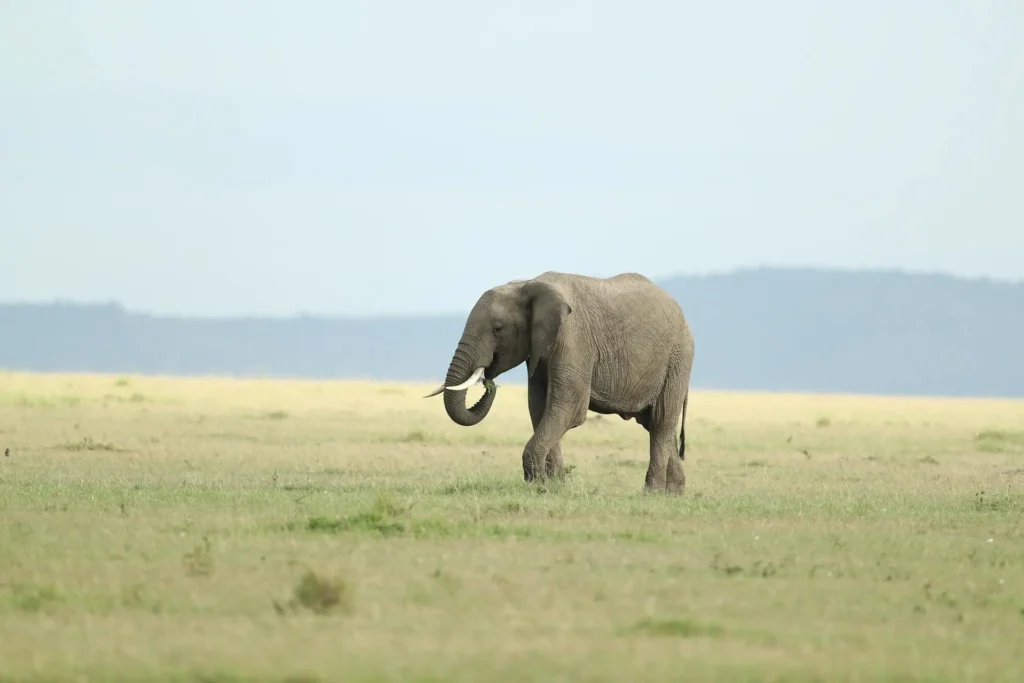
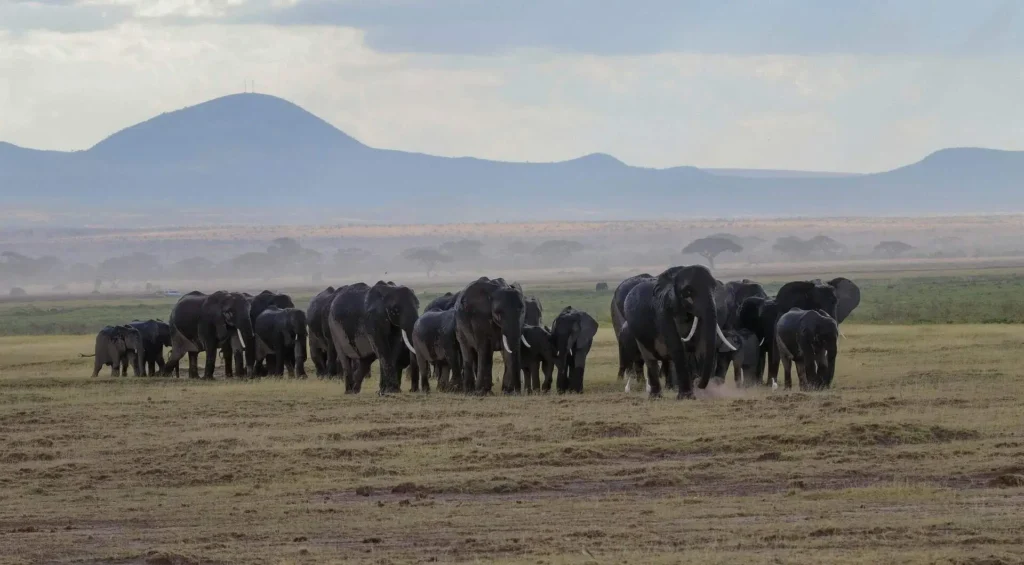
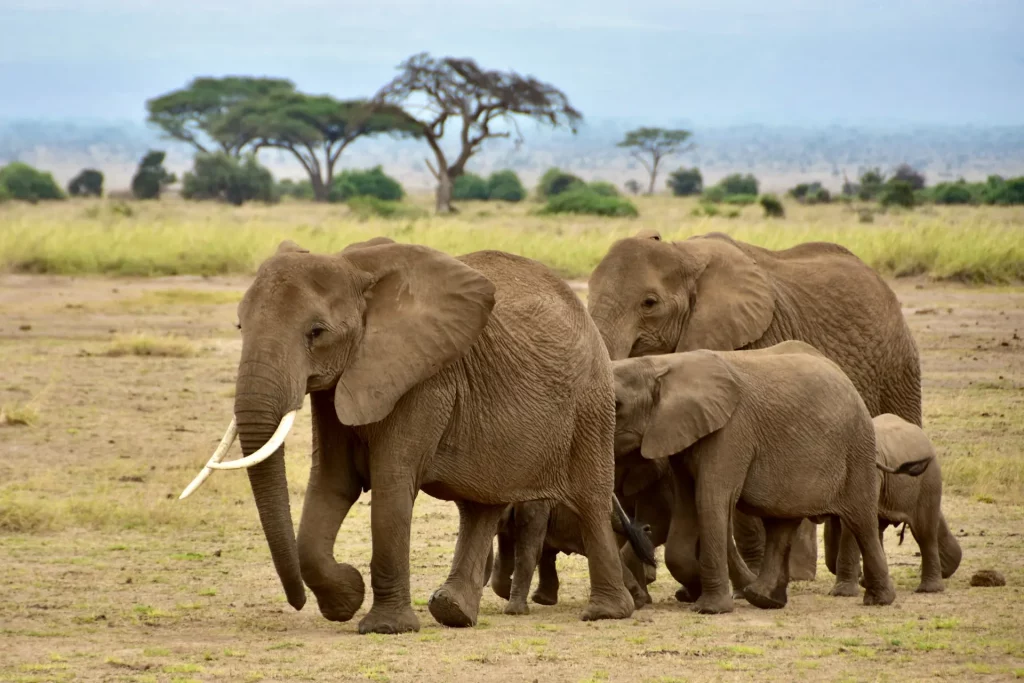
Kenya is worth visiting outside migration season too. Resident lions, leopards, cheetahs, elephants, and other wildlife remain in the parks throughout the year.
If you want to follow the migration across both countries, read our guide to combining a Masai Mara and Serengeti safari.
Best Time to Visit Kenya by Park and Region
Masai Mara
Best months: July to October for migration activity and dry-season viewing. January to February is also strong for resident wildlife and photography. Big cats can be seen throughout the year.
Amboseli National Park
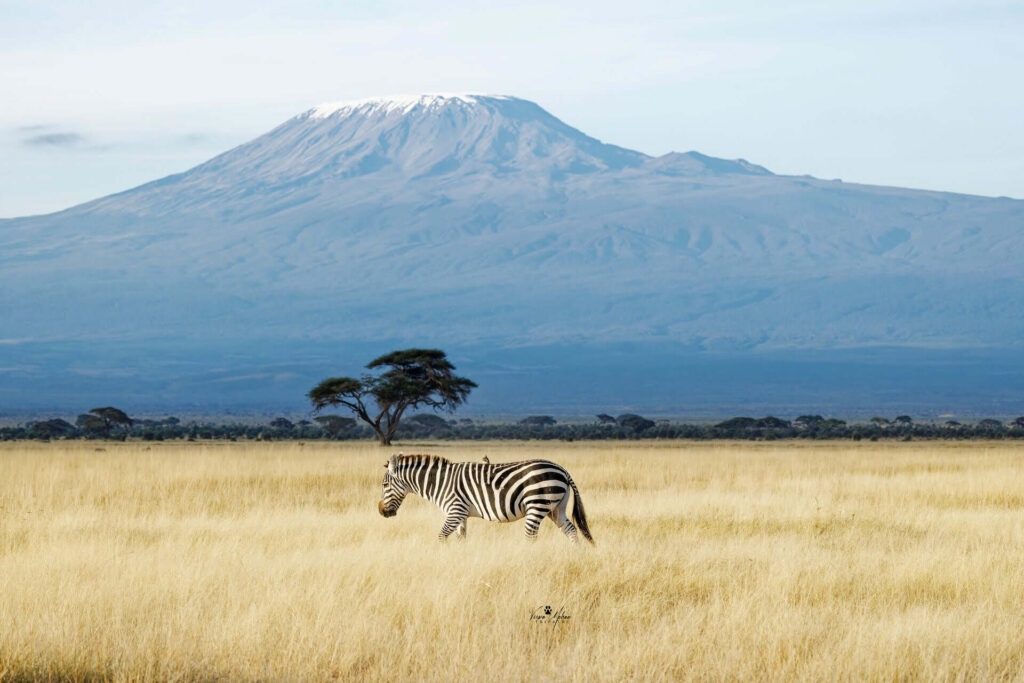
Best months: June to October and January to February. Dry conditions can improve wildlife viewing, while clear mornings offer better chances of seeing Mount Kilimanjaro. Cloud cover can hide the mountain in any season.
Lake Nakuru National Park
Best months: June to October and January to February for easier road conditions and wildlife viewing. The park is known for rhinos and birdlife. Bird numbers and flamingo concentrations vary with lake conditions.
Samburu and Laikipia
Best months: June to October and January to February for drier conditions in many areas. Samburu is known for northern species such as Grevy's zebra and reticulated giraffe. Laikipia has varied habitats and some reserves offer good wildlife viewing year-round.
Tsavo East and Tsavo West
Best months: June to October and January to February. Wildlife can be easier to locate around water sources during dry periods. The parks are large, so journey times and the areas you visit matter when choosing dates.
Always confirm current seasonal advice with your safari operator. Local rainfall, road access, camp locations, and wildlife movement can change the best dates for a specific route.
Best Time to Visit Kenya by Interest
| Interest | Months to consider | Why |
|---|---|---|
| First-time safari | July to October | Dry conditions and strong wildlife viewing |
| Photography | July to October, January to February | Open landscapes and good light on many days |
| Birdwatching | November to April | Migratory birds and seasonal wetland activity |
| Honeymoon | January to March, September to October | Good safari options and opportunities to add the coast |
| Family safari | June to August, or school holidays | Popular dry-season travel period, with advance booking needed |
| Budget travel | April to May, November | Lower demand in many areas, with weather trade-offs |
| Beach and safari | December to March | Warm coastal weather and good safari options in selected parks |
Peak, Shoulder and Low Season
Peak season, July to October and late December: These periods attract high demand, especially in the Masai Mara. Popular camps and flights can sell out early, and prices often rise. You gain favourable conditions in many parks, but you may share busy wildlife sightings with more vehicles.
Shoulder season, June and parts of October to December: Conditions can be good while visitor pressure varies by destination. June and late October are worth checking if you want dry-season wildlife viewing without choosing the busiest weeks.
Low season, mainly April to May: Rain can make roads difficult, and some camps may close. In return, you may find lower rates, fewer vehicles, and green scenery. Confirm which camps are open before booking.
Safari prices depend on accommodation, park fees, transport, group size, and travel dates. Ask for a quote based on your route instead of relying on one national price range.
Visas, Health and Entry Rules
Most visitors need an approved Kenya Electronic Travel Authorisation, or eTA, before travelling. Exemptions apply to some nationalities and travel categories, so check your passport rules on the official Kenya eTA website.
Kenya introduced a mandatory inbound travel health insurance requirement for eligible visitors from 5 October 2026. Check the latest official instructions during your application.
A yellow fever vaccination certificate is required for travellers arriving from countries with a risk of yellow fever transmission. Ask a travel clinic about malaria prevention, recommended vaccines, and medicine well before departure. Recheck all entry and health requirements close to your travel date.
Kenya Safari Packages to Match Your Travel Dates
Masai Mara Short Trip, 3 Nights and 4 Days
A short Kenya safari for travellers with limited time. Spend three nights exploring the Masai Mara, with game drives to look for lions, elephants, giraffes, zebras, and other wildlife.
Big Five of Kenya Safari, 10 Days
Explore Kenya on a longer safari focused on the Big Five, lion, leopard, elephant, rhino, and buffalo. A 10-day trip gives you more time to explore different habitats and enjoy game drives across multiple parks.
View Big Five of Kenya Safari Tour
Kenya Classic Safari, 9 Days
Discover Kenya's well-known wildlife areas on a nine-day safari. This trip suits travellers who want a mix of landscapes, wildlife sightings, and time in several national parks and reserves.
Not sure which package suits your dates? Contact Big Cats India with your travel dates, group size, and preferred safari style to request a suitable itinerary.
Tips for Choosing Your Kenya Safari Dates
- Book 9 to 12 months ahead if you want to travel in July, August, or September.
- Check school holiday dates in your home country before choosing peak-season travel.
- Pack layers. Early morning game drives can feel cold, even during dry months.
- Ask about road conditions and camp closures if travelling during the rainy season.
- Choose your parks around the wildlife and activities you want, not only the calendar.
- Keep a few flexible days if migration viewing is your main priority.
Frequently Asked Questions
What is the best month to visit Kenya?
August is a popular choice for the Great Migration in the Masai Mara, but no month guarantees a river crossing. January and February are also strong options for dry weather, photography, and resident wildlife.
When is the rainy season in Kenya?
Kenya's long rains usually fall from March to May, with the heaviest rain often in April. The short rains usually arrive between November and December. Timing and rainfall vary by region and year.
Can you go on safari in Kenya during the rainy season?
Yes. Wildlife viewing continues during the rainy season, and parks can be greener with fewer visitors. Some roads become muddy, transfers may take longer, and certain camps close. Choose a route with an operator who knows the local conditions.
When is the Great Migration in Kenya?
The Great Migration usually reaches the Masai Mara between July and October. River crossings often occur in August and September, but herd movement depends on rainfall and grazing. A crossing cannot be guaranteed on a specific date.
What is the cheapest time to visit Kenya?
April and May are often among the least expensive months because of the long rains and lower demand. Some camps close during this period. November may also offer value, depending on the park, accommodation, and holiday dates.
Can Big Cats Safari plan a Kenya trip around my dates?
Yes. Big Cats Safari can help match your travel dates with suitable parks, camps, and safari routes. Share your dates, group size, preferred comfort level, and wildlife interests to request a suitable itinerary.
Choose the Right Time for Your Kenya Safari
Choose July to October if the Great Migration is your priority. Choose January to February for dry weather, strong wildlife viewing, and a chance to avoid the busiest migration weeks.
The right month also depends on your budget, the parks you want to visit, and whether you want to add a beach stay. View Kenya safari tours or request a custom itinerary built around your dates.