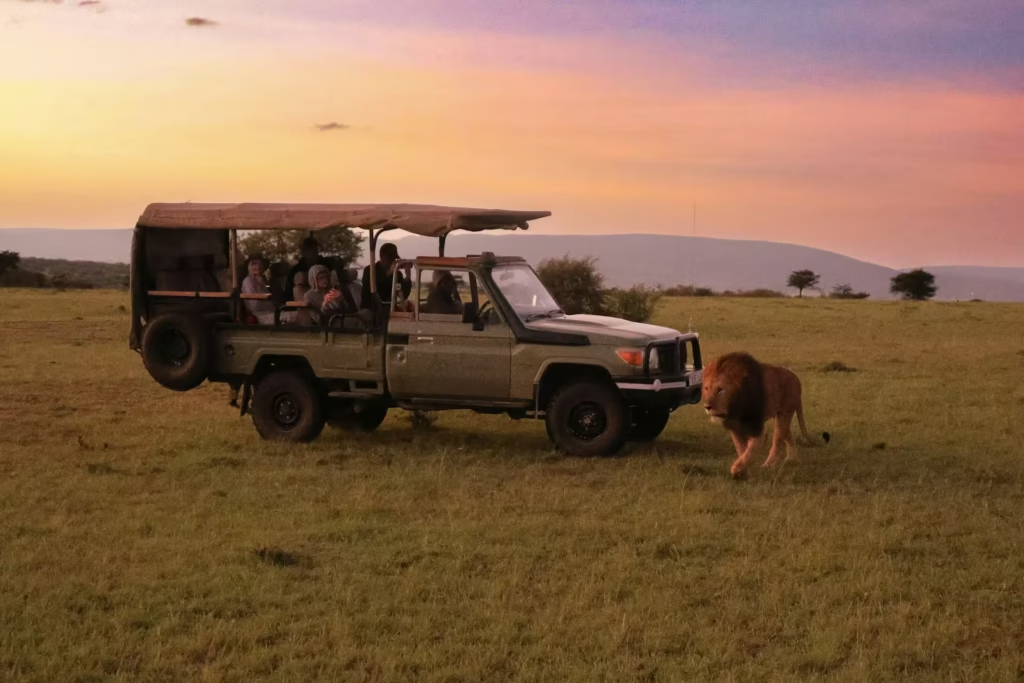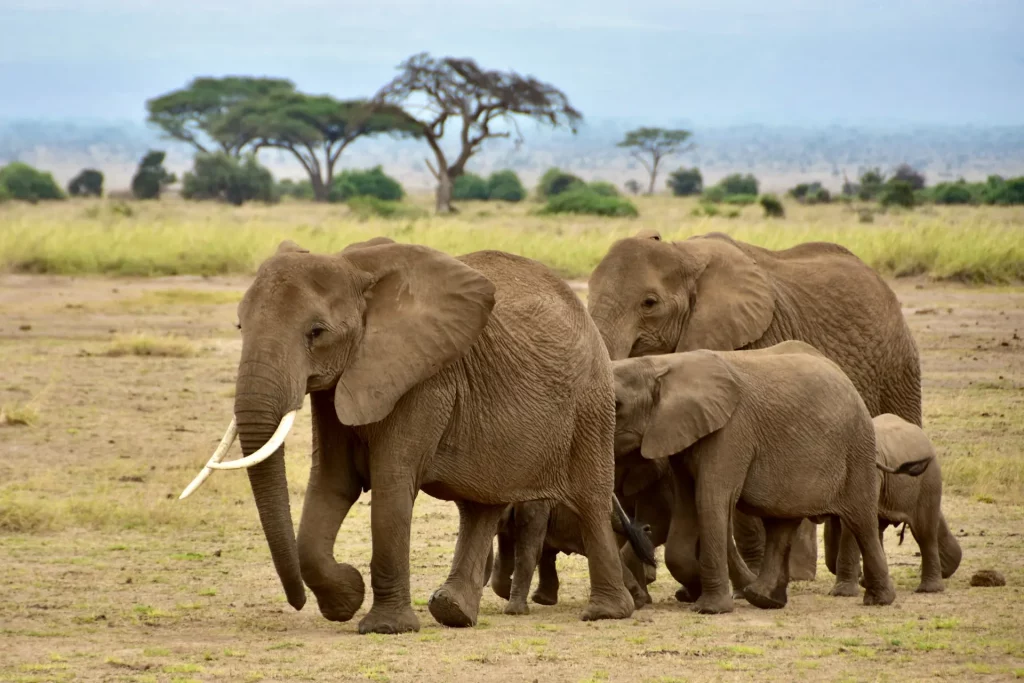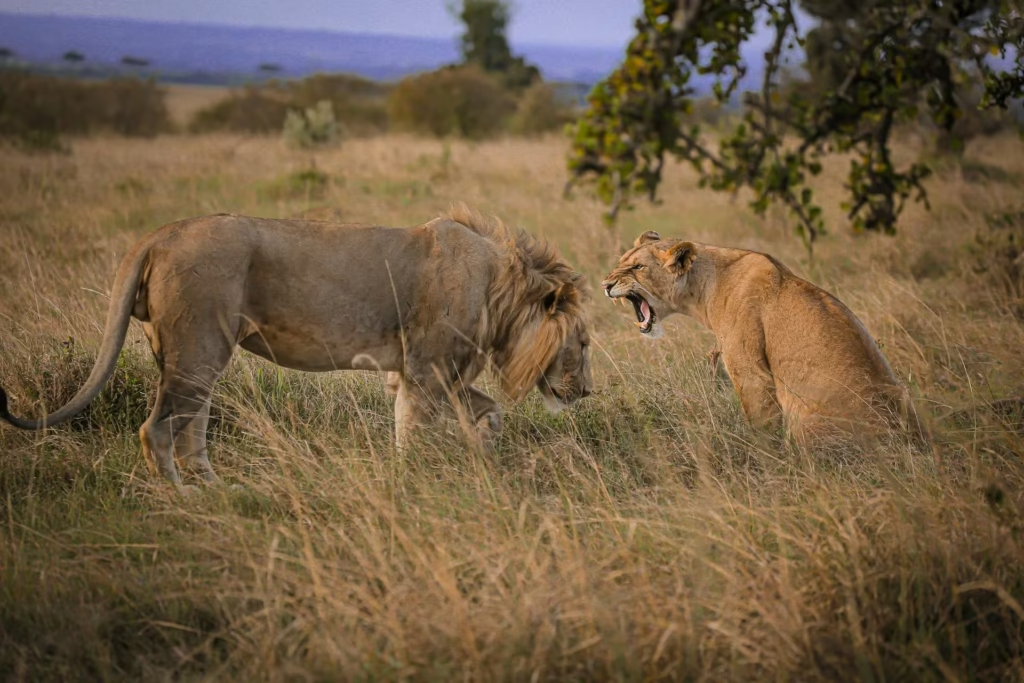
Unfenced safari camps can be safe when trained staff manage the camp and guests follow the rules. These camps sit within wildlife areas, so animals can sometimes walk through the grounds.
That is part of staying in the African bush, but it does not mean guests can move around freely. Camps use staff escorts, safety briefings, and communication systems to manage wildlife encounters. Guests must follow these procedures, especially after dark.
Quick Answer: Are Unfenced Safari Camps Safe?
Are they safe? Yes, when the camp has clear safety procedures and guests follow staff instructions.
Can animals enter camp? Yes. Elephants, hippos, antelope, and other wildlife may pass through.
Main rule: Never walk alone after dark. Ask camp staff for an escort.
Who can stay? Many adults and older children can stay comfortably. Some camps have minimum age limits or do not accept young children.
What Is an Unfenced Safari Camp?
An unfenced safari camp has no continuous perimeter fence separating guests from the surrounding wildlife area. It may sit inside a national park, private reserve, or wildlife conservancy.
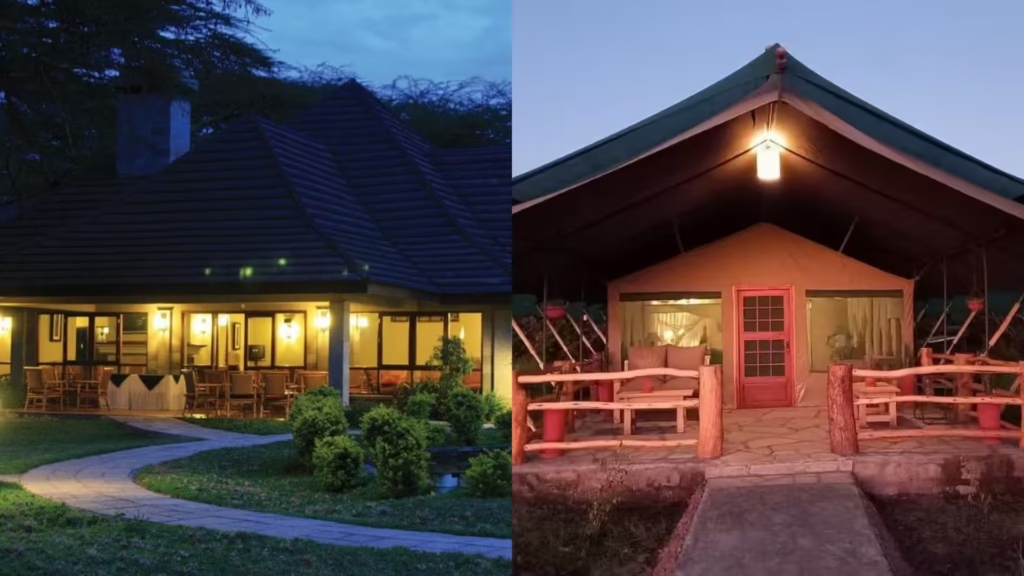
The camp usually has tents, cottages, or rooms arranged within the natural landscape. Animals can move through the area without a fence blocking their routes.
Unfenced does not mean unguarded. Camps employ staff who monitor the grounds and help guests move safely. Some properties use night guards, escorts, radios, torches, or guest call systems.
The exact setup depends on the camp. Before booking, ask how staff manage wildlife near guest tents and what procedures apply after dark.
Why Are Many Safari Camps Unfenced?
Fences can restrict wildlife movement and interfere with natural feeding or migration routes. In some areas, animals move between parks, conservancies, rivers, and seasonal grazing grounds.
Unfenced camps allow wildlife to move through the landscape with fewer physical barriers. They also create a closer connection between the camp and its natural surroundings.
Many camps operate in conservancies where wildlife and local communities share the land. These areas support conservation and tourism while allowing animals to move across large habitats.
Animals do not usually seek contact with guests. Many pass through camp while moving between feeding, drinking, or resting areas. Staff still treat every wildlife encounter seriously because animal behaviour can change without warning.
How Do Unfenced Camps Keep Guests Safe?
Trained Staff and Night Guards
Many camps employ trained staff who monitor the grounds, especially during the evening and night. Some use askaris or other security staff to watch for wildlife and help guests move around.
Ask the camp how its staff are trained and what security arrangements operate during your stay.
Escorts to and From Your Tent
At many unfenced camps, guests cannot walk between their tent and the main lodge after dark without an escort.
A staff member accompanies guests to meals, activities, or other areas of camp. This helps staff check the route and respond if wildlife is nearby.
Always wait for an escort when the camp requires one. Do not assume a short walk is safe to make alone.
Camp Layout and Lighting
Camps consider wildlife movement when they position tents, walkways, and shared areas. Some use low-level lighting along paths, while others keep lighting limited to reduce disturbance.
Lighting does not make wildlife disappear or guarantee a clear path. Follow staff guidance even when you can see the walkway.
Communication Systems
Some camps provide whistles, radios, phones, or call buttons for guests. These systems allow guests to contact staff when they need assistance.
Ask how the system works during your arrival briefing. Keep any provided device within reach and use it only as staff instruct.
Safety Briefing on Arrival
Staff should explain the camp’s rules before guests move around independently. The briefing may cover escorts, tent doors, wildlife sightings, emergency contacts, and areas guests must avoid.
Listen carefully and ask questions if anything is unclear. Procedures can differ between camps, even within the same safari destination.
What to Expect at Night in an Unfenced Camp
Night sounds are part of staying in a wildlife area. You may hear hippos grunting near water, hyenas calling, insects buzzing, or lions roaring from a distance.
Some animals may pass close to camp. You might see antelope near the tents or hear elephants moving through nearby vegetation. Sightings depend on the camp’s location, season, and surrounding habitat.
Most wildlife encounters happen without direct contact with guests. Still, do not leave your tent to investigate a sound or look for an animal.
If you hear an animal close to your tent, stay inside and keep quiet. Use the camp’s call system if you need help. Do not open the door or attempt to approach the animal.
Many guests sleep comfortably in unfenced camps. The sounds can be unfamiliar at first, but staff explain what to expect and how to respond.
Safety Rules Every Guest Should Follow
Follow these rules during your stay at an unfenced safari camp:
- Never walk alone after dark. Wait for a staff escort whenever the camp requires one.
- Keep your tent doors zipped. Close them when entering or leaving, including during the day.
- Do not leave food inside your tent. Food smells can attract animals and other wildlife.
- Never approach or feed an animal. Keep your distance even if the animal appears calm.
- Keep your voice low near wildlife. Avoid sudden movements or loud noises.
- Follow staff and guide instructions. They know the camp’s procedures and local wildlife conditions.
- Use the communication system when needed. Contact staff rather than trying to handle an encounter yourself.
Do not assume an animal is harmless because it appears relaxed. Wildlife can react quickly if it feels threatened or surprised.
Which Animals Might Visit an Unfenced Camp?
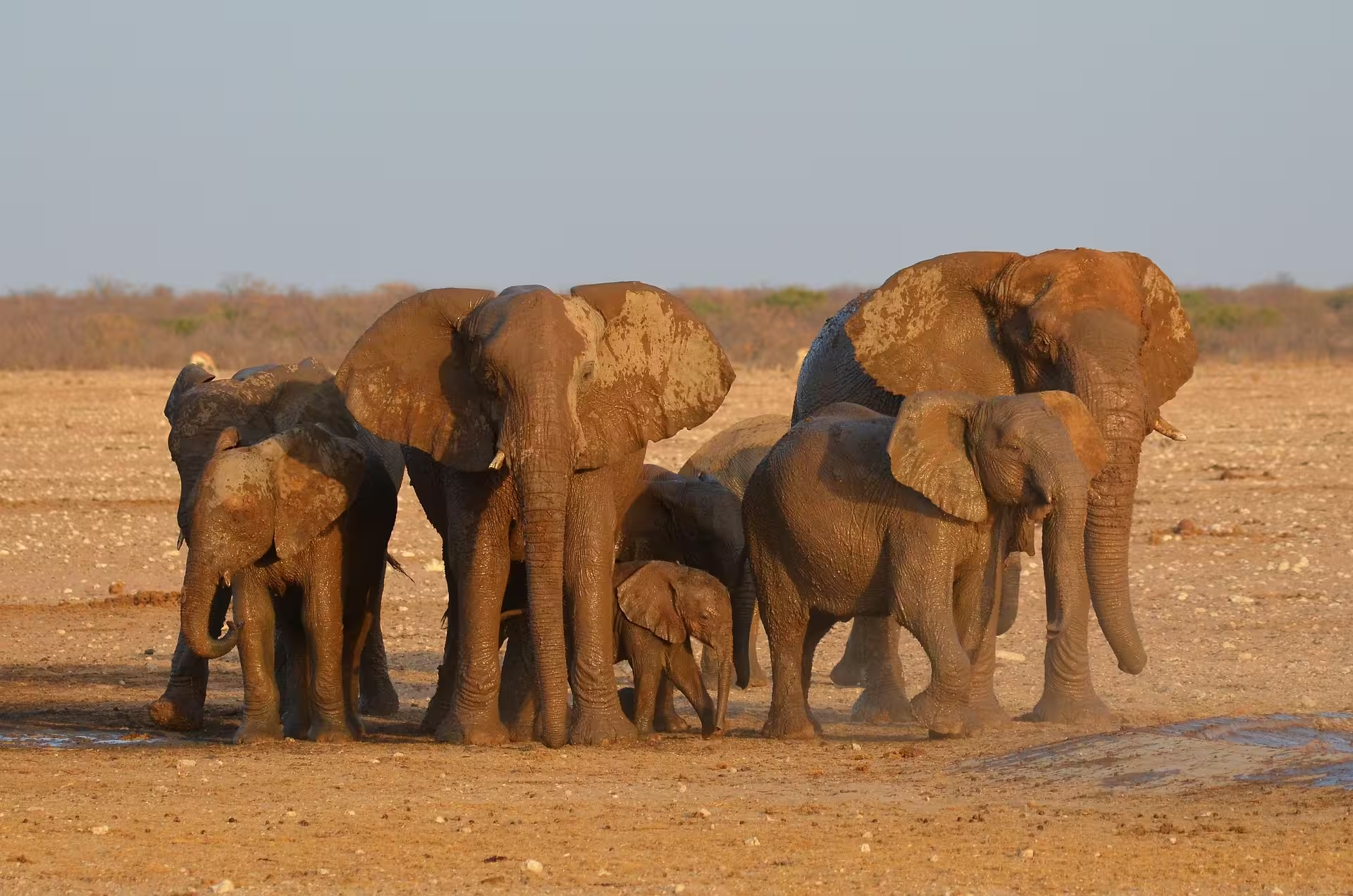
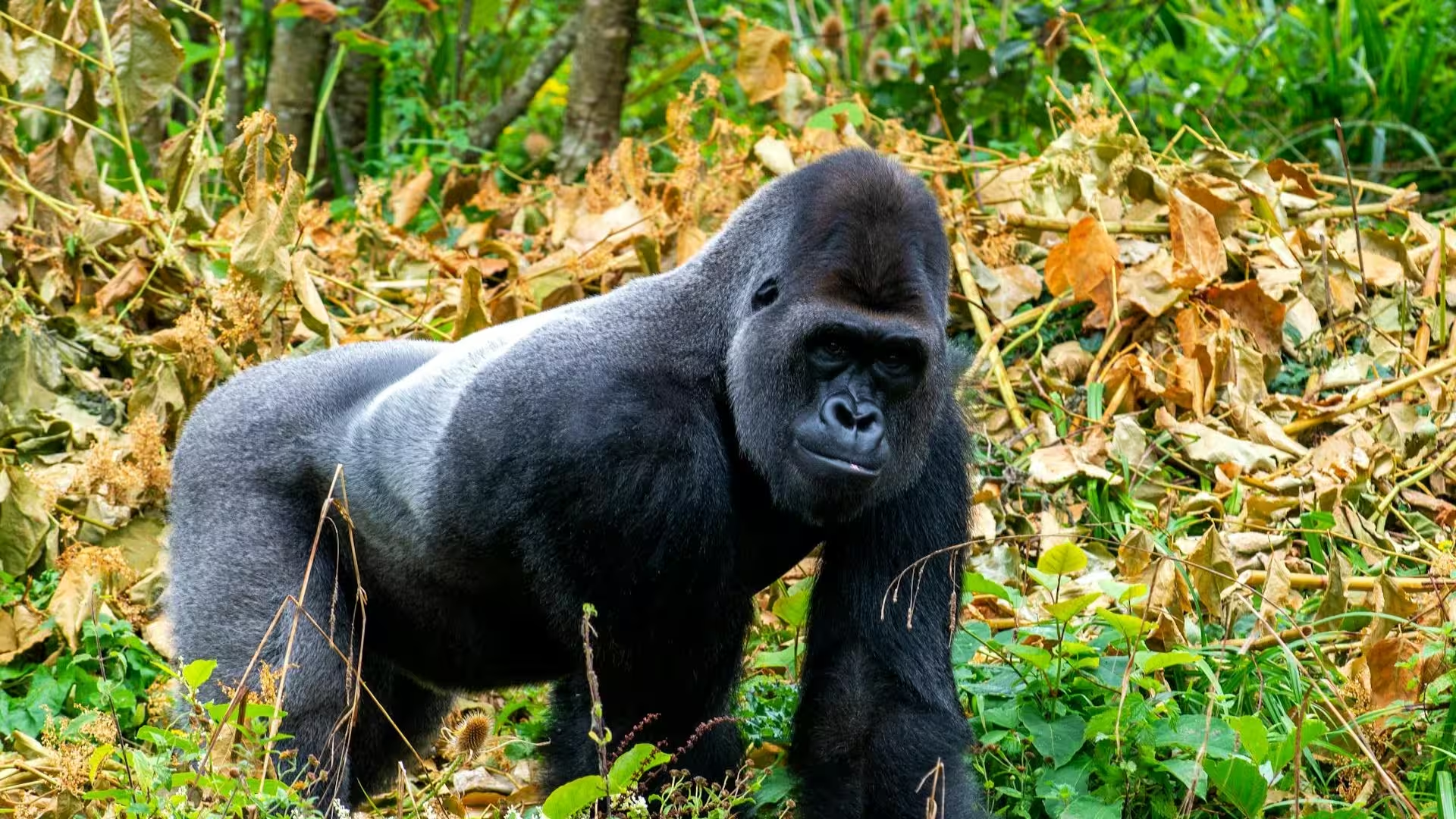
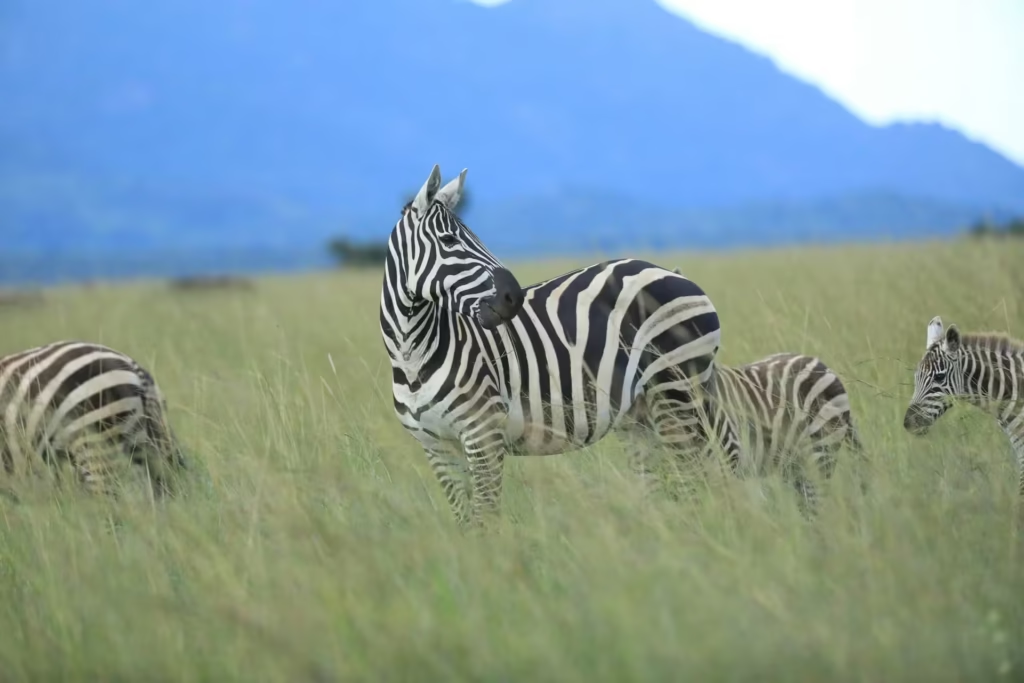
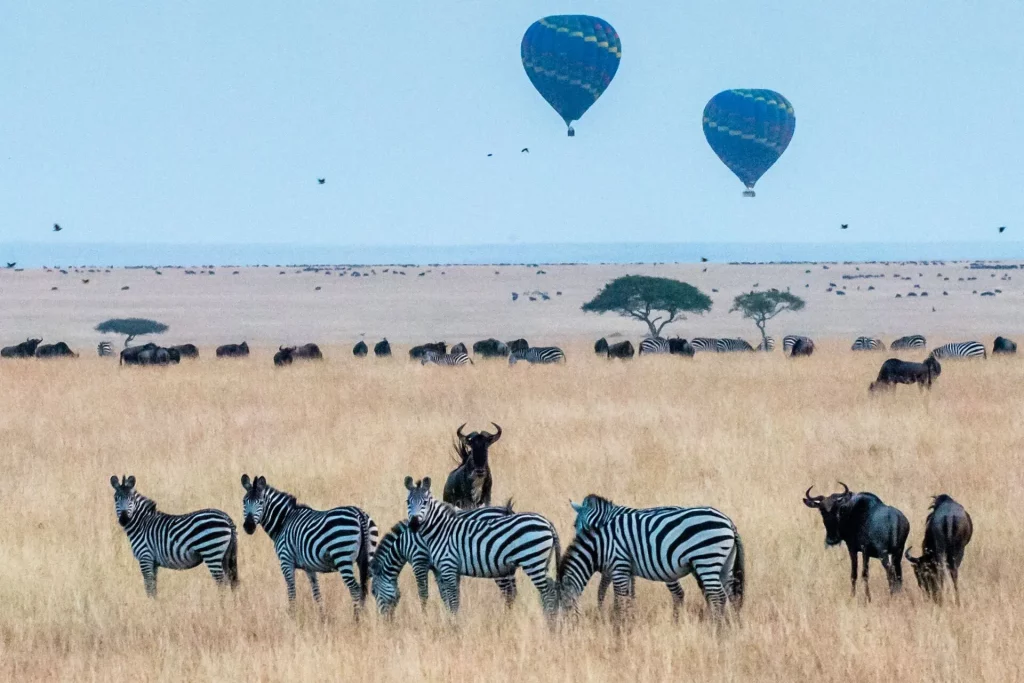
The animals you may see depend on the region and the camp’s location. Common visitors in some areas include elephants, hippos, buffalo, antelope, hyenas, monkeys, and baboons.
Camps near rivers or water sources may see more wildlife moving through the grounds. Other camps may have frequent antelope sightings but fewer large animals.
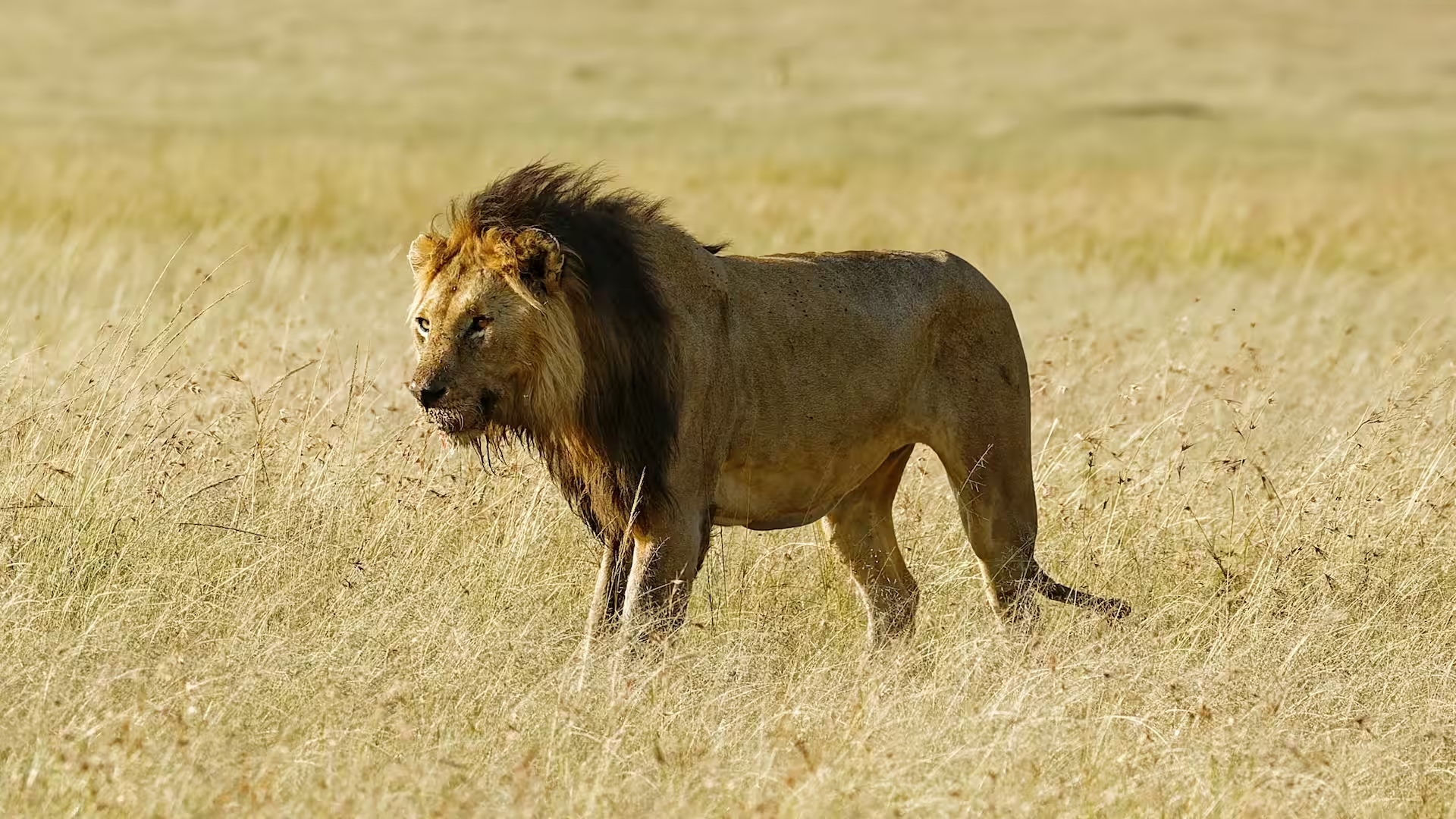
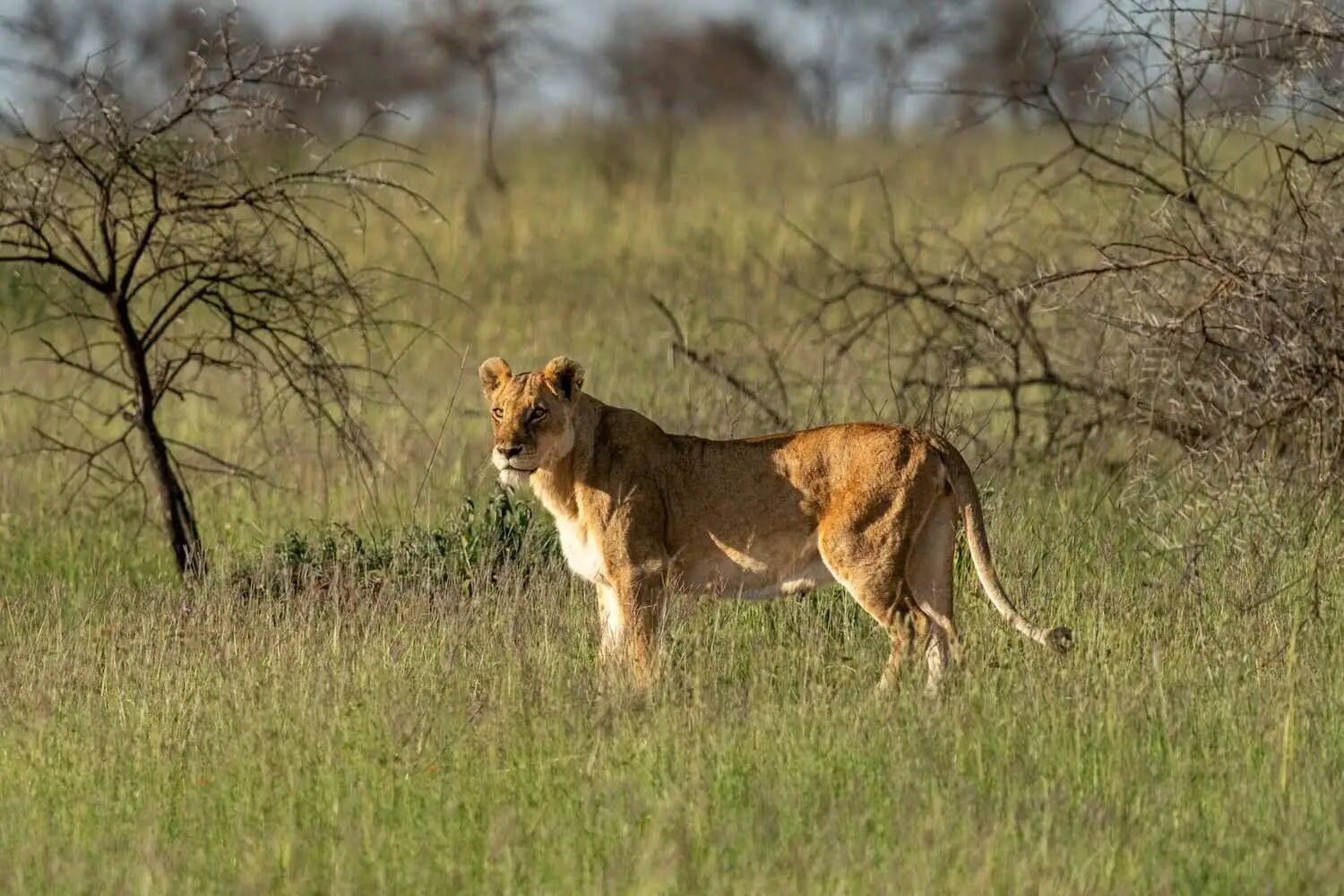
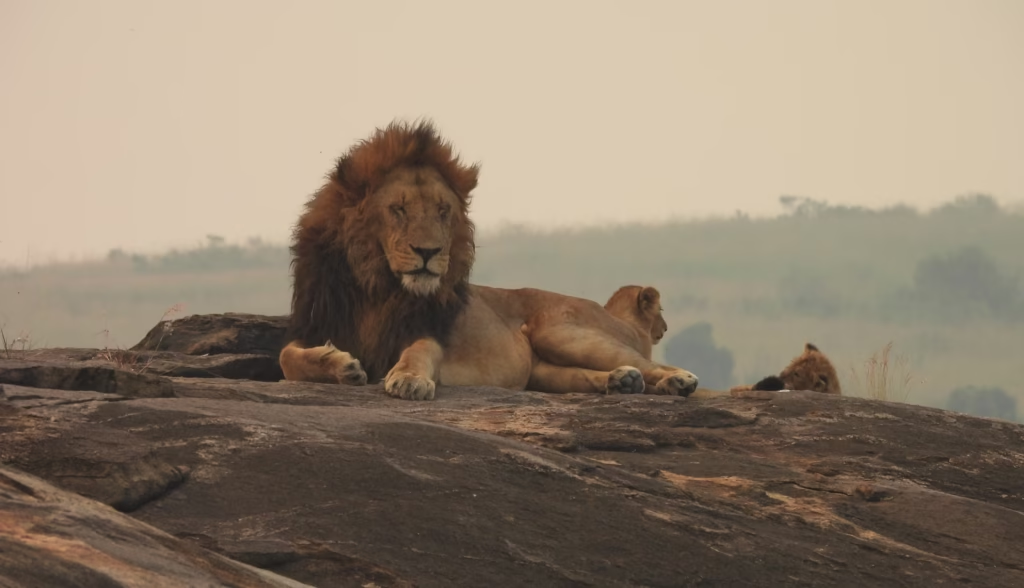
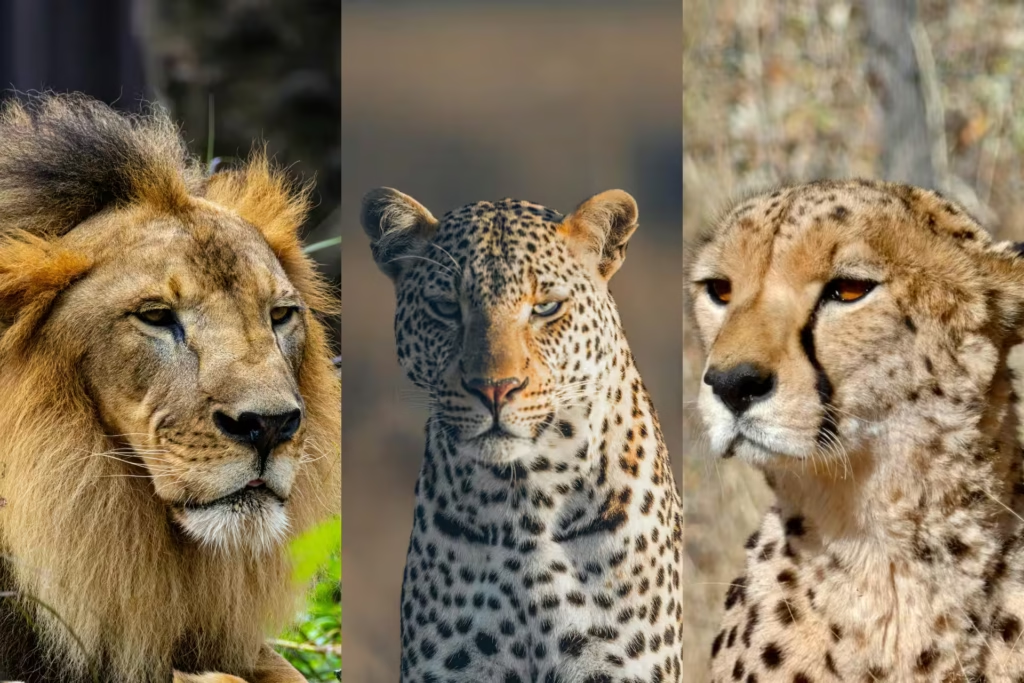
Big cats such as lions and leopards may live in the surrounding area. They can pass near camp, but sightings inside camp are less predictable.
Do not expect every animal to visit. Wildlife movement changes with season, water availability, vegetation, and nearby human activity.
Are Unfenced Safari Camps Safe for Children?
Many unfenced camps welcome children, but age policies vary. Some set minimum ages around six to twelve years, while others do not accept young children.
Children must stay with an adult and follow the camp’s safety rules. They should not walk around alone, even during daylight, unless staff have confirmed that the area is safe.
Family tents and family-friendly camps can make the stay more comfortable. Before booking, check the minimum age, child supervision rules, and whether the camp offers suitable accommodation.
If you are travelling with very young children, ask the camp whether a fenced property or a lodge with controlled guest areas would suit your family better.
Fenced vs Unfenced Safari Camps
| Factor | Unfenced Camp | Fenced Camp |
|---|---|---|
| Wildlife access | Animals may move through camp | Fence limits animal access |
| Walking at night | Escort often required | Rules depend on the property |
| Setting | Open to surrounding landscape | More enclosed |
| Wildlife encounters | Possible inside camp | Usually outside the fenced area |
| Best for | Guests comfortable with wildlife nearby | Guests who prefer more separation |
| Common locations | Many camps in Kenya, Tanzania, Botswana, and Zambia | Some lodges and camps, including properties in South Africa |
A fence does not remove every risk. Guests still need to follow property rules and stay aware of wildlife in the surrounding area.
How to Choose a Safe Unfenced Camp
Before booking, ask the camp a few direct questions:
- Does the camp provide escorts after dark?
- Who monitors the grounds at night?
- What communication system do guests use?
- What is the minimum age for children?
- What should guests do if an animal approaches their tent?
Read recent guest feedback and check whether the camp explains its safety procedures clearly. Choose an operator that gives a proper briefing and does not encourage guests to approach wildlife.
You can browse our African safari tours to find destinations and camps that match your travel plans.
Frequently Asked Questions
Can animals walk through an unfenced safari camp?
Yes. Animals can move through unfenced camps as they travel across their habitat. Elephants, antelope, hippos, and other wildlife may pass nearby or through the grounds. Camp staff explain how guests should respond to sightings.
Is it safe to sleep in a tent in the wild?
Guests can sleep safely in many professionally managed tented camps. Staff use safety procedures and monitor the camp. Guests must keep tent doors closed, avoid walking alone, and follow the camp’s instructions.
Do you need an escort at night?
Many unfenced camps require guests to use an escort after dark. A staff member checks the route and accompanies guests between tents and shared areas. Follow the specific rules given by your camp.
Are unfenced camps safe for children?
Many camps accept children, but age limits and supervision rules differ. Children must stay with an adult and follow staff instructions. Check the camp’s minimum age and family accommodation policy before booking.
What should you do if an animal is near your tent?
Stay inside your tent and keep quiet. Do not approach the animal or open the door to take a closer look. Contact camp staff using the provided call system and follow their instructions.
Choose a Camp That Matches Your Comfort Level
Unfenced safari camps can offer a safe stay when trained staff manage the grounds and guests follow the rules. Wildlife may move through camp, so every guest needs to respect the procedures.
If you want to stay close to nature, ask about the camp’s security, escorts, and child policies before booking. Browse our African safari tours or request a custom itinerary that matches your preferred comfort level.