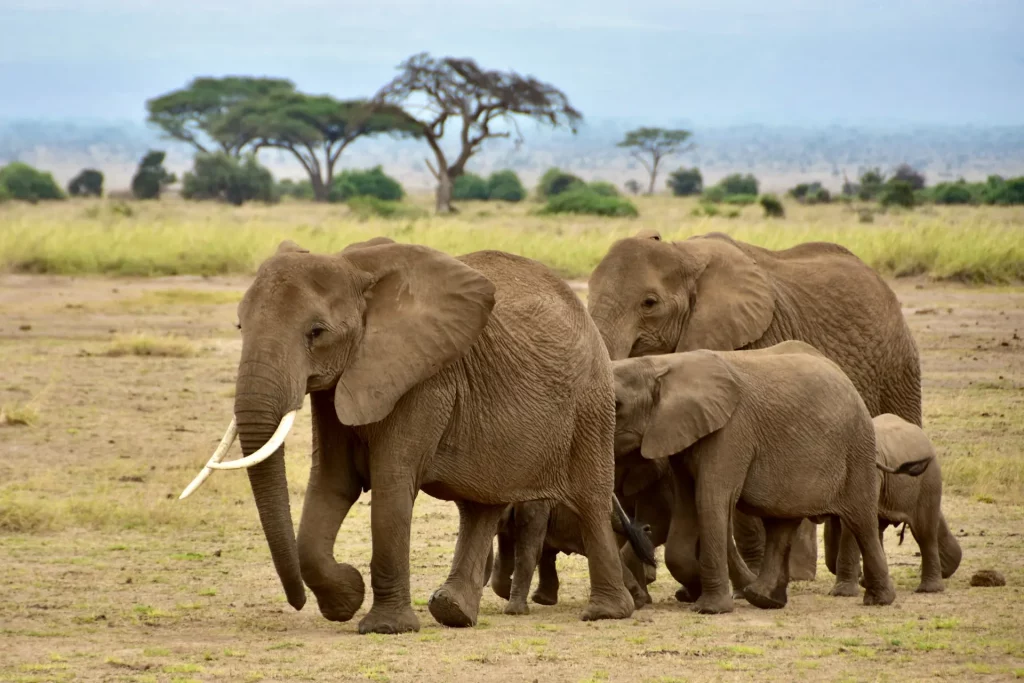
Desert-adapted elephants in Namibia are the same species as other African bush elephants. What sets them apart is how they live. They have learned to survive in one of the driest places on Earth, and that changes how far they walk, how they find water, what they eat, and how their herds are built.
Quick Answer
- Species: Same as other African bush elephants, not a separate species.
- Main difference: Behavior and survival skills, not genetics.
- Habits: Long walks between water points, digging for water, smaller herds, and a leaner build.
- Where: Northwest Namibia, mainly Kunene and Damaraland.
What Are Desert-Adapted Elephants?
Desert-adapted elephants are African bush elephants that live in desert and semi-desert country. Scientists do not class them as a separate species or subspecies. The name describes what they do, not what they are.
Their skills are learned. Older elephants know where water lies, which trees to feed on, and when to move. Calves pick this up by following the herd. That knowledge is passed from one generation to the next, and it is the main reason elephants can survive in a place with so little rain.
Where They Live in Namibia
Most desert-adapted elephants live in the northwest, in Kunene and Damaraland. They follow dry riverbeds that flow only after rain, such as the Hoanib, Huab, and Ugab.
These riverbeds matter more than they look. They hold water below the sand and support shade trees and shrubs that elephants feed on. Without them, the elephants could not cross the desert between feeding grounds.
How They Differ from Ordinary Elephants
Travel distances
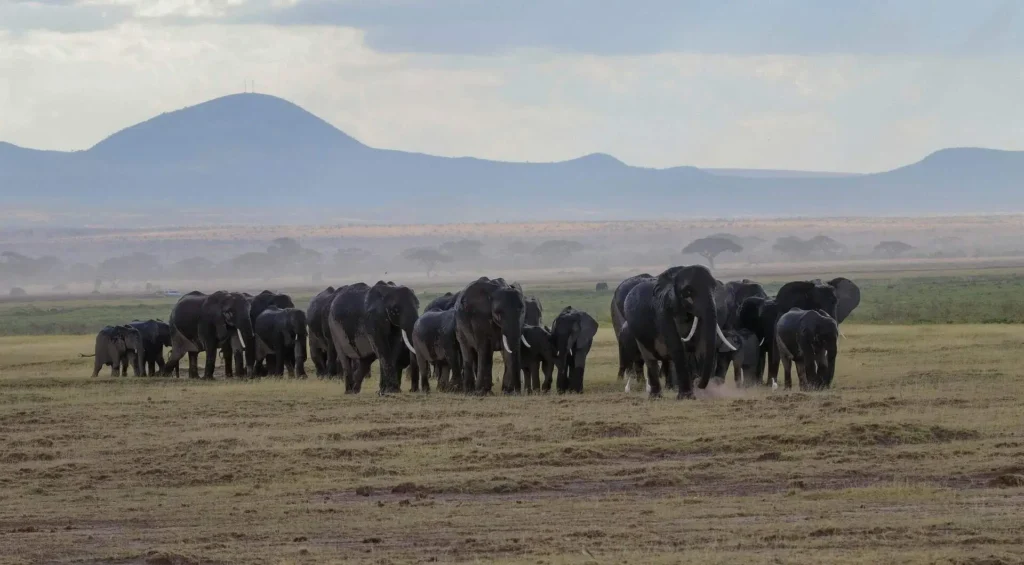
Savanna elephants usually have water within easy reach. Desert-adapted elephants often walk much farther between water and food, sometimes covering many kilometers in a day. The route they take can stretch across dry plains, rocky hills, and sandy riverbeds.
Water habits
Elephants in most of Africa drink daily or close to it. Desert-adapted elephants can go several days without a drink, often three or four. When they find a dry riverbed, they dig into the sand with their feet and trunks to reach the water below the surface.
Diet
Their food is different too. They feed on desert shrubs and riverbed trees, including ana trees, mopane, and acacia, and they eat pods and seeds when these are in season. Savanna elephants rely more on grass, leaves, bark, and fruit from a wider range of plants.
Body and feet
Many desert-adapted elephants look leaner than their savanna cousins, and some are described as having longer legs and wider feet. These traits help on sand and rocky ground. Experts are still studying how much of this is a real physical difference, so treat it as an observation, not a rule.
Group size
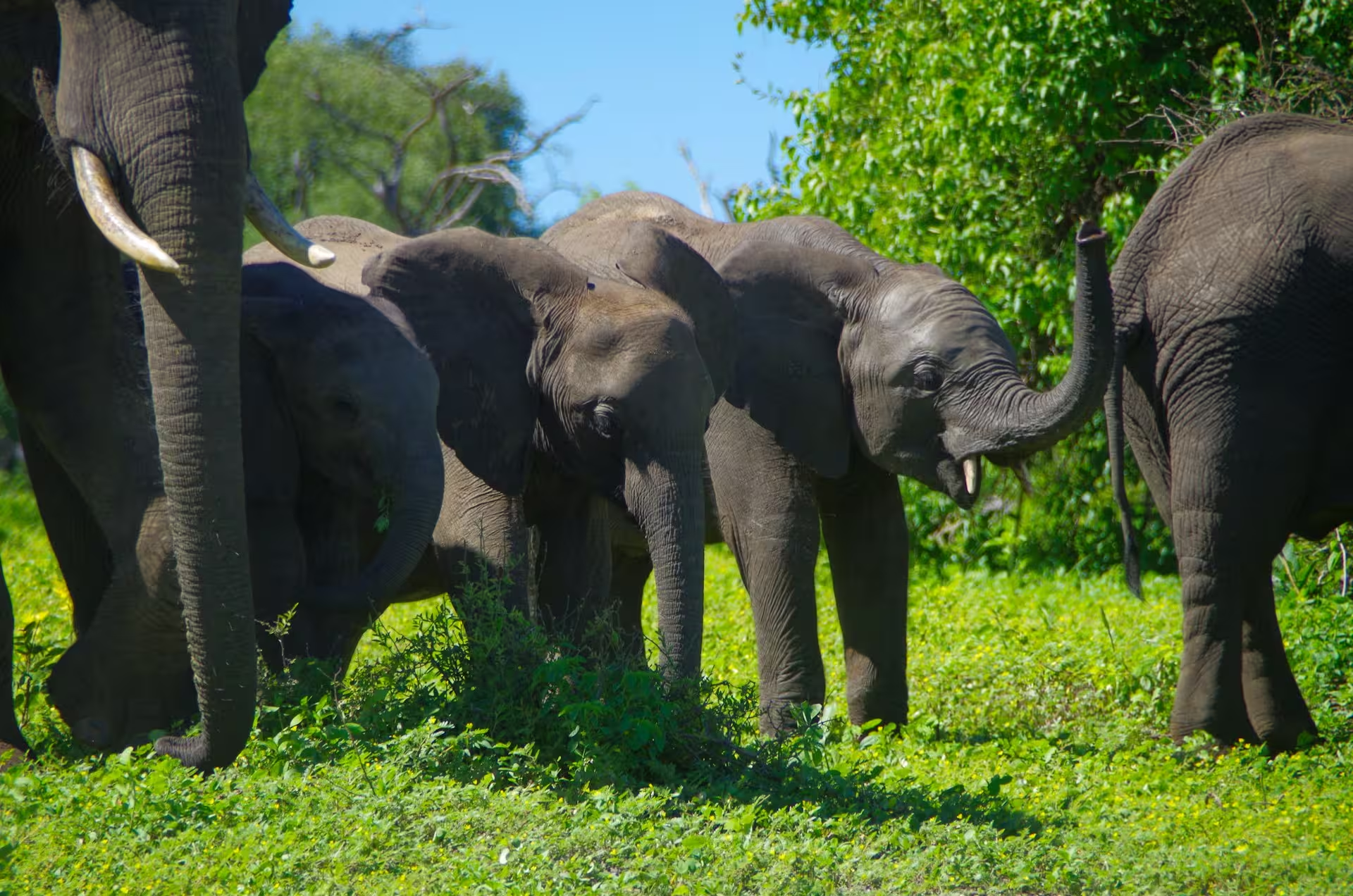
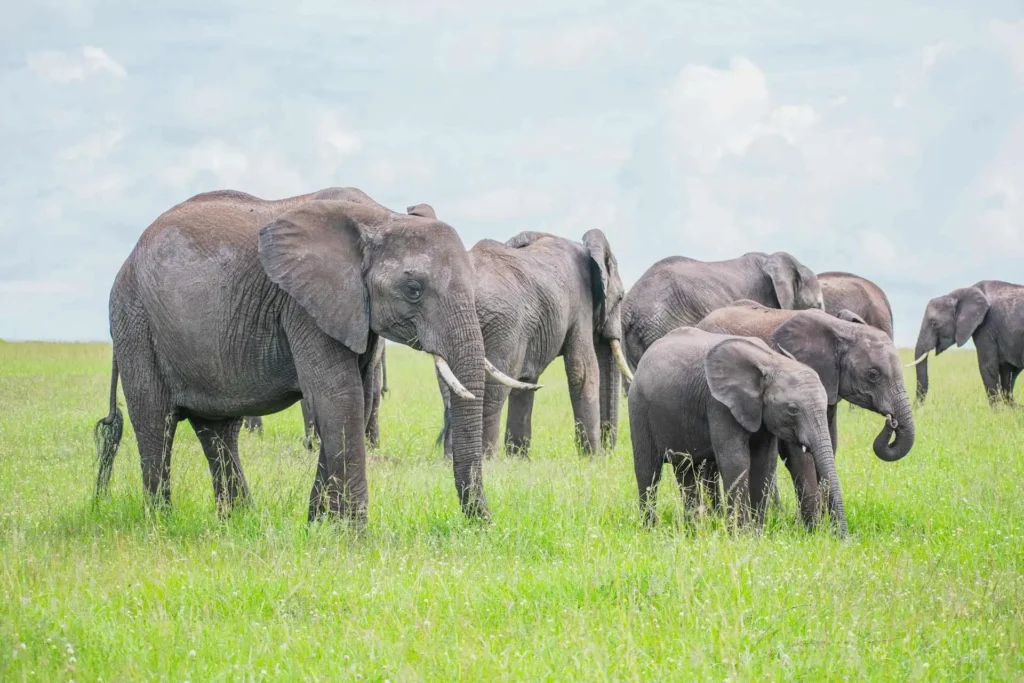
Herds in the desert tend to be smaller. The land cannot feed a large group, so a herd is often a handful of related females and their young. Adult bulls often travel alone or in small groups.
Memory and leadership
The matriarch leads the herd, and she holds the map. She remembers where water is, which trees fruit at which time of year, and how to cross difficult ground. If she dies, her knowledge goes with her, which is why losing an older female hurts the whole group.
All of these differences come from learning, not a different genetic makeup.
Desert Elephants vs Savanna Elephants
| Factor | Desert-adapted elephants | Savanna elephants |
|---|---|---|
| Habitat | Desert and semi-desert | Grassland and woodland |
| Water | Dig wells, go days without drinking | Drink daily or near-daily |
| Daily travel | Long distances | Shorter distances |
| Herd size | Small | Often larger |
| Diet | Desert shrubs, riverbed trees | Grass, leaves, bark, fruit |
| Species | African bush elephant | African bush elephant |
How They Survive Without Much Water
When a riverbed looks dry, the elephants dig. They scrape away sand with their feet and use their trunks to clear the hole until water seeps in. The holes can be deep, and the water is cleaner than what sits on the surface.
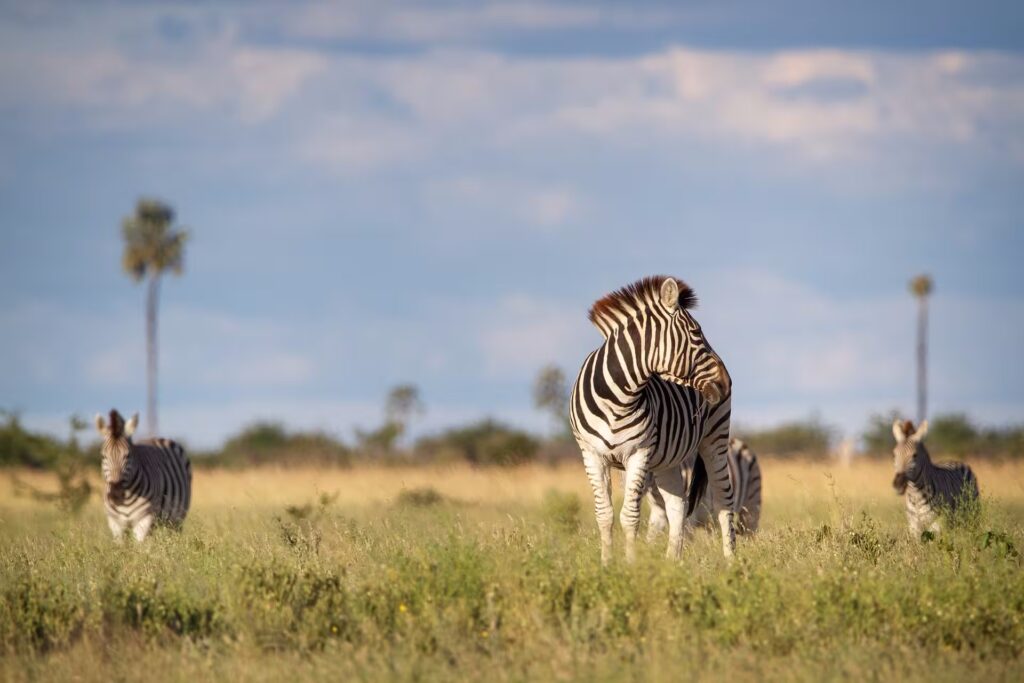
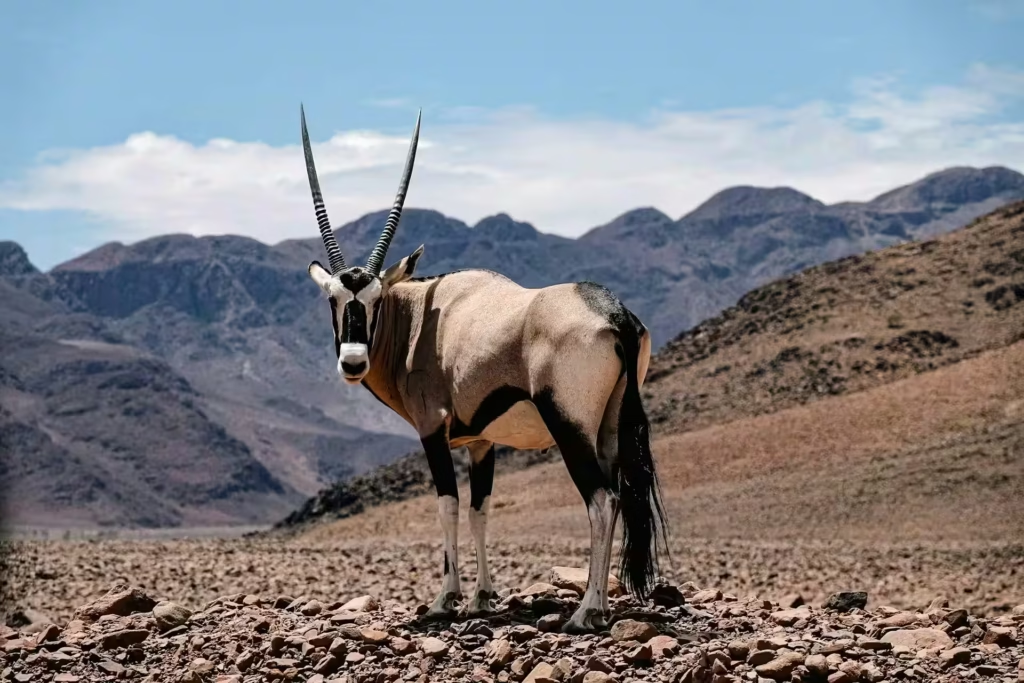
Other animals use these wells too. Zebra, oryx, and springbok often drink from holes the elephants have dug, so the elephants help the whole area stay alive.
The herd also knows when to move. Elephants remember where water is and which spots dry out first. They plan routes that connect water, shade, and food, and calves learn these paths from older members of the herd.
Threats and Conservation
Desert elephants face several pressures. Long droughts shrink food and water. Conflict with people can arise when elephants damage water pipes or storage points that communities rely on. The population is small, usually estimated in the low hundreds, so every loss counts.
Local communities and conservation groups work to protect them. Community conservancies give people a share of the income from wildlife, which gives them a reason to protect elephants. Tourism that supports local people helps keep this system running.
Where and When to See Them
Where. Damaraland and Kunene are the main areas. The Hoanib and Huab river areas are well known for desert elephant sightings.
Best time. The dry season, roughly May to October, is the best time. Elephants stay close to the rivers where food and water are easiest to reach.
Tracking safaris. Guided drives with trained local guides are the most reliable way to find them. Some trips also include walking with a guide once the elephants are located.
Sightings depend on conditions and are never guaranteed. Elephants may be far from the main tracks in some seasons. For trips that include desert elephants, see our Namibia safari tours.
Frequently Asked Questions
Are desert elephants a separate species?
No. They are African bush elephants. The difference lies in how they live, not in their species.
How long can desert elephants go without water?
Often several days, commonly around three or four. They dig into dry riverbeds to find water when they need it.
Where can you see desert elephants in Namibia?
Mainly in Damaraland and Kunene, along dry riverbeds such as the Hoanib and Huab.
What do desert elephants eat?
Desert shrubs and riverbed trees, including ana, mopane, and acacia, along with pods and seeds when they are available.
Are desert elephants smaller than other elephants?
Not necessarily. Some look leaner, with longer legs and wider feet, but they are not a smaller species.
Final Thoughts
Desert-adapted elephants show how far a single species can adapt. They walk long distances, dig for water, and pass their survival skills from one generation to the next. Seeing them in the Namibian desert is a different safari from the usual savanna.