Kenya completed its second National Wildlife Census in August 2025. The Wildlife Research and Training Institute (WRTI) and Kenya Wildlife Service (KWS) led the survey. They covered 264,258 km², which is 45% of Kenya's total land area. Survey crews flew 1,518 hours to complete the count. That equals 63 full days in the air.
The census gives the clearest picture yet of Kenya's wildlife in 2025. It tells safari travelers which animals are growing, which are declining, and where to find them.
What Is the Kenya National Wildlife Census 2025?
The Kenya National Wildlife Census 2025 is the second national wildlife count in Kenya's history. The first census happened in 2021. WRTI and KWS conducted both surveys. The Ministry of Tourism and Wildlife supported the effort along with several partner organizations.
The 2024 - 2025 census ran from June 2024 to August 2025. It covered 17 census sites across Kenya. These sites included major ecosystems like Tsavo, Maasai Mara, Amboseli, and Laikipia-Samburu. The survey also covered arid counties like Isiolo, Wajir, Garissa, and Lamu.
The Wildlife Conservation and Management Act of 2013 requires Kenya to conduct these censuses regularly. The law focuses on species that are critically endangered, vulnerable, or near-threatened.
The census had two main goals:
- To determine the current status, distribution, and trends of wildlife and livestock populations across Kenya
- To use these findings to develop practical recommendations for wildlife conservation and management
How Did They Count the Animals?
The census team used different counting methods for different animals and habitats. Each method suited a specific terrain or species type.
| Counting Method | Animals Targeted | Area Covered |
|---|---|---|
| Aerial Total Count | Large mammals, ostriches, livestock | 173,583 km², 30% of Kenya |
| Systematic Reconnaissance Flight | Large mammals in arid areas | 90,675 km², 15.6% of Kenya |
| Dung Count | Forest elephants | Montane and coastal forests |
| Spatially Explicit Capture-Recapture | Large carnivores like lions and cheetahs | Key ecosystems |
| Individual Identity Monitoring | Rhinos and mountain bongos | All 20 rhino conservation sites |
| Camera Trapping | Elusive forest species | Forested and inaccessible habitats |
| Aerial Photography | Colonial or large-herding species | Open and aquatic habitats |
For aerial total counts, low-wing aircraft flew within rectangular 600 km² blocks. They flew at 300 to 400 feet above ground level. GPS devices and voice recorders logged all wildlife observations.
For large carnivores like lions, the team used Spatially Explicit Capture-Recapture models. This method identifies individual animals. It estimates both their abundance and distribution.
The team processed all data using ArcGIS Enterprise, R software, and SAS software.
The Big Numbers at a Glance
Here are the headline wildlife numbers from the Kenya Wildlife Census 2025:
| Species | 2025 Population | 2021 Population | Change Per Year |
|---|---|---|---|
| African Elephant | 42,072 | 36,280 | +3.99% |
| Black Rhino | 1,059 | 938 | +4.00% |
| Southern White Rhino | 1,041 | 871 | +4.00% |
| Northern White Rhino | 2 | 2 | No change |
| Maasai Giraffe | 10,410 | - | +5.41% |
| Nubian Giraffe | 1,388 | - | +5.41% |
| Reticulated Giraffe | 31,201 | - | +5.41% |
| Total Giraffe | 43,002 | 35,355 | +5.41% |
| Wild Mountain Bongo | 86 | 150 | +4.83% |
| Roan Antelope | 21 | 15 | +10% |
| Grevy's Zebra | 2,465 | 2,649 | -1.74% |
| Cape Buffalo | 27,389 | 41,659 | -8.58% |
| Sable Antelope | 40 | 51 | -5.40% |
| Hirola | 245 | 497 | -12.68% |
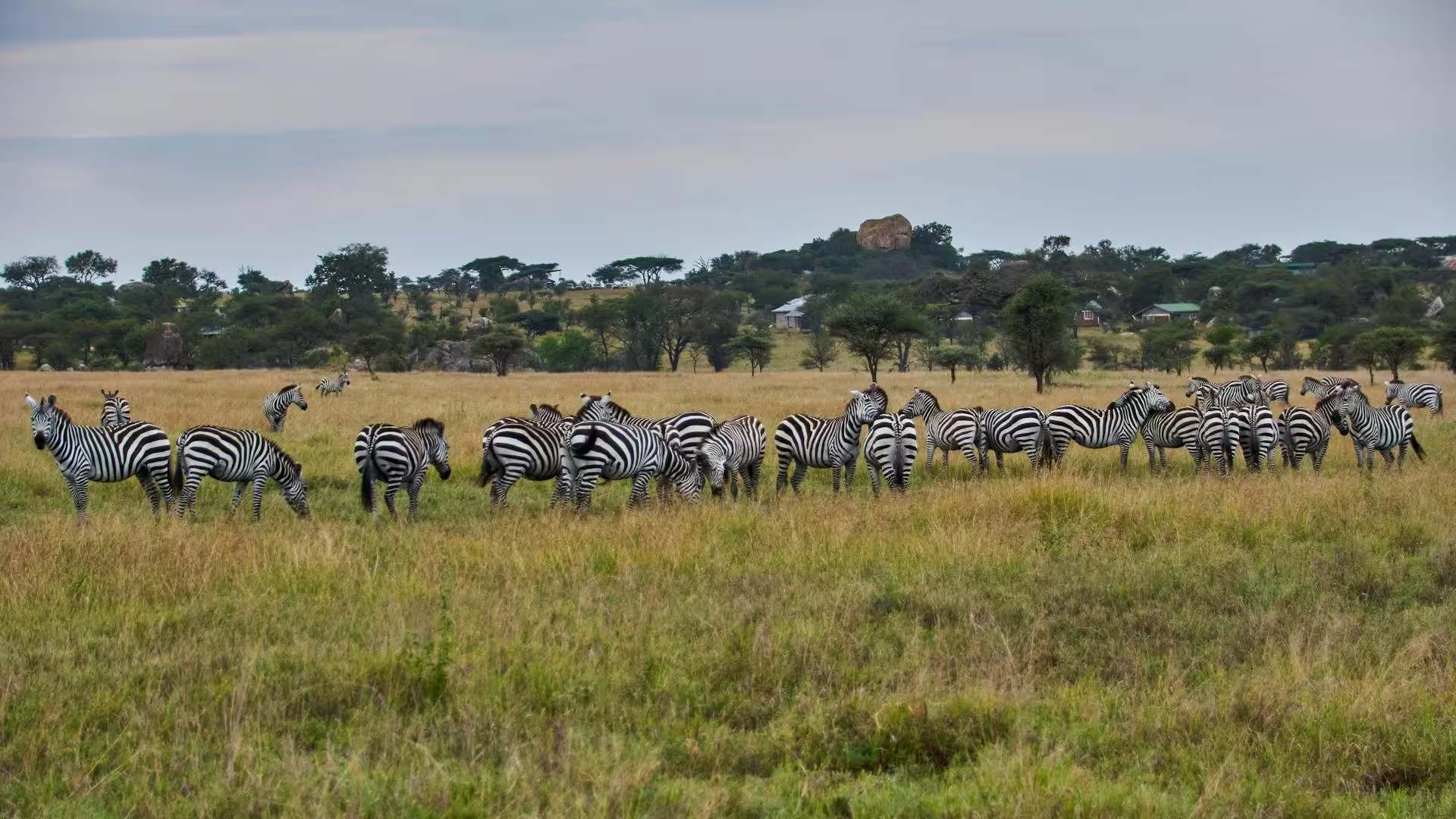
| Common Zebra | 94,893 | - | - |
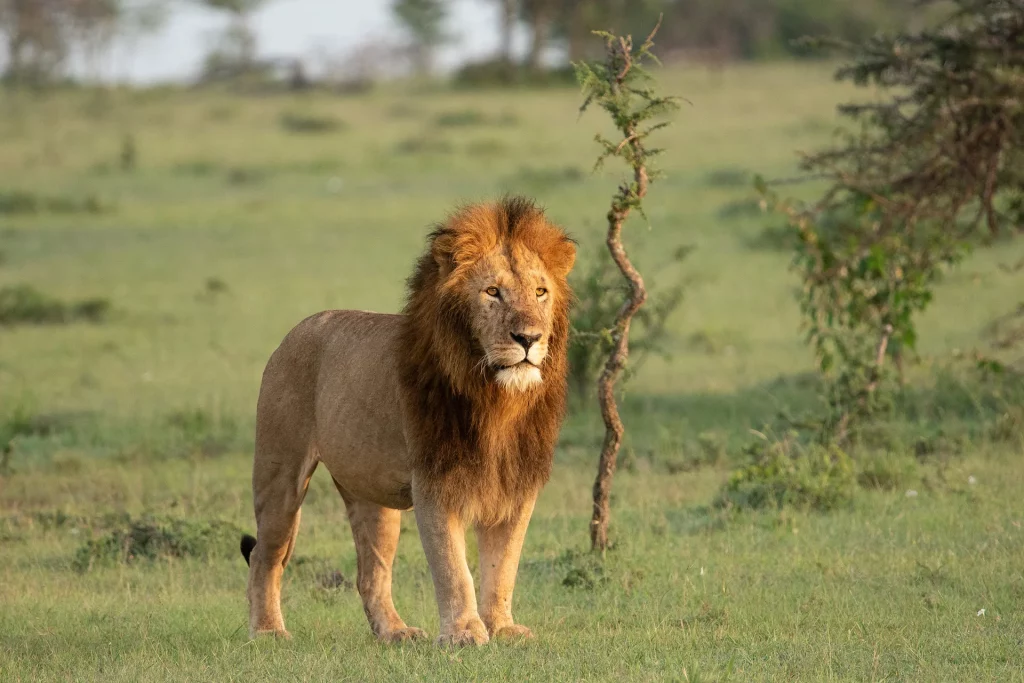
| Lion | 2,512 | - | - |
| Cheetah | 605 | - | - |
| Wild Dog | 310 | - | - |
| Hippopotamus | 703 | - | - |
| Wildebeest | 34,156 | - | - |
Which Animals Are Growing in Numbers?
Kenya's conservation efforts show clear results for several key species. Elephants, rhinos, and giraffes all recorded strong growth between 2021 and 2025.
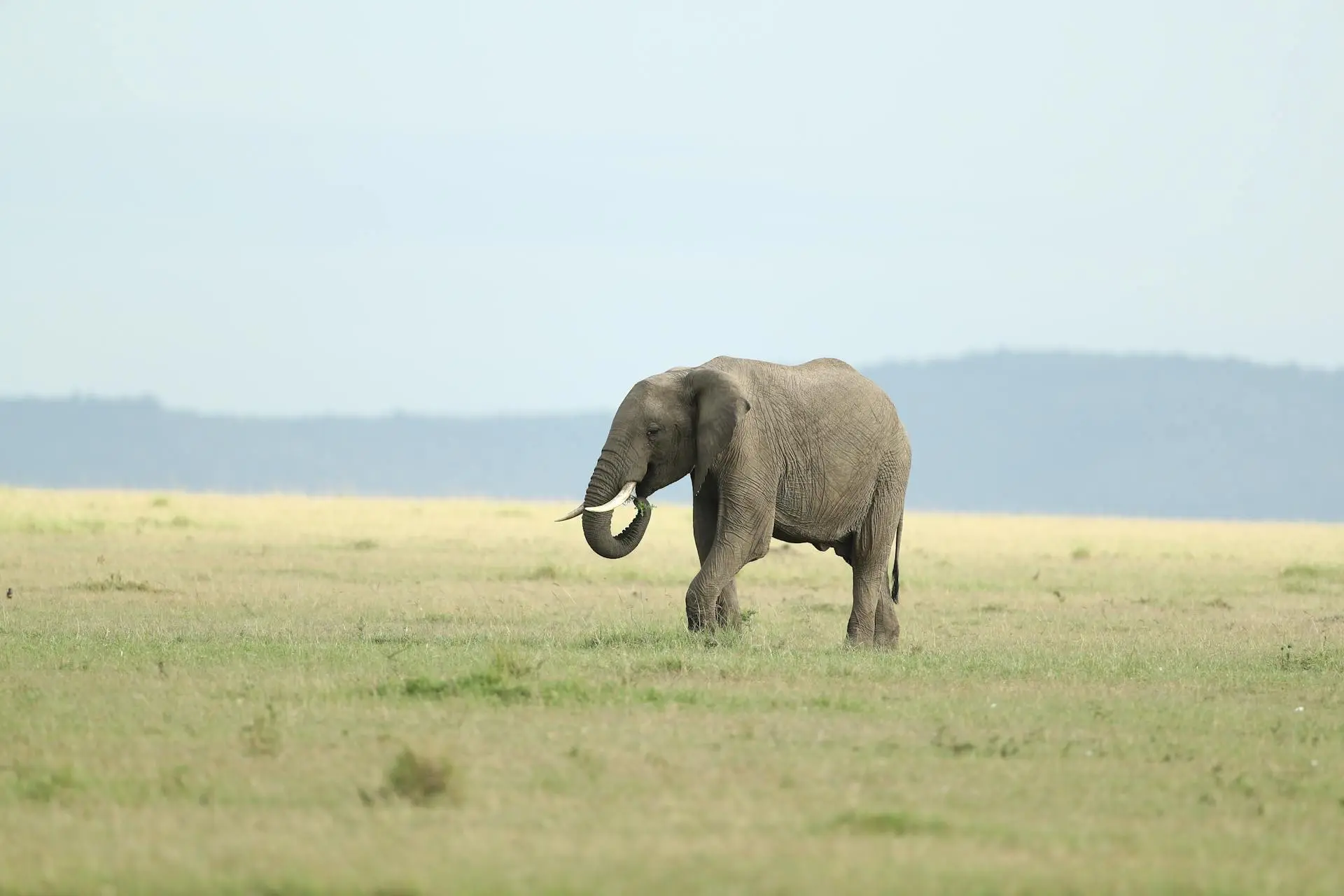
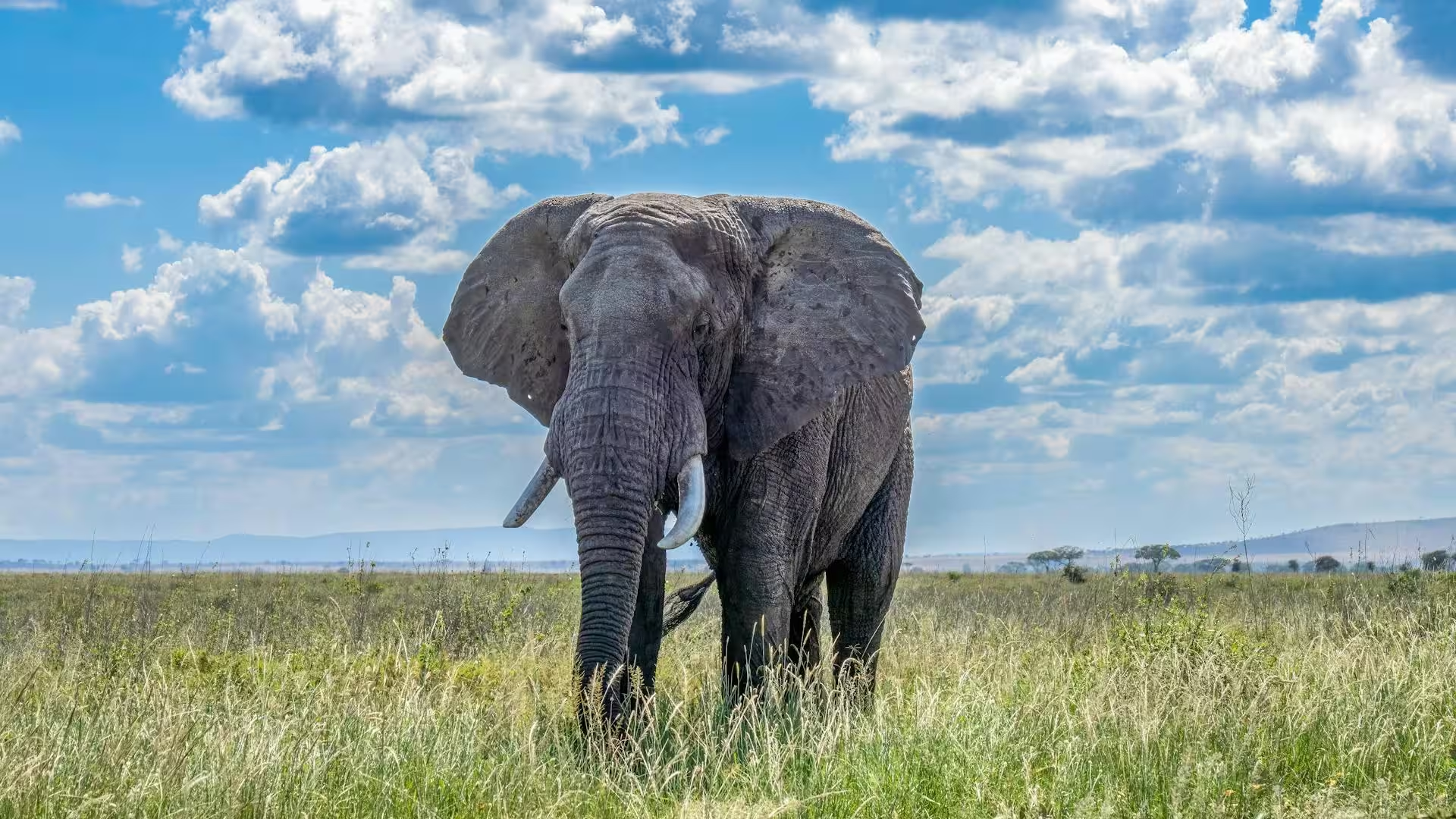
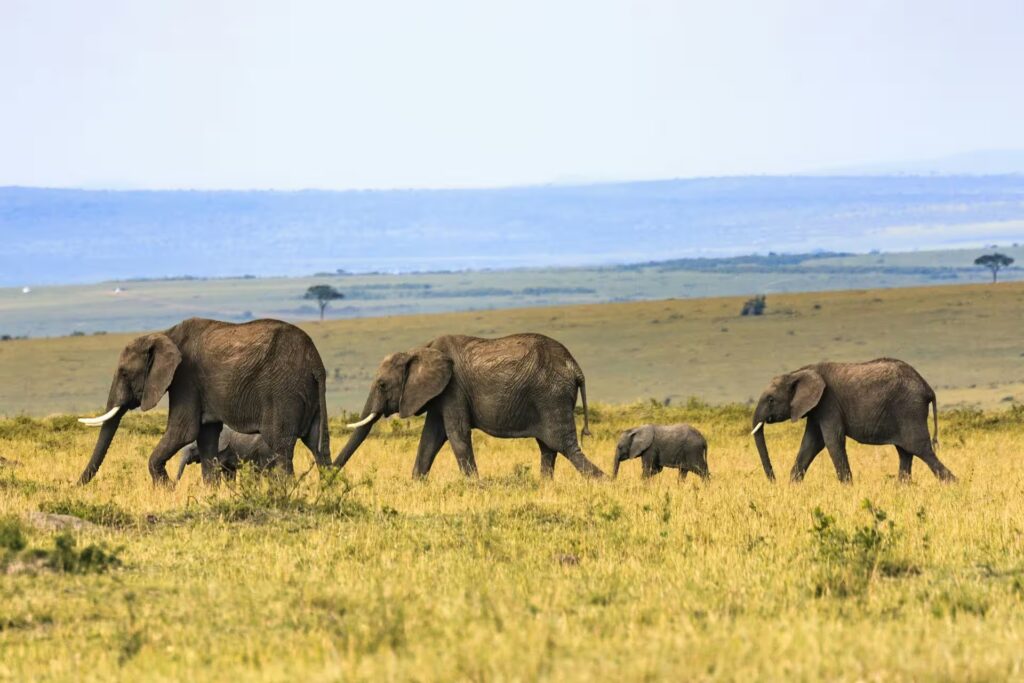
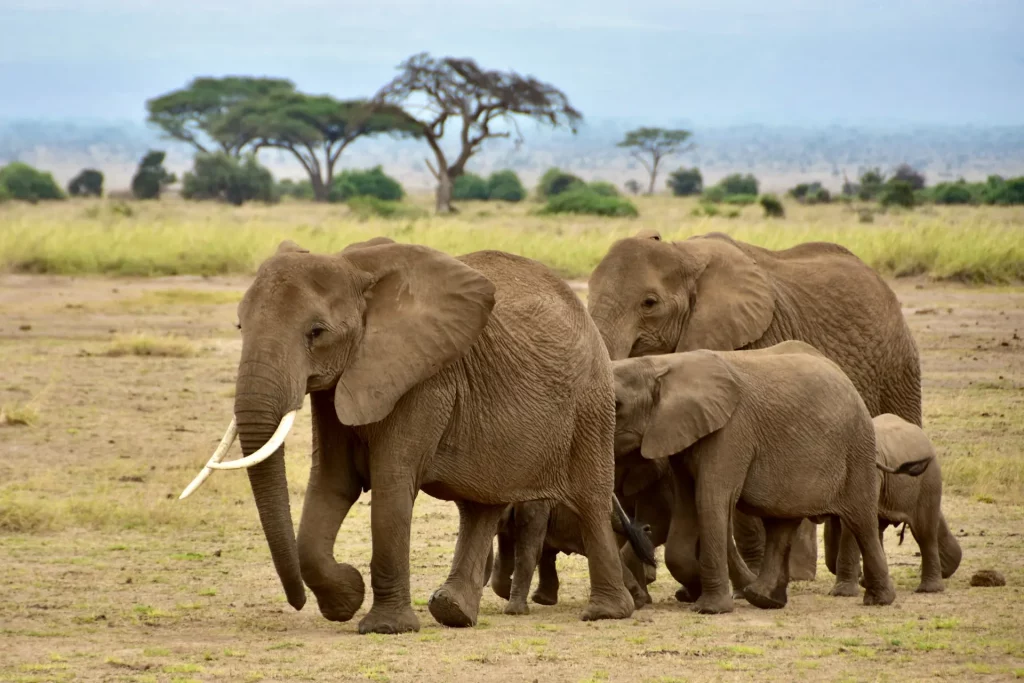
Elephants: Kenya's elephant population reached 42,072 in June 2025. The 2021 count recorded 36,280 elephants. That is an increase of 5,792 elephants in four years. The annual growth rate stands at 3.99%.
Kenya ranks as the fourth largest national elephant population in Africa. The Tsavo ecosystem holds the largest share with 17,266 elephants. That is 41% of the national total. The Laikipia-Samburu ecosystem holds 9,360 elephants as the second largest population.
Rhinos: Kenya's total rhino population reached 2,102 individuals by December 2024. This includes 1,059 black rhinos, 1,041 southern white rhinos, and 2 northern white rhinos.
Black rhino numbers grew from 446 in 2000 to 1,059 in 2024. That is a growth of 137.5%. White rhino numbers grew from 169 in 2000 to 1,041 in 2024. That is a growth of 516%.
Kenya conserves approximately 80% of the world's wild eastern black rhino subspecies. This makes Kenya the global stronghold for this critically endangered animal.
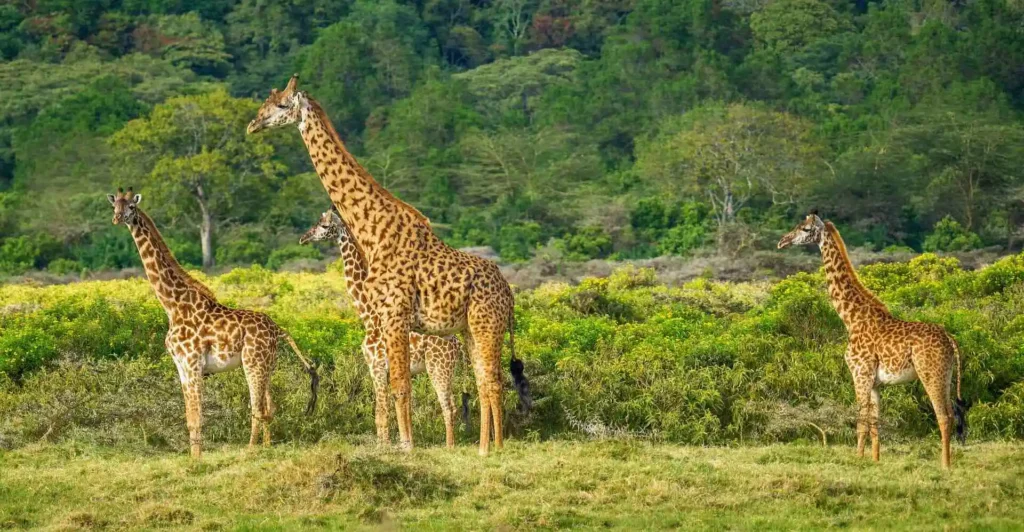
Giraffes: Kenya's total giraffe population reached 43,002 in 2025. The 2021 count recorded 35,355 giraffes. The annual growth rate stands at 5.41%. Kenya has three giraffe species: Maasai giraffe at 10,410, Nubian giraffe at 1,388, and reticulated giraffe at 31,201.
Mountain Bongo: The mountain bongo population reached 179 individuals in 2025. This includes 86 wild bongos and 93 in captivity. The annual growth rate stands at 4.83%. This is a critically endangered species found only in Kenya's highland forests.
Roan Antelope: The roan antelope population grew from 15 in 2021 to 21 in 2025. The annual growth rate stands at 10%. All 21 roan antelopes live inside protected areas.
Which Animals Are Declining and Why?
Not all species show positive trends. Several important safari animals recorded sharp declines between 2021 and 2025.
Hirola: The hirola population dropped from 497 in 2021 to 245 in 2025. The annual decline rate stands at 12.68%. The hirola is the world's most endangered antelope. It exists only in northeastern Kenya. This decline is a serious conservation concern.
Cape Buffalo: Buffalo numbers dropped from 41,659 in 2021 to 27,389 in 2025. The annual decline rate stands at 8.58%. Buffalo are one of the Big Five safari animals. Finding large herds is becoming harder in many ecosystems.
Grevy's Zebra: Grevy's zebra numbers dropped from 2,649 in 2021 to 2,465 in 2025. The annual decline rate stands at 1.74%. Northern Kenya holds approximately 90% of the global Grevy's zebra population.
Sable Antelope: Sable antelope numbers dropped from 51 in 2021 to 40 in 2025. The annual decline rate stands at 5.40%. All 40 remaining sable antelopes live inside protected areas.
Wetland Birds: Wetland bird populations fell by 8% to 97% across key habitats. Lake Elementaita's bird numbers dropped by 97% between 2023 and 2025. Only Mida Creek recorded an increase in waterbird numbers.
- The main reasons for wildlife declines include:
- Habitat loss from expanding human settlements and agriculture
- Fragmentation of wildlife corridors and migration routes
- Rising livestock numbers competing for space and resources
- Recurrent droughts linked to climate change
- Poaching and bushmeat hunting in some areas
- Invasive plant species degrading habitat quality
Where Do Most Animals Live in Kenya?
This is one of the most important findings for safari travelers. Most of Kenya's wildlife does not live inside national parks and reserves.
Overall, 64% of Kenya's wildlife lives outside protected areas. Only 36% lives inside.
This fact changes how you should plan your safari. Community conservancies and private ranches now hold enormous numbers of wildlife.
| Species | % Inside Protected Areas | % Outside Protected Areas |
|---|---|---|
| Elephant | 45% | 55% |
| Rhino | 35% | 65% |
| Giraffe | 14% | 86% |
| Grevy's Zebra | 5% | 95% |
| Buffalo | 71% | 29% |
| Cheetah | 0% | 100% |
| Lion | 3% | 97% |
| Wild Dog | 10% | 90% |
| Wildebeest | 5% | 95% |
| Common Zebra | 19% | 81% |
| Impala | 19% | 81% |
| Grant's Gazelle | 5% | 95% |
| Ostrich | 3% | 97% |
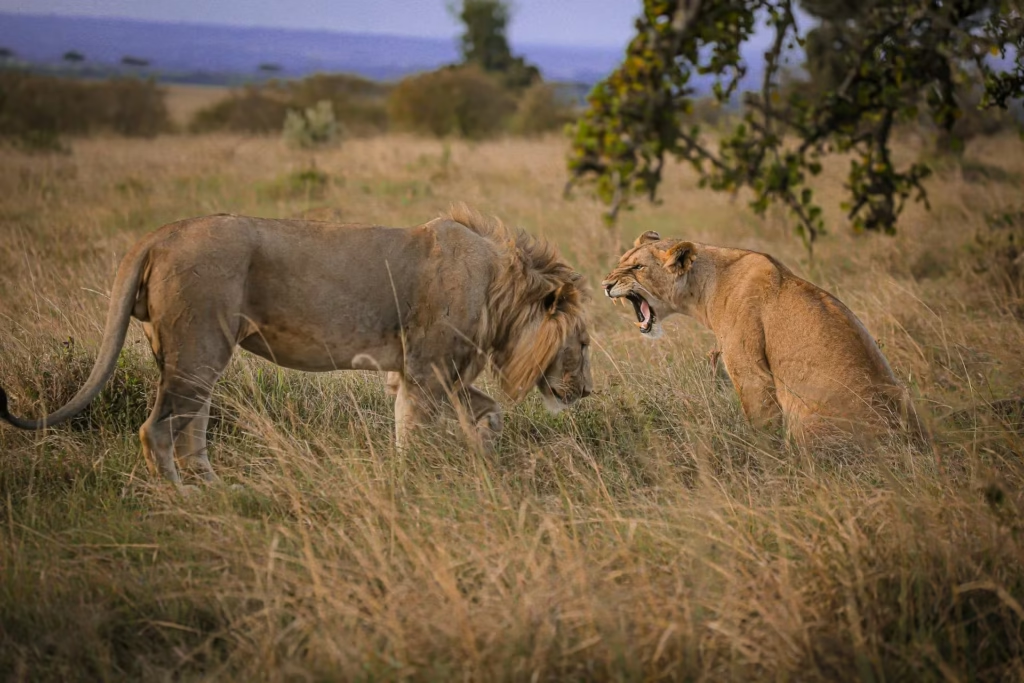
Cheetahs live entirely outside protected areas. Lions live 97% outside protected areas. This means community conservancies offer the best chances to see these predators.
Buffalo is the exception. 71% of buffalo live inside protected areas. So national parks remain the best places to find large buffalo herds.
Best Ecosystems to Visit Based on Census Data
The census gives clear data on which ecosystems hold the most wildlife. Here is a breakdown of the top safari destinations in Kenya based on 2025 numbers:
Tsavo Ecosystem
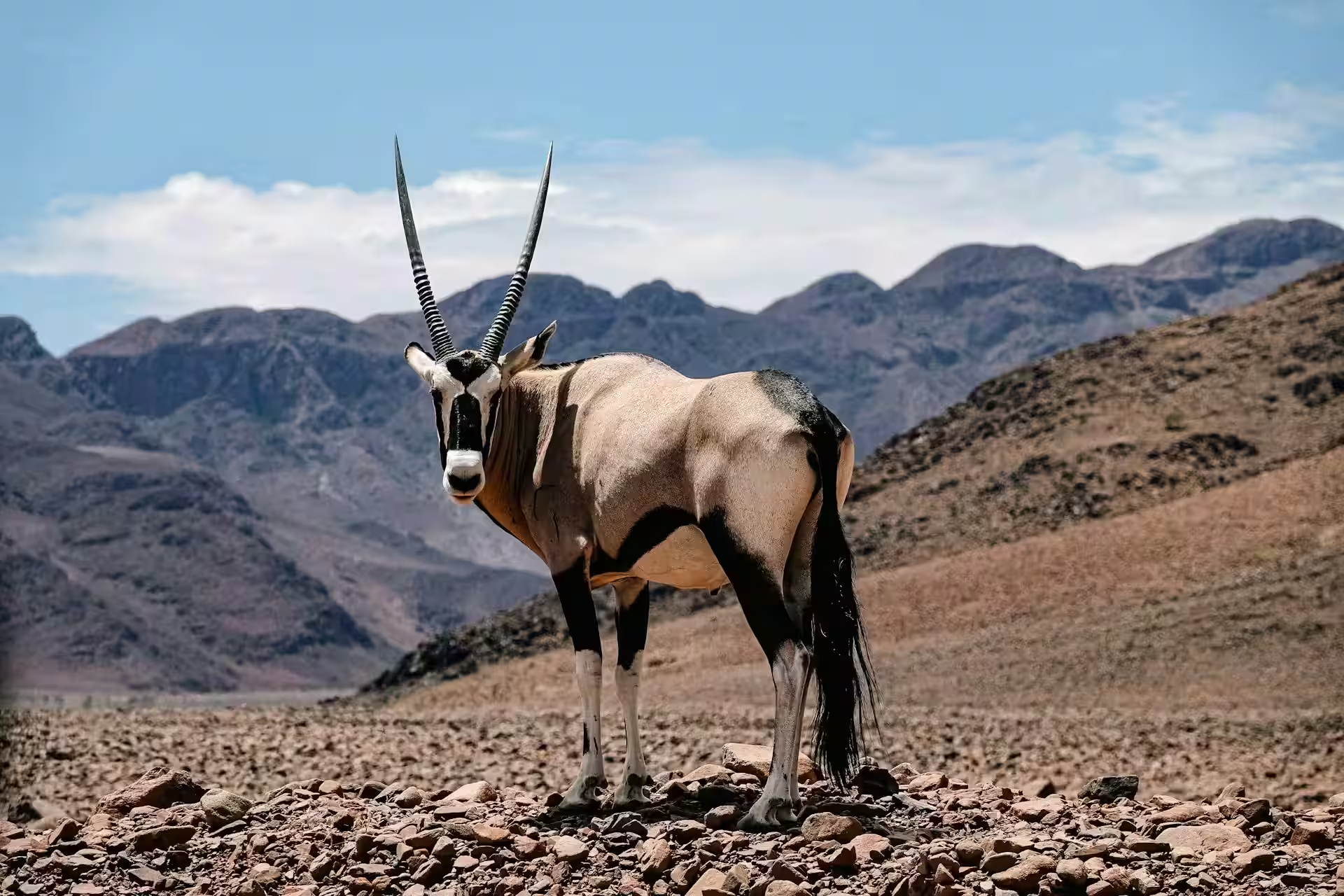
Tsavo is Kenya's largest wildlife ecosystem. It covers nearly 50,000 km². The census counted 17,266 elephants here. That is 41% of Kenya's total elephant population. Tsavo also holds buffalo, giraffe, oryx, lesser kudu, and wild dogs.
| Species | 2024/25 Count | 2021 Count |
|---|---|---|
| Elephant | 17,266 | 14,964 |
| Buffalo | 4,089 | 8,051 |
| Giraffe | 4,387 | 4,314 |
| Common Zebra | 14,384 | 17,964 |
| Oryx | 2,437 | 3,997 |
| Eland | 2,608 | 4,635 |
| Wildebeest | 541 | 823 |
| Wild Dog | 32 | - |
Cheetahs live entirely outside protected areas. Lions live 97% outside protected areas. This means community conservancies offer the best chances to see these predators.
Buffalo is the exception. 71% of buffalo live inside protected areas. So national parks remain the best places to find large buffalo herds.
Laikipia-Samburu-Meru-Marsabit Ecosystem
This ecosystem covers 65,518 km² in northern Kenya. The census counted 9,495 elephants here. Laikipia County alone holds 1,047 rhinos, which is 50% of Kenya's national rhino herd. The ecosystem also holds 21,575 common zebra, 9,347 impala, and 1,663 Grevy's zebra.
| Species | Total Count |
|---|---|
| Common Zebra | 21,575 |
| Elephant | 9,495 |
| Impala | 9,347 |
| Grant's Gazelle | 8,955 |
| Buffalo | 5,646 |
| Reticulated Giraffe | 5,526 |
| Grevy's Zebra | 1,663 |
Maasai Mara Ecosystem
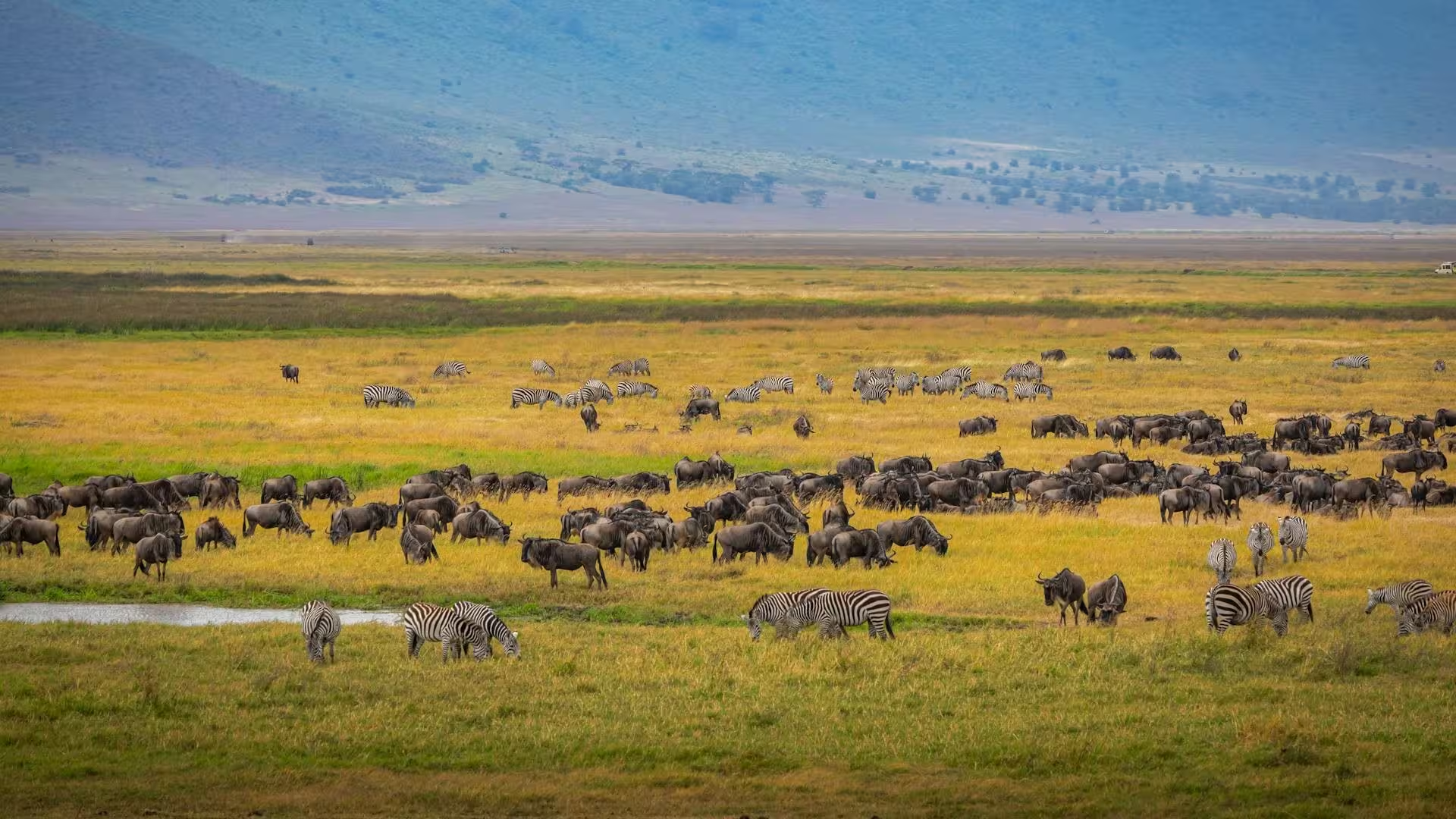
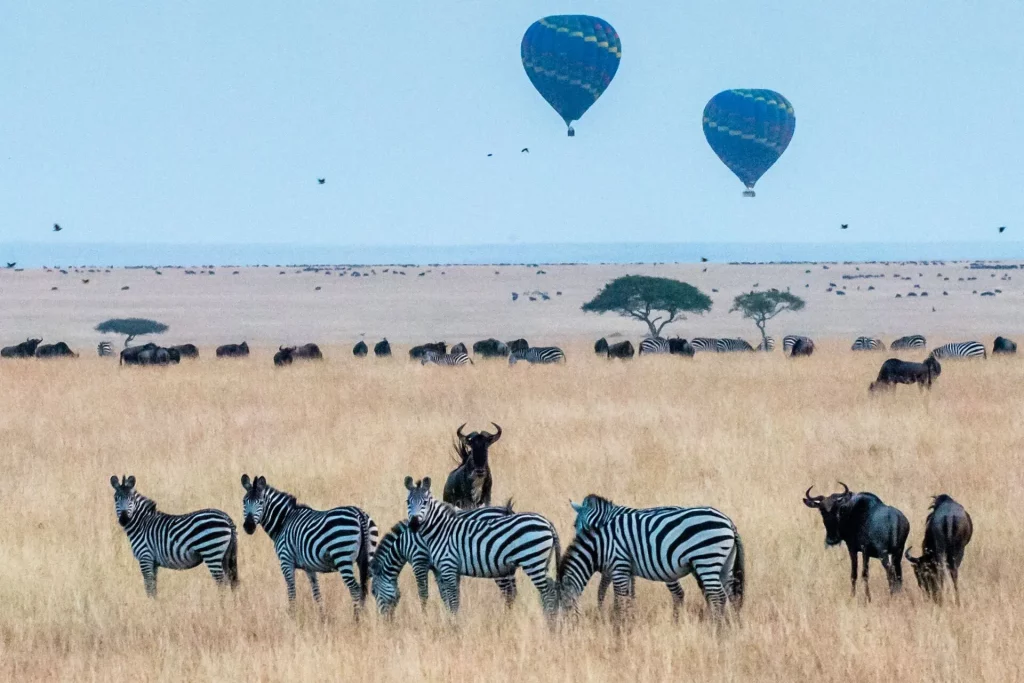
The Maasai Mara counted 88,856 total animals in 2024. It holds 2,702 elephants, 29,195 common zebra, and 26,878 wildebeest. The Mara is part of the 30,953 km² greater Serengeti-Mara system. The great wildebeest migration passes through this ecosystem every year.
| Species | 2024 Count | 2021 Count |
|---|---|---|
| Common Zebra | 29,195 | 32,358 |
| Wildebeest | 26,878 | 37,281 |
| Buffalo | 8,878 | 11,604 |
| Impala | 6,101 | 10,610 |
| Thomson's Gazelle | 5,162 | 8,278 |
| Topi | 3,908 | 6,923 |
| Elephant | 2,702 | 2,595 |
| Masai Giraffe | 1,611 | 2,109 |
Amboseli Ecosystem
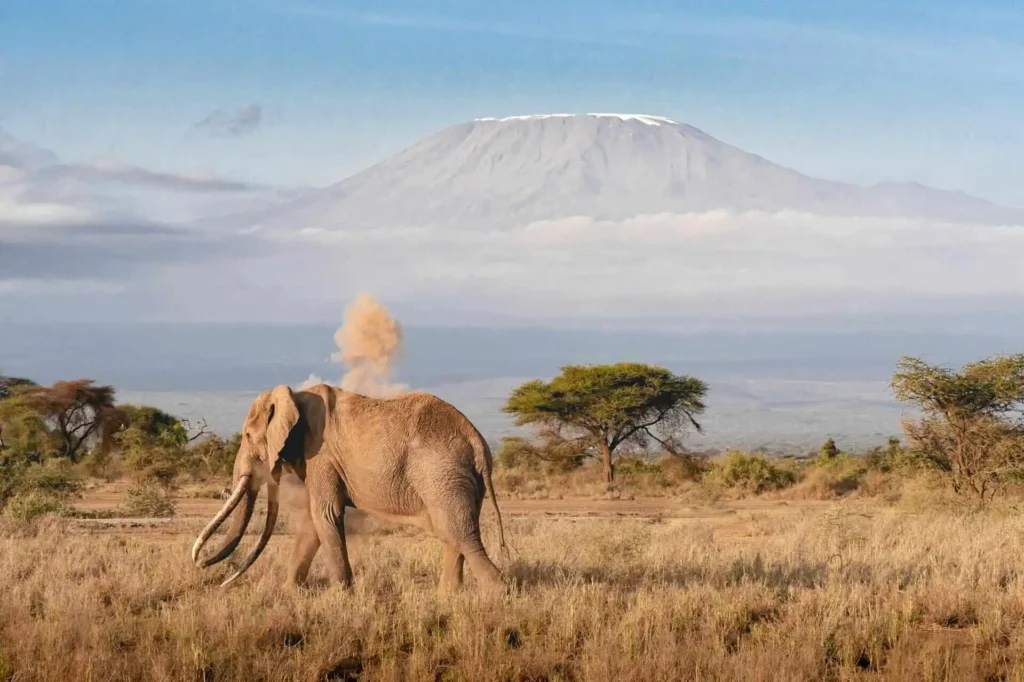
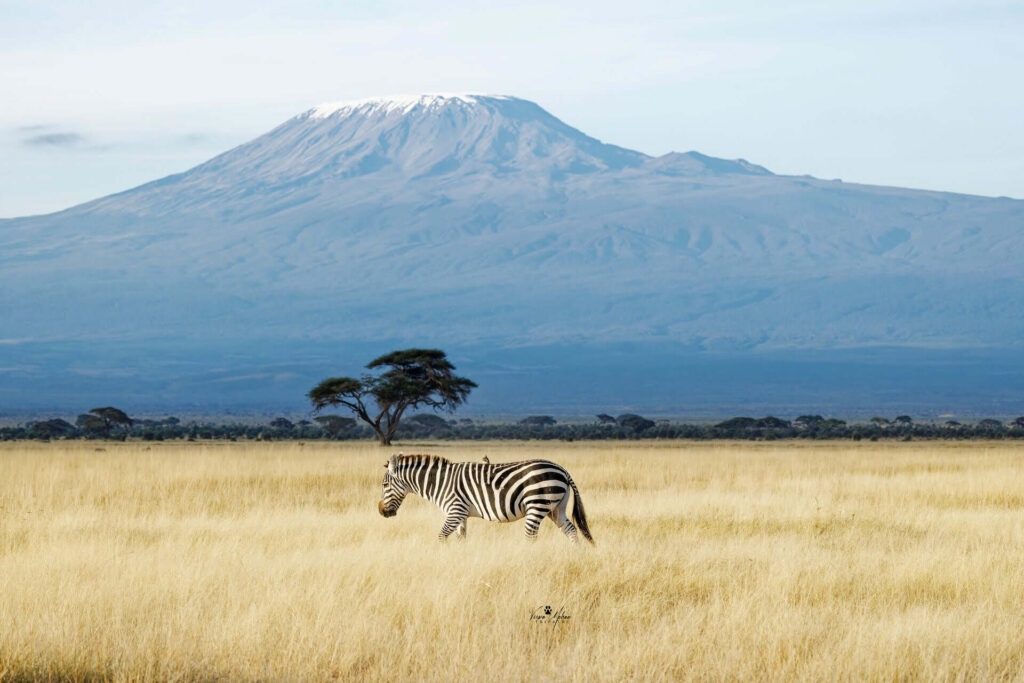
Amboseli counted 36,856 total animals in 2024/25. It holds 2,113 elephants near the base of Mount Kilimanjaro. The ecosystem covers 14,143 km² on the Kenyan side. Amboseli is famous for large elephant herds with clear views of Kilimanjaro.
Lake Nakuru National Park
Lake Nakuru holds 3,323 buffalo, 1,525 common zebra, and 1,463 impala. The park also holds 43 black rhinos and 16 white rhinos. Flamingos and other waterbirds use the soda lake. The park covers 188 km² in the Eastern Rift Valley.
Aberdare Forest Ecosystem
The Aberdare ecosystem covers 1,779 km². It holds 4,019 forest elephants counted by dung method in 2021. Camera traps detected leopard, mountain bongo, giant forest hog, and African buffalo inside the forest.
What the Census Says About Kenya's Conservation Efforts
The census documents real conservation progress alongside serious ongoing challenges.
Conservation successes include:
- Elephant population grew 2.7% annually over the last 36 years
- Black rhino grew 137.5% from 446 in 2000 to 1,059 in 2024
- Southern white rhino grew 516% from 169 in 2000 to 1,041 in 2024
- Solio Ranch holds 8 white rhinos per km², one of the highest densities in the world
- Kenya holds 80% of the world's wild eastern black rhino population
- Mountain bongo grew from 150 to 179 between 2021 and 2025
- Roan antelope grew from 15 to 21 between 2021 and 2025
Ongoing challenges include:
- Many plains game species continue to decline sharply
- Wetland bird populations fell up to 97% in key habitats
- 64% of wildlife lives outside protected areas, facing pressure from land use change
- Livestock numbers continue to rise, competing with wildlife for space
- Climate change and recurrent droughts stress wildlife populations
- Wildlife corridors face severe pressure from agriculture and settlements
The report calls for what it describes as a "Now or Never" Immediate Emergency Action Plan. This plan rests on five pillars: institutional capacity, community-driven benefits, evidence-based action, spatial governance, and rights-based conservation.
What This Means for Your Kenya Safari in 2025
The 2025 census data gives safari travelers a clear picture of what to expect on the ground.
For elephant sightings: Tsavo offers the best chance with 17,266 elephants. Laikipia-Samburu comes second with 9,495. Amboseli gives the best elephant viewing near Kilimanjaro with 2,113 elephants.
For rhino sightings: Laikipia holds 50% of Kenya's rhinos. Ol Pejeta Conservancy, Lewa-Borana, and Solio Ranch are the top private rhino destinations. Lake Nakuru National Park holds rhinos in an enclosed ecosystem.
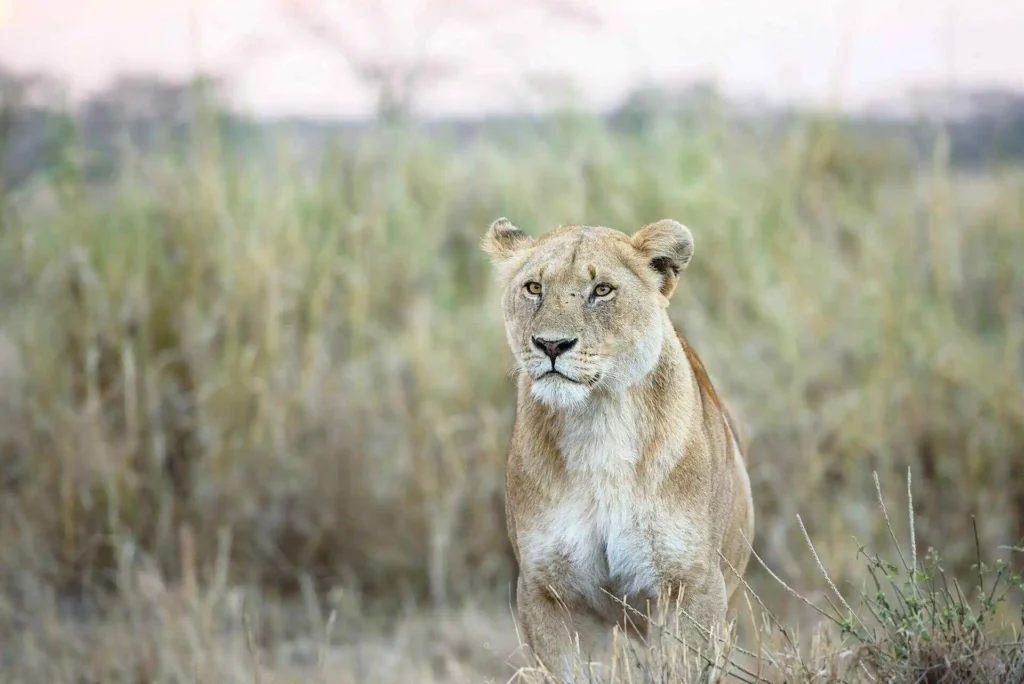
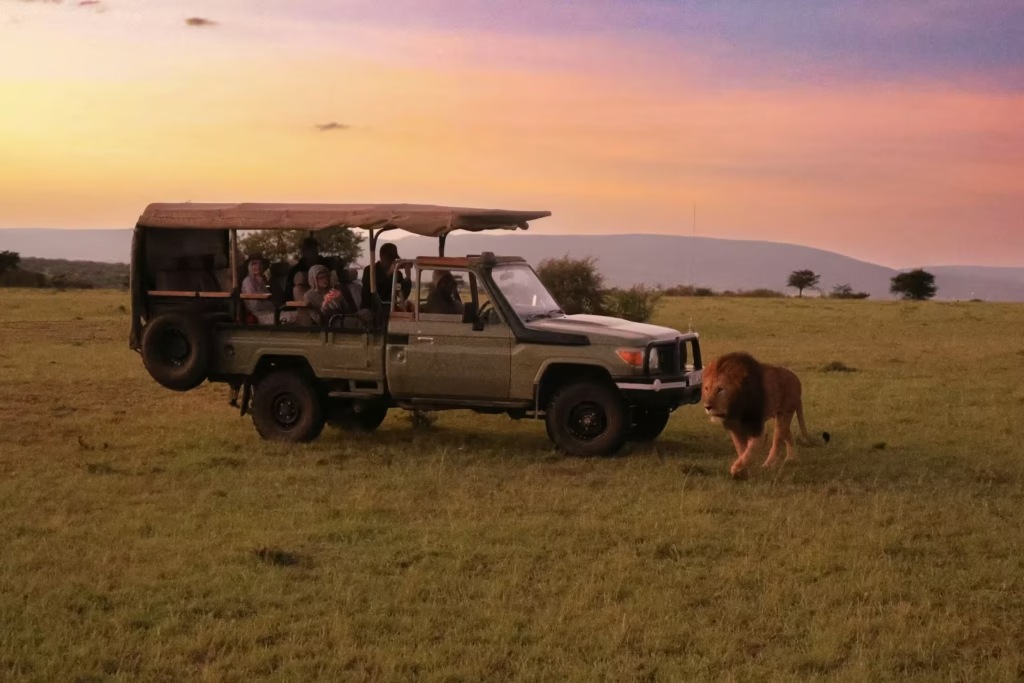
For big cat sightings:The Maasai Mara remains the top destination for lions and cheetahs. But 97% of lions and 100% of cheetahs live outside national park boundaries. Community conservancies around the Mara offer excellent big cat sightings.
For wildebeest migration:The Maasai Mara recorded 26,878 wildebeest in 2024. The migration crosses from Tanzania into Kenya between July and October each year.
For rare species: Grevy's zebra sightings are best in Samburu and Laikipia. The hirola exists only in northeastern Kenya near Garissa. Mountain bongo sightings require a forest safari in the Aberdares.
For bird watching: Lake Nakuru, Lake Bogoria, and Lake Naivasha remain top waterbird destinations despite declining numbers. Arabuko-Sokoke Forest on the coast holds 359 forest elephants and rare coastal bird species.
Frequently Asked Questions
When was the Kenya Wildlife Census 2025 conducted?
The census ran from June 2024 to August 2025. WRTI and KWS led the survey with support from the Ministry of Tourism and Wildlife and several partner organizations.
How many elephants are in Kenya in 2025?
Kenya has 42,072 elephants as of June 2025. This includes 41,952 wild elephants and 120 in captive facilities. The Tsavo ecosystem holds the largest share with 17,266 elephants.
How many lions are in Kenya in 2025?
Kenya has 2,512 lions. Only 3% live inside protected areas. The remaining 97% live in community conservancies, private ranches, and other lands outside national parks.
Which national park has the most wildlife in Kenya?
Tsavo East and Tsavo West together form Kenya's largest wildlife ecosystem. They hold 17,266 elephants alone. The Laikipia-Samburu ecosystem holds the most rhinos with over 1,047 individuals in Laikipia County.
Is Kenya wildlife increasing or decreasing?
It depends on the species. Elephants, rhinos, and giraffes are growing. Hirola, buffalo, sable antelope, and Grevy's zebra are declining. The overall picture is mixed, with conservation successes for flagship species and ongoing declines for plains game.
Where can I see rhinos in Kenya?
The best places to see rhinos in Kenya are Ol Pejeta Conservancy, Lewa-Borana Landscape, Solio Ranch, Lake Nakuru National Park, Nairobi National Park, and Tsavo West National Park's Ngulia Rhino Sanctuary.
Where can I see cheetahs in Kenya?
All 605 cheetahs in Kenya live outside national park boundaries. The Maasai Mara conservancies, Laikipia private ranches, and Amboseli dispersal areas offer the best cheetah sightings.
What is the best time to visit Kenya for safari?
The dry seasons from June to October and January to March offer the best wildlife viewing. Animals gather around water sources and vegetation is low, making sightings easier.
Read in full details what is the best time to visit Kenya?
Summary
The Kenya Wildlife Census 2025 gives the clearest picture of the country's wildlife in decades. Kenya has 42,072 elephants, 2,102 rhinos, 43,002 giraffes, 2,512 lions, and 605 cheetahs. Several species show strong growth. Others face serious declines.
The census also shows that 64% of Kenya's wildlife lives outside national parks. This makes community conservancies and private ranches critical safari destinations in 2025.
For safari travelers, the data points to Tsavo for elephants, Laikipia for rhinos, Maasai Mara for big cats and migration, and Amboseli for elephant and Kilimanjaro views.
Kenya remains one of Africa's top safari destinations. The 2025 census confirms that the country's wildlife is resilient, diverse, and very much worth seeing.
Ready to plan your Kenya safari? Contact Big Cats Safari today and book your safari experience.