Most vultures are known for feeding on dead animals, but the bearded vulture has a rather different appetite. Bones are its main food source, and it has a remarkable way of getting to the nutritious marrow inside them. When a bone is too large to swallow, the bird takes it into the air and drops it onto rocks. If the bone cracks, the meal is ready.
This behaviour makes the bearded vulture one of the most unusual scavenging birds in the world. It does not need to compete with other vultures for every scrap of meat. Instead, it makes use of what they leave behind.
Its appearance is hard to overlook, too. Rusty-orange feathers, a small-looking head, long wings and a pointed tail give the bird a distinctive outline against the mountain sky. It spends much of its time soaring above cliffs and ridges, searching for food across rugged terrain.
The species occurs in parts of Europe, Asia and Africa. In Africa, the Ethiopian Highlands and the Drakensberg Mountains of southern Africa are important places to look for it. These highland landscapes offer a different kind of wildlife experience from the savannas most travellers picture when planning an African safari.
For birdwatchers, seeing a bearded vulture can be a memorable moment. Its unusual feeding habits are fascinating, but watching such a large bird glide silently above a mountain ridge is an experience in its own right.
The Myth and the Mountain Monarch
A typical vulture has a bald head, a hooked bill and a place among other scavengers feeding on a carcass. The bearded vulture breaks that familiar picture. Feathers cover its head, dark bristles hang beneath its bill, and its long tail gives it a distinctive shape in flight.
Its feeding habits set it apart just as clearly. Rather than depending mainly on soft tissue, it searches for bones left behind by other animals. A bird might spend several minutes gliding over a valley before disappearing behind a cliff, only to appear again much farther along the ridge.
Known scientifically as Gypaetus barbatus, the species lives across parts of Europe, Asia and Africa. Within Africa, the Ethiopian Highlands and the mountains of southern Africa are important areas for the bird. Small populations also occur in parts of East Africa.
Its common names reflect its appearance and its unusual way of feeding.
- Bearded Vulture: The dark bristles beneath the bill look like a beard.
- Lammergeier: This name comes from German and is commonly translated as “lamb vulture.” It reflects old beliefs about the bird attacking livestock, rather than its usual feeding behaviour.
- Ossifrage: Meaning “bone-breaker,” this name refers to the bird's habit of dropping bones onto rocks.
The bird is well suited to high mountain country. It can fly at elevations above 4,000 metres and cover wide areas while searching for food. Long wings allow it to use rising air currents, helping it travel across valleys without constant flapping.
Its diet is what makes it especially unusual. Most scavengers feed largely on meat and soft tissue, whereas the bearded vulture relies heavily on bones and marrow. Depending on the population and the study, bones may account for roughly 70 to 90 per cent of its diet.
This specialisation means the bird can use a food source that other scavengers often leave behind. In mountain habitats, where carcasses may be scattered over large distances, that ability can make a real difference.
A Diet of Pure Bone: The Ultimate Evolutionary Niche
The 85% Bone Diet
When other scavengers have finished feeding, the bearded vulture may still find plenty to eat. Bones are its speciality, particularly those that contain marrow. Long bones from sheep, goats and other hoofed mammals provide useful food, while remains from wild animals offer another source.
Marrow contains fat and supplies energy. Bones also remain on the ground after most of the soft tissue has disappeared. This gives the bird access to food that can last longer than a fresh carcass, especially in cold mountain regions where finding another meal may take time.
The bearded vulture's diet also reduces competition with other scavengers. It does not have to rely entirely on the same parts of a carcass as birds that feed mainly on meat.
That does not mean every meal consists entirely of bones. Adults sometimes eat meat and other animal remains. Chicks also need meat and soft tissue during their early development. As adults, however, bearded vultures depend heavily on bones, making them one of the most specialised scavengers in the bird world.
The "Bone Drop" Technique
A large bone can be difficult to swallow, so the bearded vulture uses the landscape to break it apart.
The bird picks up a bone with its feet or bill and carries it into the air. It then releases the bone above a hard, rocky surface. The impact may split it into smaller pieces, exposing the marrow inside.
Sometimes the bone survives the fall intact. The vulture may collect it and try again, repeating the process until the pieces are small enough to eat. The method looks simple from the ground, but choosing a suitable dropping site matters.
These bone-breaking locations are known as ossuaries. They often consist of exposed rock slabs or other hard surfaces where falling bones have a reasonable chance of cracking. The bird uses these sites to deal with bones that would otherwise be too large to swallow.
Young bearded vultures need practice to become proficient at this behaviour. They must learn to handle bones and use suitable locations rather than simply dropping food anywhere.
Some individuals have been recorded carrying bones weighing up to about 4 kg. That is a substantial load to move through mountain air, and the bird's powerful flight muscles help it manage the task.
The bone-dropping technique is more than an interesting sight. It allows the bearded vulture to reach food that would otherwise remain difficult to eat. Its behaviour has developed around the demands of a very particular diet.
Digestive Marvel
Breaking a bone exposes the marrow, but the bird must still digest what it swallows. Its digestive system is adapted to handle this unusual food.
The bearded vulture has highly acidic stomach contents that help dissolve bone fragments. Scientific accounts describe stomach acidity around pH 1 to 1.5, although direct measurements for the species remain limited. This strong acid helps process material that many other animals struggle to digest.
The bird can swallow relatively large fragments, so it does not need to grind every piece into tiny particles before eating. Digestion may take around 24 hours, depending on the food and other conditions.
This ability is particularly useful in mountain habitats. Fresh carcasses can be difficult to find, but bones may remain available for much longer. A bearded vulture can make use of these remains instead of relying entirely on fresh meat.
Its feeding method and digestive system work together. First, it breaks bones to reach the marrow. Then its stomach helps process the material. This combination allows the bird to survive on a food source that most other scavengers use far less effectively.
Signature Features: Red Feathers and Fierce Silhouettes
The "Cosmetic" Red Plumage
The rusty-orange colour of the bearded vulture's head and underparts makes it stand out against grey rock and pale mountain skies. Yet the colour has an unusual explanation.
The bird's pale feathers can become stained when it bathes or rubs itself in iron-rich soil and mineral-rich mud. These materials leave orange or reddish marks on its plumage. As a result, the bird's appearance depends partly on its own behaviour and the minerals available in its surroundings.
Not every bearded vulture looks the same. Some have a light orange shade, while others appear much darker and more reddish-brown. Differences in mineral staining, bathing habits and weathering can all affect the colour.
Researchers have suggested that the staining may serve as a social signal. It could communicate an individual's status or condition to other birds. However, scientists have not confirmed one single purpose for this behaviour, so dominance remains a possible explanation rather than an established fact.
This habit adds another layer to an already unusual species. The bearded vulture relies heavily on bones for food and uses minerals from its surroundings to change the appearance of its feathers.
Sky Silhouette
The bearded vulture has a distinctive shape when seen against the sky. Adults generally have a wingspan of about 2.3 to 2.8 metres. Their long wings help them glide over steep mountain slopes and across broad valleys.
The tail is particularly useful for identification. It is long, pointed and wedge-shaped, while the head looks relatively small beside the body and wings. Dark facial markings and bristles beneath the bill provide further clues when the bird is close enough to see clearly.
Adult birds usually have pale bodies, darker wings and rusty-orange colouring on the head and underparts. Younger birds can look darker, so plumage colour varies with age.
Watch the bird's flight as well as its shape. Bearded vultures often circle above cliffs, follow mountain ridges and cross valleys with very few wingbeats. When the air currents are favourable, they can cover long distances without much effort.
For photographers, distance is often the biggest challenge. A bearded vulture may look small against a wide mountain landscape, even with its impressive wingspan. Good light can bring out the orange staining and help reveal the shape of its tail.
From far away, the bird can resemble a large eagle. Its narrow wings and long tail help distinguish it from species such as Verreaux's eagle and the Cape vulture. Even so, shadows, distance and viewing angles can make identification difficult.
Courtship in Mid-Air
The bearded vulture is known for its unusual feeding habits, but its courtship displays are equally interesting. Pairs may circle above their breeding territories, following each other's movements across the mountain slopes.
Some displays involve sharp turns, close approaches and brief tumbles through the air. Pairs may even lock talons before separating. These movements can look dramatic against a steep cliff or deep valley.
The birds usually nest on rocky ledges or inside caves along cliffs. Such sites provide shelter and make access difficult for many ground-based predators. Their remote locations also mean that visitors need to take care not to disturb breeding birds.
If you spot two bearded vultures flying together, watch their movements for a while. Coordinated turns and sudden changes in direction may indicate a courtship display. Keep your distance, especially if the birds are near a potential nesting site.
Top African Safari Destinations to Spot Them
The bearded vulture lives in selected mountain regions rather than throughout Africa. Choosing the right destination can improve your chances of seeing one, although sightings depend on weather, local populations and the movements of individual birds.
The Drakensberg region, the Ethiopian Highlands and parts of the East African highlands offer different opportunities for birdwatching. Each has its own scenery and wildlife, so it is worth considering the wider experience as well as the chance of finding this species.
The Maloti-Drakensberg Park (South Africa and Lesotho)
The Maloti-Drakensberg region is one of the main areas to look for bearded vultures in southern Africa. Its high grasslands, rocky cliffs and steep mountain slopes provide suitable habitat for the birds.
They travel across ridges and valleys while searching for bones from wild animals and livestock. Rising air currents help them move over large areas, so a bird may appear above one ridge and disappear beyond another.
Giant's Castle Game Reserve in South Africa's KwaZulu-Natal province is a well-known viewing location. The reserve has a dedicated bearded vulture hide, where visitors can watch and photograph birds from a designated area. Check the current schedule, fees and booking arrangements before travelling.
Why visit?
- The reserve offers a recognised place to watch bearded vultures.
- The Drakensberg scenery provides a striking setting for mountain photography.
- Other mountain birds and hiking opportunities add variety to the trip.
- The wider region has natural and cultural attractions worth exploring.
Best approach: Plan around the reserve's current vulture-hide schedule. Confirm availability and photography rules before your visit. Allow enough time to enjoy the surrounding mountains rather than expecting a bird to appear on demand.
Giant's Castle provides a practical starting point for travellers hoping to see the southern African population. Its designated hide also allows visitors to watch birds without approaching sensitive nesting cliffs.
Simien and Bale Mountains National Parks (Ethiopia)
The Ethiopian Highlands are another important region for bearded vultures. Steep escarpments, open plateaus and deep valleys create the kind of landscape these birds use for soaring, feeding and nesting.
Simien Mountains National Park is known for its high peaks and rugged terrain. Visitors can scan the cliffs and ridgelines for large birds riding the wind. A bearded vulture may stay in the air for long periods, crossing the landscape with very few wingbeats.
Bale Mountains National Park offers another high-altitude setting for wildlife enthusiasts. Its Afro-alpine habitats support specialised species, including Ethiopian wolves. Gelada monkeys occur in parts of the Ethiopian Highlands, although sightings depend on the area visited.
Why visit?
- Mountain birdwatching can form part of a wider wildlife holiday in Ethiopia.
- The highlands support distinctive wildlife found in relatively few places.
- Open plateaus and deep valleys provide opportunities to watch birds in flight.
- Trekking and landscape photography add to the experience.
Best approach: A local guide familiar with the region's birdlife can help identify suitable viewing points. Ask about recent sightings and give yourself time to scan the landscape. The birds can pass overhead without warning.
Bearded vultures occur across parts of the Ethiopian Highlands, but sightings are never guaranteed. Planning around the region's wider wildlife and scenery helps make the trip worthwhile even if the bird stays out of view.
Mount Kenya and the Aberdares (East Africa)
Kenya offers a less predictable chance of seeing bearded vultures. The species occurs in East Africa, but regional assessments identify only a small number of breeding pairs in Kenya. Its limited distribution makes sightings difficult to plan.
Mount Kenya and the Aberdare Range offer rugged highland habitats for birdwatching. Their landscapes include forests, moorlands, rocky ridges and high peaks. These areas support a variety of mountain wildlife, although not every high-altitude trail offers a realistic chance of finding a bearded vulture.
Before choosing a route, check recent sightings with local bird guides. Someone familiar with the current distribution can help identify suitable viewing points and advise on access conditions. This can save time in areas where recent records are scarce.
Why visit?
- Highland birdwatching can be combined with a wider Kenyan wildlife holiday.
- Mountain scenery provides a change from the country's open savannas.
- Local guides can help identify other raptors and highland birds.
- The region suits travellers who enjoy trekking and wildlife photography.
Best approach: Treat a bearded vulture sighting as a possibility rather than a promise. Check recent records and local access conditions before choosing your route.
If seeing this species is the main goal, Giant's Castle and the Ethiopian Highlands are practical places to investigate first. Kenya offers a less predictable opportunity, so plan around the wider mountain experience too.
Practical Safari Tips for Birders and Photographers
Finding a bearded vulture takes patience. The birds cover large areas, spend much of their time above the ground and may disappear behind cliffs for long periods. A good viewpoint and a little preparation can make a difference.
Best Time of Day
Early to mid-morning can be a useful time to watch mountain raptors. As sunlight warms exposed slopes, rising air currents develop along cliffs and ridges. Bearded vultures use these currents to gain height and travel across the landscape.
Weather can change the experience considerably. A clear morning may provide good visibility, while low clouds, strong winds or poor weather can make birds difficult to spot. Local advice helps when deciding where and when to look.
At Giant's Castle, the dedicated vulture hide follows its own operating schedule. Check the reserve's current arrangements before travelling, as general birdwatching advice does not replace its booking rules.
A few simple habits can improve your visit:
- Arrive early and settle into your viewing position.
- Scan the sky above cliffs, ridgelines and open valleys.
- Move your attention across the landscape rather than watching one spot.
- Carry binoculars to locate birds before reaching for your camera.
- Adjust your plans if wind or cloud affects visibility.
Mountain walks require suitable fitness, clothing and preparation. Check the weather and follow local safety advice. A sighting is never worth taking an unnecessary risk.
Recommended Gear
A bearded vulture can appear far away, even when it flies directly overhead. The right equipment helps you locate the bird, follow its movements and check the details needed for identification.
For birdwatchers:
- Binoculars: An 8x or 10x pair helps you scan wide mountain areas and locate distant birds.
- Spotting scope: A scope mounted on a tripod is useful for studying birds perched on cliffs or soaring far away.
- Field guide: A regional bird guide helps you compare the bearded vulture with other mountain raptors.
- Notebook or birding app: Record the location, time, weather and behaviour of a sighting.
For photographers:
- Telephoto lens: A 100–400mm lens offers flexibility for birds in flight. A 500mm or 600mm lens can help when the bird remains distant.
- Image stabilisation: This helps reduce camera shake, especially during handheld shooting.
- Fast shutter speed: Around 1/1600 second or faster can freeze wing movement, depending on the light and flight speed.
- Extra batteries and memory cards: Cold weather can affect battery performance, while repeated flight shots use storage quickly.
- Protective clothing: Windproof layers and weather protection make long viewing sessions more comfortable.
You do not need expensive equipment to enjoy the bird. Binoculars and a suitable viewpoint can provide a rewarding experience. Find the bird first, then decide whether you want to photograph it.
Spotter's Checklist
Start with the bird's overall shape when scanning the sky. Once you have located a possible bearded vulture, look for the following features.
- Long, narrow wings: Notice the elongated wings and distinct flight feathers.
- Wedge-shaped tail: The long, pointed tail is one of the strongest identification clues.
- Small-looking head: The head appears relatively small beside the body and wings.
- Rusty-orange underparts: Adults often show orange or reddish staining on the head and body.
- Dark facial markings: Bristles beneath the bill create the beard-like appearance.
- Solitary flight: You may see one bird soaring along a ridge rather than several vultures gathering around a carcass.
Do not rely on colour alone. Young birds often look darker than adults, and the shade of adult plumage varies. Distance, shadows and bright skies can also hide important details.
Verreaux's eagles and Cape vultures share some mountain habitats with bearded vultures. Compare the tail, wing shape and flight pattern before confirming an identification. Binoculars make this much easier.
Keep a respectful distance from nesting cliffs and feeding sites. Follow local guidance and remain within designated viewing areas. Never disturb a bird to obtain a closer photograph.
Conservation Status: The Fragile Future of Cliff Dwellers
The bearded vulture has adapted to life in rugged mountain country, but its remote habitat does not protect it from every threat. Poisoning, collisions with power infrastructure and disturbance around nesting areas continue to place pressure on wild populations.
The situation is especially serious in southern Africa. BirdLife South Africa classifies the southern African population as Critically Endangered. This regional classification differs from the global conservation status of the species.
Historical Myths vs. Reality
For centuries, the bearded vulture's size and feeding habits have encouraged stories about a dangerous bird. Its hooked bill, powerful flight and habit of dropping bones can seem intimidating to people unfamiliar with its behaviour.
The name Lammergeier reflects one of these old beliefs. It is commonly translated as “lamb vulture,” suggesting that the bird hunts young sheep. Research on southern African populations shows that bearded vultures obtain most of their food through scavenging. They feed mainly on bones from animal remains rather than hunting healthy livestock.
The bone-dropping behaviour has a straightforward purpose. The bird releases a bone over a hard surface so that it can crack open and expose the marrow. This is a feeding technique, not an attempt to attack another animal.
Understanding these facts helps replace old fears with evidence. The bearded vulture is a specialised scavenger that uses food other birds often leave behind. Its size and unusual feeding habits do not make it a threat to people.
Modern Threats
Several threats affect bearded vultures in the wild. These problems are particularly concerning when populations are already small.
1. Poisoning
Poisoning is one of the main dangers facing vultures. In some cases, people place poison in animal carcasses to kill predators that attack livestock. Scavenging birds can then feed on the contaminated remains and die.
A single poisoned carcass may kill several birds. For a small population with relatively few breeding adults, such losses can have serious consequences. Poisoning remains a major concern for the future of the southern African population.
2. Power line collisions and electrocution
Bearded vultures travel across large mountain areas while searching for food. Power lines and electrical infrastructure can create hazards along their flight paths.
A collision may cause serious injury or death. Birds can also be electrocuted when they come into contact with unsafe electrical equipment. Careful planning and safer power-line designs can help reduce these risks.
3. Habitat fragmentation
Mountain regions may appear remote, but human activity can still affect the wildlife living there. Roads, development, changes in land management and disturbance near nesting sites can reduce the amount of suitable habitat.
Fragmentation may also separate small breeding groups. This creates additional problems for birds that need wide areas to find food and already have limited populations.
4. Human disturbance
Repeated disturbance near nesting cliffs can affect breeding birds. Hikers and photographers may unintentionally cause problems by approaching nests or remaining close to sensitive sites.
Following local access rules helps protect these areas. Visitors can still enjoy the mountains without disturbing birds during the breeding season.
How Responsible Tourism Helps
Responsible tourism can bring attention to threatened species and create income for communities near protected areas. Well-managed birdwatching trips may give local people another reason to support wildlife protection.
Visitors can make thoughtful choices during their trips.
- Visit recognised conservation areas: Choose established reserves and parks that protect wildlife and manage visitor access.
- Use authorised vulture hides: At places such as Giant's Castle, follow official rules and check current arrangements. Do not assume that every fee directly supports conservation.
- Hire knowledgeable local guides: Experienced guides can explain the species, identify suitable viewing locations and help avoid unnecessary disturbance.
- Respect nesting sites: Keep away from breeding areas and never approach a nest for a photograph.
- Do not feed wildlife yourself: Never leave food or animal remains to attract vultures. Supplementary feeding should take place only through authorised conservation programmes.
- Choose responsible operators: Look for businesses that follow wildlife-viewing guidelines and can explain their conservation practices.
- Share accurate information: Explain the bird's scavenging habits and ecological role rather than repeating myths about attacks on livestock or people.
A single visit cannot secure the future of the bearded vulture. Responsible tourism works best alongside scientific monitoring, safer infrastructure, habitat protection and action against wildlife poisoning. Visitors can still contribute by supporting responsible operators and respecting wildlife in the field.
Conclusion: Meet Africa's Bone-Crushing Mountain Specialist
The bearded vulture is a bird that deserves attention for more than its unusual appearance. Its rusty-orange feathers, long wings and pointed tail make it easy to recognise, but its dependence on bones is what truly sets it apart.
While many scavengers feed mainly on meat, the bearded vulture has adapted to use bones as its main food source. It carries them into the air, drops them onto rocks and feeds on the marrow inside. Its digestive system then helps break down material that other animals cannot process as easily.
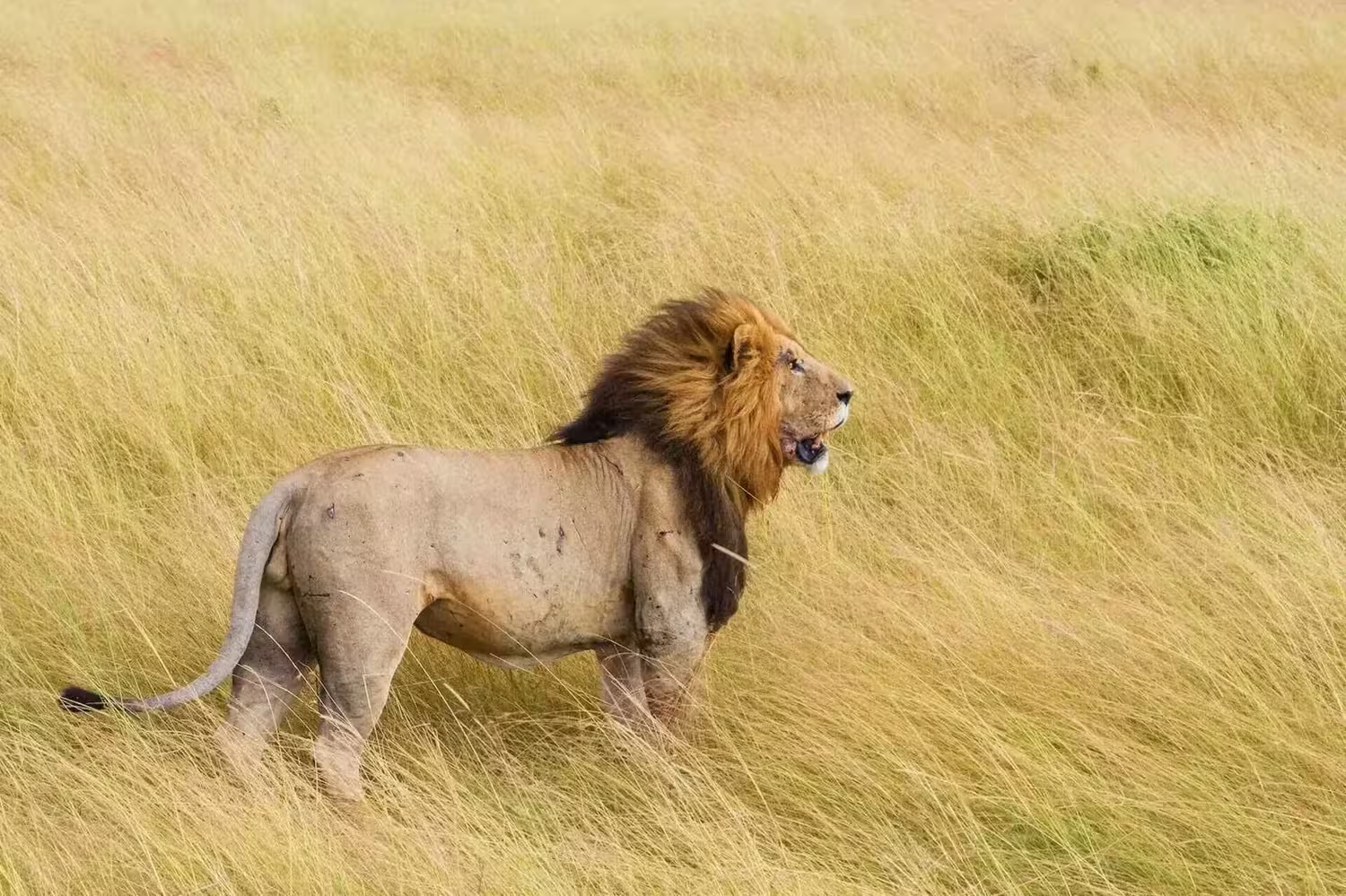
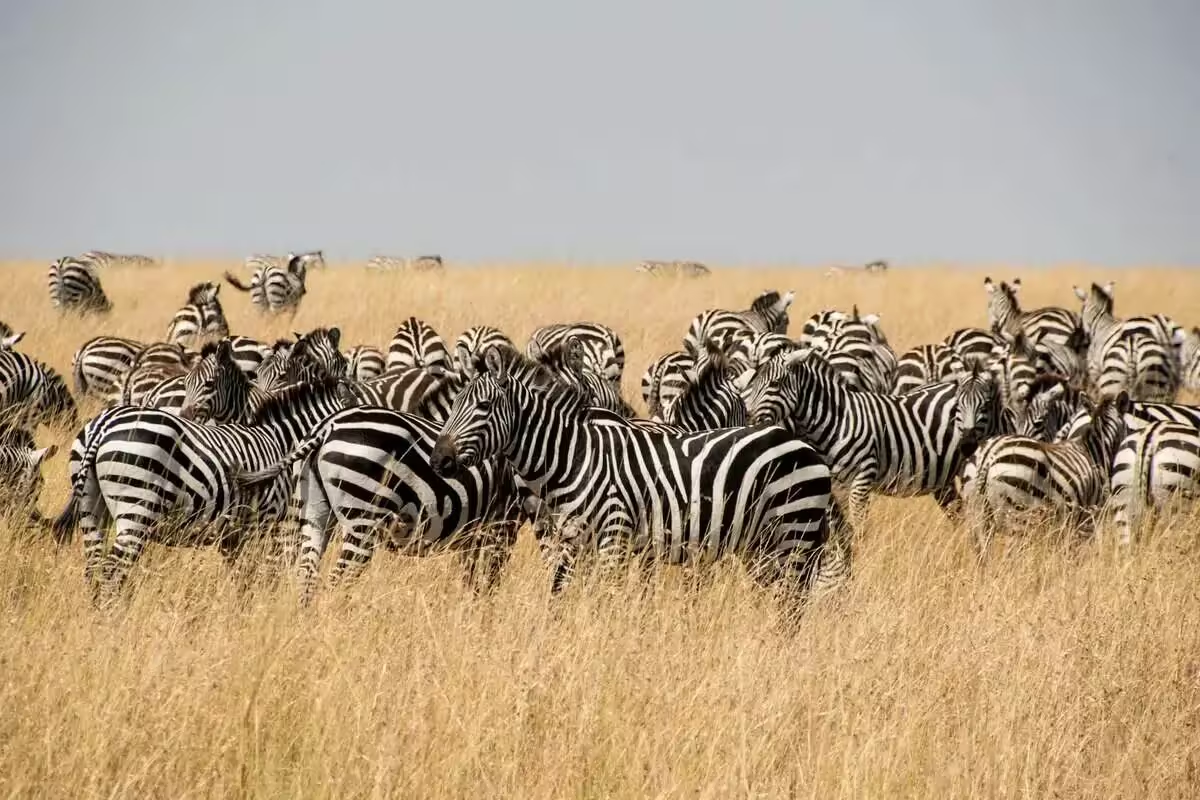
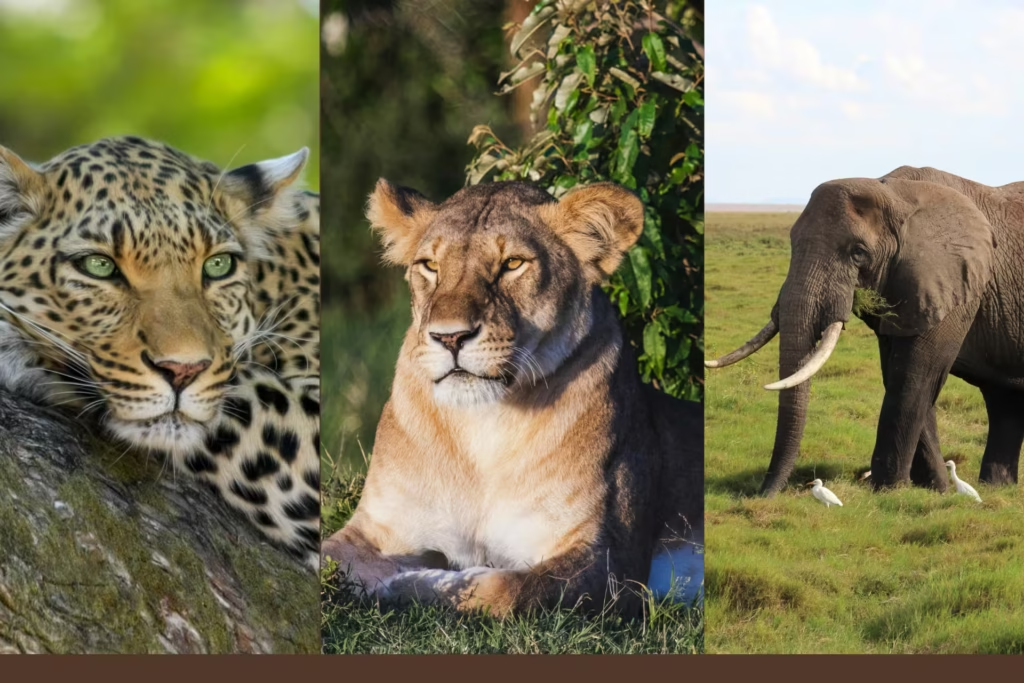
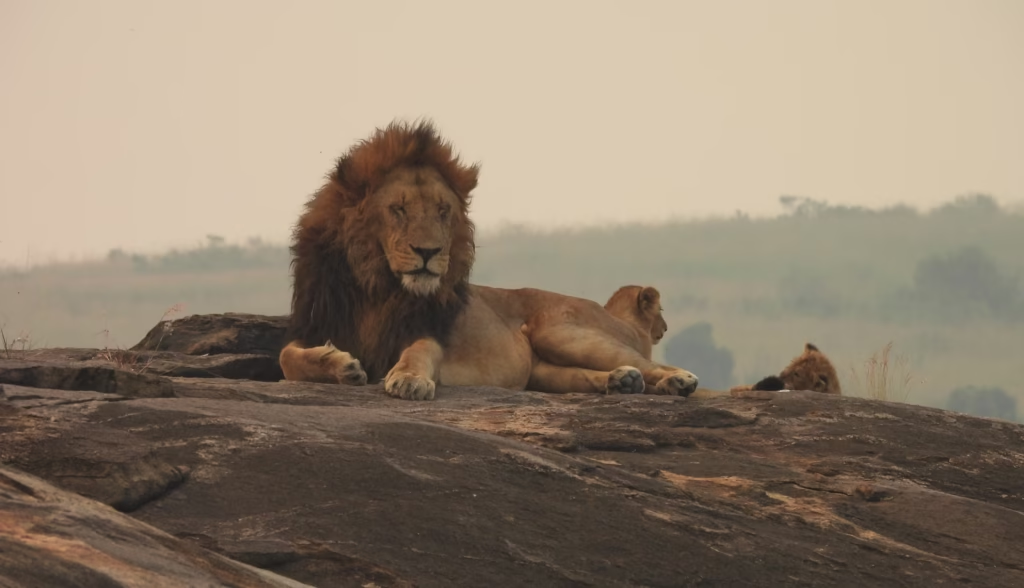
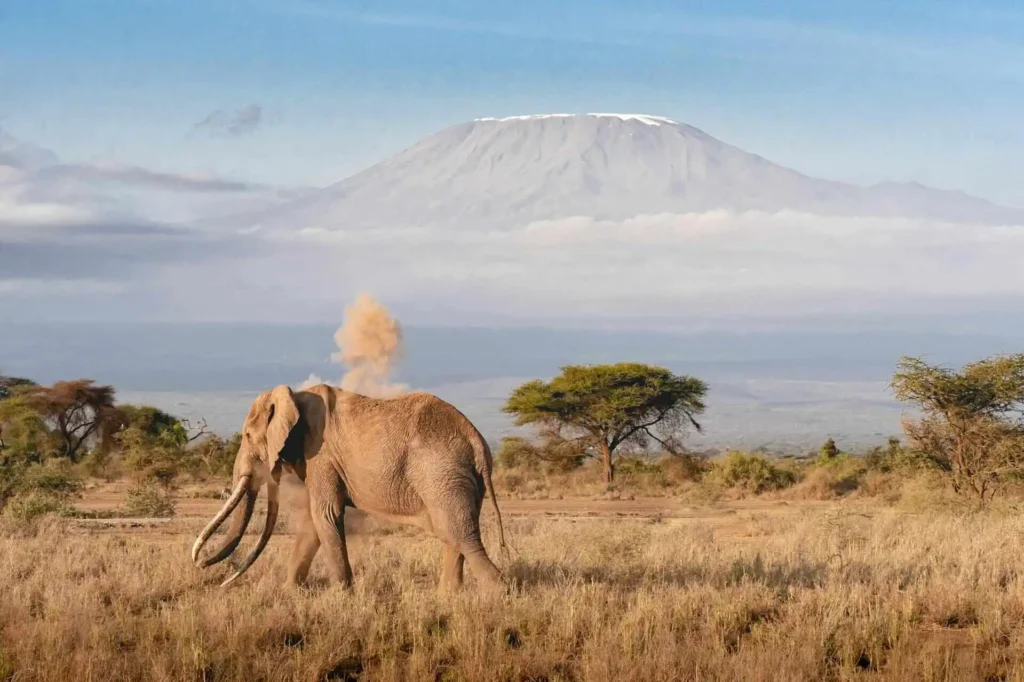
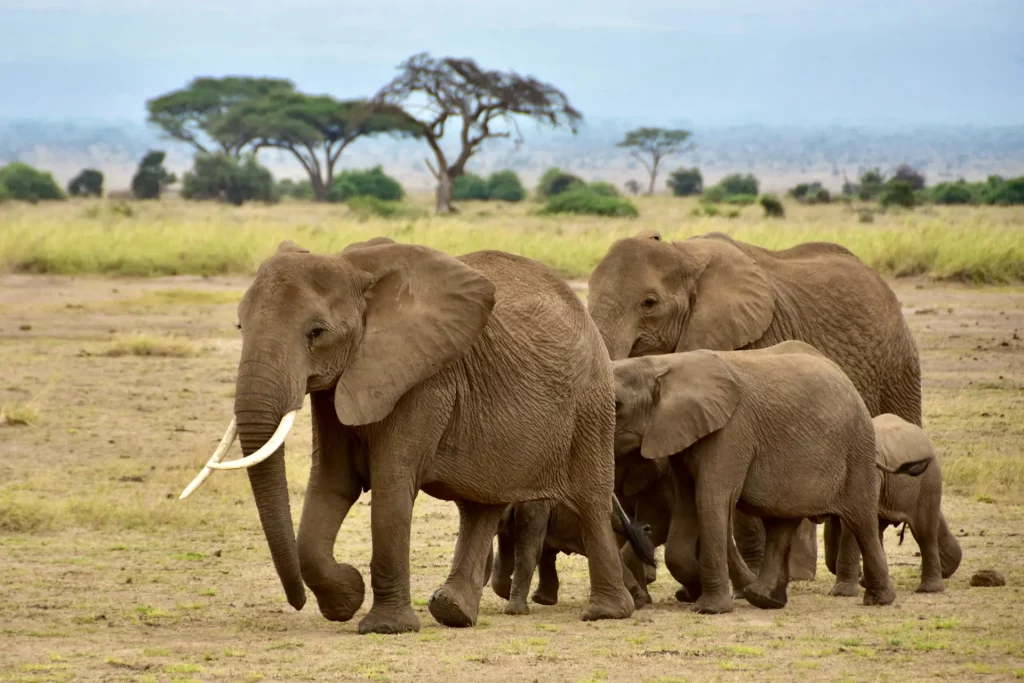
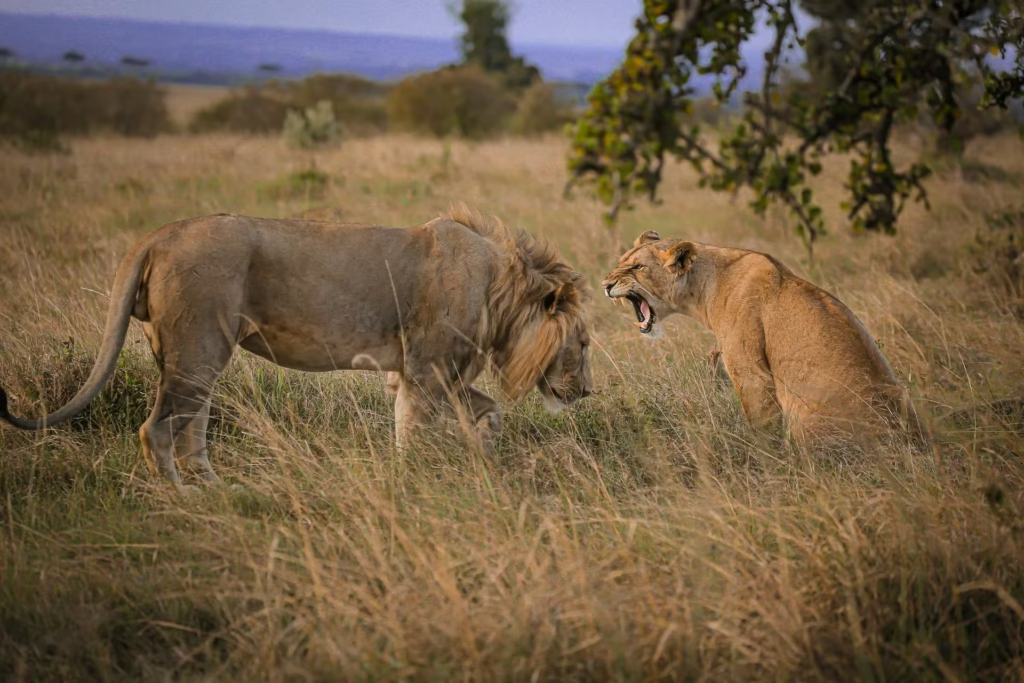
The bird also offers a different perspective on African wildlife. The Drakensberg Mountains and Ethiopian Highlands are far removed from the familiar savannas where lions and elephants roam. Here, steep cliffs, high ridges and open valleys shape the lives of remarkable mountain species.
For birdwatchers, photographers and nature lovers, seeing a bearded vulture in the wild can be a memorable experience. It takes patience, and sightings are never guaranteed, but the chance to observe its flight and feeding behaviour makes the effort worthwhile.
The species still faces serious threats from poisoning, power infrastructure and disturbance around nesting sites. Protecting its mountain habitat and reducing these dangers are essential for its survival. Responsible tourism can help raise awareness, but long-term protection also requires practical conservation work.
Plan Your African Wildlife Adventure with Big Cats Safari
If you want to include mountain birdwatching in your next African wildlife holiday, Big Cats Safari can help you explore suitable options. Your trip might focus on rare birds, take you through dramatic highland landscapes or combine birdwatching with a wider safari.
Bearded vultures do not appear on demand, so choosing the right destination is only part of the planning. Recent local sightings, weather conditions and suitable viewing locations all matter. Careful preparation can help you make the most of your time while observing wildlife responsibly.
Contact Big Cats Safari to start planning your African wildlife adventure. Explore a different side of the continent and discover the remarkable birds that live above its mountain landscapes.