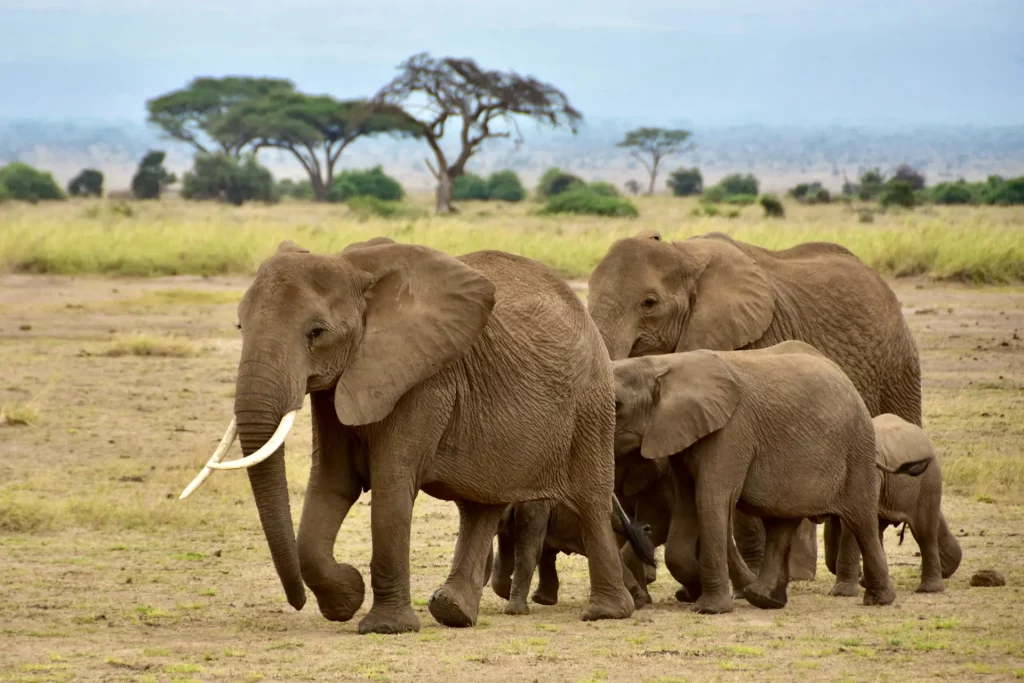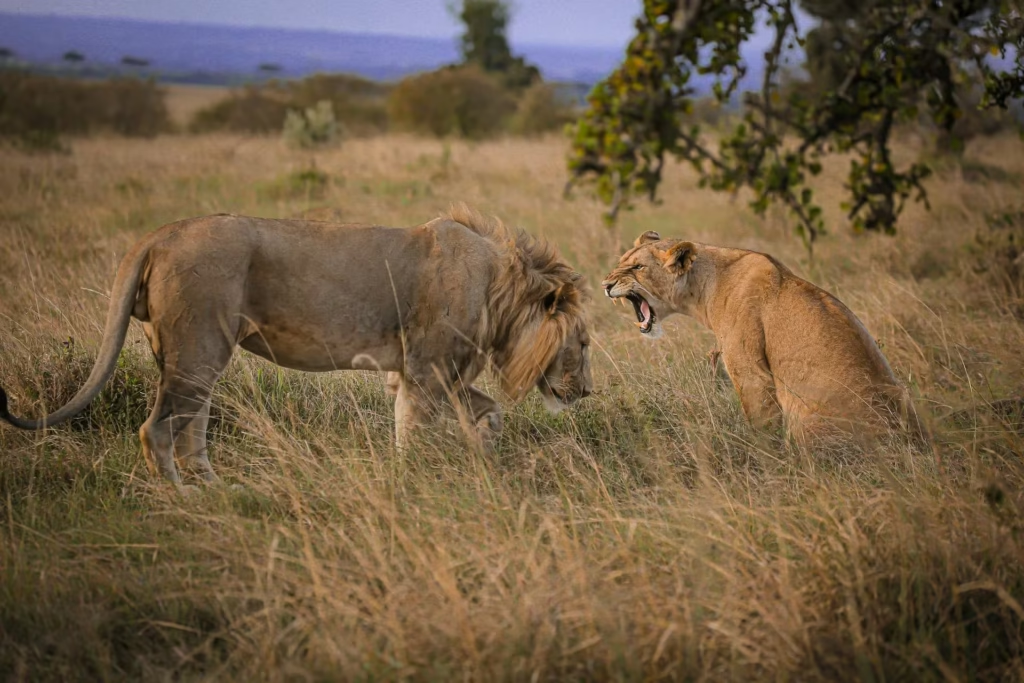
Africa’s Big Five are among the most well-known animals seen on safari. The group includes the lion, leopard, African elephant, African buffalo, and rhinoceros.
For many travelers, seeing these five animals is a major safari goal. Each species has its own behavior, feeding habits, social patterns, and survival skills.
Some Big Five facts are well known. Others may surprise travelers who have already been on safari.
Lions hunt in groups. Leopards often carry their kills into trees. Elephants communicate over long distances. Buffalo can gather in huge herds, and rhinos rely heavily on smell and hearing.
Here are 10 fun facts about Africa’s Big Five.
The Big Five Were Not Named Because They Are the Biggest
The name "Big Five" can cause some confusion.
These animals were not grouped together simply because they are the largest mammals in Africa. The term came from the big-game hunting era.
Hunters used the name for five animals that were considered difficult and dangerous to hunt on foot. The group included the lion, leopard, elephant, buffalo, and rhinoceros.
The meaning of the term has changed over time.
Today, the Big Five are closely linked with African wildlife tourism. Safari travelers use the term for five of the continent's best-known animals.
Wildlife photographers use the same term when discussing their safari sightings.
Modern safari tourism focuses on watching these animals in their natural habitats. Photography, wildlife viewing, and conservation are now central parts of many safari trips.
Lions Are the Most Social Big Cats
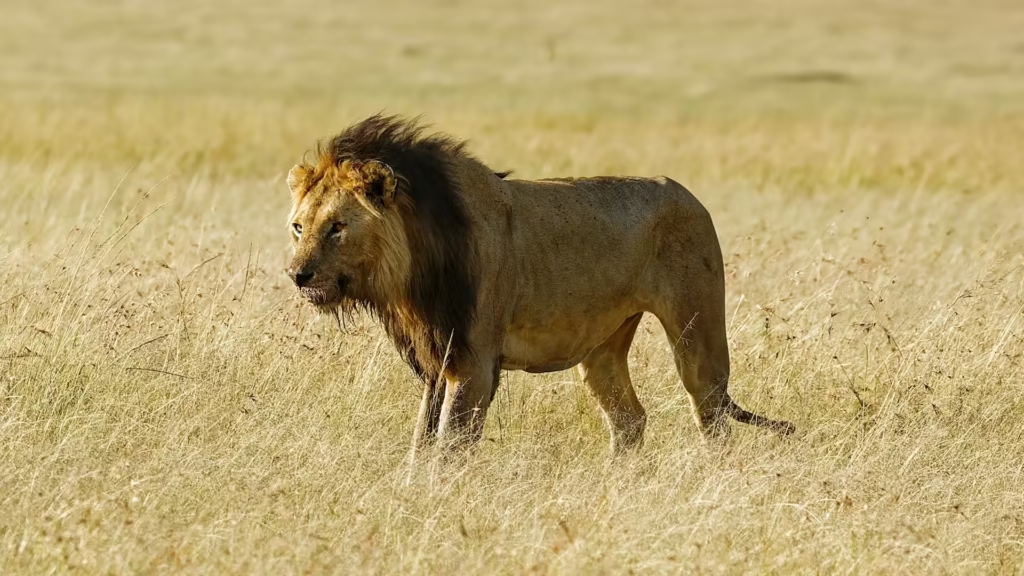
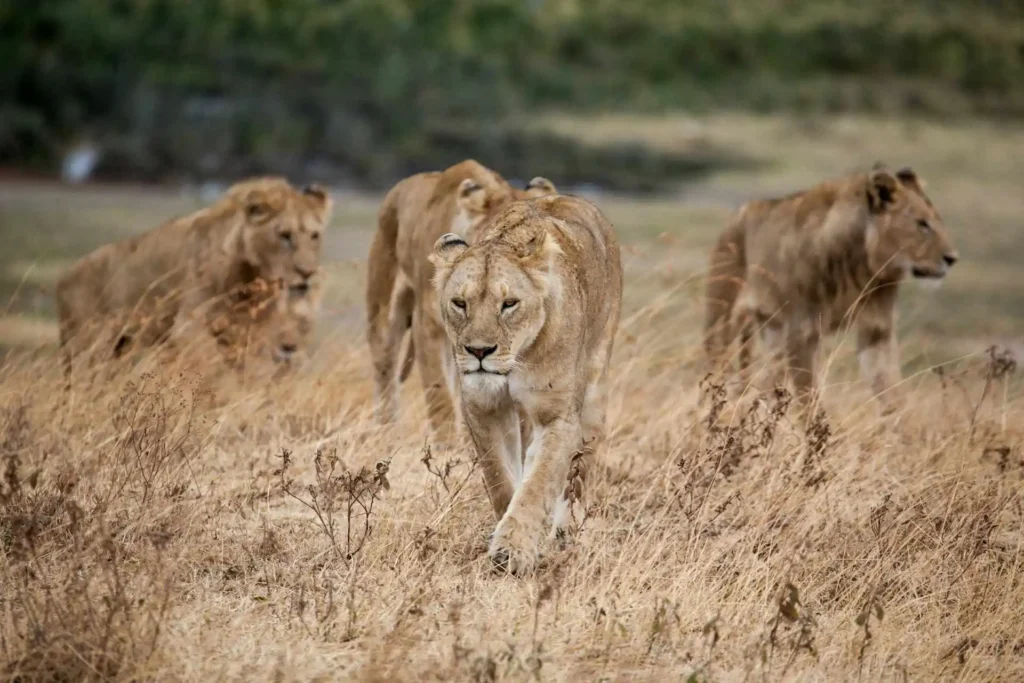
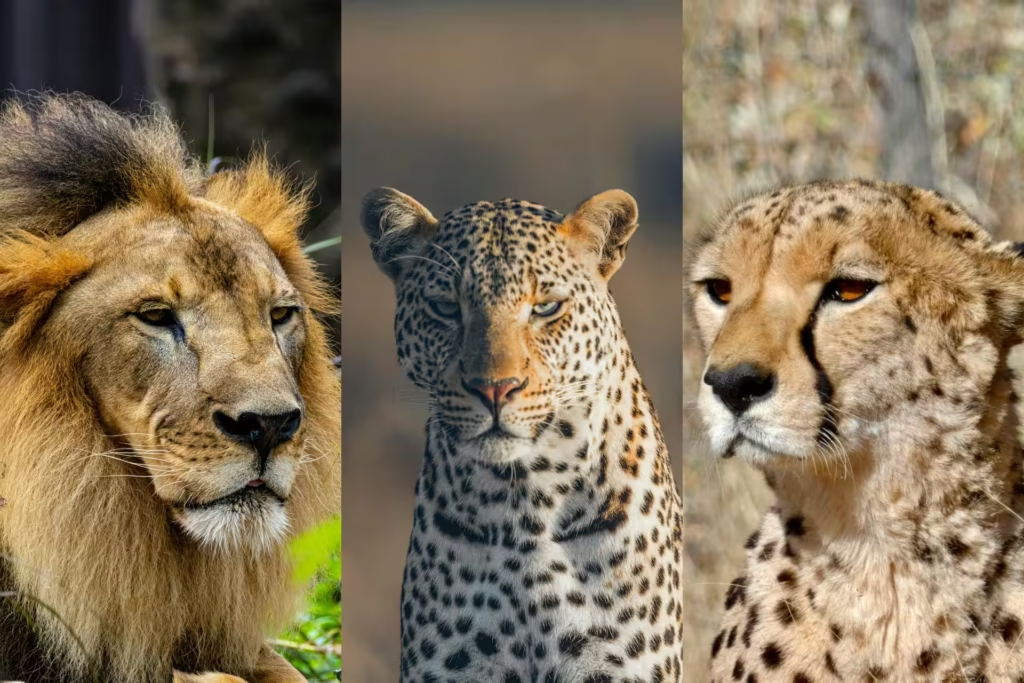
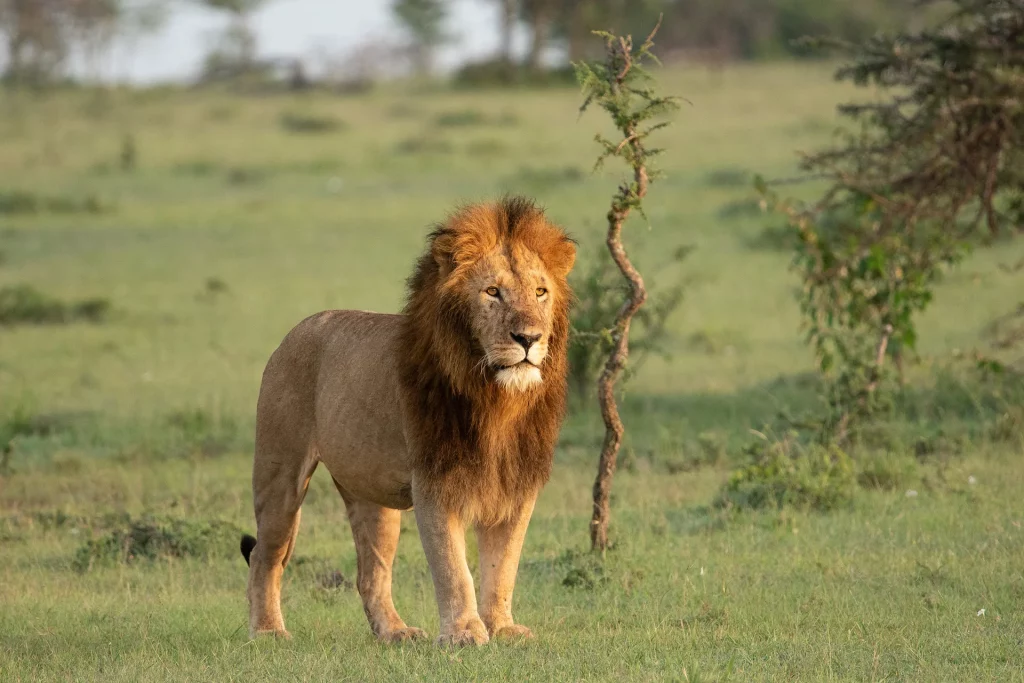
African lions are unusual among large cats. They live in social groups called prides.
A pride can contain adult females, cubs, young lions, and adult males. Group size varies between prides and locations.
Female lions often remain with their family group for long periods. Cubs stay with the pride and learn survival skills from older lions.
Lionesses do much of the hunting in many prides.
Their teamwork helps them target large prey such as wildebeest, zebra, and buffalo. Several lionesses can take different positions during a hunt.
A group of lionesses can work together during an attack. Their strength, speed, and coordination can give them an advantage over many prey species.
A pride can offer excellent safari viewing opportunities.
You may watch adults grooming each other, cubs playing, young lions practicing hunting skills, or males resting near the group.
Lion behavior changes throughout the day. Many lions spend hot afternoon hours resting before becoming more active later in the day.
Leopards Often Carry Their Prey Into Trees
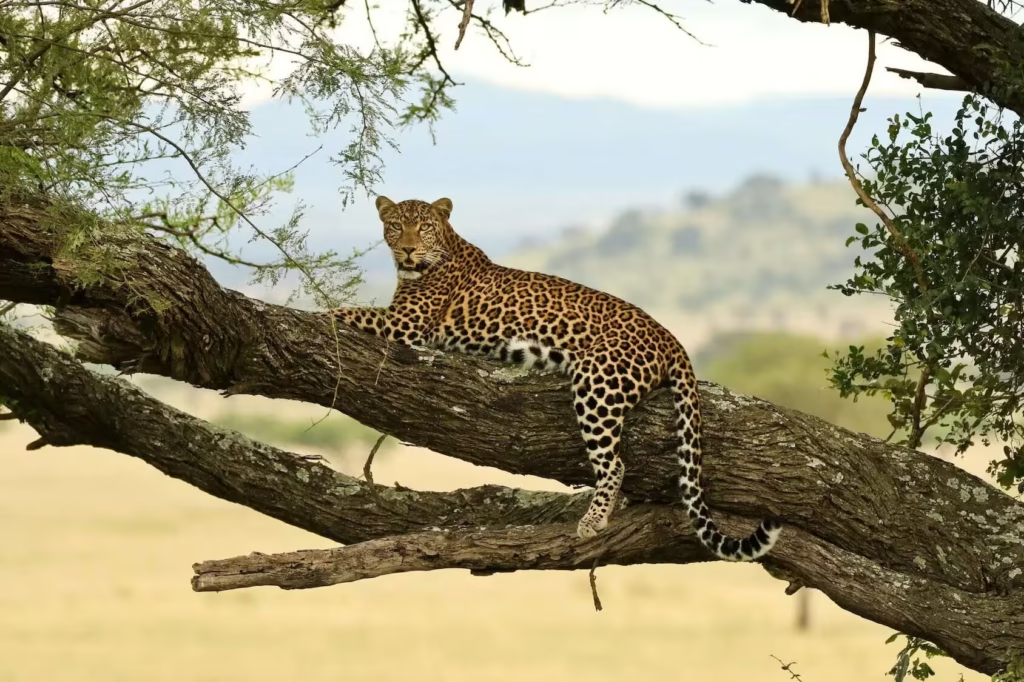
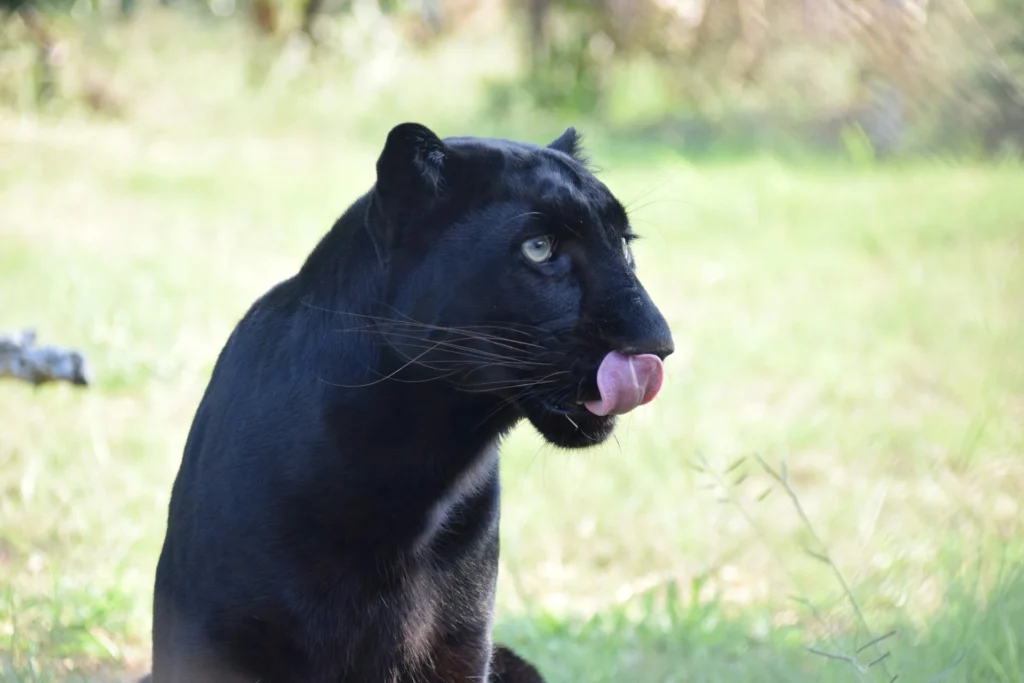
The leopard is often one of the hardest Big Five animals to find.
Leopards usually live alone. They spend much of their time resting in thick vegetation, rocky areas, or trees.
Their spotted coat provides effective camouflage. A leopard can sit close to a safari vehicle and remain difficult to see.
Leopards are powerful climbers. They can drag prey into trees and feed from the branches.
This behavior helps protect their food from other predators and scavengers. Lions and hyenas can steal a leopard's kill when it remains on the ground.
A tree gives the leopard a safer place to feed.
Finding a leopard resting on a large tree branch can become one of the most memorable safari sightings. Guides look for tracks, alarm calls from other animals, fresh kills, and known leopard territories.
Your guide's local knowledge can make a major difference during a leopard search.
Some safari areas have leopards that regularly use the same trees. Guides who know these territories can check likely locations during morning and afternoon drives.
Elephants Communicate With Sounds We Cannot Easily Hear
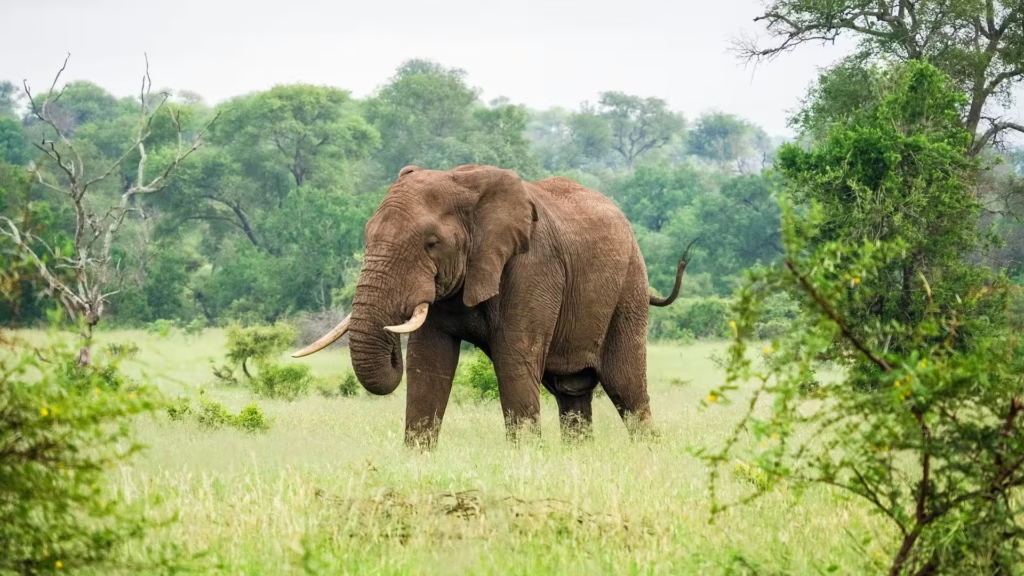
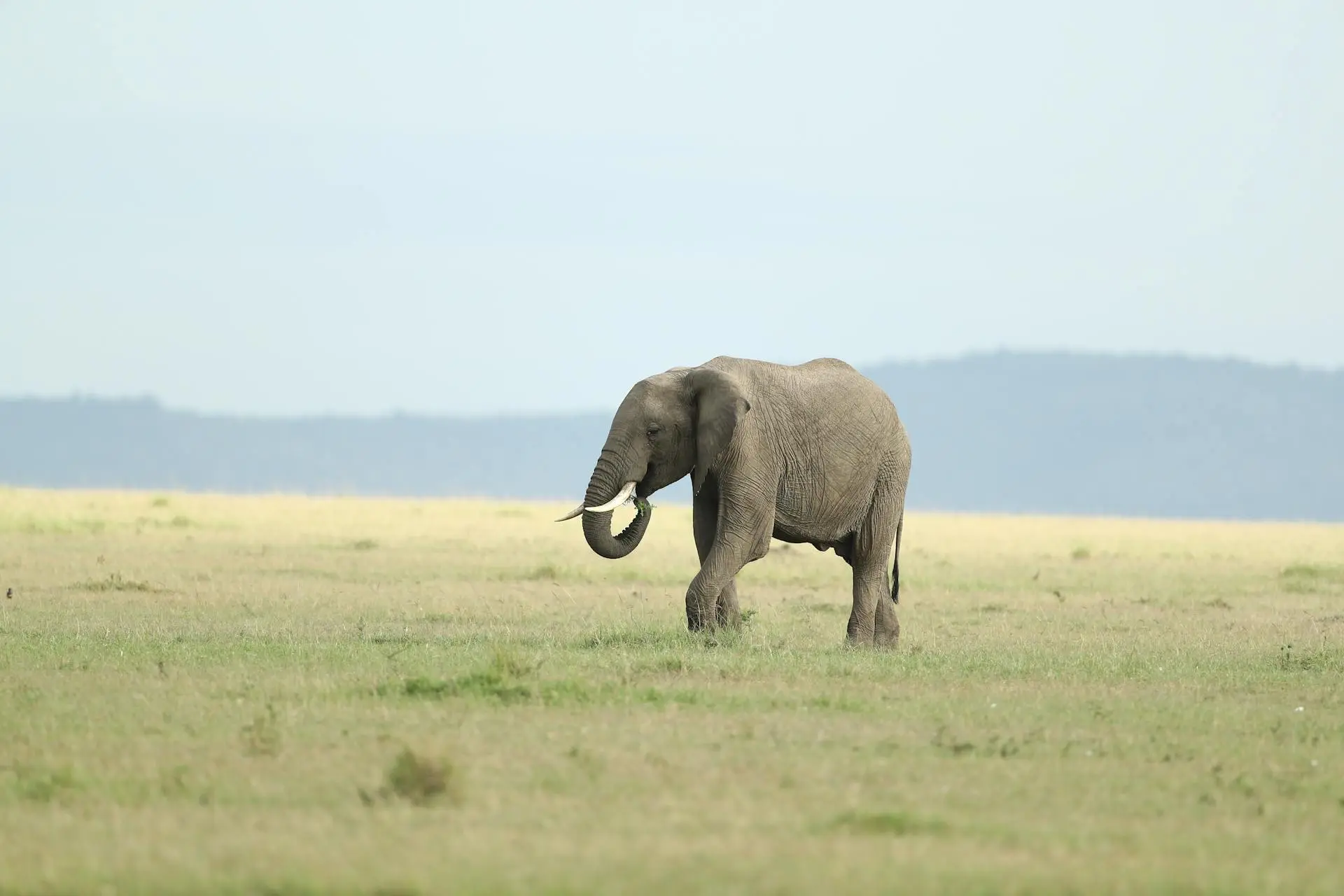
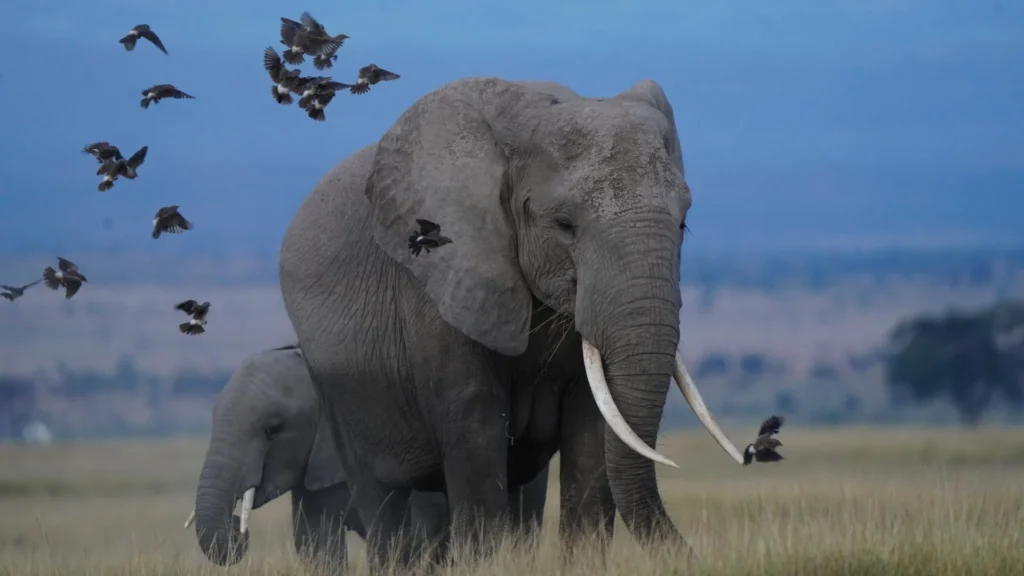
African elephants have a complex communication system.
They produce many sounds, including very low-frequency calls known as infrasound. These calls can travel across long distances.
Elephants use these sounds to communicate with other members of their group. This helps when animals move across large areas and lose sight of each other.
Elephants use more than sound to communicate.
They use their trunks, ears, body movements, and physical contact. A trunk touch can provide reassurance or maintain contact between family members.
Ear movements can show alertness or agitation. Trumpeting can signal excitement, alarm, or other reactions.
A herd may appear quiet from a safari vehicle. Careful observation can reveal frequent communication between adults and young elephants.
Watch the calves closely during a game drive. They often stay close to their mothers and other adults.
These small interactions can make an elephant sighting more interesting than a simple photograph.
African Buffalo Can Form Huge Herds
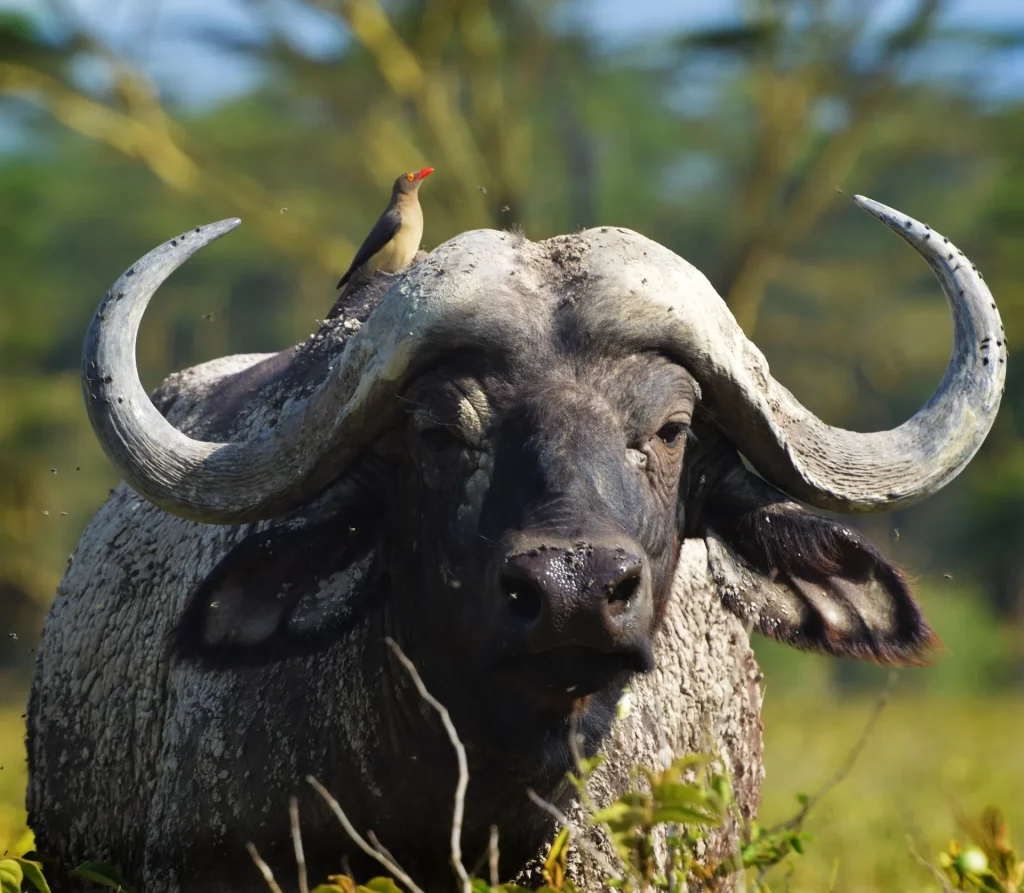
African buffalo are powerful herd animals.
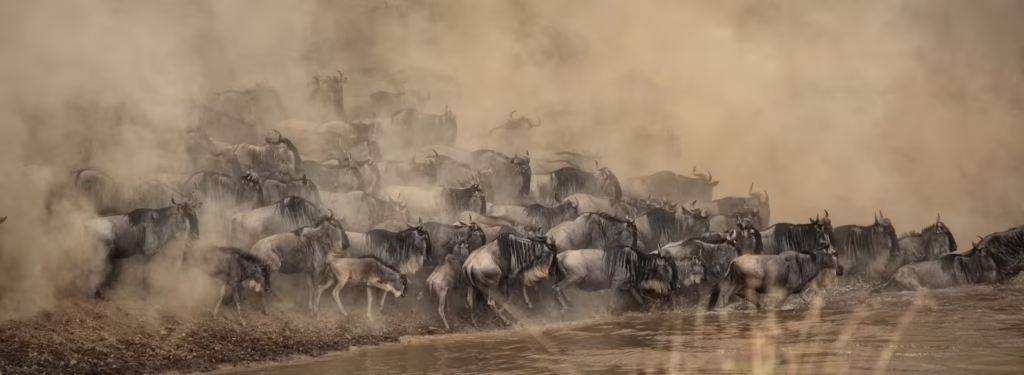
Small groups are common, but buffalo can gather in very large numbers when food and water are available. Some herds can contain hundreds of animals.
Large buffalo herds create an impressive sight across open grasslands.
The animals spend much of their time feeding. They may graze for long periods before moving toward water or resting areas.
Buffalo have strong social bonds.
Members of a herd can react together when predators approach. Adults may form defensive groups around younger animals.
This behavior makes buffalo interesting to watch during a safari.
Lions sometimes target buffalo, but hunting a healthy adult can be dangerous. A pride needs teamwork and careful timing.
A buffalo herd can stretch across a large area. Your guide may stop at a safe distance and allow you to watch the herd for several minutes.
You may see calves moving between adults, older buffalo standing alert, and large groups heading toward water.
Rhinos Have Poor Eyesight But Strong Other Senses
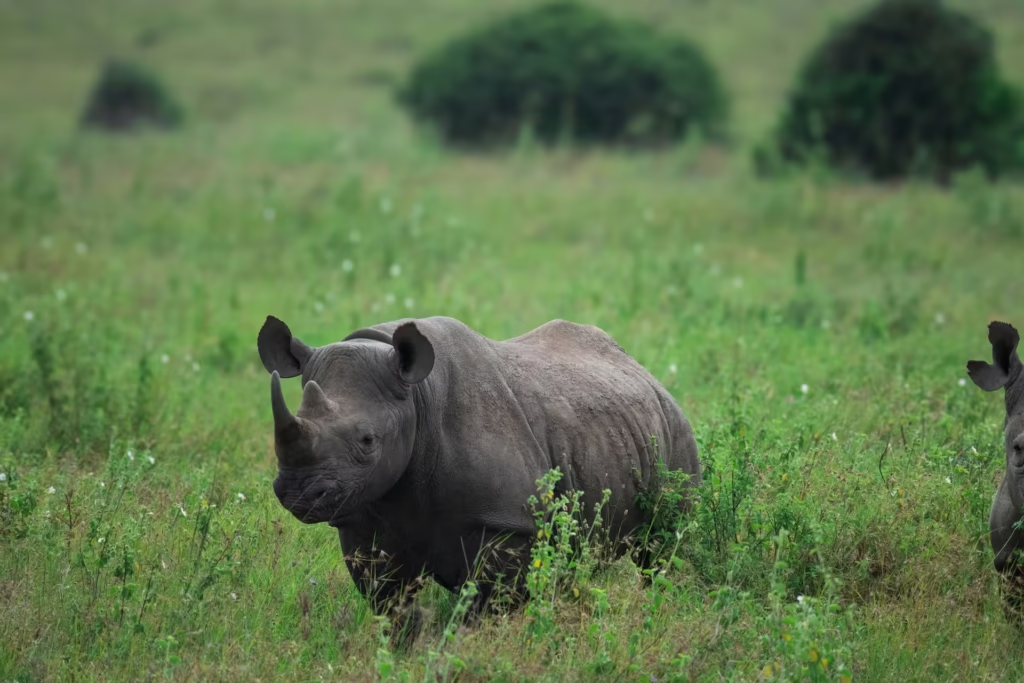
Rhinoceroses are famous for their horns and heavy bodies. Their senses are equally interesting.
Rhinos have relatively poor eyesight compared with their hearing and sense of smell. They rely heavily on these senses to detect movement and unfamiliar scents.
A rhino can react to something it hears or smells before it sees the source.
This can make close encounters unpredictable.
Safari guides give rhinos plenty of space. You should stay inside the vehicle unless your guide has selected a safe location for a guided walking experience.
Both black and white rhinos can be seen on African safaris. Their behavior and habitat preferences differ, so sightings vary between destinations.
Rhinos often spend hours feeding or resting. A quiet sighting gives you time to observe their behavior without disturbing them.
Look for small details. You may notice ear movements, changes in body position, or a sudden reaction to a distant sound.
These details can tell you how closely the animal is monitoring its surroundings.
Lionesses Usually Do Most of the Hunting
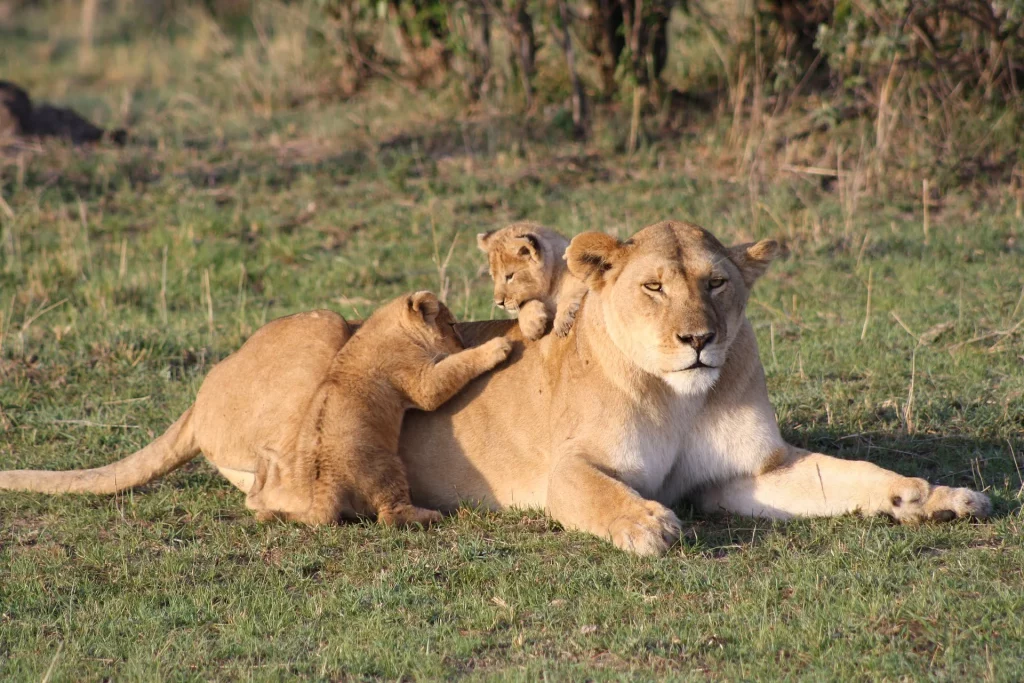
In many lion prides, lionesses handle much of the hunting.
Their teamwork gives them an advantage when they pursue fast or powerful prey. Several lionesses can spread out and approach from different directions.
This can help them get closer to prey without being detected.
Lionesses often target zebra, wildebeest, and other medium or large herbivores. Their hunting style changes with the prey species and the terrain.
Not every hunt succeeds.
A pride can spend a long time watching and stalking prey before giving up. Failed hunts form a normal part of life in the wild.
This is why patience matters during a safari.
You may spend an hour watching lions rest before they suddenly become alert. A change in wind direction or prey movement can alter their behavior.
Guides often watch the animals' body language for signs of activity. Head position, ear movement, group formation, and alertness can all provide useful clues.
A lion hunt is rare to witness from beginning to end. The stalking and preparation can still give you a close look at predator behavior.
Leopards Can Live in Many Different Habitats
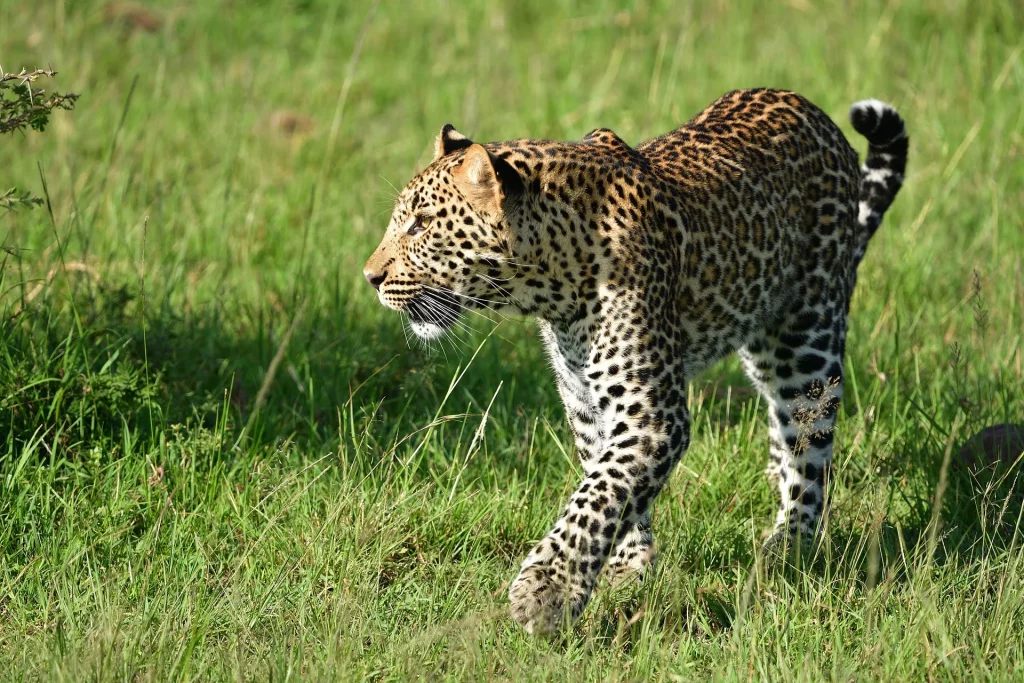
Leopards are highly adaptable predators.
They can live in savannahs, woodlands, forests, mountains, and other habitats across Africa. This wide habitat range helps them survive in different environments.
Their ability to use different habitats is one of their strongest survival traits.
Leopards hunt a wide range of prey. Their diet can include small mammals, birds, antelope, and other animals available in their territory.
Their secretive behavior helps them avoid unnecessary conflict with larger predators.
They use thick vegetation, rocky areas, and trees for cover. They often rest during the hottest part of the day and become more active around dawn, dusk, or at night.
For safari travelers, this makes leopard sightings particularly rewarding.
You can drive through an area several times without finding one. Then your guide may spot a leopard resting on a branch or moving quietly through tall grass.
The animal may disappear within seconds.
Leopard sightings often reward careful observation. Look for movement in trees, unusual shapes among branches, or changes in the behavior of nearby impala and monkeys.
Alarm calls from other animals can sometimes help guides locate a hidden leopard.
Elephants Have Complex Social Relationships
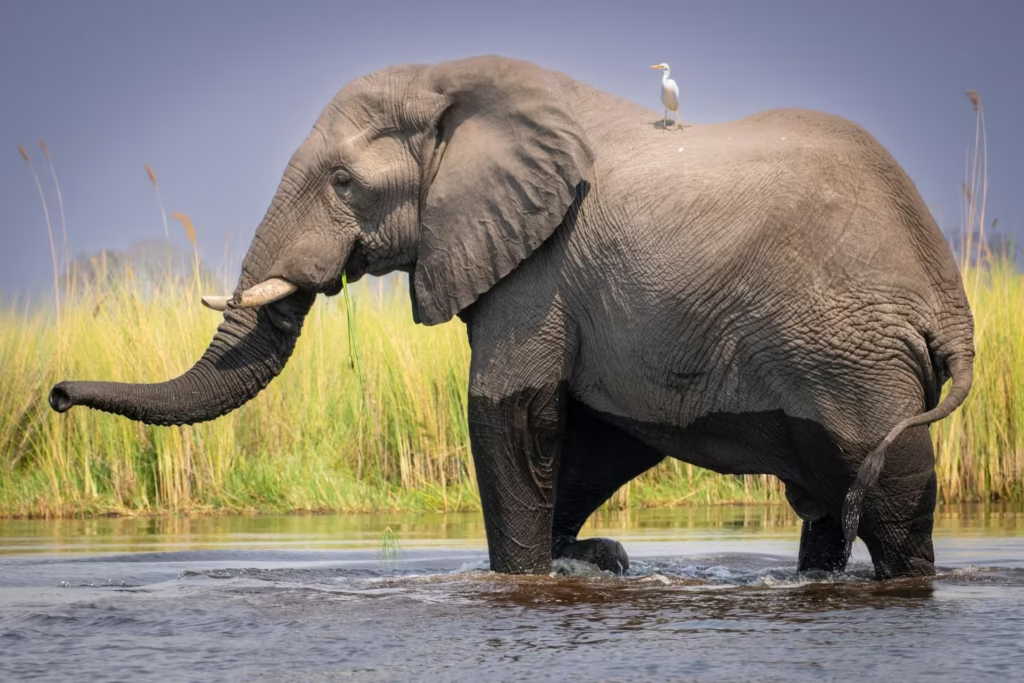
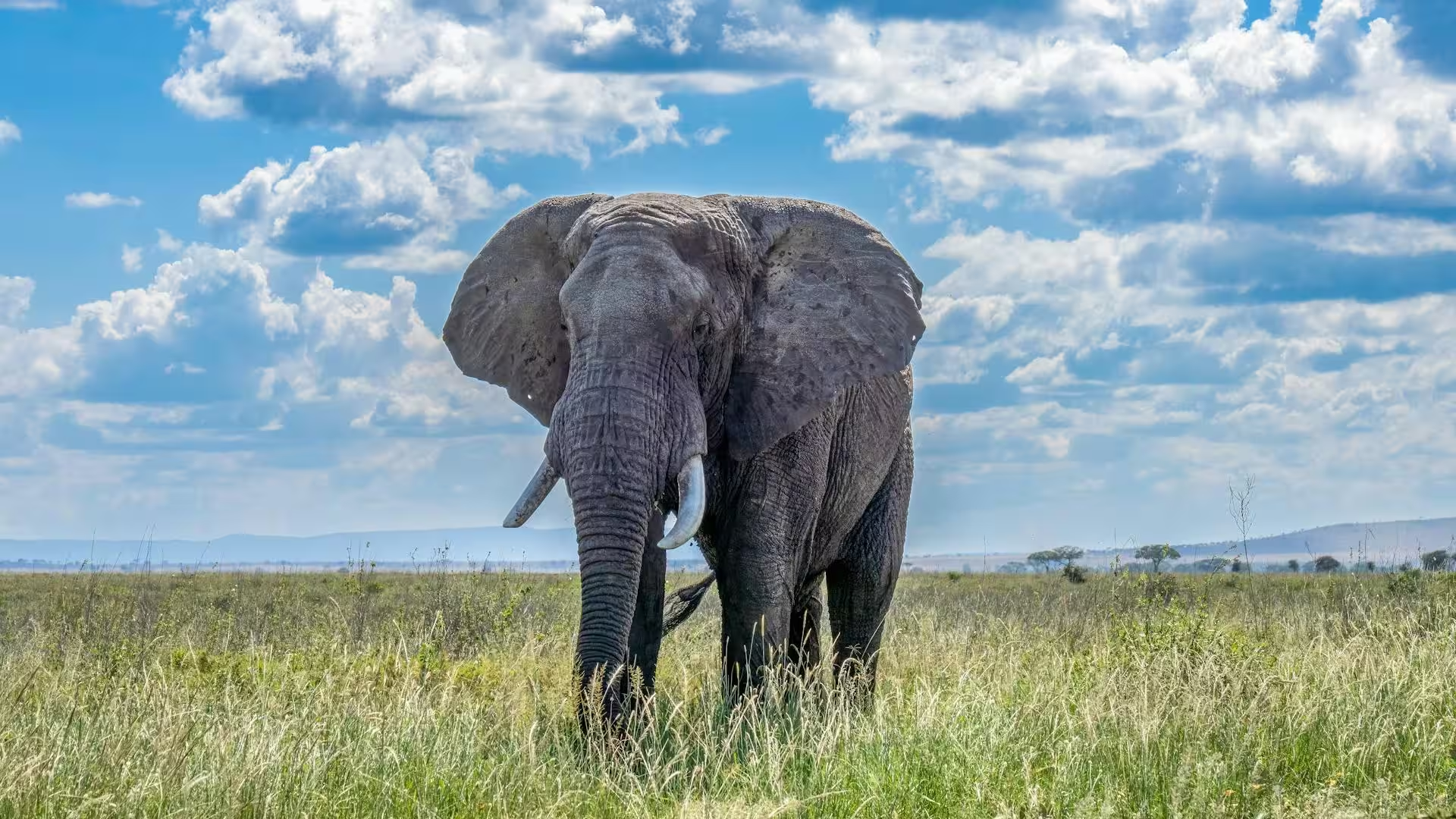
Elephant society revolves around strong family relationships.
African elephant herds often contain related females and their young. Older females can guide group movement and influence how the herd responds to threats.
Young calves remain close to adult elephants for protection and guidance.
The herd can respond together to danger. Adults may surround calves or move them away from a threat.
Elephants maintain long-term social relationships.
They recognize members of their groups and communicate through sounds, touch, and body movements. These relationships can last for many years.
A safari observation can reveal these relationships through simple actions.
A calf may stay beside its mother. Another adult may touch the calf with its trunk. Several elephants may stop together before moving toward water.
Watch how the herd reacts when one elephant becomes alert.
The rest of the group may respond within seconds. Adults can move closer together, change direction, or position themselves around younger animals.
These moments give you a better understanding of elephant family life.
A large herd can provide excellent photography opportunities too. Calves often create some of the most memorable scenes.
Seeing All Five on One Safari Is Never Guaranteed
Seeing all five Big Five animals on one safari is possible, but no guide can promise it.
Wild animals move freely. Their behavior changes with weather, food, water, breeding activity, and other conditions.
You may see lions several times during a safari but struggle to find a leopard. Another traveler may have an excellent rhino sighting but miss lions or buffalo.
The difficulty varies between destinations.
Leopards can be particularly challenging to find. Their solitary habits, camouflage, and preference for thick cover make them easy to miss.
Rhino sightings can vary too. Some reserves have strong rhino populations, while other areas have fewer animals.
Safari length matters too.
A single game drive gives you limited time. Several days of morning and afternoon drives give your guide more opportunities to track animal movements.
A three-day safari gives you more viewing time than a single full day. A longer stay can give you more chances to search different habitats.
This uncertainty forms part of the safari experience.
Every game drive can bring something different.
You may follow fresh tracks, stop for a herd of elephants, watch lions resting under a tree, or spend an hour searching for a leopard.
You never know exactly what the next drive will bring.
Why Are the Big Five So Popular on Safari?
The Big Five represent five very different wildlife experiences.
A lion sighting can show you the social life of a large predator. A leopard encounter can test your patience and observation skills. Elephants offer some of Africa's most impressive wildlife encounters.
Buffalo provide a close look at herd behavior. Rhinos show how large herbivores survive with powerful bodies and strong senses.
Each animal creates a different type of safari experience.
A lion pride can spend an afternoon resting in the shade. A leopard can appear for only a few minutes before disappearing into thick vegetation.
An elephant herd may cross a safari track and stop vehicles for several minutes. A buffalo herd can stretch across an open grassland.
The best safari is not simply about collecting five animal sightings.
It is about watching wild animals behave naturally in their habitat.
A leopard disappearing into woodland, a herd of elephants crossing a dusty track, or a pride of lions resting after a hunt can become more memorable than ticking an animal off a list.
These moments cannot be scheduled like activities on a fixed itinerary.
Your guide may know where animals were seen earlier that morning. The animals still decide where they move next.
That uncertainty keeps every game drive different.
Where Can You See Africa's Big Five?
Several African safari destinations offer opportunities to see the Big Five.
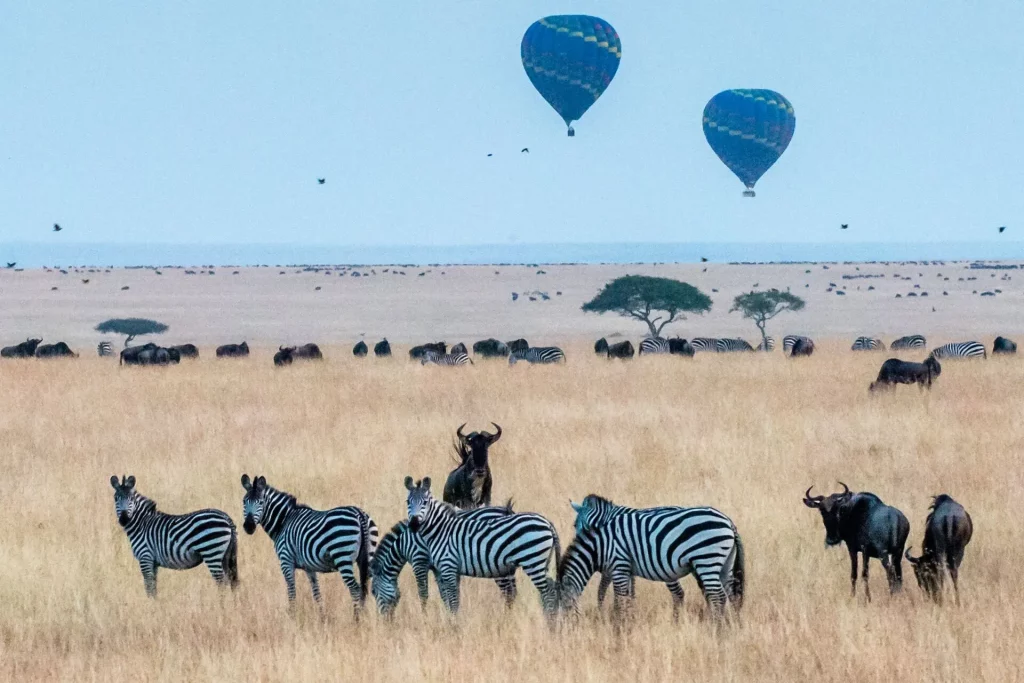
Kenya is famous for the Masai Mara and its large concentrations of lions, elephants, buffalo, and other wildlife.
Tanzania offers the Serengeti and Ngorongoro ecosystem, where travelers can watch predator and prey interactions across large wildlife areas.
South Africa is known for Kruger National Park and private reserves, where Big Five safaris are widely available.
Botswana offers wildlife viewing around Chobe and the Okavango region. The country is particularly known for its large elephant populations and remote safari areas.
Zimbabwe and Zambia provide safari opportunities, including walking safaris in selected areas. These experiences give you another way to observe African wildlife.
Your destination should match the type of safari you want.
You may care most about Big Five sightings, wildlife photography, luxury lodges, walking safaris, the Great Migration, or a private safari experience.
Season matters too.
Animal movements, water availability, vegetation, and weather can change your sightings. A dry season safari can produce different viewing conditions from a safari during the wetter months.
Your safari length matters too. A longer stay gives you more game drives and more time to visit different habitats.
Talk to your safari planner about your priorities before choosing a destination. Your wildlife goals should guide the itinerary.
Final Thoughts
Africa's Big Five are famous for good reason, but their appeal goes beyond their reputation.
They represent five very different ways of surviving in the African wilderness.
Lions depend on social cooperation and teamwork. Leopards rely on stealth and adaptability. Elephants live within complex family groups. Buffalo use the strength of the herd. Rhinos rely on powerful bodies and strong senses.
Seeing these animals in the wild is very different from seeing them in captivity.
You are watching real behavior in a natural environment. Your safari vehicle and experienced guide give you a safe way to observe animals living freely.
That unpredictability makes a Big Five safari memorable.
Sometimes the most unforgettable moment is not seeing all five.
It can be a leopard appearing from thick cover, a young elephant playing beside its mother, a lion pride becoming active at sunset, or a large buffalo herd crossing the road.
The Big Five give you a reason to visit some of Africa's finest wildlife areas.
The animals themselves make each game drive different.
Plan enough time for repeated game drives, choose your destination around your wildlife priorities, and give your guide time to track animal movements.
You may set out hoping to see five famous species. You may return home talking about one unexpected encounter instead.