India offers some of Asia's finest wildlife safari experiences. Its forests, grasslands, wetlands, and mountains support a remarkable range of animals.
The Bengal tiger remains India's best-known safari animal. Yet Indian forests hold many other species that attract wildlife travellers from around the world.
Five species stand out for their size, rarity, behaviour, and appeal among safari visitors. They are the Bengal tiger, Asiatic lion, Indian leopard, sloth bear, and greater one-horned rhinoceros.
Together, these animals form what can be called the Big 5 of Indian Safari.
This is not an official wildlife classification. It is a safari tourism concept that brings together five of India's most distinctive large mammals.
What Are the Big 5 of Indian Safari?
The African Big Five originally referred to five animals that were considered difficult and dangerous to hunt on foot. Today, the term has become closely linked with wildlife tourism.
India has no official wildlife group called the Indian Big Five.
A similar concept can still help travellers understand the country's varied wildlife. It brings together five large mammals that represent different parts of India's safari experience.
The Indian Safari Big 5 includes:
- Bengal Tiger
- Asiatic Lion
- Indian Leopard
- Sloth Bear
- Greater One-Horned Rhinoceros
These animals live across very different parts of India.
Tigers are strongly associated with the forests of central India. Asiatic lions live in Gujarat. Leopards occur across many regions. Sloth bears inhabit forests across central and southern India. Greater one-horned rhinoceroses are closely associated with Assam.
This geographical range makes an Indian Big 5 safari very different from a traditional African safari.
Bengal Tiger
The Bengal tiger is the star attraction of many Indian wildlife safaris.
India has the world's largest population of wild tigers. The species occurs across several Indian states. Tiger numbers and sighting opportunities vary between reserves.
Central India is especially well known for tiger safaris.
Kanha, Bandhavgarh, Pench, Tadoba, and Satpura are popular choices for travellers seeking tigers.
Ranthambore in Rajasthan offers another famous tiger safari experience. Its dry forests, lakes, rocky terrain, and historic setting create a very different setting from central India's forests.
A tiger sighting is never guaranteed. Each tiger has its own territory and movement pattern. Weather, season, vegetation, and animal behaviour can affect sightings.
The uncertainty makes every wild tiger encounter special.
Where to See Bengal Tigers
Popular tiger safari destinations include:
- Kanha National Park
- Bandhavgarh National Park
- Pench National Park
- Tadoba-Andhari Tiger Reserve
- Satpura Tiger Reserve
- Ranthambore National Park
- Corbett Tiger Reserve
- Kaziranga National Park
The right park depends on the season, travel route, and other animals you want to see.
Asiatic Lion
The Asiatic lion gives India's Big 5 a very different character.
Wild Asiatic lions have a highly restricted range. Their remaining wild population is found in and around the Gir landscape of Gujarat.
Gir National Park and the surrounding protected areas form the centre of India's Asiatic lion tourism.
A Gir safari can produce memorable lion sightings. Lions may rest under trees, cross open areas, or move through dry woodland.
Their social behaviour gives visitors a different experience from India's more solitary big cats.
An Asiatic lion sighting is more than another big-cat encounter. It introduces travellers to a species found in the wild only in this part of India.
Where to See Asiatic Lions
Gir National Park and the wider Gir landscape in Gujarat are the main destinations for wild Asiatic lions.
A safari in this region can produce sightings of other animals too. These include leopards, chital, sambar, nilgai, crocodiles, and many bird species.
Indian Leopard
The Indian leopard is one of the country's most adaptable predators.
It lives in many types of habitat. These include dry forests, grasslands, rocky areas, hills, and mountain regions.
Leopards can be difficult to spot, even in places where they are common.
Their spotted coat provides excellent camouflage. A leopard may rest in thick vegetation, among rocks, or high in a tree.
This makes a leopard sighting a rewarding part of any safari.
Several Indian wildlife destinations offer good opportunities to see leopards. Rajasthan has become well known for dedicated leopard safaris. Central Indian tiger reserves also support leopard populations.
Where to See Indian Leopards
Leopards occur across several parts of India, including:
- Rajasthan
- Madhya Pradesh
- Maharashtra
- Karnataka
- Uttarakhand
- Gujarat
Specialist leopard safaris offer a different experience from tiger-focused trips.
Sloth Bear
The sloth bear is one of the most distinctive animals in India's Big 5.
It is native to the Indian subcontinent and has a very recognisable appearance. Its long claws, shaggy coat, and flexible lips help it feed on insects, fruits, and other foods.
Sloth bears live mainly in forests and dry woodland habitats.
Central India offers some of the better-known opportunities to see them.
Tadoba-Andhari Tiger Reserve, Pench, Kanha, and Satpura can all produce sloth bear sightings.
Sightings remain unpredictable.
Sloth bears often move through dense vegetation. They can also be active when visibility is poor.
Their behaviour adds another type of wildlife encounter to an Indian safari.
Travellers often focus on tigers and leopards. A sloth bear sighting can become one of the most memorable moments of a safari.
Where to See Sloth Bears
Some destinations associated with sloth bear sightings include:
- Tadoba-Andhari Tiger Reserve
- Pench National Park
- Kanha National Park
- Satpura Tiger Reserve
- Bandhavgarh National Park
- Daroji and other suitable habitats in southern India
Sightings vary by season and location. Local guides can help identify areas with recent animal activity.
Greater One-Horned Rhinoceros
The greater one-horned rhinoceros brings the grasslands and wetlands of northeastern India into the Big 5 concept.
The species is also known as the Indian rhinoceros.
Assam is its best-known Indian stronghold. Kaziranga National Park is particularly famous for its rhino population.
Kaziranga contains tall grasslands, wetlands, and woodland. These habitats provide suitable conditions for rhinoceroses.
A rhino is an impressive sight from a safari vehicle. Its large body and single horn make it easy to identify.
Kaziranga supports many other species too.
Asian elephants, wild water buffalo, swamp deer, and numerous bird species occur in the park. Tigers are present too, although the safari experience differs greatly from central India's tiger reserves.
Where to See Greater One-Horned Rhinos
The main Indian destinations include:
- Kaziranga National Park
- Pobitora Wildlife Sanctuary
- Orang National Park
- Manas National Park
Kaziranga remains the best-known destination for travellers seeking a dedicated Indian rhinoceros safari.
Where to See India's Big 5
The five animals in India's Safari Big 5 do not share one common safari destination.
Each species has its own geographical range and habitat preferences.
Central India is important for tigers, leopards, and sloth bears. Gujarat is the main region for Asiatic lions. Assam is the main region for greater one-horned rhinoceroses.
| Species | Main safari region | Well-known destination |
| Bengal Tiger | Central, northern, and western India | Kanha, Bandhavgarh, Pench, Tadoba, Ranthambore |
| Asiatic Lion | Gujarat | Gir |
| Indian Leopard | Several regions | Rajasthan, Madhya Pradesh, Maharashtra |
| Sloth Bear | Central and southern India | Pench, Kanha, Tadoba, Satpura |
| Greater One-Horned Rhino | Northeast India | Kaziranga, Pobitora |
This geographical spread makes an Indian Big 5 safari a multi-region wildlife experience.
A well-planned itinerary can combine several species without trying to cover the whole country in one trip.
Can You See All Five on One Safari?
No single safari destination should be promoted as a place where travellers can see all five species.
The animals live in different parts of India and use different habitats.
A traveller visiting Gir can focus on Asiatic lions. A central Indian safari can target tigers, leopards, and sloth bears. A separate trip to Assam can add the greater one-horned rhinoceros.
This creates an opportunity to plan a longer India wildlife safari itinerary across several regions.
International visitors can experience different forests, grasslands, wildlife species, and local cultures along the way.
The aim should be to experience each destination on its own terms. The five-species list can then serve as a guide for planning the wider trip.
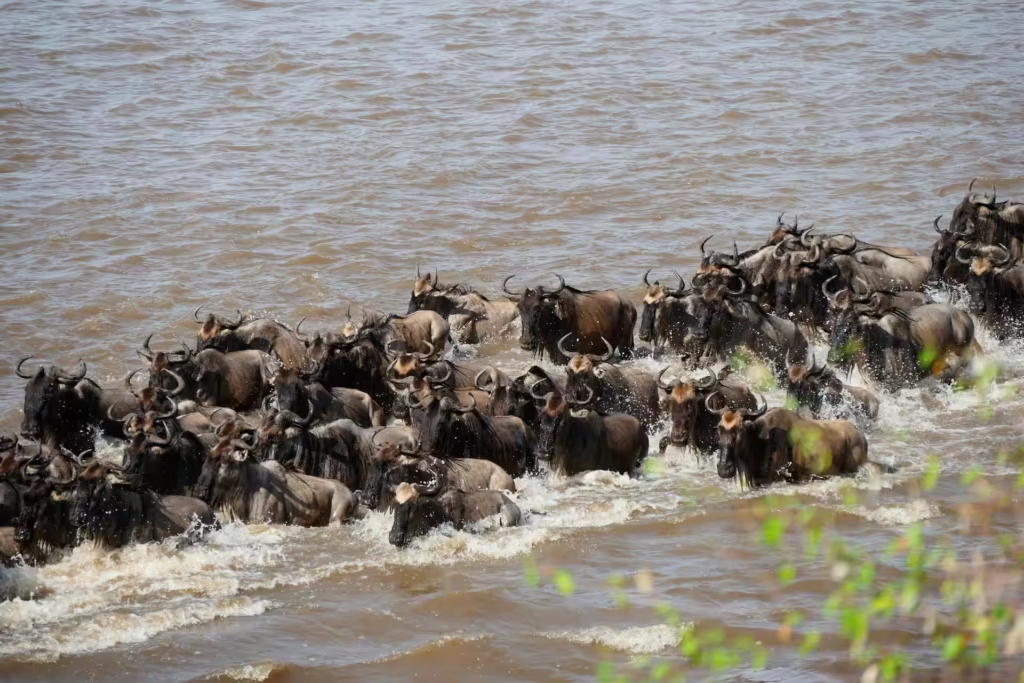
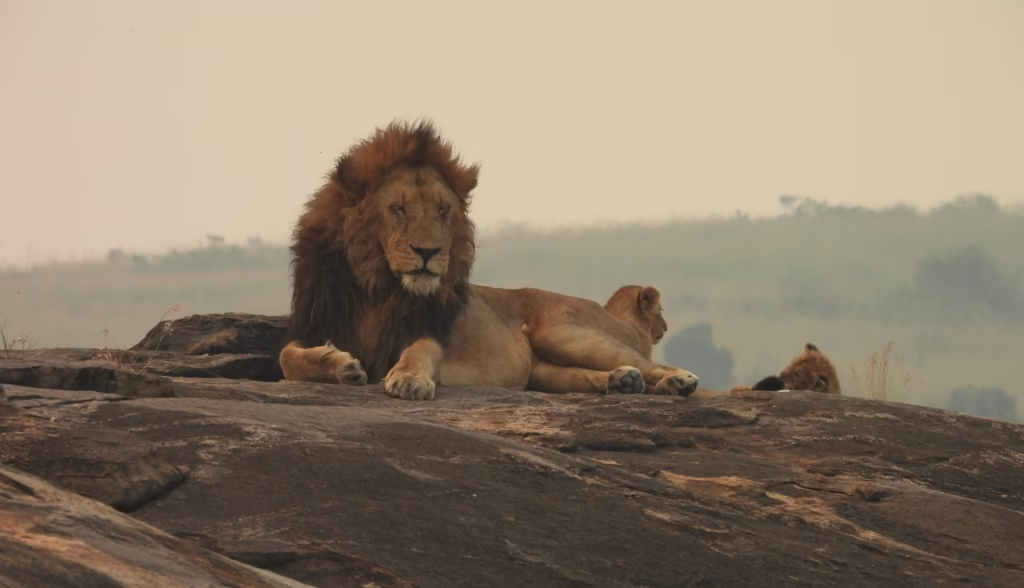
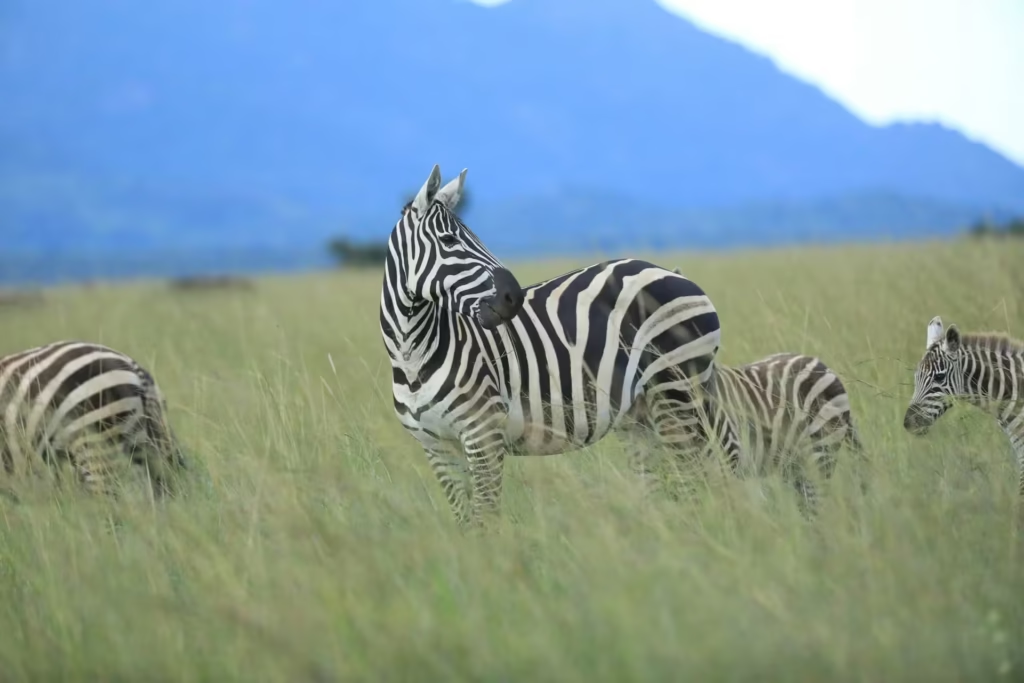
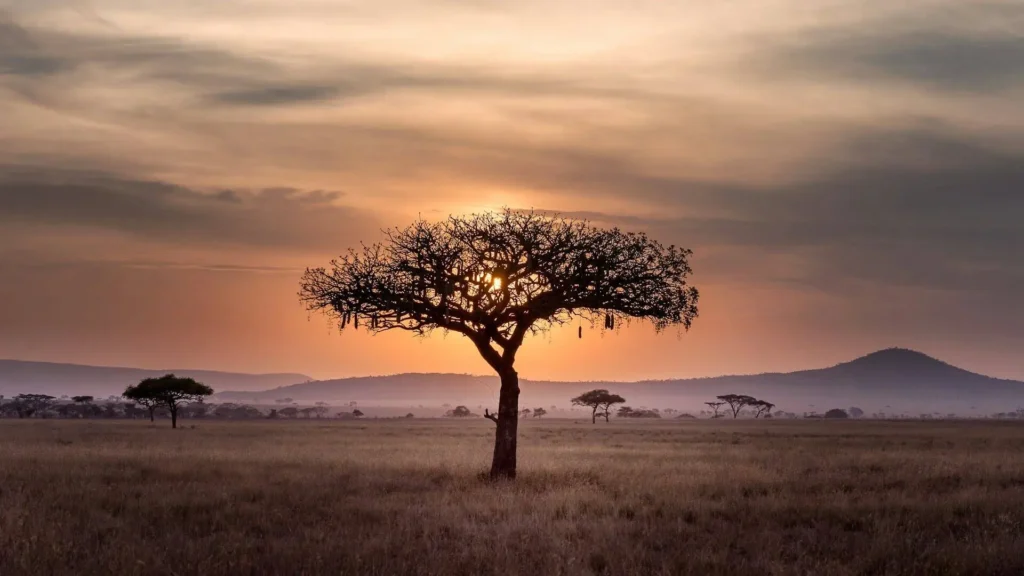
The Big 5 of Africa
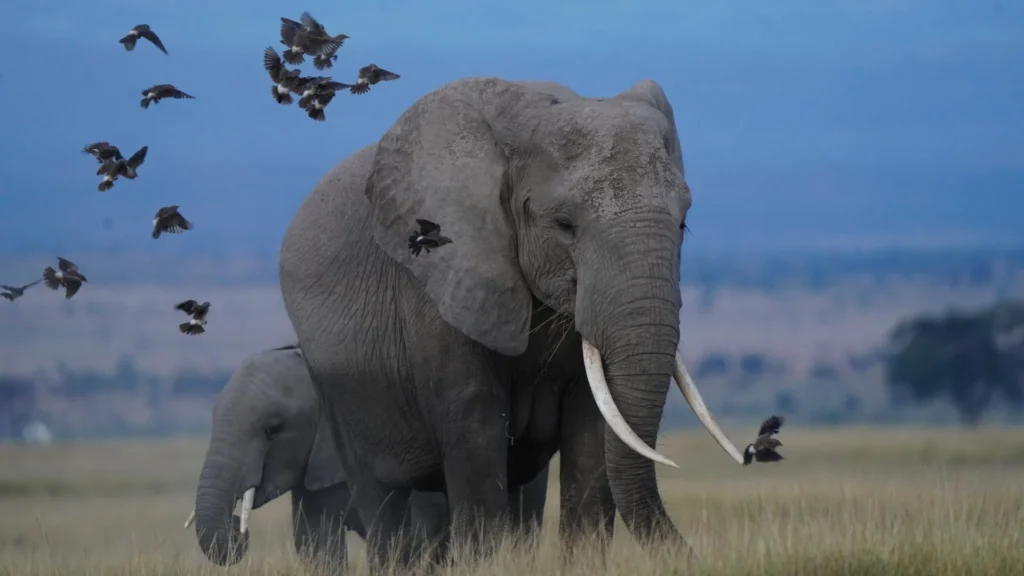
The idea of a safari Big 5 is closely linked with Africa.
Africa's traditional Big Five are:
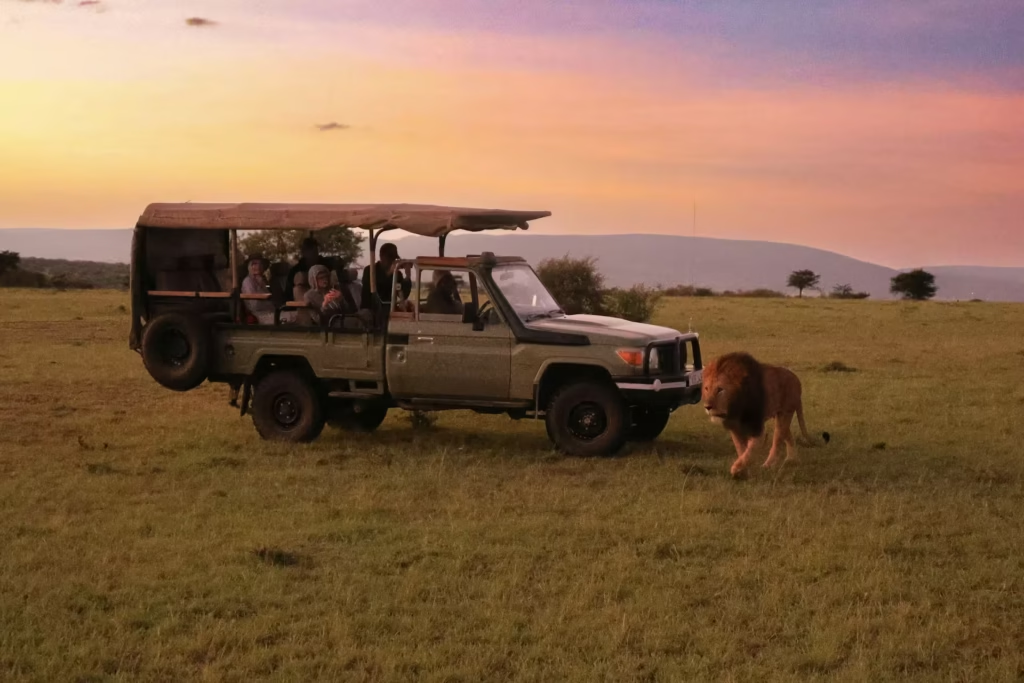
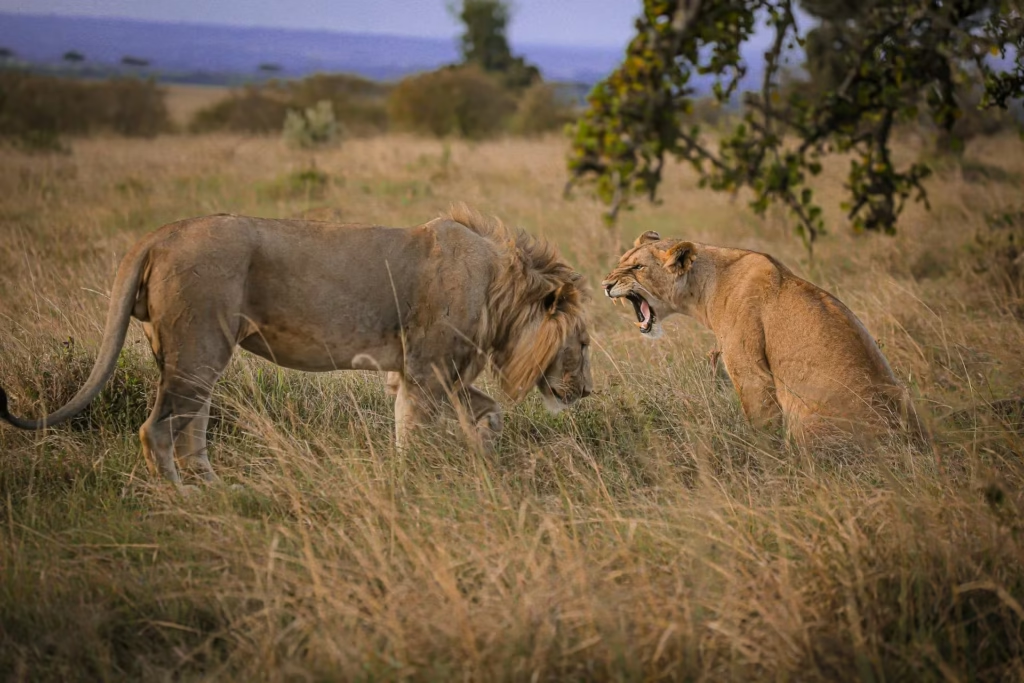
- African Lion
- African Leopard
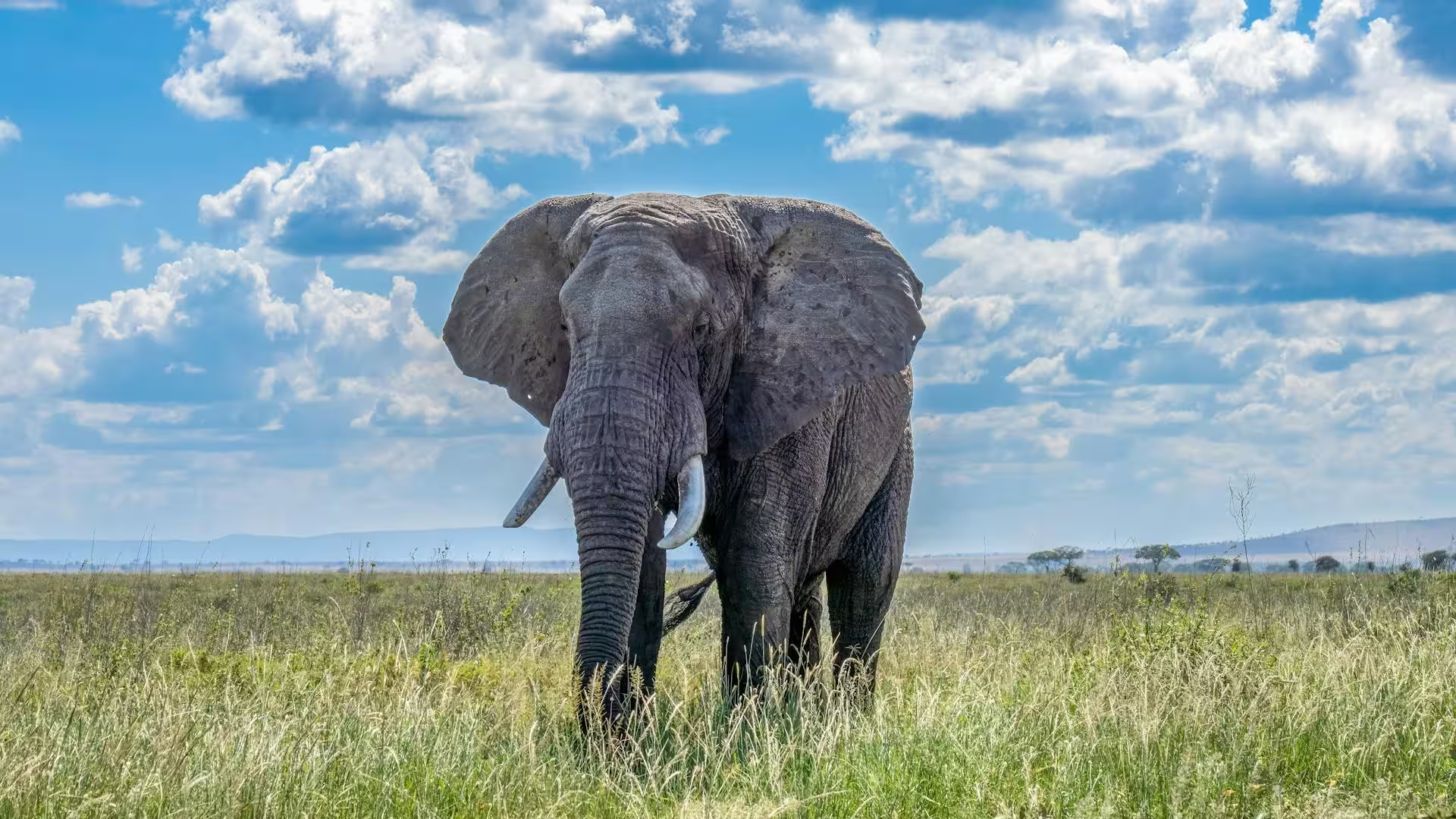
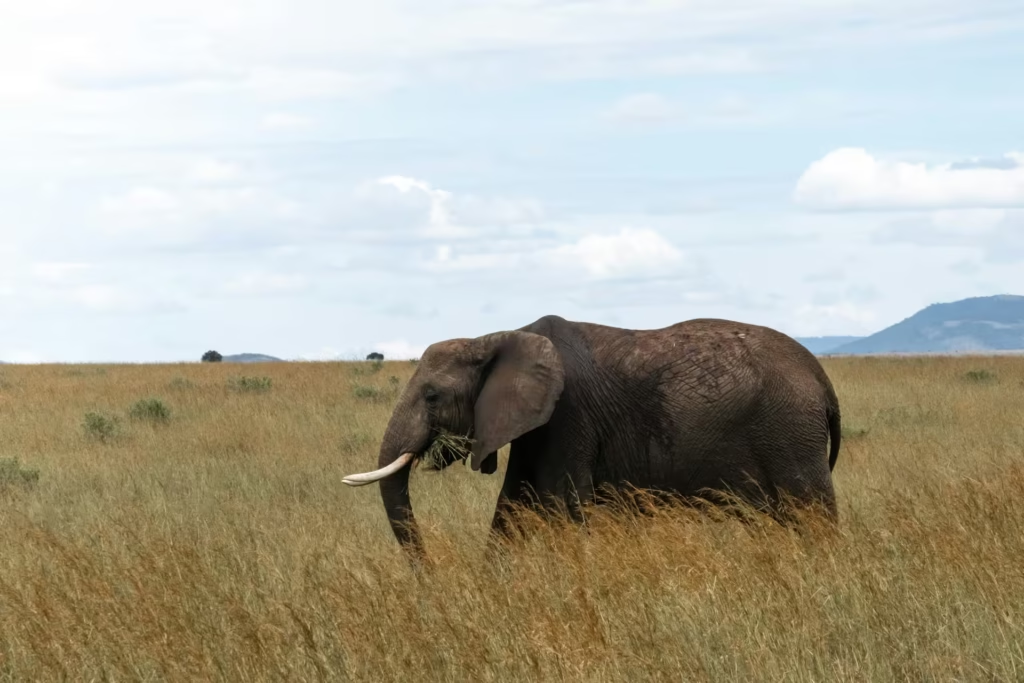
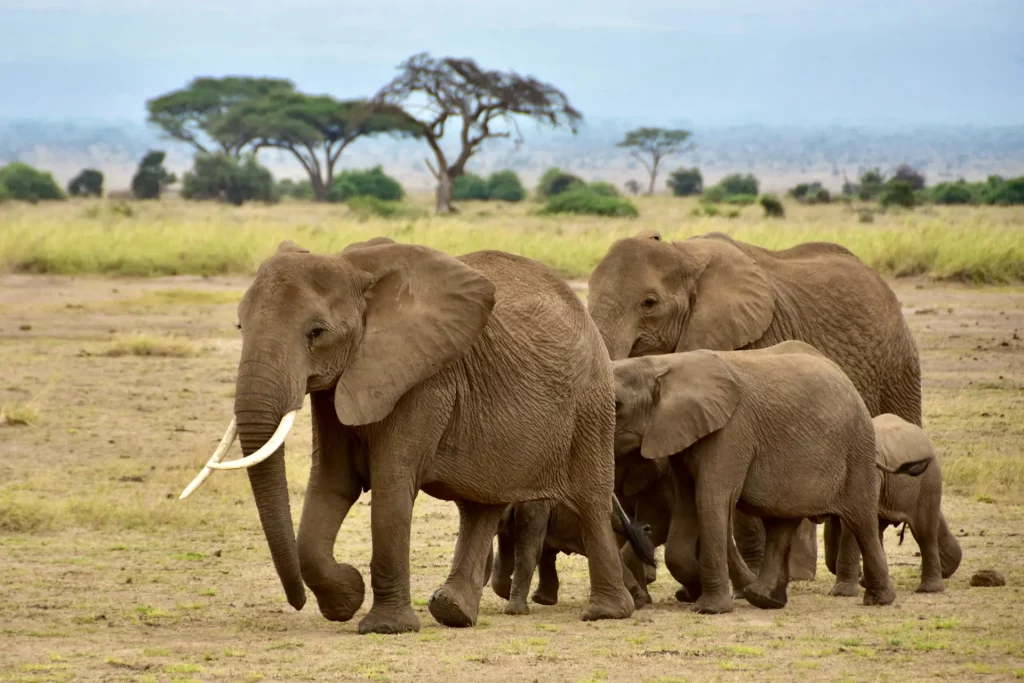
- African Elephant
- African Buffalo
- Black Rhinoceros
These five species occur across different African countries and safari regions.
Kenya, Tanzania, South Africa, Botswana, Zimbabwe, and several other destinations offer opportunities to see members of the African Big Five.
The safari experience varies from one country to another.
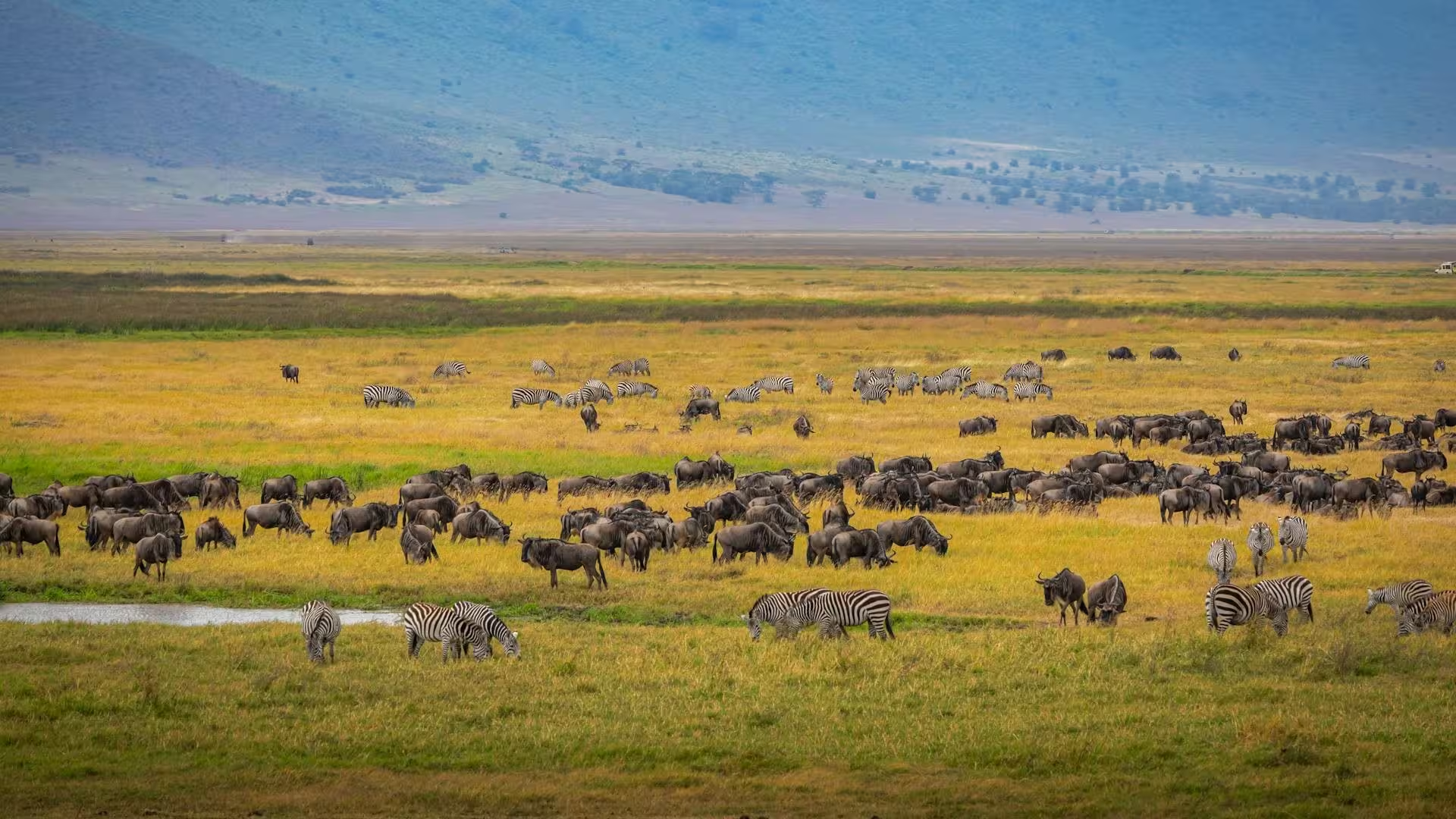
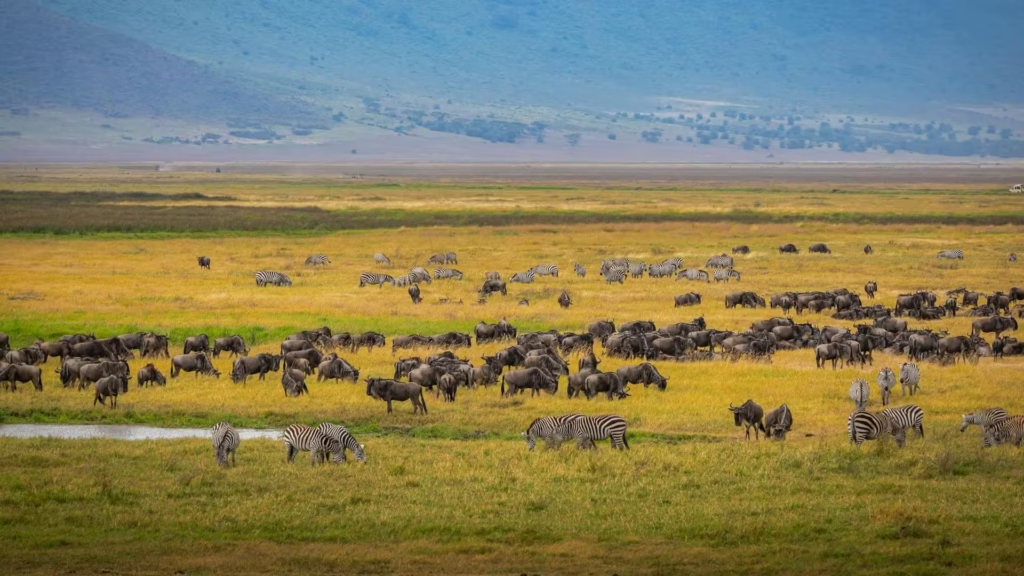
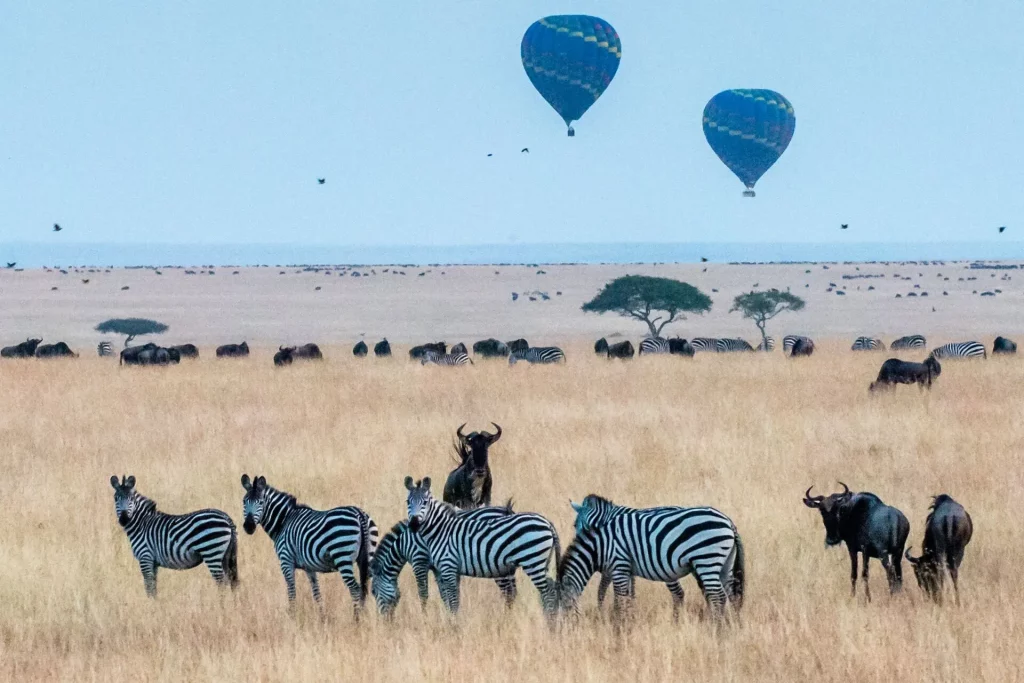
The open plains of the Maasai Mara and Serengeti provide a different setting from the woodland and river habitats found in southern Africa.
The difference also extends to safari vehicles, park rules, landscapes, and animal behaviour.
If you are planning an African wildlife trip, see our guide to the [Big Five Safari in Africa] for more information about these five iconic species, their habitats, and leading safari destinations.
India vs Africa: Two Different Big Five Experiences
The Indian and African Big Five concepts bring together very different wildlife experiences.
Africa's Big Five include the African elephant and African buffalo. India's version includes species such as the Bengal tiger and sloth bear.
India also offers many forest-based safari experiences.
Central India's teak and mixed deciduous forests create a very different setting from the open grasslands of the Maasai Mara and Serengeti.
The difference extends to safari vehicles, park regulations, terrain, and animal behaviour.
The two regions offer distinct wildlife experiences.
Travellers interested in wildlife can visit both regions and experience the differences between their habitats, species, and safari traditions.
Planning an Indian Big 5 Safari
Planning matters when your goal includes more than seeing tigers.
Start by deciding which species you want to prioritise.
If tigers are your main interest, central India or Rajasthan can form the core of your trip.
If Asiatic lions are on your list, Gujarat needs to be part of the itinerary.
If rhinoceros sightings are a priority, Assam should feature in your plans.
The season matters too.
Indian national parks have different opening periods and operating conditions. Weather and vegetation can affect animal activity and visibility.
Safari availability varies by destination. Permit rules and safari zones can vary between parks too.
A specialist safari operator can coordinate permits, accommodation, transfers, guides, and safari bookings across several destinations.
For international travellers, travel time between parks also needs careful planning.
Frequently Asked Questions
What are the Big 5 of Indian Safari?
The Big 5 of Indian Safari are the Bengal tiger, Asiatic lion, Indian leopard, sloth bear, and greater one-horned rhinoceros. This is a safari tourism concept rather than an official Indian wildlife classification.
Is there an official Indian Big Five?
No. India has no officially recognised wildlife group called the Indian Big Five. The term is used here as a tourism framework for five iconic large mammals.
Where can I see India's Big Five?
You need to visit several regions to target all five species. Central India is important for tigers, leopards, and sloth bears. Gujarat is the main region for Asiatic lions. Assam is the main destination for greater one-horned rhinoceroses.
Which is India's most famous safari animal?
The Bengal tiger is India's flagship safari species. It is the main focus of many wildlife tours across the country's tiger reserves.
Can I see lions and tigers on the same safari?
Not normally. Wild Asiatic lions are restricted to the Gir landscape in Gujarat. India's tiger population occurs across numerous tiger reserves in other parts of the country.
Where can I see the greater one-horned rhinoceros in India?
Assam is the main destination. Kaziranga National Park is particularly well known for its greater one-horned rhinoceros population.
Experience India's Big 5
India's wildlife story extends far beyond the Bengal tiger.
The Asiatic lion represents Gujarat's dry forests. The leopard lives across many parts of the country. The sloth bear adds a distinctive forest encounter. The greater one-horned rhinoceros represents the wetlands and grasslands of Assam.
Together, these five species provide a useful way to look at India's varied wildlife.
At Big Cats Safari, we design wildlife journeys around the animals, habitats, and experiences that matter to each traveller.
Your trip could focus on tiger safaris in central India, Asiatic lions in Gir, or rhinoceroses in Assam. A longer itinerary can combine several regions and wildlife experiences across India.